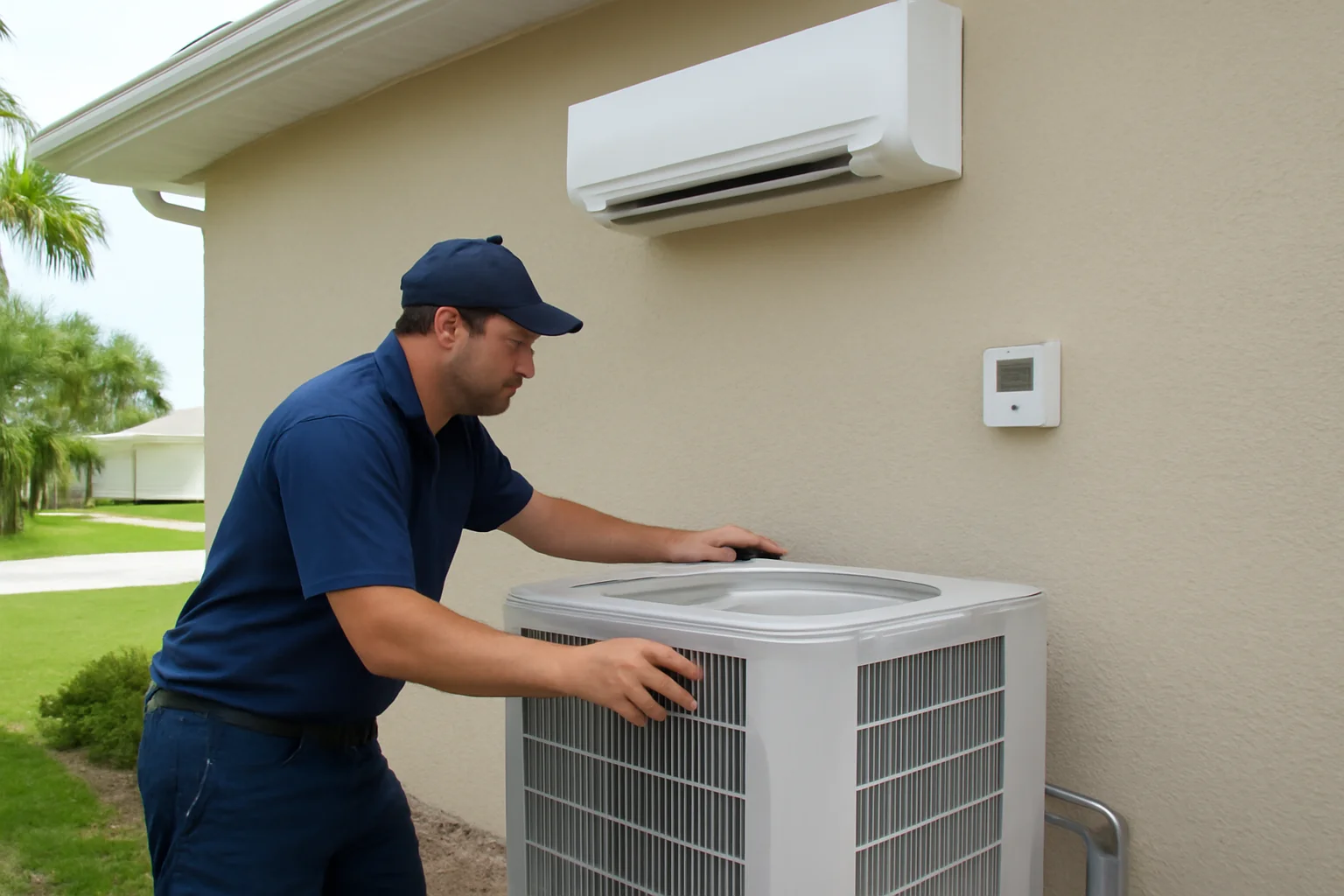
Ocean City, FL homes face a mix of heat, humidity, and salt air that can stress HVAC systems year-round. Ductless mini-splits offer flexible comfort room by room, but planning ahead helps you avoid the most common problems homeowners run into during peak summer and sudden warm spells.
This guide focuses on practical steps for Ocean City homeowners considering ductless mini-split installation, mini split replacement, or ductless AC service. It also covers preventive HVAC maintenance, indoor air quality, and what to do when cooling emergencies happen.
Start with how your home actually needs to cool in coastal Florida
Before anyone talks about refrigerant systems, condensate drainage, or thermostat installation, plan around your home’s layout and daily airflow needs. Ocean City homes often include a mix of older construction, additions, and rooms that experience different sun exposure. Even in the same house, one bedroom may run hot while another stays comfortable.
When ductless mini-splits are sized and placed correctly, you get better temperature control and more consistent airflow. When they are planned without considering room-by-room conditions, the system can struggle to maintain comfort, which can lead to more frequent air conditioner service calls and higher energy use.
Walk through these “cooling zones” with a licensed HVAC contractor
Ask your contractor to evaluate:
- Rooms with strong afternoon sun, large windows, or sliding doors
- Areas that feel muggy even when the thermostat is set correctly
- Spaces with higher occupancy, like living rooms or guest areas
- Hallways where airflow can be limited by doors or open ceilings
- Basements, crawl spaces, or enclosed areas where humidity can affect performance
For homeowners searching for ductless mini split installation near me, this step matters because placement affects airflow, comfort, and how often the system cycles.
Plan for humidity and coastal air, not just temperature
In coastal Florida, the challenge is often humidity control. Warm air plus moisture can make temperatures feel higher, even when your thermostat reads “cool.” Ductless systems are designed for targeted cooling and can help manage comfort, but they still depend on correct setup and ongoing maintenance.
Salt air exposure and high humidity can contribute to faster buildup of dirt and debris on indoor air handlers and outdoor components. That buildup can reduce airflow and make it harder for the system to remove moisture from the air. The result is a home that feels sticky, even though the unit is running.
How humidity shows up in real Ocean City homes
- Rooms that feel clammy after the unit runs for a while
- Condensation or moisture concerns around the air handler area
- Musty odors that suggest indoor air quality issues
- Short cycling, where the system starts and stops more often than expected
These are not always “ductwork problems,” because ductless systems do not rely on traditional ductwork. However, airflow patterns still matter, and indoor air quality services may be needed if filters, coils, or vents are not being maintained properly.
Choose placement that supports airflow and protects the system
Ductless mini-splits include an outdoor unit and one or more indoor air handlers. Planning the layout is about more than aesthetics. It is about airflow clearance, wall conditions, and how condensate drainage will work.
Indoor air handler placement tips for comfort and maintenance
- Keep airflow paths clear so air can move without obstruction from furniture, curtains, or ceiling fans
- Avoid locations where the unit will be blocked by seasonal clutter or storage
- Consider where condensate lines will run so drainage can be handled cleanly
- Plan for easy access to filters, since dirty filters can reduce airflow and impact indoor air quality
Outdoor unit placement also matters. Coastal salt air can accelerate corrosion and dirt buildup, so the outdoor location should support proper airflow around the unit and allow for routine inspection and cleaning as part of HVAC maintenance near me services.
Plan condensate drainage early to prevent water trouble
When ductless systems cool, they remove moisture from indoor air. That moisture becomes condensate, which must drain correctly. If condensate drainage is not planned and installed properly, homeowners can run into recurring issues like water pooling, stains, or moisture-related odors.
During the planning stage, ask your contractor how condensate drainage will be routed and how it will be protected from clogs. The goal is to keep drainage reliable through humid summer conditions and to avoid situations where a small blockage becomes a bigger problem during peak cooling demand.
Understand the refrigerant system as a sealed system, not a DIY project
Ductless mini-splits use refrigerant systems that are designed to operate as a sealed system. Homeowners should plan around the reality that refrigerant is not something you should try to troubleshoot on your own. If there are performance issues, you need an in-person professional evaluation to determine what is happening.
For example, reduced cooling performance can be caused by airflow restrictions, dirty coils, thermostat settings, or other factors. It can also be related to refrigerant system performance, but diagnosing that accurately requires proper tools and trained assessment.
If you notice symptoms like uneven temperatures, abnormal noises, or cooling that does not match the thermostat setting, contact A Superior Mechanical for ductless mini-split services in Ocean City. This is especially important when you are searching for HVAC repair near me and want a licensed HVAC contractor who can evaluate the system safely.
Thermostats and controls: set up the habits that prevent comfort problems
Many ductless comfort issues start with settings rather than equipment. A well-planned ductless system can still feel inconsistent if the thermostat strategy does not match how you live.
Planning thermostat use for coastal schedules
- Set temperature targets that account for indoor humidity, not just the number on the screen
- Use scheduling features if your home is unoccupied during parts of the day
- Confirm fan settings so airflow is comfortable without creating cold drafts
- Ask about how the system handles defrost or heat operation if you also use it for heating
For renters, second-home owners, or vacation properties, controls matter even more. A ductless mini-split can be a great fit for changing occupancy patterns, but only if the thermostat is configured for the way the property is used.
If you need help with thermostat installation or configuration, look for thermostat installation near me services from a team experienced with ductless setups.
Plan for preventive maintenance before summer stress hits
Preventive HVAC maintenance is the most reliable way to reduce ductless mini-split problems during the hottest months. In Ocean City humidity, systems can accumulate debris faster, filters can clog sooner, and airflow can decline if indoor components are not cleaned.
What preventive maintenance should include for ductless systems
- Inspection and cleaning of indoor air handler components to support airflow
- Filter checks and replacement or cleaning as needed
- Inspection of drain lines and condensate drainage for proper flow
- Coil and airflow assessment to support cooling performance
- Outdoor unit inspection for airflow clearance and debris buildup
These steps also support indoor air quality. Cleaner components and reliable airflow can help reduce the chance of musty smells and help your home feel fresher.
If you are also considering ductwork changes elsewhere in the home, it can help to read Why Duct Sealing Pays Off for Ocean City Homes. Even though ductless systems do not use ducts for the room they serve, other parts of the home may still rely on ductwork.
Plan system replacement and mini split replacement with realistic expectations
Some homeowners wait until a ductless system fails completely before making decisions. That approach can create emergency cooling concerns, especially during sudden Florida heat spikes or busy travel weekends.
A better plan is to evaluate the system while it is still operating. If you notice persistent issues like uneven cooling, repeated calls for air conditioner service, or declining comfort, ask about replacement planning options. When you are comparing ductless mini split systems, your contractor should discuss how many indoor air handlers you need, where they should be placed, and how the system will handle Ocean City humidity.
For homeowners searching for HVAC replacement near me, it helps to choose a contractor that can explain tradeoffs clearly, including how airflow, indoor air quality, and condensate drainage will be handled in your specific home.
Know common ductless problems in Ocean City and what they usually mean
Coastal conditions can create patterns. While every situation is different, these are some issues Ocean City homeowners report when ductless mini-splits need attention.
Uneven temperatures from room to room
This can happen when airflow paths are blocked, the indoor unit is not placed for how you use the room, or the system is not matched to the cooling load. It can also be related to how the thermostat is being used. A professional evaluation helps determine which factor is most likely.
Increased humidity feel even with cooling running
Dirty filters, restricted airflow, or condensate drainage concerns can reduce moisture removal. If your home feels sticky, do not assume the thermostat is “wrong.” A licensed HVAC contractor can inspect the system and confirm what needs cleaning or adjustment.
Strange noises or odd cycling behavior
Noise can come from airflow issues, debris, or mechanical wear. Short cycling can also point to performance problems. Because ductless systems involve refrigerant systems, it is not a DIY situation. Treat unusual behavior as a reason to schedule HVAC repair near me service.
Water near the indoor unit or drainage line
Condensate drainage should be reliable. If you see water where it should not be, stop operating the system and have it inspected. Water issues can quickly become indoor comfort and indoor air quality problems.
Prepare for emergency cooling concerns with a practical plan
Ocean City summers can shift fast. When a ductless mini-split stops cooling, the priority becomes restoring comfort safely and quickly.
Planning ahead does not mean you need to predict failures. It means you have the right information and a clear process so you can act fast if cooling becomes an emergency.
Your emergency cooling checklist for ductless mini-splits
- Keep the system’s model and serial information where you can find it quickly
- Know which indoor head serves which room, so you can prioritize comfort needs
- Check thermostat settings and confirm the unit is actually calling for cooling
- Look for obvious airflow obstructions around the indoor unit
- If you suspect drainage trouble, do not ignore water issues
If you are searching for emergency AC repair near me, choose a provider that can evaluate ductless performance and help you avoid extended downtime. For many homeowners, ductless systems can be a strong part of backup comfort plans, especially for add-on rooms or rental units.
Don’t forget indoor air quality and airflow across the whole home
Ductless mini-splits can improve comfort, but indoor air quality depends on more than temperature. Filters, coil cleanliness, and airflow patterns all play a role in how fresh the air feels.
For Ocean City homeowners focused on indoor air quality services, it helps to pair ductless maintenance with a broader look at ventilation and filtration habits. If you have other systems running, such as a central air conditioner or heat pump service, airflow balance becomes even more important.
If your home includes areas with ductwork, consider reading Keeping Ocean City Homes Comfortable Starts With the Air Inside to understand how air quality and comfort connect.
Budget for energy use by planning efficient operation
Ductless mini-splits can be efficient when they are installed with correct sizing, proper placement, and sensible thermostat settings. Coastal humidity can increase run time, so your energy use will depend on how the system is used day to day.
To plan energy use more realistically:
- Use scheduling when the home is unoccupied
- Avoid blocking airflow with furniture or curtains
- Keep filters clean so the system can move air effectively
- Use thermostat settings that match occupancy and comfort goals
Your HVAC contractor can help you understand how your home’s cooling load and airflow needs influence day-to-day operation without relying on guesswork.
Choose the right local HVAC contractor for Ocean City ductless work
Coastal Florida is not the same as inland climates. Salt air, high humidity, and the way homes are built in Ocean City all affect airflow, condensate drainage, and how quickly components collect dirt. That is why professional local HVAC service matters.
A Superior Mechanical serves Ocean City homeowners and businesses with ductless mini-split services designed for the area’s conditions. If you are comparing options or want a professional assessment, start with ductless mini-splits in Ocean City and explore the broader Ocean City service area for related comfort solutions. For homeowners who also manage mixed-use properties or commercial spaces, these resources can help: Why Commercial HVAC Service Matters in Ocean City Homes and Mixed-Use Properties.
If financing is part of your planning, read A Homeowner’s Guide to Better HVAC Financing in Ocean City, FL to help you think through timing and budgeting before summer pressure arrives.
How to line up ductless mini-split work with the rest of your HVAC system
Many Ocean City homes use ductless mini-splits alongside other HVAC equipment. That could include a central air conditioner, a heat pump service, or ventilation strategies that impact indoor air quality.
Planning works best when you treat the home as one comfort system, not separate parts. If you also need ductwork work, you may want to review Duct Replacement and ask how any ductwork changes affect overall airflow and humidity.
For larger properties, you may also need commercial support. If you are balancing multiple zones or spaces, consider Commercial HVAC Installation or Commercial HVAC Repair as part of a whole-property plan.
If your focus is comfort and reliability across the home, you can also explore Air Conditioning Services for maintenance and repair options that complement ductless performance.
Planning timeline: what to do now so you are ready for peak coastal heat
If you want to avoid mid-summer surprises, use a simple planning timeline:
- Early season: schedule an assessment for ductless mini-split installation or system replacement planning
- Before peak humidity: confirm thermostat settings, airflow placement, and condensate drainage routing
- Ongoing: schedule preventive HVAC maintenance to protect airflow and indoor air quality
- Any time issues appear: address unusual noises, water concerns, uneven cooling, or persistent humidity feel
For homeowners searching for ductless AC service near me or heat pump repair near me during high-demand periods, preparation often reduces stress. It also helps ensure your system is ready when Ocean City weather brings intense heat and humidity.
If you are ready to plan your ductless mini-split setup for Ocean City, you can start by contacting A Superior Mechanical and reviewing the broader Okaloosa County HVAC service area.
Find Ductless Mini-Splits in Ocean City, FL
If you need Ductless Mini-Splits in Ocean City, FL, visit our local service page or contact A Superior Mechanical today.
Map of Ocean City, FL
Frequently Asked Questions
How do I plan ductless mini-split installation for a coastal home in Ocean City?
Start with room-by-room comfort needs, airflow paths, and how humidity affects each space. A licensed HVAC contractor should evaluate placement for indoor air handlers, plan condensate drainage, and confirm the system layout supports reliable cooling in Ocean City’s heat and humidity.
What indoor issues should make me call ductless AC service in Ocean City?
Call for service if you notice persistent uneven cooling, a sticky or clammy feel despite cooling, unusual noises or cycling, musty odors, or any water near the indoor unit that suggests condensate drainage problems. These issues are best inspected in person.
Does ductless need ductwork or duct sealing?
Ductless mini-splits do not rely on traditional ductwork for the rooms they serve. However, other parts of your home may still use ducts, and indoor air quality depends on overall airflow and filtration habits. If your home has ducted areas, duct sealing can still matter.
Can I troubleshoot refrigerant issues with a ductless mini-split myself?
No. Refrigerant systems are designed to operate as sealed systems. If performance issues suggest a refrigerant-related problem, an in-person professional evaluation is needed to diagnose the cause safely and accurately.
What preventive HVAC maintenance helps ductless mini-splits last through Florida humidity?
Plan regular maintenance that includes checking and cleaning indoor air handlers, inspecting condensate drainage, and supporting airflow. Clean filters and coils help manage moisture removal and indoor air quality, especially during coastal humidity.
Related Articles
Photo Gallery