Niceville, FL is a place where you feel the coastal humidity, the summer heat, and the way daily routines shape what “good water” means in your home. If you have ever scrubbed hard water spots off glass, watched scale build around faucets, or noticed a metallic or chlorinated taste in drinking water, you already know the problem is not just cosmetic. Hard water can affect how soap works, how laundry feels, and how quickly plumbing components and appliances wear out.
This guide walks you through what better water softening looks like for Niceville homeowners. You will learn how maintenance protects your home, what common water quality symptoms mean, and how pairing water softening with whole home water filtration and reverse osmosis can support better drinking water, cooking water, and everyday comfort.
Why Niceville hard water issues show up in everyday life
Hard water is not rare in Florida, and Niceville homes often deal with mineral content that can leave deposits as water moves through plumbing and fixtures. When minerals build up, you see it everywhere: on showerheads, around faucets, and inside pipes where you cannot easily check.
Homeowners notice these signs most during routine tasks:
Hard water spots on glass, especially after rinsing drinking glasses or cleaning bathroom mirrors.
Scale buildup around faucets and showerheads, including rough deposits and reduced water flow.
Dry skin or dull hair after bathing, often paired with soap that does not lather or rinse well.
Metallic, chlorinated, or unpleasant taste in kitchen water, which can show up in drinking water and cooking water.
Cloudy ice cubes and residue concerns that make you second-guess whether your water is truly fresh.
Poor tasting coffee and food cooked with water that tastes off or leaves a different flavor.
Visible sediment, discoloration, and odor concerns in some situations, especially if filtration is not keeping up.
Appliances wearing out faster, including water heaters, dishwashers, and washing machines that experience scale stress.
Hard water spots on dishes, even after using the right detergents and rinse aids.
When you connect these symptoms to water softening and water treatment, the story becomes clear: minerals can interfere with soap, clog flow paths, and shorten the useful life of equipment. Better maintenance keeps the system performing as designed, so you are not constantly fighting the same problems.
What water softening actually does for your home
Water softening is designed to reduce hardness minerals, which are often the minerals responsible for scale buildup on fixtures and deposits inside plumbing. In a whole-home system, properly maintained softening helps water act more like “cleaner” water in daily use.
When softening is working well, you typically see:
Soap that lathers more easily and rinses off with less residue.
Less scale buildup on faucets and showerheads.
Fewer hard water spots on glass and dishes.
Better bathing feel, including less dryness and hair that looks less dull.
Improved performance from appliances that are sensitive to scale, such as dishwashers and water heaters.
For Niceville homeowners, the goal is not only “soft water.” It is dependable water treatment that keeps your plumbing and equipment operating efficiently through changing seasons and everyday demand.
A practical maintenance routine for a whole-home water softener
Think of water softening maintenance as protecting a system that protects your home. When the softener is properly tuned, it reduces scale and helps the rest of your water treatment work better. When it is neglected, you can get partial softening, salty water issues, or mineral buildup that suggests the system is not regenerating correctly.
1) Keep an eye on salt levels and refill habits
Most whole-home water softeners require salt to support the regeneration cycle. If the salt level drops too low, the system may not regenerate effectively. This can lead to recurring scale buildup on faucets, showerheads, and fixtures. A simple habit is to check salt regularly and refill before the tank runs low.
If you ever notice a sudden return of hard water spots on glass or soap not lathering, salt and regeneration performance are good places to start.
2) Watch for changes in water feel and cleaning results
Maintenance is not only about parts. It is also about noticing how water behaves. If you begin to see:
Soap does not lather or rinses poorly
Bathing feels drier
Dishes show more spotting
Scale buildup on fixtures increases
…your softener may need adjustment, service, or filter attention. Small changes can be early clues that something is drifting out of spec.
3) Confirm the system is regenerating correctly
Many modern softeners use timers or demand-based controls. If regeneration is too infrequent, you can see hardness symptoms. If it is too frequent or improperly set, you can waste salt and water, and in some cases create other performance issues.
A Superior Mechanical can evaluate your system settings, flow conditions, and performance to help keep the softener cycle aligned with your Niceville household needs.
4) Schedule service before scale becomes a bigger problem
Hard water deposits do not wait. They build up in places that reduce efficiency and can lead to costly repairs. When you schedule regular service, you reduce the chance that minerals will accumulate inside plumbing components or that the system will struggle to keep up with demand.
This is especially important for homes with multiple bathrooms, frequent laundry, or older plumbing where mineral buildup can accelerate.
Where A. O. Smith water softeners fit into a better water plan
Homeowners often ask whether a softener is “enough” on its own. For many Niceville families, the best answer is a combination approach. Water softening addresses hardness minerals that cause scale. Then other filtration or reverse osmosis options can address taste, odor, sediment, and drinking water quality.
Many systems installed in the region include A. O. Smith water softener equipment because it is built for whole-home performance. The key is matching the system to your water conditions and household usage. When the sizing and maintenance are done right, you get consistent results across showers, laundry, and kitchen cleanup.
If you are looking for water softening near me service in Niceville, the most helpful provider will do more than deliver a unit. They will help confirm your needs, explain how regeneration works for your home, and build a maintenance schedule that keeps your system performing.
Pairing softening with whole home filtration and reverse osmosis
Hardness is only one part of the water quality picture. Even with a properly softened system, you might still notice:
Chlorine taste in water
Metallic tasting water
Cloudy ice cubes
Visible sediment, discoloration, or odor concerns
That is where whole home water filtration and drinking-focused treatment can help.
Whole house water filter for cleaner water across the home
A whole house water filter can support cleaner water for bathing, laundry, and general use by reducing sediment and improving water clarity. For homeowners searching for water filtration near me, it is worth considering a system that works alongside softening instead of competing with it.
When you treat water in layers, you can reduce the mineral scale that damages fixtures and also address other contaminants that affect taste and appearance.
If you are exploring options such as an AO Smith water filtration approach, talk with a local technician about which stage is best for your home’s priorities.
Reverse osmosis for better drinking water and cooking water
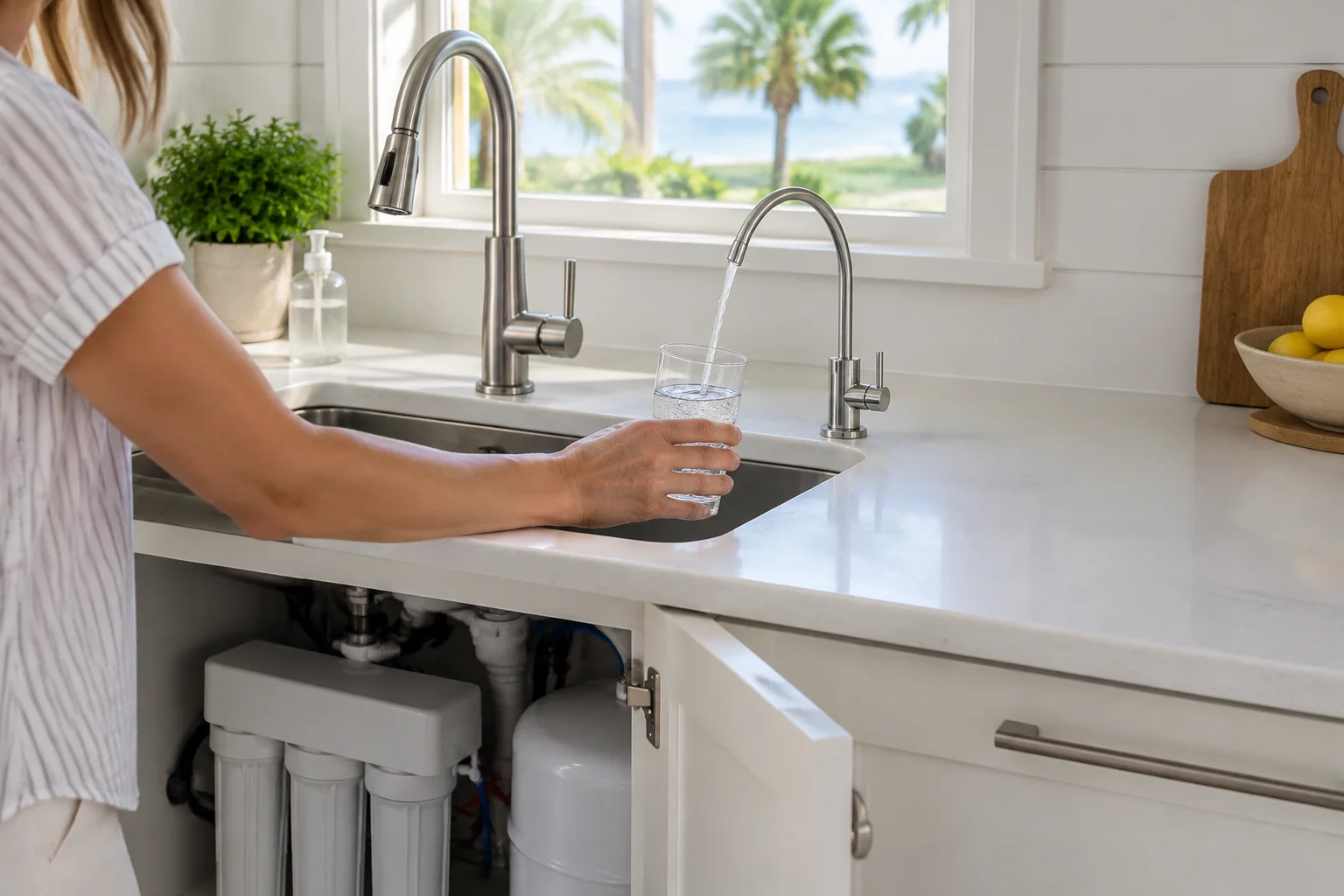
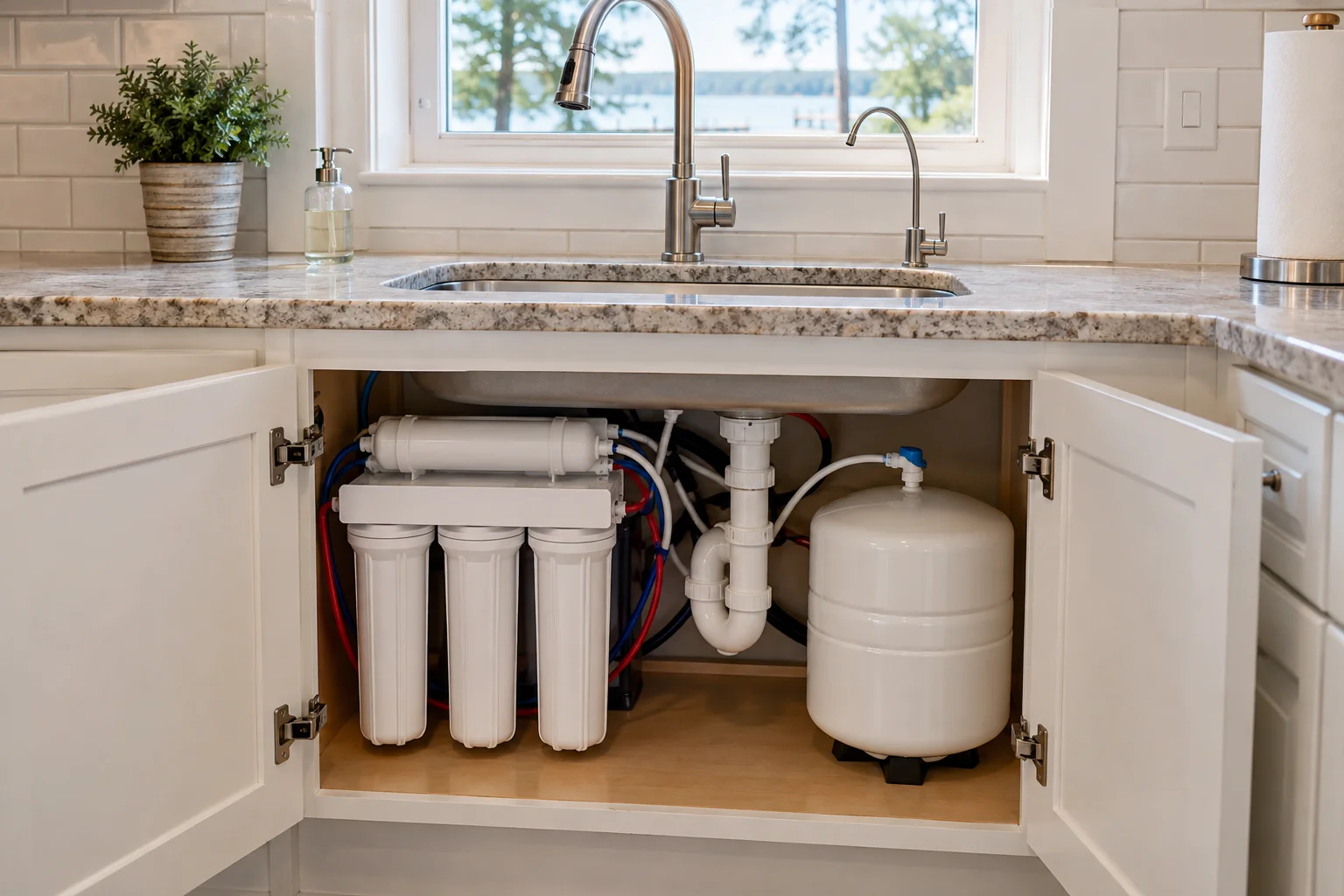
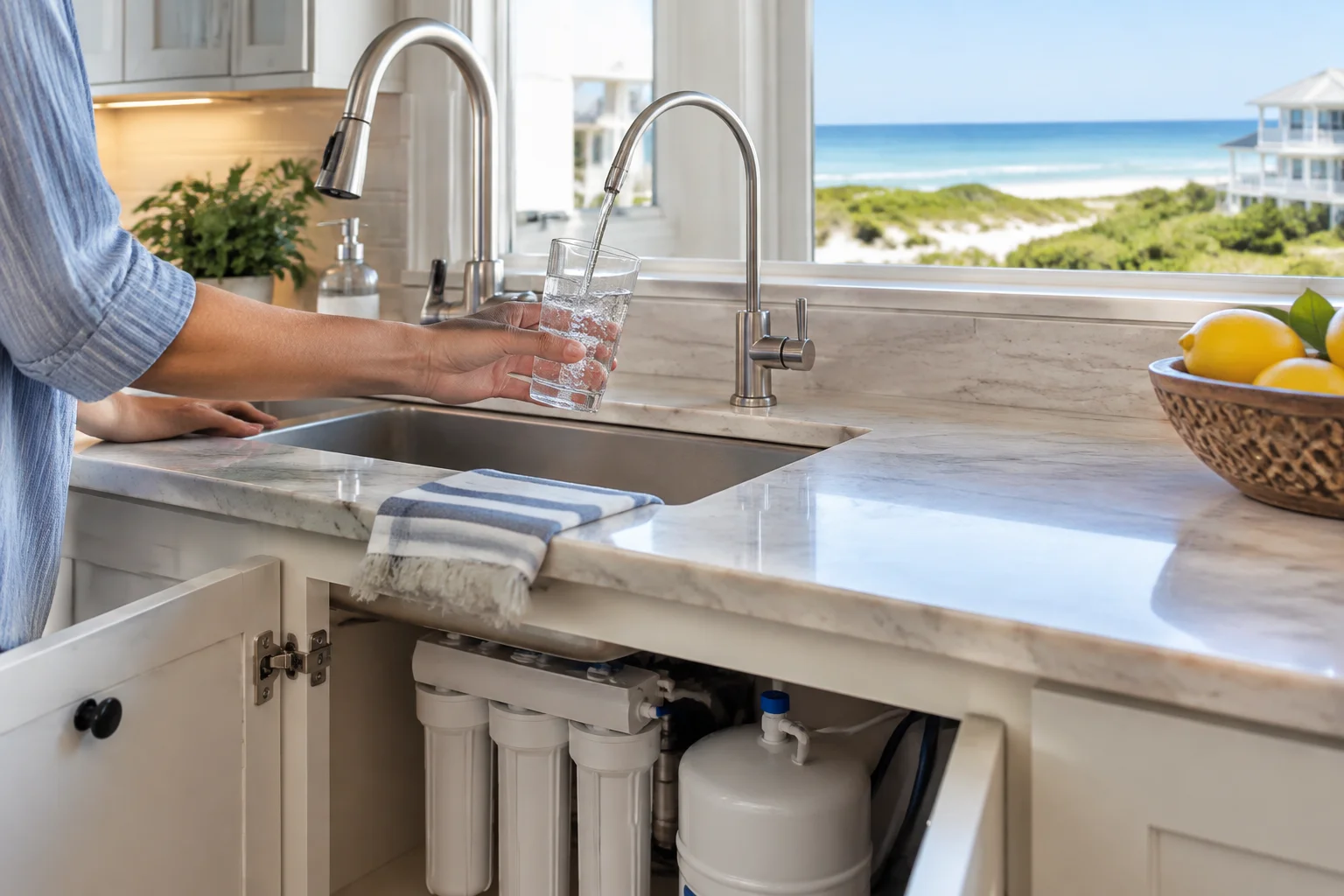
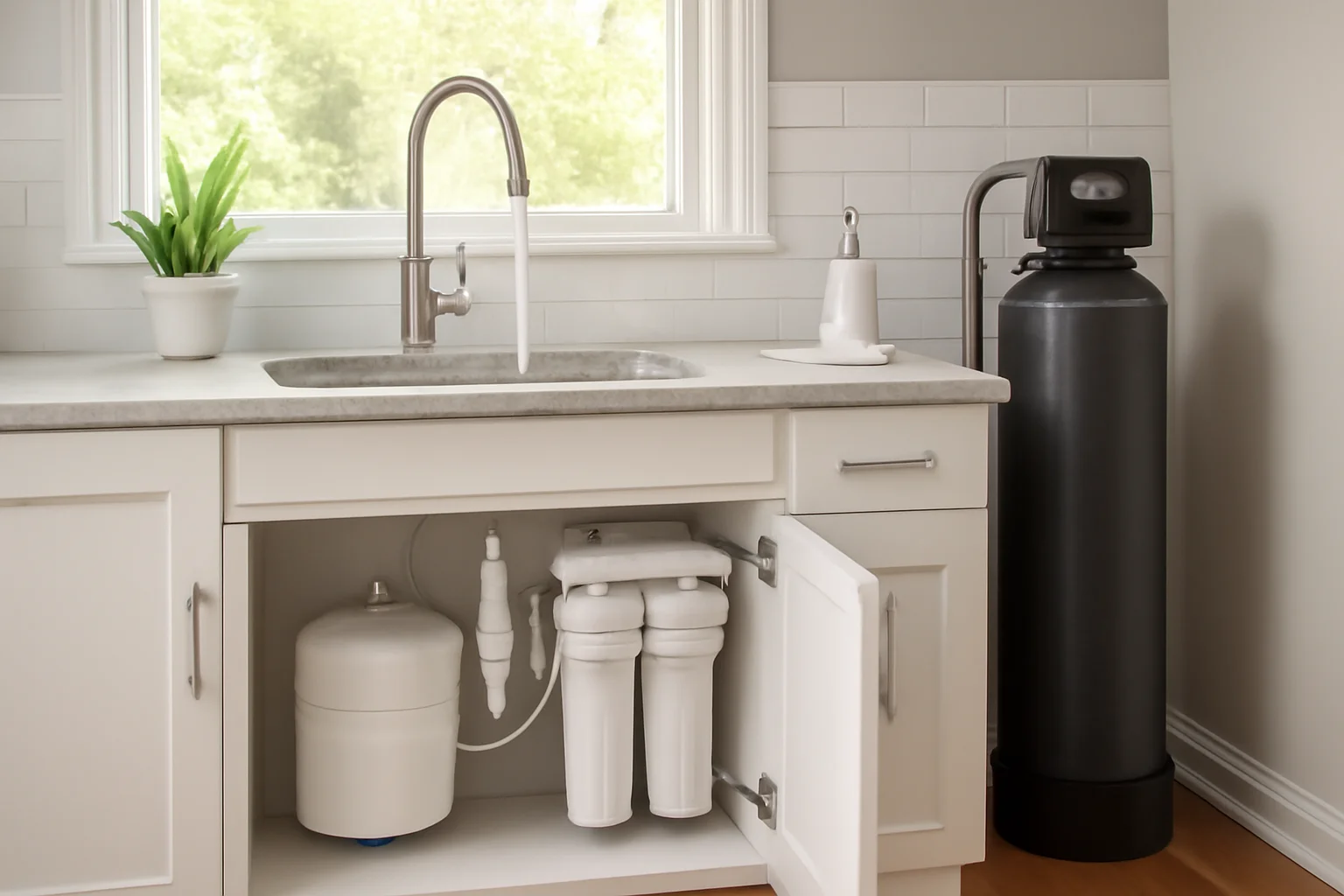
For many families, the kitchen is where the difference becomes obvious. A reverse osmosis system can be a strong choice for improving drinking water and cooking water, especially if you are dealing with unpleasant flavors, cloudy ice, or concerns about what ends up in coffee, tea, and recipes.
Homeowners searching for reverse osmosis installation near me often want a system that fits their countertop or under-sink setup and delivers consistent results. A local water treatment specialist can help you decide whether reverse osmosis, a drinking water filter, or a combination makes the most sense for your water profile.
How layers improve the “family kitchen” experience
Imagine a busy Niceville morning. Kids grab water bottles. Coffee brews. The dishwasher runs at the same time laundry cycles. If your water treatment is working together, you are more likely to experience:
Better drinking water for everyday sips
Better water for cooking, including coffee that tastes cleaner
Less residue on dishes and glasses
Water that feels better during bathing and handwashing
That is the real benefit of better maintenance and better system design. It is not just about a single test result. It is about how water performs through daily life.
What to look for when your water softener or filtration is slipping
Even well-installed systems can lose performance over time if maintenance is delayed. Use these observations as a homeowner checklist.
Common red flags
Scale buildup around faucets and showerheads that keeps coming back
Hard water spots on glass, especially after cleaning
Soap does not lather and leaves film on sinks or shower walls
Dry skin or dull hair after bathing
Metallic tasting water or chlorine taste in water that feels worse than usual
Cloudy ice cubes and changes in water clarity
Visible sediment or discoloration in household water
Appliances wearing out faster, like water heaters needing attention sooner
Likely causes behind the symptoms
Depending on what you notice, the cause could include:
Salt supply and regeneration not keeping up with demand
Settings that need adjustment for household water use
Filter media that needs replacement as sediment accumulates
System bypass issues or plumbing leaks affecting performance
Water treatment gaps, where softening alone does not address taste, odor, or sediment
Because several issues can look similar, the best approach is testing and inspection so you do not guess and waste time.
Why local service matters in Niceville and across Okaloosa County
Niceville homes experience hot summers, humid conditions, and heavy seasonal water use. Those factors can influence how quickly scale builds and how often a softener needs to regenerate. Your plumbing age, household size, and fixture count also shape water demand.
That is why homeowners searching for water softener service in the area benefit from a provider that understands local water treatment needs and can recommend a system that fits the way you live.
If you are in the Niceville area, you can explore the service options at A Superior Mechanical’s water softening page for Niceville. For broader coverage and water treatment service across the region, visit Okaloosa County water treatment service areas and the Niceville service area page.
Maintenance that protects appliances, not just fixtures
Scale is more than an appearance problem. It can reduce heat transfer in water heaters, restrict flow in plumbing components, and increase wear in appliances. When you keep hardness under control, you often see:
More efficient water heating and fewer performance complaints
Cleaner dishware and glassware with less residue
Less stress on washing machine components exposed to mineral buildup
Longer service life for equipment that relies on clean flow
When homeowners ask about better water treatment, they usually mention the kitchen first. But the long-term value shows up in laundry days, hot shower routines, and the moment a water heater or dishwasher starts acting “older” than it should.
Choosing water filtration beyond softening: a roadmap for homeowners
If your goal is better drinking water and cleaner water across the home, consider a layered plan:
Water softening to reduce hardness and protect fixtures and appliances.
Whole home water filtration to support cleaner water clarity and help reduce sediment concerns.
Reverse osmosis or a dedicated drinking water solution for the kitchen, especially if you notice chlorine taste, metallic tasting water, or cloudy ice.
If you want to compare approaches, start with the water filtration and reverse osmosis landing page. It can help you understand how these systems work together, so you can choose a plan that matches your priorities and budget.
When to call a water treatment professional in Niceville
Home maintenance is useful, but some issues need professional inspection. Call a local water treatment service when you notice:
Hard water spots on glass and dishes return quickly after cleaning
Soap does not lather or rinse well consistently, even with normal routines
Dry skin or dull hair persists after trying to adjust soaps and shampoos
Metallic, chlorinated, or unpleasant tastes become more noticeable
Cloudy ice cubes show up regularly
You see sediment, discoloration, or odor concerns
Your appliances seem to be wearing out faster than expected
Professional service can include performance checks, system adjustments, and recommendations for whole home water filtration or reverse osmosis installation when softening alone does not address the full water quality picture.
For homeowners ready to protect their home with dependable softening and better water treatment, A Superior Mechanical offers professional water softening in Niceville, FL with whole-home systems designed to reduce hard water problems across Okaloosa County homes and businesses.
Find Water Softening in Niceville, FL
If you need Water Softening in Niceville, FL, visit our local service page or contact A Superior Mechanical today.
For a broader look at whole-home water filtration, reverse osmosis, and water softener options, visit our water filtration, RO, and water softener page.
Map of Niceville, FL
Frequently Asked Questions
How can I tell if my Niceville home needs water softening service?
Look for hard water spots on glass and dishes, scale buildup on faucets and showerheads, soap that does not lather or rinse well, and dry skin or dull hair after bathing. If you also notice metallic or chlorinated taste, cloudy ice cubes, or appliance wear happening faster, it is time to evaluate your system.
Will water softening fix chlorine taste in water or cloudy ice?
Water softening mainly targets hardness minerals that cause scale. Chlorine taste, cloudy ice cubes, sediment, and odor concerns often require whole home water filtration and, for many kitchens, a reverse osmosis system or drinking water filter.
How often should a whole-home water softener be maintained?
Many homeowners benefit from scheduled service to verify regeneration performance, check settings, and confirm that filters and components are operating correctly. If you notice symptoms like returning scale buildup or reduced lathering, schedule an inspection sooner.
What is the difference between a whole house water filter and reverse osmosis?
A whole house water filter supports cleaner water throughout the home by reducing sediment and improving clarity. Reverse osmosis is often used for the kitchen and drinking water to help improve taste and water quality for drinking and cooking.
Related Articles
- How Better Plumbing Installation Helps Niceville Homes Stay Reliable Year Round
- Practical ways Niceville homeowners can handle plumbing financing without delaying repairs
- Why a Small Water Heater Problem in Niceville Can Turn Into a Bigger Plumbing Repair
- Why Better Plumbing Replacement Pays Off in Niceville Homes
Photo Gallery