A slow drain may seem like a minor inconvenience until several fixtures begin backing up at once. In DeFuniak Springs homes, recurring clogs, sewer odors, wet areas in the yard, and gurgling toilets can point to a deeper problem inside the drain or sewer line. A camera inspection gives homeowners a practical way to see what is happening without immediately digging up landscaping or opening walls.
A Superior Mechanical provides sewer camera inspection in DeFuniak Springs for homes, businesses, and rental properties. The inspection can locate buildup, root intrusion, damaged pipe sections, and other obstructions so the next plumbing repair is based on visible evidence rather than guesswork.
How a sewer camera helps diagnose drain problems
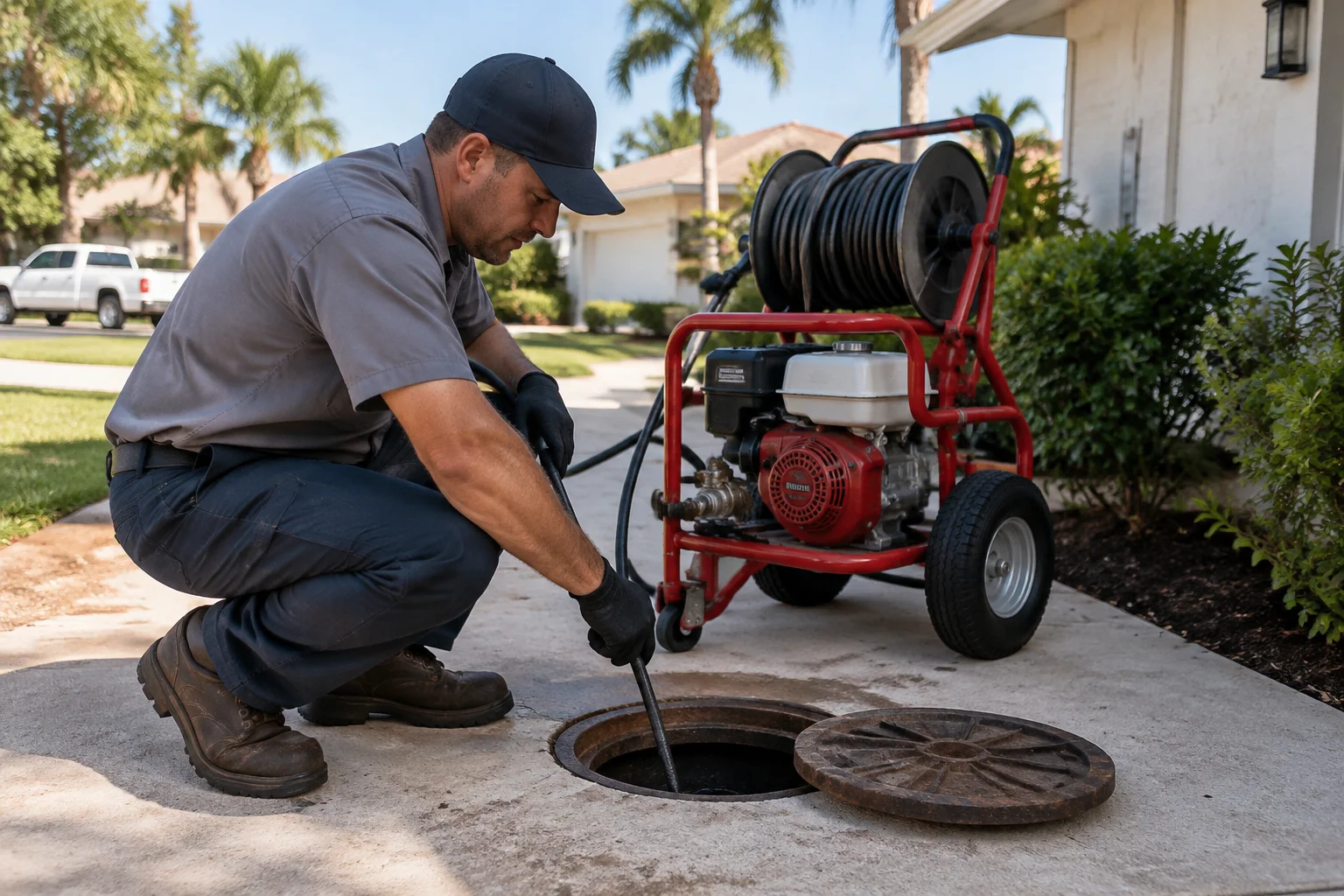
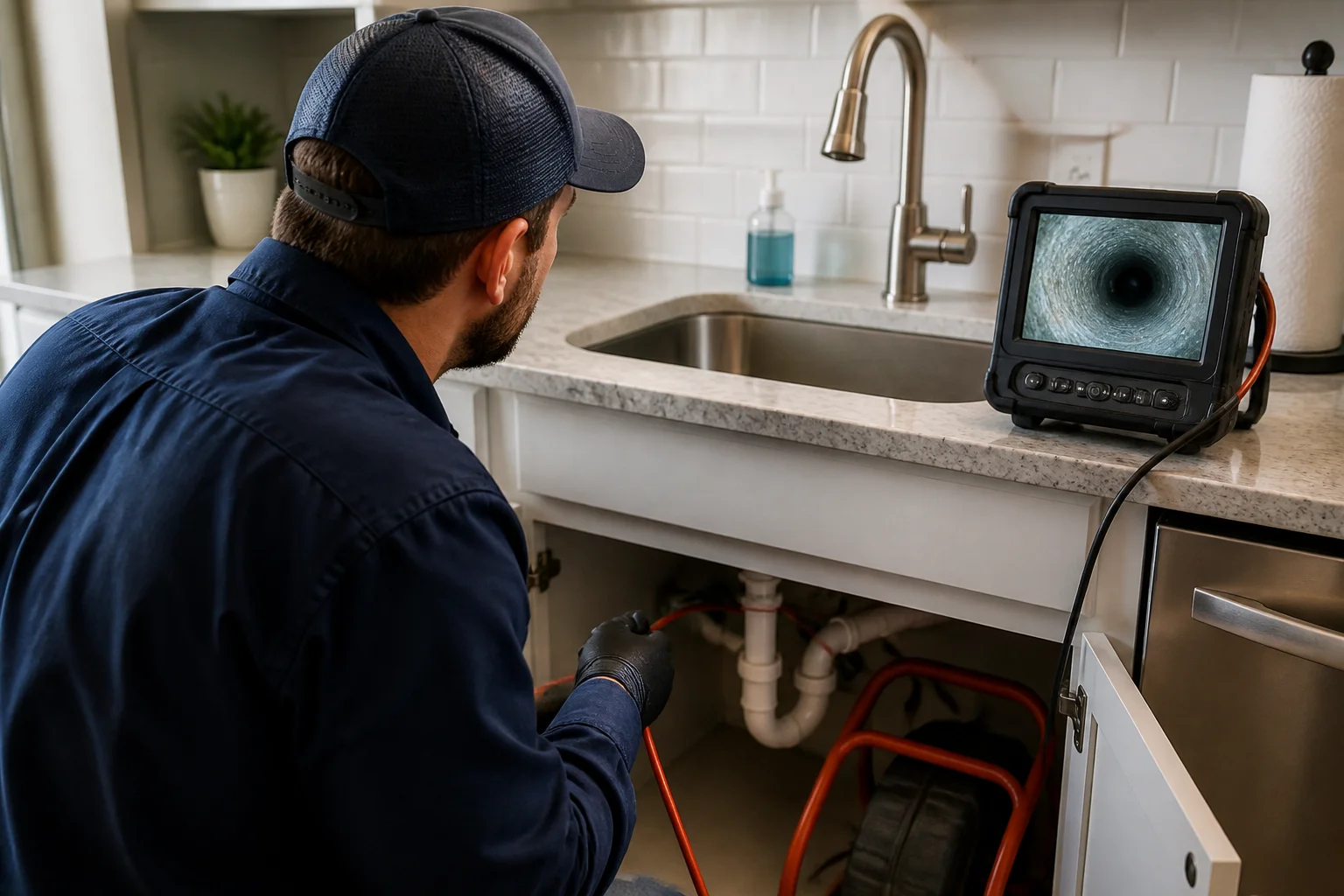
A sewer camera is a small waterproof camera attached to a flexible cable. A plumber feeds it through an accessible cleanout or drain opening while watching the video on a monitor. The camera can travel through much of the building drain and sewer lateral, depending on pipe access, line condition, and the location of any blockage.
The video may reveal grease deposits, foreign objects, heavy scale, tree roots, cracks, separated joints, corrosion, or a section of pipe that has settled. A locating device can often identify the camera head's position from above ground. This allows the plumber to estimate where a repair may be needed instead of excavating a large area to search for the problem.
A camera is especially useful when drain cleaning provides only temporary relief. Homeowners searching for sewer drain cleaning near me may have a clog removed, but the line can block again if roots, a broken fitting, or a low section of pipe remains. Video inspection helps separate a routine clog from a structural sewer line issue.
Drain behavior that deserves a closer look
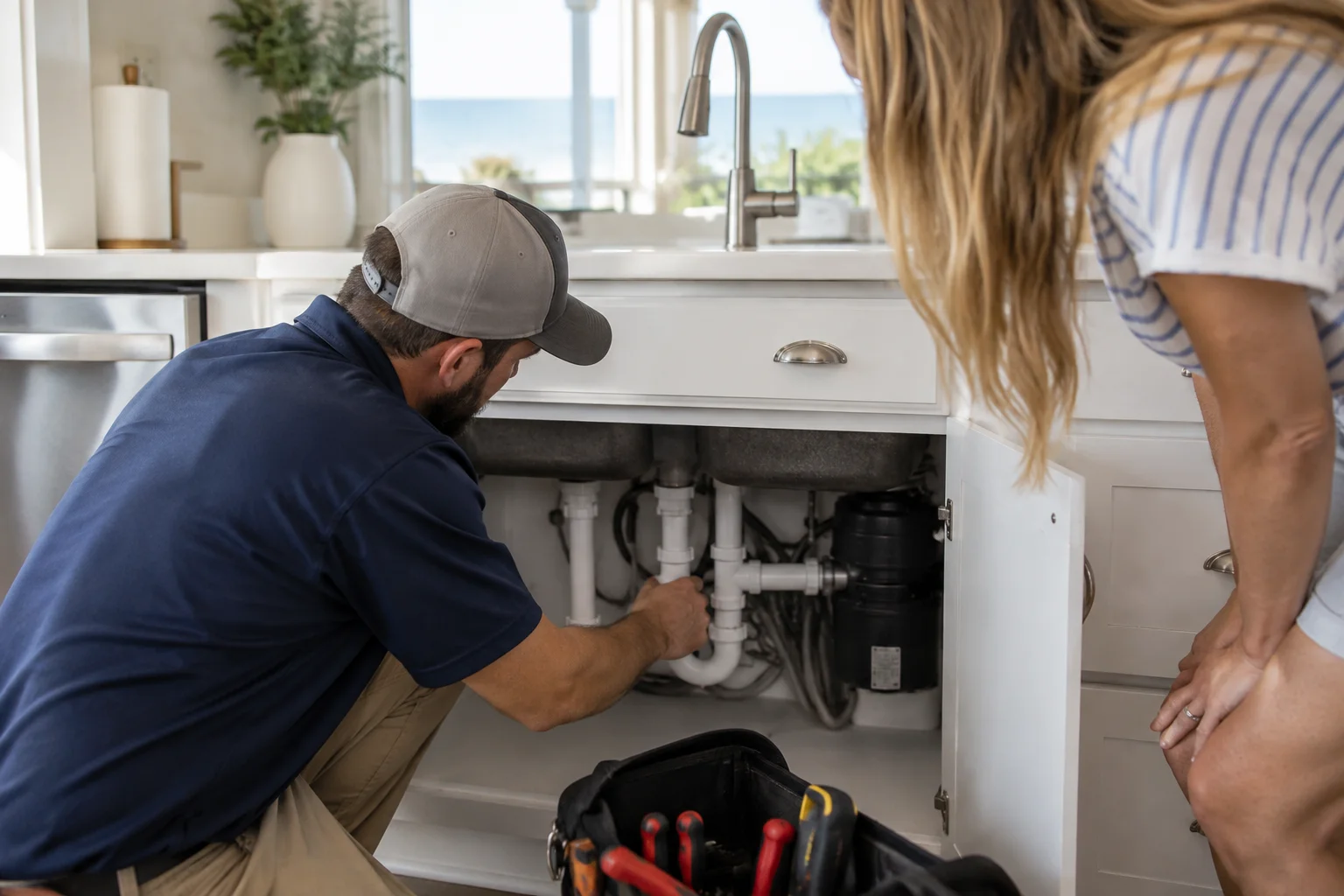
One slow sink is often caused by buildup near that fixture. Trouble in several drains is more concerning. If a toilet gurgles when the washing machine drains, water rises in a shower when another fixture is used, or the lowest drain in the house repeatedly backs up, the main building drain may be restricted.
Recurring clogs after drain cleaning
A clog that returns within days or weeks may not be a simple accumulation of waste. Roots can catch paper and debris, while rough cast iron surfaces can collect buildup. A damaged joint can also interrupt normal flow. If a slow drain repair near me search has led to repeated service visits, camera footage can help identify why the blockage keeps returning.
Sewer odors and unexplained gurgling
Sewer odors can come from a dry trap, a failed toilet seal, a vent issue, or a damaged drain line. Gurgling often occurs when air cannot move normally through the drainage system. These symptoms do not automatically prove that the sewer lateral is broken, but they justify a complete plumbing evaluation when they affect multiple fixtures.
Wet soil, unusually green grass, or settling
A leaking sewer line may create damp ground, odors, or unusually vigorous plant growth along its route. Soil can also settle over a failed pipe. Similar symptoms may come from irrigation, stormwater, or a pressurized water line leak, so proper testing matters. Camera inspection can look for visible sewer pipe damage, while separate leak detection may be needed for a water service line or slab leak.
Wastewater backing up into the home
A sewage backup is an urgent sanitation concern. Stop using sinks, toilets, showers, the dishwasher, and the washing machine until the line can be evaluated. If wastewater is entering living areas or will not drain, contact emergency plumbing services in DeFuniak Springs. Someone searching for emergency sewer repair near me should avoid chemical drain products and keep children and pets away from affected areas.
Why DeFuniak Springs sewer lines develop problems
Plumbing systems across DeFuniak Springs vary widely. An older home may have aging cast iron or clay drain components, while a newer property may use PVC. Additions and renovations can create transitions between materials. Those connections deserve attention because poor alignment, soil movement, and aging seals can interfere with drainage.
Northwest Florida's warm, humid climate supports active tree and shrub growth. Roots do not normally break into a sound pipe, but they can enter through an existing crack or loose joint and expand inside the line. Mature landscaping near the sewer route can therefore affect older or damaged piping.
Heavy seasonal rain can saturate soil and expose drainage problems around a property. Stormwater should never be routed into the sanitary sewer system. Saturated ground can also make an existing sewer leak, displaced joint, or low area more noticeable. Local knowledge is valuable because homes in different parts of Walton County may have different pipe materials, lot conditions, and utility arrangements.
Inside the home, grease, wipes, hygiene products, excessive paper, and objects flushed by accident are frequent causes of blockage. Products labeled flushable may not break apart quickly enough to pass through every residential sewer line. Mineral deposits associated with hard water can also accumulate in fixtures and some plumbing components, although grease, waste, roots, and pipe defects are usually more relevant to a main sewer obstruction.
Getting useful information from the inspection
Before the appointment, note which fixtures are affected, when the problem started, and whether previous drain cleaning helped. Tell the plumber about renovations, prior sewer repairs, large trees, or known changes in pipe material. If possible, locate accessible cleanouts and keep the surrounding area clear.
The line sometimes needs to be cleaned before useful footage can be recorded. A camera cannot see through standing wastewater, dense grease, or a solid clog. In that situation, the plumber may restore flow first and then inspect the cleaned line. This follow up view can show whether the pipe itself is intact or whether another condition caused the blockage.
Ask to see the relevant footage and have the findings explained in plain language. Important details include the pipe material, approximate location of the defect, severity of damage, and whether the issue affects one branch or the main sewer lateral. A visible crack does not always require full line replacement, and a clear line does not mean every fixture problem has been solved.
Camera results should be considered alongside drain behavior and other tests. A sewer camera does not measure household water pressure, confirm the source of every leak, or inspect pressurized hot and cold water pipes. Slab leaks, high water pressure, dripping faucets, running toilets, and water heater failures require their own diagnostic methods.
Matching the repair to the camera findings
Localized buildup or a removable obstruction
If the pipe is structurally sound, professional drain cleaning may restore proper flow. The cleaning method should match the pipe material and type of blockage. Removing the obstruction before recording final footage also lets the plumber check for damage hidden beneath the buildup.
Root intrusion or damaged sewer piping
Root cutting can reopen a line, but roots will often return while an opening remains. Cracks, offset joints, collapsed sections, and severe corrosion may require targeted pipe repair or replacement. A Superior Mechanical can use inspection findings to discuss appropriate sewer repair and maintenance options based on access and pipe condition.
Problems on the water supply side
Not every wet area or high water bill comes from the sewer. If testing points to a pressurized pipe, water line services may be more appropriate. An extensively deteriorated service line may call for waterline replacement. Homeowners searching for broken pipe repair near me should describe whether water is clean or wastewater, where it appears, and whether the water meter continues moving when fixtures are off.
Fixture and appliance issues
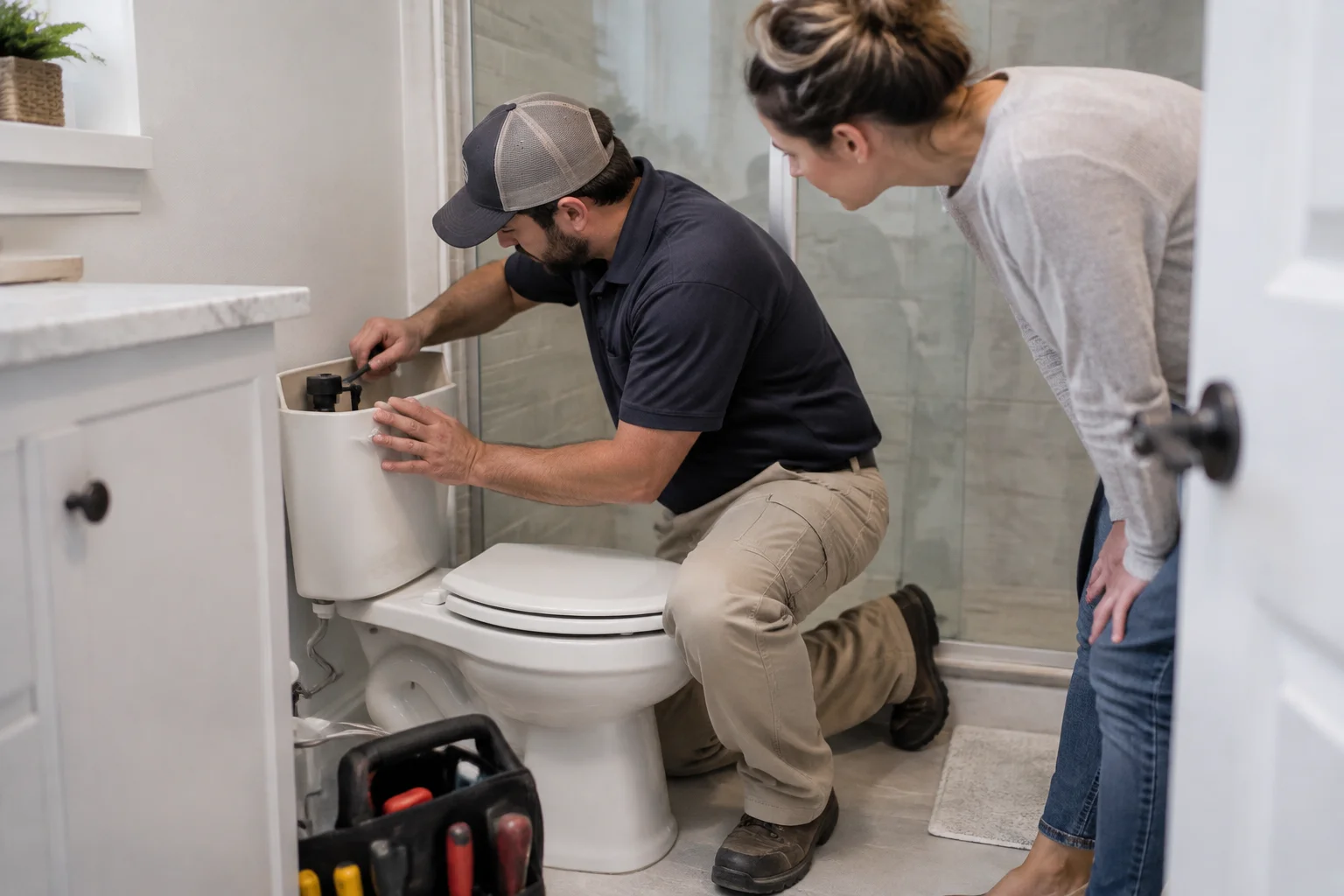
A sewer inspection will not repair a leaking faucet, failing toilet fill valve, or water heater problem, but those issues still affect the plumbing system. Constant toilet flow wastes water and can place unnecessary demand on a partially restricted drain. Faucet leaks may indicate worn components or excessive pressure. Anyone searching for water heater repair near me should mention discolored hot water, unusual sounds, temperature changes, or moisture around the tank so the correct equipment is evaluated.
For help deciding whether aging fixtures should be repaired or replaced, review these plumbing fixture replacement considerations for DeFuniak Springs homes.
Practical ways to protect drains and pipes
Use sink strainers to catch food particles and hair. Collect cooking grease in a container instead of pouring it into the sink, even with hot water. Flush only human waste and toilet paper. Wipes, paper towels, dental floss, cotton products, and cat litter belong in the trash.
Pay attention to changes in drain speed. A gradual slowdown is easier to address before wastewater reaches a floor drain or bathtub. Avoid relying on repeated chemical drain cleaners. Some products can damage finishes, create hazardous conditions for the plumber, and fail to remove the underlying obstruction.
Know where the main water shutoff and sewer cleanout are located. The water shutoff is important during burst pipes, slab leak emergencies, toilet supply failures, and water heater leaks. The sewer cleanout gives a plumber a practical access point for main drain cleaning and camera inspection. Keep it visible and do not bury it under permanent landscaping.
Monitor water pressure as part of local plumbing maintenance. Excessive pressure stresses supply pipes, fixture valves, faucets, toilets, washing machine hoses, and water heaters. Hard water deposits can also affect aerators, showerheads, valves, and water heating equipment. The guide to cleaner water through better plumbing care explains additional steps homeowners can take.
Rental properties and homes with large households may benefit from planned drain maintenance because they experience heavier water use. Keep records of clogs, repairs, camera footage, and replaced pipe sections. A maintenance history helps identify patterns and can prevent repeated diagnostic work. More ideas are available in this DeFuniak Springs plumbing maintenance guide.
Choosing local plumbing help based on the problem
Search results for a licensed plumber near me can include companies with very different equipment and experience. Ask whether the plumber can inspect the line, explain the video, locate underground defects, and provide repair options supported by the findings. A useful inspection should lead to a clear diagnosis, not an automatic recommendation to replace the entire sewer line.
Local service also matters during an urgent backup. A plumber familiar with DeFuniak Springs plumbing systems can consider area home construction, common pipe materials, soil conditions, seasonal rainfall, and access issues. That context helps determine whether the problem is likely near one fixture, beneath the home, in the yard, or farther along the sewer connection.
Contact A Superior Mechanical when drain trouble affects multiple fixtures, returns after cleaning, produces sewage odors, or creates an active backup. A carefully performed sewer camera inspection can identify the next sensible step, whether that is cleaning, a focused pipe repair, ongoing maintenance, or a broader sewer line solution.
Find Sewer Camera Inspection in DeFuniak Springs, FL
If you need Sewer Camera Inspection in DeFuniak Springs, FL, visit our local service page or contact A Superior Mechanical today.
Map of DeFuniak Springs, FL
Frequently Asked Questions
Can a sewer camera find every type of plumbing leak?
No. A sewer camera can reveal cracks, separated joints, corrosion, and other visible damage inside drain or sewer piping. It does not test pressurized water lines or confirm every slab leak. Those problems may require pressure testing, meter testing, acoustic equipment, or other leak detection methods.
Does the sewer line need to be cleaned before a camera inspection?
Sometimes. If grease, standing wastewater, roots, or a solid clog blocks the camera's view, the plumber may need to clean the line first. A camera inspection after cleaning often provides the clearest view of the pipe walls and joints.
Is a recurring drain clog always caused by a broken sewer line?
No. Recurring clogs can result from grease, wipes, excess paper, roots, pipe scale, poor slope, or structural damage. Camera footage helps determine whether cleaning is sufficient or a section of piping needs repair.
Should I stop using water during a sewer backup?
Yes. Stop using toilets, sinks, showers, washing machines, and dishwashers because additional water can worsen the backup. Keep people and pets away from sewage and contact an emergency plumber for prompt evaluation.
Related Articles
Photo Gallery