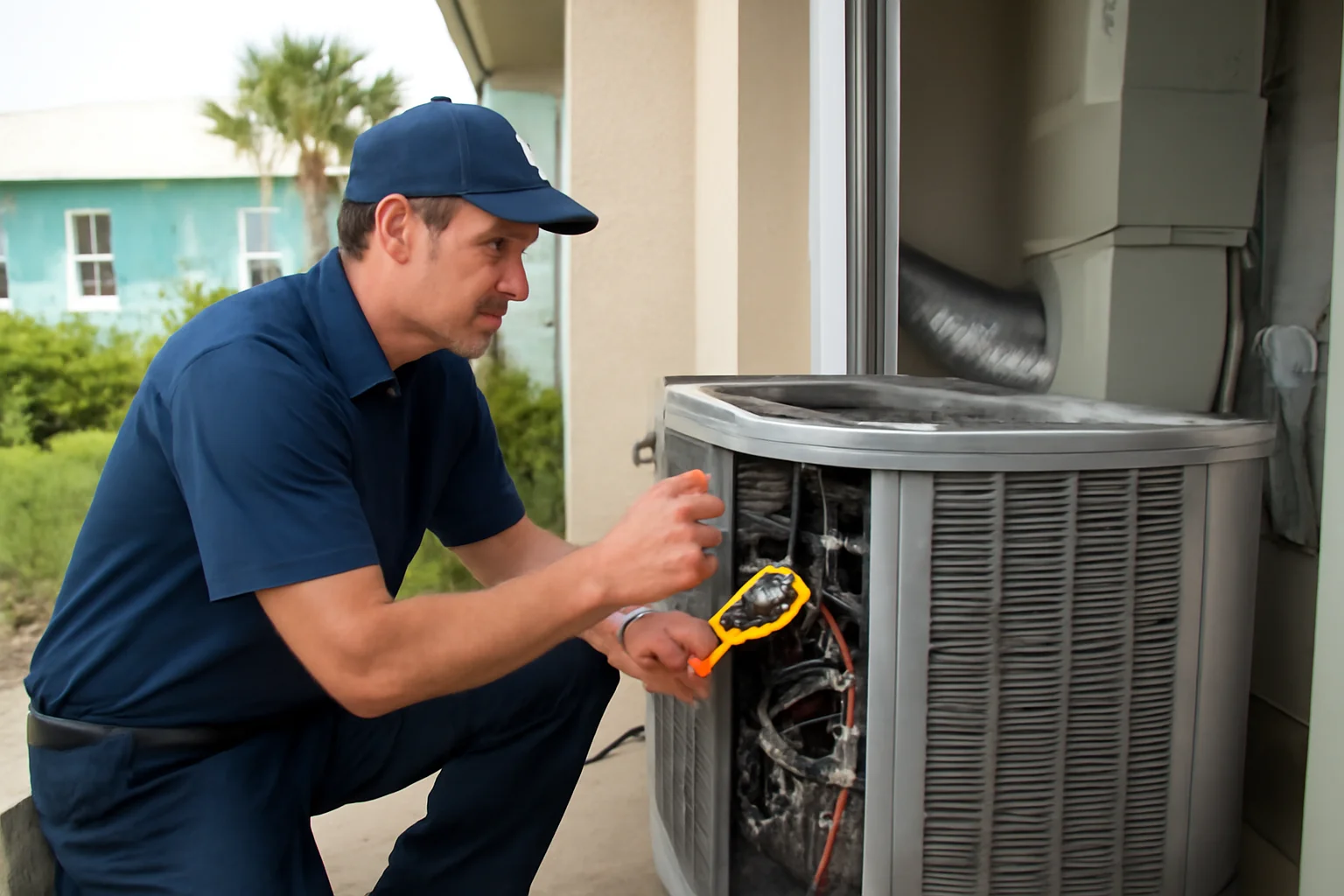
Inlet Beach feels like a vacation, right up until your AC struggles to keep up. Florida heat, high humidity, and the effects of salt air can push even a well-maintained system to the edge. A professional air conditioning inspection in Inlet Beach, FL is one of the most practical ways to keep comfort steady, airflow strong, and indoor air quality healthier throughout the hottest months.
This guide walks through what an AC inspection covers, why it matters locally, and how homeowners can recognize when something is off before it turns into an emergency cooling problem.
Why Inlet Beach AC systems need more than “set it and forget it”
Most homeowners know that Florida summers are hot. What many people underestimate is how hard that heat and humidity work on air conditioning components. Inlet Beach homes often face a combination of factors that can reduce cooling performance over time:
- Humidity load: When indoor humidity climbs, the system has to work longer to remove moisture. That can strain the refrigerant system and affect airflow comfort.
- Coastal salt air: Salt in the air can contribute to corrosion on outdoor units and other exposed parts, especially when cabinets and coil areas are not maintained.
- Restricted airflow: Ductwork can accumulate dust, debris, and moisture over time. Even small airflow problems can make the AC feel “weak” even when the equipment runs.
- Condensate drainage issues: During cooling, the system removes moisture through condensate drainage. If drainage is partially blocked or the system is not draining correctly, it can impact comfort and indoor air quality.
- Thermostat behavior: A thermostat that is misreading temperatures, has scheduling issues, or is not communicating correctly can cause short cycling or uneven cooling.
That is why an inspection is not just a quick look. It is a structured evaluation of airflow, refrigerant system performance indicators, drainage, thermostat operation, duct condition, and overall system health.
What an air conditioning inspection should evaluate for better airflow
Airflow is the foundation of comfort. If air does not move properly through the indoor unit and ductwork, the home can feel warm in some rooms, clammy in others, and inconsistent from floor to floor. A quality AC inspection typically focuses on how the system moves air and how well it maintains stable cooling.
1) Indoor airflow through the air handler or furnace blower
The blower fan and air handler play a major role in comfort. During an inspection, a technician will check for airflow restrictions that can come from dirty components, blocked return paths, or issues that prevent the system from delivering the airflow your home needs.
Homeowners often describe this as “the AC runs but does not cool right.” In many cases, airflow is the missing piece.
2) Ductwork condition and distribution
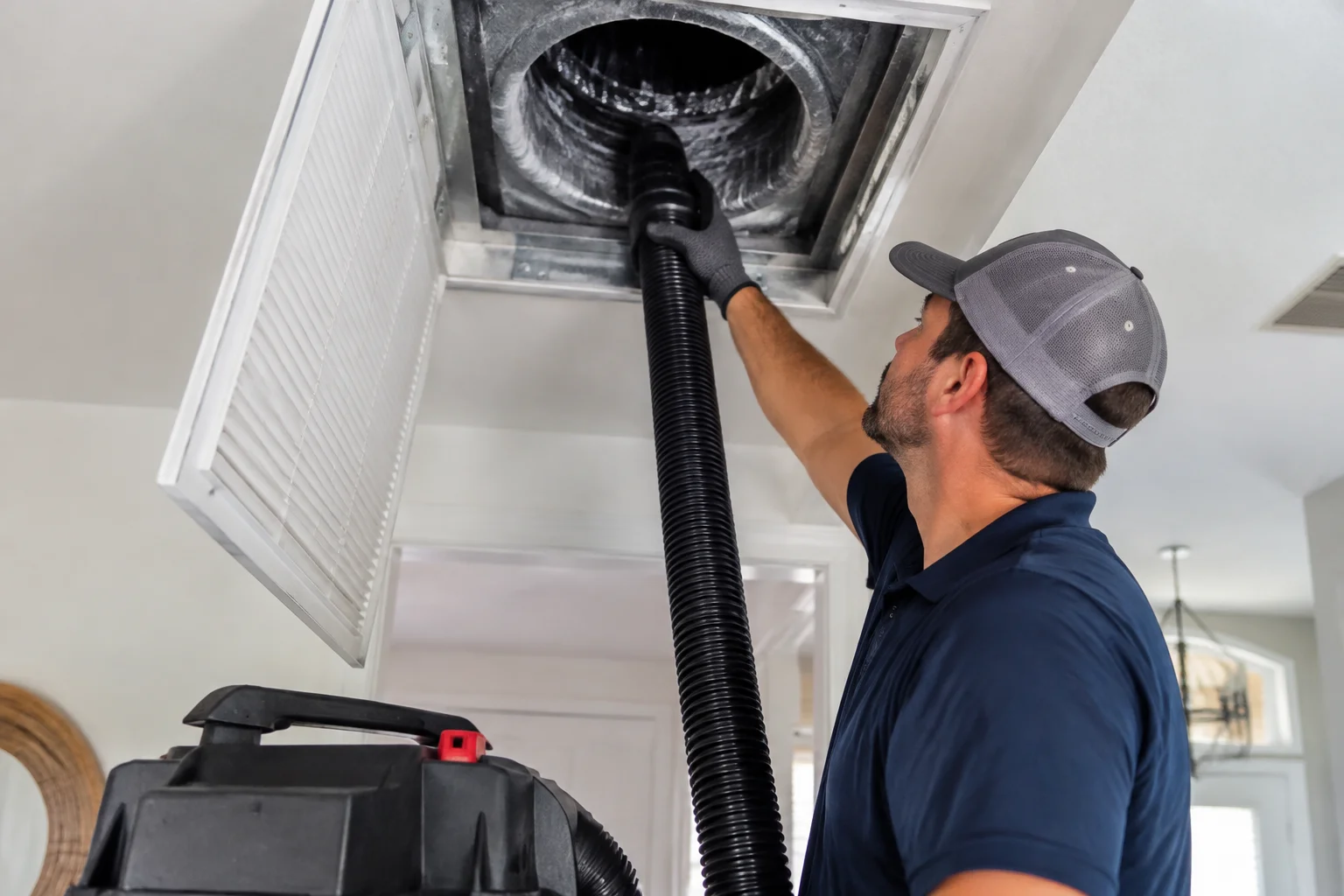
Ductwork is where comfort is either delivered or lost. In Inlet Beach homes, duct issues can be more noticeable because humidity and temperature swings are frequent. A professional inspection looks for ductwork concerns that can affect airflow and air quality, such as:
- Disconnected or poorly sealed duct joints
- Air leaks that pull in hot, humid air from crawl spaces or attics
- Blocked or restricted supply registers
- Accumulated debris that reduces airflow
If you suspect ductwork problems, pair an inspection with targeted air conditioning service to address the underlying issue rather than only treating symptoms.
For homeowners exploring alternatives like different systems or configurations, this related read can help: Ductless Mini-Splits in Inlet Beach Homes: Comfort, Airflow, and Coastal Humidity.
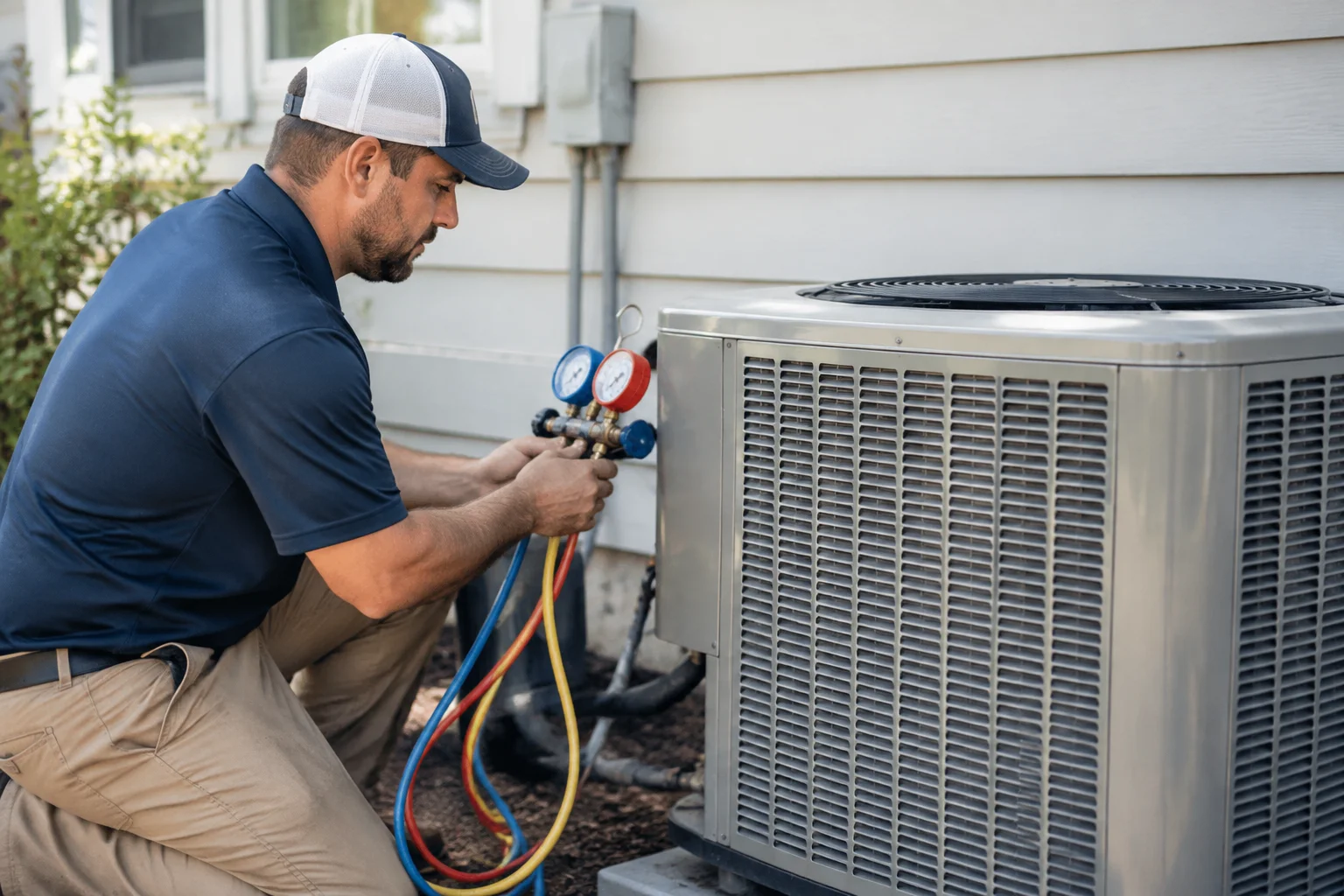
3) Outdoor unit performance in coastal conditions
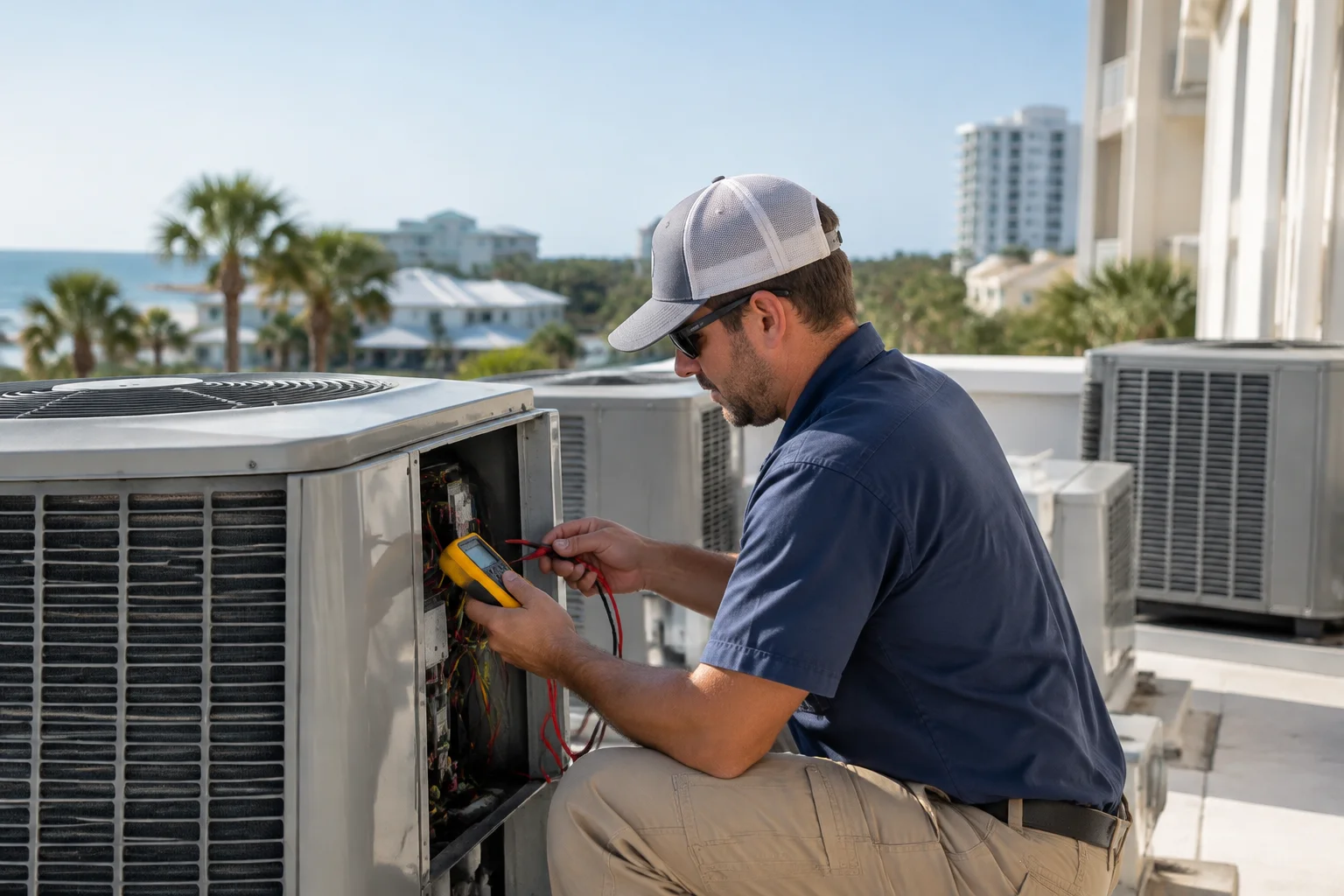
The outdoor unit has to reject heat efficiently. Salt air and Florida pollen can reduce performance when coils and airflow paths collect buildup. During an inspection, a technician evaluates how the outdoor unit is performing and whether airflow around the unit is clear and unobstructed.
Even when the unit runs, reduced airflow across coils can lead to uneven cooling and higher energy use.
4) Refrigerant system indicators without guessing
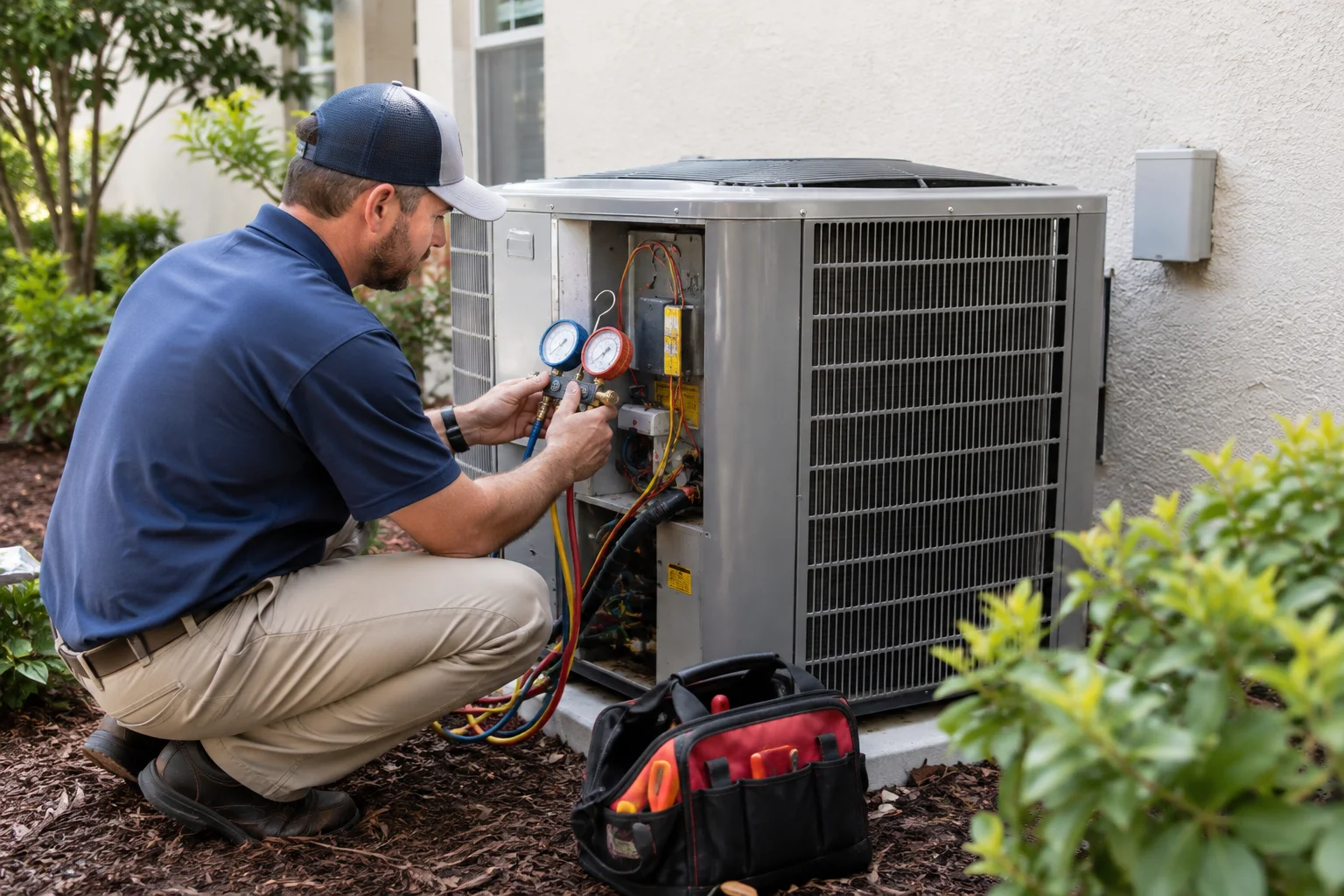
Air conditioning relies on a refrigerant system to move heat. An inspection should include checks that help identify performance concerns tied to the refrigerant system, but it should never jump to conclusions based on remote clues alone.
A professional evaluation uses measurement and system checks to determine whether refrigerant-related performance issues are likely. Homeowners should avoid relying on “DIY refrigerant diagnosis,” because incorrect handling can damage equipment and create safety risks.
5) Condensate drainage and moisture control
In cooling mode, your system removes moisture through condensate drainage. When drainage is restricted, blocked, or not functioning properly, humidity can rise and comfort suffers. In some cases, poor drainage can contribute to indoor air quality concerns.
An AC inspection checks the condensate drainage pathway and looks for signs that moisture is not moving the way it should.
6) Thermostat operation and comfort settings
A thermostat that is not behaving correctly can cause temperature swings, short cycling, and uneven comfort. During an inspection, a technician will verify thermostat operation, consider how it is controlling the system, and check for conditions that could affect cooling consistency.
Simple issues like incorrect settings or placement can also contribute, especially in rooms that receive direct sun or are affected by coastal humidity.
How an inspection supports indoor air quality in humid coastal weather
Indoor air quality is more than a filter change. In humid climates, the air conditioning system plays a key role in controlling moisture. When airflow is weak or drainage is not working well, the home can feel damp and may develop musty odors.
A thorough air conditioning inspection helps support indoor air quality by:
- Confirming the system can cool and dehumidify effectively
- Checking components that influence air movement and cleanliness
- Identifying conditions that can lead to excess moisture
- Reviewing filter and airflow setup so air can move without excessive restriction
If you want to go deeper into air quality improvements, read Indoor Air Quality Testing That Helps Inlet Beach Homes Stay Comfortable Longer. It complements AC inspection work by focusing on what is actually in the air and how to address it responsibly.
Common AC problems in Inlet Beach that an inspection can uncover early
Homeowners in Walton County often see recurring comfort issues during peak summer. An inspection can identify early warning signs, including:
- Weak airflow from vents: Dust buildup, blower issues, duct restrictions, or register blockages can make cooling feel ineffective.
- Uneven room temperatures: Duct distribution problems or airflow imbalances can cause “hot rooms” even when the thermostat is set correctly.
- Constant running or short cycling: If the system is not maintaining stable operation, comfort and energy use can both suffer.
- Humidity that feels out of control: Poor moisture removal can lead to a clammy feel and may point to drainage or airflow issues.
- Strange odors or musty smells: Moisture problems and airflow restrictions can contribute to odors.
- Visible buildup around coils: Salt air, pollen, and debris can reduce performance and airflow across heat exchanger surfaces.
Many of these issues do not announce themselves as a complete system failure. They show up as “something feels off,” which is exactly where inspection helps.
Prevention is more comfortable than emergency cooling
When the AC fails during a hot stretch, the urgency is real. That is why planning preventive HVAC maintenance matters, especially in coastal Florida where humidity can make heat feel heavier.
An inspection helps reduce the odds of mid-summer breakdowns by addressing performance and comfort concerns early, before they escalate into a bigger repair or system replacement conversation.
If you are already dealing with symptoms like warm air, short cycling, or poor dehumidification, it may be time for AC repair. For homeowners searching “emergency AC repair near me,” it is still worth remembering that a proactive inspection can prevent many of the situations that lead to emergency calls.
How often should you schedule an air conditioning inspection in Inlet Beach?
Many homeowners schedule inspections at the start of the cooling season, then follow up with ongoing maintenance as recommended based on system age, usage patterns, and how the home performs during summer heat and humidity. If your home is older or you notice comfort issues, you may benefit from earlier evaluation.
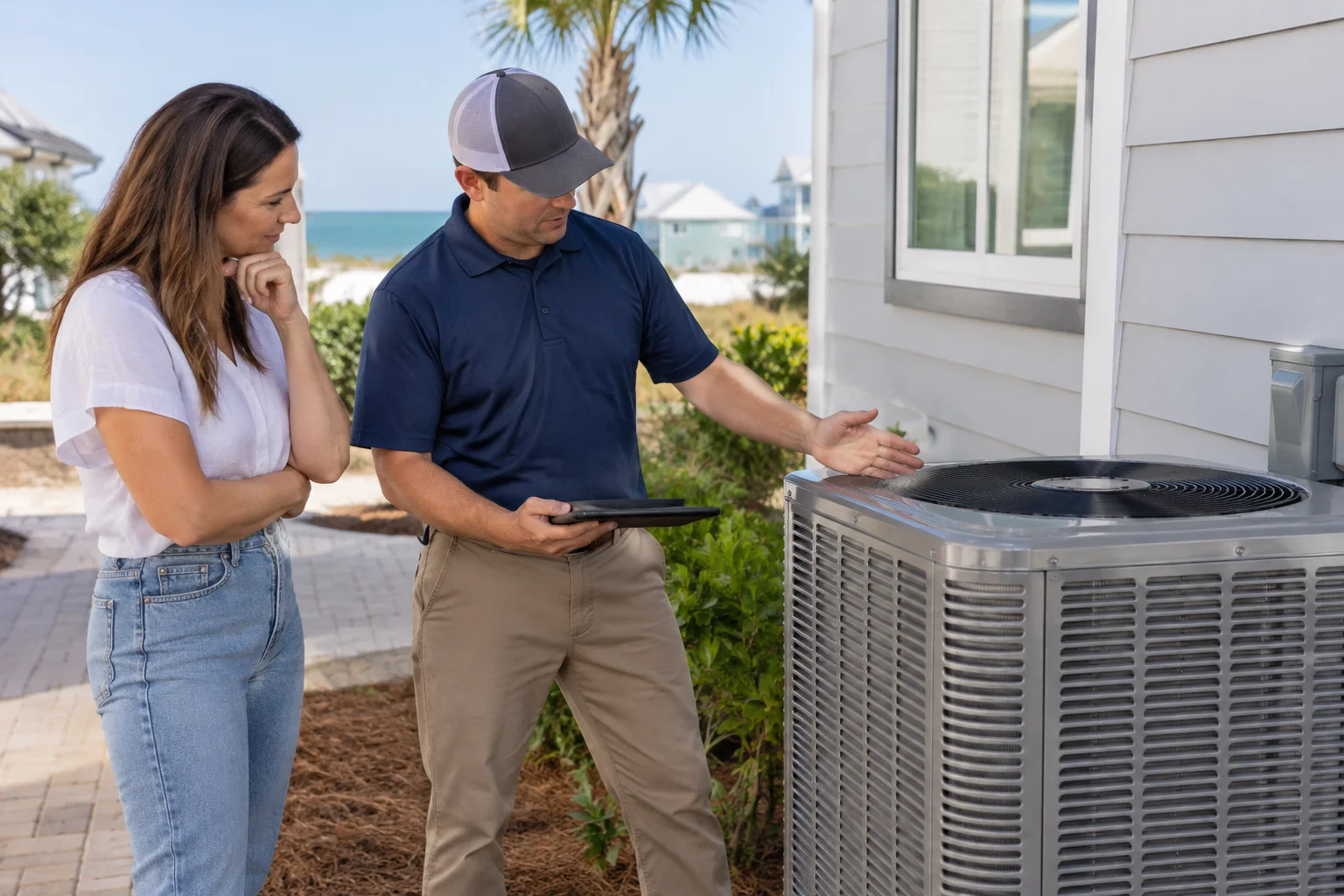
A local HVAC company can also tailor recommendations based on factors common in the area, such as coastal exposure, duct condition, and how your home holds humidity.
For more guidance on staying ahead of wear, explore our service areas in Inlet Beach and related HVAC options offered throughout Walton County.
Signs it is time for an AC inspection (even if the unit still runs)
Consider scheduling an air conditioning inspection if you notice any of the following:
- Airflow feels weaker than it used to, or some rooms are consistently warmer
- The system runs longer to reach the same thermostat setting
- Humidity feels higher, with a clammy feel or lingering musty odors
- You hear unusual noises from the indoor or outdoor unit
- Energy use seems higher during similar weather patterns
- The thermostat behavior is inconsistent, such as frequent cycling
These are often comfort and airflow clues rather than “one-part failure” clues. That is why a professional inspection is the right first step.
What to do before the technician arrives
You do not need to perform repairs, but a little preparation can help the inspection go smoothly:
- Share the comfort issues you have noticed, including which rooms are affected and when it happens.
- Let the technician know if there have been recent filter changes, thermostat updates, or unusual odors.
- Check that outdoor unit airflow is not blocked by shrubs, debris, or landscaping.
- Make access easy to the air handler and any visible return or supply areas.
If you are also considering upgrades, an inspection can help you understand what is driving comfort problems and what type of solution makes sense, whether that is improved ductwork performance, updated controls, or planning for HVAC replacement near me in the future.
Inspections and related HVAC services that improve comfort
An air conditioning inspection is a strong starting point, but some homes need additional help to fully restore airflow and comfort. Depending on findings, homeowners may benefit from:
- Duct repair and airflow balancing: Addressing leaks and restrictions can make cooling feel stronger.
- Indoor air quality support: When humidity and airflow are managed well, the home typically feels fresher.
- Heat pump service: If your home uses a heat pump, inspection and service help maintain performance in both hot and mild seasons. See Heat Pump Services.
- Heating control systems: Comfort controls can affect how consistently the home maintains temperature. Learn more at Heating Control Systems.
- Financing for larger repairs or replacements: If your system is approaching end of life, planning helps. Explore HVAC Financing.
For a coastal-specific comfort perspective, this article may also resonate: Seagrove Beach Comfort Clues That Point to a Better Air Conditioning Inspection.
Why choosing a local HVAC company matters for inspections
Air conditioning inspections are not one-size-fits-all. Local service experience matters because it helps technicians understand the conditions that impact performance in your area. Inlet Beach homes experience coastal humidity, salt air exposure, and the seasonal patterns that can affect how systems run.
A local HVAC company near me serving Walton County can also help you connect the dots between airflow, condensate drainage, thermostat behavior, ductwork condition, and indoor air comfort. That local context is especially important when homeowners are comparing options like air conditioning service, heat pump service, or duct repair.
When you search “air conditioning inspection near me” or “HVAC maintenance near me,” you are looking for more than availability. You want an inspection that focuses on how your system delivers comfort in the real weather your home faces.
Get better comfort with a professional inspection, not guesswork
It is tempting to try to solve AC comfort issues with quick fixes, but airflow and humidity problems often have multiple causes. A refrigerant system issue, a ductwork airflow restriction, a condensate drainage concern, or thermostat behavior can all show up as “the AC is not cooling well.”
A Superior Mechanical provides professional air conditioning inspection in Inlet Beach, FL designed to help you keep your home running better, with improved airflow and more consistent comfort. If you are noticing changes in humidity, airflow, or cooling consistency, schedule an inspection and let a qualified technician evaluate your system in person.
To learn more or book service, visit /service-areas/walton-county/inlet-beach/air-conditioning-inspection-ibwcfl and browse our broader coverage at /service-areas/walton-county/inlet-beach.
Find Air Conditioning Inspection in Inlet Beach, FL
If you need Air Conditioning Inspection in Inlet Beach, FL, visit our local service page or contact A Superior Mechanical today.
Map of Inlet Beach, FL
Frequently Asked Questions
What does an air conditioning inspection usually include for better airflow?
An inspection typically evaluates indoor airflow, duct distribution concerns, outdoor unit airflow and buildup, condensate drainage performance, thermostat operation, and system performance indicators tied to the refrigerant system. The goal is to identify why comfort is inconsistent and whether airflow and moisture control are working as they should.
Can high humidity in Inlet Beach mean my AC needs service even if it is running?
Yes. If the system is running but not removing moisture effectively, the home can feel clammy. Humidity issues can be linked to airflow restrictions, condensate drainage concerns, or other performance problems that a professional inspection can help pinpoint.
Is it safe for homeowners to check refrigerant levels themselves?
No. Refrigerant-related diagnosis and handling should be done by a qualified technician. Incorrect DIY checks can lead to improper repairs and safety risks. A professional inspection uses proper measurement and system evaluation to determine whether refrigerant system performance is likely the cause.
How do duct problems affect cooling comfort and energy use?
When ductwork has leaks, restrictions, or poor distribution, conditioned air may not reach rooms evenly. That can make some areas feel warm, increase runtime, and raise energy use because the system has to work harder to maintain comfort.
When should I schedule an AC inspection in Inlet Beach?
Many homeowners schedule before peak summer to prevent problems while the system is under the heaviest humidity load. If you notice airflow changes, uneven cooling, musty odors, or rising humidity, scheduling sooner is a smart move.
Related Articles
- Indoor Air Quality Testing That Helps Inlet Beach Homes Stay Comfortable Longer
- Ductless Mini-Splits in Inlet Beach Homes: Comfort, Airflow, and Coastal Humidity
- Seagrove Beach Comfort Clues That Point to a Better Air Conditioning Inspection
- What to Expect From Air Conditioning Inspection in Parker, FL
Photo Gallery