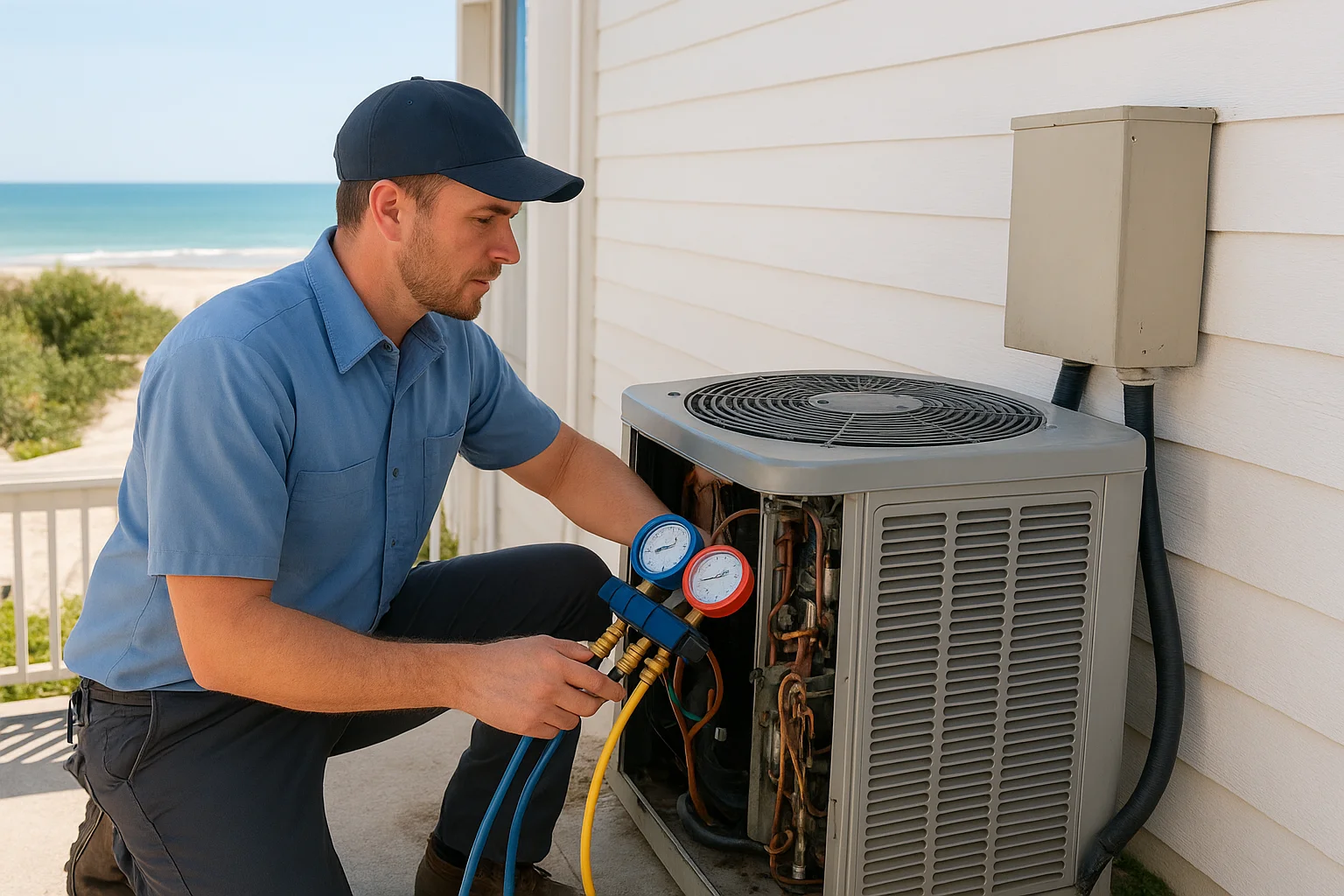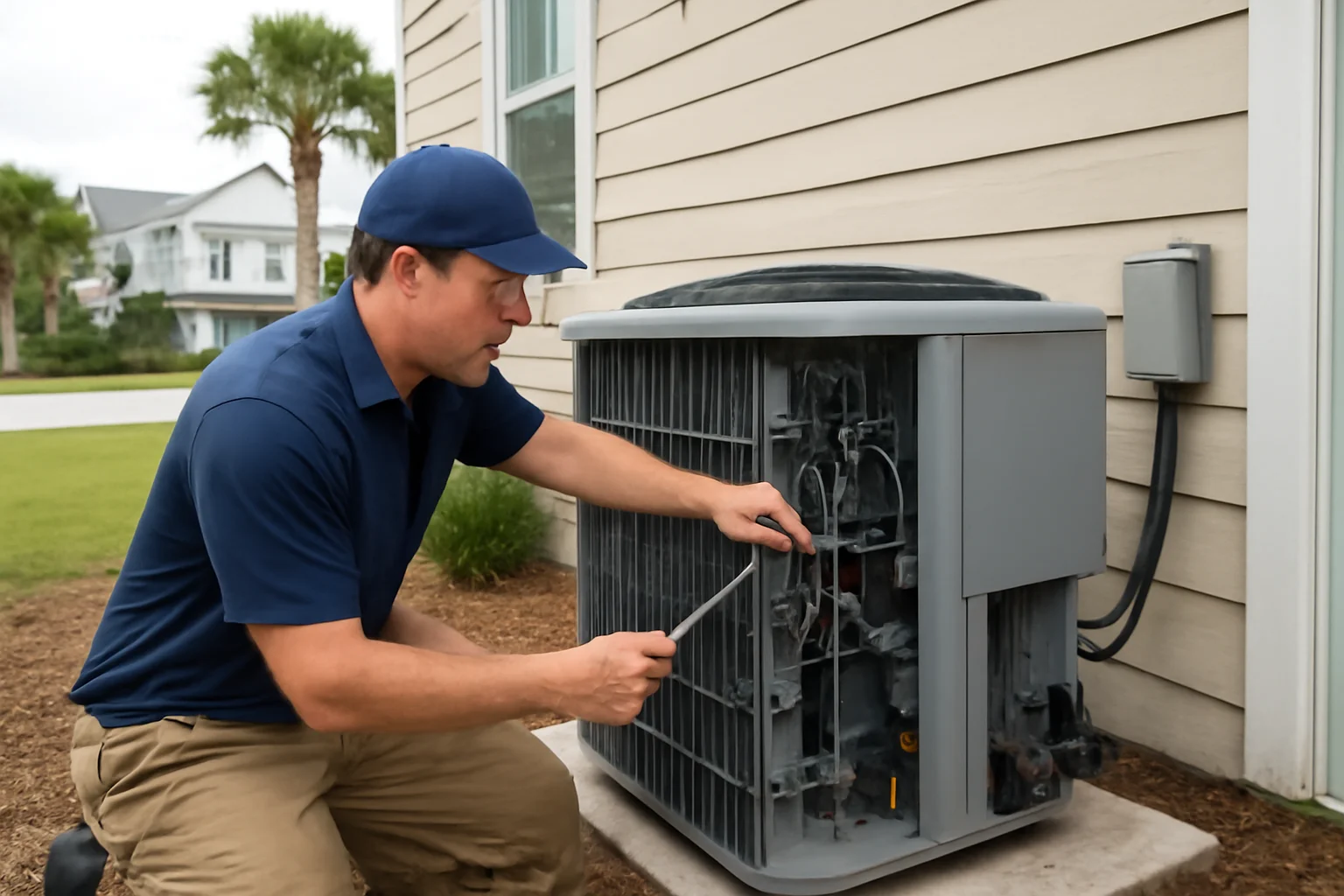
Seaside, FL is beautiful, but it is also demanding on HVAC systems. Heat, humidity, and salt air can stress airflow, refrigerant systems, and indoor comfort year-round. If your family is considering a geothermal energy system, planning ahead helps you build a home comfort setup that is quieter, more consistent, and easier to maintain.
This guide focuses on the HVAC side of geothermal planning, including how to think about airflow, ducts, thermostats, indoor air quality, condensate drainage, and long-term preventive HVAC maintenance. If you already have an existing geothermal setup, it also covers how to prepare for seasonal performance issues and emergency cooling concerns.
Start with the family comfort priorities that geothermal can support
Geothermal systems are designed to use stable ground temperatures, which can help reduce swings in comfort compared to equipment that relies only on outdoor air. For families in Seaside, that stability matters when kids are sleeping, when vacation rentals are turning over guests, and when humidity control needs to stay consistent.
Before you schedule geothermal installation planning, make a short list of how you want the home to feel:
- Sleep comfort: quieter operation and consistent temperatures during Florida nights.
- Humidity comfort: fewer muggy surprises when outdoor humidity spikes.
- Airflow consistency: rooms that do not go stale or overheat.
- Indoor air quality: cleaner air for allergies, dust, and coastal pollen exposure.
These priorities should guide your HVAC planning decisions, including thermostat strategy, ductwork evaluation, filtration choices, and preventive HVAC maintenance schedules.
Plan around Seaside’s climate: heat, humidity, and salt air
Seaside homes experience long stretches of warm weather and frequent humidity. Coastal salt air can also affect HVAC components over time. Even though geothermal systems reduce reliance on outdoor air temperature, the indoor HVAC delivery still has to handle Florida’s moisture load and airflow needs.
Humidity management is not optional in Walton County
In humid conditions, comfort depends on how well the system removes moisture and how effectively air is circulated and filtered. Families often notice symptoms when humidity control slips, such as:
- Sticky indoor air despite the thermostat setpoint
- Condensation around vents or in areas where airflow is weak
- Musty odors that suggest indoor air quality problems
- Higher dust buildup on surfaces
Planning for humidity comfort means coordinating geothermal operation with the full HVAC system, including ductwork condition, indoor filtration, and condensate drainage.
Airflow and ductwork performance can make or break comfort
Even a well-designed geothermal system cannot fully compensate for leaky, undersized, or blocked ductwork. For Seaside families, airflow planning often includes:
- Duct inspection: checking airflow paths, registers, and potential restrictions
- Duct repair planning: addressing damaged sections before they cause comfort issues
- Air distribution balancing: reducing hot and cold spots room to room
If you are searching for duct inspection near me or duct repair near me, consider pairing that with geothermal planning. It is easier to fix duct constraints before a new system is commissioned than to try to patch comfort afterward.
Understand how geothermal HVAC planning ties into refrigerant systems
Geothermal systems still rely on refrigerant systems to move heat and maintain indoor comfort. That makes proper sizing, airflow, and system setup essential. It also means you should plan for refrigerant system service needs as part of long-term maintenance, not as an afterthought.
Homeowners sometimes try to interpret symptoms like cooling performance drops or temperature swings as “simple thermostat issues.” In reality, refrigerant system behavior is tied to airflow, coil conditions, and controls. A local HVAC contractor should evaluate the full system in person before making any conclusions about refrigerant performance.
What families often notice when geothermal comfort is off
Common issues that can show up in Florida include:
- Air that feels warm at the supply vents during peak humidity
- Short cycling or inconsistent run times
- Unusual noises from indoor components
- Reduced airflow from clogged filters or restricted ducts
These symptoms can have multiple causes. An HVAC service near me visit that includes airflow checks and inspection of relevant indoor components is the safest way to identify what is actually happening in your system.
Plan condensate drainage and indoor moisture control from day one
When geothermal systems operate in cooling mode, indoor humidity control depends on how condensate drainage is handled. If condensate drains improperly, moisture can collect where it should not, creating comfort problems and indoor air quality concerns.
During planning and installation, families should ask about condensate drainage pathways and how the system will be maintained over time. Good planning typically includes:
- Confirming condensate lines are correctly routed and protected
- Ensuring drainage is clear and accessible for service
- Coordinating drainage with the indoor unit location and airflow design
If you have ever dealt with water-related HVAC issues, bring those details to your geothermal planning appointment. The goal is to prevent recurring moisture problems that can affect comfort and air quality.
Choose thermostat and control settings that match family life
Thermostats are part of HVAC service performance. Geothermal systems can be sensitive to how the home is controlled, especially when families use different schedules for weekdays, weekends, and guest stays.
Plan thermostat strategies for humidity and airflow consistency
In Seaside humidity, it helps to plan thermostat settings that support steady comfort without overworking the system. Families should consider:
- How quickly the thermostat should respond to temperature changes
- Whether your home benefits from more consistent setpoints
- How you handle occupancy changes during vacation rental turnovers
Smart thermostat options can be useful, but they still need correct configuration for your HVAC setup. If you are exploring smart thermostats, ask your HVAC contractor how geothermal operation and indoor humidity comfort will be managed with your chosen controls.
Build indoor air quality planning into your geothermal system
Florida’s coastal environment can bring in pollen, dust, and humidity-driven particulates. Even with excellent temperature control, families may still experience allergy symptoms or musty air if indoor air quality is not addressed.
A strong geothermal plan includes filtration and air cleaning decisions that match your home. If you want cleaner air, start with the basics:
- Review your current filtration approach and whether it matches your system’s airflow
- Consider air filtration and purifiers designed for whole-home comfort
- Plan a maintenance routine that keeps filters and air pathways clean
For more context on how indoor air quality impacts comfort over time, read Why Seaside Homes Benefit From Indoor Air Quality Testing Before Comfort Issues Spread. If you are comparing filtration options, you can also explore Air Filtration & Purifiers for help matching solutions to your home.
Preventive HVAC maintenance that families can schedule around
Geothermal systems can offer long-term performance when they are maintained correctly. Preventive HVAC maintenance is especially important in Seaside because humidity and salt air can accelerate wear on components that support comfort inside the home.
Maintenance items that matter for geothermal comfort
While your exact maintenance plan depends on your system design, families commonly benefit from routine attention to:
- Airflow and filter condition: airflow restrictions can affect comfort and refrigerant system performance
- Indoor coil and drain inspection: supporting moisture control and condensate drainage
- Thermostat operation: verifying controls match your comfort goals
- Ductwork performance: checking for issues that can cause uneven temperatures
If you are comparing geothermal planning with other HVAC options, also consider how preventive maintenance may look across your home’s comfort system. For families in larger properties or multi-zone setups, planning maintenance helps reduce the chance of one area going stale while others stay comfortable.
Plan for common coastal HVAC issues before they become emergencies
When Florida heat hits hard, comfort failures can become urgent, especially for families with infants, seniors, or anyone sensitive to high indoor temperatures. Planning ahead means building a maintenance rhythm and knowing how to respond if cooling drops unexpectedly.
Look for early warning signs
These are not guarantees of a specific problem, but they are useful indicators that HVAC service may be needed:
- Noticeable comfort drift, such as rooms staying warmer than usual
- Humidity feeling higher even when the thermostat is set correctly
- Reduced airflow from vents
- Unusual noises or vibration from indoor components
- Slow startup or short cycling
If you see these warning signs, schedule an inspection rather than waiting for a full breakdown. Searching for air conditioning repair near me is usually more stressful during peak demand. A planned service visit can help you address issues before the next hot stretch.
Make an emergency cooling plan for peak summer
Even with preventive maintenance, emergencies can happen. Families in Seaside should be ready for sudden cooling problems, especially during the hottest, most humid periods. If you want a practical checklist for your household, review Keeping Seaside Homes Ready for HVAC Emergencies.
When a cooling problem becomes urgent, an emergency AC repair near me response can help restore comfort quickly. Planning ahead helps you avoid last-minute decisions, but it does not replace professional troubleshooting when the system is not cooling.
Geothermal replacement planning: what to evaluate without guessing
Some families consider geothermal energy systems because they want durable comfort and lower energy use over time. Others are planning for system replacement because their current setup is struggling. Either way, replacement planning should be based on an in-person evaluation, not assumptions.
When a geothermal system is not performing as expected, the right next step is a technician assessment of the indoor HVAC components and how the system is delivering airflow and humidity control. That is the point where your HVAC contractor can determine whether repairs are appropriate or whether system replacement planning is the better path.
If you are searching for HVAC replacement near me or trying to compare options, ask for a complete comfort evaluation that includes ductwork conditions, airflow performance, and indoor air quality considerations. For some homes, the “replacement” conversation may be less about swapping parts and more about fixing distribution and control issues that prevent comfort.
Choose a local HVAC contractor who understands coastal geothermal planning
Geothermal energy systems are not a one-size-fits-all project. Seaside properties can vary widely in layout, ductwork routing, and indoor comfort needs. That is why professional local HVAC service matters. A contractor who regularly works in Seaside and Walton County can factor in coastal conditions like salt air, humidity load, and common indoor comfort complaints.
When you contact a geothermal-focused HVAC team, look for a process that includes:
- Assessing airflow and ductwork performance in your home
- Reviewing thermostat and control needs for your family schedule
- Planning for condensate drainage and indoor moisture management
- Discussing indoor air quality goals and filtration options
- Creating a preventive HVAC maintenance schedule you can actually follow
If your home is in Seaside, you can start by exploring geothermal energy systems for Seaside families. For broader context about services in the area, visit Walton County HVAC service areas.
How geothermal planning connects to your heating and cooling system needs
Many families also need dependable heating support, especially if they are comparing geothermal to other comfort systems. You can review Heating Services alongside your geothermal planning to ensure your full comfort strategy is aligned.
If your home is commercial or has guest turnover schedules, you may also want to compare planning needs for larger spaces. For that, see Commercial HVAC Services.
Questions to ask during your geothermal planning appointment
To keep planning practical, bring questions that connect system design to everyday comfort. Here are good prompts for homeowners:
- How will the system support consistent airflow throughout my home in humid weather?
- What ductwork inspection steps will be included, and what repairs might be recommended?
- How will condensate drainage be handled and maintained to protect indoor air quality?
- Which thermostat setup best supports family schedules and humidity comfort?
- What indoor air quality options fit my home, and how often should maintenance occur?
- What preventive HVAC maintenance plan should we follow for long-term performance?
These questions keep the conversation grounded in comfort outcomes, not guesswork. And they help you choose the right HVAC contractor for a geothermal energy system that fits Seaside life.
Planning timeline that reduces stress for families
If you are coordinating a geothermal project while managing school schedules, work, and household routines, a simple timeline can help. Consider planning in three phases:
- Phase 1: Comfort assessment (airflow, ductwork, indoor air quality priorities, thermostat needs)
- Phase 2: System design and installation planning (condensate drainage coordination and indoor unit placement considerations)
- Phase 3: Commissioning and maintenance scheduling (confirming controls, airflow expectations, and preventive HVAC maintenance dates)
If you are also considering a heat pump approach for your home, you can compare options with a professional. For families searching for heat pump installation near me, it helps to understand how geothermal planning differs in comfort delivery and maintenance priorities. A local HVAC contractor can explain how the options align with your home’s ductwork, airflow, and indoor humidity needs.
For Seaside families who want quiet comfort and long-term performance, geothermal planning is about building the full HVAC system around real life: family routines, coastal humidity, and reliable airflow.
For more seasonal guidance that connects HVAC maintenance and comfort, you may also find these helpful: Smart HVAC Planning for Rosemary Beach Homes: Comfort, Airflow, and Coastal Protection and Why Better HVAC Maintenance Matters for Whole Home Dehumidifiers in Sandestin.
Find Geothermal Energy Systems in Seaside, FL
If you need Geothermal Energy Systems in Seaside, FL, visit our local service page or contact A Superior Mechanical today.
Map of Seaside, FL
Frequently Asked Questions
Is geothermal a good fit for Seaside homes that struggle with humidity?
Geothermal can support steady comfort, but humidity control depends on the full indoor HVAC delivery. A professional evaluation should include airflow, ductwork condition, filtration, condensate drainage, and thermostat setup so your home stays comfortable during Seaside humidity swings.
What should homeowners plan for regarding ductwork when installing a geothermal energy system?
Plan for duct inspection and any necessary duct repair before or during commissioning. Leaky, blocked, or poorly balanced ductwork can cause uneven temperatures and reduced airflow, which can also affect how well your system manages humidity and comfort.
Can I tell if my geothermal system has a refrigerant system issue without an inspection?
Not reliably. Symptoms like weak cooling, inconsistent temperature, or unusual operation can have multiple causes. Only an in-person HVAC professional evaluation can determine whether service is needed and what the root cause is.
How does condensate drainage affect indoor air quality in a humid coastal climate?
Proper condensate drainage helps prevent moisture buildup that can contribute to musty odors and indoor comfort issues. Planning drainage pathways and keeping them accessible for maintenance supports healthier indoor air quality in Florida’s humid conditions.
What preventive HVAC maintenance should a Seaside family schedule after geothermal installation?
A maintenance plan should include airflow and filter checks, inspection related to indoor coils and condensate drainage, thermostat verification, and ductwork performance review as needed. Ask your local geothermal HVAC contractor to tailor the schedule to your home and comfort goals.
Related Articles
- Keeping Seaside Homes Ready for HVAC Emergencies
- Why Seaside Homes Benefit From Indoor Air Quality Testing Before Comfort Issues Spread
- Smart HVAC Planning for Rosemary Beach Homes: Comfort, Airflow, and Coastal Protection
- Why Better HVAC Maintenance Matters for Whole Home Dehumidifiers in Sandestin
Photo Gallery