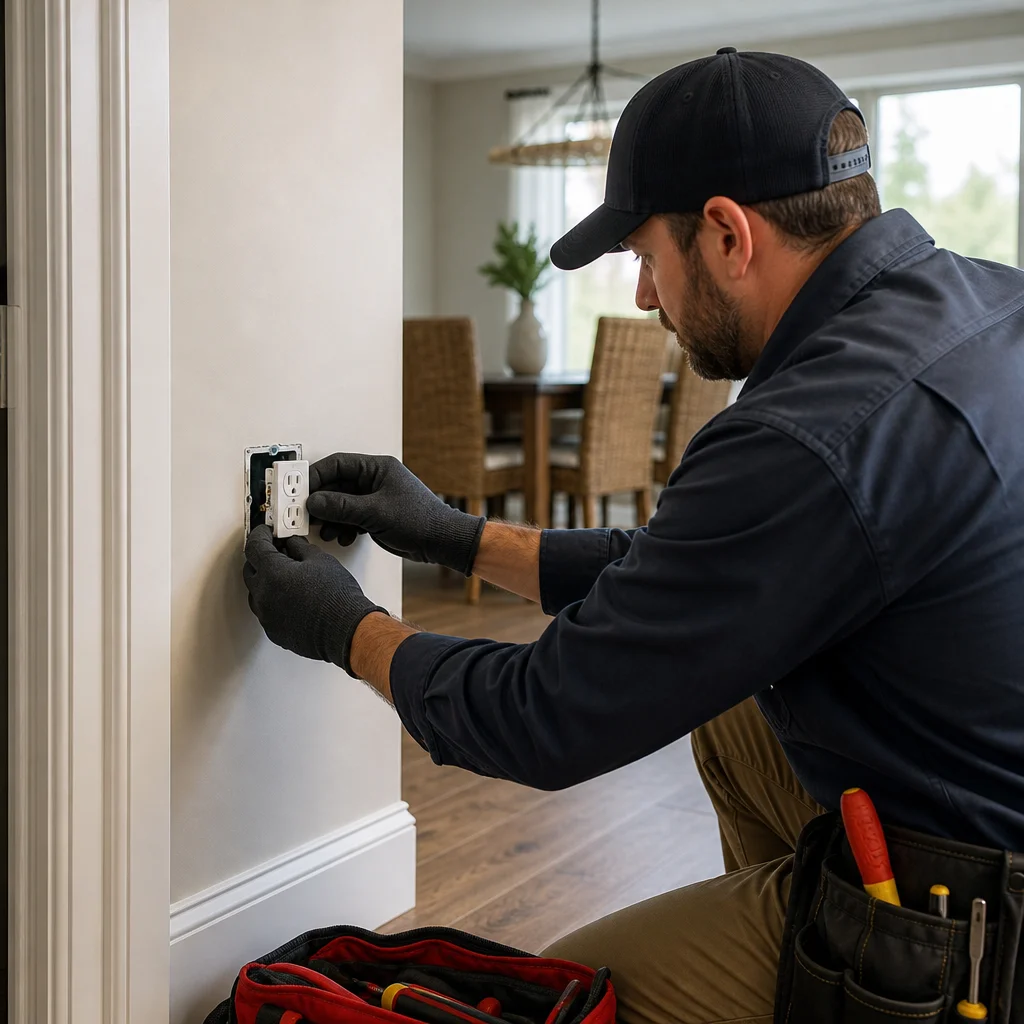
Outlets and switches may look like small parts of a home, but their placement, wiring, and circuit capacity affect safety and everyday convenience. In Fort Walton Beach, good electrical planning also has to account for coastal humidity, severe storms, aging equipment, renovations, and the growing power demands of modern households.
Whether you are replacing a damaged receptacle or planning outlets throughout an addition, the work should begin with the complete electrical system. That includes the panel, breakers, branch wiring, grounding, lighting, appliances, and equipment you may add later. A Superior Mechanical provides professional outlet and switch services in Fort Walton Beach for homes, rentals, and businesses.
Start with how each room will actually be used
A practical outlet plan is based on furniture placement, appliances, electronics, and daily routines. Meeting minimum electrical code requirements is important, but minimum spacing does not always provide the convenience a household needs. Too few receptacles often lead to extension cords, overloaded power strips, or cords stretched across walkways.
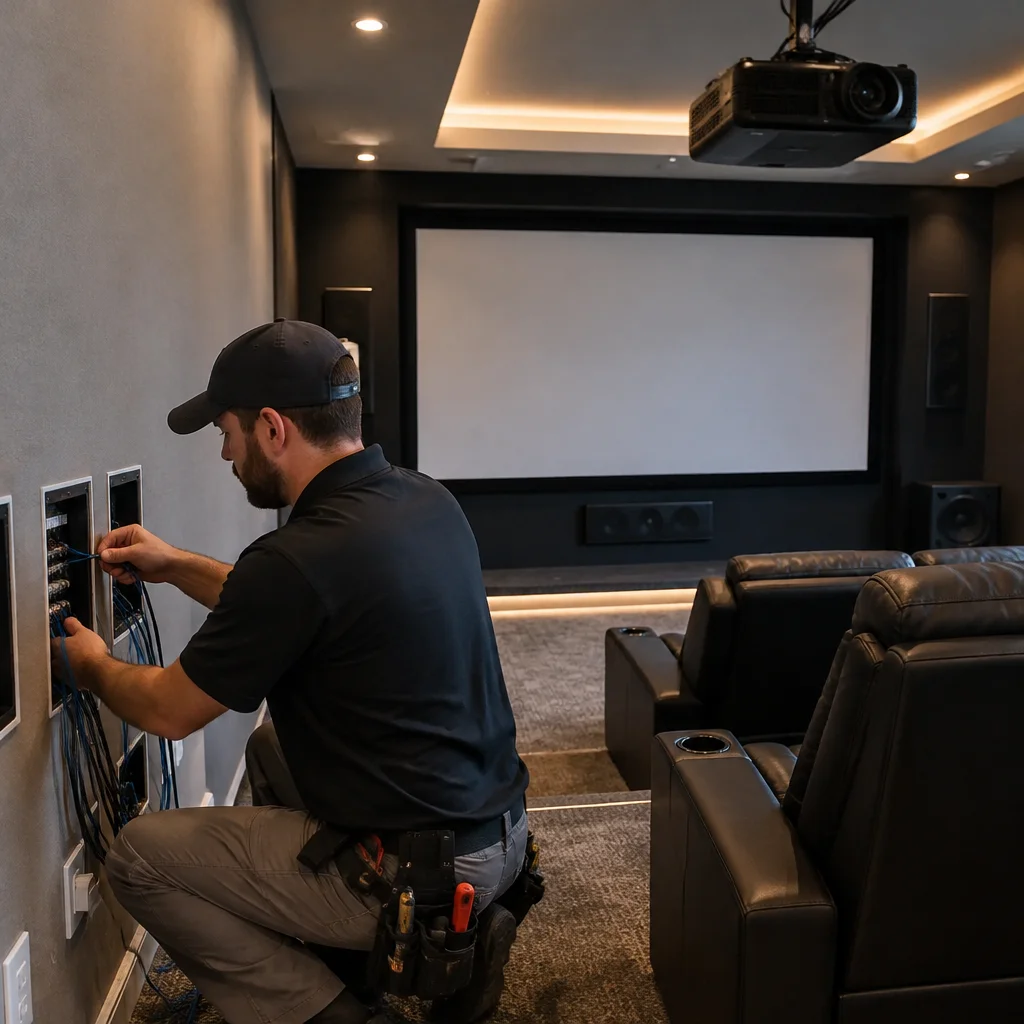
In living rooms and bedrooms, consider where televisions, lamps, chargers, adjustable beds, computers, and ceiling fans will be located. Outlets installed behind mounted televisions can keep cords organized. Receptacles with USB charging ports may be useful near nightstands or desks, although they should be selected carefully and installed on a suitable circuit.
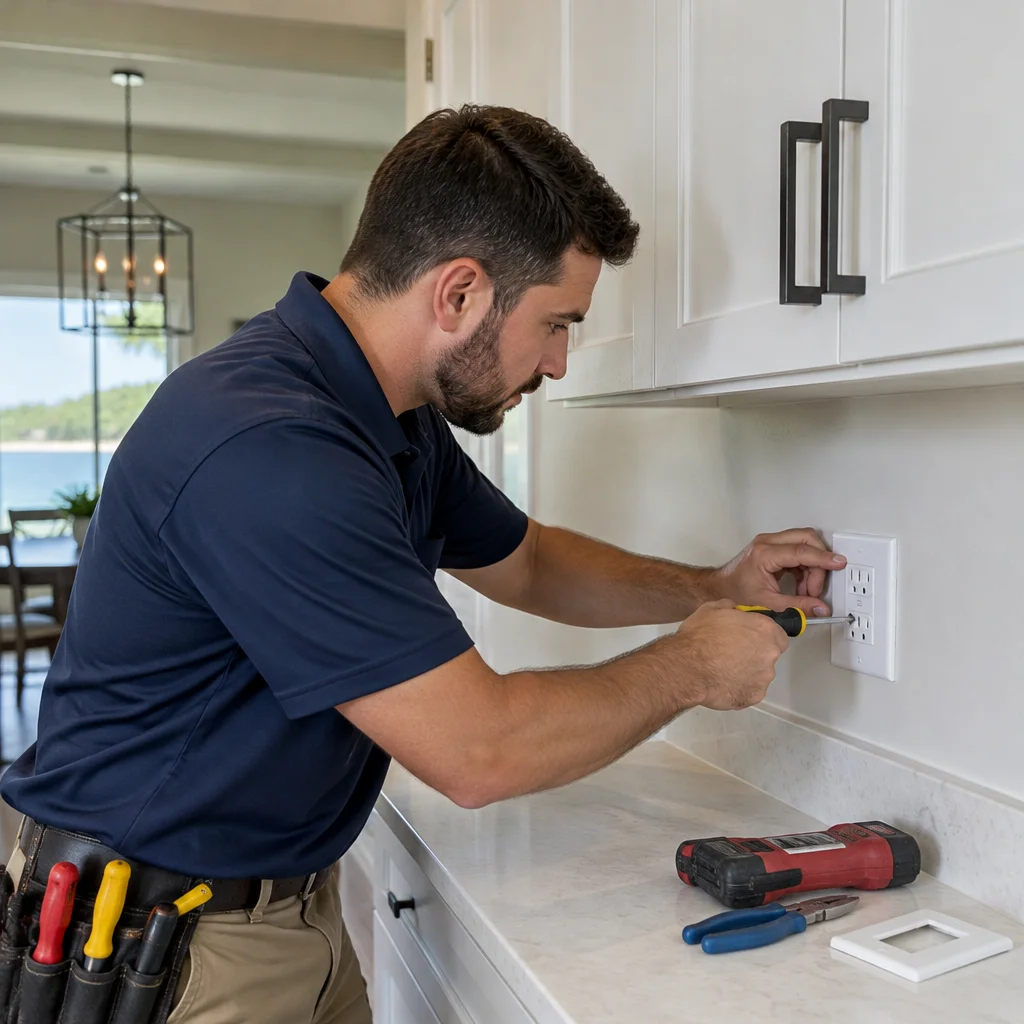
Kitchens require more detailed planning. Countertop appliances, refrigerators, dishwashers, disposals, microwaves, and ranges may have different circuit requirements. Some appliances need dedicated circuits, and countertop receptacles generally require GFCI protection. A homeowner searching for outlet installation near me should ask whether the electrician will evaluate circuit capacity rather than simply add another receptacle to an already busy circuit.
Bathrooms also need properly placed GFCI protected outlets and switches that do not create avoidable contact risks around sinks, tubs, or showers. Lighting plans should account for vanity tasks, general illumination, and exhaust fans. If you are considering bathroom lighting installation, the electrician should verify that fixtures are rated for their intended location.
The panel determines what can be added safely
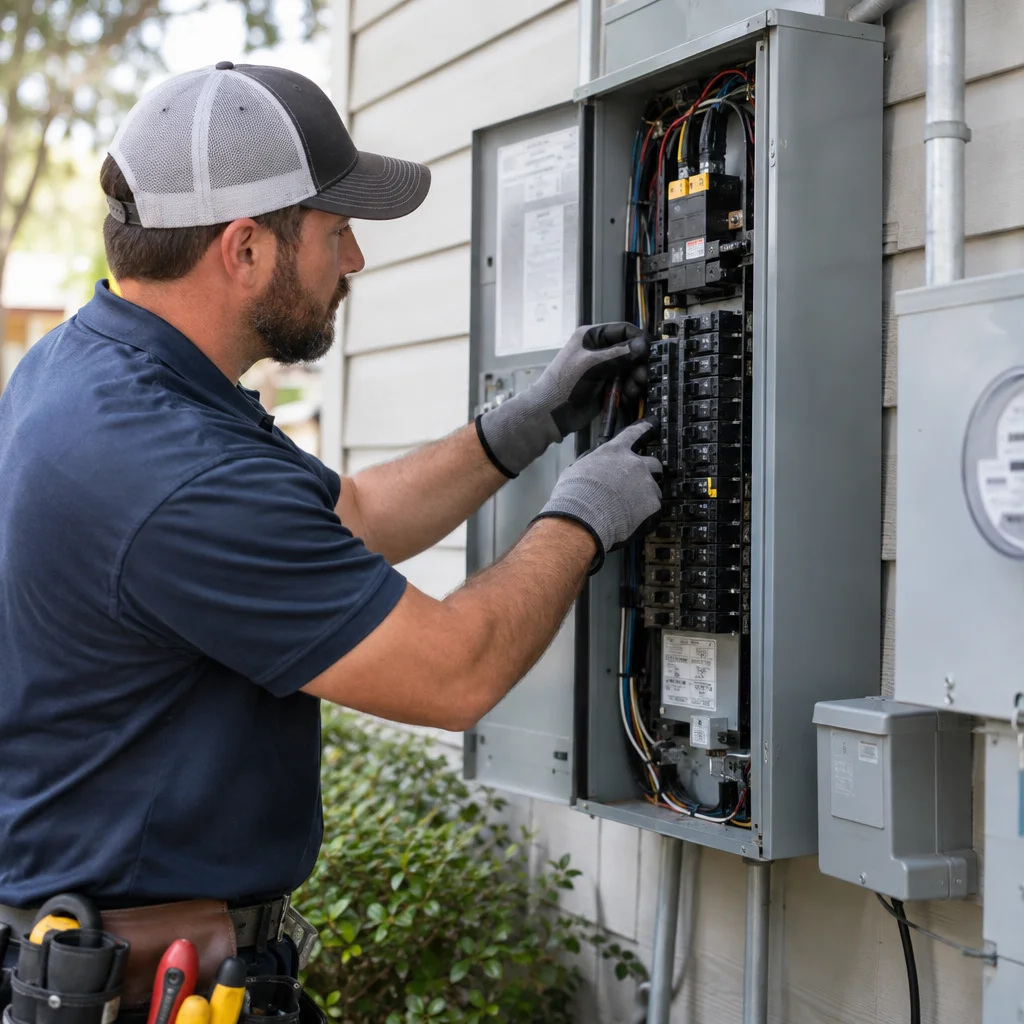
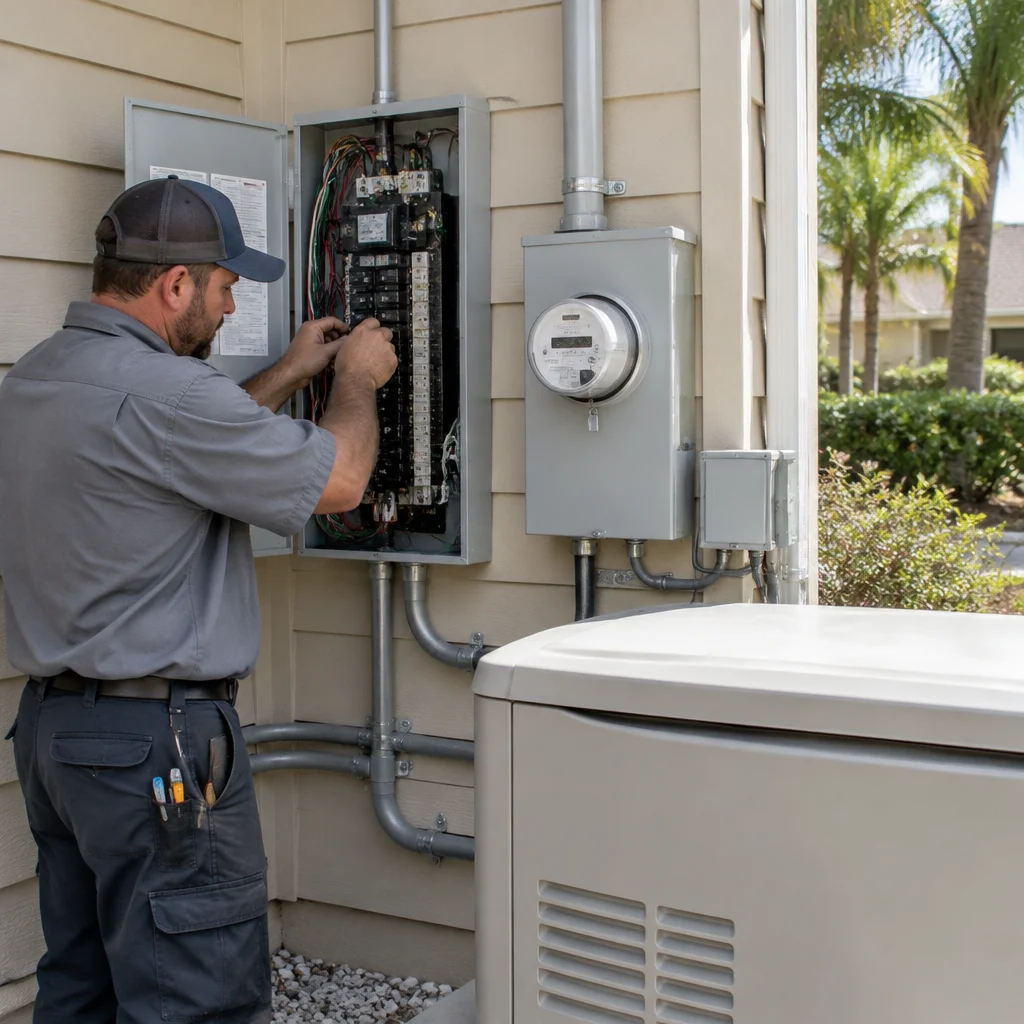
Every outlet, switch, light, ceiling fan, and hardwired appliance is connected to a circuit supplied by the electrical panel. Before adding receptacles or moving walls during a remodel, an electrician should determine whether the panel has available breaker spaces and enough service capacity for the planned load.
A panel can appear to have an open slot while still lacking practical capacity. The assessment may need to include the service rating, existing loads, breaker condition, grounding and bonding, panel manufacturer, and any evidence of overheating or corrosion. Panels in coastal communities can be affected by moisture and salt in the air, particularly when enclosures are installed in garages, utility rooms, or exterior locations.
Frequent breaker trips should not be treated as an inconvenience to work around. A breaker may be responding to an overload, short circuit, ground fault, damaged appliance, loose connection, or wiring problem. Installing a larger breaker without confirming the wire size is unsafe. If a project reveals an undersized or deteriorated panel, electrical panel and upgrade service can provide the foundation for safer branch circuits and future equipment.
Homeowners searching for electrical panel replacement near me may be preparing for more than a repair. An upgrade can also support an electric range, heat pump, workshop equipment, spa, generator equipment, or EV charger. Load calculations and applicable code requirements should guide the decision.
Older wiring deserves careful evaluation
Fort Walton Beach includes homes from different construction periods, from older cottages and established neighborhoods to newer subdivisions and recently renovated properties. Age alone does not prove that wiring is unsafe, but older systems may contain components that no longer fit current household demand.
An electrical inspection may uncover ungrounded receptacles, brittle insulation, loose splices, missing junction box covers, improper extensions, double tapped breakers, or wiring altered during past remodels. Some older homes may also have wiring materials or panel equipment that require closer evaluation. A three slot receptacle should never be assumed to have a functioning equipment ground simply because a device plugs into it.
Grounding provides a path for fault current, while GFCI protection detects an imbalance between current leaving and returning on a circuit. These protections serve different purposes. In certain situations, code compliant GFCI protection and labeling may be used where an equipment grounding conductor is absent, but that does not create a physical ground. An electrician can explain the appropriate correction for the property and planned equipment.
If an outlet repair near me search begins with a loose receptacle or flickering lamp, the underlying issue could be a worn device, loose terminal, damaged box, or problem elsewhere on the circuit. Proper testing is safer than replacing parts by guesswork. The article Electrical Safety Starts with the Details in Fort Walton Beach Homes covers other small conditions that can reveal larger safety concerns.
GFCI protection belongs in moisture prone areas
GFCI protection is commonly required in locations where electricity and moisture are more likely to meet, including bathrooms, kitchens, garages, laundry areas, exterior spaces, and other locations identified by current code. Requirements have expanded over time, so a home built under an older code cycle may not have the protection expected in a new installation.
A GFCI device can be installed as a receptacle or provided through a compatible breaker. One GFCI receptacle may protect additional downstream outlets, which is why a dead receptacle sometimes traces back to a tripped device in another room or garage. Homeowners should use the test and reset buttons according to manufacturer guidance. A device that will not reset, trips repeatedly, feels hot, or shows damage needs professional attention.
Someone searching for GFCI outlet installation near me should also consider weather resistant receptacles and proper covers for outdoor locations. Exterior boxes must be suitable for the environment, and covers should protect plugs where required. Coastal rain, wind driven moisture, irrigation, and humid air make proper materials especially important in Fort Walton Beach.
Switch problems can point beyond the wall plate
A switch that feels loose, crackles, gets warm, operates inconsistently, or causes lights to flicker should be inspected. The problem may be a worn switch, loose conductor, incompatible dimmer, overloaded control, damaged fixture, or unstable circuit connection. Discoloration and a burning odor are urgent warnings.
Modern controls offer useful options, including dimmers, timers, occupancy sensors, smart switches, and multi location switching. They are not interchangeable in every application. LED lighting may require a compatible dimmer, and some smart switches need a neutral conductor in the box. Ceiling fan controls must be rated for fan motors rather than used as ordinary light dimmers.
Before adding smart controls, an electrician should inspect box fill, conductor condition, grounding, device ratings, and the type of lighting load. Good lighting installation considers the switch and fixture together. This reduces flicker, buzzing, limited dimming range, and shortened equipment life.
Plan dedicated circuits for major loads
Dedicated circuits keep high demand equipment from competing with general lighting and receptacles. Depending on the equipment and applicable code, dedicated or individual circuits may be needed for refrigerators, microwaves, dishwashers, disposals, ranges, laundry equipment, water heaters, garage tools, and other appliances.
Remodels are a good time to plan these circuits before drywall is closed. An addition may need new lighting, smoke detectors, ceiling fans, exterior receptacles, and circuits for heating or cooling equipment. A converted garage or outdoor living area can introduce additional loads that the original panel was never designed to serve.
EV charging requires particularly careful planning. Charger output, service capacity, conductor size, panel location, equipment rating, and the distance to the parking area all affect the project. Homeowners searching for EV charger installation near me can learn more about local EV charger installation. Leaving capacity and a practical wiring path during a renovation can reduce future disruption.
Generators also need properly designed transfer equipment so power cannot feed back onto utility lines. Portable generator connections and permanently installed systems have different requirements. Never connect a generator to a household outlet or use a homemade cord. Generator installation should coordinate selected backup loads, transfer equipment, grounding requirements, fuel supply, and safe equipment placement.
Storms and coastal weather change the risk picture
Fort Walton Beach homes face thunderstorms, tropical weather, utility disturbances, and lightning activity. A plug in power strip can protect certain electronics from limited surges, but it does not provide the broad protection of a properly installed service level device. Whole home surge protection can help reduce damage from many transient voltage events.
Surge protection works best as part of a layered plan that includes proper grounding and bonding, suitable point of use protection, and correctly installed electrical equipment. No surge protective device can guarantee protection from every lightning event, but quality equipment can lower risk to appliances, electronics, smart switches, lighting controls, and HVAC components.
After a major storm, do not use outlets or switches that were submerged, exposed to significant water, or visibly damaged. If the panel is wet, arcing, smoking, or making unusual sounds, keep a safe distance and contact emergency services when fire or immediate danger is present. Once conditions are safe, a licensed electrician can determine which devices and wiring must be replaced.
Prevention begins with observation and testing
Homeowners do not need to disassemble electrical equipment to notice developing problems. Pay attention to warm wall plates, loose plugs, repeated GFCI trips, buzzing switches, flickering lights, scorched receptacles, or breakers that will not remain set. Lights that dim when an appliance starts may indicate a circuit or service issue that deserves electrical troubleshooting.
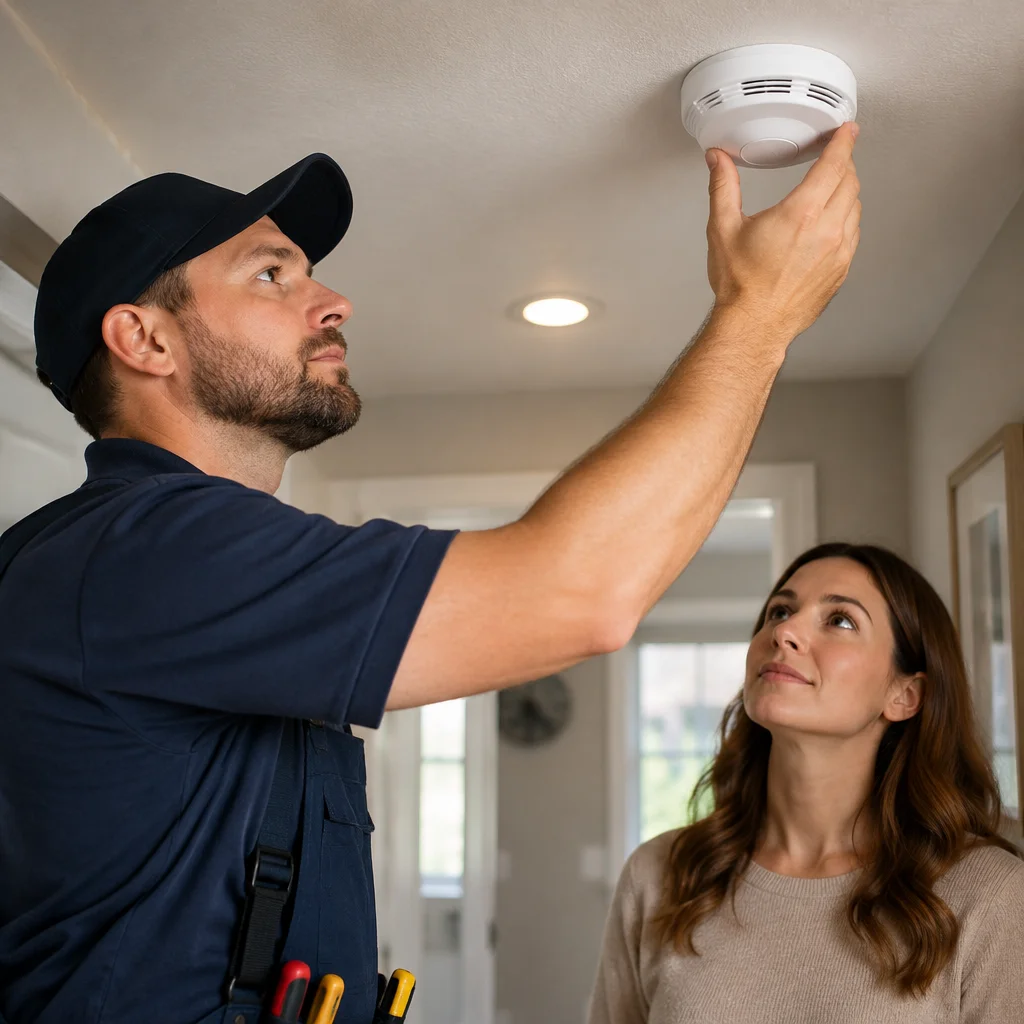
Keep electrical panels accessible and clearly label circuits. Avoid storing corrosive chemicals or flammable materials near the panel. Test smoke detectors regularly, replace batteries as directed, and replace alarms according to the manufacturer's service life. Interconnected smoke detector installation can help occupants throughout the home receive an earlier warning.
Rental properties and frequently occupied vacation homes benefit from periodic visual checks because guests may not report loose devices or intermittent issues. Property owners across Okaloosa County should also arrange inspections after major renovations, repeated storm exposure, or unexplained electrical behavior.
Code corrections should address the actual defect
Electrical codes cover more than the visible outlet or switch. Box sizing, cable support, conductor protection, grounding, breaker type, required GFCI or AFCI protection, device ratings, and safe working clearances can all matter. Local permit and inspection requirements may apply when circuits, panels, or major equipment are installed or altered.
A code correction should identify why an installation is deficient and make a durable repair. Covering a junction, installing an unapproved adapter, or replacing a breaker without diagnosing the fault can hide risk rather than resolve it. Local electrical service matters because electricians working in Fort Walton Beach are familiar with coastal conditions, regional construction, storm related concerns, and local inspection practices.
Know which problems require prompt professional help
Turn off the affected circuit if it can be done safely and arrange professional service for burned outlets, exposed conductors, persistent breaker trips, shocks or tingling from equipment, arcing, smoke, or a strong electrical odor. Call 911 for fire, active smoke, or an immediate threat to people or property. Do not touch electrical equipment while standing in water.
A search for an emergency electrician near me should lead to a qualified professional who diagnoses the complete circuit instead of replacing the most visible part. For nonemergency projects, an electrical safety inspection can prioritize repairs, panel work, dedicated circuits, lighting, surge protection, and future upgrades.
Before a remodel or addition begins, map furniture, appliances, switches, exterior needs, and possible future equipment. Then have the panel and wiring evaluated. A Superior Mechanical can help Fort Walton Beach property owners plan code compliant outlets and switches that suit the home today without overlooking tomorrow's electrical demand. To schedule service or discuss an electrical concern, contact the team.
Find Outlets and Switches in Fort Walton Beach, FL
If you need Outlets and Switches in Fort Walton Beach, FL, visit our local service page or contact A Superior Mechanical today.
Map of Fort Walton Beach, FL
Frequently Asked Questions
Why does an outlet keep losing power even though the breaker is not tripped?
The outlet may be protected by a GFCI device that has tripped elsewhere on the circuit. Other possibilities include a worn receptacle, loose connection, damaged wire, failed breaker, or switched outlet. If resetting the appropriate GFCI does not restore power, an electrician should test the circuit.
Can more outlets be added without upgrading the electrical panel?
Sometimes. An electrician must review the existing circuit load, panel capacity, available breaker spaces, wire size, and intended use of the new outlets. Adding general receptacles may be straightforward, while kitchens, workshops, EV chargers, ranges, and other high demand equipment may require dedicated circuits or a panel upgrade.
Should Fort Walton Beach homes have whole home surge protection?
Whole home surge protection is a practical option in a region that experiences thunderstorms, tropical weather, and utility disturbances. It can help reduce surge damage to appliances, lighting controls, electronics, and other connected equipment. Proper grounding and point of use protection remain important parts of a layered plan.
Related Articles
Photo Gallery