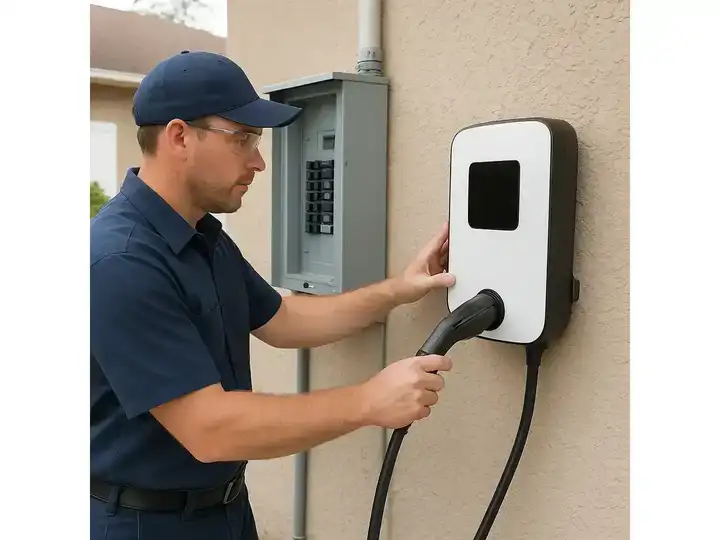
Charging an electric vehicle at home should feel simple. In Parker, FL, that usually means making sure the home’s electrical system can handle the added load before the charger goes on the wall. For some properties, the work is straightforward. For others, especially older homes, remodels, or houses with storm wear and patched wiring, EV charger installation becomes part of a bigger electrical conversation.
That is where a local electrician matters. A proper installation is not just about mounting a charger. It also involves the panel, breakers, circuits, grounding, outlet placement, and code compliance. If you are comparing options for EV charger installation in Parker, FL, it helps to understand how the whole system works before you buy equipment or assume the garage outlet is enough.
Why Parker homes need a close look before adding EV charging
Parker sits in a coastal part of Bay County, where homes deal with heat, humidity, salt air, and storm season. Those conditions can age electrical parts faster than homeowners expect. Breakers loosen, outdoor connections corrode, and older wiring can become less reliable over time. Even newer homes may need adjustments if they were built before EV charging became common.
Local properties also vary a lot. Some are compact homes with modest panels. Others are updated homes with additions, workshops, or upgraded appliances. Vacation rentals and multi-use properties can have higher electrical demand from HVAC, water heaters, lighting, ceiling fans, and kitchen equipment. When you add an EV charger, the panel has to support the new load without pushing the system too hard.
If you are looking for help from an electrician in Parker, FL, the first step is usually a load calculation and a panel review. That inspection shows whether the home can support a dedicated EV circuit or whether panel upgrades, breaker repair, or additional wiring work are needed first.
What a safe EV charger setup depends on
The electrical panel
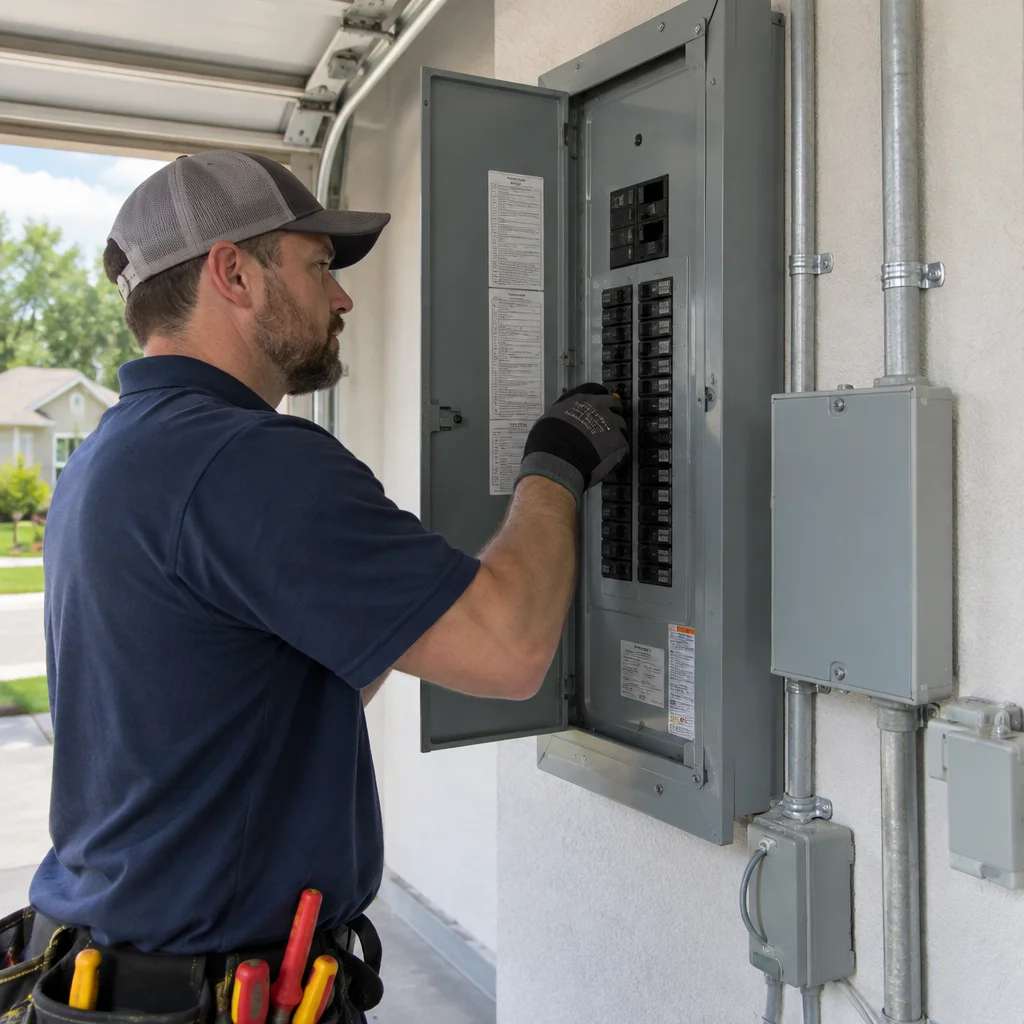
The panel is the center of the home’s electrical system. A Level 2 charger can draw significant power for hours at a time, so the panel needs enough capacity and the right breaker space. If the panel is already crowded, outdated, or showing signs of heat damage, a homeowner searching for electrical repair in Parker, FL may need that work completed before installation begins.
In some homes, a panel upgrade is the cleanest solution. In others, a smart load management setup or a subpanel can help. A licensed electrical contractor near me search often leads homeowners to ask the right question: is the panel ready, or is it the weak point in the system?
Dedicated circuits and breaker sizing
EV chargers should not share a circuit with random outlets, garage tools, or lighting. A dedicated circuit gives the charger a stable power path and reduces nuisance tripping. The breaker must be sized correctly for the charger model and the wire size used in the run. If the breaker is too small, charging may stop unexpectedly. If it is oversized or matched poorly to the conductors, the system can become unsafe.
This is one reason homeowners searching for level 2 EV charger installation near me should avoid guessing on the electrical side. The charger itself may be excellent, but the circuit has to be built for the actual load.
Wiring and distance to the charger
The farther the charger is from the panel, the more important wire sizing and routing become. Long runs can increase voltage drop, and damaged or undersized wiring can limit performance. In Parker homes, electricians also have to think about moisture exposure, attic temperatures, garage conditions, and how wiring is protected through walls or crawl spaces.
If an outlet repair near me search keeps coming up because a garage receptacle is warm, loose, or unreliable, there may be a larger wiring issue behind it. The same is true for flickering lights repair near me concerns that appear when a charger or other appliance starts running. Those are clues that the system deserves a closer inspection.
Level 1, Level 2, and the outlet question
Some homeowners can use a standard outlet for Level 1 charging, which is slower but often sufficient for low daily mileage. Others need the speed of Level 2 charging, especially if they drive more often, have a longer commute, or want faster turnaround between trips. A Level 2 setup usually requires a dedicated 240 volt circuit and professional installation.
It is tempting to rely on an existing garage outlet, but that outlet may already serve other loads or may not be in the right condition for long charging sessions. A professional EV charger installation in Parker, FL should include a review of the receptacle, wiring, and grounding if a plug-in charger is being considered. If the outlet is worn, the wiring is old, or the circuit is already stressed, a dedicated hardwired solution may be safer.
Homeowners who also need pool, spa, and hot tub wiring or an appliance circuit installation near me should plan those projects together when possible. Multiple high-demand upgrades can affect the same panel and may influence the best design for the whole property.
Protection that matters in Parker weather
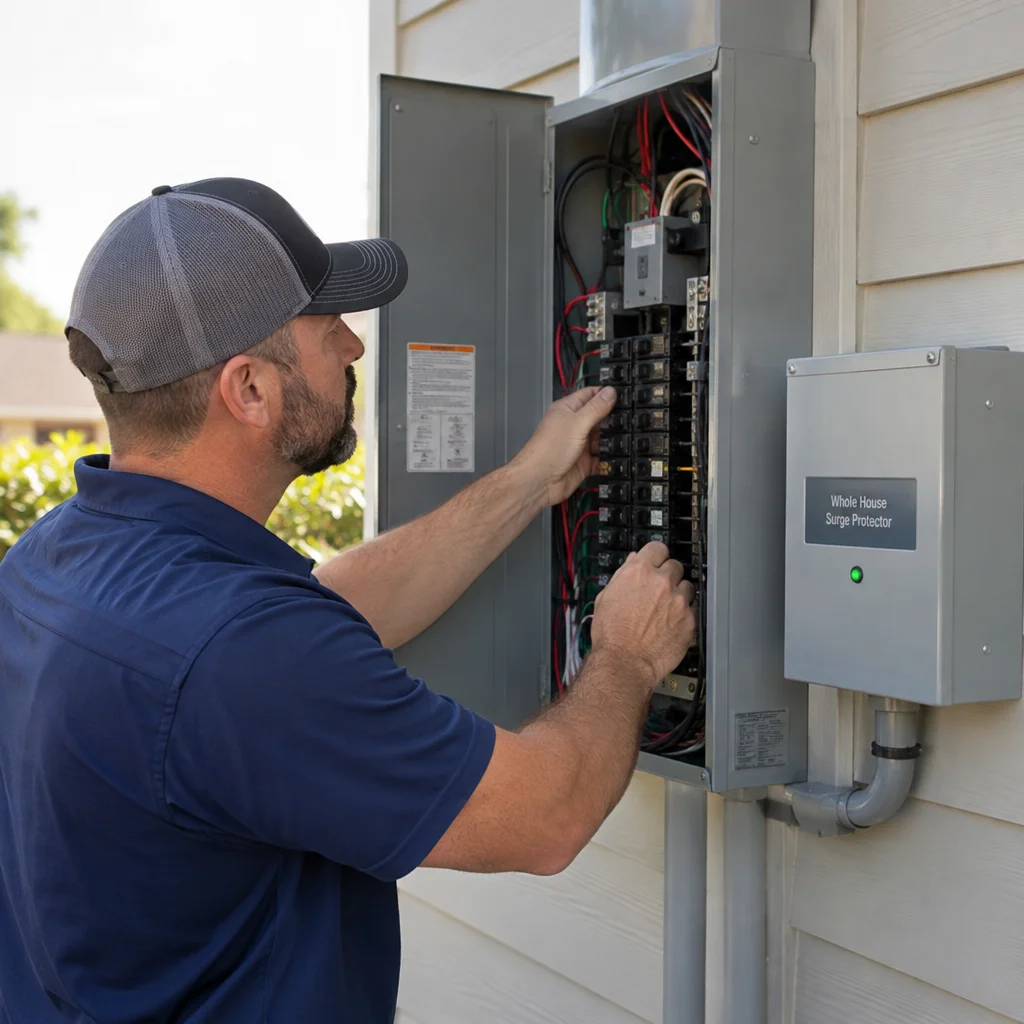
Storms and power disturbances are part of life in Bay County. Lightning, surges, and outages can damage charging equipment or stress sensitive electronics throughout the home. That is why surge protection should be part of the planning conversation, not an afterthought. Whole-home surge protection helps shield the charger, the panel, and other connected devices from sudden spikes.
Grounding and bonding also matter. If the grounding system is weak or outdated, the electrician may recommend corrections before installing the charger. This is especially important in older homes or properties that have seen multiple remodels over the years. Homeowners scheduling a home safety inspection electrician near me visit often discover that EV charging is just one of several electrical updates worth addressing.
For homes that lose power during storms, backup planning can matter too. A charger will not run during an outage unless the property has an appropriate system in place, and homeowners researching whole home generator installation near me often want to understand how charging fits with emergency power. In many cases, the answer is that generator sizing and critical-load planning should be discussed before the charger is installed.
Signs the electrical system needs attention before installation
Some homes are ready for charger installation right away. Others show clear signs that the electrical system needs repairs first. Watch for breakers that trip, lights that dim when appliances start, outlets that feel warm, buzzing at the panel, or scorch marks around receptacles. Those issues can point to overloaded circuits, loose connections, or outdated components.
Older Parker homes may also have legacy wiring that should be evaluated before any new high-demand equipment is added. In some cases, a homeowner searching for electrical repair near me is really dealing with a panel, wiring, or grounding issue that affects more than one area of the house. If the home has known old wiring, knob and tube wiring replacement near me or home rewiring near me concerns should be addressed before EV charging is added to the load.
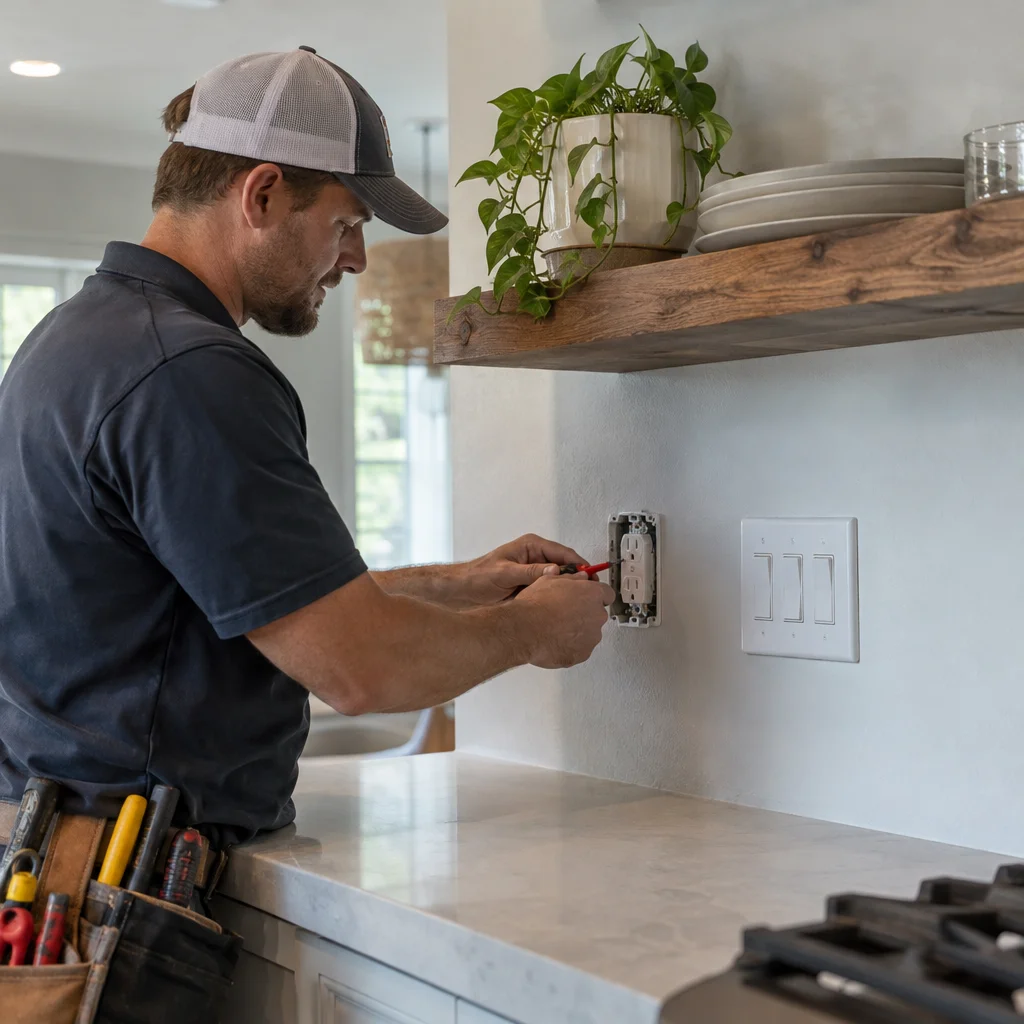
Even if the EV charger is the main goal, the electrician may spot other issues at the same visit, such as a failing switch, a loose outlet, or a lighting circuit that needs repair. Catching those problems early can prevent more expensive damage later.
How local electricians prevent problems during installation
Good EV charger work starts with planning. A licensed electrician reviews the panel, measures the load, checks the charger specifications, and looks at the best route for wiring. They also confirm whether the installation should be hardwired or plug-in, whether the garage or exterior wall is the best location, and whether the circuit needs GFCI protection.
In Parker, outdoor and garage installations need extra care because of humidity and weather exposure. Proper conduit, secure mounting, and code-compliant clearances help protect the equipment. If the charger is installed outdoors or near a driveway, the electrician may also consider nearby lighting, especially if the homeowner wants security lighting installation near me or wants to improve visibility around the parking area.
Homeowners often ask about related upgrades at the same time, such as smart electrical panels, outdoor landscape lighting, or emergency electrical services if a recent storm caused damage. Coordinating those projects can reduce repeat visits and make the system easier to manage.
Code compliance is not optional
EV charging equipment must meet local and national electrical code requirements. That includes proper breaker sizing, correct wire gauge, safe mounting height, required clearances, and the right protection for the installation type. If the home has a detached garage, a remodel, or an addition, code corrections may be needed before the charger can be installed.
This is where an electrical code inspection near me search can be useful. A code-focused inspection can reveal whether the panel label is accurate, whether the grounding system is acceptable, and whether the home needs outlet repair, breaker panel repair near me service, or electrical panel replacement near me work before charging begins.
For many homeowners, the safest route is to treat EV charger installation as part of overall home electrical maintenance. That includes checking smoke detector installation, making sure the garage circuits are in good shape, and confirming that ceiling fan wiring near me or ceiling fan installation near me work is not masking broader electrical wear in the home.
Why local service matters in Bay County
Local electrical service is about more than convenience. Parker homes face specific conditions that affect electrical systems, from coastal weather to storm-related outages and moisture exposure. A local team understands how those conditions influence wiring, panels, outlets, and charger placement. They also know the permitting and inspection expectations that apply across Bay County and can help keep the project moving without unnecessary delays.
That matters for homeowners, rental owners, and small business properties alike. A charging station that is installed correctly can support daily use for years. A rushed installation can lead to tripped breakers, damaged equipment, or a costly call for electrical repair near me later. If the property also needs generator installation, surge protection, or a panel upgrade, it is often smarter to address those items together instead of waiting for a failure.
Keeping the charger and the rest of the house in good shape
Once the charger is installed, a little maintenance goes a long way. Keep the area around the unit dry and clear, check for loose cords or damaged plugs, and watch for signs of heat or discoloration. If the charger starts tripping the breaker, charging slows without explanation, or the panel makes unusual sounds, schedule service quickly.
It also helps to keep the rest of the electrical system in good condition. That may include outlet upgrades, lighting repair, smoke detector testing, surge protection, and periodic inspections after storms. Homeowners who maintain the full system are less likely to face emergency calls or unexpected downtime.
If you are planning EV charging for a Parker home, vacation rental, or business property, A Superior Mechanical can help evaluate the panel, install the right circuit, and make sure the system is built for local conditions. For properties that need more than a basic charger setup, the right electrical plan can also support future upgrades without starting over later.
Find EV Charger Installation in Parker, FL
If you need EV Charger Installation in Parker, FL, visit our local service page or contact A Superior Mechanical today.
Map of Parker, FL
Frequently Asked Questions
Do I need a panel upgrade for EV charger installation in Parker, FL?
Not always, but many homes do need a panel review before installation. If the panel is full, outdated, or already near capacity, a panel upgrade or load management solution may be recommended.
Can I use an existing garage outlet for EV charging?
Sometimes, but the outlet, wiring, grounding, and circuit load must all be checked first. If the receptacle is worn or the circuit is shared with other equipment, a dedicated circuit is usually the safer choice.
How does Parker weather affect EV charger installation?
Heat, humidity, salt air, and storms can wear on electrical parts over time. Installations need proper protection, secure wiring, and code-compliant equipment that can handle local conditions.
What if my home has older wiring or frequent breaker trips?
Those are signs the system needs attention before adding an EV charger. An electrician may recommend breaker repair, wiring repair, outlet repair, or a full electrical inspection before installation.
Related Articles
Photo Gallery