A house can reach its thermostat setting and still feel uncomfortable. In Miramar Beach, that often means sticky bedrooms, musty closets, dusty surfaces, or rooms that never seem to get enough air. Lowering the temperature may hide the problem briefly, but it rarely explains why the house feels that way.
Indoor air quality testing helps connect those complaints to conditions inside the home. Paired with an HVAC inspection, it can guide decisions about filtration, ductwork, ventilation, and moisture control. For homeowners and vacation rental owners, the goal is practical: understand the problem before paying for equipment that may not solve it.
Coastal Comfort Depends on More Than Cooling
Miramar Beach has a long cooling season, frequent humid weather, and coastal storms that challenge building envelopes and HVAC systems. Outdoor air entering through leaky ducts, poorly sealed doors, or uncontrolled ventilation brings moisture with it. During milder weather, an air conditioner may run too little to remove that moisture effectively.
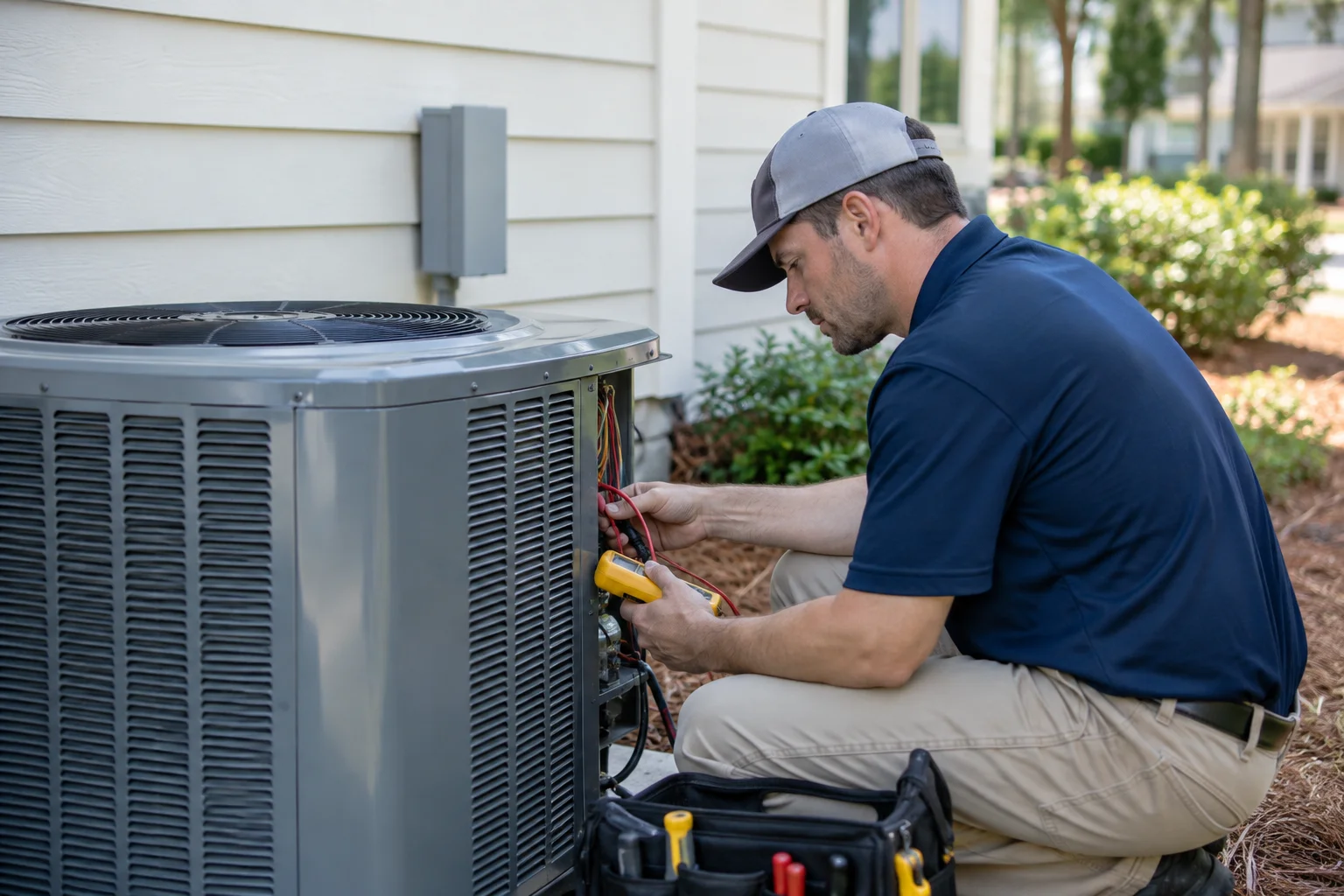
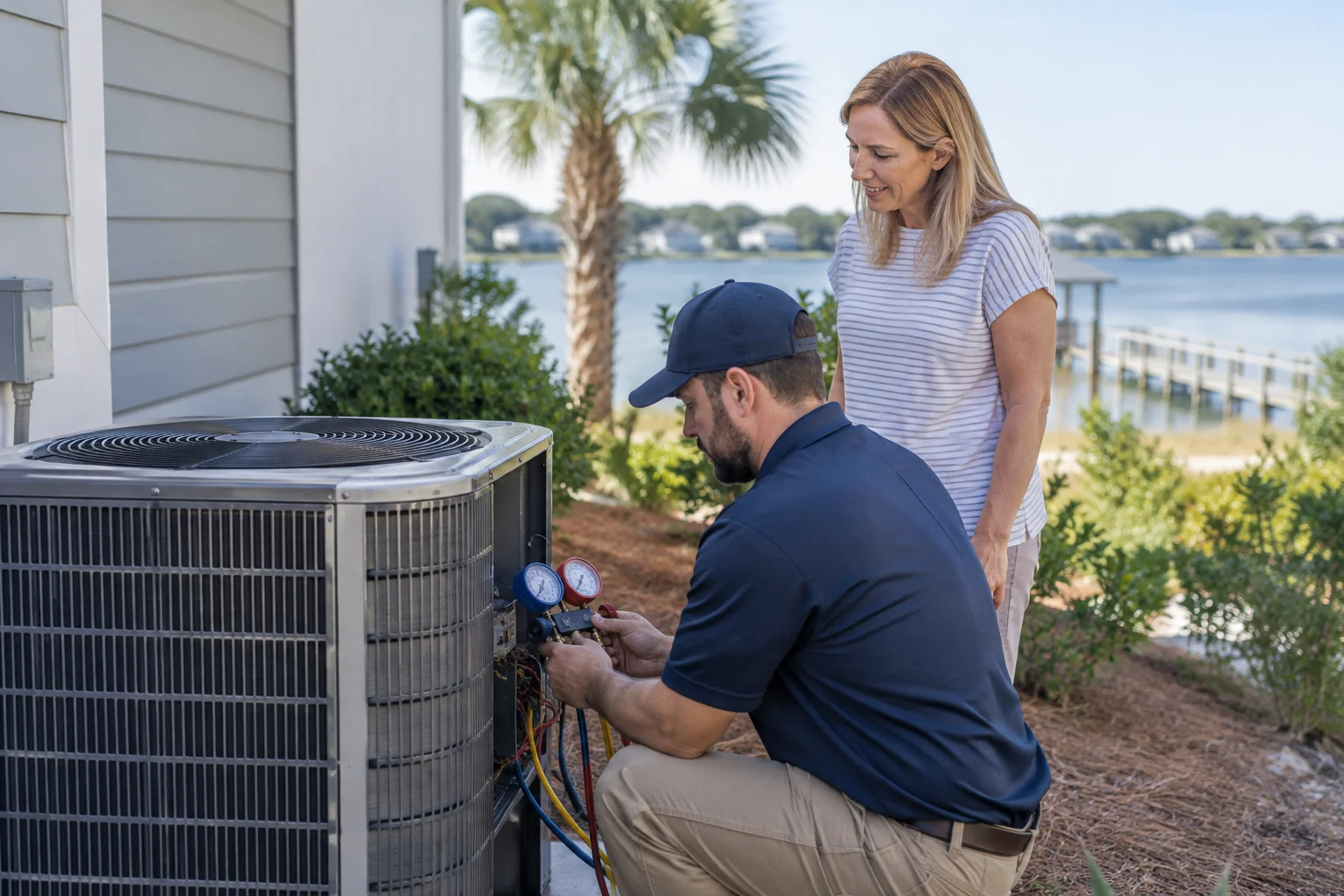
Salt air also contributes to corrosion on outdoor units, including condenser coils and exposed components. That does not automatically mean indoor air is contaminated, but equipment deterioration can affect reliability and cooling performance. Local HVAC service matters because a useful diagnosis considers coastal exposure, occupancy patterns, and humidity rather than temperature alone.
Older homes may have aging ductwork or air leaks around renovations. Newer homes can have tighter construction but insufficient planned ventilation. Remodels and additions may change airflow needs without changing the original system. Each situation calls for a different investigation.
Start With the Complaint, Then Choose the Testing
Not every home needs every available air test. A useful assessment starts with a conversation: Which rooms feel uncomfortable? Does the odor appear when the AC starts? Did the issue begin after a storm, renovation, or extended vacancy? Are symptoms worse during periods of high occupancy?
A Superior Mechanical offers indoor air quality testing in Miramar Beach, FL to investigate humidity, allergens, mold concerns, ventilation issues, and HVAC-related air quality complaints. Ask which measurements or samples are appropriate for your concern and what the proposed testing can actually establish.
Measurements need context
An assessment may include temperature and relative humidity readings, particle measurements, ventilation observations, or targeted sampling when warranted. Carbon dioxide measurements can help evaluate ventilation in occupied spaces, but they do not measure every pollutant. Particle readings alone cannot identify whether particles are mold, pollen, or ordinary dust.
Mold sampling is not always necessary, especially when visible growth or water damage already establishes a moisture problem. No single air sample proves that a home is safe or unsafe. Results should be interpreted alongside the inspection, weather, occupancy, and sampling method. Air testing is not a medical diagnosis.
Follow the Air Through the HVAC System
Testing becomes more useful when someone checks how air moves through the equipment and rooms. A restricted filter, dirty evaporator coil, leaking return duct, or weak blower can produce comfort complaints that resemble an equipment sizing problem.
A related air conditioning inspection can evaluate the air handler, accessible coils, blower operation, drain lines, and overall cooling performance. Homeowners searching for AC repair near me because the house feels clammy should describe the humidity problem, not just request a lower supply-air temperature.
Filters and coils work together
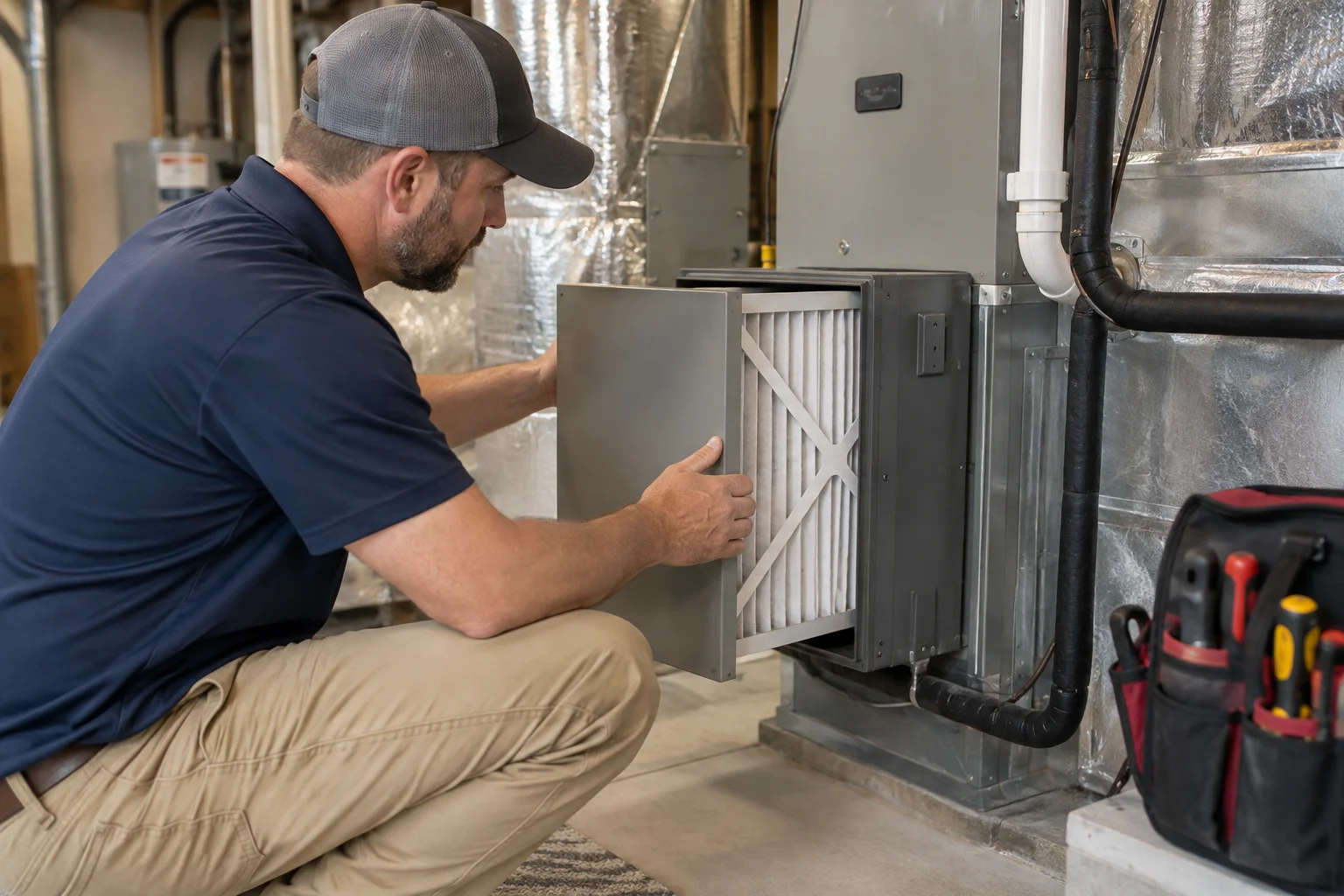
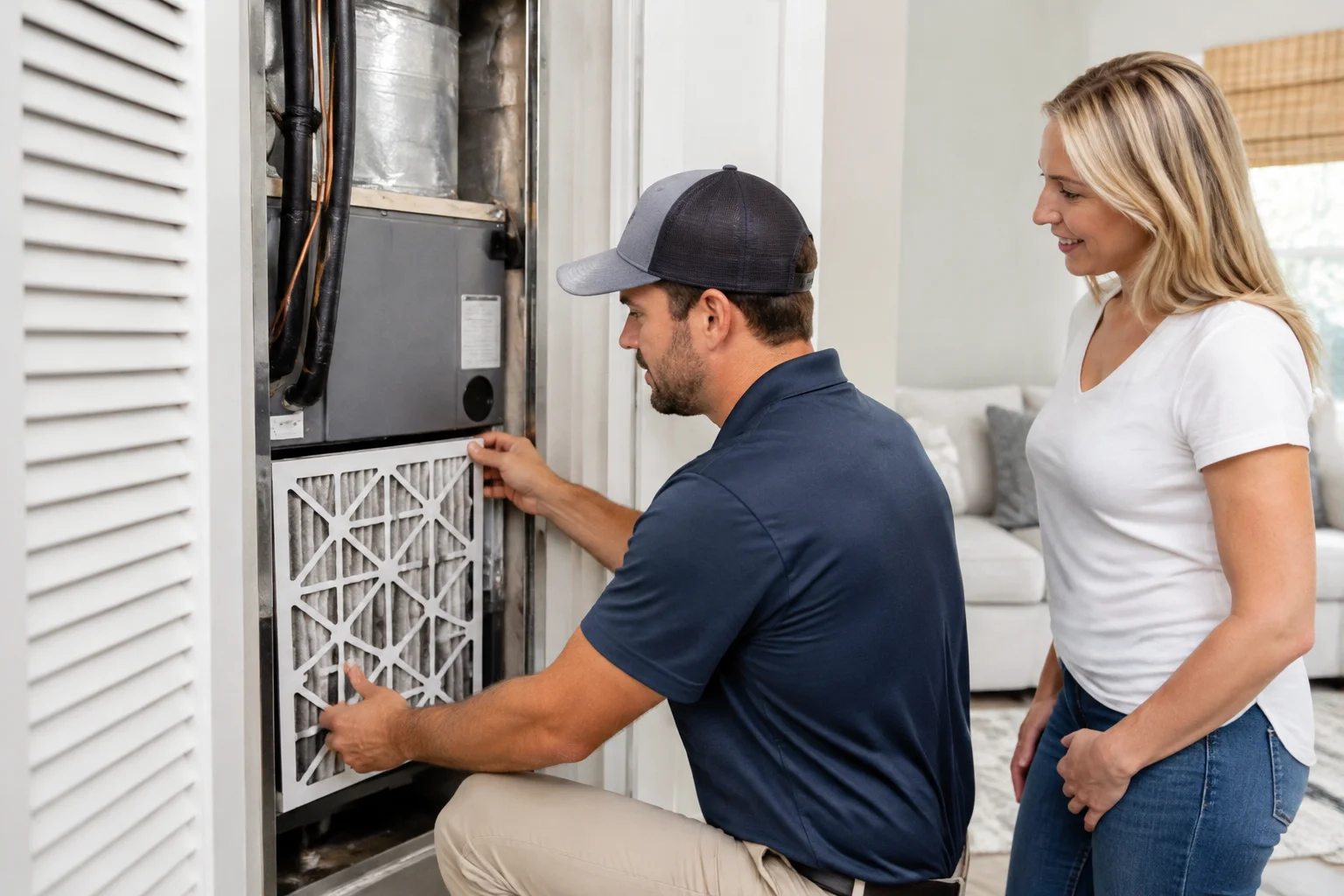
A filter should fit securely without gaps that allow air to bypass it. Higher-efficiency filtration can capture smaller particles, but the system must accommodate its resistance. Installing a very restrictive filter without checking airflow can reduce cooling, strain operation, and contribute to coil freezing.
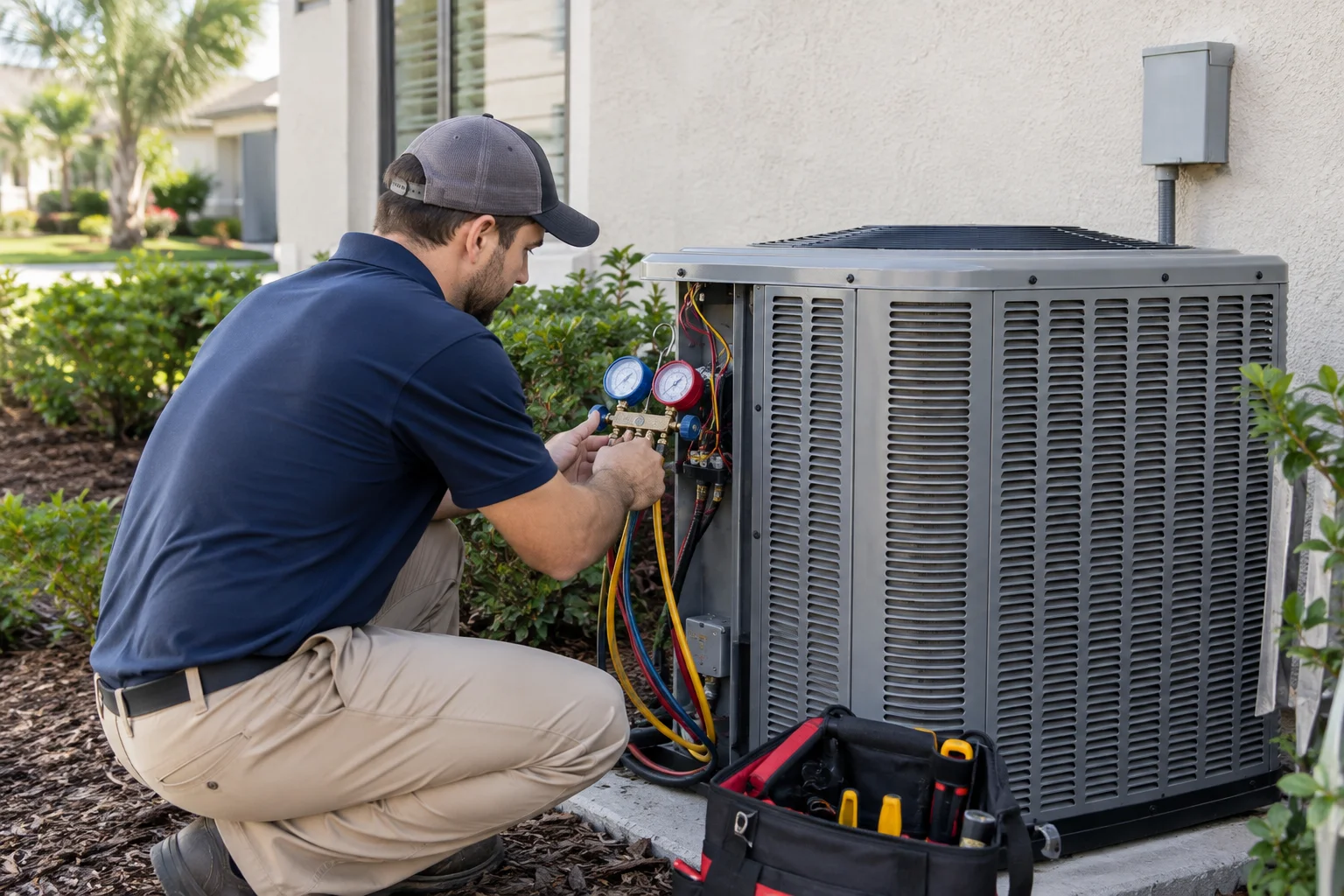
Dirty evaporator coils can interfere with heat transfer and drainage. Low airflow or refrigerant leaks can also cause icing and poor cooling. Refrigerant is not consumed during normal operation, so a low charge needs investigation rather than repeated topping off. These are professional service issues, not reasons to open refrigerant lines yourself.
Humidity Control Is Often the Missing Piece
A practical indoor relative humidity target is generally around 30 to 50 percent, with sustained readings above 60 percent warranting attention. Conditions vary, and one reading near a supply vent does not describe the whole home. Check several rooms over time, especially bedrooms, closets, and spaces that remain closed.
Excess moisture may come from outdoor air leakage, cooking, showers, wet building materials, or a cooling system that does not run long enough. An oversized AC can cool quickly and shut off before removing enough moisture. Lowering the thermostat further may increase energy use without providing balanced comfort.
Choose the remedy after identifying the moisture source
Correcting duct leaks, restoring airflow, repairing drainage, and using properly vented bathroom exhaust fans may solve the problem. Where moisture loads remain high, dedicated dehumidification may help. Before searching for a whole home dehumidifier near me, find out whether the underlying issue is equipment operation, air infiltration, or water intrusion.
Keep the thermostat fan on AUTO unless your system has a specifically designed humidity-control strategy. Continuous fan operation can re-evaporate moisture from a wet cooling coil during off cycles. Smart thermostats may offer humidity monitoring and useful alerts, but thermostat installation alone cannot fix poor drainage or an oversized system.
Ductwork Can Explain Room-to-Room Differences
A hot addition or stuffy bedroom often points to an air distribution issue. Crushed flex duct, disconnected runs, undersized returns, and poorly balanced branches can limit delivery. Supply leaks waste conditioned air, while return leaks in unconditioned areas can draw humid, dusty air into the system.
Professional ductwork services in Miramar Beach can address damaged sections and layout problems. Where leakage is confirmed, duct sealing and Aeroseal services may be appropriate. Sealing does not replace crushed ducts or correct every sizing problem, so inspection should come first.
Keep supply vents and return grilles clear of furniture, rugs, and storage. Avoid closing multiple vents to push air toward another room because this can increase system pressure. If homeowners searching for duct leakage repair near me also report dust or musty odors, those observations belong in the assessment.
Match Improvements to the Home, Not a Product List
Testing should help prioritize work. A home with elevated particles may benefit from source control and compatible filtration. A home with persistent moisture needs moisture reduction. A tightly sealed home with inadequate outdoor air may need controlled ventilation designed for a humid climate.
Air cleaning has limits
Air cleaners can reduce certain airborne particles when properly selected and maintained. They do not repair water damage, stop duct leakage, or remove every gas and odor. Homeowners considering air purifier installation near me should ask what contaminants a device targets, how performance is rated, and what replacement filters cost. Avoid devices that intentionally generate ozone.
Plan carefully for additions and separate zones
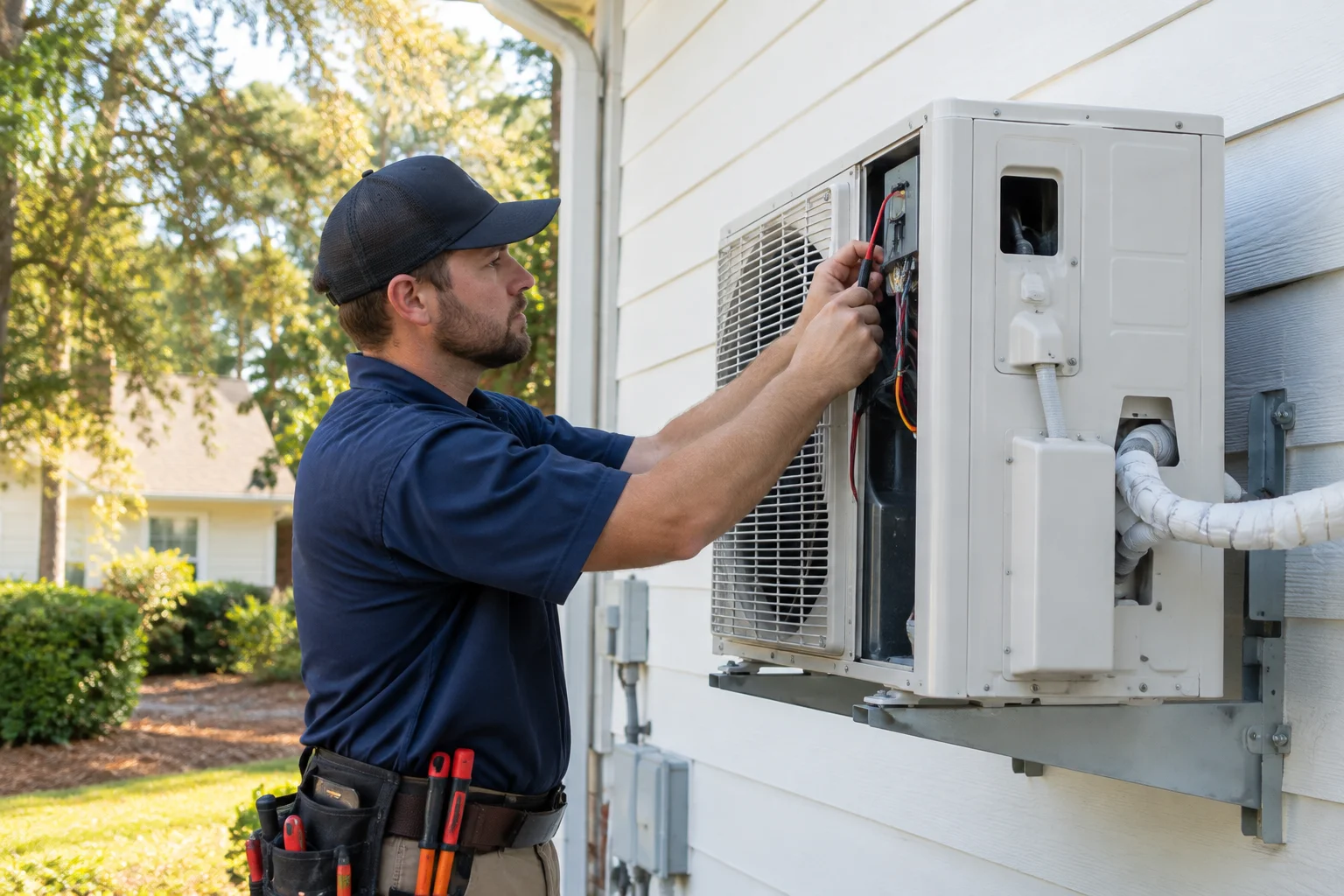
Ductless mini splits can serve additions or rooms with different schedules, but their filters, coils, and drain systems still need maintenance. They generally recirculate room air rather than provide fresh outdoor air. More complex properties may benefit from evaluating VRF multi-zone systems, though zoning equipment is not a substitute for ventilation or moisture control.
If replacement is justified, ask for sizing based on a load calculation rather than matching the old unit automatically. High-efficiency equipment performs best with suitable ducts, correct refrigerant charge, proper airflow, and controls that match the home's occupancy.
Include Heating Equipment in the Air Quality Plan
Heat pumps are common in Florida, and their indoor blower, filters, and ductwork affect air distribution in both heating and cooling modes. Heat pump repair may involve controls, defrost operation, or refrigerant performance, depending on the complaint. A seasonal check helps identify problems before a cooler spell creates sudden demand.
Homes with furnaces need appropriate furnace service as well. Fuel-burning equipment requires attention to combustion, venting, and carbon monoxide safety. Routine indoor air quality testing does not replace carbon monoxide alarms or a dedicated combustion safety inspection. Heating repair should address unusual odors, repeated shutdowns, or abnormal operation before continued use.
Prevent Recurring Problems Between Service Visits
Check filters regularly and replace them according to their condition, manufacturer guidance, and household needs. Rental turnover, pets, and remodeling dust can shorten the useful interval. Inspect accessible drain pans and the area around the air handler for water, but leave chemical drain treatments and internal equipment work to qualified professionals.
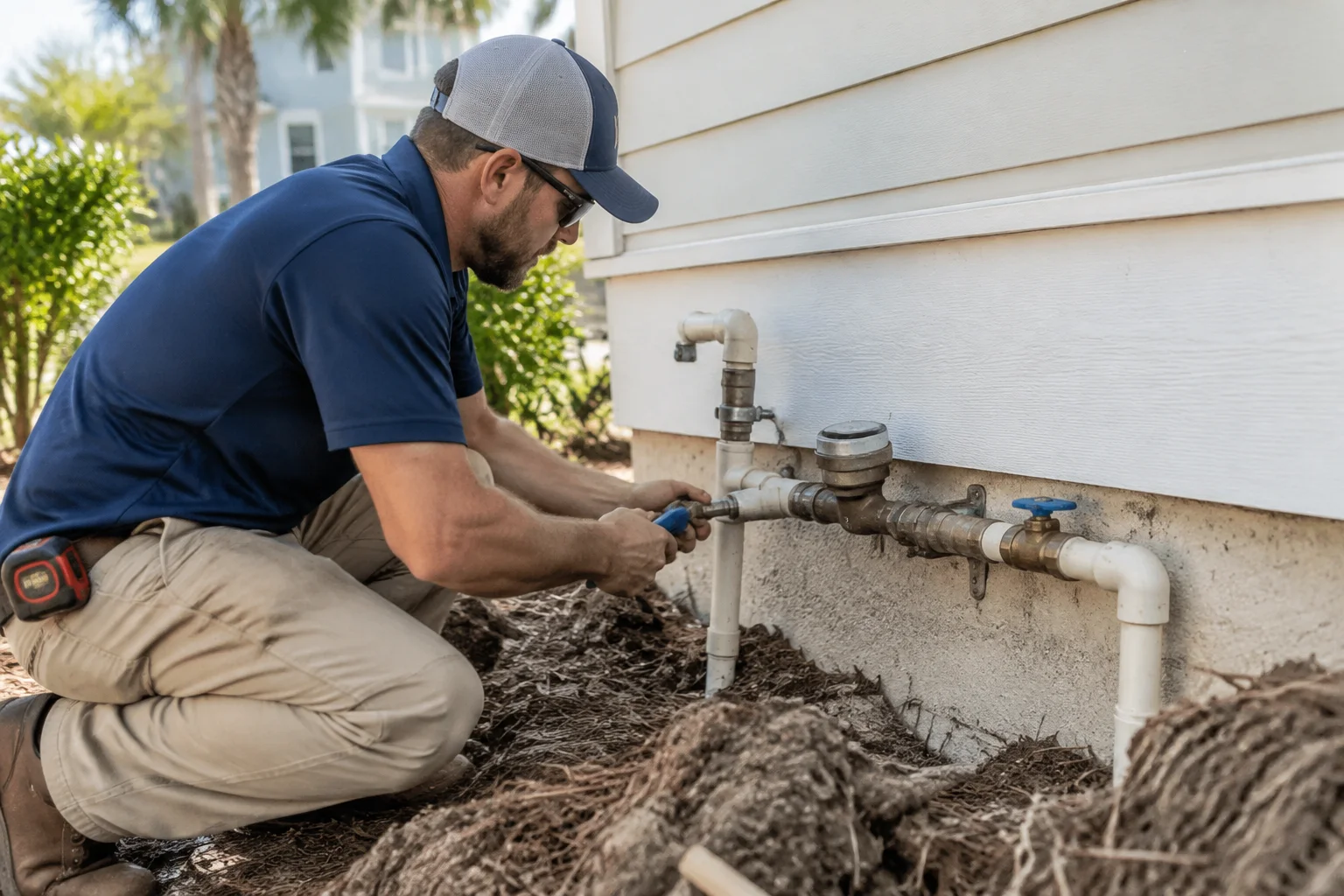
Have condensate drain lines and overflow protection checked during HVAC maintenance. A blocked drain can cause shutdowns, water damage, and damp materials that contribute to air quality problems. If moisture persists while the AC is off, investigate roof, window, and plumbing leaks rather than assuming the HVAC system is responsible. For older properties, planning for aging water lines addresses another potential source of hidden moisture.
During remodels, isolate dusty work areas and protect HVAC returns from construction debris without blocking necessary operating airflow. Ask the contractor how the system will be protected. After storms, check for water intrusion and visible outdoor-unit damage from a safe location. Do not operate flooded equipment until it has been professionally evaluated.
For seasonal homes, avoid turning off climate control for long absences. Use a sensible away setting, monitor humidity, and arrange property checks. Schedule maintenance before peak summer demand when possible. Repeat measurements after repairs help confirm whether humidity, airflow, or particle conditions actually improved.
Know Which Problems Cannot Wait
A musty room deserves investigation, but smoke, a burning smell, a carbon monoxide alarm, or water reaching electrical components requires immediate action. Leave the home for a suspected gas leak or carbon monoxide event and contact emergency services or the gas utility from a safe location. Do not restart affected equipment.
Cooling loss during extreme heat can also become urgent, especially for vulnerable occupants. Seek a safe, cooled location while arranging service. A frozen coil, repeatedly tripping breaker, or substantial leak around the air handler calls for professional evaluation rather than repeated restarts.
Build a Practical Plan With a Local HVAC Team
Bring notes about odors, room temperatures, humidity readings, filter changes, and recent renovations to your appointment. Ask for findings that distinguish observed conditions from suspected causes, along with repair priorities and a way to verify improvement.
A Superior Mechanical serves Miramar Beach homeowners and rental properties and the surrounding Walton County area. Start with indoor air quality testing and an HVAC evaluation suited to your concerns. A clear diagnosis makes it easier to choose necessary repairs, avoid unnecessary accessories, and maintain comfort through coastal humidity and changing seasonal demand.
Find Indoor Air Quality Testing in Miramar Beach, FL
If you need Indoor Air Quality Testing in Miramar Beach, FL, visit our local service page or contact A Superior Mechanical today.
Map of Miramar Beach, FL
Frequently Asked Questions
Does indoor air quality testing always include mold testing?
No. Testing should match the concern and inspection findings. Humidity measurements, airflow checks, and ventilation observations may be the best starting point. Targeted mold sampling may be appropriate in some situations, but visible growth or water damage already warrants moisture correction and evaluation. A single sample cannot establish that a home is safe or unsafe.
Why does my Miramar Beach home feel humid when the AC is cooling?
The system may be cooling without removing enough moisture. Possible causes include short cycling, oversized equipment, duct leakage, outdoor air infiltration, and airflow problems. A technician can check operating conditions and moisture sources before recommending repairs or dedicated dehumidification.
Should I replace my HVAC system to improve indoor air quality?
Not necessarily. Correcting filter fit, duct leaks, drainage problems, ventilation, or indoor moisture sources may improve conditions without replacement. If the equipment is failing or improperly sized, replacement may be worth evaluating, but it should follow an inspection and appropriate sizing calculations.
Related Articles
- A Better Plan for Aging Water Lines in Miramar Beach Homes
- Planning Panels, Wiring, and Protection With Electrical Financing in Miramar Beach
- Why Electrical Replacement Matters Before Small Problems Turn into Safety Risks in Miramar Beach, FL
- Why Water Heater Care Matters in Miramar Beach Homes Facing Hard Water and Plumbing Wear
Photo Gallery