Camp Creek, FL homes tend to feel the effects of hard water in everyday ways, from soap that never seems to rinse clean to showerheads that slowly lose flow. When hard water is left untreated, the “small stuff” stacks up into clogged fixtures, scaling on heaters, and appliances that wear out faster. A good water softening plan helps you catch the problem early, protect plumbing, and improve water quality for drinking, cooking, bathing, and laundry.
This guide focuses on water softening in Camp Creek and nearby areas in Walton County, including what to look for, why it happens, and how homeowners can choose the right treatment approach, including water softeners, whole home water filtration, AO Smith water filtration options, and reverse osmosis for drinking water.
Start with the reality of local water in Camp Creek
Hard water is usually driven by dissolved minerals, most commonly calcium and magnesium, that pick up as water moves through natural sources. In many Florida homes, these minerals show up as scale deposits and “mineral buildup” on surfaces that see heated water, like showers and hot water lines. The result is not just cosmetic. Scale can reduce heat transfer in water heaters, restrict flow through plumbing components, and shorten the lifespan of fixtures and appliances.
Camp Creek homeowners often notice the effects most in the kitchen and bathroom because those are the rooms where water is most visible. You may see hard water spots on glass, dishes, and fixtures. You might notice scale buildup around faucets and showerheads, or sediment and discoloration that show up in certain fixtures. When you also start noticing metallic, chlorinated, or unpleasant taste, it is a sign to evaluate your overall water quality, not just scaling.
Common early warning signs of hard water and water quality problems
Some hard water symptoms build slowly, so it helps to know what to watch for. If you are seeing several of the items below, it is usually time to consider hard water treatment and a more complete water testing plan.
1) Hard water spots on glass, dishes, and fixtures
If water dries on your shower doors or kitchen glass and leaves cloudy marks, mineral residue is likely present. The same issue can show up on dishes after washing, especially if spotting returns even after you use rinse aid. Over time, this residue becomes harder to remove and can require stronger cleaners than you want to use.
2) Scale buildup around faucets, showerheads, and plumbing
Look closely at your faucet aerators and showerhead nozzles. Reduced flow, uneven spray, or a crusty ring around fixtures can point to scale buildup. In the background, scaling can also collect inside plumbing lines and appliances that use hot water.
3) Dry skin or dull hair after bathing
Hard water can interfere with how soap and shampoo work. Instead of rinsing away cleanly, residues can cling to skin and hair. Many homeowners describe dry skin, tightness, or hair that looks dull even after washing.
4) Soap that does not lather or rinse well
If you notice that bar soap feels “filmy,” liquid soap does not lather well, or laundry seems to need extra detergent, hard water is often a major contributor. This is one of the clearest day-to-day signs that water softening may improve comfort and reduce how much product you use.
5) Cloudy ice cubes and visible sediment concerns
Cloudy ice cubes can be a warning sign of air, minerals, or sediment in the water. If you also notice discoloration, odor, or sediment in household water, it suggests that filtration and possibly additional treatment is needed beyond softening alone.
6) Metallic, chlorinated, or unpleasant taste
Even if your water looks clear, taste can tell you a lot. A chlorine taste in water, metallic notes, or an unpleasant flavor can affect drinking water and cooking water. For many families, better tasting water becomes a daily quality upgrade, especially for kids and anyone who drinks water from the tap.
7) Poor tasting coffee and cooking water
Coffee flavor depends on water chemistry. Hard water can reduce extraction quality, and high mineral content can leave a “flat” taste. If your coffee or tea tastes different than you expect, or if soups and sauces seem to behave differently, it may be time to improve your home water purification.
8) Appliances wearing out faster
When scale collects inside water heaters, dishwashers, and other hot water appliances, it can reduce efficiency and increase wear. A system that works hard to heat through mineral buildup can fail sooner, leading to more frequent repairs or replacements.
What water softening actually does, and why it helps
Water softening replaces hard water minerals with softer alternatives through an ion exchange process. The practical result is less scale formation on surfaces and inside pipes. That means fewer hard water spots on dishes, less scale buildup around faucets and showerheads, and better performance from appliances that rely on hot water.
For homeowners searching for water filtration near me or water treatment near me, it is helpful to remember that softening is not the same as filtration. Softening focuses on hardness minerals. If you have sediment, odor, or taste concerns, you may need additional whole home water filtration or point-of-use treatment.
Choose the right treatment mix for Camp Creek homes
Many households benefit from a layered approach: softening for scale control, then filtration or reverse osmosis for drinking and cooking. The best setup depends on what you are noticing in your home, the results of water testing, and how many fixtures and appliances you want to protect.
Water softener service and installation
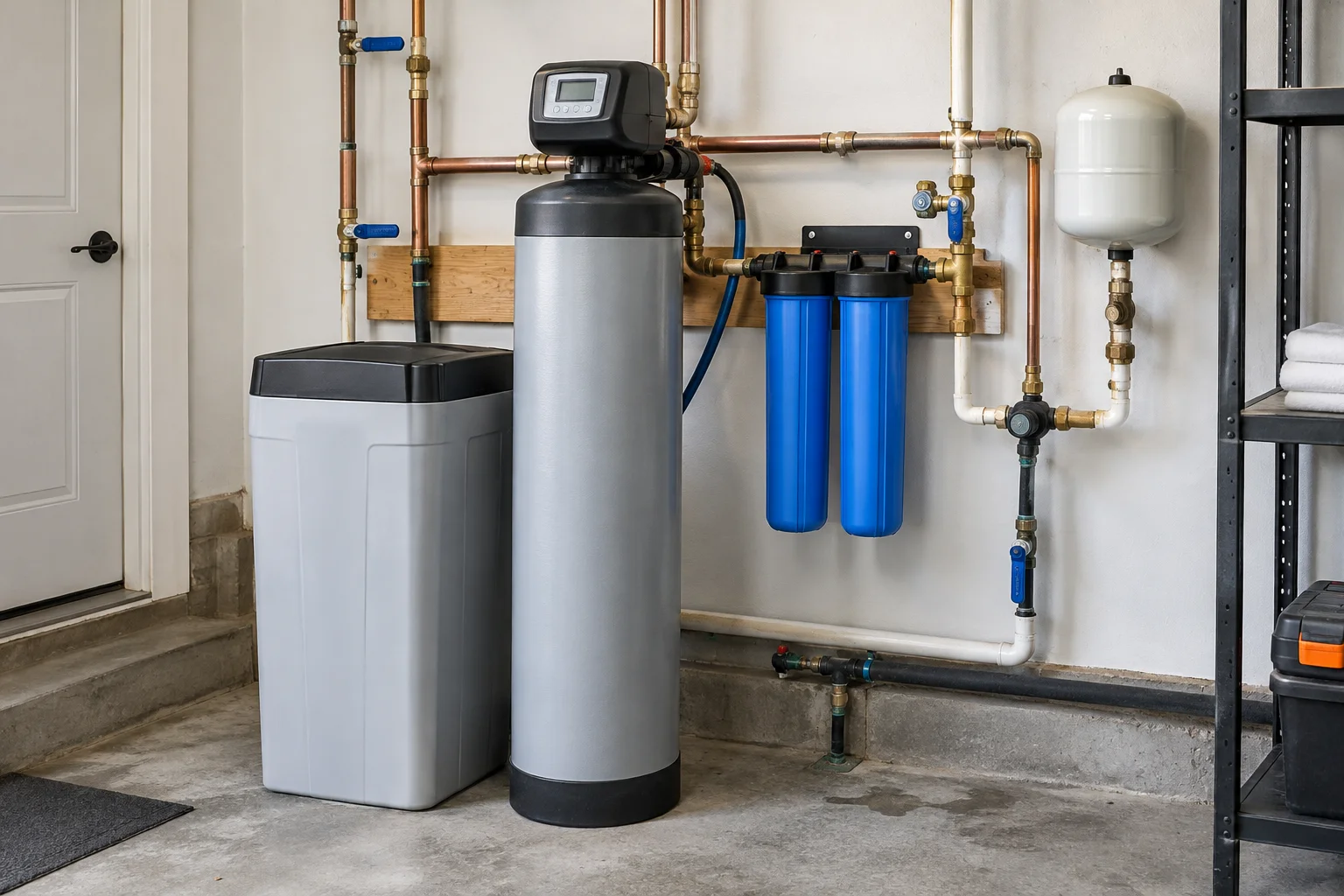
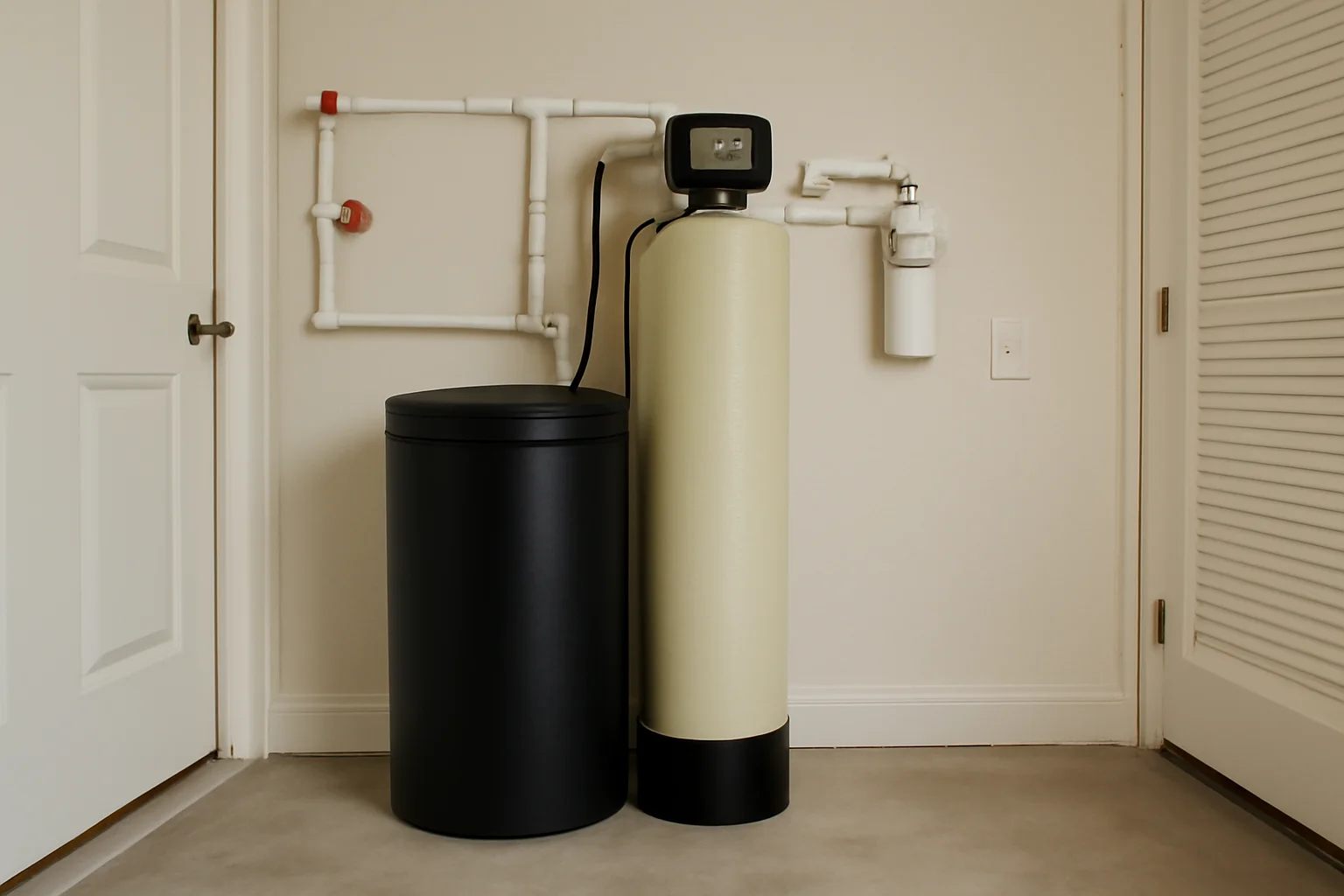
If you are seeing soap scum, scale rings, and spotty glass, an AO Smith water softener or similar system can be a strong foundation for hard water treatment. Homeowners often start with water softener installation near me because the benefits show up in the bathroom and kitchen quickly: clearer rinse cycles, fewer spots, improved lather and feel, and reduced scale on fixtures.
Professional water softener service also matters because proper sizing and correct settings are essential. A system that is too small can regenerate too often or fail to keep up, while incorrect operation can leave hardness breakthrough or reduce performance.
Whole home water filtration for sediment and taste
Whole home water filtration can address issues that softening alone will not solve, including sediment in household water, odor, and certain taste concerns. If you are noticing visible discoloration, cloudy ice cubes, or a chlorine taste in water, filtration can help protect your plumbing and improve everyday water quality.
Whole house water filter systems can also help reduce the amount of particles reaching fixtures, which supports cleaner shower performance and better results for laundry. For families in Camp Creek, this often translates into better water for drinking and cooking, plus cleaner rinsing in bathing and dishwashing.
Reverse osmosis for better drinking and cooking water
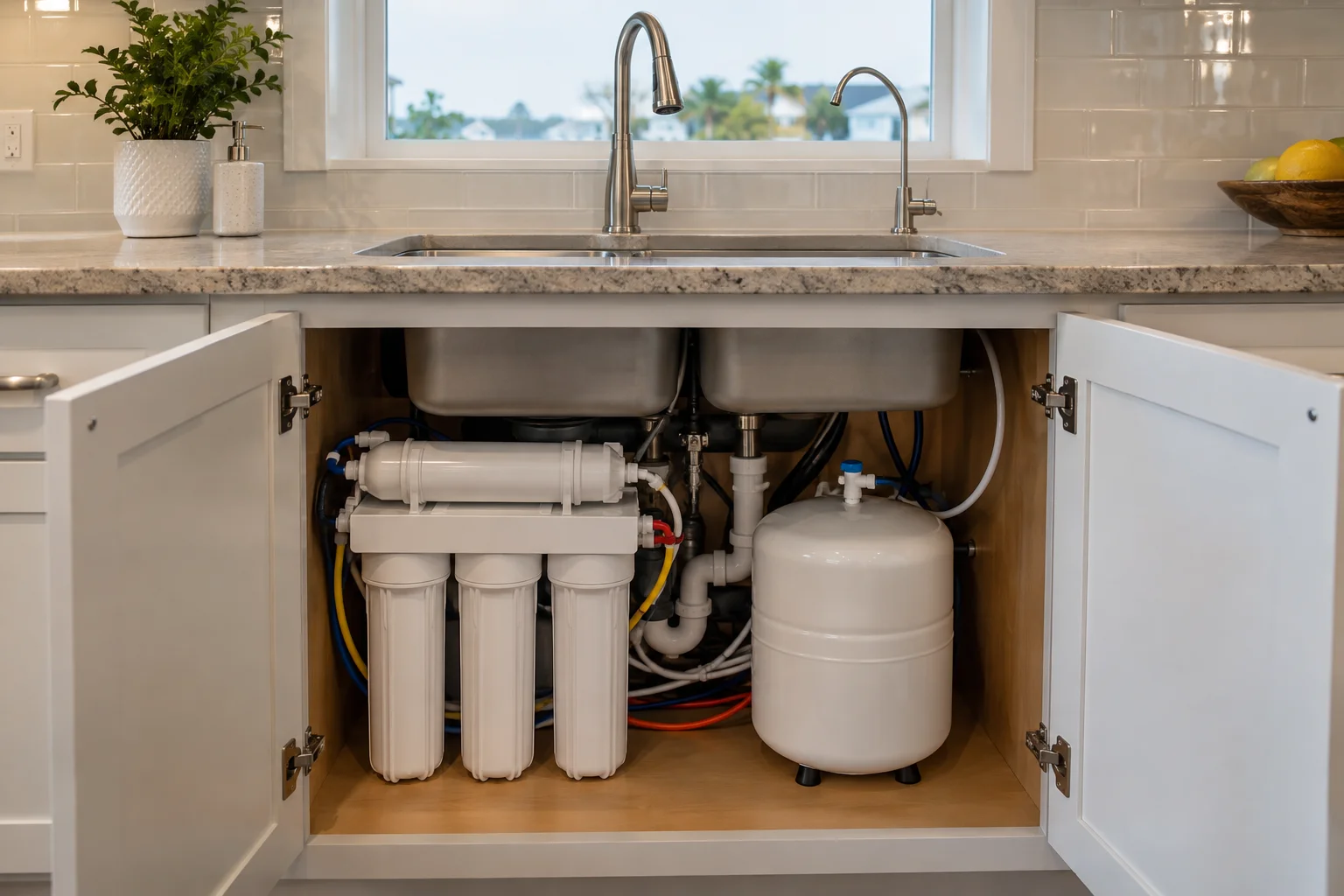
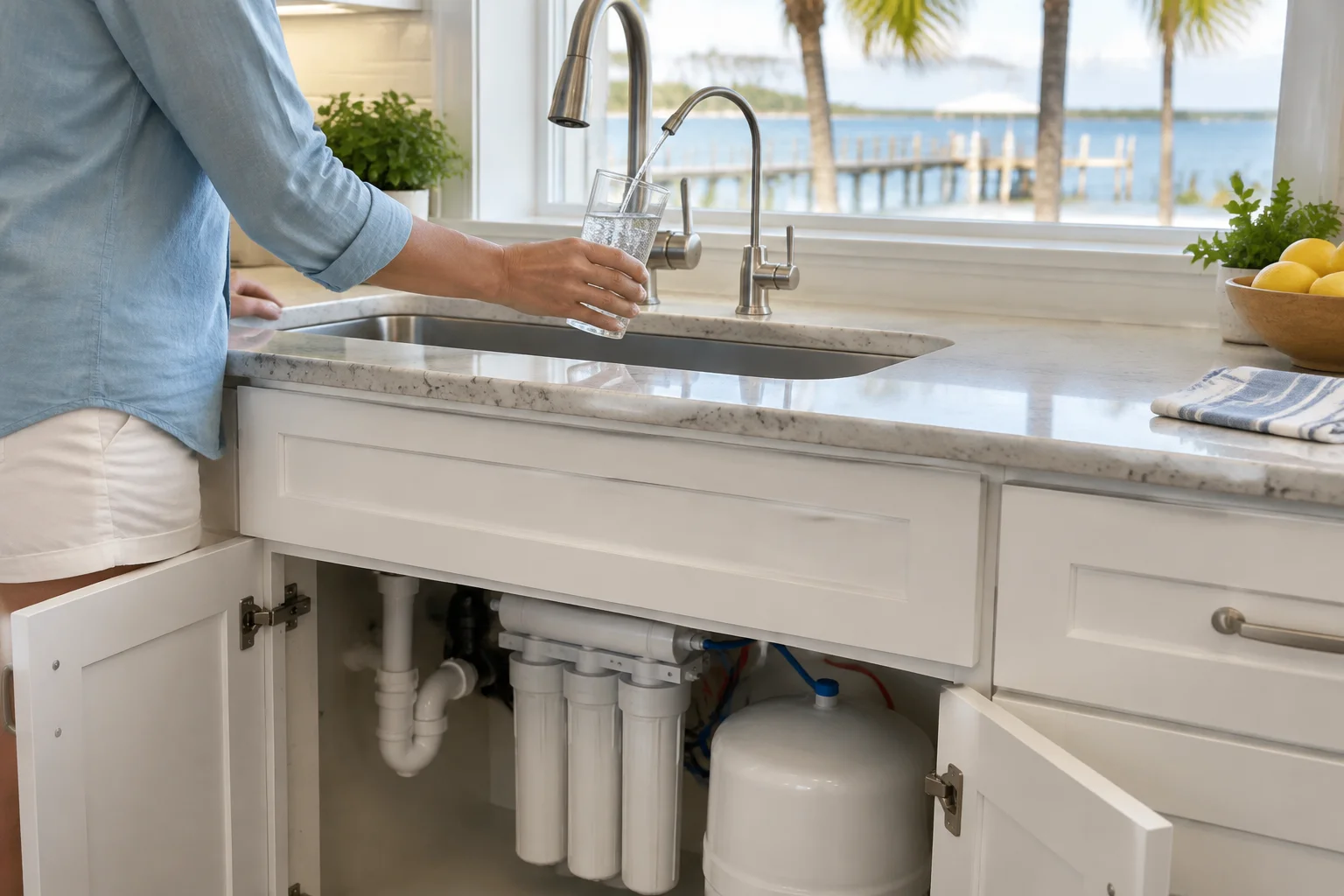
Reverse osmosis systems are designed for point-of-use drinking water and kitchen cooking water. Many homeowners choose reverse osmosis installation when they want consistently great taste, improved clarity, and a reduction in contaminants that affect drinking water quality.
If you are experiencing metallic or unpleasant taste, or poor tasting coffee and cooking water, reverse osmosis can be a practical solution. It also pairs well with softening because scale control protects plumbing and appliances, while reverse osmosis improves the water your family drinks every day.
For homeowners comparing home water purification near me options, it helps to ask how the systems work together. A common goal is: soften the water that goes through your plumbing, filter the broader water quality concerns, and then refine drinking water with reverse osmosis.
How to catch water quality problems early with simple checks
You do not need lab equipment to identify patterns. A few routine observations can help you catch problems early and avoid expensive repairs.
Make a “spot and scale” log
Once a week, check a few consistent locations: showerhead nozzles, faucet aerators, and the glass in a shower or cabinet door. Take a quick photo if you can. If the spots and scale are growing faster than before, your water conditions may be changing, or your current treatment may need service.
Watch laundry and bathing changes
Pay attention to how laundry feels after washing and how skin and hair feel after bathing. If you notice new dryness or dull hair, it can be a sign your water chemistry is shifting, or that soap is not rinsing as well as it used to.
Check ice and taste during the week
Cloudy ice cubes and sudden changes in taste are worth noting. If you notice a chlorine taste in water or metallic notes, consider water testing. Taste issues can affect drinking and cooking water, even when the rest of the water looks fine.
Monitor appliance performance
If your dishwasher cycles take longer, glasses look rougher after washing, or your water heater seems less efficient, scaling could be building up. That is often when homeowners start looking for water treatment near me because protecting appliances becomes a priority.
Why prevention and maintenance matter in Walton County
Florida weather and household water use patterns can influence how hard water treatment systems perform. In hotter months, increased showering, laundry, and irrigation can raise overall hot water demand. That can stress a water softener if it is not properly sized or maintained.
Preventive maintenance also helps catch issues early, like salt bridging, low salt levels, or problems with regeneration cycles. If you already have a softener or filtration system, regular service can help keep it operating at peak performance and reduce the chance of hardness breakthrough.
If you are deciding between options, you may also want to compare how AO Smith water filtration solutions fit your home. A professional can help you evaluate whether whole home filtration, softening, or reverse osmosis is the best match for your specific water quality concerns.
Where homeowners often go wrong
It is common for families to treat only one symptom and miss the bigger picture. Here are a few mistakes that show up in Camp Creek homes.
Assuming softening fixes taste and odor
Softening focuses on hardness minerals. If you are noticing odor, sediment, or a chlorine taste in water, you may need filtration and possibly reverse osmosis for drinking water.
Waiting until appliances fail
By the time a water heater or dishwasher is struggling, scale may have already formed. Catching the signs early, like reduced flow at showerheads or increasing hard water spots on dishes, can help you protect system life.
Trying to “clean it away” with stronger chemicals
It is tempting to use harsher cleaners for scale, but that can mean more time, more expense, and more wear on fixtures. Better water treatment reduces the root cause, so cleaning becomes easier and less frequent.
How better water changes daily life for Camp Creek families
When water treatment is dialed in, the improvements show up fast in daily routines. Picture a typical Camp Creek morning: kids rinsing off shampoo, a family brewing coffee, and laundry spinning with consistent results. With the right combination of water softening and filtration, soap rinses more cleanly, showerheads deliver more consistent flow, and dishes come out with fewer spots.
Better water for drinking and cooking also makes a difference. Coffee tastes more balanced. Cooking water performs more predictably. If you have been dealing with metallic or chlorinated taste, refined drinking water can bring real relief to the kitchen.
Clean water systems also support appliance longevity. When scale buildup is controlled, water heaters, dishwashers, and other hot water appliances are less likely to suffer from mineral deposits that reduce efficiency.
Local next steps: test, compare, and plan
If you are searching for water softener service near me or water filtration near me, the smartest first step is to identify what your water is doing in your home. A professional water treatment evaluation typically includes reviewing your symptoms and testing to confirm hardness levels and other water quality concerns.
Once you know what you are dealing with, you can choose the right path. Many Camp Creek homeowners start with water softening and then add whole home water filtration and reverse osmosis where it matters most, especially for drinking and cooking.
If you want to focus specifically on softening, you can review options for water softening in Camp Creek, FL. For broader treatment solutions, explore water filtration and reverse osmosis, including water softeners. For a wider view of local coverage, see Camp Creek service areas and Walton County service coverage.
These related articles can also help you connect water treatment to the systems you use every day: How Better Water Softening Changes Daily Life in Camp Creek Homes, A Practical Guide to Water Heater Replacement in Camp Creek, FL and the Plumbing Problems That Shorten System Life, and What Camp Creek Homeowners Often Miss During Plumbing Installation.
Find Water Softening in Camp Creek, FL
If you need Water Softening in Camp Creek, FL, visit our local service page or contact A Superior Mechanical today.
For a broader look at whole-home water filtration, reverse osmosis, and water softener options, visit our water filtration, RO, and water softener page.
Map of Camp Creek, FL
Frequently Asked Questions
How can I tell if my Camp Creek home needs a water softener versus filtration?
If you see hard water spots on glass and dishes, scale buildup around faucets and showerheads, dry skin or dull hair after bathing, and soap that does not lather or rinse well, water softening is often the main need. If you also notice sediment, discoloration, cloudy ice cubes, or chlorine taste in water, you may need whole home water filtration and possibly reverse osmosis for drinking water.
Will a water softener improve drinking water and cooking water?
Water softeners primarily reduce hardness minerals, which helps with scale and can improve overall water feel. For better drinking water taste and water quality concerns like metallic or unpleasant flavor, many homeowners add reverse osmosis or other filtration for the kitchen and drinking tap.
What signs mean my existing softener or filter needs service?
Common signs include the return of hard water spots on dishes, reduced showerhead flow, soap not rinsing well, new dryness after bathing, or a change in taste or odor. If you have cloudy ice cubes or visible sediment, it can also indicate a filtration issue that needs attention.
How does hard water affect appliances in Walton County homes?
Scale buildup can reduce heat transfer in water heaters and contribute to mineral deposits in dishwashers and other hot water appliances. Over time, this can lead to lower efficiency, more repairs, and faster replacement cycles.
What is the best setup for families who want cleaner water for the whole house and great-tasting drinking water?
A common approach is water softening for whole home scale control, whole home water filtration for sediment and odor concerns, and reverse osmosis for better drinking and cooking water. A water treatment professional can confirm the right combination based on local water conditions in Camp Creek.
Related Articles
- How Better Water Softening Changes Daily Life in Camp Creek Homes
- A Practical Guide to Water Heater Replacement in Camp Creek, FL and the Plumbing Problems That Shorten System Life
- How Better Plumbing Management Protects Camp Creek Homes
- What Camp Creek Homeowners Often Miss During Plumbing Installation
Photo Gallery