Upper Grand Lagoon, FL feels like a place where you should be able to turn on the tap and just enjoy your day. But when hard water is in the mix, the water you rely on for drinking, bathing, cooking, and laundry can start acting “off.” The good news is that many water quality problems leave clues early, and those clues can help you choose the right water treatment before scale buildup turns into bigger repairs.
This practical guide focuses on water softening for Upper Grand Lagoon homes, with tips to help you identify hard water signs, understand what is actually happening in your plumbing and fixtures, and plan next steps like water softener installation, whole home water filtration, or reverse osmosis for drinking water.
Why hard water becomes a daily annoyance in Upper Grand Lagoon
Hard water is typically high in dissolved minerals, most often calcium and magnesium. When heated water flows through your home, those minerals can form scale, which clings to surfaces and gradually narrows passages in pipes, reduces efficiency in water heaters, and leaves residue behind on fixtures.
In Upper Grand Lagoon homes, you may notice the effects most in areas that get a lot of hot water and frequent use: showers, faucets, water heater lines, appliance connections, and laundry plumbing. Over time, the same mineral content that looks harmless can lead to persistent issues like soap not lathering well, dull hair, dry skin from hard water, and appliances wearing out faster.
If you are searching for water treatment near me because your household water seems to create more work than it used to, you are not imagining it. The goal is to catch the pattern early and treat the water problem at the source.
Early warning signs you can spot at home
Hard water symptoms tend to show up in predictable places. Look for these signs during your normal routines and pay attention to whether the problem is getting worse over weeks or months.
Hard water spots on glass, dishes, and fixtures
One of the most visible clues is hard water spots on glass. You might see cloudy streaks on shower doors, water spots on windows, or a film that does not wipe away easily. The same mineral residue can show up as hard water spots on dishes after the dishwasher runs.
At the sink, you may notice scale buildup around faucets and showerheads, especially near aerators where water flows constantly. If you find yourself scrubbing the same spots again and again, it is usually a mineral issue, not just “dirty water.”
Scale buildup around faucets and showerheads
When minerals deposit, they can restrict flow and make fixtures feel weaker. You might see a rough, chalky ring around faucet bases, a crust forming in showerhead holes, or reduced water pressure at specific fixtures.
Dry skin or dull hair after bathing
Hard water can leave a residue that makes it harder for soap and shampoo to rinse cleanly. Many homeowners describe dry skin from hard water and dull hair after showers, especially when the water is hard enough that you notice soap scum building up.
Soap that does not lather or rinse well
If you feel like you are using more soap than usual, or towels never feel fully clean, check how your cleanser behaves. In hard water, soap can react with minerals and form a scum that prevents a good lather. This is a common reason households start noticing laundry that feels stiff or bathtub surfaces that look “filmy.”
Metallic, chlorinated, or unpleasant taste
Some households also report taste and odor concerns. Depending on local water conditions and treatment methods, you might notice a metallic, chlorinated, or otherwise unpleasant flavor in drinking water. Even if the taste is not always linked to hardness alone, it is a strong reason to consider a targeted approach like whole home water filtration or reverse osmosis for drinking water.
Cloudy ice cubes and sediment concerns
Cloudy ice can be a sign that there are particles or dissolved substances affecting water clarity. You may also notice visible sediment, discoloration, and odor concerns around certain fixtures, particularly after water has sat in the lines. If you see sediment in household water, it is worth testing and discussing treatment options.
Poor tasting coffee and cooking water
When water tastes off, it shows up in the kitchen. Homeowners often notice poor tasting coffee, tea that tastes flat, or cooking water that does not perform the way it used to. Minerals can affect how flavors extract and how some appliances and kettles behave.
Appliances wearing out faster
Scale buildup is not limited to faucets. It can also affect water heaters, dishwashers, and other appliances that heat or spray water. If you are replacing components sooner than expected, or if performance seems to decline, hard water treatment becomes part of protecting fixtures and appliances.
What causes the problems behind those signs
To choose the right solution, it helps to understand what is happening in your system.
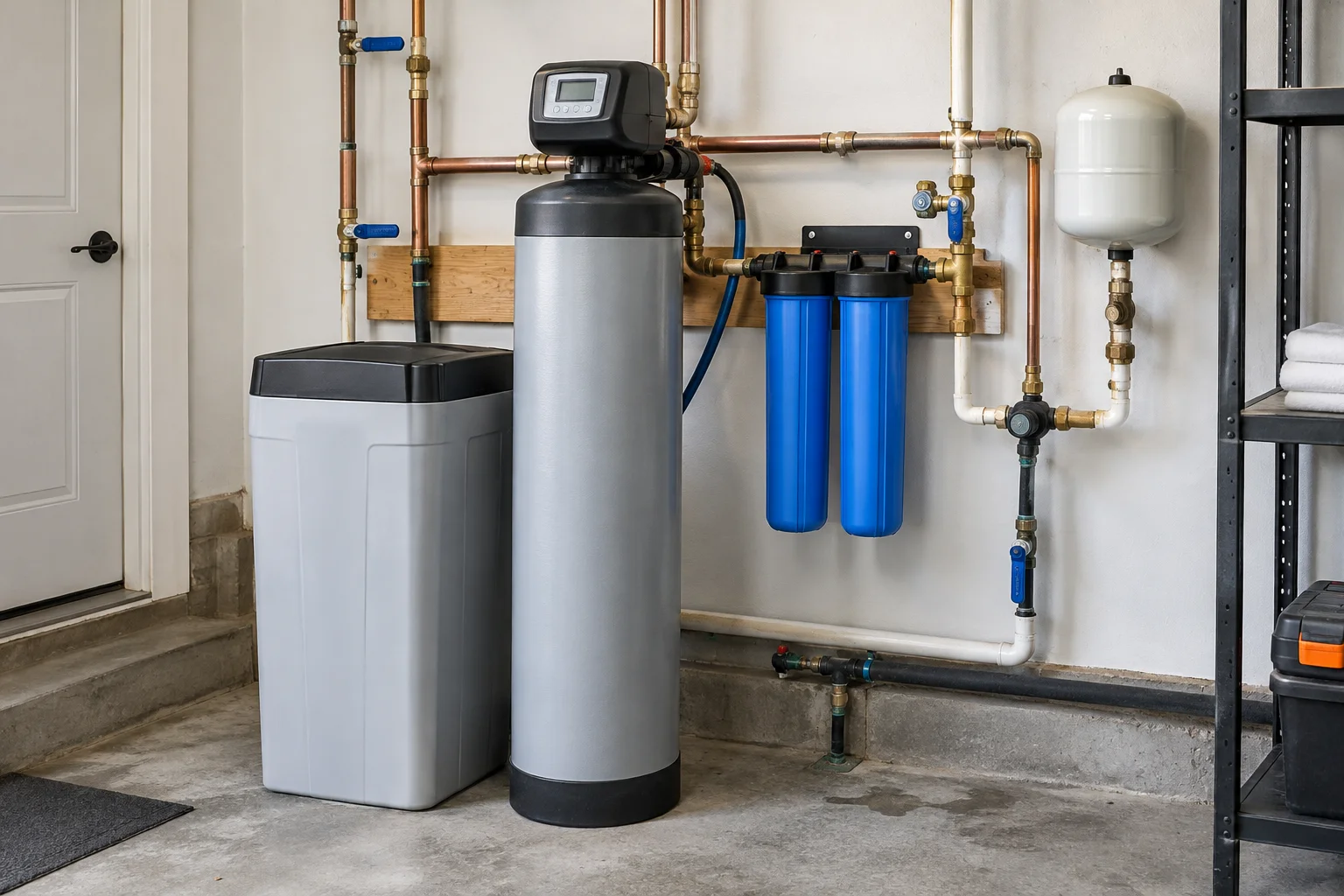
Water softening targets hardness minerals. A water softener uses a process that reduces calcium and magnesium so they are less likely to form scale. That is why it can help with scale buildup around faucets, showerheads, and plumbing lines.
Whole home water filtration addresses more than hardness. If you have sediment, discoloration, or taste and odor concerns, filtration can remove particles and improve water quality throughout the house. Many homeowners choose whole home filtration as a complement to softening, especially when they want consistent clean water systems near me for bathing, laundry, and everyday use.
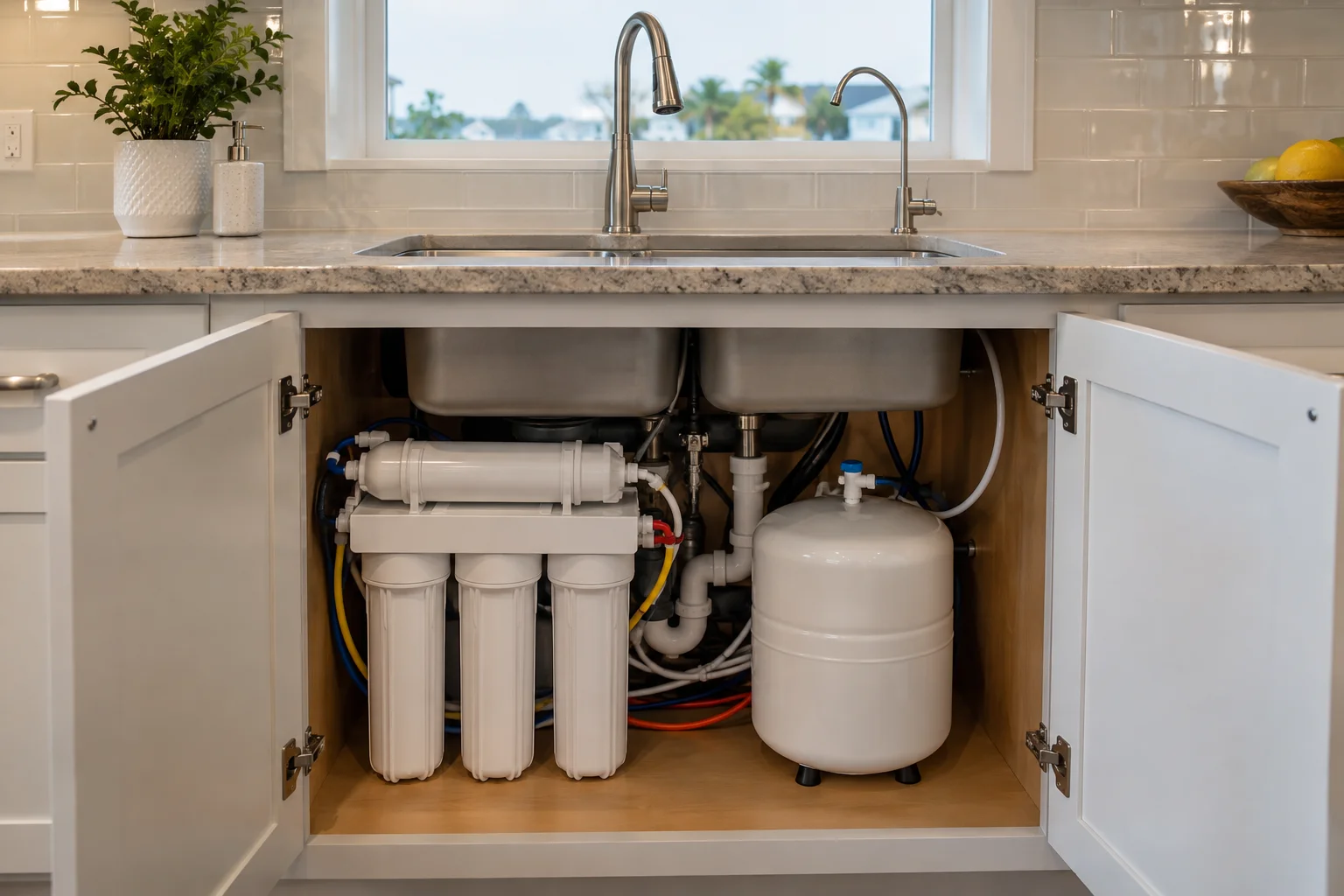
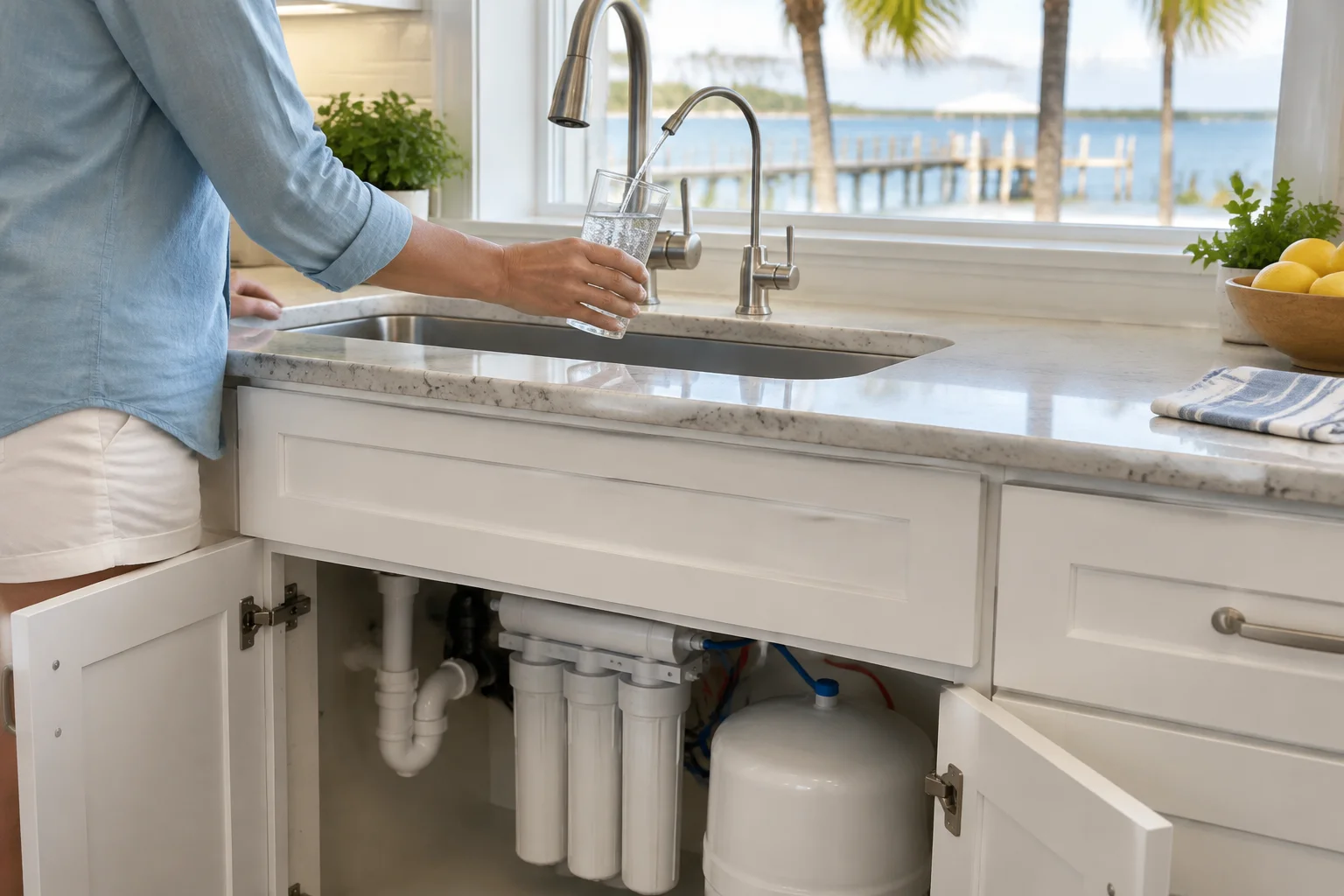
Reverse osmosis focuses on drinking water quality. Reverse osmosis systems can produce high quality drinking water by filtering many dissolved contaminants. If your family is picky about taste, you notice cloudy ice cubes, or your coffee and cooking water depend on clean flavor, reverse osmosis installation near me is often a smart next step.
How water softeners work, in homeowner terms
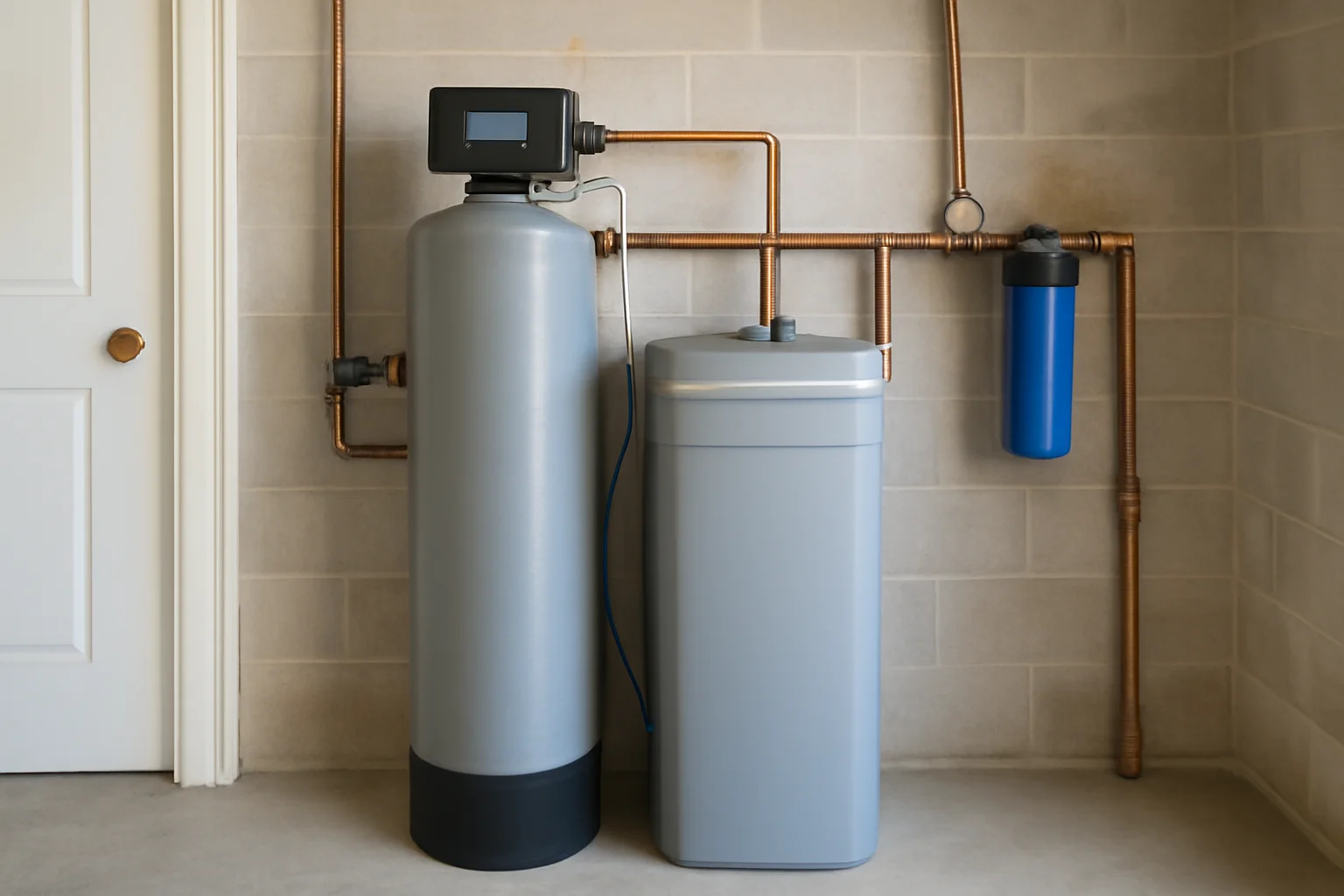
A typical whole home water softener cycles through a regeneration process. During service, it treats incoming water to reduce hardness minerals. During regeneration, the system refreshes its capacity using salt or another regeneration method, depending on the model.
The key for Upper Grand Lagoon homeowners is matching the system to your household and water conditions so it keeps working reliably. A system that is undersized may not fully reduce hardness, and that can translate into persistent hard water spots and scale buildup.
Choosing the right treatment plan for your household
Every home is different. Some households mainly struggle with scale buildup and soap performance, while others notice taste, odor, sediment, or cloudy ice cubes. Here are common scenarios that help you plan next steps.
Scenario 1: You mainly see scale and spotty residue
If the biggest issues are hard water spots on glass, scale buildup around faucets, and showerheads that look chalky, water softening is often the centerpiece. For many Upper Grand Lagoon homes, water softening reduces hardness minerals so soap rinses cleaner and fixtures stay clearer longer.
If you want a dependable approach, ask your installer about AO Smith water filtration components and softening options. AO Smith is a well known name in water treatment, and homeowners often choose systems designed for consistent performance in typical residential settings.
Scenario 2: You want better drinking water and cleaner kitchen performance
For family kitchen scenes like morning coffee, cooking, and filling pitchers for the fridge, reverse osmosis can make a noticeable difference. If you are searching for reverse osmosis system near me because your drinking water tastes off or your ice is cloudy, a dedicated RO unit or a whole home plan that includes filtration may be the best fit.
Many households pair softening with reverse osmosis. Softening helps with scale and appliance protection, while reverse osmosis helps improve drinking water quality for taste and clarity.
Scenario 3: You see sediment, discoloration, or odor concerns
When there is visible sediment, discoloration, and odor concerns, start by discussing filtration options. Whole home water filtration can help address particles and improve overall water quality throughout the home. That is especially helpful for households that want clean water systems near me for bathing, laundry, and everyday use.
In some homes, filtration plus softening is the strongest combination because it tackles both hardness and the other water quality issues.
Why local service matters in Upper Grand Lagoon
Water treatment needs are influenced by local water conditions and how your home’s plumbing is set up. Upper Grand Lagoon is part of Bay County, and properties can differ in age, pipe material, and how water moves through the system before it reaches your fixtures.
Local expertise matters because it affects:
- System sizing based on how much water your household uses and how quickly hardness shows up.
- Material compatibility and placement, especially in utility closets and equipment areas.
- Maintenance planning so the system keeps performing season after season.
If you are comparing options for water treatment in Bay County, choose a team that understands how Upper Grand Lagoon homes typically experience scale buildup, taste changes, and fixture wear.
Catch problems early with simple home checks
You do not need lab equipment to spot trends. A few simple checks can help you decide whether you need water softener service near me or a deeper water quality review.
Do the “spot test” on glass
After showering or washing a glass, inspect it in natural light. If water marks are cloudy or stubborn after drying, that is a sign hardness is still high.
Check showerheads and faucet aerators
Look for chalky deposits and reduced flow. If cleaning makes only a temporary difference, the underlying mineral issue likely needs treatment.
Compare soap performance
If your family uses more soap or shampoo than before, or rinse feels slippery, it can point to hardness minerals interfering with cleaning.
Notice ice and taste changes
If ice cubes turn cloudy or drinking water tastes metallic, chlorinated, or unpleasant, consider testing and discussing whole home water filtration near me and reverse osmosis for drinking water.
Maintenance that keeps softening effective
A water softening system is not a set it and forget it forever. Homeowners can help keep performance strong with routine attention to the system.
- Monitor salt levels if your system uses salt. Running out can cause hardness to slip through.
- Watch for changes in water feel. If soap scum returns or spots return faster than usual, the system may need service.
- Schedule water softener service to verify the unit is regenerating properly and that components are working as intended.
- Keep an eye on filtration if you have whole home filtration. Filters that are overdue can affect taste, odor, and clarity.
If you are already noticing scale buildup around faucets or dry skin from hard water, maintenance alone may not solve the issue. It may be time for testing and a service visit.
Where whole home water filtration fits with softening
Many Upper Grand Lagoon homeowners choose whole home water filtration near me because they want consistent improvements across the entire household. Softening helps with hardness and scale, while filtration can improve water clarity and reduce other particles and concerns that affect drinking, bathing, and laundry.
If your goal is cleaner water systems near me for the whole house, start by exploring the options on the main landing page: /water-filtration-ro-water-softeners. From there, you can discuss whether your home needs softening alone, filtration alone, or both.
Living with better water: what changes day to day
When softening and filtration are dialed in, the benefits show up in everyday routines.
In the bathroom, you may find that shampoo rinses more cleanly and towels feel different after showers. In the kitchen, better drinking and cooking water can make coffee taste more balanced and help recipes perform consistently. During laundry day, clothes often feel cleaner without that stiff, mineral residue feel.
On the fixture side, the “scrub cycle” becomes less frequent. Instead of constant attention to hard water spots on dishes and glass, you spend less time fighting residue and more time doing the things that matter to your family.
And when appliances are protected from scale buildup, the long term cost picture improves. Water heaters and water using appliances are less likely to struggle against mineral deposits that reduce efficiency and shorten lifespan.
When to call a professional for water softening or filtration
If you are seeing more than one of the symptoms listed earlier, it is a good sign you should get your water reviewed. Call for professional water treatment service if:
- Hard water spots on glass and dishes keep returning quickly.
- Scale buildup around faucets, showerheads, or plumbing connections is visible.
- Dry skin or dull hair from hard water shows up after bathing.
- Drinking water tastes metallic, chlorinated, or unpleasant.
- Ice cubes are cloudy or you notice sediment, discoloration, or odor concerns.
- Appliances seem to wear out faster than expected.
For Upper Grand Lagoon homeowners, the right next step usually includes testing and a system recommendation that fits your goals, whether that is water softener installation, whole home water filtration, or reverse osmosis installation for drinking water. You can start with the local service page for Upper Grand Lagoon and specifically review water softening for UGLFL.
Related reading that helps with planning
If you want to connect water treatment to the bigger picture of protecting your home, these posts can be useful:
- Why Water Softening Matters for Upper Grand Lagoon Homes
- How Water Softening Protects Rosemary Beach Plumbing from Costly Water Damage
- Choosing the Right Time for Plumbing Fixture Replacement in Upper Grand Lagoon
Find Water Softening in Upper Grand Lagoon, FL
If you need Water Softening in Upper Grand Lagoon, FL, visit our local service page or contact A Superior Mechanical today.
For a broader look at whole-home water filtration, reverse osmosis, and water softener options, visit our water filtration, RO, and water softener page.
Map of Upper Grand Lagoon, FL
Frequently Asked Questions
How can I tell if my Upper Grand Lagoon home needs a water softener?
Look for hard water spots on glass and dishes, scale buildup around faucets and showerheads, soap that does not lather or rinse well, and dry skin or dull hair after bathing. If these symptoms are getting worse, it is time to test your water and talk with a water treatment professional.
Will a water softener improve drinking water taste?
A softener mainly reduces hardness minerals that cause scale. If you are dealing with metallic, chlorinated, or unpleasant taste, whole home water filtration and/or reverse osmosis for drinking water may be a better match. Many homeowners combine softening with filtration to address both scale and taste.
Do I need whole home water filtration if I already have water softening?
Not always, but it depends on your water quality. If you have visible sediment, discoloration, odor concerns, or cloudy ice cubes, whole home filtration can help. Softening and filtration work together when you want cleaner water for bathing, laundry, and everyday use.
How often should a water softener be serviced?
Most systems benefit from periodic checks to confirm proper regeneration and performance. If you notice a return of hard water spots, reduced soap performance, or changes in water feel, schedule service sooner rather than waiting.
When is reverse osmosis a good idea for a family kitchen?
Reverse osmosis is often a great fit when you want better drinking water quality for coffee, cooking, and ice, especially if you notice cloudy ice cubes or off taste. It is commonly paired with water softening to protect plumbing while improving drinking water.
Related Articles
Photo Gallery