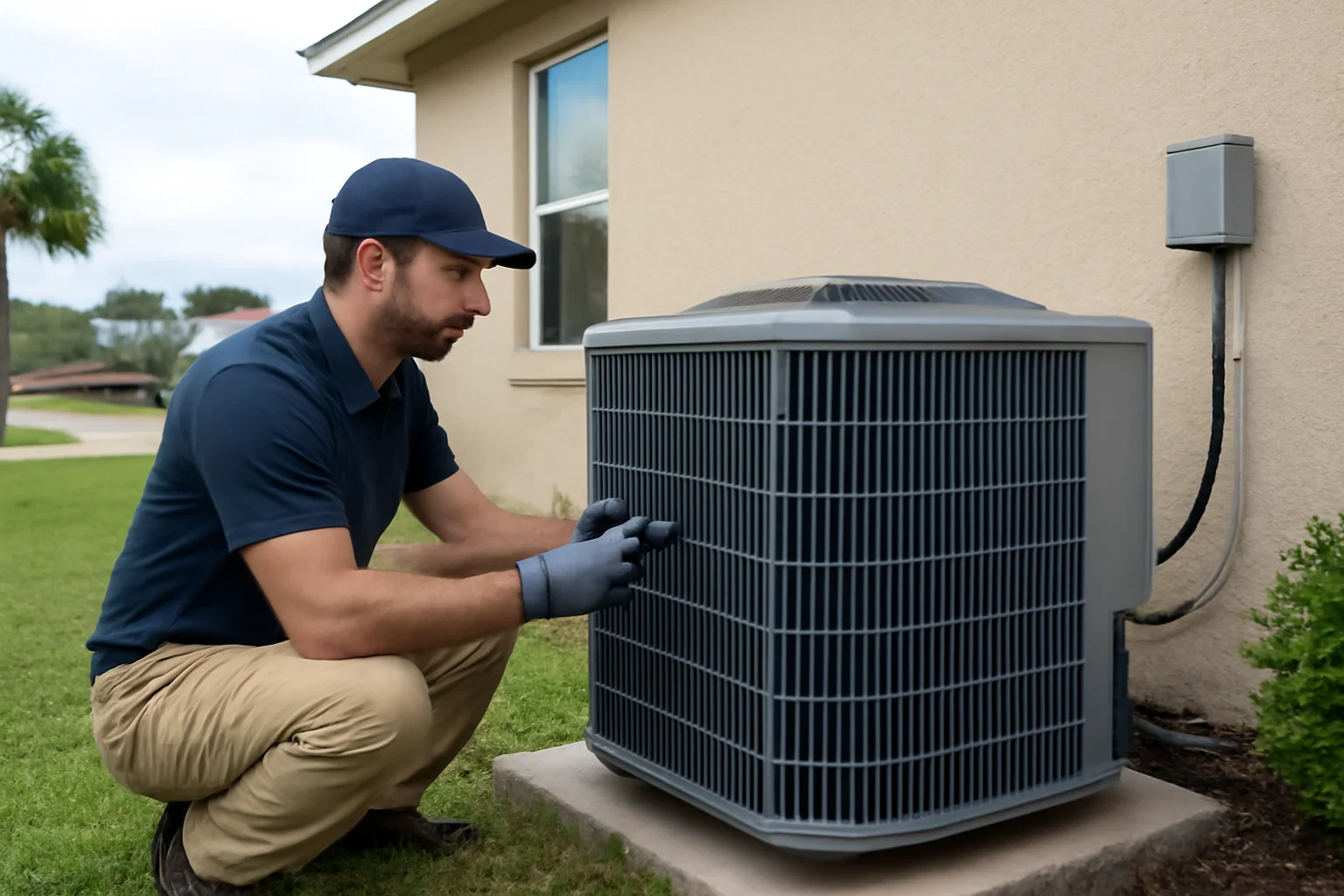
Living in coastal Florida means your HVAC system works harder. In Lynn Haven, the mix of heat, humidity, and salt air can affect airflow through your ductwork and the comfort you feel in every room. Planning duct inspection ahead of peak cooling season helps you catch hidden issues before they turn into uneven temperatures, higher energy use, or emergency cooling concerns.
Why coastal air makes duct inspection planning more important
Your duct system is the pathway that delivers conditioned air from your air conditioner, heat pump, or furnace to the rooms in your home. Even small problems like duct leaks, crushed sections, or loose connections can reduce airflow. When airflow drops, your system often compensates by running longer. That can increase energy use and wear on refrigerant systems and the components that support them.
Coastal homes in Bay County also deal with moisture in the air and, depending on your property and ventilation setup, indoor humidity can rise. High humidity can contribute to musty odors, condensation issues, and potential moisture-related problems around ductwork and registers. Salt air can accelerate corrosion on metal components over time, especially in areas exposed to outdoor conditions or near crawl spaces and attics.
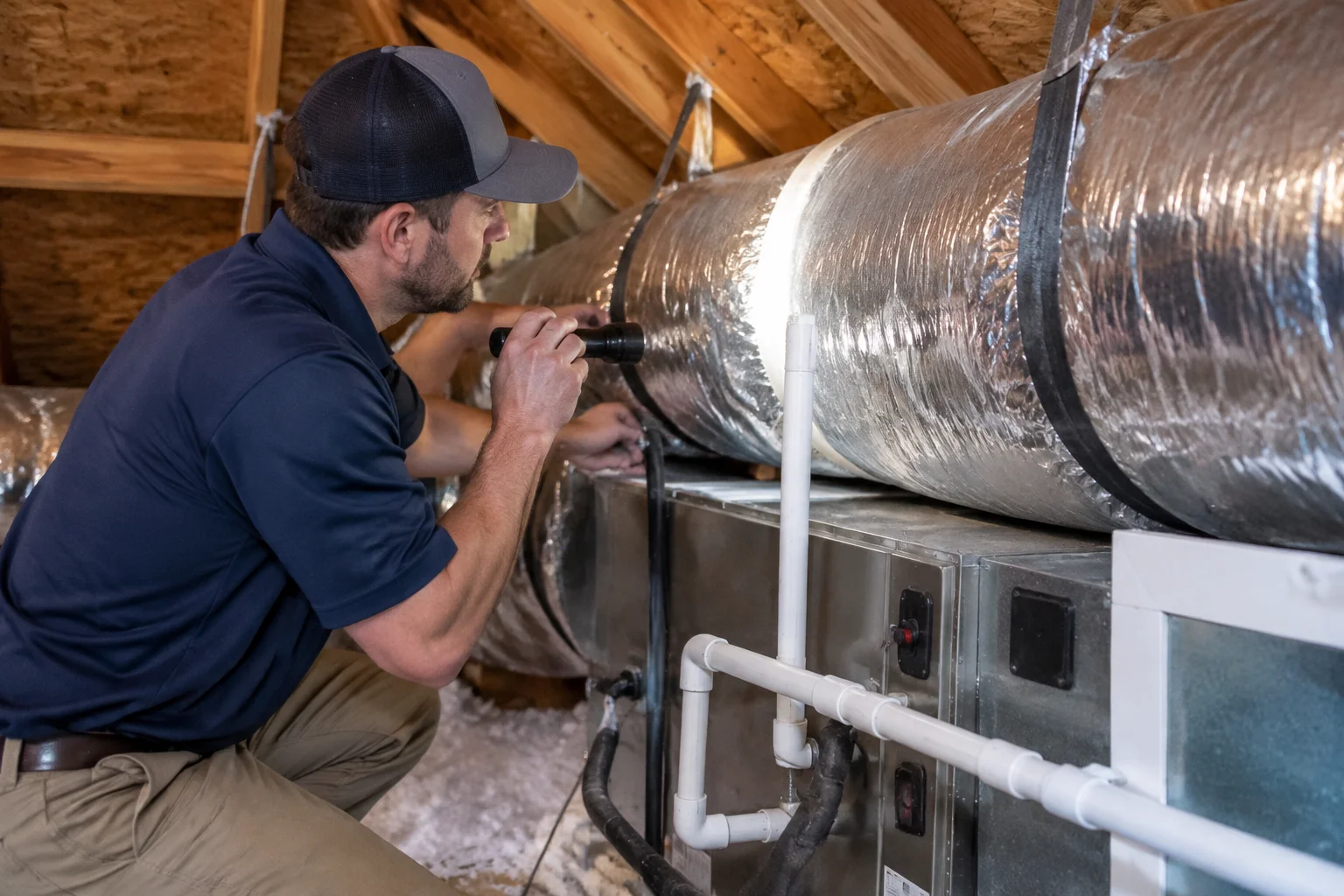
A planned duct inspection in Lynn Haven gives your technician a chance to review how your system is moving air, identify ductwork damage or restrictions, and recommend next steps that fit your home.
Start with a seasonal checklist for Lynn Haven weather
Duct inspection does not have to be a one-time event. A simple schedule helps you align inspections with the way your home and HVAC system behave in local conditions.
Early spring: prepare for the first heavy cooling weeks
In Lynn Haven, humidity can ramp up quickly. Before temperatures consistently climb, schedule duct inspection so you can address airflow restrictions before the system is tested daily. This is also a good time to review how your thermostat settings affect comfort, because poor duct distribution can make it seem like your AC repair or air conditioning service is “needed” when the real issue is airflow.
During this phase, homeowners often notice:
- Hot spots in bedrooms or living areas
- Rooms that feel stuffy even when the thermostat is set correctly
- Registers that blow weak air compared to other vents
- Inconsistent airflow when the system cycles
Mid-summer: inspect after the system has been under load
If you have already run your air conditioner or heat pump through the first stretch of hot weather, mid-summer inspection can reveal issues that only show up under real demand. This is especially useful if you have experienced rising indoor humidity, recurring indoor air quality concerns, or comfort complaints that appear after the AC has been running for weeks.
Pay attention to:
- More frequent cycling or longer run times
- Signs of moisture around supply ducts, near registers, or in areas that connect to return air paths
- Airflow that feels uneven, even after routine thermostat adjustments
Fall: check before heating season and humidity changes
Even if you rely primarily on cooling, ductwork issues can still matter when the system switches modes. Fall is a smart time to confirm that ductwork supports proper airflow during heating periods too, and that condensate drainage pathways and air distribution remain stable.
For homes with a heat pump, fall inspection can also help you confirm that the airflow balance is ready for changing outdoor conditions.
Look for common duct and airflow problems in Lynn Haven homes
Planning ahead is easier when you know what to watch for. Duct issues often show up as comfort and indoor air quality symptoms rather than obvious “duct damage” you can see from the hallway.
Uneven airflow and temperature swings
Leaky ducts, disconnected joints, or duct sections that are crushed or partially blocked can reduce airflow to certain rooms. When that happens, you may notice temperature differences room to room, even when the thermostat reads normally.
Uneven airflow can also make you reach for HVAC repair more often, because it feels like the AC or heat pump is not performing. A duct inspection near you helps separate airflow problems from equipment performance issues.
Humidity that does not match the thermostat
In coastal Florida, humidity can stay high. If your home feels damp or you see condensation where it does not belong, ductwork and airflow balance may be involved. Poor air distribution can affect how quickly air moves through return paths, which can influence moisture control.
Also consider condensate drainage. While condensate drainage is part of your HVAC system, ductwork and airflow can still affect where moisture ends up. If you suspect drainage issues or see signs of water near indoor equipment or duct connections, schedule an inspection and let a licensed HVAC contractor evaluate what is actually happening.
More dust, odors, or respiratory irritation
When ducts leak or returns are restricted, indoor air quality can suffer. Dust may collect in places that are hard to clean, and allergens can circulate longer. If you are searching for indoor air quality services near me because you are tired of dust or odors, a duct inspection can be part of the airflow and filtration story.
Better airflow also supports the performance of filtration, because air has to travel through the filter as designed.
Cold drafts or warm air where you do not expect it
Some homes have supply ducts that run through attics or crawl spaces that experience Florida heat. If insulation is compromised or duct joints are loose, conditioned air can be lost before it reaches the rooms. That can create drafts or make certain rooms feel uncomfortable.
How to prepare before your duct inspection appointment
A little preparation can make a duct inspection more efficient and more useful for decision-making.
Document comfort problems and when they happen
Write down what you notice and when it occurs. Examples:
- “Living room is 4 to 6 degrees warmer after 3 pm.”
- “Bedroom feels humid even when the thermostat is set lower.”
- “We smell mustiness near the hallway vents during humid weeks.”
This helps your technician focus on airflow patterns and potential ductwork restrictions.
Check thermostat behavior and airflow settings
Make sure the thermostat is in the right mode and that fan settings are not stuck in a way that changes airflow. Also note whether the system seems to run continuously or cycles frequently. While ductwork is often the focus, thermostat behavior can reveal how the system is responding to airflow losses.
If you have a multi-stage system or a heat pump, thermostat settings can affect how air distribution feels across the home.
Make access easier
Clear pathways to the indoor air handler or furnace area, and if safe and appropriate, ensure attic or crawl space access points are not blocked. In coastal homes, ductwork is sometimes in areas affected by humidity or salt exposure, so access can matter.
If you are unsure about access, ask your technician what they need before the appointment.
Consider recent changes
Tell your technician about recent events such as:
- Renovations or room additions
- New flooring or insulation work
- Furniture changes that block registers
- Any recent AC repair, heat pump service, or system adjustments
What a professional duct inspection typically focuses on
A quality duct inspection is not just “looking” at ducts. It should connect duct condition to airflow, comfort, and indoor air quality. A licensed HVAC contractor will evaluate how air moves through your system and how ductwork condition may be affecting performance.
Airflow and distribution across supply and return paths
Your home relies on airflow through supply ducts and return pathways. If return air is restricted, the system can struggle to move air effectively. That can increase energy use and contribute to uneven comfort.
Duct leaks, loose connections, and damaged sections
Leaks can pull in unconditioned air or allow conditioned air to escape. In coastal Florida, that means conditioned air can be lost to hot attic spaces or crawl spaces, and the system may run longer to maintain comfort.
Loose joints and damaged duct sections can also impact how the system supports refrigerant systems and overall performance, because the air handler and outdoor unit depend on proper airflow.
Moisture and condensate drainage considerations
Moisture-related concerns can show up around ductwork, especially when humidity is high. A professional inspection considers how condensate drainage and airflow behavior interact. If moisture is present, the goal is to identify the source and address it safely.
Homeowners should avoid trying to diagnose refrigerant or electrical issues based solely on duct symptoms. An in-person evaluation is the right way to determine what is duct-related versus equipment-related.
Filtration support and indoor air quality impacts
Ductwork affects how efficiently air reaches and passes through filters. When air distribution is poor, filtration may not work as intended. That can contribute to dust buildup and indoor air quality complaints.
If you are also thinking about preventive HVAC maintenance, duct inspection results can help you prioritize the right steps, rather than guessing.
Build duct inspection into a preventive HVAC maintenance plan
Duct inspection is most effective when paired with ongoing preventive HVAC maintenance. A maintenance visit often includes checking system operation, cleaning or verifying airflow components, and confirming that the system is ready for the season. When duct inspection findings are paired with maintenance, you get a more complete picture of comfort and efficiency.
If you want to strengthen the connection between maintenance and duct performance, read Why Better HVAC Maintenance Makes Duct Inspection More Useful for Lynn Haven Homes.
Know the difference between duct problems and equipment problems
It can be tempting to assume your AC repair or heat pump repair is needed when you feel uneven temperatures. Ductwork issues can mimic equipment problems because both affect comfort.
A duct inspection helps narrow the cause by focusing on airflow and duct condition. Still, it is important not to assume a diagnosis from symptoms alone. Refrigerant performance, condensate drainage behavior, and thermostat operation all require an in-person professional evaluation.
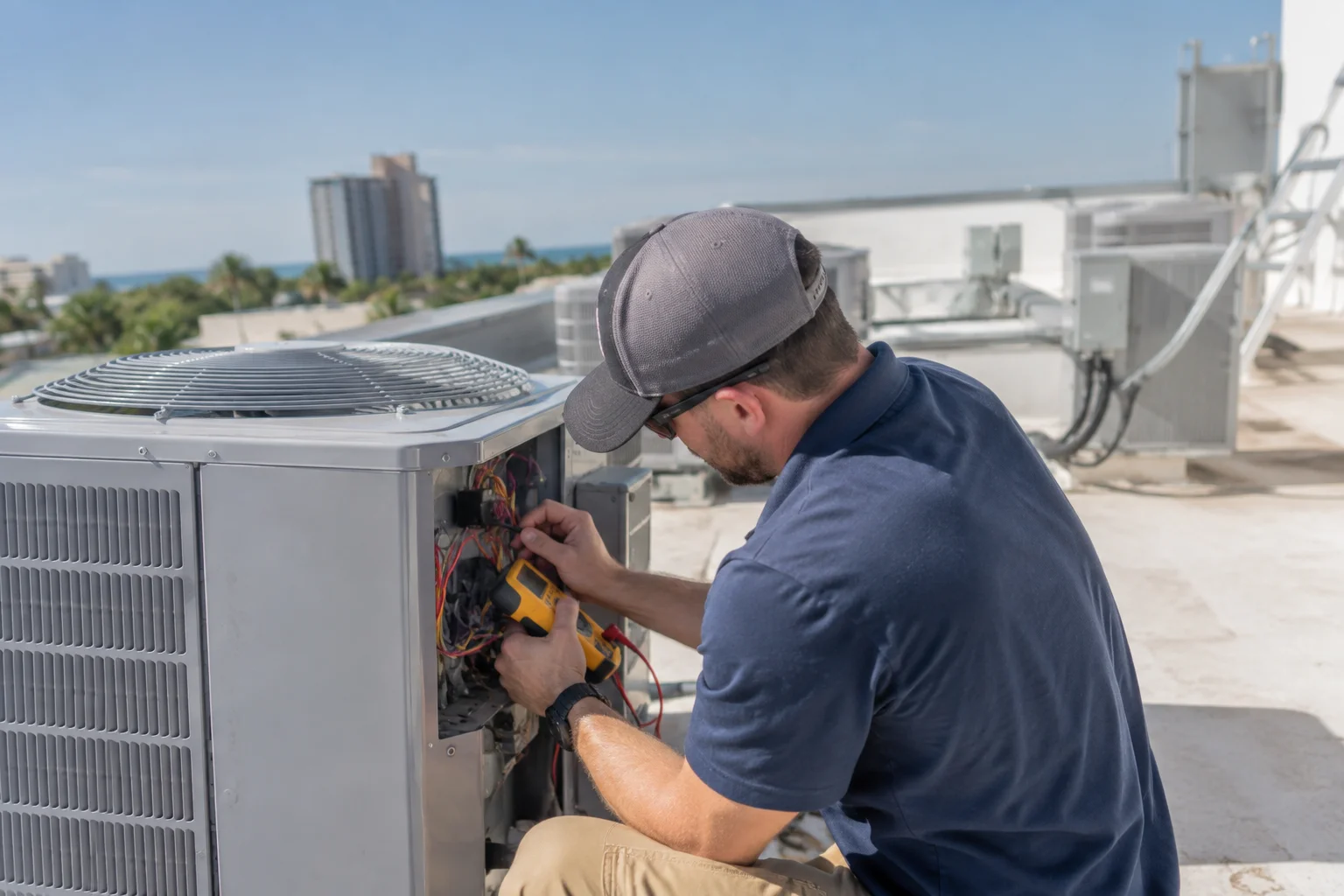
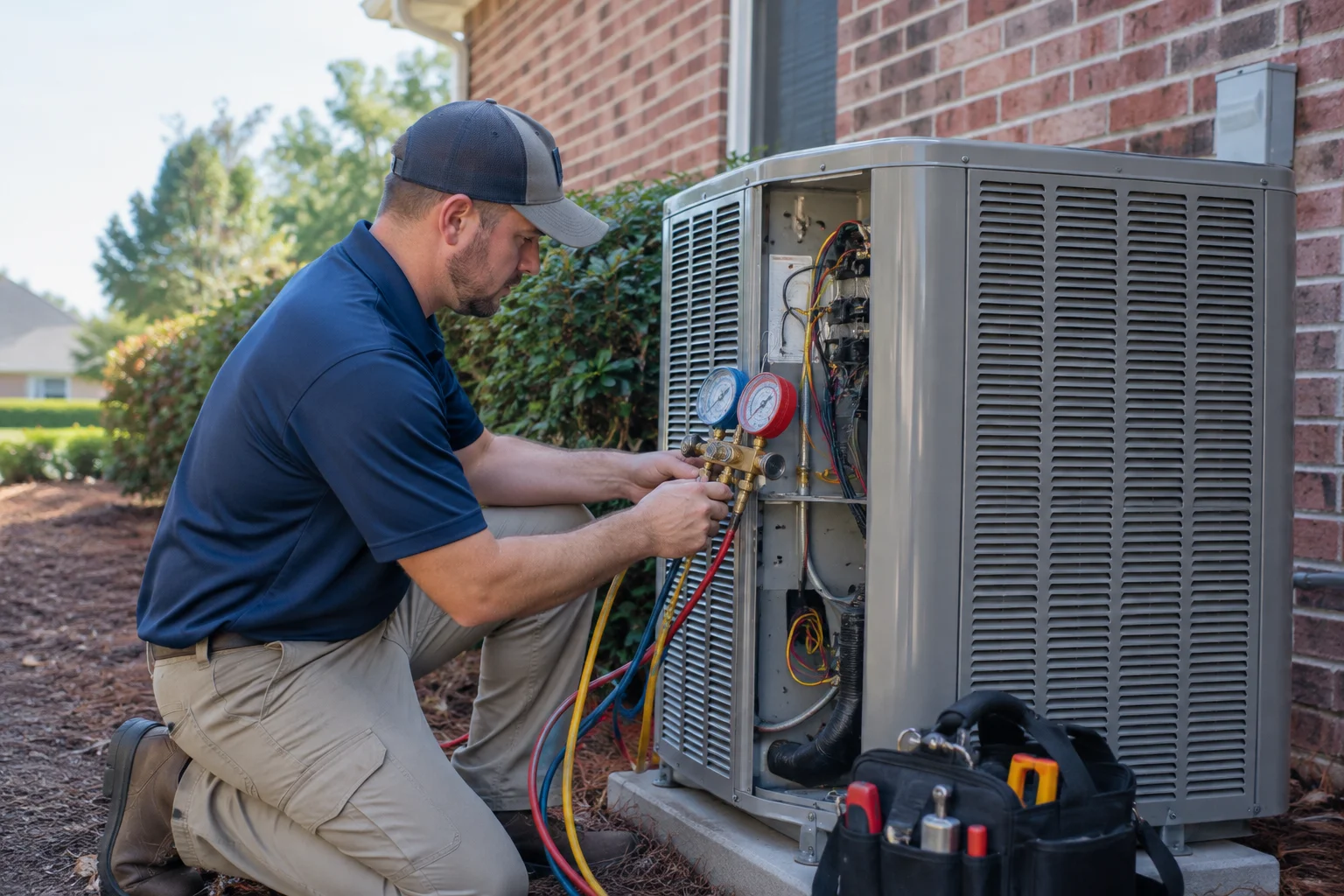
If you suspect refrigerant issues or the system is not cooling properly, a licensed HVAC contractor should assess the entire system. That is also true if you notice electrical-related concerns or unusual odors that could indicate problems beyond ductwork.
Plan for emergency cooling concerns before they happen
In South Walton and Bay County climates, cooling is not optional for long. If your system struggles during peak humidity, it can become an emergency. Planning duct inspection ahead of the hottest weeks can reduce the chance that airflow restrictions contribute to system strain.
If you have ever faced a sudden breakdown during a humid stretch, it helps to be prepared. Review What Lynn Haven Homeowners Should Know About 24/7 Emergency HVAC Service so you understand how to respond if cooling fails.
Where to start in Lynn Haven: a practical next-step plan
If you are ready to plan ahead, here is a homeowner-friendly approach.
Step 1: Choose the right time window
Schedule duct inspection in early spring if you want to prevent summer comfort problems. Schedule again mid-summer if you already see humidity or airflow complaints. Fall inspection can be a good follow-up for homes that run heat pumps year-round.
Step 2: Pair it with HVAC service priorities
If your system needs air conditioning services, duct inspection results can help you decide whether ductwork improvements should come before or alongside other work. For AC-focused help, explore Air Conditioning Services and Air Conditioning Repair.
For homes with heat pump systems, you may also want to consider how airflow impacts heat pump comfort. If your thermostat and comfort goals are changing, look into Heating Control Systems.
Step 3: Use the findings to guide next decisions
Duct inspection typically leads to recommendations. Some homeowners focus on duct sealing near me, while others may need ductwork repairs or replacement due to damage. If replacement is on the table, use local guidance and focus on how ductwork affects airflow balance and comfort.
For homeowners comparing options, read Better Duct Replacement in Lynn Haven for Cooler Rooms, Lower Bills, and Longer HVAC Life.
Step 4: Keep indoor air quality in the plan
When you address airflow and duct leaks, you can often support better indoor air quality. If you are also dealing with dust, odors, or allergy symptoms, duct inspection can be a helpful step alongside filtration and preventive maintenance.
Why local, licensed HVAC service matters in Bay County
Coastal conditions are not the same everywhere. Local HVAC contractors understand the kinds of ductwork layouts common in Lynn Haven homes, the seasonal humidity patterns that stress cooling systems, and the ways salt air can affect components over time.
Choosing a licensed HVAC contractor near me is also about safety and accuracy. Duct inspection requires careful evaluation of airflow, duct condition, and how the indoor system interacts with the outdoor unit and refrigerant systems. Your technician should connect the dots without guessing. That is especially important if you have symptoms that could be related to refrigerant performance, condensate drainage, or thermostat control.
A Superior Mechanical offers HVAC services in Lynn Haven with duct inspection focused on airflow problems, indoor air quality, and efficiency support across Bay County homes and businesses. If you want to understand the service area, you can also explore HVAC services across Bay County.
If you own a rental property or manage a commercial building, duct inspection planning can help you reduce comfort complaints and limit the chance of emergency cooling issues. For commercial needs, consider Commercial HVAC Services.
Frequently noticed “duct” symptoms that often point to airflow issues
Homeowners in Lynn Haven often describe these situations during duct inspection conversations:
- Rooms that never feel comfortable even after AC repair
- More dust near certain vents or returns
- Humidity that seems worse on certain days
- Air that feels weaker from some registers than others
- System running longer than expected during hot, humid weather
These are exactly the kinds of comfort and indoor air quality signals that benefit from duct inspection near me. Planning ahead helps you avoid guessing and reduces the risk of system strain during peak summer weeks.
When to schedule duct inspection sooner rather than later
Planning is great, but timing matters. Consider scheduling sooner if you notice:
- A sudden change in airflow or comfort after a storm or heavy weather event
- New odors or mustiness that seem tied to HVAC operation
- Persistent humidity or condensation where it was not present before
- Repeated calls for HVAC repair without stable comfort improvements
In those situations, duct inspection can help you identify airflow restrictions, leaks, or other ductwork concerns that may be contributing to the problem.
If you are ready to plan your next steps, start with a duct inspection appointment through A Superior Mechanical duct inspection in Lynn Haven. It is a practical way to protect comfort, support indoor air quality, and keep your HVAC system working efficiently through coastal Florida’s heat and humidity.
Find Duct Inspection in Lynn Haven, FL
If you need Duct Inspection in Lynn Haven, FL, visit our local service page or contact A Superior Mechanical today.
Map of Lynn Haven, FL
Frequently Asked Questions
How often should Lynn Haven homeowners schedule duct inspection?
Many homeowners plan duct inspection at least once every few years, then again when symptoms show up or after major changes like renovations. Coastal humidity, salt air exposure, and airflow complaints can justify more frequent checks.
Can duct problems make my AC repair needs more frequent?
Yes. Leaks, restrictions, and poor return airflow can reduce comfort and force your air conditioner or heat pump to run longer. That can lead to more wear and create the impression that the equipment is failing when the root issue is airflow.
What indoor air quality issues can ductwork cause?
Leaky ducts and airflow imbalances can allow dust and allergens to circulate longer, and moisture-related concerns can contribute to musty odors. Duct inspection helps connect duct condition to indoor air quality symptoms.
Should I try to diagnose refrigerant or electrical issues based on duct symptoms?
No. Uneven temperatures or weak airflow can come from ducts, but refrigerant performance, condensate drainage behavior, and thermostat control also affect cooling. A licensed HVAC contractor should evaluate the full system in person.
What should I do before a duct inspection appointment?
Note when comfort issues occur, review thermostat settings and fan behavior, and make it easier to access the air handler and duct areas if applicable. Sharing recent changes and any moisture or odor concerns helps the technician focus the inspection.
Related Articles
- Why Better HVAC Maintenance Makes Duct Inspection More Useful for Lynn Haven Homes
- What Lynn Haven Homeowners Should Know About 24/7 Emergency HVAC Service
- Better Duct Replacement in Lynn Haven for Cooler Rooms, Lower Bills, and Longer HVAC Life
- Keeping Lynn Haven Buildings Comfortable Without the Repair Surprise: Smarter Commercial HVAC Care for Lower Risk
Photo Gallery