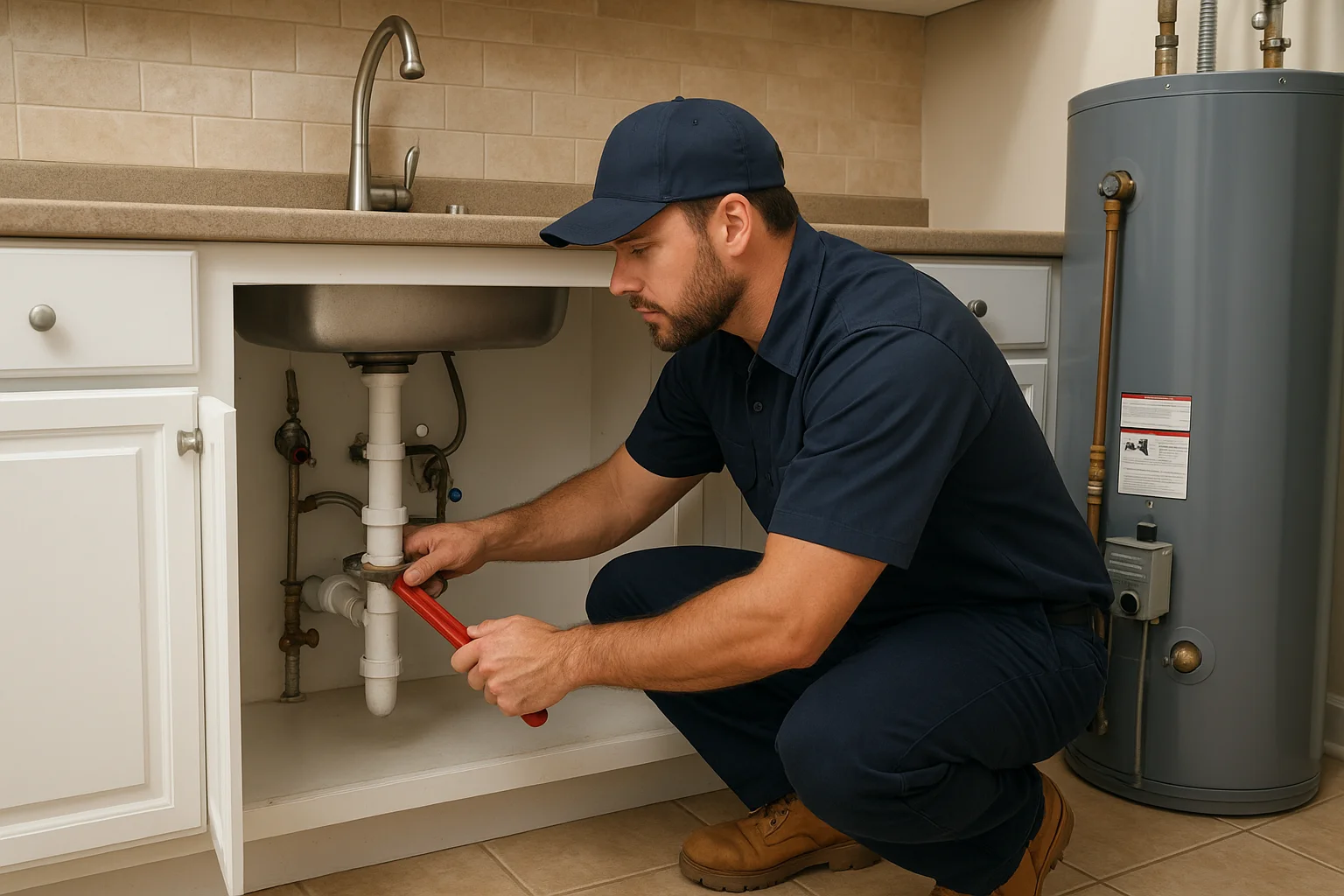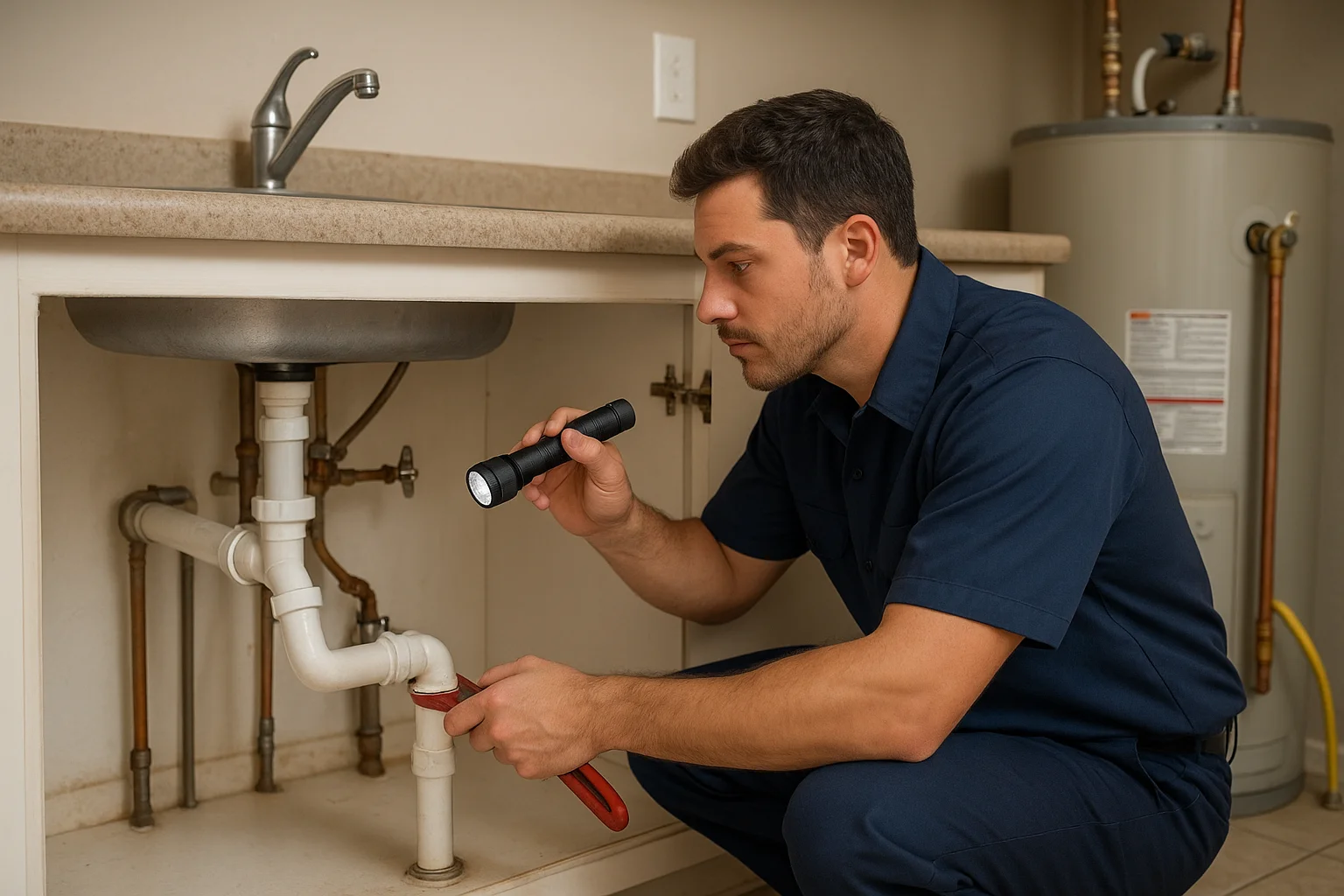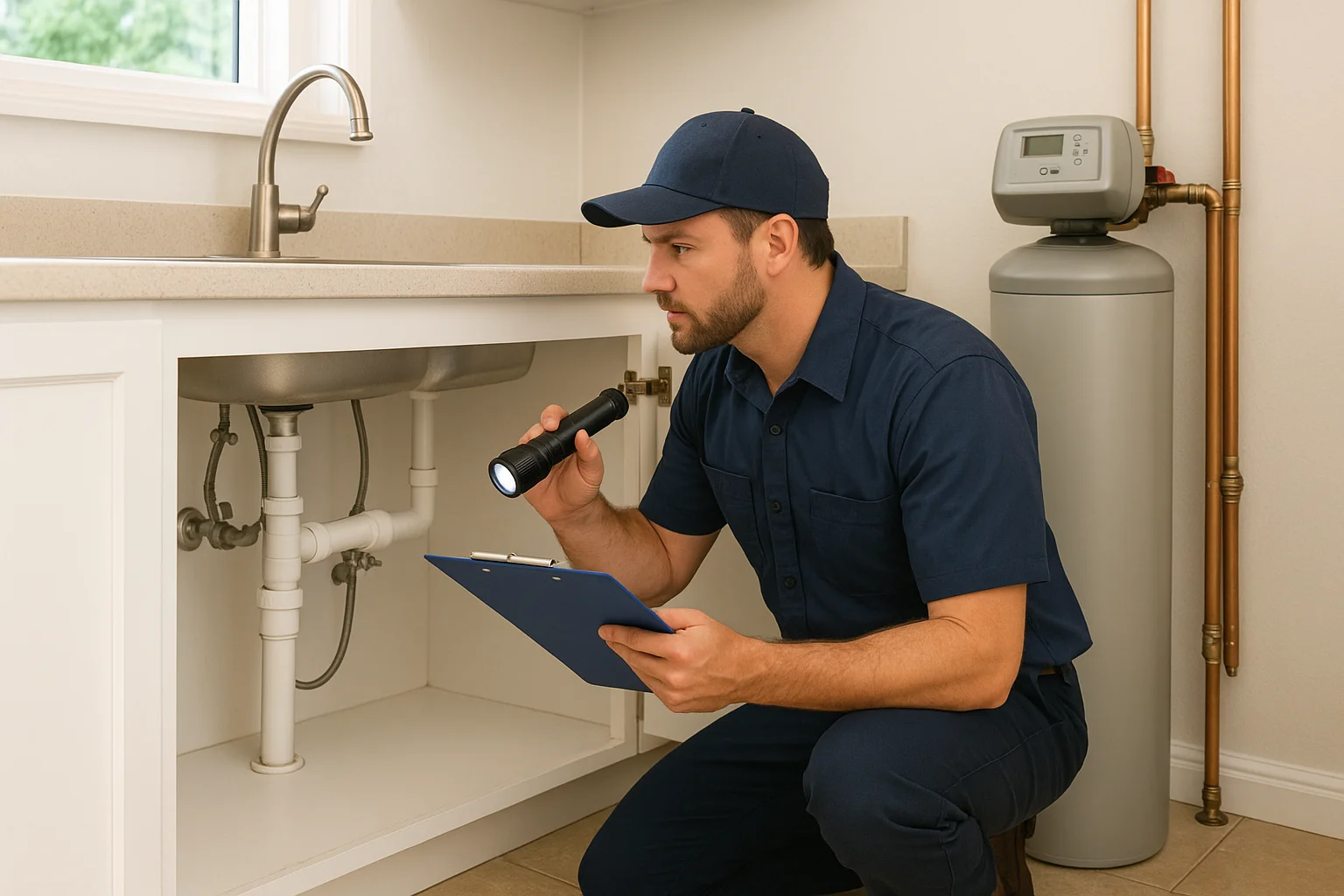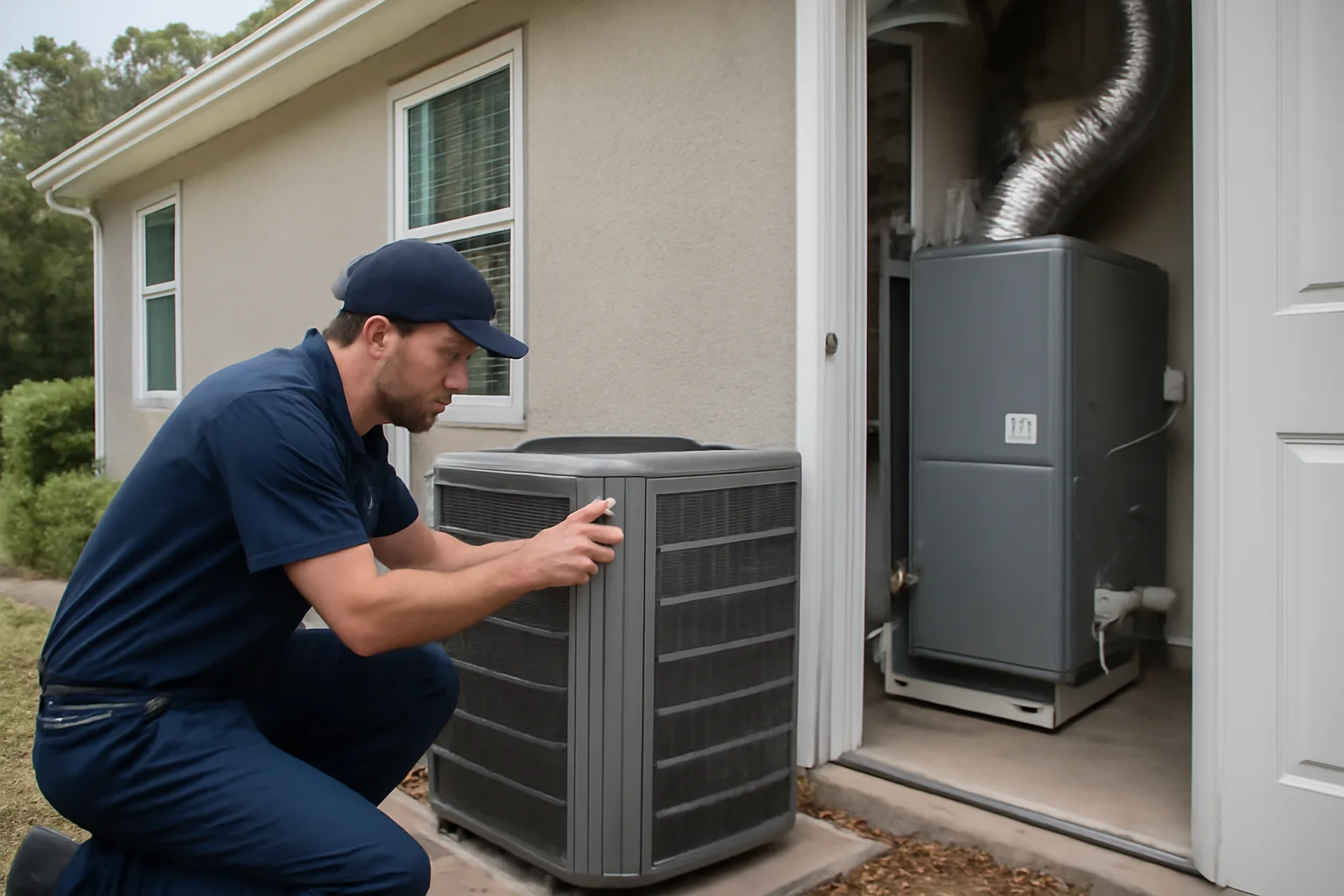
Air conditioning installation is one of those home projects that feels simple until you are living with the results. In Niceville, FL, where summer heat and humidity can be relentless and salt air can affect equipment over time, planning ahead helps you avoid comfort problems, repeat service calls, and emergency cooling stress.
This guide walks you through a practical, homeowner-friendly timeline for preparing for air conditioning installation in Niceville, FL, including system replacement planning, ductwork considerations, indoor air quality upgrades, and preventive HVAC maintenance steps that keep your new cooling system performing.
Start with the right goal: comfort, humidity control, and reliable airflow
Most homeowners in Niceville notice comfort issues long before they can name the cause. You might feel uneven cooling from room to room, humidity that lingers after the air conditioner runs, or higher energy use during peak summer. Those symptoms often connect to airflow, ductwork condition, thermostat behavior, and the refrigerant system’s ability to move heat effectively.
Planning ahead means you and your HVAC contractor align on the outcome you want:
- Consistent airflow across living spaces, not just cold air at the unit
- Better humidity control for Florida’s muggy indoor conditions
- Efficient energy use that matches how your home is actually built and used
- Safe condensate drainage so moisture does not become a recurring indoor air quality problem
If you are also considering air conditioning systems beyond a basic replacement, ask how the design will handle your home’s airflow patterns and humidity load, not just the unit’s general capacity.
Before you schedule: assess what is happening now
Even if your goal is air conditioning installation, a quick “current system check” helps guide the plan. Homeowners often assume a new unit will automatically fix comfort issues. Sometimes it does. Other times, the root cause is airflow restriction, duct leakage, thermostat settings, or condensate drainage problems that existed for years.
Common Niceville AC problems that affect installation planning
- Weak airflow from vents, especially on upper floors or rooms far from the system
- Humidity that does not drop even when the thermostat is calling for cooling
- Frequent cycling or short run times that can point to airflow issues or thermostat control problems
- Condensate drainage concerns, such as water near the indoor unit or a musty smell after heavy humidity days
- Salt air exposure that may accelerate corrosion on outdoor components and nearby fasteners, grills, and fittings
If you have been searching for HVAC repair near me or AC repair because the system struggles during the hottest weeks, bring those details to the installation discussion. A licensed HVAC contractor near me can use your observations to prioritize what needs attention before the new system goes in.
Plan your timeline around the Florida cooling season
Niceville summers can turn quickly. Planning ahead gives you time for scheduling, indoor comfort preparation, and any ductwork or indoor air quality improvements that may be needed.
A practical pre-install timeline
- 6 to 10 weeks before installation: confirm the scope and schedule. If your home needs ductwork adjustments, filter upgrades, or airflow balancing, this is where planning starts.
- 4 to 6 weeks before: gather information about your current system. Note thermostat model, typical temperature settings, and any recurring issues like humidity or odors.
- 2 to 4 weeks before: prepare access areas. Clear the path to the outdoor unit and indoor equipment. If you have pets, plan for safe indoor arrangements during service.
- Week of installation: confirm the thermostat installation plan, indoor air quality steps, and condensate drainage routing. Ask how the team will protect floors and finishes.
If you are trying to line up an AC replacement estimate near me, earlier scheduling usually helps you avoid last-minute decisions when the system is already under strain.
Choose the right system design for your home, not just its age
In a coastal area like Niceville, airflow and humidity control matter. A properly planned installation considers how your home holds heat, how air moves through rooms, and how the refrigerant system will operate under local conditions.
What to discuss with your HVAC company
- Load calculations and sizing: ask how the contractor determines cooling needs based on your home’s layout, insulation, and sun exposure
- Airflow strategy: where supply and return air will go, and how ductwork impacts comfort
- Refrigerant system considerations: confirm the installation plan includes proper setup and safe operation based on the contractor’s in-person evaluation
- Thermostat control: whether you need thermostat installation or a thermostat upgrade that matches your comfort goals
- Condensate drainage: how condensate will be routed and maintained to prevent moisture issues
Homeowners sometimes ask whether a different refrigerant setup or equipment change is “automatically better.” A qualified professional should evaluate your specific system and home conditions before recommending refrigerant system changes or equipment replacement. That is the safest way to avoid mismatches that can lead to poor performance or recurring HVAC repair needs.
Ductwork and airflow: the part that makes or breaks comfort
Even a high-quality air conditioner can struggle if ductwork is undersized, leaky, or poorly routed. In Niceville homes, ductwork issues can show up as:
- hot or cold spots in bedrooms and living areas
- weak airflow from some vents
- long run times that raise energy use
- humidity that does not come down as expected
Planning ahead may include ductwork inspection and, in some cases, duct cleaning near me if there is heavy debris, dust buildup, or recurring indoor air quality concerns. Duct cleaning is not always necessary, but when it is appropriate, it should be part of a broader airflow and indoor comfort plan.
If you are comparing options for indoor air quality improvements, ask how the installation will address filtration, airflow distribution, and moisture control. Indoor air quality and humidity management are connected in Florida.
Humidity, indoor air quality, and “why the air feels sticky”
Niceville’s warm, humid climate means your air conditioning system does more than cool. It removes moisture as it runs. If humidity stays high, you may feel sticky air, see condensation in problem areas, or notice musty odors.
Air conditioning installation planning for moisture control
- Confirm condensate drainage: the indoor drain line and any condensate drainage components should be installed and protected correctly
- Plan for proper airflow: airflow that is too restricted can reduce the system’s ability to dehumidify effectively
- Coordinate filtration with comfort goals: better filtration can support indoor air quality, but airflow must remain adequate
These steps help prevent moisture-related indoor air quality issues that can lead to more frequent air conditioner service near me calls after installation.
Thermostats and controls: set expectations before the first cool-down
Thermostats influence comfort, energy use, and how often the system cycles. If your current thermostat is outdated or you have inconsistent temperature behavior, planning for thermostat installation can make the first weeks after installation feel smoother.
Questions to ask about thermostat installation
- Will the thermostat settings match how your home runs in humid weather?
- How should you set schedules for weekdays versus weekend comfort?
- What is the best way to avoid “chasing” temperature with frequent manual changes?
- Will the system require configuration based on indoor conditions?
If you are also dealing with comfort issues that feel intermittent, ask for an air conditioning inspection near me that includes airflow and control review. A new unit does not replace good thermostat setup.
Consider preventive HVAC maintenance as part of the installation plan
Homeowners often think preventive HVAC maintenance starts after the install. In reality, planning for maintenance before the system goes in can reduce future breakdowns and help protect indoor comfort.
For Niceville households, maintenance matters because:
- salt air exposure can contribute to corrosion over time
- Florida humidity can highlight condensate drainage or airflow issues
- high summer run time increases wear on moving parts
To build a maintenance routine that fits your home, read Keeping Niceville Cool Starts with Better AC Maintenance. It covers practical steps homeowners can plan for between seasons.
Emergency cooling concerns: reduce the risk of mid-summer surprises
Even with the best planning, breakdowns can happen. The goal is to reduce the chance of an emergency cooling situation when Niceville is at its hottest.
What you can do before installation day
- Know your system’s current behavior: if it fails during peak heat, note when it happens and what you see
- Ask about the installation scope: ductwork work, thermostat installation, and condensate drainage planning should be clearly defined
- Plan for temporary comfort if your installation requires downtime. Discuss how the team will coordinate access and testing
- Confirm safe operation: ask what checks the team will complete so the system starts correctly
If you manage rental properties or a business, emergency cooling concerns can become more than a comfort issue. Many property owners also search for commercial HVAC service near me for similar reasons. Make sure the installation plan includes clear communication and a schedule that supports your operations.
Special cases: new construction, rentals, and heat pump considerations
Not every Niceville installation is a simple replacement. Some homes are new builds, some are rentals, and some homeowners are considering a heat pump service option for year-round comfort.
New construction AC planning
If you are building or recently completed a home, design details like duct routing and insulation quality shape how the air conditioner performs. For that scenario, see New Construction Air Conditioning.
Heat pump planning
If your plan includes a heat pump installation or you are troubleshooting performance, remember that heat pump service decisions should follow an in-person evaluation. Homeowners searching for heat pump repair near me often discover that comfort issues may connect to airflow, indoor humidity behavior, or thermostat control, not just component wear.
If you have a related project and want broader guidance, you can explore Geothermal Energy as a long-term option, though geothermal requires its own planning and design process.
How to prepare your home for installation day
A smooth install day is mostly about access, protection, and clear expectations. Before the team arrives, do a quick homeowner checklist.
- Clear access to the indoor air handler, air return pathways, and outdoor unit area
- Protect indoor areas where equipment will be moved. Remove fragile items near paths
- Confirm thermostat placement and that the installation location is clear
- Plan for pets and kids so the work area stays safe
- Discuss indoor air quality goals so the team knows whether you want filtration upgrades or humidity-focused improvements
If you are comparing installation approaches, it can help to review how contractors handle similar homes. You may find useful planning ideas in A Practical Guide to Air Conditioning Installation for Bluewater Bay Homes and A Practical Look at Air Conditioning Installation for Smarter Maintenance in Fort Walton Beach.
Choose a local HVAC service team that plans with the climate in mind
Niceville’s weather is not just “hot.” It is hot, humid, and often influenced by coastal conditions. That combination makes airflow design, moisture control, and careful installation practices more important than homeowners expect.
Working with an experienced local HVAC company matters because they understand what tends to go wrong in Okaloosa County homes. They also know how to plan for ductwork, condensate drainage, thermostat setup, and indoor air quality priorities that align with Florida living.
If you are searching for HVAC installation near me, look for a team that starts with an in-person evaluation and explains how the plan fits your home. For homeowners who want a fast path to the right service, you can review A Superior Mechanical’s local service details on air conditioning installation in Niceville, FL and the broader service coverage on Okaloosa County HVAC service areas. You can also explore the city page at Niceville HVAC service to see other related options.
Keep the plan going after installation
Planning does not stop once the system is installed. Your first weeks after installation are when you learn how the new setup behaves in humid conditions and peak heat.
What to watch after the system starts
- Airflow consistency from rooms that used to feel warm
- Humidity comfort, especially during rainy or muggy days
- Drainage behavior, including whether the drain area stays dry
- Thermostat response, including how the system cycles and maintains your setpoint
If something feels off, do not assume it is “just how it is.” A properly planned installation should support comfort and safe operation, and a professional can review the system in context.
If you want to compare planning strategies in nearby communities, you can also read Planning Air Conditioning Installation in DeFuniak Springs for a Cooler, More Reliable Home. The climate differences are real, and the planning approach helps homeowners avoid common mistakes.
Find Air Conditioning Installation in Niceville, FL
If you need Air Conditioning Installation in Niceville, FL, visit our local service page or contact A Superior Mechanical today.
Map of Niceville, FL
Frequently Asked Questions
How far ahead should I schedule air conditioning installation in Niceville, FL?
For most homeowners, scheduling several weeks in advance helps you line up the installer and address any ductwork or indoor air quality needs before peak summer. If your current system is struggling, ask for an in-person evaluation as soon as possible so the plan can be adjusted safely.
Will a new AC unit fix uneven cooling and humidity problems by itself?
Sometimes, but not always. Uneven cooling and sticky indoor air often connect to ductwork, airflow balance, thermostat control, and condensate drainage behavior. A professional installation plan should address those factors alongside the new refrigerant system setup.
Should I plan for ductwork inspection or duct cleaning before installation?
It depends on your home. Planning for a ductwork inspection is a smart step if you have weak airflow, hot and cold spots, or recurring indoor air quality complaints. Duct cleaning may be helpful in certain situations, but it should be recommended based on what a technician finds during an in-person assessment.
What should I do about my thermostat before the new system is installed?
Tell your HVAC contractor how you currently set your thermostat and what comfort issues you see. If thermostat installation or configuration is needed, planning it before the first cooling cycle can improve humidity comfort and reduce frustration with temperature swings.
How can I reduce the chance of an emergency cooling problem after installation?
Plan the full scope with your installer, including condensate drainage and airflow considerations, and schedule preventive HVAC maintenance once the system is running. Keeping filters clean and following maintenance recommendations can also help reduce breakdown risk during Florida’s highest-heat weeks.
Related Articles
- Keeping Niceville Cool Starts with Better AC Maintenance
- A Practical Guide to Air Conditioning Installation for Bluewater Bay Homes
- A Practical Look at Air Conditioning Installation for Smarter Maintenance in Fort Walton Beach
- Planning Air Conditioning Installation in DeFuniak Springs for a Cooler, More Reliable Home
Photo Gallery