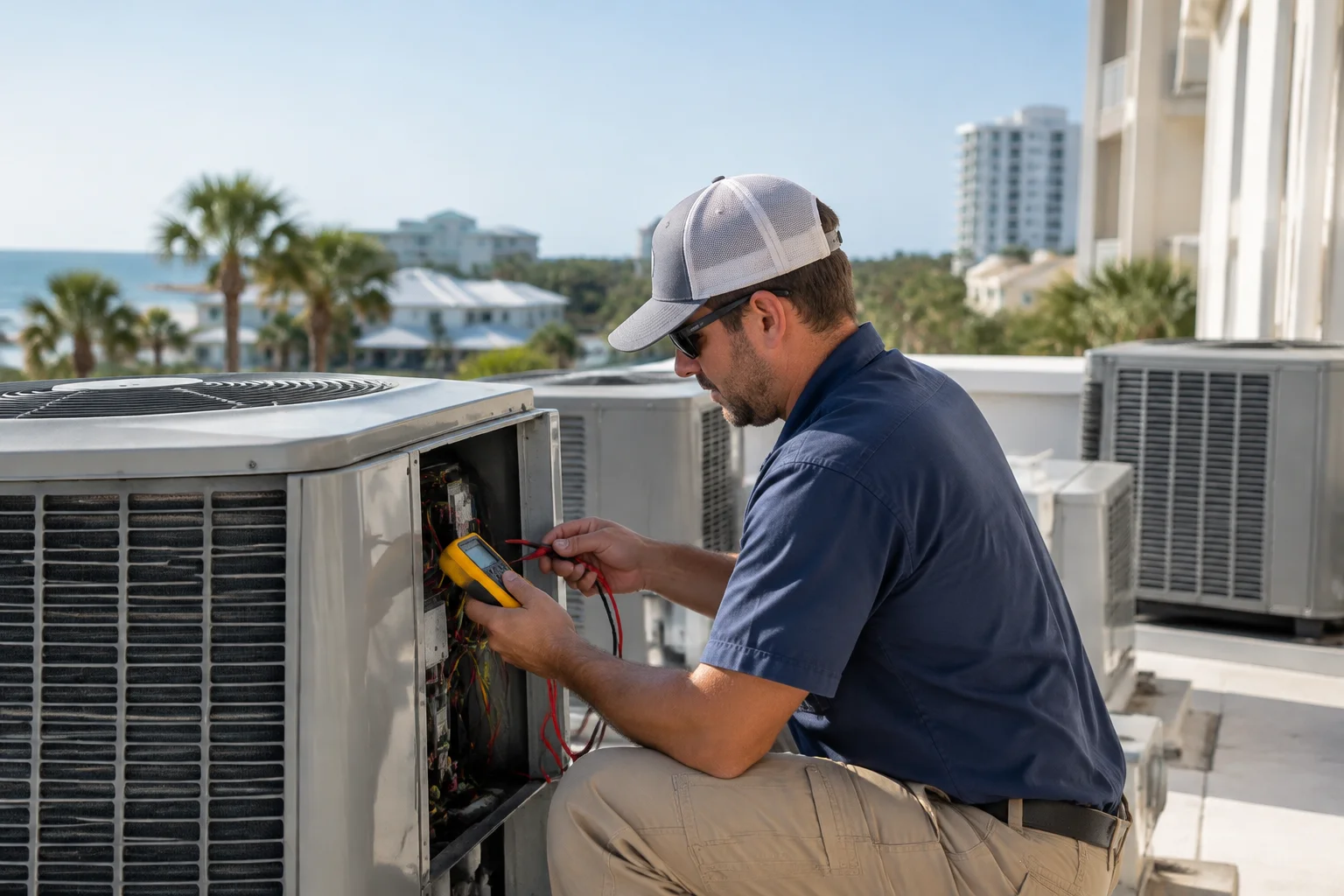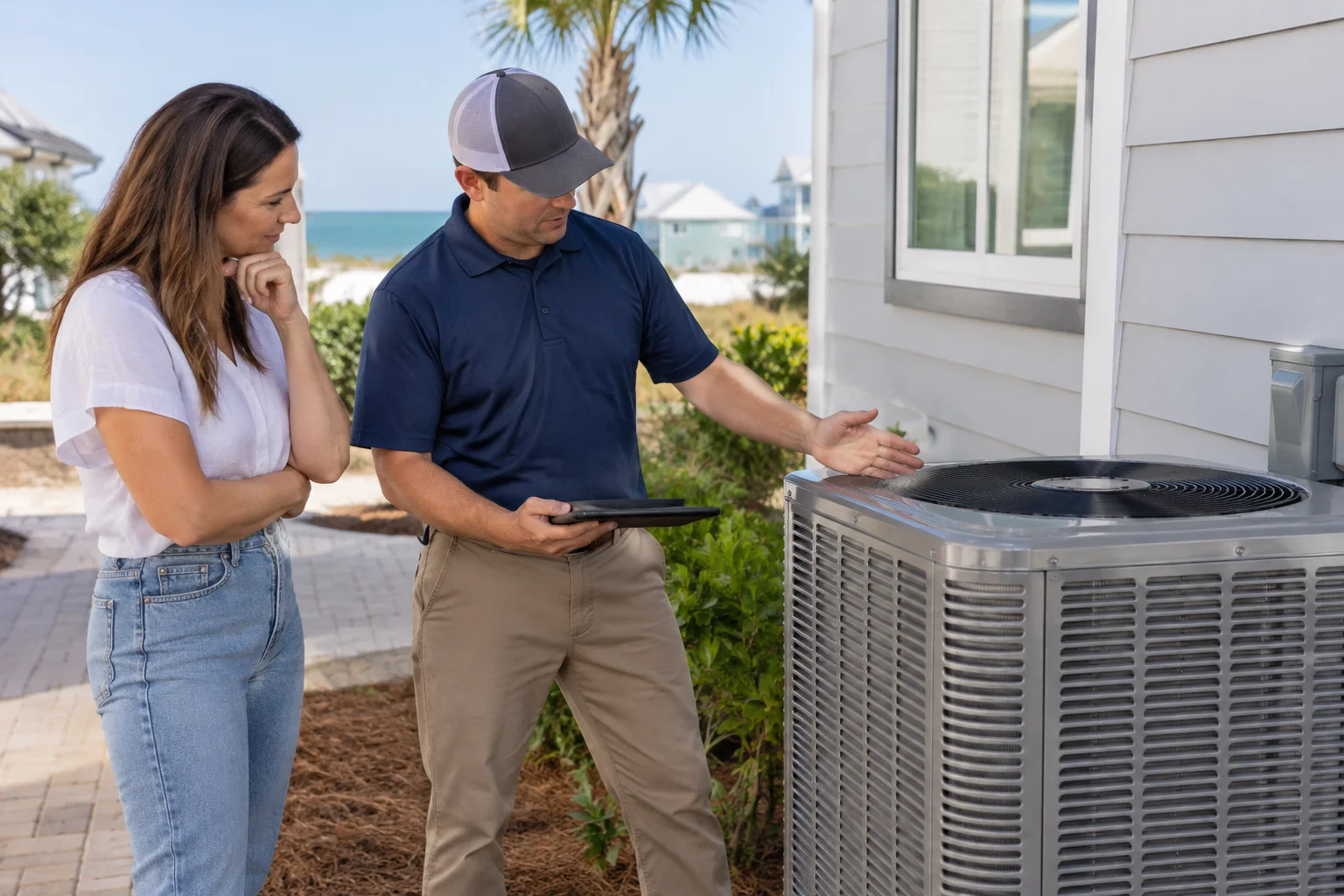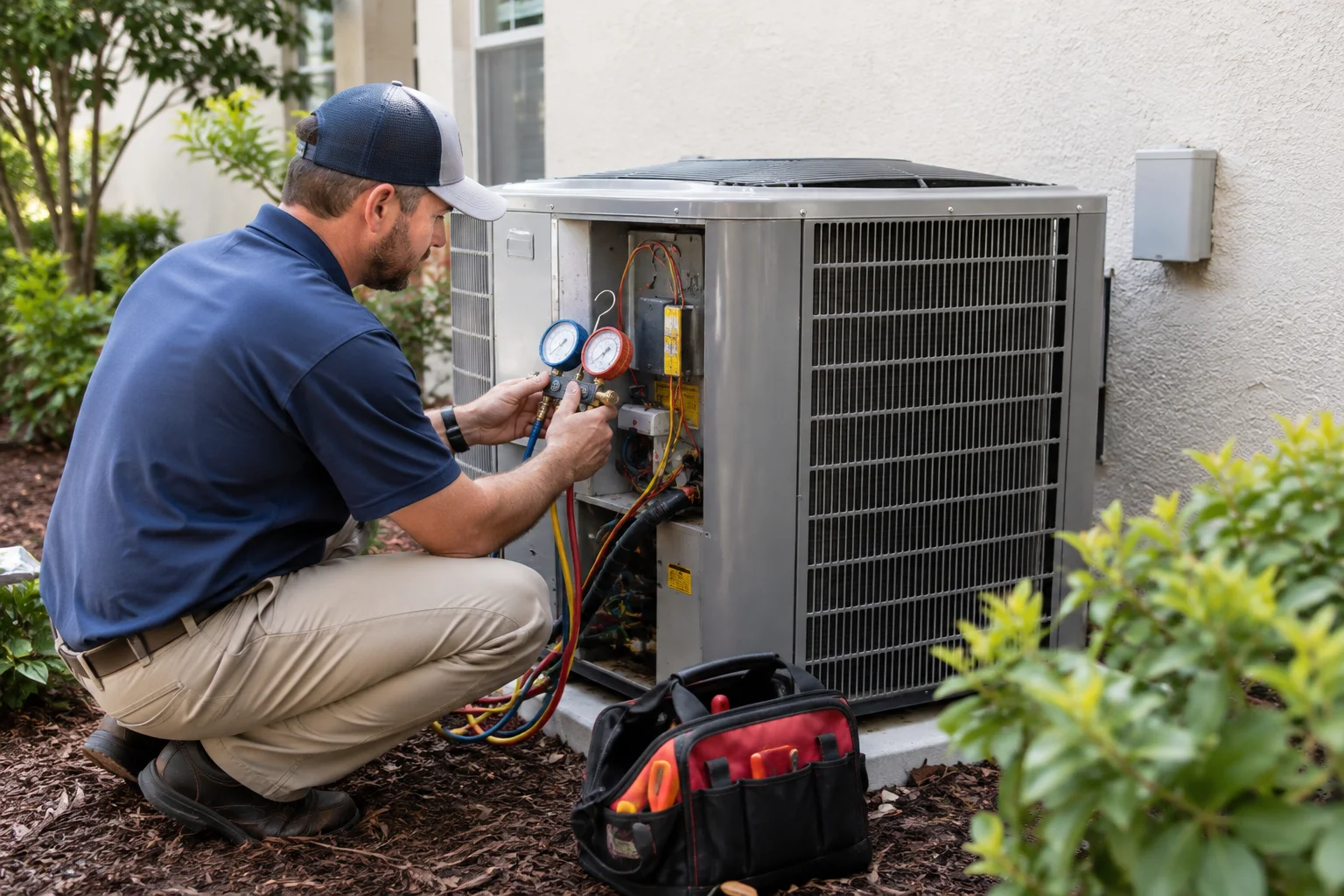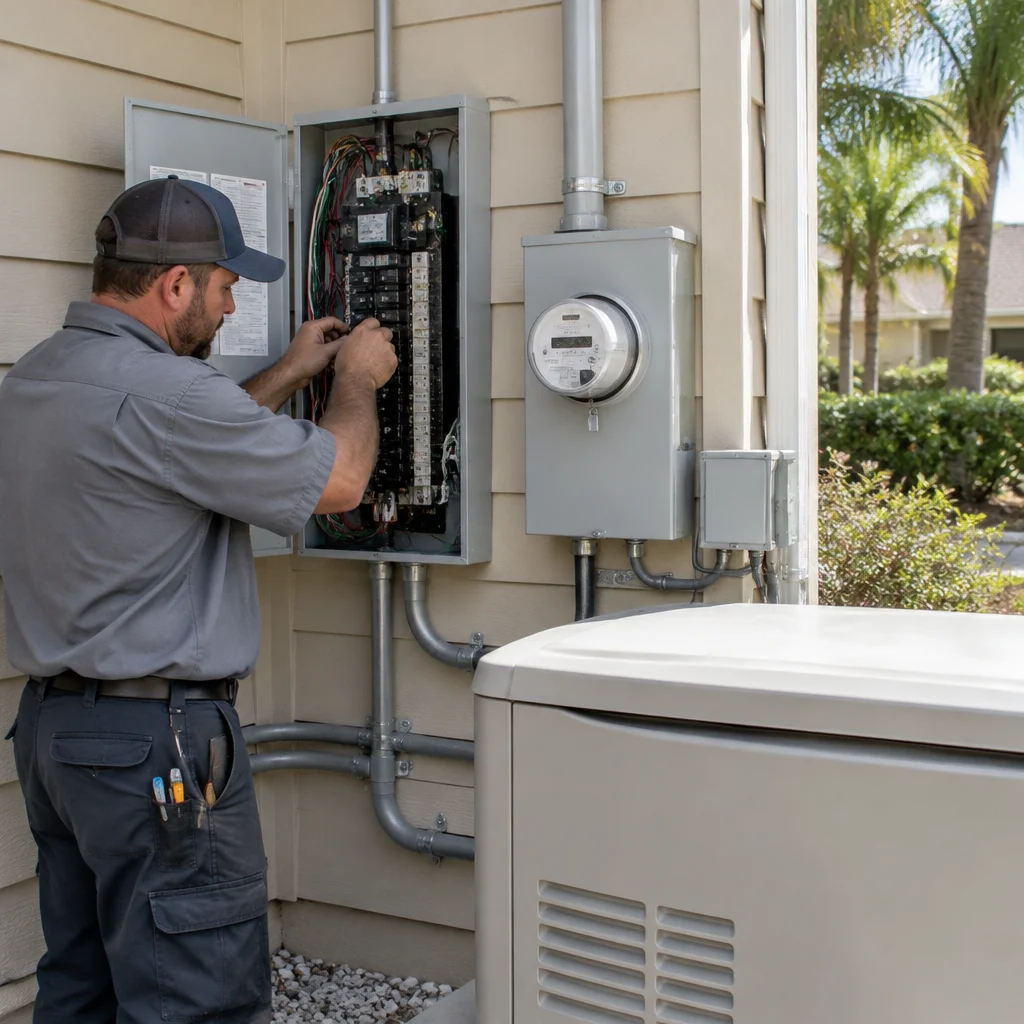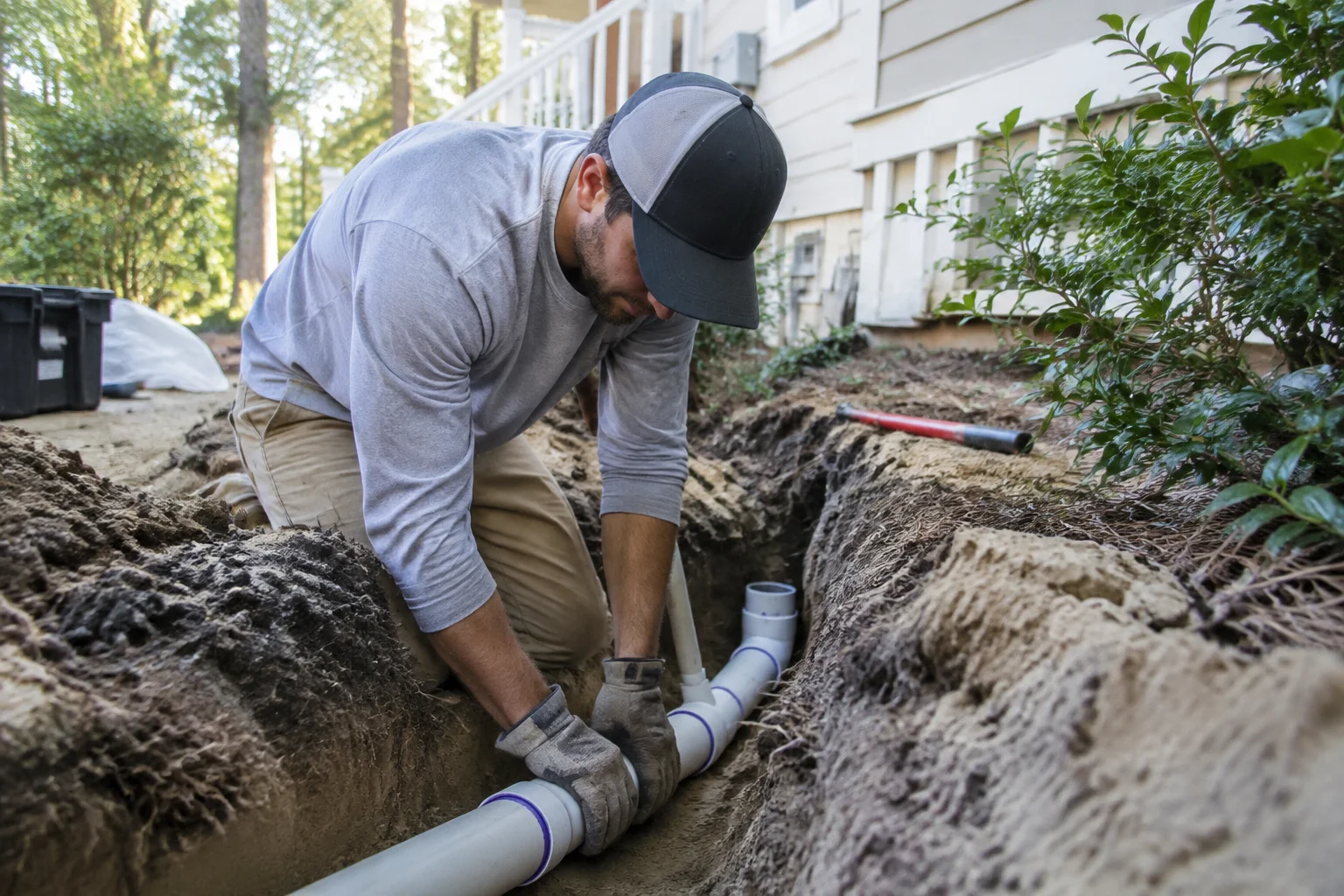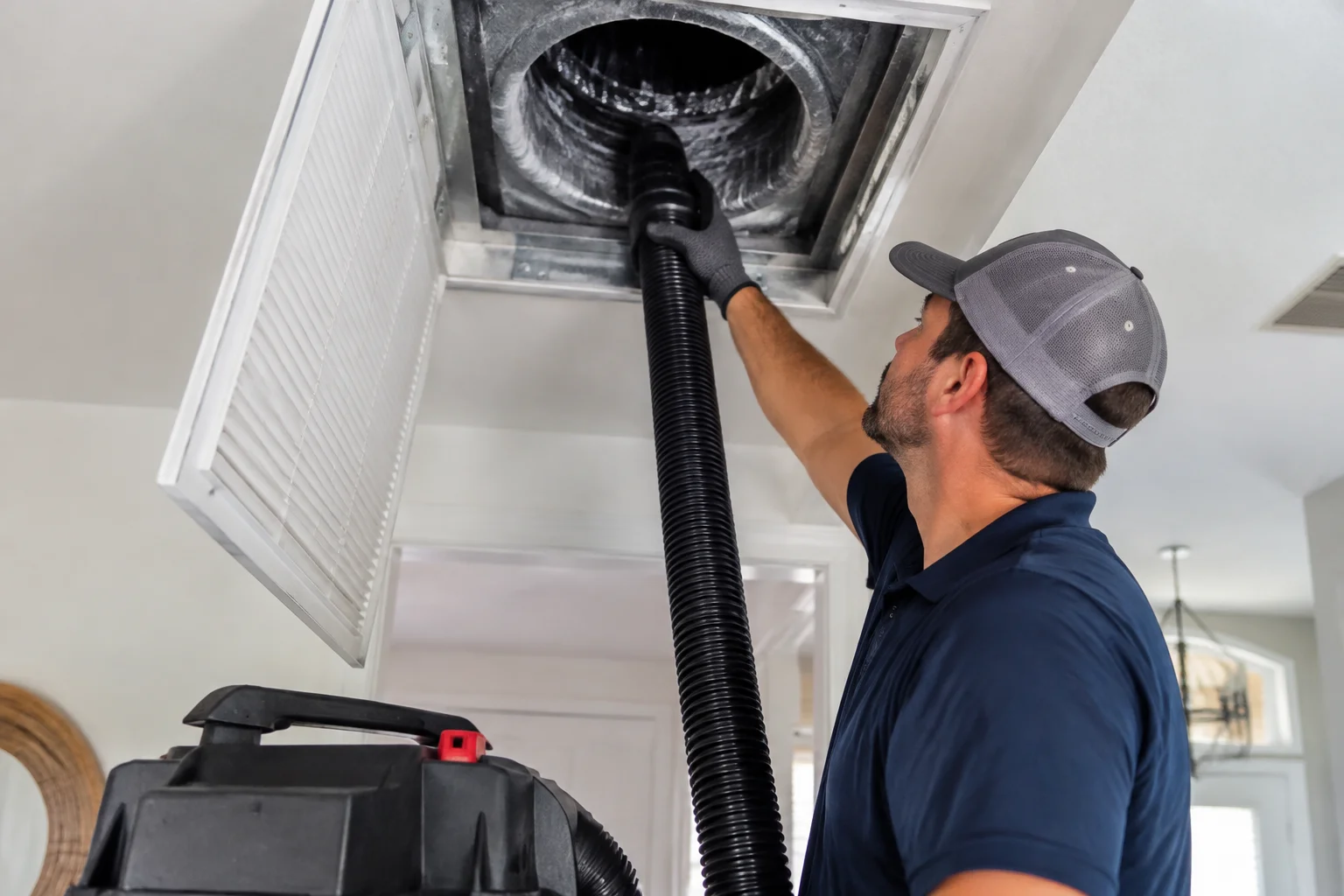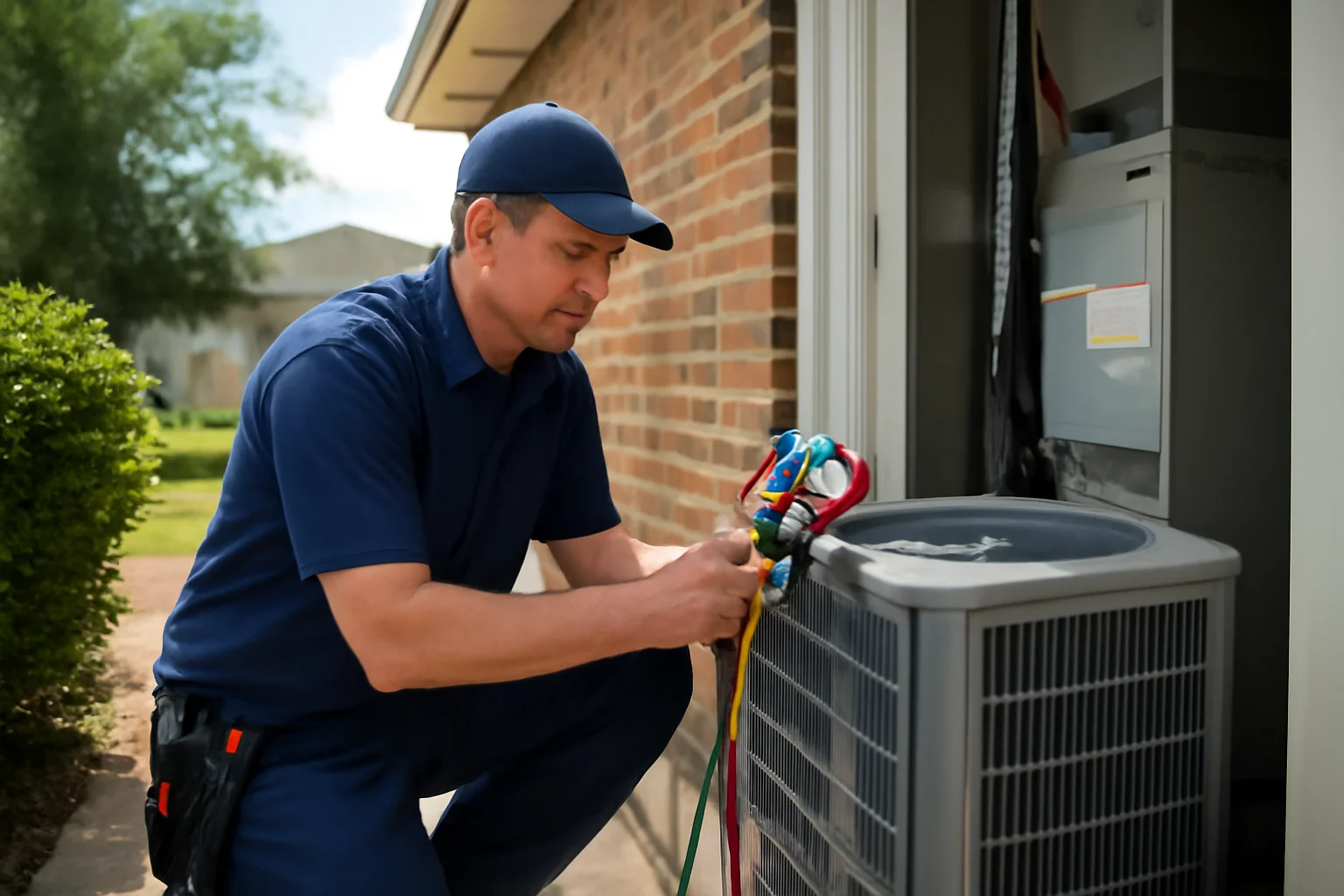
Niceville, FL homes work hard year-round, but especially during the long stretch of Florida heat and humidity. When air conditioning falls out of tune, homeowners feel it right away as warm rooms, musty air, higher energy use, and sometimes strange noises or poor airflow. A quality air conditioning inspection in Niceville, FL is one of the most practical ways to keep comfort steady and reduce the odds of an emergency cooling problem when you need the system most.
A Superior Mechanical provides HVAC service for homes and properties across Niceville and throughout Okaloosa County. This guide explains what a professional inspection typically covers, the common AC issues we see in the area, and how preventive HVAC maintenance ties into better indoor air quality and more reliable performance.
Why Niceville weather makes AC inspections more important
Air conditioning in the Florida Panhandle is not just about temperature. Humidity control, airflow, and condensate drainage all matter, because warm, moist air can overwhelm systems that are slightly off. In Niceville, that challenge is amplified by coastal conditions and salt air exposure, plus the way many local homes are built and insulated.
When the outdoor air is humid, your AC has to remove moisture while cooling. That means the refrigerant system, indoor coil, blower, and drainage path have to work together. If any part is restricted, dirty, leaking, or out of balance, the system may cool less effectively, run longer, and still leave the home feeling sticky.
Seasonal transitions also reveal weaknesses. A unit that seems “fine” in spring can struggle during peak summer loads, especially if airflow is reduced, the thermostat is miscalibrated, or ductwork is leaking.
What a real air conditioning inspection checks beyond “it turns on”
Homeowners often search for “air conditioning inspection near me” because they want confidence. A thorough inspection is not a quick glance at the outdoor unit. It should focus on comfort, system health, and the specific ways humidity and airflow affect performance in your home.
1) Airflow and comfort performance
Airflow is the foundation of cooling. If air is not moving across the evaporator coil correctly, the system cannot transfer heat efficiently. During an inspection, a technician may evaluate:
- Whether the indoor air handler is delivering consistent airflow
- Signs of clogged filters or restricted return air paths
- Indoor coil conditions that can impact heat transfer
- Whether the system is distributing air where it should
In many Niceville homes, ductwork and register placement can be a major factor. If you have rooms that are consistently warmer, colder, or more humid, it can point to airflow issues that a technician should investigate. For help with this side of the system, homeowners can explore ductwork services.
2) Humidity control and condensate drainage
When AC runs correctly, it removes moisture and drains condensate through the proper line. If condensate drainage is restricted or the drain pan is not draining as it should, you can see:
- Water pooling or damp areas around the air handler
- Musty odors that suggest moisture buildup
- Humidity that stays high even when the thermostat is set correctly
Because Florida humidity is relentless, condensate drainage concerns can worsen quickly. A professional inspection looks for signs of drainage problems and checks the system’s ability to manage moisture, which supports both comfort and indoor air quality.
3) Refrigerant system health and operational stability
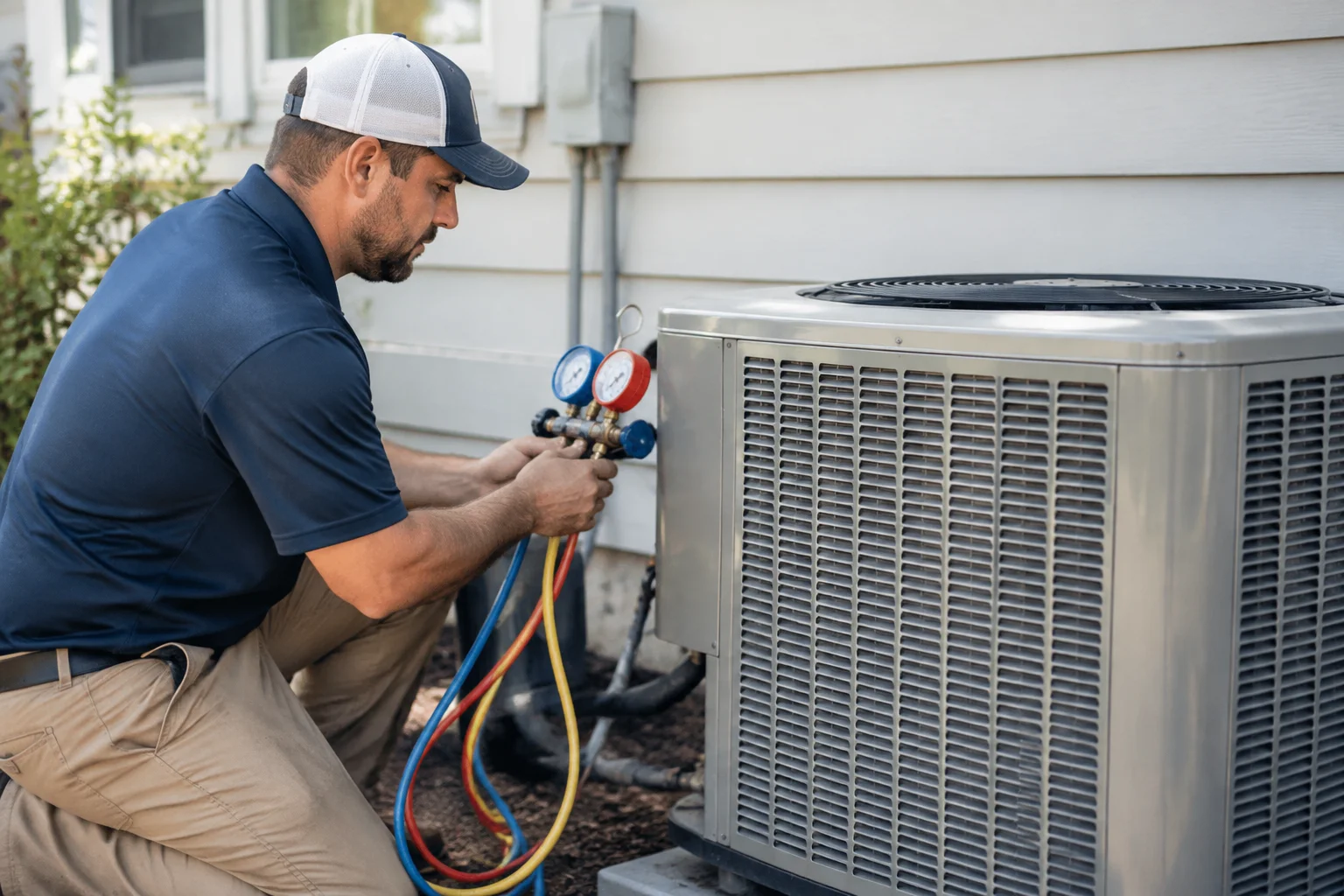
The refrigerant system is responsible for moving heat out of the home. A technician may check system performance indicators and look for conditions that can cause inefficient cooling or repeated cycling. Since refrigerant handling is safety sensitive and requires proper tools, it is important to note that diagnosing refrigerant issues should happen during an in-person evaluation by a qualified HVAC professional.
For homeowners, the key takeaway is this: refrigerant system problems often show up as comfort complaints, airflow changes, or unusual cycling patterns. An inspection should connect those dots rather than dismiss them as “normal.”
4) Thermostat settings, operation, and control behavior
Thermostats do more than display a temperature. They control how the system cycles and how consistently the home reaches the setpoint. During an inspection, a technician may verify that the thermostat is communicating correctly and that the system is responding as expected. This can matter in homes with:
- Newer programmable or smart thermostats
- Temperature swings between rooms
- Short cycling, where the AC starts and stops too frequently
If your thermostat installation is outdated or not functioning the way you expect, you may benefit from professional support. Homeowners searching for “thermostat installation near me” often find that correct setup improves comfort and reduces unnecessary wear.
5) Indoor air quality factors that show up during AC inspection
Air conditioning affects indoor air quality because it influences filtration, airflow patterns, and humidity levels. In humid climates, damp conditions can encourage microbial growth if moisture is not controlled. An inspection can help identify contributors such as:
- Filter condition and fit
- Air handling conditions that promote humidity retention
- Signs of excessive moisture
- Air distribution problems that cause uneven comfort
If indoor air quality is a priority, consider pairing your inspection with indoor air quality testing. This can be especially helpful for households with allergies, asthma, or persistent musty smells.
Common Niceville AC issues that show up during inspections
Every home is different, but the Florida Panhandle environment creates recurring patterns. Here are examples of issues that a professional inspection can uncover before they turn into AC repair emergencies.
Salt air and outdoor unit performance
Coastal exposure can contribute to corrosion and buildup on outdoor components over time. Even when an AC system is running, restricted airflow across the outdoor coil or compromised surfaces can reduce efficiency and cooling capacity. An inspection should consider the condition of the outdoor unit and the impact of outdoor debris and buildup.
Restricted airflow from filters, returns, and duct leaks
Many homeowners change filters, but filters are only part of the equation. Ductwork leaks, blocked returns, and imbalanced airflow can create hot spots and humidity problems. If you have areas of your home that never feel right, it often points to airflow and ductwork. That is where ductwork services can help.
Condensate drainage that is slow or partially blocked
Even minor drainage restrictions can lead to moisture retention and comfort problems. During humid stretches, a system may run longer trying to remove humidity, which can increase the chance of drainage issues. A professional inspection checks for signs of condensate drainage concerns so homeowners can address them before water becomes a larger problem.
Short cycling and uneven cooling
Short cycling can happen when the system cannot maintain stable operation. Comfort may seem inconsistent, and energy use can rise. While the cause can vary, a professional technician can evaluate how the system is performing and what factors may be contributing. This is especially relevant for older systems or homes with updated thermostats.
How inspections support AC repair and reduce emergency cooling concerns
When homeowners are searching for “AC repair near me,” they often want help fast. Inspections are different. They focus on prevention and early detection, which can reduce the odds that you will need urgent air conditioning service during peak heat.
Preventive HVAC maintenance does not mean ignoring repairs. It means catching problems while they are small enough to address efficiently. For many property owners, that translates into fewer breakdowns, more stable comfort, and less disruption to daily life.
If you want a deeper look at how maintenance supports year-round performance, read Keeping Niceville Cool Starts with Better AC Maintenance.
Inspection and maintenance for rentals and local property owners
Niceville rentals and investment properties face unique pressure. Tenants notice comfort issues quickly, and humidity-related problems can escalate faster when occupancy patterns change or when filters and access panels are not consistently maintained. For landlords, an air conditioning inspection is a proactive way to document system condition and identify maintenance items before they become tenant complaints.
Inspections can also help property owners plan ahead for system replacement timing. If a unit shows repeated performance issues or declining comfort, a professional HVAC company can discuss options based on the system’s condition and the home’s airflow needs, rather than waiting for a complete failure.
If you are comparing cooling options for a home that is struggling to keep up, it may also be worth exploring heat pump service. For homeowners in the Gulf Coast region who have heat pumps or are considering them, heat pump service decisions should be made after the inspection identifies the real performance limits of the current system. A Superior Mechanical can support Heating Control Systems and related HVAC performance needs as part of a broader approach.
What to do between inspections to keep cooling steady
Professional inspections matter, but homeowners can support the system between visits. These steps help maintain airflow, humidity control, and indoor air quality.
Replace or maintain filters correctly
Use the filter size and type recommended for your system. A filter that is too restrictive can reduce airflow, while an incorrect fit can allow unfiltered air to bypass the media. If you are unsure, ask your HVAC technician during your next air conditioning service visit.
Keep registers and returns clear
Close off or blocked vents can cause uneven cooling. Make sure furniture, curtains, and storage items are not restricting airflow. This simple habit supports better comfort and reduces strain on the system.
Watch for humidity and airflow changes
If your home feels sticky, musty, or noticeably more humid than usual, treat it as a clue. Humidity issues can connect to condensate drainage, airflow, or coil performance. That is a good time to schedule an air conditioning inspection rather than waiting for a full breakdown.
Use thermostats thoughtfully
Frequent large temperature swings can increase runtime, especially during humid Florida afternoons. Setting a consistent schedule and verifying thermostat behavior can improve comfort. If you suspect thermostat problems, consider professional help, including heating control systems guidance where relevant.
When you should schedule an inspection instead of waiting for AC repair
Inspections are a smart move when you notice early changes. Scheduling is especially valuable if you experience:
- Rooms that feel warmer or more humid than others
- Musty odors or signs of moisture near the air handler
- Reduced airflow from vents
- Frequent cycling or the system running longer than usual
- Rising energy use without a clear reason
- Unusual sounds or persistent cooling inconsistency
If you are a homeowner searching for “HVAC company near me” because your system is not performing like it used to, an inspection can help identify what is driving the problem. It also gives you a clearer picture of whether repairs, preventive maintenance, ductwork adjustments, or a larger HVAC replacement conversation is appropriate.
Why professional HVAC service matters in Niceville’s climate
It is tempting to rely on quick fixes when the AC is acting up. But Florida conditions make it easy for small issues to grow. A professional inspection connects system performance with the reality of your home’s airflow, ductwork, condensate drainage, and indoor air quality needs. That matters for:
- Comfort you can feel, not just temperatures on a thermostat
- Energy use, because inefficient airflow and poor humidity control can increase runtime
- Protecting the refrigerant system by addressing performance limits early
- Lowering emergency cooling concerns during the hottest weeks of the year
A Superior Mechanical is built for this local work. If you want an inspection that focuses on what the home is experiencing, not just whether the unit powers on, schedule your evaluation through our air conditioning inspection service page.
Helpful reading for nearby areas in the Panhandle
If you are comparing experiences with other local climates and home setups, you may find these guides useful:
- Seagrove Beach Comfort Clues That Point to a Better Air Conditioning Inspection
- What to Expect From Air Conditioning Inspection in Parker, FL
- What Laguna Beach Homeowners Should Know About Air Conditioning Inspections and Catching Problems Early
If you are dealing with comfort issues now, those posts can help you understand the inspection process and the clues technicians look for before recommending next steps.
Questions you can ask during your air conditioning inspection
To get the most out of your visit, homeowners can ask practical questions. A good technician will explain what they find and what it means for your home’s cooling performance. Consider asking:
- How is airflow in my home, and could ductwork be limiting performance?
- Is my system managing humidity effectively, and is condensate drainage working properly?
- Are there signs my refrigerant system is operating outside expected performance?
- Is my thermostat setup contributing to cycling or uneven comfort?
- What preventive HVAC maintenance steps should I prioritize before peak summer?
These questions help ensure the inspection addresses both comfort and system health, including the factors that matter most in Niceville’s humidity and salt air environment.
If your system is struggling to keep up, you are not alone. Many homeowners only realize how much humidity and airflow affect comfort once an inspection reveals what is happening behind the scenes. A Superior Mechanical can help you understand the condition of your AC system and the best next steps for reliable, efficient cooling in Niceville.
Find Air Conditioning Inspection in Niceville, FL
If you need Air Conditioning Inspection in Niceville, FL, visit our local service page or contact A Superior Mechanical today.
Map of Niceville, FL
Frequently Asked Questions
How often should Niceville homeowners schedule an air conditioning inspection?
Many homeowners schedule an inspection before peak cooling season and again if the system shows comfort or humidity issues. If you notice uneven airflow, musty odors, or the AC running longer than usual, it is smart to schedule sooner rather than waiting for a breakdown.
Will an air conditioning inspection guarantee my system will not need AC repair?
No inspection can guarantee zero repairs. What it can do is identify early performance problems such as airflow restrictions, humidity control issues, or drainage concerns, so repairs are less likely to become emergency cooling problems.
Can ductwork affect my AC performance even if the unit seems to cool?
Yes. Leaky or poorly designed ductwork can reduce airflow to certain rooms, which impacts cooling and humidity removal. If your home has hot spots, cold spots, or persistent humidity, ask about ductwork performance during your inspection.
What should I do if I suspect condensate drainage problems?
Do not ignore signs like standing water, damp areas near the air handler, or musty odors. Schedule an inspection so a technician can evaluate the condensate drainage system in person and recommend safe, appropriate next steps.
Is it safe to try to fix refrigerant system issues myself?
Refrigerant system repairs and diagnosis require proper training and tools. Homeowners should avoid DIY refrigerant work. A professional inspection can evaluate performance indicators safely and determine whether repairs are needed.
Related Articles
- Keeping Niceville Cool Starts with Better AC Maintenance
- Seagrove Beach Comfort Clues That Point to a Better Air Conditioning Inspection
- What to Expect From Air Conditioning Inspection in Parker, FL
- What Laguna Beach Homeowners Should Know About Air Conditioning Inspections and Catching Problems Early
Photo Gallery