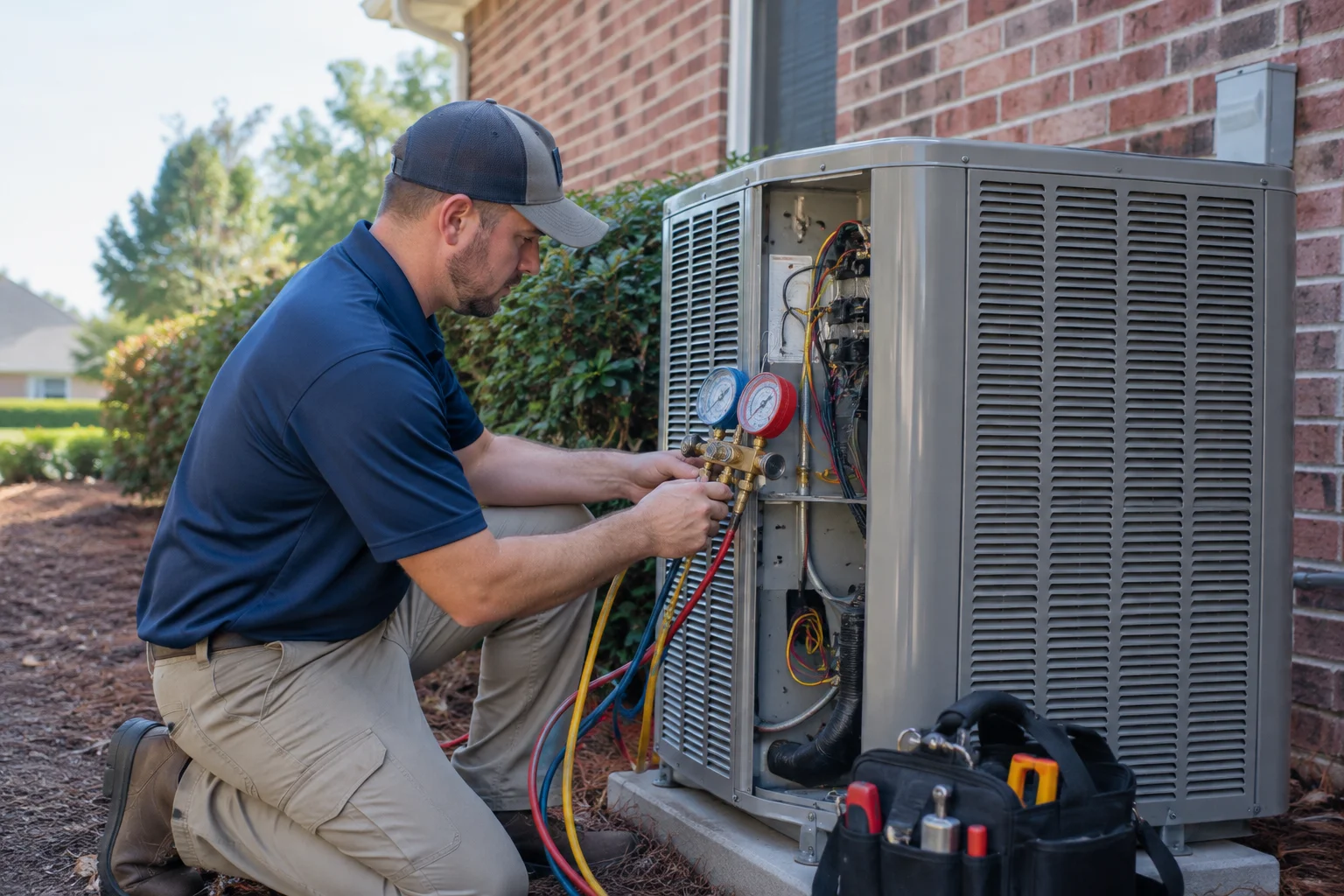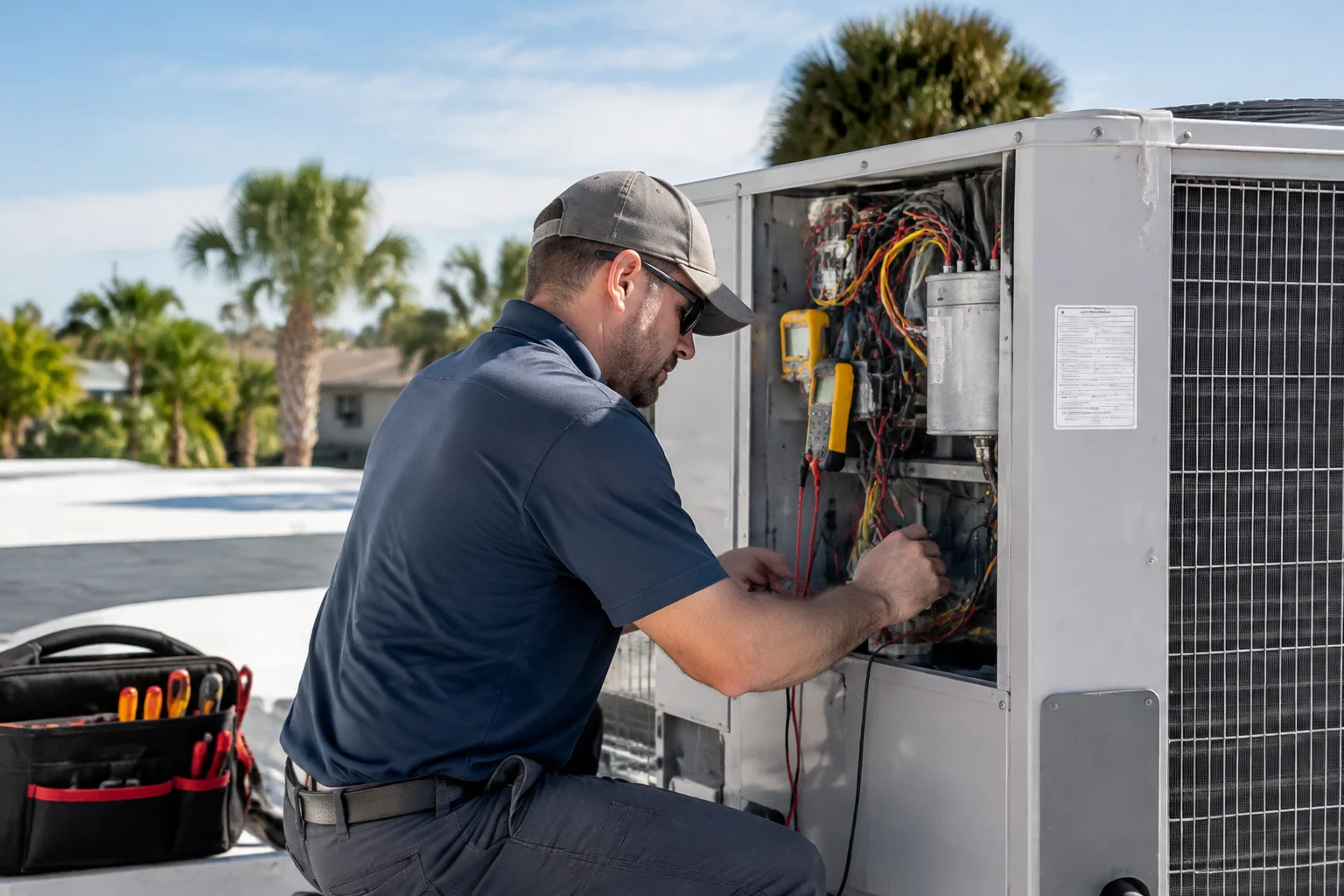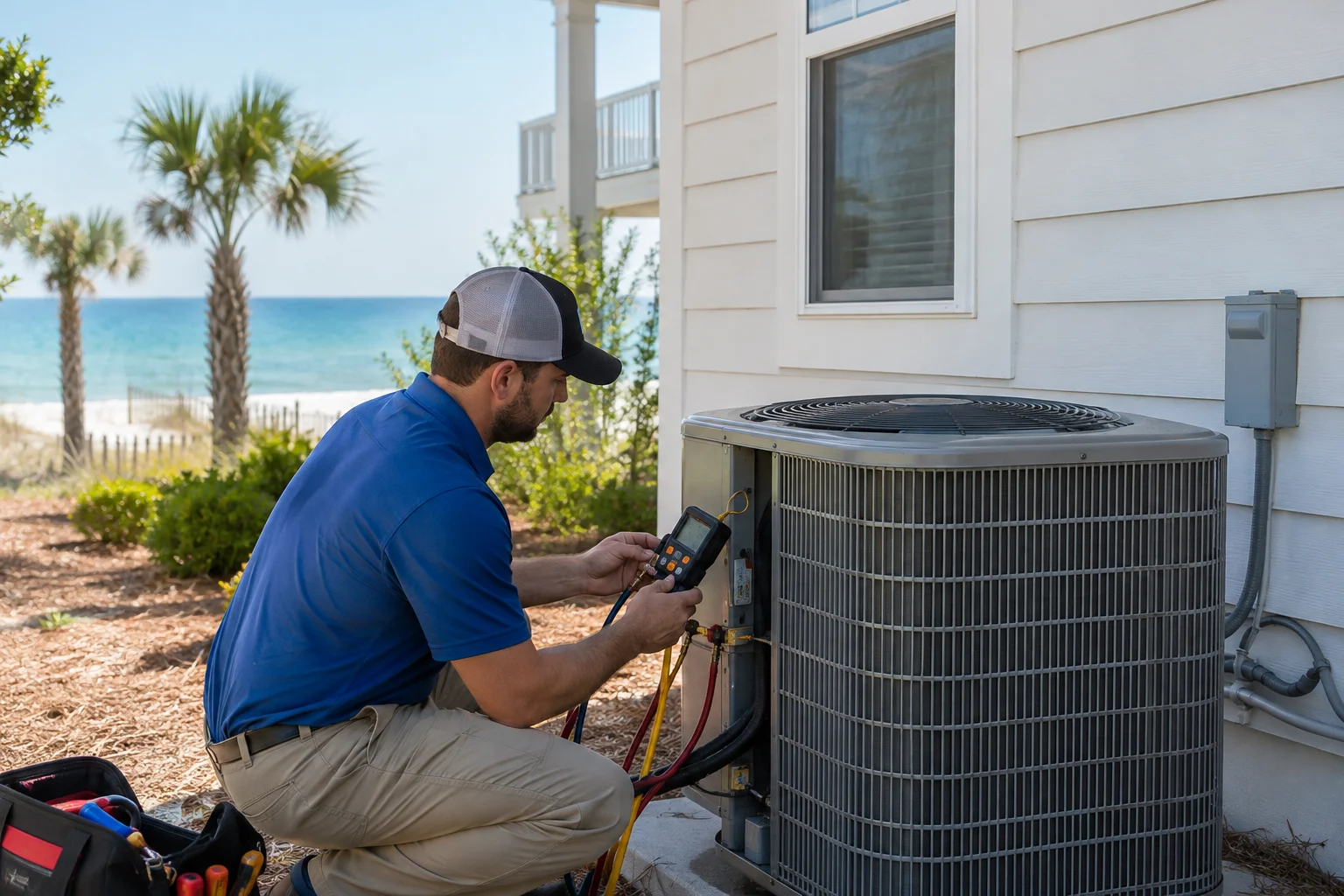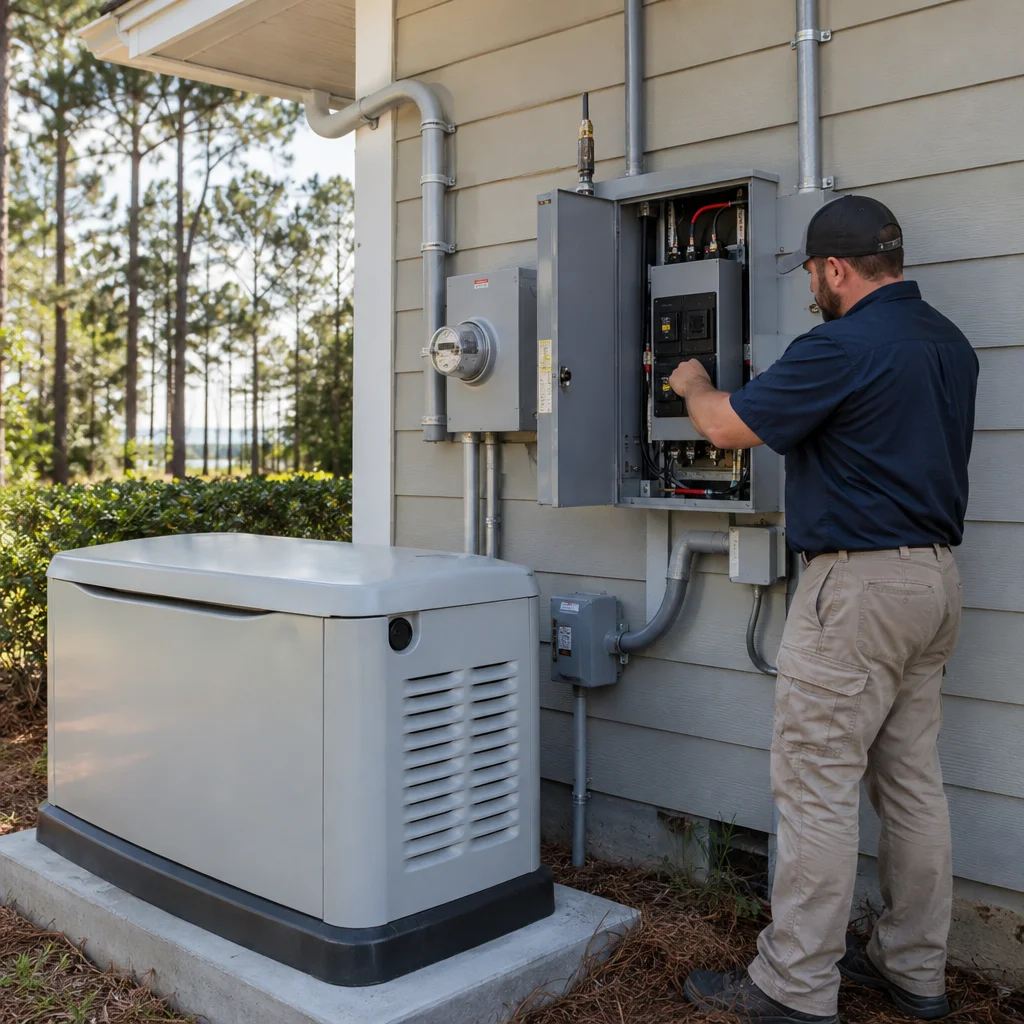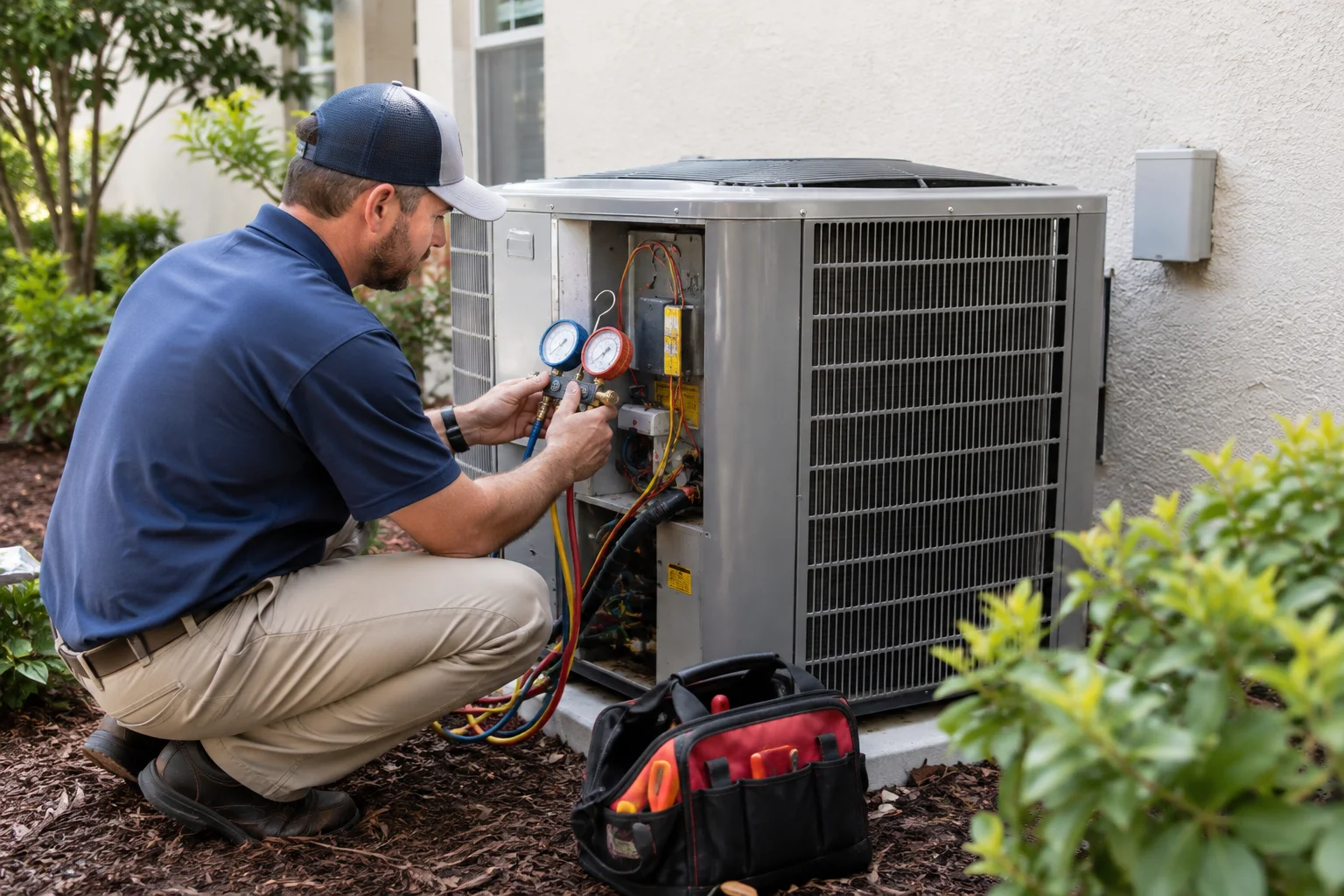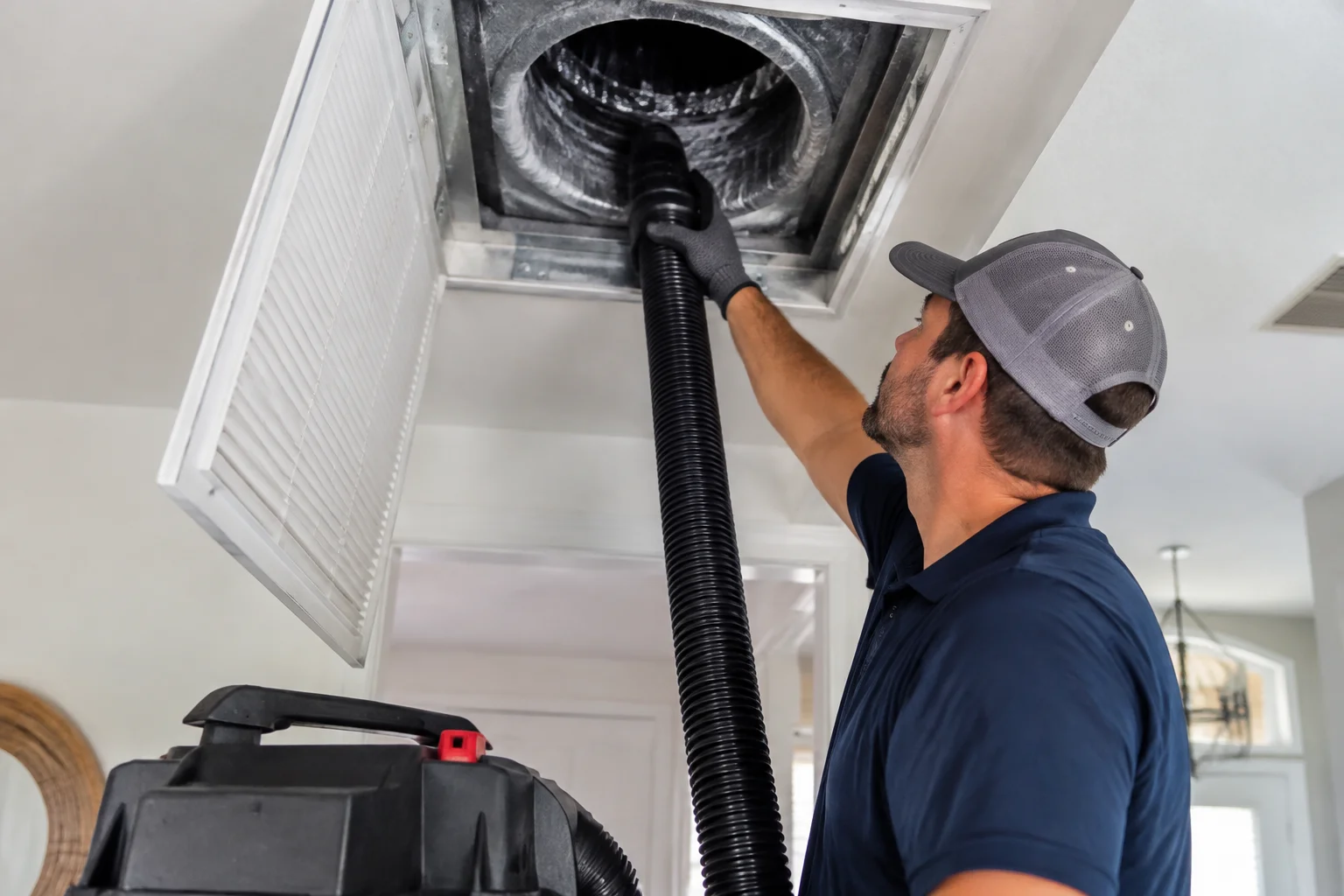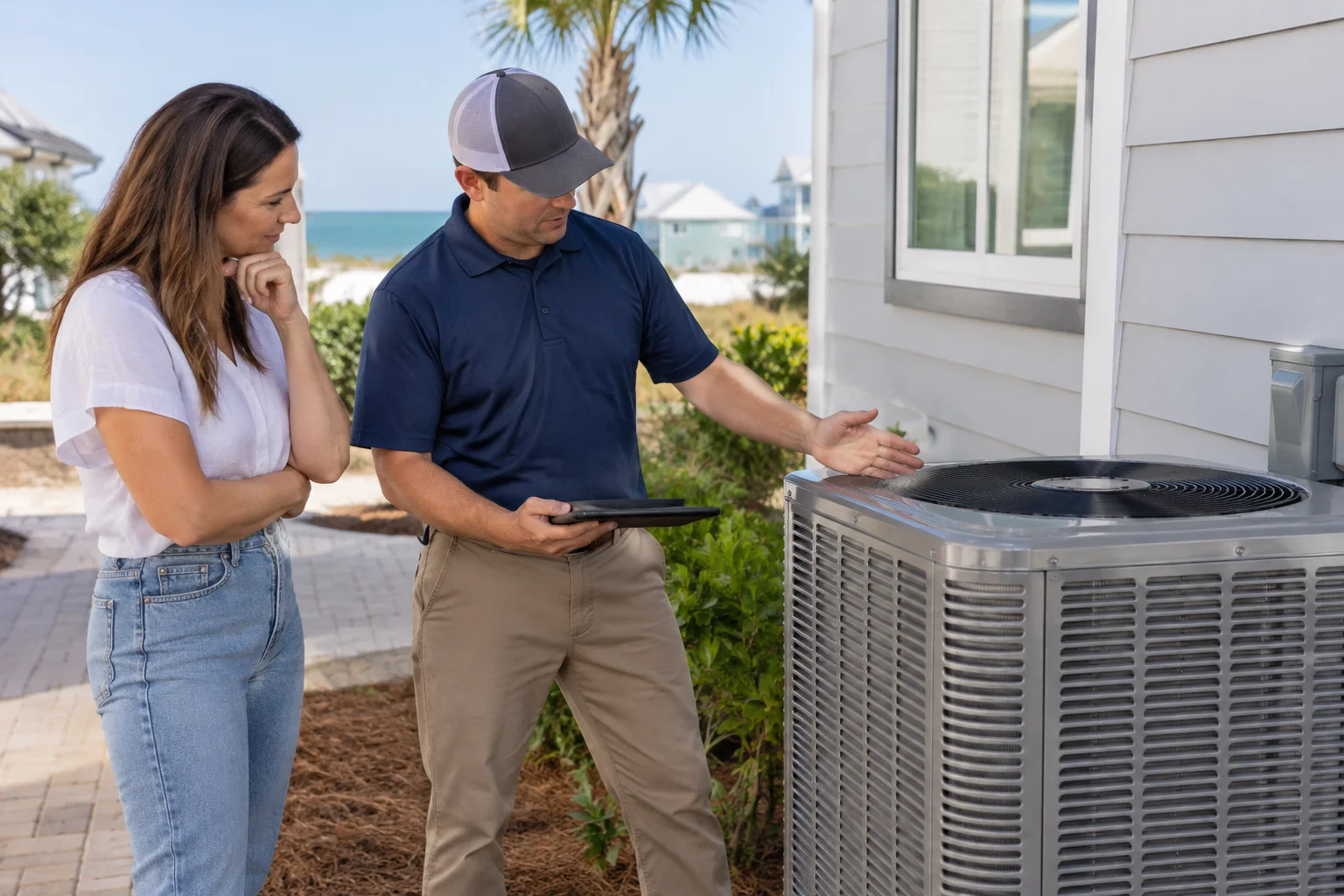
Ocean City, FL is a coastal place where HVAC systems work hard. Salt air, high humidity, and long cooling seasons can speed up wear on air conditioners, heat pumps, and ductwork. When you manage rentals or commercial spaces, you also have a second challenge: comfort and response times. Planning ahead for property management HVAC services in Ocean City, FL helps you reduce tenant disruptions, improve indoor air quality, and avoid the most stressful moments of the year.
Start with the property, not just the equipment
Before you schedule any HVAC service, take a quick inventory of each managed building. The goal is to understand how the system is being used and how air is moving through the space. Two properties can have the same age HVAC system and still behave very differently because of layout, ductwork condition, shading, insulation, and thermostat placement.
For Ocean City properties, pay attention to:
- Outdoor exposure: Coastal winds and salt air can affect outdoor units and coil condition.
- Humidity load: Florida heat plus moisture can make air feel clammy even when the thermostat says the temperature is “right.”
- Airflow pathways: Supply and return registers, duct sealing, and filter condition influence airflow and system performance.
- Condensate drainage: Clogged or poorly draining condensate lines can lead to water problems and comfort issues.
This property-first approach makes preventive HVAC maintenance more meaningful. It also helps you talk to your HVAC team with clear goals, whether you are planning AC repair, air conditioning service, ductwork service, or indoor air quality improvements.
Build a seasonal HVAC calendar for Florida’s cooling rhythm
Ocean City’s weather tends to push HVAC systems into sustained cooling mode for much of the year. A seasonal schedule reduces the chance that a minor issue becomes an emergency cooling concern.
Early spring: prepare for cooling season
Spring is a smart time to schedule HVAC service before the hottest weeks arrive. A professional technician can focus on the cooling side of the system, including airflow and refrigerant system performance, while also checking common wear points that show up after months of use.
Consider planning for:
- Air conditioning inspection near me style priorities without waiting until the first heat wave.
- Thermostat checks: Confirm proper operation and sensible placement. A thermostat that is affected by sun, drafts, or blocked returns can cause the system to short-cycle or run longer than needed.
- Airflow review: Verify that supply air reaches the right rooms and that returns are not obstructed.
- Filter and indoor air quality setup: Make sure filter type and scheduling support your humidity goals.
Mid-summer: protect performance during peak humidity
In the middle of summer, the system is fighting two battles at once: temperature control and moisture control. That is where humidity management becomes critical for comfort and for protecting ductwork and indoor surfaces.
During summer service, ask for attention to:
- Condensate drainage: Ensure the condensate drainage is clear so the system can remove moisture properly.
- Ductwork condition: Leaks or insulation issues can reduce airflow and increase humidity in the wrong places.
- Refrigerant system considerations: If the system is not cooling as expected, a licensed HVAC contractor should evaluate the refrigerant system performance on site. Avoid guessing or attempting DIY checks.
Fall and early winter: keep heating steady, too
Even though the region is known for cooling, managed properties still rely on heat pump service or heating components during cooler stretches. Fall planning also helps you catch issues before they become “start-up” problems.
Fall checks can include:
- Heat pump service readiness: Confirm that heating modes and airflow are functioning correctly.
- Airflow balance: Make sure dampers, registers, and returns are not restricting performance.
- Indoor air quality planning: If tenants report stale air, odors, or allergy symptoms, it may be time to evaluate filtration and airflow pathways.
Reduce emergency calls by documenting the system’s “normal”
Many HVAC emergencies are not true surprises. They are the result of small changes that go unnoticed until the system fails under heavy load. Property managers can reduce emergency AC repair calls by tracking a few practical indicators.
For each unit, keep notes on:
- Thermostat behavior: Does it reach setpoint quickly, or does it run continuously?
- Tenant complaints: Comfort complaints often point to airflow problems, humidity issues, or ductwork restrictions.
- Drainage and moisture: Any signs of water near the indoor unit or recurring musty smells can suggest condensate drainage concerns.
- Airflow differences room to room: Uneven comfort often ties back to ductwork, register balancing, or filter issues.
When an HVAC service technician arrives, these notes help them prioritize the right checks. That is especially valuable when homeowners search for “HVAC service near me” and you want consistent, property-specific service rather than generic troubleshooting.
Plan for ductwork and airflow long before comfort complaints start
Ductwork is where airflow problems often show up in managed homes. Even a well-running air conditioner can struggle if air cannot move where it needs to go.
Ocean City properties can also have ductwork issues related to age, renovations, or improper sealing. Humidity can make these problems feel worse, because the system may cool the air but fail to manage moisture effectively across the home.
Planning steps:
- Duct inspection near me style evaluations at scheduled intervals, especially in older rentals.
- Check for restricted returns and blocked registers: Tenants may place furniture over returns or close vents.
- Consider duct replacement or duct sealing planning: If ductwork is damaged or poorly sealed, discuss options with a professional. For homes that need targeted updates, you can explore duct replacement and related ductwork service.
If you manage different building types, it also helps to review how airflow is handled across units. This is where professional commercial HVAC service planning can matter for mixed-use or multi-tenant properties. For more context, see Why Commercial HVAC Service Matters in Ocean City Homes and Mixed-Use Properties.
Address indoor air quality as part of the maintenance plan
In coastal Florida, indoor air quality is not just about comfort. High humidity can contribute to musty odors and can worsen how indoor air feels. Dust and allergens can also show up when filters are neglected or when airflow is inconsistent.
Property managers can reduce tenant complaints by planning indoor air quality steps:
- Filter scheduling: Confirm the right maintenance interval for the property’s occupancy and air conditions.
- Humidity-aware comfort goals: If tenants say the home feels damp, do not only chase temperature. Ask your HVAC team to evaluate moisture control and airflow.
- Airflow and ventilation checks: Poor airflow can make indoor air feel stale even when the system is running.
If indoor air quality is a recurring topic, consider Indoor Air Quality Services as part of your seasonal plan. A focused approach can be especially helpful for properties where tenants change frequently and maintenance gaps are common.
Know what to watch for in air conditioners and heat pumps
Property managers often hear the same complaints from tenants: not cooling enough, hot spots in certain rooms, higher energy use, strange noises, or an odor when the system runs. While these symptoms can have multiple causes, they are still valuable warning signs.
Common cooling and humidity related symptoms
- Air feels cold at the unit but not in the rooms: Often points to airflow restrictions, ductwork issues, or blocked returns.
- System runs constantly but the home feels humid: Could be related to airflow, condensate drainage, or refrigerant system performance. A professional evaluation is needed.
- Water pooling or moisture smells: Can indicate condensate drainage problems that should be addressed promptly.
- Ice on indoor or outdoor components: This can be a sign of airflow issues or other system problems that require on-site inspection.
Heat pump specific warning signs
If your managed properties use heat pumps, watch for:
- Heating that feels weak or inconsistent: Often tied to airflow, mode control, or system performance.
- Comfort swings: Poor airflow or thermostat issues can make temperature control unpredictable.
For both air conditioners and heat pumps, refrigerant systems are not a DIY topic. If cooling or heating performance is off, a licensed technician should evaluate the refrigerant system and related airflow conditions in person.
Plan thermostat upgrades and tenant-ready settings
Thermostats are one of the easiest places for comfort problems to start. A thermostat that is misconfigured, placed in direct sun, or blocked by curtains can cause the system to cycle incorrectly. That can increase energy use and lead to unnecessary strain on the equipment.
Property managers can prevent many issues by:
- Setting consistent temperature schedules for occupied and vacant periods.
- Ensuring tenants understand basic thermostat operation and do not block vents or returns.
- Checking thermostat calibration during HVAC maintenance visits.
If a property has multiple zones or frequent tenant turnover, it can help to standardize thermostat behavior across units, then document any exceptions based on layout.
Consider ductless and zoning when layout makes airflow difficult
Some Ocean City properties have layouts where traditional ducted systems struggle. In those cases, ductless mini-splits can offer a different approach to airflow and comfort control.
If you are planning upgrades or trying to solve chronic hot or cold rooms, talk with a professional about whether ductless options fit the property. You can review Ductless Mini-Splits to understand how this approach is commonly used in managed properties.
When you should schedule HVAC repair versus system replacement
Homeowners and property managers often ask whether it is time for HVAC repair or system replacement. The honest answer is that it depends on what the technician finds in person: system condition, airflow performance, refrigerant system behavior, ductwork condition, and how the property is currently using the equipment.
Planning helps because it gives you options. If you wait until a system fails during peak humidity, you may be forced into a rushed decision. A scheduled evaluation can clarify whether repairs are appropriate or whether replacement planning should be discussed.
A licensed HVAC contractor near me can also help you coordinate decisions across multiple properties in a way that reduces downtime for tenants. For property managers looking at budgeting and timing, this guide may help: A Homeowner’s Guide to Better HVAC Financing in Ocean City, FL.
How to choose a local HVAC company for managed properties
When you are managing multiple homes, you need consistency. That means clear communication, documented service notes, and a technician who understands coastal humidity and airflow challenges.
Look for a provider that:
- Offers property management HVAC services designed for rentals and managed homes.
- Can address AC repair, air conditioning service, heat pump service, ductwork, and indoor air quality planning.
- Focuses on preventive HVAC maintenance rather than only emergency fixes.
- Works across Ocean City and across Okaloosa County, so you can keep service consistent across nearby properties.
If you manage commercial spaces too, you may also want to review Commercial HVAC Installation for planning around system performance and comfort expectations.
Emergency cooling concerns: plan now so you are not scrambling later
During a sudden heat wave, an air conditioner that is struggling with airflow, humidity control, or drainage can fail when it is needed most. That is when tenants call, and property managers feel the pressure. Emergency AC repair near me searches increase during peak demand, so proactive scheduling matters.
Use these steps to reduce emergency situations:
- Create a service workflow: Know who receives tenant calls, what information to collect, and which units are priority.
- Keep maintenance records: Service history helps technicians troubleshoot faster on site.
- Plan for filters and access: Many delays come from missing filters, blocked indoor access, or unclear thermostat settings.
- Schedule in advance: Preventive HVAC maintenance near me searches are busiest before peak summer. Planning earlier helps avoid gaps.
When you need help for a specific property, you can connect directly to A Superior Mechanical’s property management HVAC services for Ocean City. If you manage properties in nearby areas, you can also compare how planning differs across the region, including guidance like A Homeowner’s Guide to Property Management HVAC Services in Santa Rosa Beach and A Practical Look at Property Management HVAC Services for Local Property Owners in Sandestin, FL.
Practical checklist you can use for each managed property
If you want a simple way to plan ahead, use this checklist to guide what you track and what you schedule with your HVAC team.
Before the next cooling season
- Confirm each system’s service date and last inspection history.
- Review tenant comfort complaints from the prior season.
- Check thermostat settings and ensure tenants understand basic use.
- Plan an air conditioning inspection that includes airflow and indoor comfort evaluation.
- Verify condensate drainage is functioning properly during cooling mode.
During peak humidity months
- Monitor recurring issues such as persistent dampness, musty odors, or uneven airflow.
- Schedule duct inspection when certain rooms are consistently uncomfortable.
- Address indoor air quality concerns with a targeted approach, not just temperature changes.
Before cooler weather arrives
- Schedule heat pump service or heating system checks as needed.
- Review airflow and filter practices to maintain steady indoor air quality.
- Plan any ductwork improvements so the home stays comfortable year-round.
For managed properties, a plan is also a communication tool. It helps tenants feel heard, reduces repeat problems, and keeps your HVAC budget more predictable by addressing issues before they turn into emergency cooling concerns.
Ocean City’s coastal climate makes HVAC service more than a seasonal chore. With the right schedule, attention to airflow and condensate drainage, and professional evaluations of refrigerant system performance when needed, property managers can keep homes comfortable and protect indoor air quality through Florida’s humidity-heavy months.
Find Property Management HVAC Services in Ocean City, FL
If you need Property Management HVAC Services in Ocean City, FL, visit our local service page or contact A Superior Mechanical today.
Map of Ocean City, FL
Frequently Asked Questions
What is the best time of year to schedule preventive HVAC maintenance for Ocean City rentals?
Spring is a common starting point because it prepares systems for the cooling season. A mid-summer check can also help address humidity and airflow issues before they become tenant complaints or emergency cooling concerns.
How do humidity and salt air in Ocean City affect air conditioners and heat pumps?
High humidity makes moisture control harder, and salt air can contribute to faster buildup on components. That can impact comfort and performance, so scheduled inspections that focus on airflow, condensate drainage, and system behavior are especially valuable.
If tenants say the home is not cooling, should we adjust the thermostat or call for HVAC repair near me?
Start by confirming thermostat settings and whether vents or returns are blocked. If cooling is still inconsistent, it is best to schedule air conditioning service. A professional evaluation can check airflow, ductwork, condensate drainage, and refrigerant system performance in person.
Can ductwork problems cause higher energy use even if the system seems to run normally?
Yes. Leaks, poor sealing, or restricted airflow can reduce comfort and force the system to run longer. Duct inspection and ductwork service can help address airflow issues that affect both comfort and energy use.
When should we consider system replacement instead of repair?
It depends on the system’s condition and what a technician finds during an on-site evaluation, including airflow, indoor comfort performance, and refrigerant system behavior. A licensed HVAC contractor can explain whether repairs are appropriate or whether replacement planning should be discussed for that specific property.
Related Articles
- Why Commercial HVAC Service Matters in Ocean City Homes and Mixed-Use Properties
- A Homeowner’s Guide to Better HVAC Financing in Ocean City, FL
- A Homeowner’s Guide to Property Management HVAC Services in Santa Rosa Beach
- A Practical Look at Property Management HVAC Services for Local Property Owners in Sandestin, FL
Photo Gallery