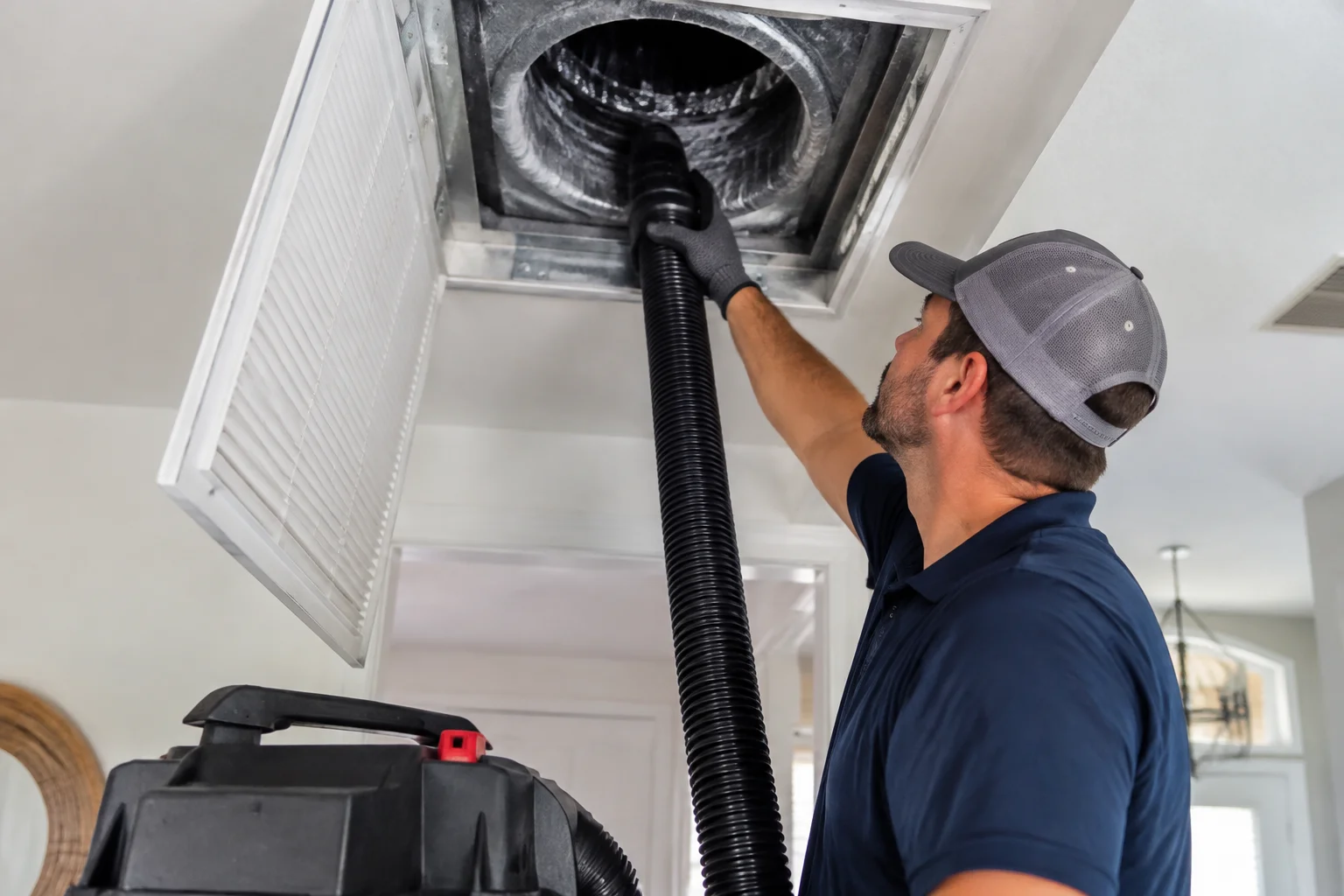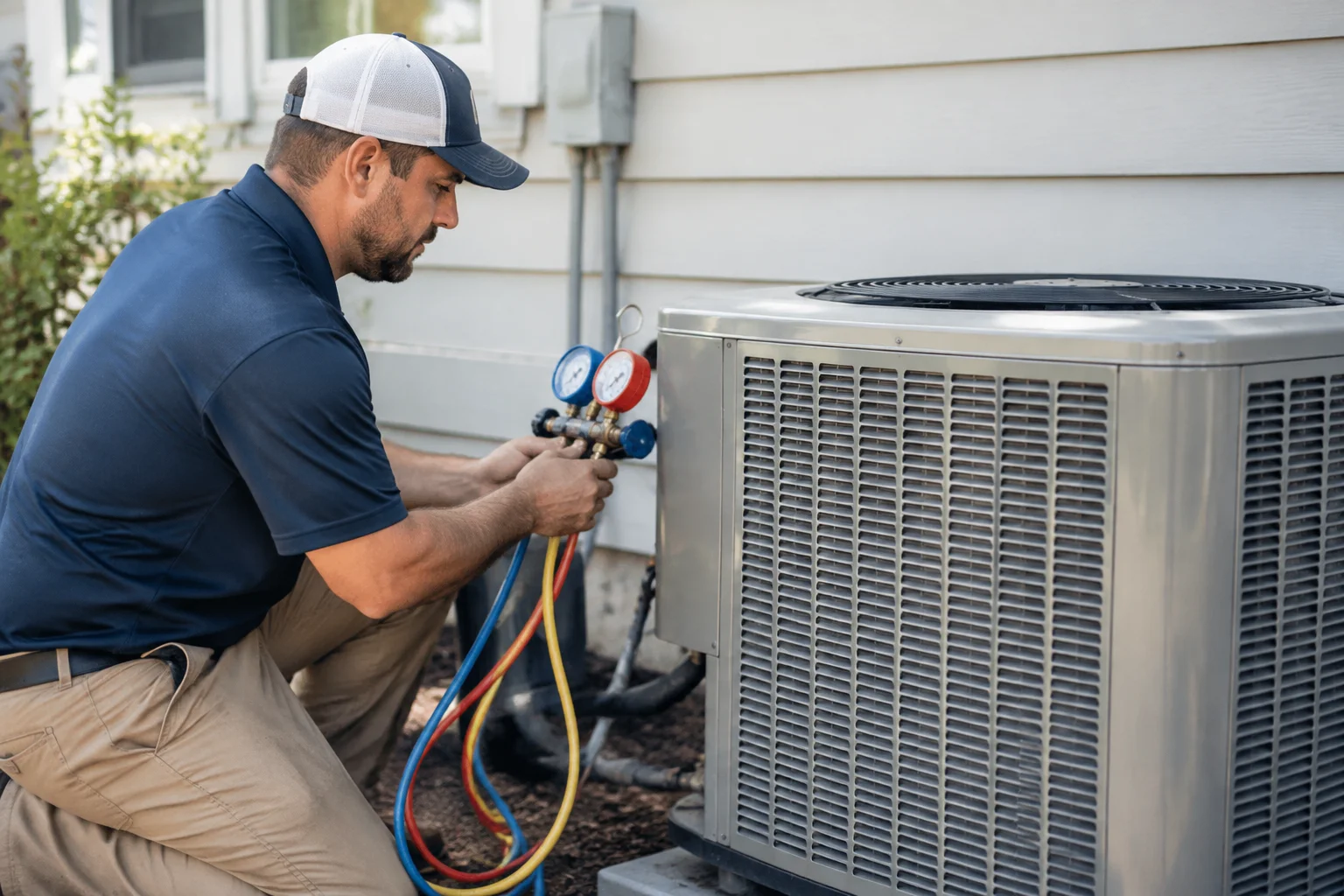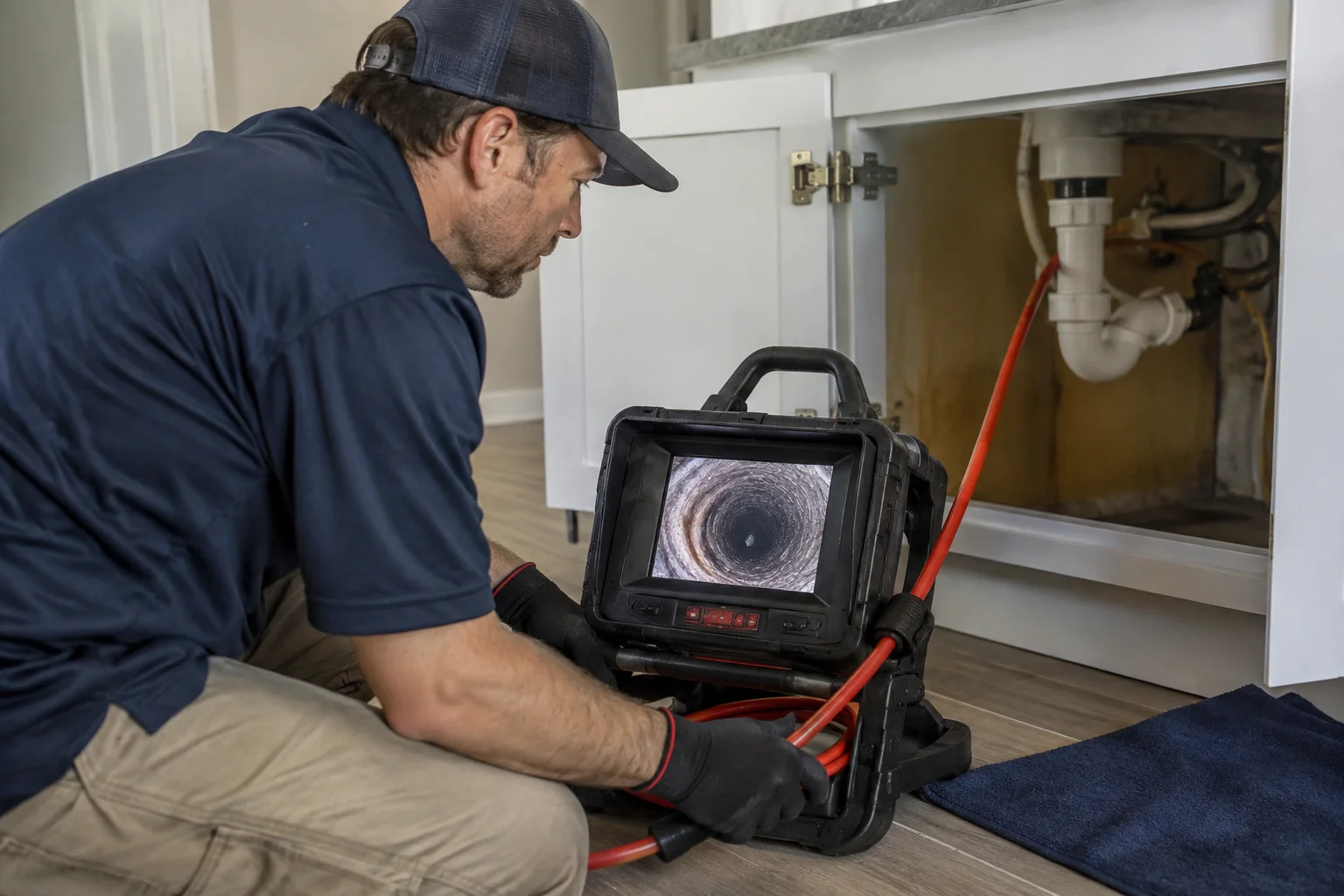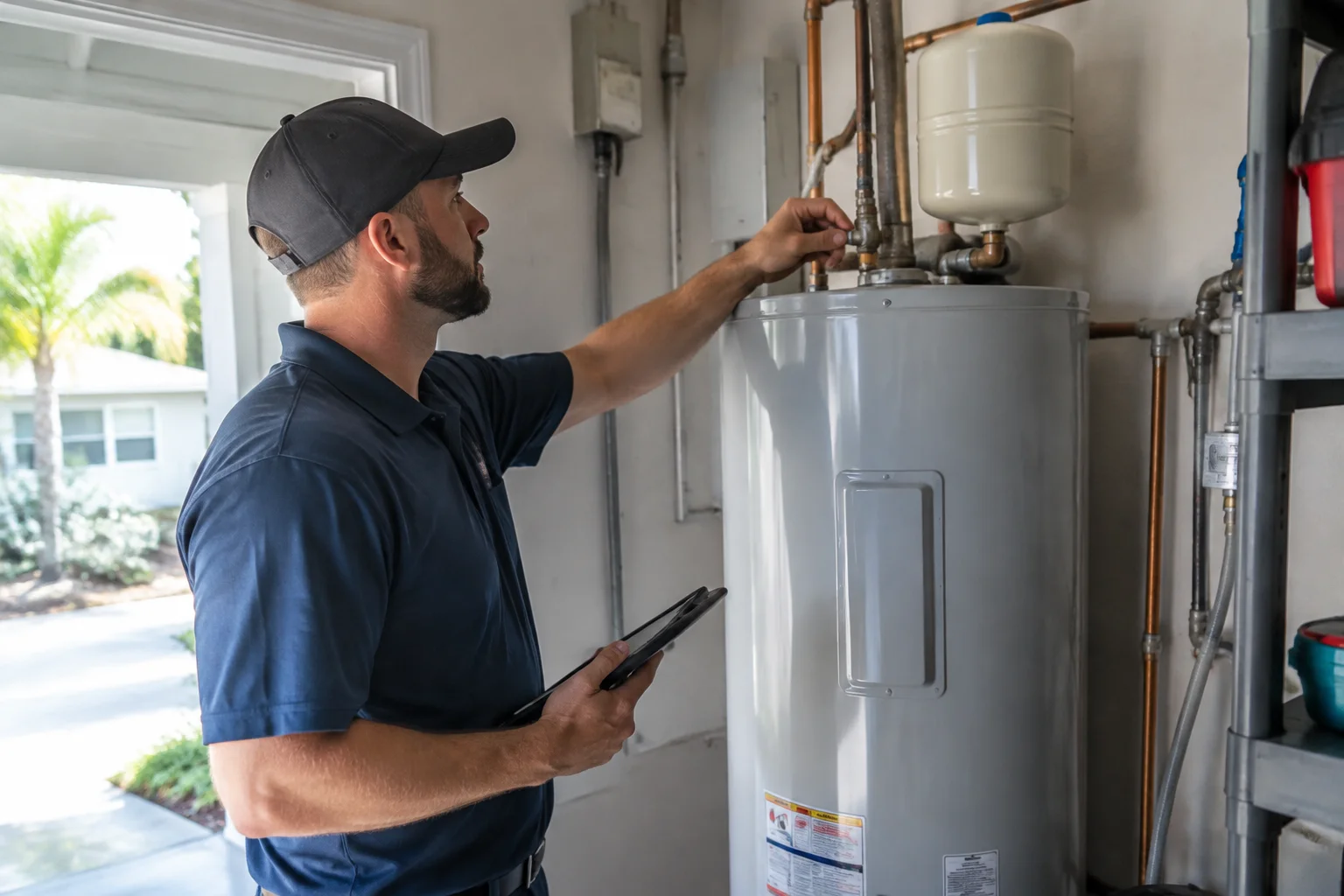
Rosemary Beach is beautiful, but the coastal mix of Florida heat, high humidity, and salt air can be hard on HVAC systems and the ductwork that delivers conditioned air. When ducts have leaks, poor connections, or hidden moisture issues, your air conditioning service has to work harder, your home can feel uneven, and indoor air quality can suffer. A practical duct inspection routine, paired with professional HVAC help, is one of the most reliable ways to protect everyday comfort.
If you are searching for duct inspection in Rosemary Beach, FL, this guide will help you understand what to check, what it means, and how it connects to airflow, energy use, condensate drainage, and refrigerant systems.
Why duct inspection matters more in Rosemary Beach than you might expect
Ductwork is the bridge between your HVAC equipment and every room in your home. Even if your air conditioner or heat pump is in good shape, problems in the ducts can create comfort problems that feel like “AC repair” is needed. In a humid coastal climate like Rosemary Beach, duct issues can also contribute to moisture concerns that affect indoor air quality.
Common factors that make duct inspection especially valuable locally include:
- Florida humidity that can increase condensation risk on cool duct surfaces.
- Salt air that can accelerate corrosion at metal joints, registers, and fasteners.
- Heat-driven airflow demands when the thermostat calls for cooling more often.
- Airflow restrictions from dust buildup, debris, or duct sagging.
When ducts are not performing as intended, your system may run longer to reach the temperature you set on your thermostat. That can raise energy use and increase wear on the components that make cooling and heating possible.
Start with a quick homeowner duct check you can do today
You do not need special tools to spot many duct problems. These simple observations help you decide whether to schedule professional ductwork inspection or focus on routine maintenance.
1) Scan for airflow imbalance room by room
Walk through your home while the system runs. Pay attention to:
- Rooms that feel consistently warmer or cooler than the rest.
- Registers that blow weakly compared to others.
- Rooms far from the air handler that never seem to “catch up.”
Uneven airflow can point to duct leakage, poor balancing, disconnected sections, or restrictions. It can also be mistaken for thermostat issues, but ducts are often the real culprit.
2) Look at return air and filter areas
Return air is just as important as supply air. Check:
- Whether return grilles are blocked by furniture, curtains, or rugs.
- Whether filters are installed correctly and not overly clogged.
- Whether you notice dust collecting near return openings.
Restricted return airflow can cause the system to pull air poorly, which affects cooling performance and can worsen indoor air quality.
3) Check for visible gaps at registers and seams
Carefully inspect visible duct connections around registers, transitions, and accessible sections. You are looking for:
- Gaps around trim kits or wall penetrations.
- Loose joints, disconnected sections, or separated tape seams.
- Signs of airflow blowing dust.
Some leaks are obvious. Others are hidden inside walls, ceilings, and crawl spaces, which is why professional duct inspection is often the only way to fully confirm the cause.
4) Watch for moisture clues that could connect to ductwork
In humid weather, moisture matters. While condensate drainage problems can involve more than ducts, duct inspection can still reveal clues such as:
- Musty odors when the system starts.
- Discoloration on nearby drywall or insulation.
- Visible condensation on duct surfaces in attics, closets, or crawl spaces.
If you suspect moisture, treat it seriously. Moisture and poor airflow can contribute to indoor air quality issues that affect people with allergies or sensitivities.
What causes duct issues in coastal Walton County homes?
Duct problems typically develop over time. In Rosemary Beach, a few patterns show up more often because of climate and housing style.
Humidity and temperature swings
Air conditioning cools air and duct surfaces. When humidity is high, condensation can form if insulation is missing, damaged, or compressed. Over time, that moisture can affect surrounding materials and increase the risk of microbial growth if the system does not dry properly.
Salt air and corrosion at joints
Salt air can accelerate corrosion on metal components. That can lead to small leaks at seams or connections that may not be noticeable until the system runs under heavy load during peak summer.
Duct movement in attics and crawl spaces
Florida homes can experience seasonal expansion and contraction. If ducts are not firmly secured, they can sag or shift. Even a small change in alignment can reduce airflow, increase noise, or create leaks.
Renovations and “hidden” duct alterations
Some duct problems appear after remodels, attic storage changes, or insulation upgrades. New materials can compress ducts, cover sections, or alter airflow paths. If your home feels different after construction, duct inspection can help confirm whether ductwork was affected.
How duct inspection connects to AC repair, heat pump service, and refrigerant systems
Homeowners often call for HVAC repair near me because the system is not cooling evenly or seems to run constantly. Ductwork issues can mimic equipment problems, and that is why duct inspection should be part of the troubleshooting process.
Here is how the pieces connect:
- Airflow affects cooling performance. If ducts deliver less air, the system may struggle to maintain the temperature set on your thermostat.
- Restricted airflow can stress components. When airflow is reduced, the system has to work harder under the same thermostat demand.
- Moisture concerns can overlap with drainage. Condensate drainage issues can create moisture where it should not be. Duct inspection can help identify whether moisture is related to duct surfaces, insulation, or air leaks.
- Refrigerant systems rely on correct airflow. Refrigerant performance is influenced by airflow across the indoor coil and air movement through the home. If ducts restrict airflow, it can contribute to symptoms that look like refrigerant problems. A professional should evaluate the system in person before any refrigerant diagnosis is made.
If you are considering heat pump services in Rosemary Beach, duct inspection is especially helpful because heat pumps also depend on airflow for comfort in both cooling and heating seasons.
Simple habits that make duct inspection more useful all year
Inspection works best when you pair it with daily and seasonal habits. These routines can reduce the chance of duct problems turning into a mid-summer emergency cooling concern.
Keep the thermostat settings realistic for humidity
A thermostat controls comfort, but it cannot fix duct leaks or airflow restrictions. If the home struggles to reach your set temperature during humid afternoons, that can be a sign of ductwork problems, an air handler issue, or both. Use your thermostat to observe patterns: does the problem happen in every room, or only certain areas?
Change filters on schedule and check for correct fit
A dirty or poorly fitted filter can reduce airflow and increase dust inside the system. That dust can contribute to buildup in ducts and registers, which can worsen airflow over time and affect indoor air quality. If you are searching for AC tune up near me, ask whether filter and airflow checks are included in the service plan.
Keep supply and return vents clear
Registers should not be blocked. In coastal homes, it is common to decorate or rearrange furniture seasonally. A quick check helps prevent airflow restrictions that can lead to comfort complaints.
Pay attention to smells and dust patterns
Musty odors, dust that seems to appear quickly, or visible dust near registers can point to airflow leaks or moisture-related issues. Those clues help a technician focus the inspection.
Do a “season start” duct walk-through
Before peak summer, take 10 minutes to compare airflow from room to room. If you notice changes from last season, it is a good time to schedule professional ductwork evaluation. This approach also supports preventive HVAC maintenance, which can help reduce unexpected breakdowns.
When duct sealing near me is not enough: knowing the limits
Many homeowners search for duct sealing near me when they notice leaks or drafts. Sealing can help, but it is not always the full solution. Duct inspection should identify:
- Where leaks are located and how much they affect airflow.
- Whether insulation is damaged or missing.
- Whether the duct layout is creating pressure imbalances between supply and return.
- Whether moisture is present and needs a targeted fix.
Sealing without inspection can hide problems instead of addressing them. A professional duct inspection helps confirm what needs attention and what should be left alone.
How professional duct inspection is typically approached
Professional duct inspection usually starts with a careful look at the system layout, airflow behavior, and visible ductwork. Technicians may also check connections, insulation condition, and how air moves through the home. The goal is to connect symptoms to the duct system, not just to the thermostat settings or the outdoor unit.
If you are dealing with uneven cooling, persistent humidity, or indoor air quality concerns, a thorough inspection can help determine whether the issue is primarily ductwork, the HVAC system, or a combination.
For homeowners in Rosemary Beach and nearby areas, you can review duct inspection services from A Superior Mechanical. If you want to understand the broader service area, visit Walton County HVAC services as well.
Common duct-related symptoms that deserve attention
These are the situations homeowners in Rosemary Beach often notice. They are not always caused by ductwork, but they are strong reasons to investigate airflow and duct performance.
- Rooms feel hot even when the thermostat is set correctly.
- Air feels weak from certain vents while other vents seem normal.
- More energy use than expected during peak summer, especially when cooling runs longer.
- Dust buildup near registers or on return grilles.
- Musty odors or allergy-like symptoms that seem to worsen when the system runs.
- Condensation signs on accessible duct surfaces or insulation.
If you are searching for HVAC repair near me because of these symptoms, duct inspection can help prevent misdiagnosis and unnecessary parts changes. It also supports informed decisions if you are considering duct replacement near me or broader system replacement in the future.
Preventive HVAC maintenance habits that support indoor air quality
Indoor air quality is a frequent concern in coastal Florida. Ductwork affects how air is distributed, how dust and allergens travel, and how moisture is managed. Better duct inspection supports healthier airflow patterns and can complement other steps like filtration.
If you want to pair duct inspection with air cleaning options, consider Air Filtration & Purifiers. For context on how HVAC wear changes the air you breathe, read How HVAC Wear and Tear Changes the Air Inside Rosemary Beach Homes.
How to decide between duct-focused fixes and broader HVAC planning
Sometimes ducts are the main issue. Other times, duct problems are symptoms of a bigger airflow or system performance challenge. A professional evaluation helps you sort that out without guessing.
Choose duct-focused inspection when symptoms point to distribution problems
If the main complaints involve uneven temperatures, weak airflow at specific vents, or visible duct gaps, duct inspection often provides the clearest path forward.
Consider broader HVAC planning when the system struggles under demand
If the system runs constantly during high heat, struggles to recover after thermostat adjustments, or you have repeated comfort complaints across many rooms, it may be time to evaluate the full HVAC setup. This includes airflow, thermostats, condensate drainage, and how the refrigerant system behaves under load. A technician should evaluate the system in person before any refrigerant diagnosis or equipment replacement is recommended.
If you are thinking about long-term improvements, you may also find value in Smart HVAC Planning for Rosemary Beach Homes: Comfort, Airflow, and Coastal Protection.
When to call A Superior Mechanical for duct inspection in Rosemary Beach
Call a licensed HVAC contractor for duct inspection when you notice patterns that persist across days, not just one-off glitches. It is especially important if you have:
- Uneven cooling that does not improve after routine filter checks.
- Visible duct damage, loose connections, or gaps you cannot safely address.
- Moisture clues such as condensation or musty odors near duct runs.
- Indoor air quality concerns that seem to worsen when the system runs.
- Emergency cooling concerns during peak summer when you cannot rely on the system to keep up.
Professional duct inspection helps homeowners make better decisions about duct sealing, duct replacement, heat pump service, air conditioning service, and preventive HVAC maintenance. It also helps avoid the frustration of treating symptoms while the root cause sits in the ductwork.
If you are looking for licensed HVAC contractor near me duct inspection support in Rosemary Beach, start with A Superior Mechanical duct inspection. For homeowners comparing options across the area, you can also explore Rosemary Beach HVAC services and related solutions like Duct Replacement and Ductless Mini-Splits.
For additional preventive maintenance context, these reads can help you connect duct inspection to overall system health: Why Preventive HVAC Service Matters for Duct Inspection in Miramar Beach Homes and Why Better HVAC Maintenance Makes Duct Inspection More Useful for Lynn Haven Homes.
Find Duct Inspection in Rosemary Beach, FL
If you need Duct Inspection in Rosemary Beach, FL, visit our local service page or contact A Superior Mechanical today.
Map of Rosemary Beach, FL
Frequently Asked Questions
How often should Rosemary Beach homeowners schedule duct inspection?
Many homeowners benefit from a duct inspection when they notice uneven airflow, persistent dust, musty odors, or comfort changes that do not match normal filter and thermostat behavior. A seasonal check before peak cooling can also be helpful, especially in Florida humidity and salt-air conditions.
Can duct problems make my air conditioner seem like it needs AC repair?
Yes. Leaks, disconnected sections, or airflow restrictions can cause weak cooling, uneven temperatures, and longer run times. Those symptoms can look like equipment problems, so an in-person duct inspection helps confirm what is actually limiting airflow.
What moisture signs should I watch for around ductwork in humid coastal weather?
Look for condensation on accessible ducts, discoloration on nearby insulation or drywall, and musty smells that appear when the system runs. Moisture can connect to airflow and condensate drainage behavior, so it is worth having ducts inspected.
Is duct sealing always the right fix?
Not always. Duct sealing can help when leaks are confirmed, but the best approach depends on where leaks are located, whether insulation is damaged, and whether supply and return airflow are balanced. Professional duct inspection should guide the solution.
Will duct inspection help indoor air quality?
It can. When ducts deliver air as intended and return airflow is not restricted, dust and allergens are less likely to collect in problem areas. Duct inspection can also identify moisture-related concerns that affect indoor air quality.
Related Articles
- Smart HVAC Planning for Rosemary Beach Homes: Comfort, Airflow, and Coastal Protection
- How HVAC Wear and Tear Changes the Air Inside Rosemary Beach Homes
- Why Preventive HVAC Service Matters for Duct Inspection in Miramar Beach Homes
- Why Better HVAC Maintenance Makes Duct Inspection More Useful for Lynn Haven Homes
Photo Gallery