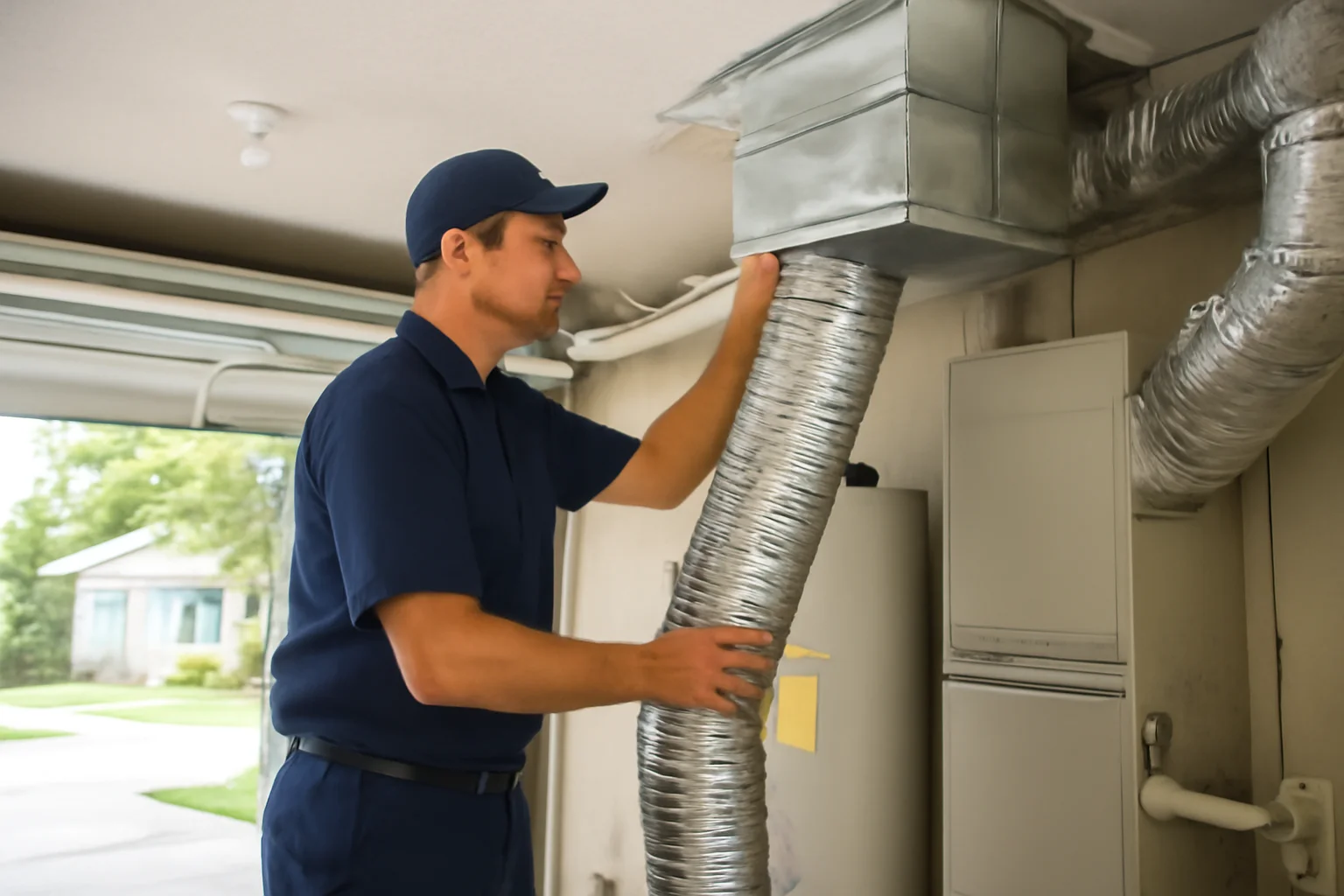
30A homes are built for beach life, but the same coastal conditions that make the area special can wear down HVAC performance. High humidity, frequent heat cycles, and salt-laden air can stress ductwork and the airflow pathways your system depends on. Planning duct replacement ahead of a mid-summer breakdown is one of the most practical ways to protect everyday comfort, reduce indoor air quality problems, and keep your AC or heat pump operating as intended.
If you are searching for duct replacement 30A or duct replacement near me, this guide walks you through a homeowner-friendly planning checklist. It also explains why professional ductwork work matters in Walton County, especially when airflow, refrigerant systems, and condensate drainage all interact with duct performance.
Why duct replacement planning matters more on 30A than “later”
In many parts of Florida, ductwork issues show up as comfort complaints. On 30A, the issues can escalate faster because the climate is demanding year-round. Warm, humid air loads the system heavily. Salt air can corrode metal components over time. And repeated cooling cycles can reveal weaknesses in airflow design, sealing, and insulation.
Ductwork is not just a set of tubes. It is the delivery system for conditioned air from your air handler or furnace to every room. When duct sealing fails, duct sections sag, or connections leak, the system may compensate by running longer. That affects energy use, increases wear on the blower and motor, and can contribute to poor temperature balance that feels like “AC repair near me” is always needed.
Planning duct replacement ahead of peak cooling season also reduces the chance that you will be stuck relying on emergency cooling. If airflow is compromised, the indoor environment can become uncomfortable quickly when temperatures climb.
Common duct problems that show up as everyday HVAC reliability issues
Homeowners often notice duct problems indirectly. A few patterns are especially common in 30A homes, including older builds, renovations, and properties that have been used as vacation rentals.
Rooms that never quite match the thermostat
If your thermostat reads correctly but some rooms stay too warm or too cool, the issue can be duct leakage, poor airflow distribution, or ductwork that has been modified over time. Even small leaks can change pressure and airflow balance.
Humidity that lingers even when the AC “runs”
Florida humidity is tough. When ductwork leaks or poorly insulated sections sweat, conditioned air can be lost before it reaches the living space. That can leave the home feeling clammy. In some cases, condensate drainage and airflow patterns also become less reliable because airflow across coils and in supply pathways is not behaving as designed.
Musty odors or uneven air quality
Leaky ducts can pull in attic air, crawlspace air, or dust-laden air from other areas. That can worsen indoor air quality. If you are dealing with allergies, frequent dust, or lingering odors, duct inspection and indoor air quality testing can help determine whether ductwork is part of the problem. For many homeowners, indoor air quality testing pairs well with duct inspection near me.
Whistling, rattling, or noticeable airflow changes
Loose connections, damaged flex duct, or duct sections that have been crushed during renovations can create noise and airflow restrictions. Restriction can also force the blower to work harder, which is one reason preventive HVAC maintenance matters.
What causes duct deterioration in coastal Walton County?
Duct replacement planning becomes easier when you understand what is driving the wear. In 30A, the causes are often a mix of climate, building materials, and installation details.
Humidity and condensation in attics and crawlspaces
When duct insulation is inadequate or duct sealing is failing, moisture can condense on cooler duct surfaces. Over time, that can contribute to microbial growth concerns and can degrade insulation. Moisture problems can also travel into adjacent framing materials.
Salt air and corrosion of metal duct components
Coastal salt air can accelerate corrosion, especially on older metal ductwork, fasteners, and joints. While not every home shows visible rust, performance issues can still develop through joint deterioration and leaks.
Airflow disruption from aging or renovation work
Renovations, added ceilings, and changes to room layouts can unintentionally create tight bends, crushed sections, or poorly sealed transitions. Vacation rentals can also experience high turnover of HVAC settings, which can reveal distribution problems sooner.
Leaky joints and insufficient duct sealing
Many homeowners search for “duct sealing near me” because they want comfort improvements without full replacement. Sometimes sealing and repairs help. Other times, ductwork has deteriorated enough that replacement is the more reliable long-term solution. A professional evaluation can clarify which approach fits your system and your home.
How duct performance affects your refrigerant system, airflow, and comfort
Ductwork performance influences how your refrigerant system cycles and how effectively it removes heat and humidity. While ducts are not where refrigerant flows, they strongly affect the conditions around the indoor coil and the distribution of cooled air.
When airflow is restricted or uneven, the system can struggle to deliver consistent comfort. That can lead to longer run times, temperature swings, and increased stress on components that rely on stable airflow. It can also complicate troubleshooting because symptoms can look like an AC repair issue even when the underlying cause is duct-related.
For homeowners, this is why planning duct replacement with a local HVAC contractor matters. You want someone who understands how ductwork, airflow, thermostats, and condensate drainage work together in real homes, not just in theory.
Start with a duct inspection, not a guess
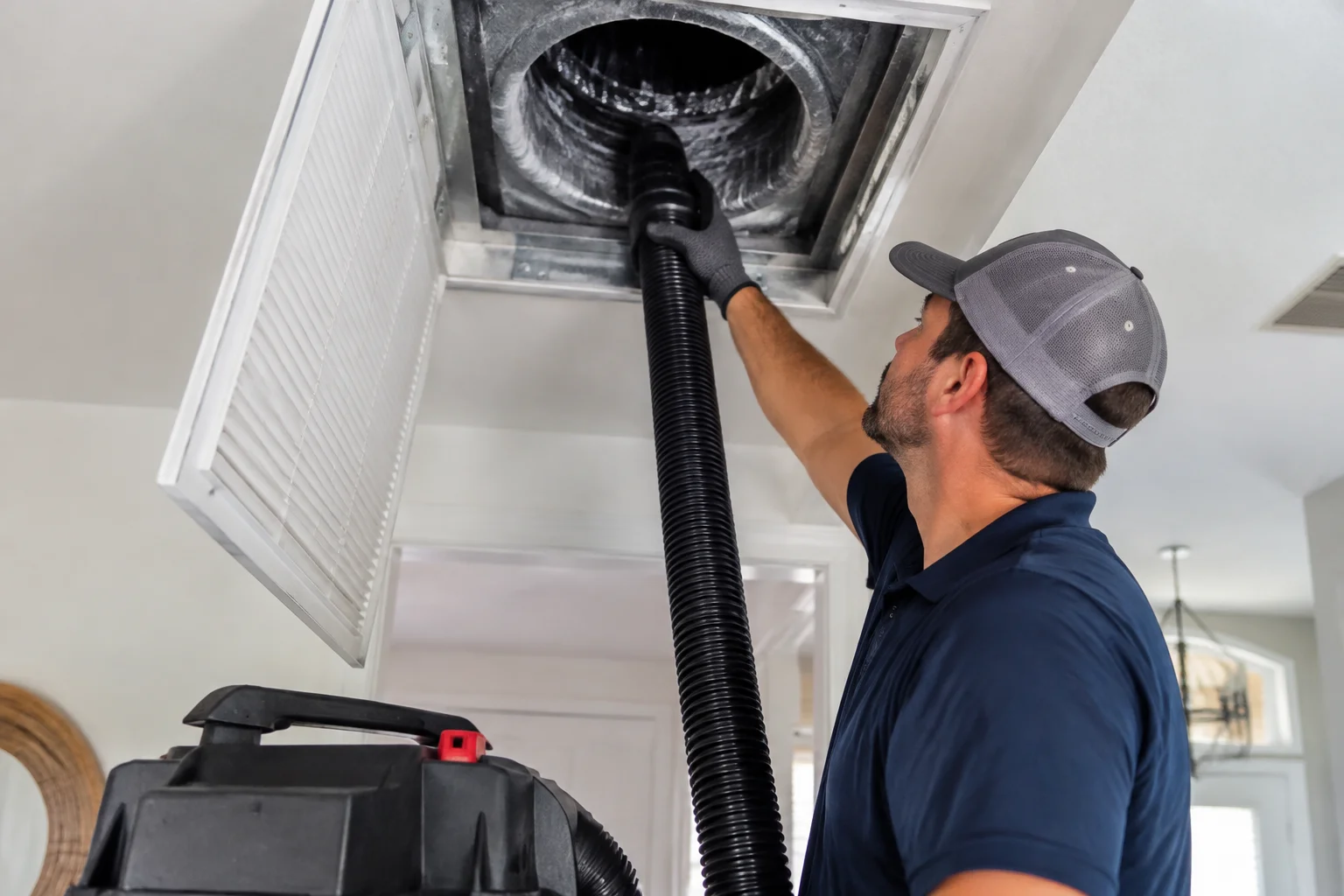
If you suspect duct problems, the planning step is a proper duct inspection. A thorough inspection helps identify where airflow is being lost, where leaks exist, and whether insulation and connections are holding up. It also helps determine whether duct sealing repairs are likely to help or whether replacement is the better path.
When you are looking for duct inspection, ask about how they evaluate airflow pathways and connections. Also ask how they consider attic or crawlspace conditions that are common on 30A, including humidity levels and coastal exposure.
To support comfort and health goals, homeowners often pair duct inspection with indoor air quality testing, especially if symptoms include dust, musty odors, or persistent allergy triggers.
Timing duct replacement around Florida’s cooling season
Planning ahead helps you avoid the busiest weeks when the area is full of summer visitors and temperatures are consistently high. For duct replacement, the “best time” is often when your schedule is flexible and before the hottest stretch begins. That reduces the odds of needing emergency cooling.
Even so, duct replacement planning should consider your comfort needs. If your system is already struggling, waiting too long can leave you without reliable cooling. If you notice worsening airflow, rising humidity, or increasing temperature imbalance, treat it as a reliability issue, not just an inconvenience.
If you are trying to coordinate duct replacement with other HVAC tasks, you may also want to review preventive maintenance and system checks. Homeowners searching for why preventive HVAC service pays off for air conditioning repair in 30A, FL often find it easier to plan replacements and avoid compounding problems.
Build a homeowner checklist for your duct replacement project
Before the contractor arrives, gather details that can speed up decision-making. This is also helpful if you manage a vacation rental and need to minimize downtime.
Document symptoms and when they happen
Write down when the problem is most noticeable: only on the hottest afternoons, during humid evenings, or after certain thermostat settings. Note whether some rooms are always off or if the issue changes by season.
Confirm thermostat behavior and scheduling
Thermostats can mask problems. Make sure the thermostat is operating as expected and that schedules are accurate. If you are considering a more modern control, it can help with comfort management. For homeowners exploring upgrades, review Smart Thermostats to understand how better control can support consistent indoor comfort, even when ductwork is being addressed.
Check for moisture clues near vents and access points
Look for discoloration, damp insulation, or unusual odors near registers, return grilles, and attic access areas. If you see visible moisture issues, mention them during your duct inspection. Duct replacement planning should account for moisture control and insulation quality.
Review condensate drainage performance
Condensate drainage is part of the overall cooling reliability picture. If the indoor unit drains slowly, backs up, or shows signs of overflow, it can create comfort and humidity problems. A professional HVAC evaluation can connect the dots between airflow, coil performance, and drainage behavior without guessing.
Plan for airflow balance during and after replacement
When ductwork changes, airflow balance changes. Ask how your contractor will verify that supply and return pathways support the system you have today. This is also where duct inspection insights become valuable.
Choosing duct systems for 30A homes: what to discuss with your HVAC contractor
Duct replacement is not one-size-fits-all. A good plan considers your home layout, insulation needs, and coastal exposure. For 30A, it is also common to discuss options like metal and fiberglass duct systems designed for durability and comfort performance.
During planning, ask your contractor to explain what they recommend and why for your specific home. Also ask how they will handle duct sealing, insulation, routing, and transitions. If your home is in a high-humidity area, make sure they address insulation coverage and moisture considerations. If your property is near the coast, discuss corrosion concerns and joint durability.
If you are considering changes beyond ductwork, keep the focus on HVAC reliability. For example, if you are replacing a system, it can be helpful to coordinate ductwork planning with the rest of the HVAC plan so airflow and refrigerant system operation work together.
How to reduce energy waste while you plan duct replacement
Leaky or poorly performing ducts can increase energy use because your system has to run longer to achieve the same indoor temperature. On 30A, high humidity can make this worse because the AC must remove moisture while also cooling.
Energy waste can show up as higher utility bills, but it can also show up as comfort problems. Before and during duct replacement planning, focus on measurable issues you can observe: airflow strength at registers, how quickly rooms reach temperature, and whether humidity feels stable.
Homeowners looking for how 30A homes can stay ahead of HVAC emergencies during seasonal stress often find that energy waste is an early warning sign. When the system runs longer than usual, it is often because airflow is not being delivered efficiently.
Pair duct replacement planning with preventive HVAC maintenance
Duct replacement is a big step, but it is not the only step toward reliable performance. Preventive HVAC maintenance helps your system operate within expected airflow and comfort ranges.
When you plan duct replacement, ask about a coordinated maintenance schedule for your AC, air handler, or heat pump. This can help ensure that refrigerant system operation, condensate drainage, and thermostat settings align with the airflow distribution your new ductwork provides.
If you want a proactive approach, search for HVAC maintenance near me and choose a contractor that can evaluate the full comfort system, not just one component. A Superior Mechanical is known for professional duct replacement in 30A, FL with ductwork built for comfort, efficiency, and coastal durability.
Vacation rentals and commercial properties: plan for consistent comfort and faster recovery
30A is full of vacation rentals and commercial spaces where HVAC reliability affects guest experiences and operational continuity. Ductwork performance influences how quickly a property can cool down after check-in or after the system has been turned up or down.
If you manage commercial space, you may also need to coordinate duct replacement with other comfort upgrades. For businesses, consider reviewing Keeping 30A Commercial Spaces Comfortable Before HVAC Trouble Spreads. And if you are comparing options for larger systems, you can also explore Commercial HVAC Installation for planning help.
When duct replacement planning turns urgent
Most homeowners can plan duct replacement with a reasonable timeline. Still, some situations need faster action because they affect emergency cooling concerns.
Consider calling a professional promptly if you notice:
- Rapidly worsening airflow from multiple vents
- Persistent humidity or damp smells that return quickly after cleaning
- New noises from vents or duct runs that seem to be getting worse
- Repeated comfort failures despite normal thermostat settings
- Drainage concerns that show up during cooling cycles
If you are currently dealing with poor cooling and need duct replacement near me or HVAC service near me planning help, an in-person evaluation is the right first step. Avoid assuming the cause is refrigerant or electrical when ductwork and airflow could be contributing. A professional can assess the system safely and accurately.
Questions to ask before you schedule duct replacement
These questions help you plan with confidence and set expectations for the work in your 30A home.
Will you start with duct inspection and airflow evaluation?
A proper inspection helps confirm where performance is being lost. It can also guide whether duct sealing and repairs are appropriate or whether replacement is the better long-term solution.
How will you address insulation and coastal moisture exposure?
In Florida heat and humidity, insulation and sealing details matter. Ask how they plan to protect duct runs in attics or other exposed areas.
How will you verify airflow balance after replacement?
Airflow balance supports comfort and helps your AC or heat pump run reliably. Ask what checks are performed after duct installation.
Can you coordinate duct replacement with thermostat settings and system maintenance?
Thermostats and preventive HVAC maintenance both influence comfort. If your system has been experiencing temperature swings, coordinate the duct plan with maintenance so your improvements last.
Where to start in 30A: duct replacement planning with local expertise
Planning ahead is easier when you work with a contractor who understands 30A climate realities, including salt air, humidity, and airflow demands. If you are looking for duct replacement in Walton County, start by reviewing your service area and scheduling a duct evaluation through A Superior Mechanical’s duct replacement service for 30A. If you want broader coverage information, visit the 30A service area page and Walton County service area.
When ductwork is addressed proactively, everyday HVAC reliability improves: better airflow, more stable comfort, and fewer “why is my AC struggling again?” moments during Florida’s hottest stretches.
Service note: If you suspect your cooling problem is related to ductwork, still rely on an in-person professional evaluation. Avoid attempting refrigerant or electrical diagnosis based on symptoms alone, since duct issues can mimic other HVAC problems.
Find Duct Replacement in 30A, FL
If you need Duct Replacement in 30A, FL, visit our local service page or contact A Superior Mechanical today.
Map of 30A, FL
Frequently Asked Questions
How do I know if I need duct replacement instead of duct cleaning or duct sealing?
It usually comes down to an inspection of duct condition, airflow pathways, and how connections and insulation are holding up. If ducts are deteriorated, sagging, repeatedly leaking, or moisture-damaged, replacement may be the more reliable option. A professional duct inspection can help determine the right approach.
Can bad ductwork make my AC feel like it needs emergency AC repair near me?
Yes. When airflow is restricted or leaking, the system can run longer to reach the thermostat setting, and some rooms may never feel comfortable. That can create the same “AC isn’t working” urgency that homeowners associate with failures. If cooling is not keeping up, schedule an evaluation rather than waiting.
Will new ductwork help indoor air quality in a 30A home?
Often, yes. Well-sealed, properly insulated ductwork can reduce the amount of unconditioned air entering the system from attics or crawlspaces. If you also have dust, odors, or allergy symptoms, pair duct inspection with indoor air quality testing for a clearer picture.
How does duct replacement affect energy use and humidity control?
By improving airflow delivery, duct replacement can reduce the effort your AC or heat pump needs to cool the home. That can help stabilize comfort and may reduce the “always humid” feeling that can occur when conditioned air is leaking or not reaching rooms effectively. Actual results depend on your home layout and system setup, so an in-person evaluation is important.
What should I do first if I’m planning duct replacement for my home?
Start with a duct inspection and an HVAC evaluation. Document comfort issues, note when they occur, and share any moisture or drainage concerns. From there, a contractor can recommend whether duct sealing repairs are appropriate or whether full duct replacement is the best reliability plan for your 30A home.
Related Articles
Photo Gallery