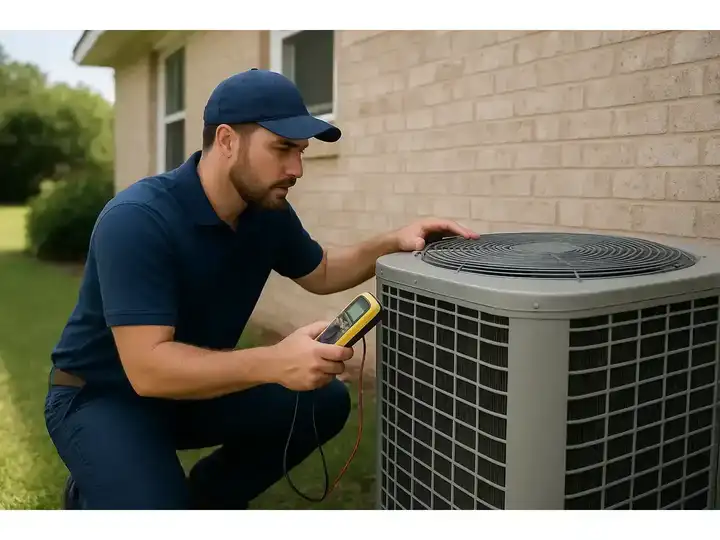
In Miramar Beach, an air conditioner does more than cool the house. It works against long stretches of heat, heavy humidity, salty air, and the extra demands that come with coastal living in Walton County. That is why a careful air conditioning inspection in Miramar Beach, FL matters so much for homeowners, rental property owners, and anyone trying to keep a home comfortable without surprise repairs.
A good inspection helps catch small problems before they turn into weak airflow, rising electric bills, or a system that quits during the hottest week of the season. It also gives you a better picture of how your equipment is handling the local climate and whether it is ready for another stretch of heavy use.
Why AC systems in Miramar Beach need extra attention
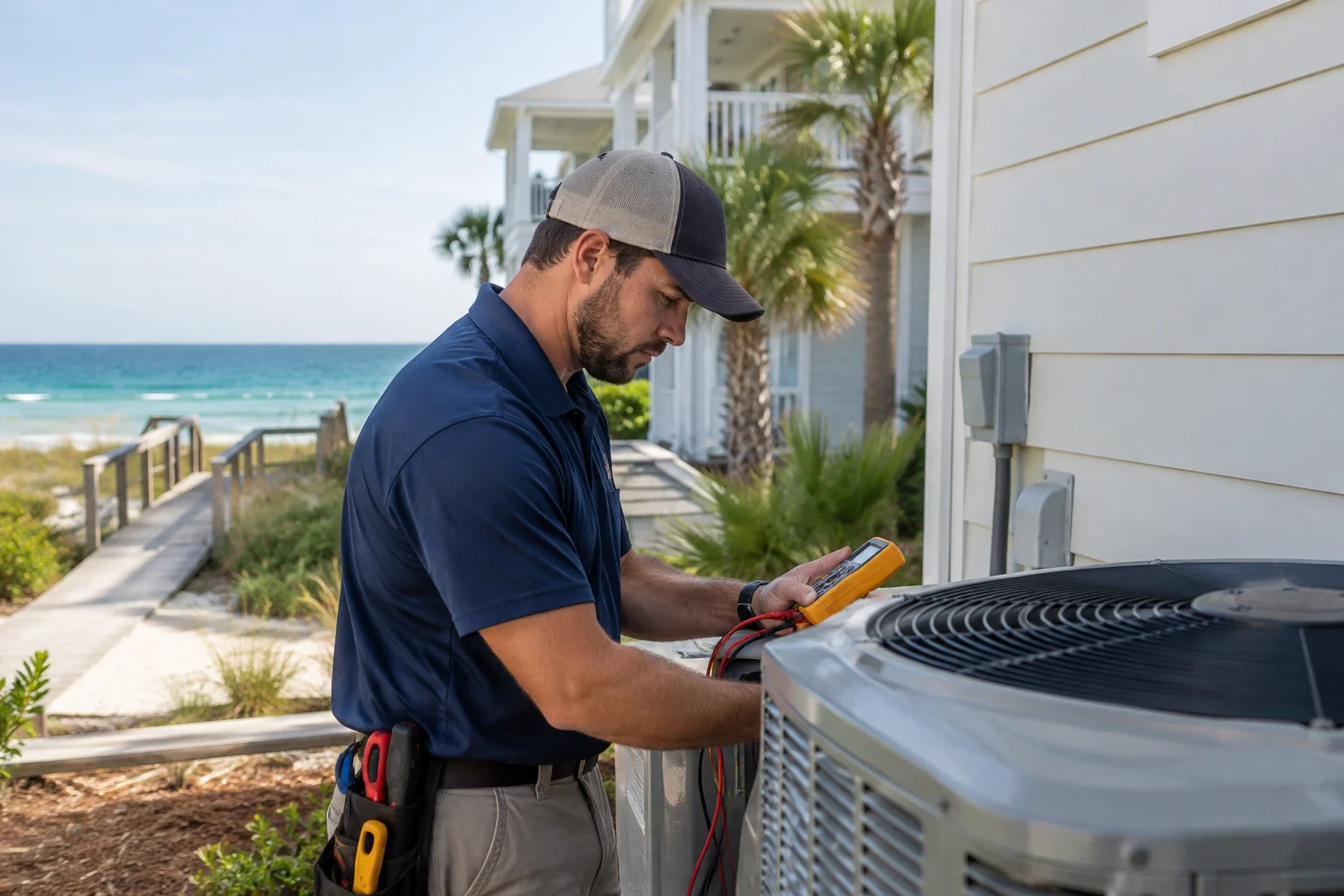
Homes in Miramar Beach face conditions that are hard on cooling equipment. Coastal moisture can make your system run longer to keep indoor temperatures comfortable. Salt in the air can speed up wear on outdoor parts. Sand, pollen, and humidity can all affect filters, drain lines, coils, and electrical components. In vacation homes and rental properties, the system may also sit unused for periods and then get pushed hard when guests arrive.
That combination makes routine inspection more than a box to check. It is part of protecting the home. If your property is in or near the city, you can also look at the broader Miramar Beach service area to see how local HVAC support fits the needs of coastal homes and businesses.
What a homeowner can safely look for
You do not need to open up the system to notice early warning signs. A homeowner can start by watching how the AC behaves during normal use. If the home takes longer to cool, some rooms feel muggy, or the thermostat seems to be fighting the weather, the system may be losing efficiency.
It also helps to check the area around the indoor and outdoor units. Look for blocked vents, dirty return grilles, standing water near the air handler, or visible buildup on the outdoor condenser. In Miramar Beach, it is common for outdoor units to collect leaves, sand, and salt residue faster than inland systems.
Another clue is sound. Rattling, buzzing, clicking, or a hard start can point to loose parts, electrical issues, or a failing motor. These are the kinds of problems a professional inspection can identify before they cause a breakdown.
Simple checks that make inspections more useful
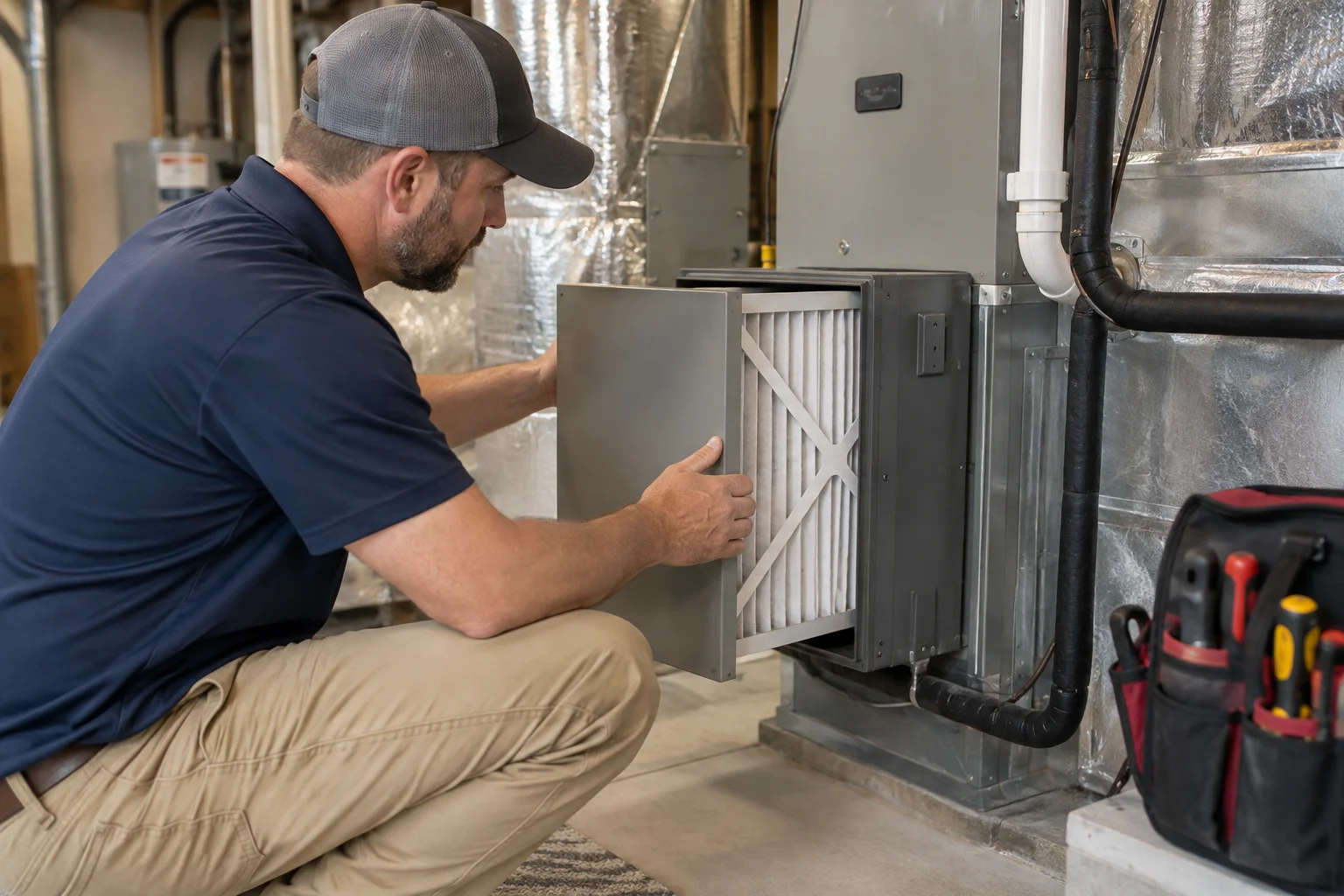
Before a technician arrives, replace or inspect the air filter, make sure supply vents are open, and clear any clutter around the indoor unit. If the system has been struggling, write down when the issue started, which rooms feel warm, and whether the problem gets worse in the afternoon or during humid weather. Those details help narrow down the cause faster.
It is also smart to note any recent storm activity. In Walton County, power interruptions, high winds, and heavy rain can affect AC performance in ways that are not always obvious right away. If your system started acting differently after a storm, mention that during the inspection visit.
What a thorough AC inspection should cover
A proper inspection goes beyond a quick look at the thermostat. The goal is to understand how the entire system is operating, from airflow to drainage to electrical safety. For homeowners in Miramar Beach, that matters because small efficiency losses can add up quickly in a climate where cooling is needed for much of the year.
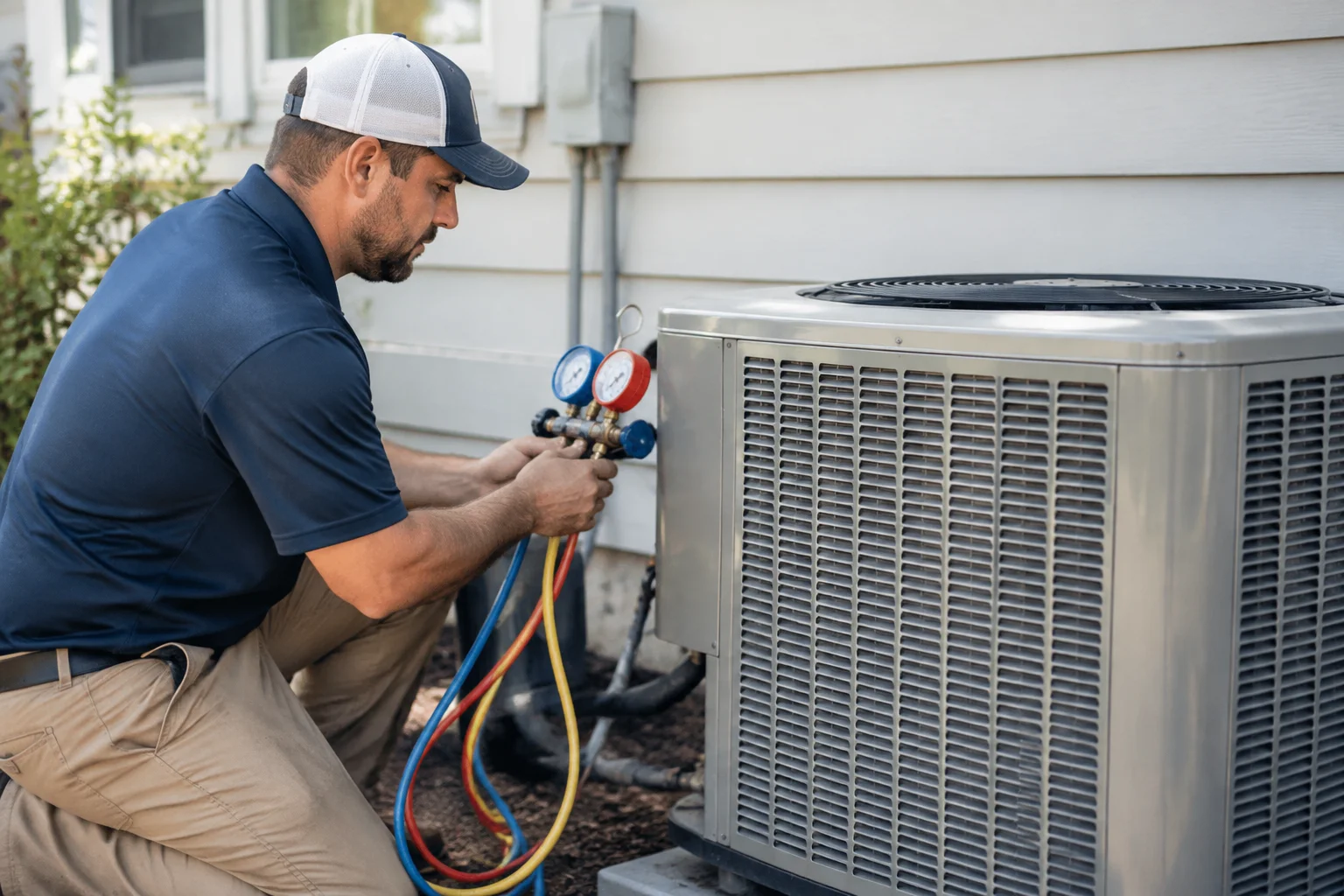
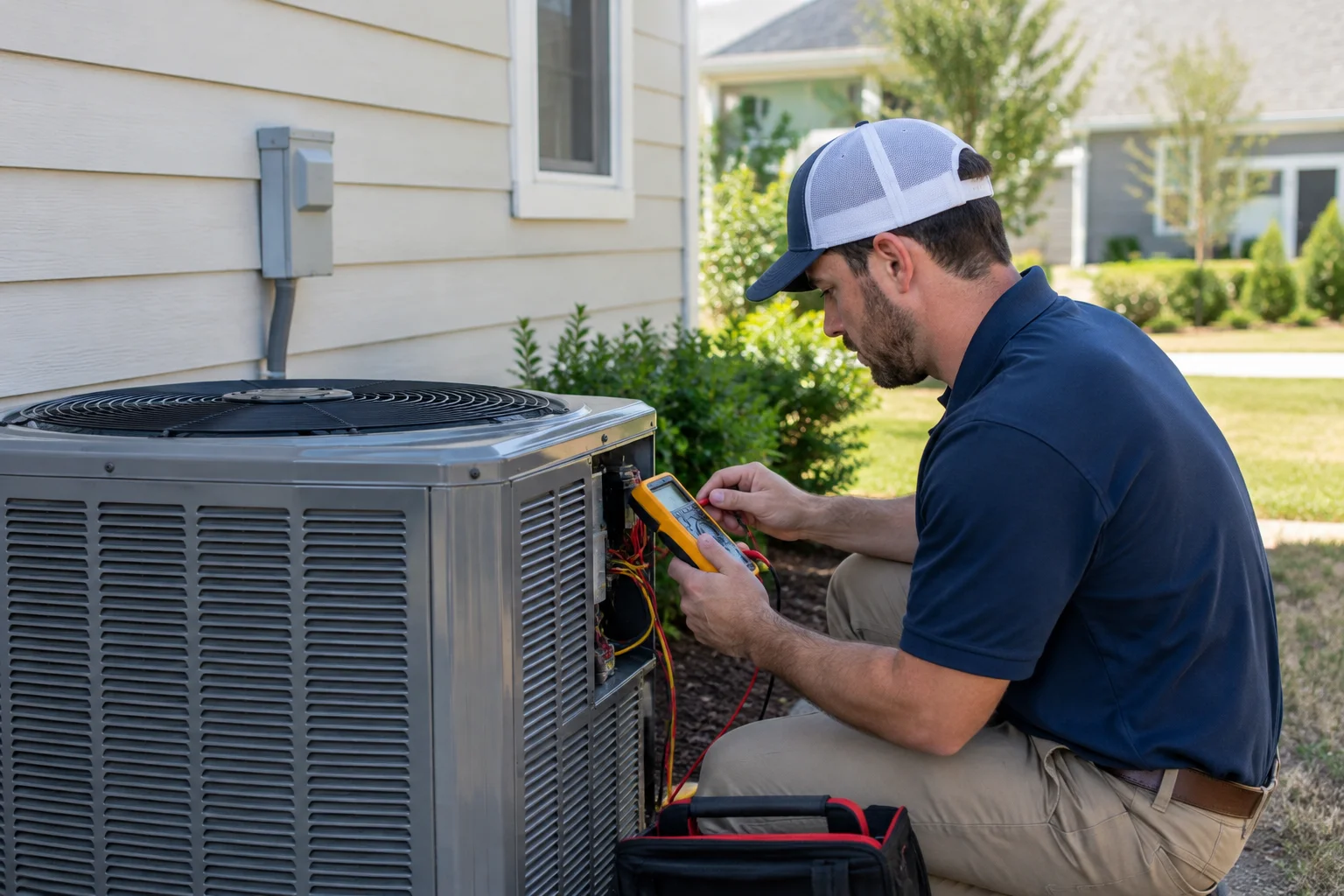
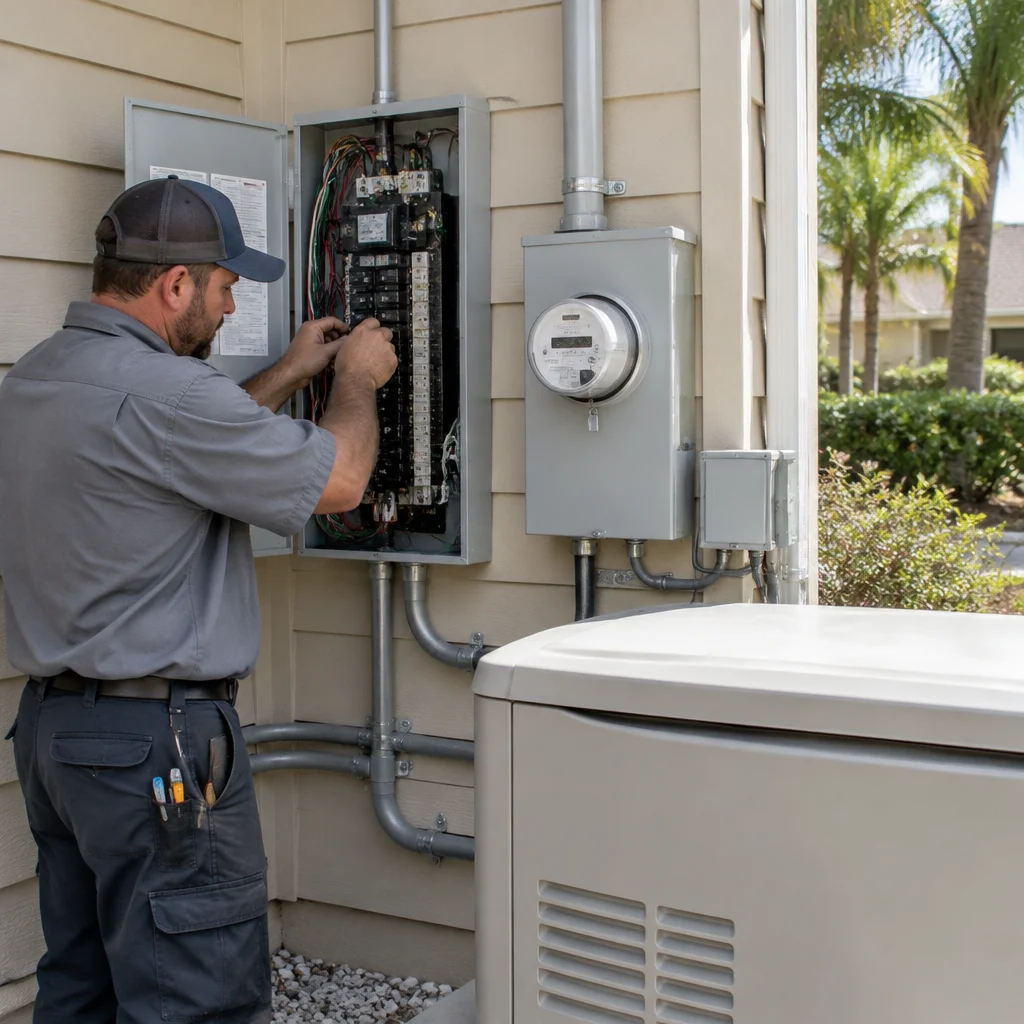
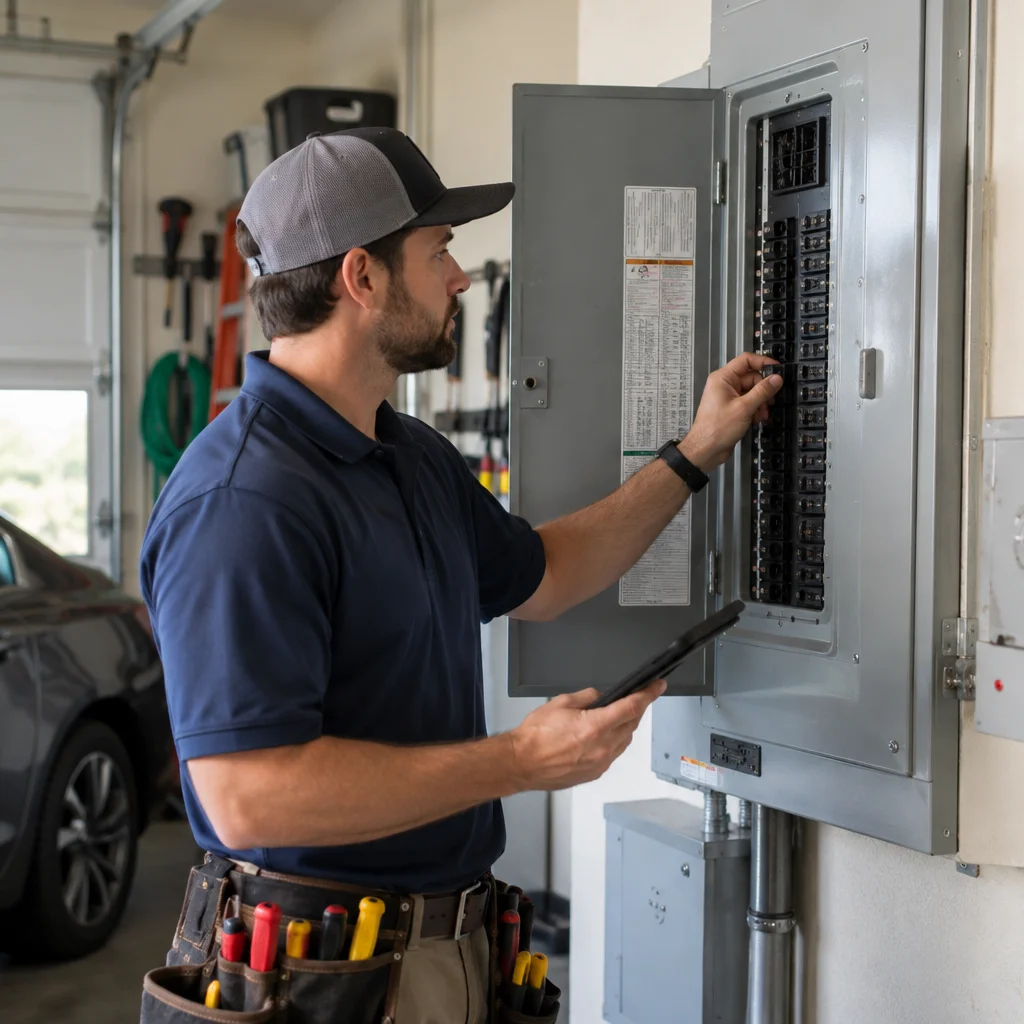
A detailed inspection usually includes checking the thermostat settings, testing temperature split, examining the filter, looking at the evaporator and condenser coils, inspecting the drain line, reviewing electrical connections, testing capacitors and contactors, and evaluating the condition of the blower components. The technician should also look for signs of corrosion, refrigerant issues, and any airflow restrictions that could make the system work harder than necessary.
For properties that also deal with indoor moisture concerns, it can make sense to pair an AC inspection with Indoor Air Quality Testing or Whole Home Dehumidifiers. In a humid coastal market, comfort is not just about temperature. It is also about controlling moisture so the home feels cooler and stays healthier.
How humidity changes the way your AC works
Humidity is one of the biggest reasons homeowners in Miramar Beach notice AC problems sooner than they expect. When the air is damp, your system has to remove moisture as well as heat. If the system is undersized, dirty, or low on refrigerant, it may cool the air but still leave the home feeling sticky.
That is why a good inspection should pay attention to runtime, drainage, and coil condition. If the evaporator coil is dirty or the drain line is partially clogged, moisture can linger in the system or back up into the home. That can lead to odors, poor comfort, and even water damage if left unchecked.
In some homes, especially those near the coast or with frequent guest turnover, humidity control becomes a bigger issue than temperature alone. If your indoor air feels damp even when the AC is running, the system may need more than a filter change. It may need a deeper evaluation and possibly a dehumidification solution.
Local home styles and why they matter
Miramar Beach has a mix of year-round homes, condos, vacation properties, and newer builds, and each one can place different demands on an AC system. Condos may have tighter mechanical spaces and more limited airflow. Vacation rentals may run hard during peak seasons and sit idle during slower periods. Larger homes may have long duct runs or multiple zones that need careful balancing.
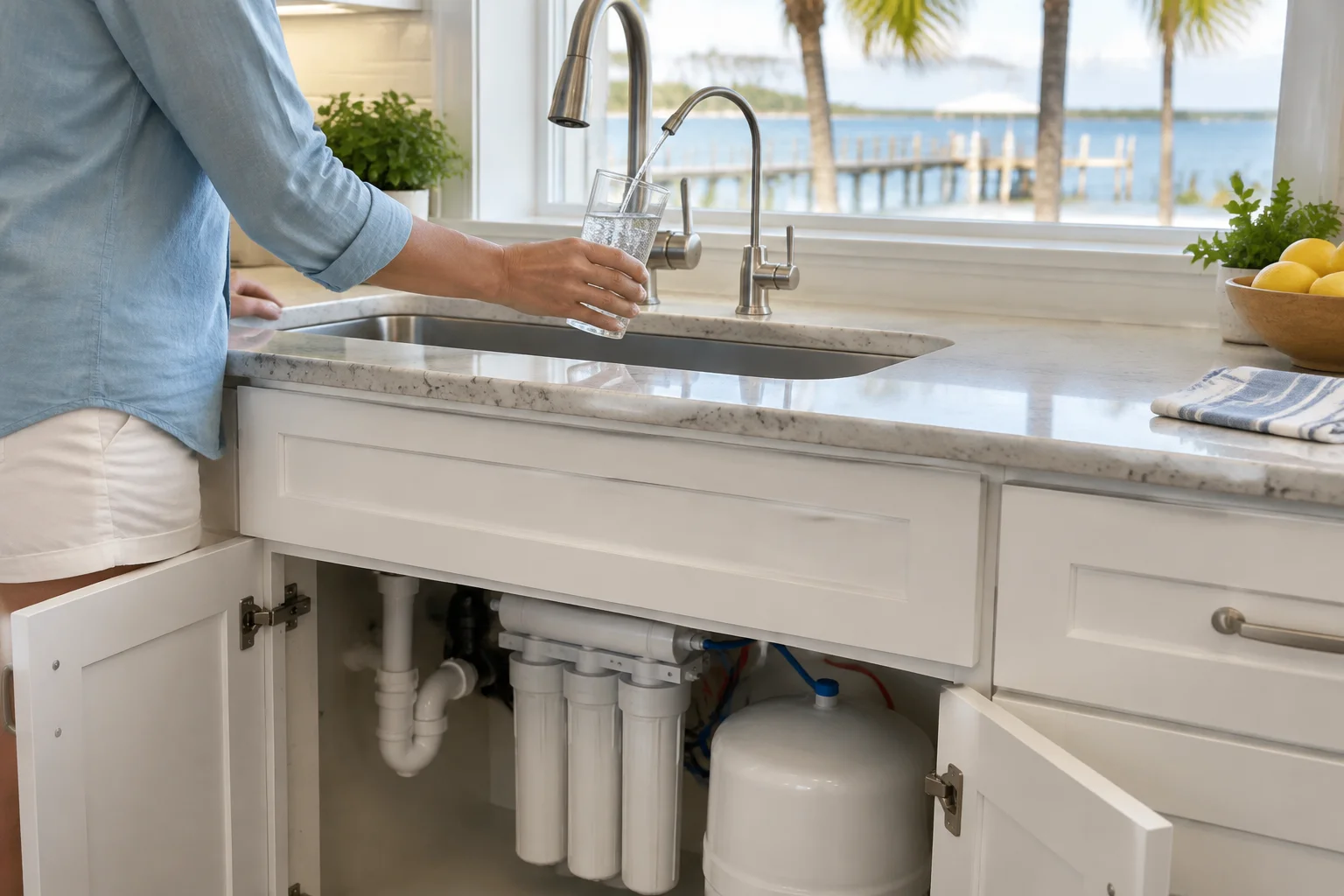
That is why local experience matters. A technician familiar with Walton County homes knows how coastal conditions, building layouts, and seasonal occupancy patterns affect system performance. If your property is part of a larger maintenance plan, it can also help to work with a team that understands the full range of home services in the area, from HVAC to plumbing support. For example, some homeowners also keep an eye on water quality with AO Smith Water Purification Systems or schedule a Sewer Camera Inspection when they are dealing with older coastal properties and recurring maintenance concerns.
Common issues found during inspections
In Miramar Beach, the most common AC issues often start small. Dirty coils are frequent because of coastal debris and moisture. Clogged drain lines are another regular problem, especially during long humid stretches. Loose electrical connections can develop over time from vibration and corrosion. Worn contactors and failing capacitors may show up as intermittent cooling or trouble starting the system.
Refrigerant problems can also appear, but they should never be guessed at. If the system is low, there is usually a leak or another underlying issue that needs to be addressed properly. An inspection can help identify whether the problem is airflow, mechanical wear, or something more serious.
Homes near the beach may also see faster deterioration on outdoor cabinet surfaces and wiring connections. Salt air does not just affect the visible parts. It can quietly shorten the life of components that are exposed to the elements every day.
Ways to make your inspection more effective
The best inspections are built on good information. Homeowners can improve the process by keeping a simple maintenance record. Note when the filter was changed, whether the system was serviced recently, and any comfort issues that have come and gone. If you have a vacation rental, track guest complaints about temperature, humidity, or unusual noises so patterns are easier to spot.
It also helps to schedule service before peak cooling season rather than after a failure. In Miramar Beach, that means planning ahead before the hottest months and before rental turnover gets busy. Preventive service is usually more affordable and far less stressful than an emergency repair during a heat wave.
If your AC inspection reveals broader issues with airflow or moisture control, the solution may involve more than the cooling system itself. Sometimes a home needs better duct sealing, a new thermostat setting strategy, or improved humidity management. The right recommendation depends on the property, the equipment, and how the home is actually used.
Why professional local service is worth it
There is a difference between a basic check and a real inspection from a local HVAC professional. A trained technician can spot corrosion, electrical wear, drainage concerns, and efficiency losses that a homeowner might miss. More importantly, a local company understands how Miramar Beach weather affects the system over time.
That local knowledge matters when you are trying to protect an investment property, keep a family home comfortable, or reduce avoidable service calls. A Superior Mechanical provides air conditioning inspection in Miramar Beach, FL with attention to coastal conditions, seasonal use, and the kinds of issues that show up most often in Walton County.
If you are comparing service options across the area, it can help to look at the county-wide coverage too. The needs of a home in Miramar Beach may overlap with nearby communities, but salt exposure, humidity, and occupancy patterns can change how the system should be inspected and maintained. That is why local service throughout Walton County matters.
Keeping your system ready between visits
After an inspection, a few simple habits can help your AC stay in better shape. Change filters on schedule, keep the outdoor unit clear of plants and debris, and watch for standing water around the indoor equipment. If the home is unoccupied for part of the year, ask about a maintenance plan that fits the property’s use. Vacation homes often benefit from a different schedule than full-time residences.
It is also worth paying attention to indoor comfort. If one room stays warmer, the air feels damp, or the system seems to run constantly, do not wait for a complete failure. Those changes are often the first clue that the AC needs attention.
For homeowners in Miramar Beach, a careful inspection is one of the simplest ways to avoid expensive surprises and keep cooling performance steady through long, humid seasons. When the system is checked properly, it is easier to spot wear early, protect indoor comfort, and keep the home ready for whatever the coastal weather brings.
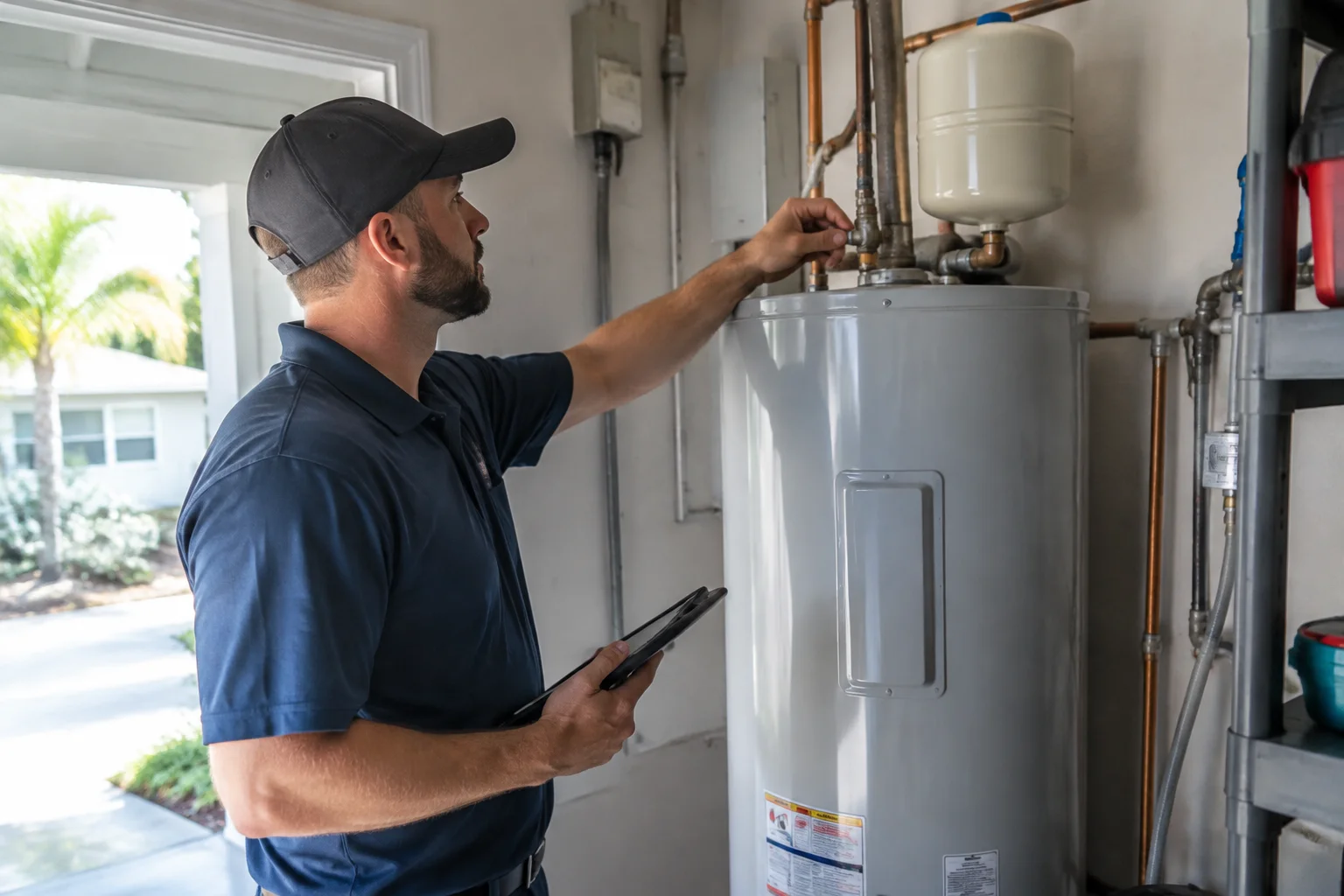
If you are also researching other home maintenance topics in the area, you may find it useful to read about Why Reverse Osmosis Systems Matter for Homes in Miramar Beach, FL, How Miramar Beach Homes Age Out of Water Heaters and What That Means for Replacement, What to Expect From Air Conditioning Inspection in Parker, FL, and Commercial HVAC Services in Sandestin, FL: Answers to Common Questions.
Find Air Conditioning Inspection in Miramar Beach, FL
If you need Air Conditioning Inspection in Miramar Beach, FL, visit our local service page or contact A Superior Mechanical today.
Map of Miramar Beach, FL
Frequently Asked Questions
How often should homeowners in Miramar Beach schedule an AC inspection?
Most homeowners should schedule an inspection at least once a year, and many coastal properties benefit from a check before peak summer use. Vacation rentals or homes with heavy AC use may need more frequent service.
Why does salt air affect air conditioning systems near the beach?
Salt air can speed up corrosion on outdoor components, electrical connections, and metal surfaces. Over time, that wear can reduce efficiency and shorten the life of the system if it is not inspected regularly.
Can a homeowner inspect the AC system without opening it up?
Yes. You can safely check filters, vents, thermostat settings, visible debris around the outdoor unit, and signs of moisture or unusual noise. Anything involving electrical parts, refrigerant, or internal components should be handled by a professional.
Does high humidity mean my AC is failing?
Not always, but it can be a warning sign. High indoor humidity may point to dirty coils, airflow issues, drainage problems, or a system that is not sized or operating correctly for the home.
Related Articles
Photo Gallery