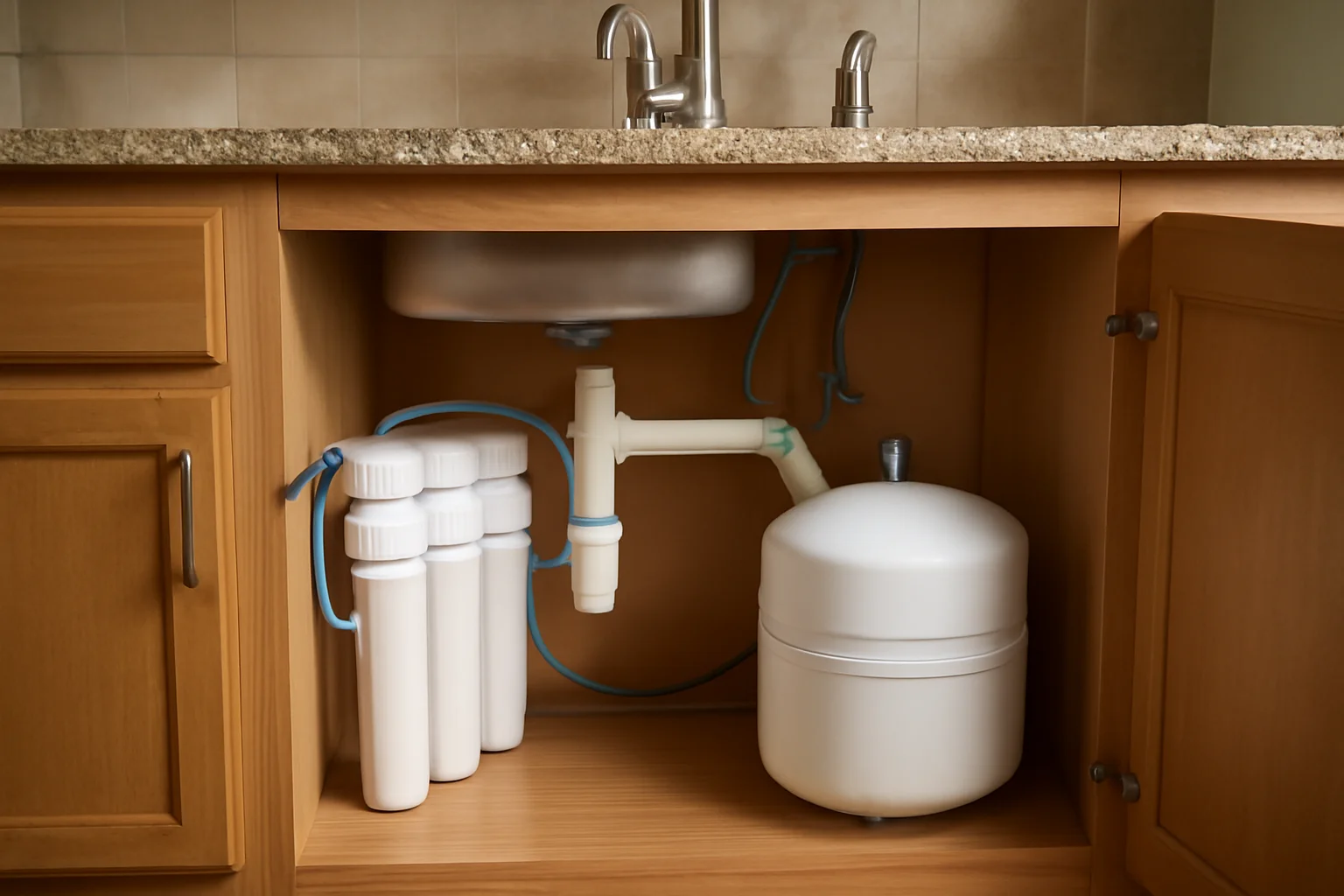
Santa Rosa Beach homes see a mix of coastal humidity, seasonal storms, and water chemistry that can be tough on plumbing and appliances. When you notice hard water spots on glass, cloudy ice cubes, or a metallic, chlorinated, or unpleasant taste, your water system is telling you it needs better filtration. Reverse osmosis systems can be a strong option for better drinking water, safer tasting cooking water, and cleaner everyday water for bathing and laundry.
This guide walks homeowners through how reverse osmosis works, what to maintain throughout the year, and how to pair it with other water treatment when needed. If you are comparing options for reverse osmosis systems in Santa Rosa Beach, you will find the practical details here to help you ask better questions and protect your home.
Why Santa Rosa Beach water treatment needs more than “good enough”
In Walton County, water quality can vary based on source, season, and local conditions. Many homeowners deal with hard water and water that carries sediment or chlorine byproducts. Even when the water looks clear, dissolved minerals and trace contaminants can still show up in daily life.
You might see:
- Hard water spots on glass shower doors, drinking glasses, and bathroom mirrors.
- Scale buildup around faucets, showerheads, and plumbing connections.
- Dry skin or dull hair after bathing, especially when you shower frequently.
- Soap that does not lather or rinses poorly, leaving a film that feels “slick” or residue-heavy.
- Cloudy ice cubes, which often points to sediment, dissolved solids, or air bubbles stirred by water conditions.
- Visible sediment, discoloration, and odor concerns, including concerns about chlorine taste in water.
- Poor tasting coffee and cooking water that can change flavor even when the ingredients are great.
- Appliances wearing out faster, from scale affecting water heaters, dishwashers, and ice makers.
Reverse osmosis is often chosen because it targets dissolved contaminants and helps produce cleaner water for drinking and cooking. But year round protection usually comes from pairing the right system with the right maintenance schedule and, when needed, additional hard water treatment.
Reverse osmosis systems: what they actually do
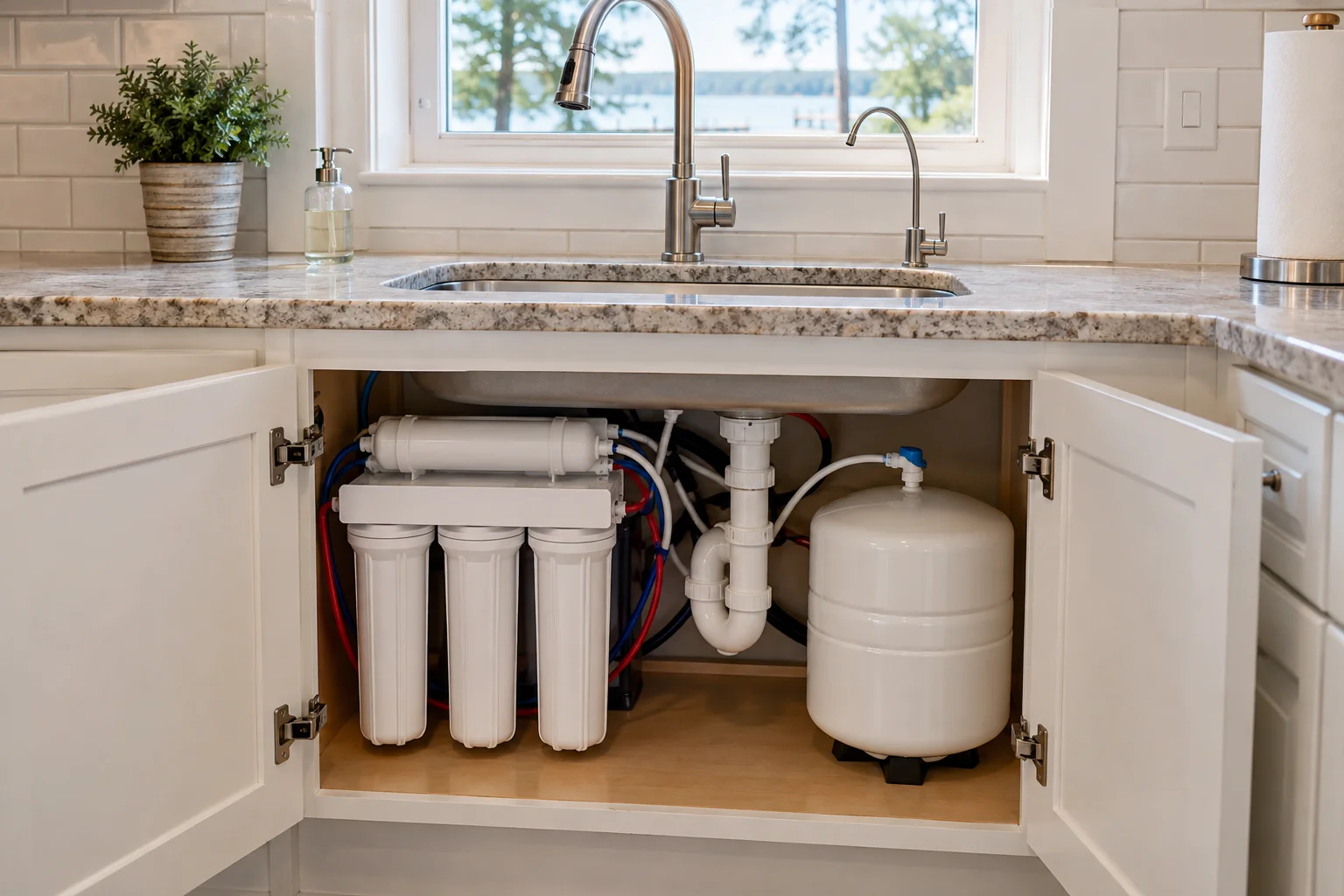
A reverse osmosis (RO) system uses pressure to push water through a semi-permeable membrane. The membrane helps reduce dissolved solids and many impurities that contribute to taste and water appearance. Most systems also include a pre-filtration stage to protect the membrane and reduce sediment, plus post-filtration to improve taste and protect the storage tank if your system has one.
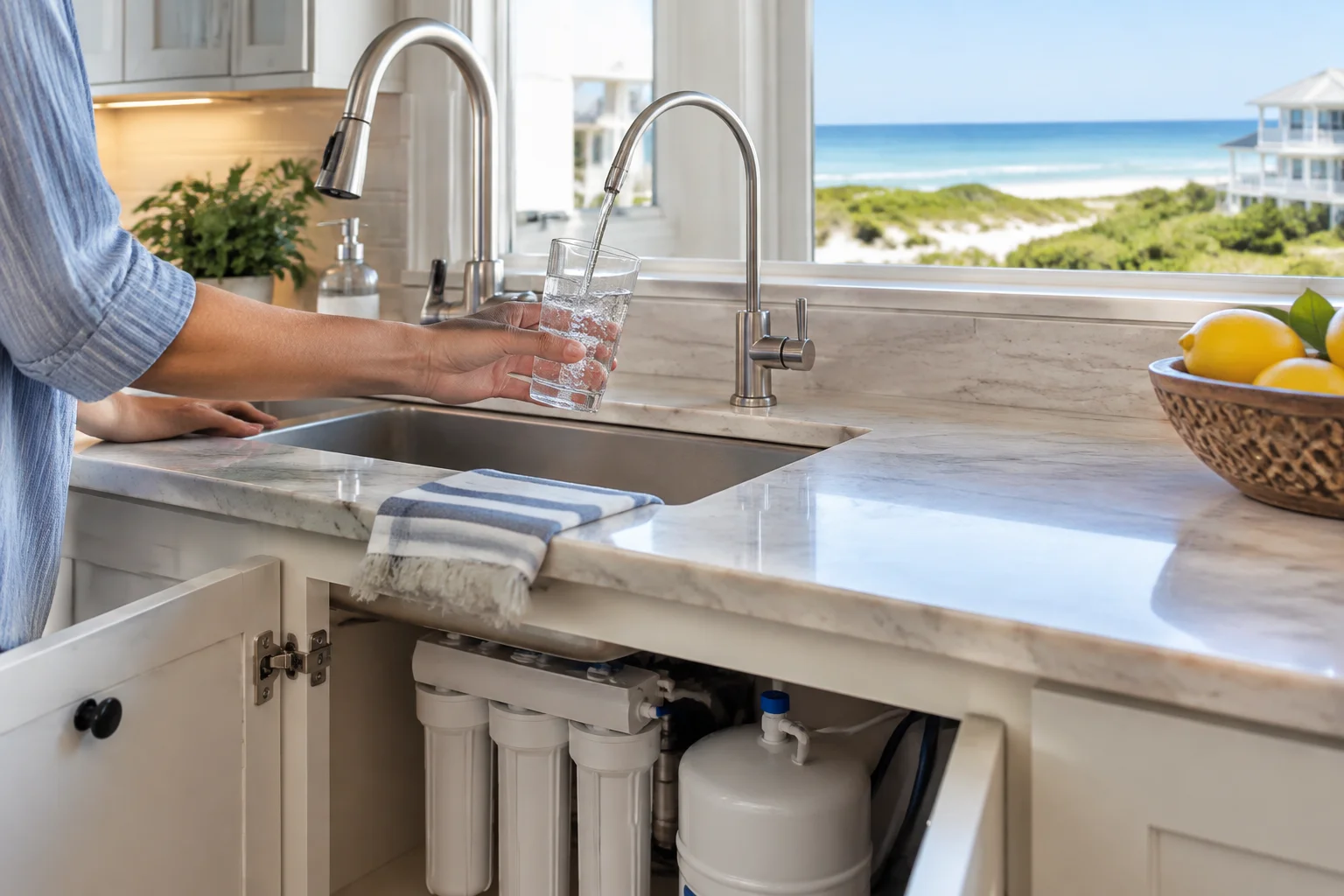
In a typical home setup, reverse osmosis produces a dedicated supply for drinking and cooking. That is why you can notice results quickly: better tasting drinking water, fewer concerns about metallic tasting water, and cooking water that behaves more consistently for coffee, tea, and recipes.
RO is not the same as a whole house water filtration system. It is often point-of-use or point-of-entry depending on the design. Many homeowners in Santa Rosa Beach start with RO for the kitchen and then expand to whole home water filtration when they want consistent improvements across showers, laundry, and fixtures.
How better maintenance protects your home, not just your sink
Maintenance is where reverse osmosis becomes “year round home protection.” When filters clog or membranes age, performance can drop. That can mean less reduction of contaminants, slower flow, weaker taste improvements, and more strain on the system.
Here is what homeowners should plan around:
1) Replace filters on schedule to prevent membrane strain
Pre-filters catch sediment and protect the RO membrane. In areas where there is sediment in household water or seasonal changes that increase particles, these stages can load faster. If you wait too long, you can end up with reduced RO output and a membrane that wears out sooner.
2) Watch for changes in taste, odor, and ice clarity
RO performance shows up in everyday moments. If you start noticing chlorine taste in water returning, metallic or unpleasant flavors, or cloudy ice cubes again, it may be time to check the system. Even small changes can signal that a filter stage is exhausted.
3) Keep an eye on flow rate
Slow refill speeds, weak water output, or longer wait times for a full drinking water container can indicate restricted filters or membrane decline. Flow issues are also common when sediment is not being removed early enough.
4) Sanitize and check components regularly
Depending on the system design, storage tank maintenance and sanitizing may be necessary. This supports clean water quality for the family kitchen scene you rely on each day, from filling water pitchers to making baby bottles and refilling coffee makers.
5) Address hard water so RO can do its best work
Hard water treatment matters because scale buildup around faucets, showerheads, and plumbing reduces efficiency and can contribute to mineral stress in systems. When water is hard, you may still see soap that does not lather, dry skin from hard water, and dull hair after bathing even if the kitchen water tastes better.
For many Santa Rosa Beach homes, the most protective approach is pairing RO for drinking and cooking with appropriate hard water treatment for the rest of the home. That is where water softening and whole house water filtration can make a visible difference.
Where RO fits best in a Santa Rosa Beach home
Think about the water “touchpoints” your family uses daily. RO is designed to improve the water you consume and cook with, but its benefits are strongest when you match the system to your priorities.
Kitchen drinking water and coffee
RO can help reduce contaminants that affect taste and odor. Homeowners often notice that coffee brewed with RO water tastes cleaner and more consistent. Tea and cooking water also tend to behave better, especially when you have concerns about sediment in household water or chlorine taste in water.
If your current water leaves a film, makes flavors dull, or creates cloudy ice cubes, RO maintenance can restore that “fresh” feeling to everyday drinks.
Cooking and meal prep
When you rinse vegetables, cook pasta, or make soups, water quality affects final taste. Better tasting drinking water is great, but clean water also supports cooking water that does not carry metallic or chlorinated notes.
Bathing, skin, and hair
RO is often not intended to treat your entire shower supply. If you are dealing with dry skin from hard water, scale on fixtures, and soap that does not lather, you may need whole home water filtration or water softener installation near you to reduce mineral buildup.
In practice, many families start by improving kitchen water, then expand to water softening or whole house filtration when they want noticeable comfort changes in bathing and laundry.
Laundry and fixtures
Hard water scale buildup around faucets and showerheads is a clue that minerals are traveling through your plumbing. Over time, that can affect water heaters, ice makers, and appliances. Cleaner water treatment can help reduce scale accumulation, improve soap performance, and keep fixtures looking better with less scrubbing.
RO vs. water softening vs. whole home water filtration
Homeowners often ask whether they need reverse osmosis, a water softener, or whole house water filtration. The best answer depends on what you are trying to solve: taste and dissolved contaminants, mineral hardness, sediment, or all of the above.
Reverse osmosis
Best for drinking water and cooking water improvements, reducing dissolved solids and many impurities that affect taste, odor, and clarity. Great for addressing concerns like metallic tasting water, unpleasant flavors, and cloudy ice cubes.
Water softening
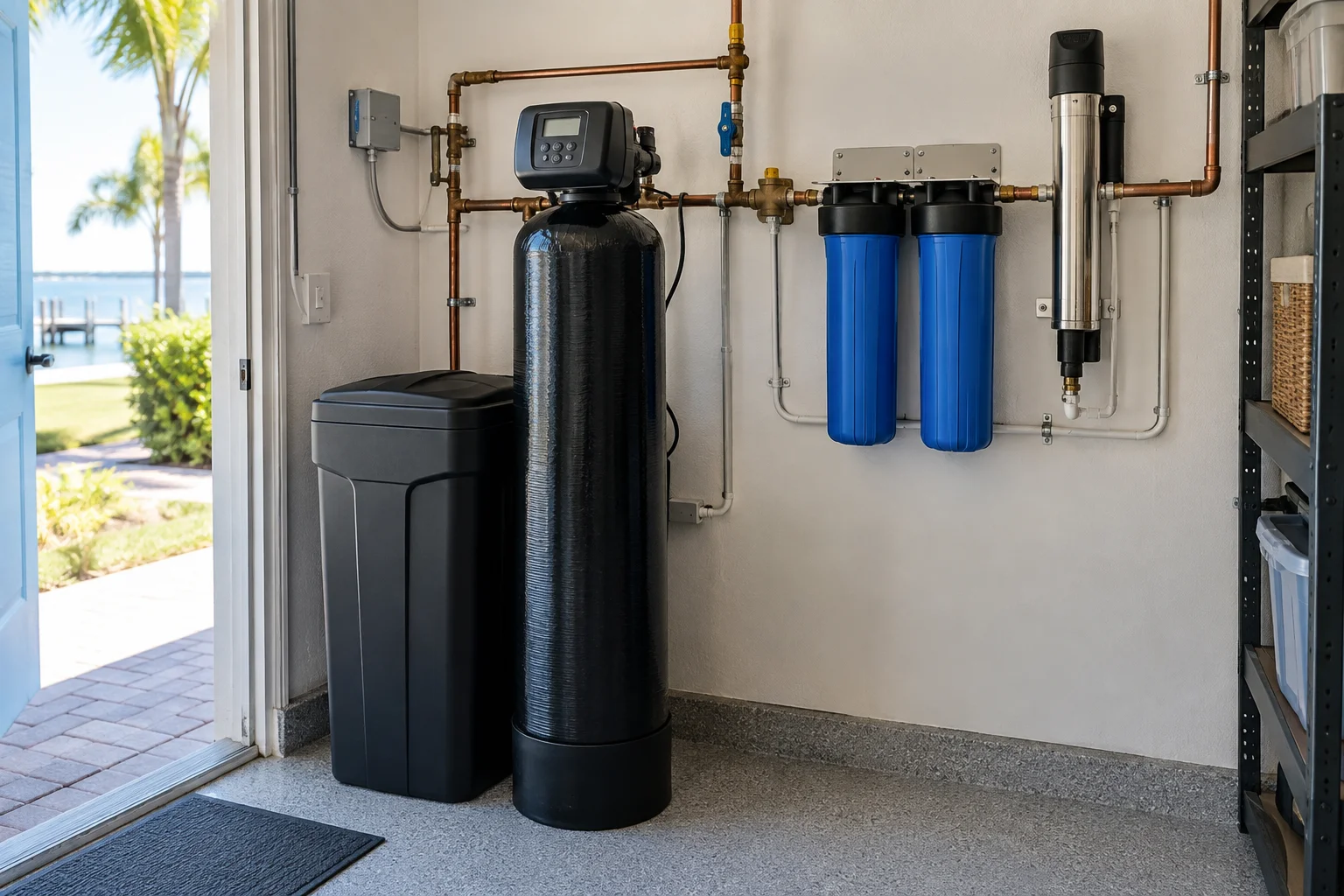
Best for hard water treatment. It helps reduce scale buildup, improves lathering, and can support better skin and hair comfort. If you see scale around faucets and showerheads, or you feel dry skin after bathing, softening is often a critical piece of year round protection.
AO Smith water filtration and water softener solutions are commonly considered by homeowners who want a reliable system built for long-term performance. If you are exploring options, you can also start with this water filtration and RO water softeners overview to understand how the pieces fit together.
Whole home water filtration
Best when you want cleaner water throughout the home. Whole house water filter systems can reduce sediment, improve water clarity, and help protect plumbing and appliances. Many homeowners use whole home water filtration alongside RO for kitchen drinking water purification.
AO Smith and system selection for Santa Rosa Beach homes
When you are planning reverse osmosis installation, you want the right equipment for local conditions. Many homeowners look at AO Smith water filtration products because they are designed for dependable residential use and a range of water quality goals.
A proper system selection process usually starts with water testing and a review of your home’s plumbing, usage, and symptoms. For example:
- If you have sediment in household water and discoloration, you need effective pre-filtration and likely whole home filtration.
- If you have scale buildup and soap that does not lather, water softening becomes part of the solution.
- If you have chlorine taste in water and unpleasant odors, RO plus appropriate carbon and post-filtration helps improve the kitchen experience.
Because Santa Rosa Beach is a coastal area with humidity and seasonal changes, maintaining performance matters. Systems that are sized correctly and maintained on schedule tend to deliver better results for the entire year.
Maintenance schedule you can actually follow
RO maintenance is not one-size-fits-all. Still, a practical schedule helps homeowners stay ahead of problems. A qualified technician can recommend exact intervals after testing and inspecting your system.
A good baseline plan includes:
- Monthly checks: confirm water tastes and smells normal, watch for changes in flow rate, and check for leaks under the sink.
- Filter and membrane service: typically based on usage and water conditions, often every 6 to 24 months depending on system design and local water chemistry.
- Sanitizing and system inspection: performed during service visits, especially for systems with storage tanks.
- Hard water review: if you still see hard water spots on glass and scale around fixtures, it may be time to evaluate water softener installation or whole home water filtration.
When hard water treatment becomes part of protecting fixtures and appliances, homeowners often notice fewer scale rings, less stubborn buildup, and less time spent scrubbing showerheads and faucet aerators.
Common homeowner symptoms and what they usually mean
Before you assume the RO system is failing, it helps to know what different symptoms point to. Here are common issues in Santa Rosa Beach homes and the likely causes.
Hard water spots keep coming back
If you see hard water spots on glass, cloudy shower doors, and scale buildup around faucets, your main issue may be hardness. RO may improve drinking water taste, but it does not replace whole home hard water treatment for showers and fixtures. Consider water softener service or whole home water filtration depending on your test results.
Soap does not lather or rinse well
This is a classic hard water sign. It often shows up first in the shower and laundry. Dry skin or dull hair after bathing can follow. Water softening is commonly the missing piece.
Metallic or chlorinated taste returns
RO systems rely on carbon and membrane performance. If the taste changes, filters may be exhausted or flow may be restricted. A maintenance inspection can confirm what needs to be replaced.
Cloudy ice cubes
Cloudy ice can come from dissolved solids or sediment, plus how water freezes. If your kitchen ice is cloudy, it is a practical prompt to check the RO system and also consider whole home filtration if sediment is present in other taps.
Appliances wear out faster
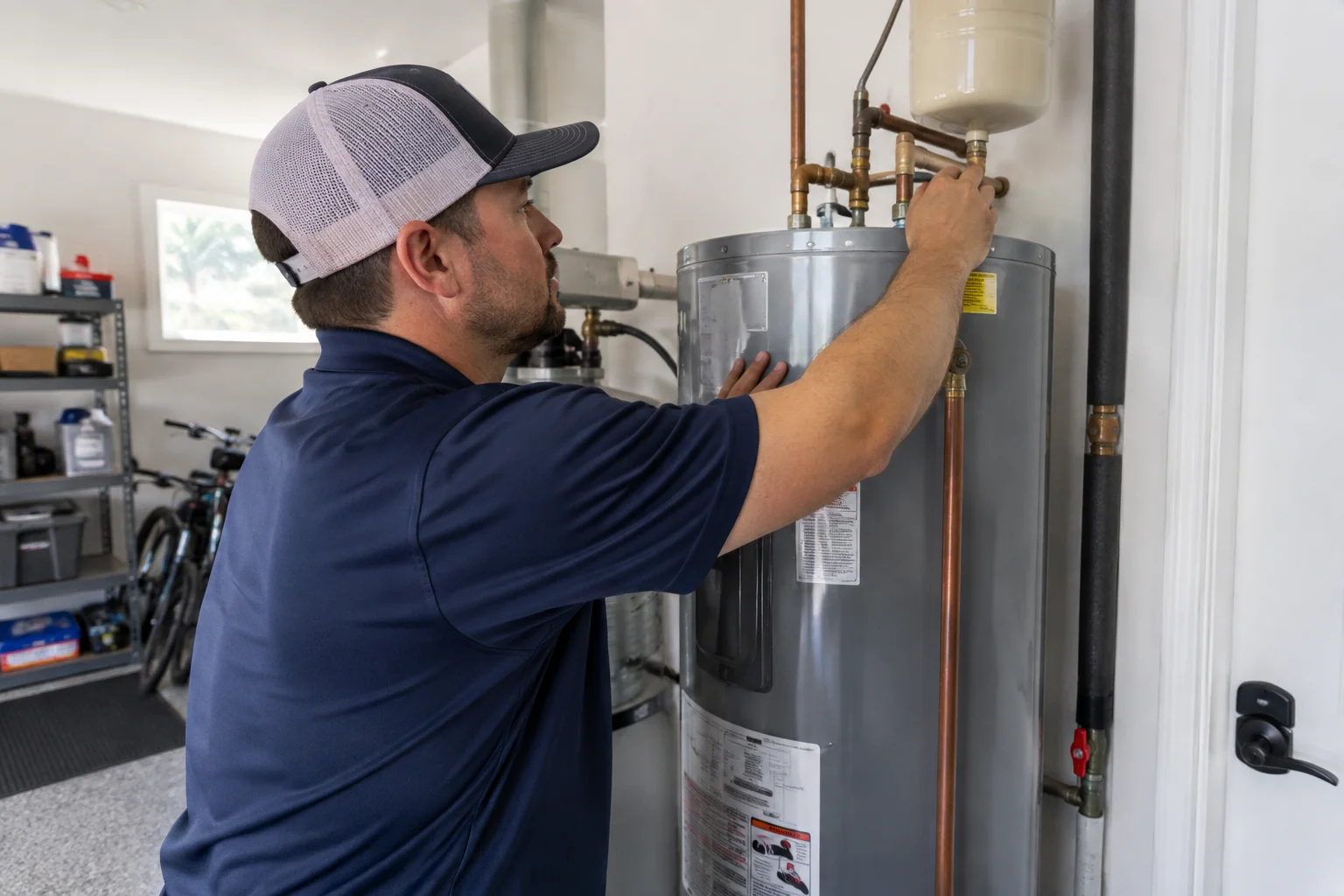
Scale buildup can reduce efficiency, increase energy use, and shorten appliance life. Protecting your home with better water treatment can help extend the life of water heaters, dishwashers, and ice makers.
Preventing problems during storms and seasonal changes
Santa Rosa Beach weather can shift quickly. After heavy rain or disruption, you may notice temporary changes in water appearance or odor. That is when homeowners benefit from having a trusted water treatment plan rather than reacting after damage.
For RO systems, the most helpful steps are keeping up with filter replacement and scheduling inspections before performance drops. If you ever see visible sediment, discoloration, or odor concerns that persist, ask a technician to check pre-filtration and overall system condition.
How to choose a local water treatment provider for reverse osmosis
Choosing local service matters because your system should be matched to Santa Rosa Beach water conditions and your home’s plumbing realities. A good provider will:
- Start with water testing or a review of your water quality history.
- Explain what the RO system will improve and what it will not.
- Recommend whole home water filtration or water softening when hard water is driving scale and comfort issues.
- Offer maintenance plans that keep performance steady year round.
- Answer questions about AO Smith water filtration options and how they fit your goals.
If you want to explore focused options for your home, review the service page for reverse osmosis systems in Santa Rosa Beach and also learn more about the broader approach at water filtration and RO water softeners. For service coverage details in the area, see our Santa Rosa Beach service area and Walton County service coverage.
Smart upgrades and habits that support RO performance
Maintenance is the foundation, but homeowners can support performance with a few habits:
- Replace filters through service visits: avoid delaying replacements when taste or flow changes.
- Use RO water for drinking and cooking: it reduces “bypass” confusion and helps you notice performance changes.
- Keep records: note service dates and what symptoms you had before the visit.
- Check fixtures: if you still see scale buildup around faucets and showerheads, it is time to evaluate water softener service or whole house filtration.
For more local education, you may also like Why Better Reverse Osmosis Systems Matter in Santa Rosa Beach Homes and Why Reverse Osmosis Systems in Santa Rosa Beach Deserve Earlier Attention. If you want practical routines for keeping your system running clean, read Smart Plumbing Habits for Reverse Osmosis Systems in 30A Homes and the homeowner-focused guide Cleaner Drinking Water and Healthier Plumbing: A Rosemary Beach Homeowner’s Guide to Reverse Osmosis Systems.
When it is time to call A Superior Mechanical
Call a professional when you notice performance changes that affect daily life, especially if multiple symptoms show up together. Examples include:
- Chlorine taste in water returns or metallic tasting water reappears.
- Cloudy ice cubes show up again.
- RO flow rate drops noticeably.
- You see visible sediment or discoloration at taps, not just at the RO faucet.
- Hard water spots on glass increase and scale forms faster around showerheads and faucets.
- Family members complain about dry skin or dull hair after bathing.
- Appliances seem to wear out faster or require more maintenance due to scale.
Year round protection is about staying ahead of the small changes. When you treat RO maintenance as part of your home’s water protection plan, you help ensure better tasting drinking water, cleaner cooking water, and a plumbing system that does not have to fight scale and sediment for months at a time.
Find Reverse Osmosis Systems in Santa Rosa Beach, FL
If you need Reverse Osmosis Systems in Santa Rosa Beach, FL, visit our local service page or contact A Superior Mechanical today.
For a broader look at whole-home water filtration, reverse osmosis, and water softener options, visit our water filtration, RO, and water softener page.
Map of Santa Rosa Beach, FL
Frequently Asked Questions
Does reverse osmosis help with hard water spots and scale on fixtures?
Reverse osmosis improves drinking and cooking water quality, but it does not usually solve hard water scale on showerheads, faucets, and glass by itself. If you are seeing hard water spots, scale buildup, soap that does not lather, and dry skin after bathing, you may need water softening and or whole home water filtration alongside RO.
How often should I service or replace parts in a reverse osmosis system?
Most RO systems require filter changes on a schedule based on water conditions and household usage. A maintenance visit typically includes checking pre-filters, carbon stages, membrane condition, and system performance. If taste, odor, flow rate, or ice clarity changes, service may be needed sooner.
Will reverse osmosis water taste better than my tap water in Santa Rosa Beach?
Many homeowners notice better tasting drinking water and fewer concerns about chlorine taste in water, metallic or unpleasant flavors, and cloudy ice cubes after RO is installed and maintained. If taste changes return, it is often a sign that filter stages need replacement or the system needs inspection.
Should I choose AO Smith water filtration or another brand for RO and whole home treatment?
Brand matters less than matching the system to your water quality goals. AO Smith water filtration options are commonly considered because they are designed for dependable residential use. A professional water test and system recommendation will help you choose the right RO, hard water treatment, and whole house water filtration components.
Related Articles
- Why Better Reverse Osmosis Systems Matter in Santa Rosa Beach Homes
- Why Reverse Osmosis Systems in Santa Rosa Beach Deserve Earlier Attention
- Smart Plumbing Habits for Reverse Osmosis Systems in 30A Homes
- Cleaner Drinking Water and Healthier Plumbing: A Rosemary Beach Homeowner’s Guide to Reverse Osmosis Systems
Photo Gallery