If your kitchen faucet water tastes a little off, your coffee looks cloudy, or your shower leaves you feeling dry, your reverse osmosis system might be telling you something. In Lake Lorraine, FL, where seasonal weather swings and local water chemistry can be tough on plumbing, small water quality problems can grow fast. The good news is that homeowners can catch many issues early with a simple routine and the right system setup.
This guide walks you through how reverse osmosis works, what to monitor, and how to protect your family’s drinking water with cleaner filtration and dependable maintenance. It also connects the dots between common “hard water” symptoms like scale buildup and the performance of your RO drinking water system, whole house water filter, and water softening approach.
Why Lake Lorraine homes often need better water treatment
Lake Lorraine is in Okaloosa County, where many homes deal with water that can include dissolved minerals, sediment, and chlorine-related taste or odor concerns. Even when the water looks clear, contaminants and mineral content can affect how it tastes and how it behaves in your home.
Over time, that can show up everywhere:
Hard water spots on glass, dishes, and fixtures that feel rough or leave a film after drying.
Scale buildup around faucets, showerheads, and plumbing that reduces water flow and makes cleaning harder.
Dry skin or dull hair after bathing, especially if you notice residue or a “coated” feeling.
Metallic, chlorinated, or unpleasant taste in drinking water and cooking water.
Cloudy ice cubes and water that looks slightly hazy in the freezer tray.
Poor tasting coffee and cooking water, even with good beans and fresh ingredients.
Visible sediment, discoloration, and odor concerns that come and go.
Appliances wearing out faster due to scale and reduced efficiency.
Soap that does not lather or rinse well, a classic sign that minerals are interfering with cleaning.
When reverse osmosis is part of your home water purification plan, it can deliver RO drinking water system results for your kitchen and drinking tap. But RO performance depends on upstream water quality and on the condition of filters and membranes. That is why catching problems early matters.
How reverse osmosis protects drinking water (and what it cannot fix alone)
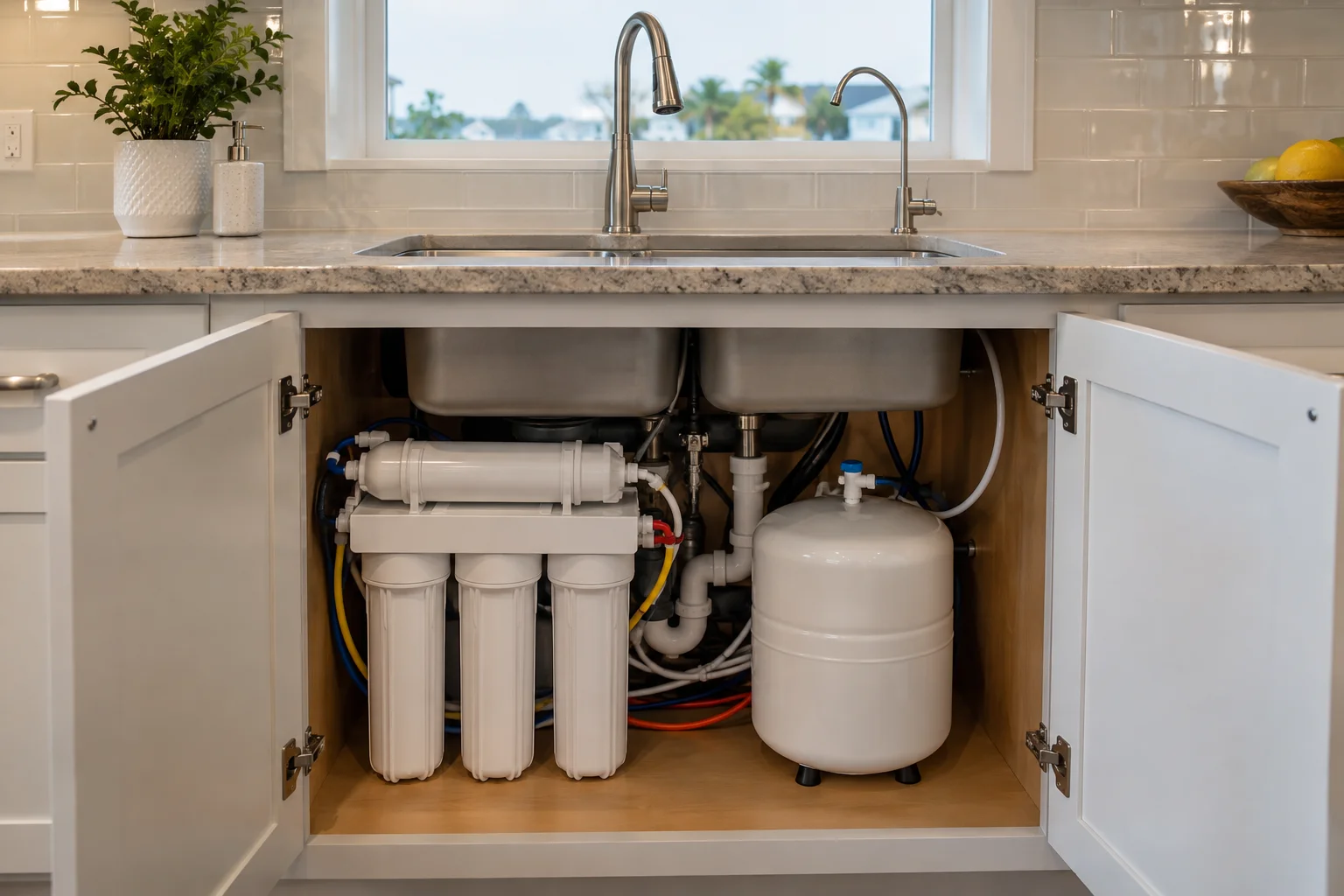
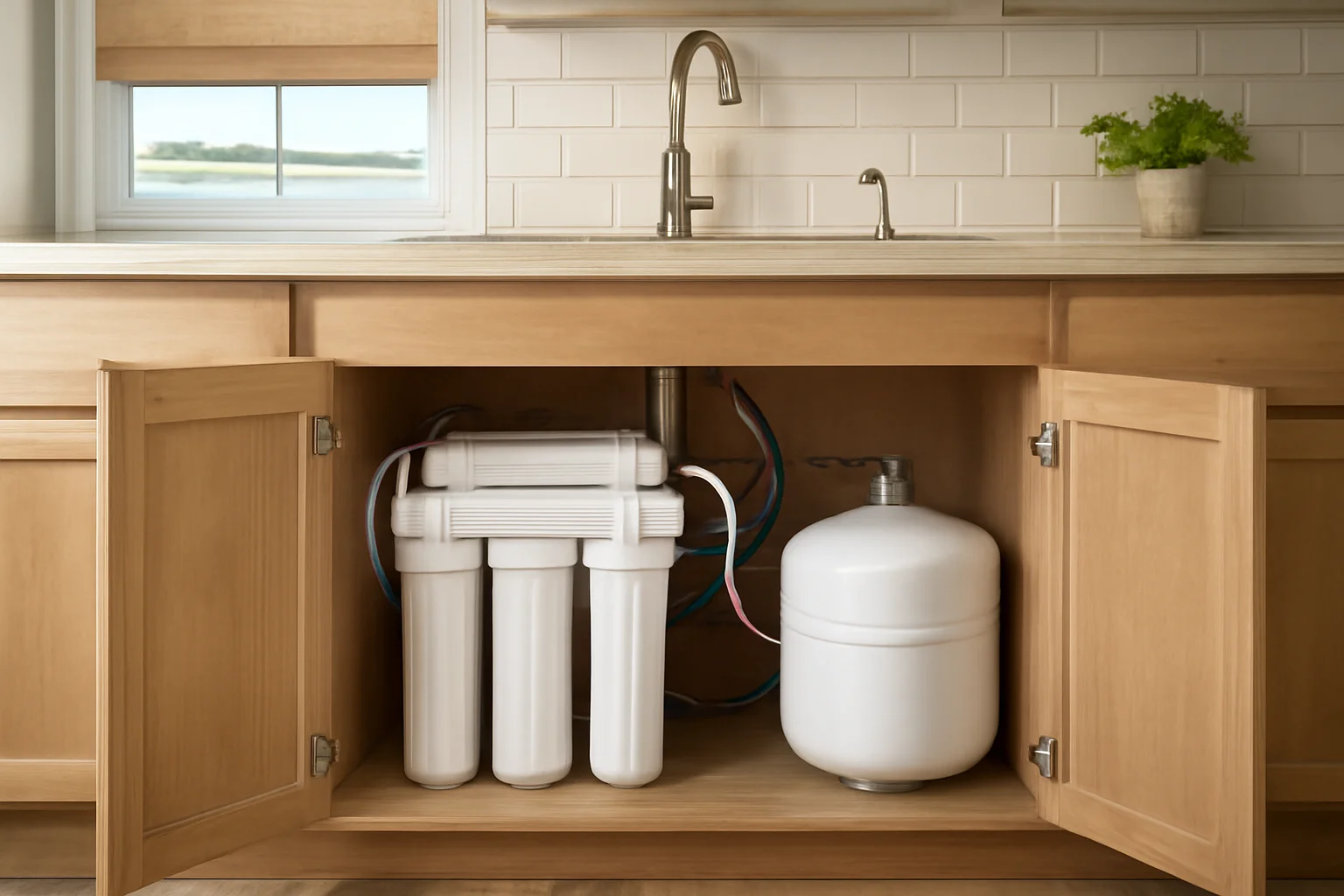
A reverse osmosis system uses water pressure to push water through a semi-permeable membrane. The membrane helps separate dissolved solids and many contaminants from the water that ends up in your drinking water line. Most systems also include pre-filters and post-filters to protect the membrane and improve taste.
For Lake Lorraine homeowners, the key is understanding this chain:
Pre-filtration removes sediment and protects the membrane from clogging.
RO membrane reduces dissolved solids and improves water purity for drinking.
Post-filtration refines taste and odor before water reaches your faucet.
RO can deliver better water for drinking and cooking, but it works best when the rest of your water treatment strategy is aligned. If you have hard water scale issues, many homes benefit from water softening and a whole house water filter or sediment filtration upstream. That approach helps reduce scale buildup on fixtures and improves the life of your RO components.
Early warning signs your RO system is slipping
Homeowners often notice the kitchen first, because RO drinking water is what you taste and use daily. If you catch changes early, you can prevent membrane damage and avoid replacing parts sooner than necessary.
1) Taste and odor changes
Pay attention to chlorine taste in water, a metallic note, or a “stale” or unpleasant odor. If your water used to taste clean and now tastes sharper or off, it can indicate a failing carbon filter or a problem with the system’s flow and filtration stages.
2) Cloudy ice cubes and hazy drinking water
Cloudy ice cubes can be a sign of dissolved gases, filter changes, or inconsistent water quality. While some cloudiness can be normal, a sudden change is worth investigating, especially if you also notice other symptoms like discoloration or odor concerns.
3) Sediment or discoloration at the drinking tap
Visible particles, discoloration, or gritty water suggests pre-filters are not capturing sediment effectively. This can lead to membrane fouling if it continues.
4) Slow flow from the RO faucet
When filters clog or the membrane is aging, water production can slow down. That can lead to longer wait times and frustration during meal prep and coffee brewing.
5) Scale buildup gets worse
RO systems typically serve the drinking line, but if your home also has hard water issues, you may see scale buildup on faucets and showerheads increase. That can mean your softening or whole house filtration strategy is not keeping up, or that you need service to restore performance.
6) Soap and laundry do not behave the same
If soap seems to struggle to lather or rinse well, or laundry feels less fresh, mineral content may be higher than usual. This can also correlate with reduced effectiveness of softening and whole home filtration.
7) Appliances and fixtures show wear sooner
When scale accumulates faster, water heaters, dishwashers, and even coffee makers can wear out earlier. If you are noticing more spotting, reduced performance, or more frequent repairs, it is time to review your entire water treatment setup.
Common causes behind RO performance problems
Not every issue is a “bad filter” situation. Many RO problems start with upstream conditions or installation choices.
Pre-filters are overdue
Sediment and carbon filters protect the membrane. When they are past their recommended schedule, they can allow contaminants to reach the membrane and reduce taste quality.
Hard water and scale are overwhelming the system
Minerals can contribute to scale formation. If you are dealing with hard water spots on glass and scale buildup around faucets, showerheads, and plumbing, your RO system may need better upstream treatment. A water softener installation near me is often part of a complete plan, depending on your water test results.
Chlorine or disinfectants are affecting the membrane
Some disinfectants can shorten membrane life if carbon filtration is not working properly. This is one reason homeowners searching for drinking water filter near me should ask about system maintenance schedules and upstream filtration design.
Low water pressure or inconsistent flow
RO needs the right pressure to operate efficiently. If your home experiences pressure drops, the system may not produce water consistently.
Tank and pressure issues
Some RO systems store treated water. If the storage tank is not functioning correctly, you may notice intermittent flow, taste changes, or reduced production.
What to check at home between service visits
You do not need lab equipment to spot many problems. A simple checklist can help you catch issues early and give your technician useful details.
Do a weekly “kitchen water” routine
Fill a clear glass with RO drinking water and compare clarity to what you remember. If you see a new haze, investigate.
Check the taste and smell. Note any metallic, chlorinated, or unpleasant changes.
Make a small batch of coffee or use the RO water for cooking. If the flavor changes noticeably, it is a clue.
Watch for scale and spotting patterns
In many Lake Lorraine homes, the same water that affects the RO line also affects the rest of your plumbing. If you notice scale buildup on faucets or water spots that seem to spread faster, review your whole home water treatment too.
Inspect the RO faucet and tubing area
Look for drips, wetness, or unusual residue near the RO faucet. Small leaks can change system performance and waste treated water.
If you ever see discoloration or sediment at the drinking tap, stop using RO for drinking until the system is checked. That is especially important if you have visible sediment, discoloration, and odor concerns.
How maintenance protects your membrane and your family’s water
RO systems are not “set it and forget it.” Filters and membranes age, and the schedule should reflect local water conditions. In Lake Lorraine, seasonal changes and the mineral content of your supply can make maintenance timing even more important.
Here is what homeowners should expect from a professional service plan with water treatment near me support from A Superior Mechanical:
Filter changes based on condition and time, not just a calendar guess.
Membrane evaluation when flow slows or taste quality drops.
System flush and performance checks to confirm production and water quality consistency.
Review of upstream filtration such as whole house sediment filtration and whether water softening is needed.
Tank and pressure checks to keep the system operating as designed.
For homeowners looking at brand options, AO Smith water filtration can be part of a reliable setup. The best system is the one properly sized, installed, and maintained for your water and your household needs.
Where whole home filtration and water softening fit in
Think about a typical day in a Lake Lorraine home. The kids grab water for a quick refill, someone boils water for oatmeal, and everyone showers. Later, you run the dishwasher and do laundry. If the water is hard or tastes off, it shows up in the places you notice most.
That is why many households use a layered approach:
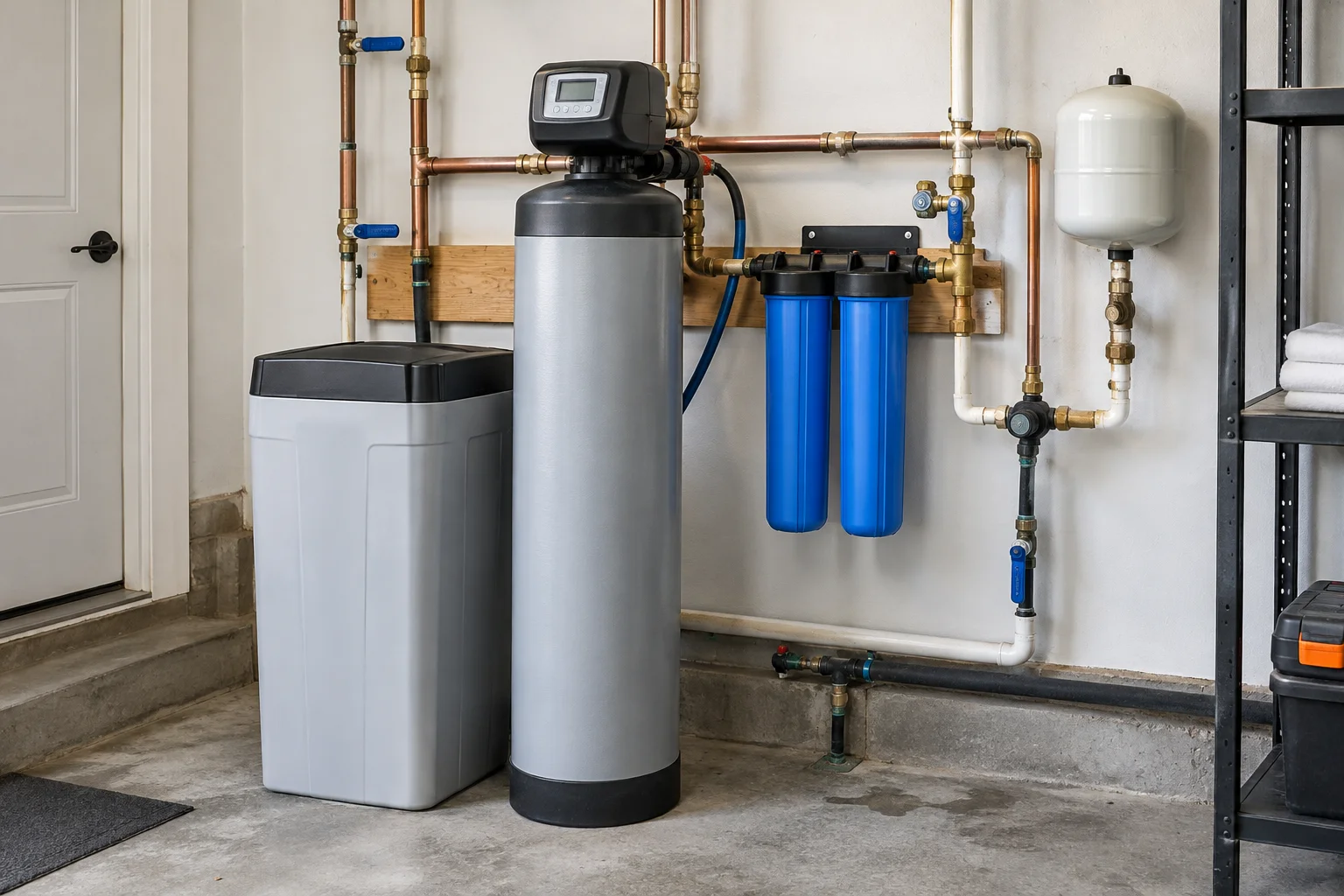
Whole house water filter for cleaner plumbing and fewer scale problems
A whole house water filter helps reduce sediment and improves the overall water entering your fixtures and appliances. This can reduce the buildup that causes scale buildup around faucets, showerheads, and plumbing.
Water softening for spot reduction and better skin and hair feel
If you see stubborn mineral staining on glass and fixtures, or if bathing leaves skin dry and hair dull, water softening can help. It can also make soap work better, so you get cleaner laundry and more comfortable bathing.
RO for drinking and cooking water taste
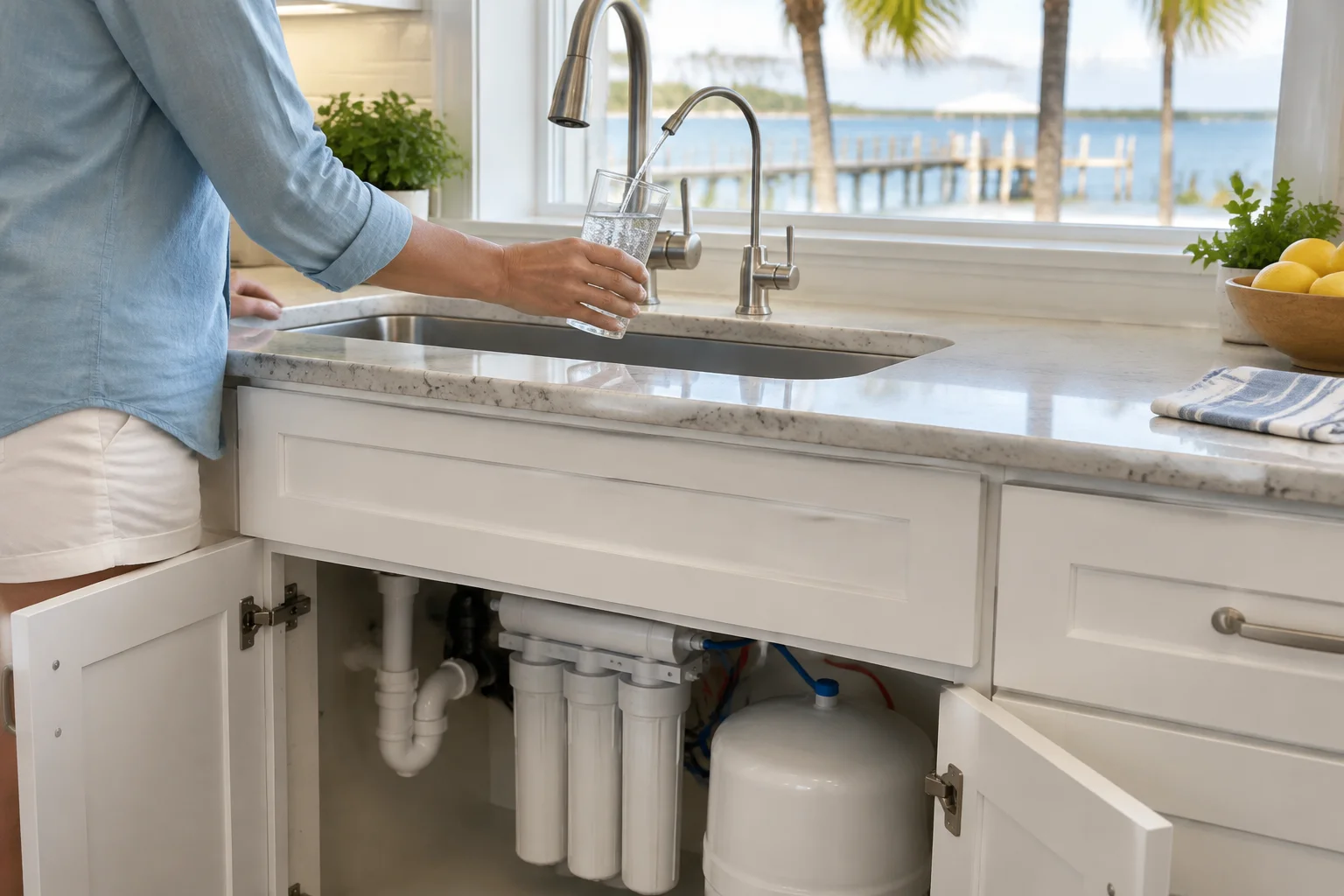
Reverse osmosis is ideal for the kitchen and drinking water line. It helps deliver RO drinking water system performance for everyday drinking water, cooking water, and better-tasting coffee.
This layered approach also helps protect the RO membrane from the conditions that shorten its lifespan, especially when hard water treatment becomes part of protecting fixtures and appliances.
Choosing the right RO system for your Lake Lorraine home
When homeowners search for reverse osmosis installation near me, they are usually trying to solve multiple problems at once: taste, sediment, scale, and appliance wear. The right system depends on your water test results and your household habits.
During system selection and planning, ask these practical questions:
Will the system include appropriate pre-filtration to handle sediment and protect the membrane?
Do we need water softening to reduce scale buildup around fixtures and improve RO longevity?
Is whole house filtration recommended for consistent water quality throughout the home?
What is the recommended filter and membrane maintenance schedule for Okaloosa County conditions?
How will the RO faucet and storage tank be sized for your household use?
If you want to review options for your area, you can explore reverse osmosis systems in Lake Lorraine. For broader water treatment planning, visit water filtration and RO water softeners.
For local context and service coverage details, you can also check Lake Lorraine service areas and Okaloosa County service areas.
Budgeting for better water: prevention costs less than repairs
It is tempting to wait until the RO system produces no water or the taste becomes unbearable. But waiting can cost more. When filters clog and the membrane fouls, you may need more expensive replacements sooner. Meanwhile, hard water scale can keep building on faucets, showerheads, and plumbing, reducing efficiency and increasing cleaning time.
By scheduling maintenance and addressing upstream issues like sediment and hardness, you can protect your appliances and keep your kitchen routine reliable. That matters for busy school mornings, family dinners, and weekend guests who expect great drinking water.
How to spot water quality problems early in everyday life
Here are real-world moments Lake Lorraine homeowners often notice first, and what they can mean for reverse osmosis and whole home filtration.
Kids’ water bottles taste different
If the flavor has changed, it can indicate carbon filter wear or system performance issues. It can also correlate with changes in upstream water quality. Addressing it early helps keep drinking water consistent.
Cooking water affects flavor
Poor tasting coffee and cooking water can be a sign of chlorine taste in water or insufficient filtration. A functioning RO drinking water system helps deliver better water for drinking and cooking.
Bath time feels “residue-y”
Dry skin or dull hair after bathing can be linked to hard water minerals. If you are also seeing soap that does not lather or rinse well, water softening and whole home water filtration may be part of the solution.
Dishwasher finishes with spots
Hard water spots on glass and dishes often show that mineral control is not keeping up. Even if your drinking water tastes okay, your appliances may still be taking a hit.
Showerheads clog or water flow drops
Scale buildup around showerheads is a sign that minerals are accumulating in plumbing. That is a good time to review your water softening and filtration plan.
Maintenance habits that support your RO system
Homeowners can do a few things between service visits to support performance and reduce surprises.
Replace filters on schedule and avoid extending service intervals too long. Your technician can recommend timing based on your water conditions.
Use the RO faucet regularly when possible. Stagnant water in lines can affect taste.
Stay alert to changes in taste, odor, flow rate, and clarity. Early detection is the easiest fix.
Keep the system area clean and dry around the tank and connections to prevent issues you might otherwise miss.
If you want practical habits for RO performance in coastal communities, read Smart Plumbing Habits for Reverse Osmosis Systems in 30A Homes. For homeowners who want to connect water treatment with broader plumbing care, see How Preventive Plumbing Care Supports Cleaner Water in Lake Lorraine Homes and Why Earlier Plumbing Maintenance Pays Off in Lake Lorraine Homes.
If you are comparing how different areas approach RO and water treatment, this homeowner-focused guide can also help: Cleaner Drinking Water and Healthier Plumbing: A Rosemary Beach Homeowner’s Guide to Reverse Osmosis Systems.
When to call A Superior Mechanical for RO service in Lake Lorraine
Call a professional for reverse osmosis installation near me support or service when you notice:
Chlorine taste in water or unpleasant metallic flavors returning
Cloudy ice cubes or hazy drinking water
Visible sediment, discoloration, and odor concerns at the drinking tap
Slow RO flow or reduced production
Faster scale buildup on faucets, showerheads, and plumbing
Dry skin, dull hair, and soap that does not lather that suggest hardness is not controlled
A Superior Mechanical provides professional reverse osmosis systems in Lake Lorraine, FL for cleaner drinking water, better taste, and dependable plumbing solutions throughout Okaloosa County. If you are also considering whole home water filtration or water softening, you can ask for a coordinated plan that protects both your RO system and your fixtures.
For more on local service options, start with reverse osmosis systems in Lake Lorraine and browse water filtration and RO water softeners to see how the right combination supports better water for everyday life.
Find Reverse Osmosis Systems in Lake Lorraine, FL
If you need Reverse Osmosis Systems in Lake Lorraine, FL, visit our local service page or contact A Superior Mechanical today.
For a broader look at whole-home water filtration, reverse osmosis, and water softener options, visit our water filtration, RO, and water softener page.
Map of Lake Lorraine, FL
Frequently Asked Questions
How often should a reverse osmosis system be serviced in Lake Lorraine, FL?
Most RO systems need filter changes on a schedule based on water conditions, plus periodic membrane and performance checks. If you notice chlorine taste in water, cloudy ice cubes, slow flow, or sediment at the RO faucet, service should happen sooner.
Can hard water damage an RO system?
Hard water can contribute to scale buildup that stresses the system. Many homeowners with hard water spots on glass and scale buildup around faucets and showerheads benefit from water softening and whole house filtration to protect the RO membrane and improve consistency.
Why does my RO water taste chlorinated even when the water looks clear?
Chlorine taste in water often points to carbon filter performance or upstream filtration issues. It can also happen if pre-filters are overdue or if the system is not producing water at the expected rate.
What causes cloudy ice cubes from an RO drinking water system?
Cloudiness can come from dissolved gases, changes in filtration, or inconsistent water quality. If the cloudiness is new or paired with odor, discoloration, or taste changes, it is a good sign to have the system inspected.
Do I need whole home water filtration if I already have RO for drinking water?
Not every home needs whole home water filtration, but many do when they have scale buildup on fixtures, dry skin or dull hair after bathing, or soap that does not lather well. Whole house filtration can improve water quality throughout the home and reduce strain on your RO system.
Related Articles
- How Preventive Plumbing Care Supports Cleaner Water in Lake Lorraine Homes
- Why Earlier Plumbing Maintenance Pays Off in Lake Lorraine Homes
- Smart Plumbing Habits for Reverse Osmosis Systems in 30A Homes
- Cleaner Drinking Water and Healthier Plumbing: A Rosemary Beach Homeowner’s Guide to Reverse Osmosis Systems
Photo Gallery