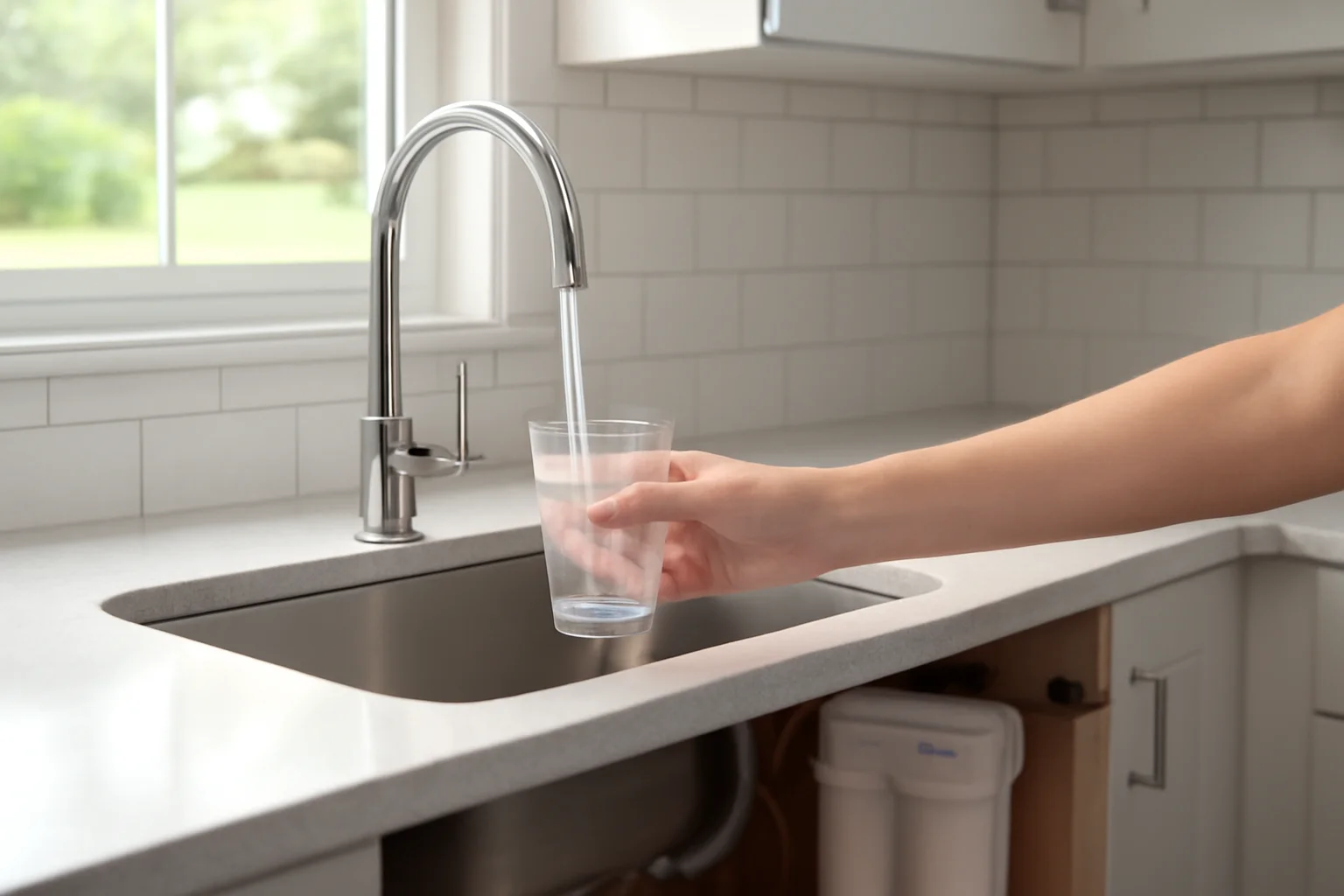
Niceville homes do a lot of things right. The porches are made for Gulf breezes, the kitchens are built for family meals, and the showers are where people reset after a long day. But if your water is hard, everyday routines can feel harder, too. You might notice hard water spots on glass, dishes that never look truly clean, scale buildup around faucets and showerheads, or dry skin and dull hair after bathing.
Water softening is one of the most practical water treatment steps homeowners in Niceville can take. With the right system and a few simple habits, you can reduce scale, improve how soap works, and help protect plumbing and appliances over time. If you are also dealing with chlorine taste in water, metallic or unpleasant flavors, or visible sediment, combining softening with the right water filtration approach can make a noticeable difference.
What hard water is doing to your Niceville home
Hard water contains minerals, mainly calcium and magnesium. They are not usually a health emergency, but they create a long list of household annoyances. In the kitchen, you may see hard water spots on dishes and glassware that look like they were wiped with a cloudy film. In the bath, you may find scale buildup around faucets and showerheads that makes water flow feel weaker and leaves the fixtures looking dull.
Hard water can also show up in ways you feel more than you see. Many homeowners report dry skin from hard water, stiff or dull hair after bathing, and soap that does not lather or rinse well. In laundry, minerals can interfere with detergent performance, which can make clothes feel rough and colors look less vibrant.
Then there is the “behind the scenes” problem: scale inside plumbing and appliances. When minerals build up in hot water lines, water heaters, and appliance connections, it can contribute to premature wear and reduced efficiency. Homeowners often notice appliances wearing out faster, and they may also see issues like clogged fixtures or inconsistent water flow.
Niceville and the surrounding Okaloosa County area have conditions where water quality can vary by source and season. That is why local water treatment service matters. A system designed for your home’s water can do more than treat symptoms. It helps protect pipes, fixtures, and daily comfort across the year.
Common signs you are dealing with hard water (and mineral buildup)
Hard water problems often build up gradually, so the clues can be easy to miss until they start stacking up. Look for these signs around your home:
- Hard water spots on glass, especially after the dishwasher or a quick rinse.
- Scale buildup on faucets, showerheads, and around handles that look chalky or crusted.
- Soap scum that is hard to remove, with residue that builds on tubs and sinks.
- Dry skin or dull hair after bathing, plus water that feels “less soft” than you expect.
- Visible sediment, discoloration, and odor concerns that can show up in certain fixtures or at specific times.
- Metallic, chlorinated, or unpleasant taste in drinking water.
- Cloudy ice cubes, which can suggest mineral content or suspended particles.
- Poor tasting coffee and cooking water, especially if you want better flavor from your beans and ingredients.
- Appliances wearing out faster or needing repairs sooner than expected.
- Soap does not lather or rinses poorly, even when you use the same products you have always used.
If you recognize several of these, you are likely seeing the effects of hard water and scale buildup. The good news is that water softening is built to address the mineral part of the problem, and it pairs well with other water filtration options when taste, odor, or sediment are also concerns.
How water softening works to protect your kitchen and bath
Water softening reduces hardness minerals so they do not form scale. Instead of leaving chalky deposits on fixtures and glass, softened water helps keep minerals from sticking where they cause problems. That means fewer spots on dishes, less buildup around faucets and showerheads, and better performance from soaps and detergents.
For many Niceville homeowners, the biggest day-to-day wins come from the bathroom and kitchen. Soap that lathers more easily and rinses cleaner can make a noticeable difference in how your skin and hair feel after showering. In the kitchen, softened water can help improve the results you see in cooking, rinsing, and cleaning.
Softening also helps protect plumbing and appliances. When scale buildup is reduced, water heaters, dishwashers, and other equipment often run more efficiently and can face less mineral-related wear over time.
Simple habits that make your water softening system work better
A water softener is not a set-it-and-forget-it machine. But with a few habits, you can keep it performing at its best and avoid the common “it used to work” complaints.
1) Keep an eye on soap performance
If you suddenly notice that soap does not lather like it used to, rinses feel filmy, or the bathtub and sink start looking cloudy, treat it as a softening performance clue. Sometimes it is a salt supply issue. Other times it can be a system setting or maintenance item. Addressing it early helps prevent scale buildup on faucets and showerheads.
2) Watch for the return of hard water spots
Hard water spots on dishes and glassware can reappear when softening is not keeping up. If you are loading the dishwasher the same way and using the same rinse aid, but the film is back, that is a strong sign to check your system.
3) Inspect showerheads and faucet aerators
Even with good softening, aerators and showerheads can collect residue. Quick checks can help you catch buildup before it becomes a flow problem. If you see crusty scale around fixtures, you may need professional water softener service or a review of system performance.
4) Use the right salt and keep the brine system maintained
Most whole-home water softeners use salt to regenerate. Using the correct salt type and keeping the brine tank filled helps the system cycle properly. When salt levels run low or the tank is not maintained correctly, hardness can slip back into the water stream.
5) Pair softening with targeted filtration when taste and odor matter
Softening is about hardness minerals. If you also experience chlorine taste in water, metallic or unpleasant flavors, cloudy ice cubes, or visible discoloration, you may need additional treatment for drinking and cooking water. Many homeowners choose a combination approach, such as whole home filtration for cleaner water throughout the house and reverse osmosis for drinking water at the kitchen sink.
When you are searching for water filtration near me or a drinking water filter near me, it helps to think in layers: a water softener for scale control, and filtration for taste, odor, and fine particles that affect everyday drinking and cooking.
Where water softening helps most in a Niceville household
Hard water is not just a bathroom issue. It touches everything from family meals to laundry day. Here are the most common “real life” places homeowners notice the difference after water softening and proper filtration.
Kitchen routines and family cooking scenes
Picture a busy Niceville weekday. Someone is rinsing produce, another person is filling a pot, and the dishwasher is running after dinner. With softened water, you are more likely to see cleaner rinses and fewer spots on glass and cookware. For many families, that also means better results when making coffee, tea, and sauces.
If you have ever dealt with poor tasting coffee and cooking water, minerals and chlorine effects can add up. A properly designed system can improve your water for drinking and cooking, especially when you add reverse osmosis or another drinking water filtration layer.
Drinking water quality and better water for ice and beverages
Some homeowners notice cloudy ice cubes or a taste that feels “off.” Even when water looks clear, minerals and treatment chemicals can affect flavor. Softening helps with hardness, and additional filtration can address taste and odor concerns. For homeowners who want the cleanest drinking water, a reverse osmosis system near me installation can be part of a strong water treatment plan.
Bath time comfort and easier cleaning
When hard water is present, soap scum builds faster, and it takes more scrubbing to keep showers and tubs looking good. With softened water, soap that lathers and rinses better often leads to a more comfortable bathing experience. Many people report dry skin from hard water improves after switching to softened water, and hair may feel less dull.
Laundry day and clothing that feels better
Hard water can reduce detergent performance and leave residue on fabrics. Softer water can help laundry come out cleaner and can help you get more consistent results from your regular detergent. Over time, that can also reduce the buildup that shortens the life of certain appliance components.
Fixtures, appliances, and long-term protection
Scale buildup around faucets and showerheads is more than cosmetic. It can affect flow, spray pattern, and the lifespan of components. In the home, softened water helps reduce mineral deposits that contribute to appliance stress. Homeowners often see fewer issues with water heater performance and fewer mineral-related maintenance calls when softening is working properly.
Whole home water filtration, reverse osmosis, and where they fit
Homeowners often ask whether water softening alone is enough. The answer depends on what you are noticing. If the main issues are scale, soap scum, and hard water spots, a water softener may be the core solution. If you also want better drinking water, cleaner cooking water, and improved taste, you may benefit from combining treatments.
Whole home water filtration for cleaner water across the house
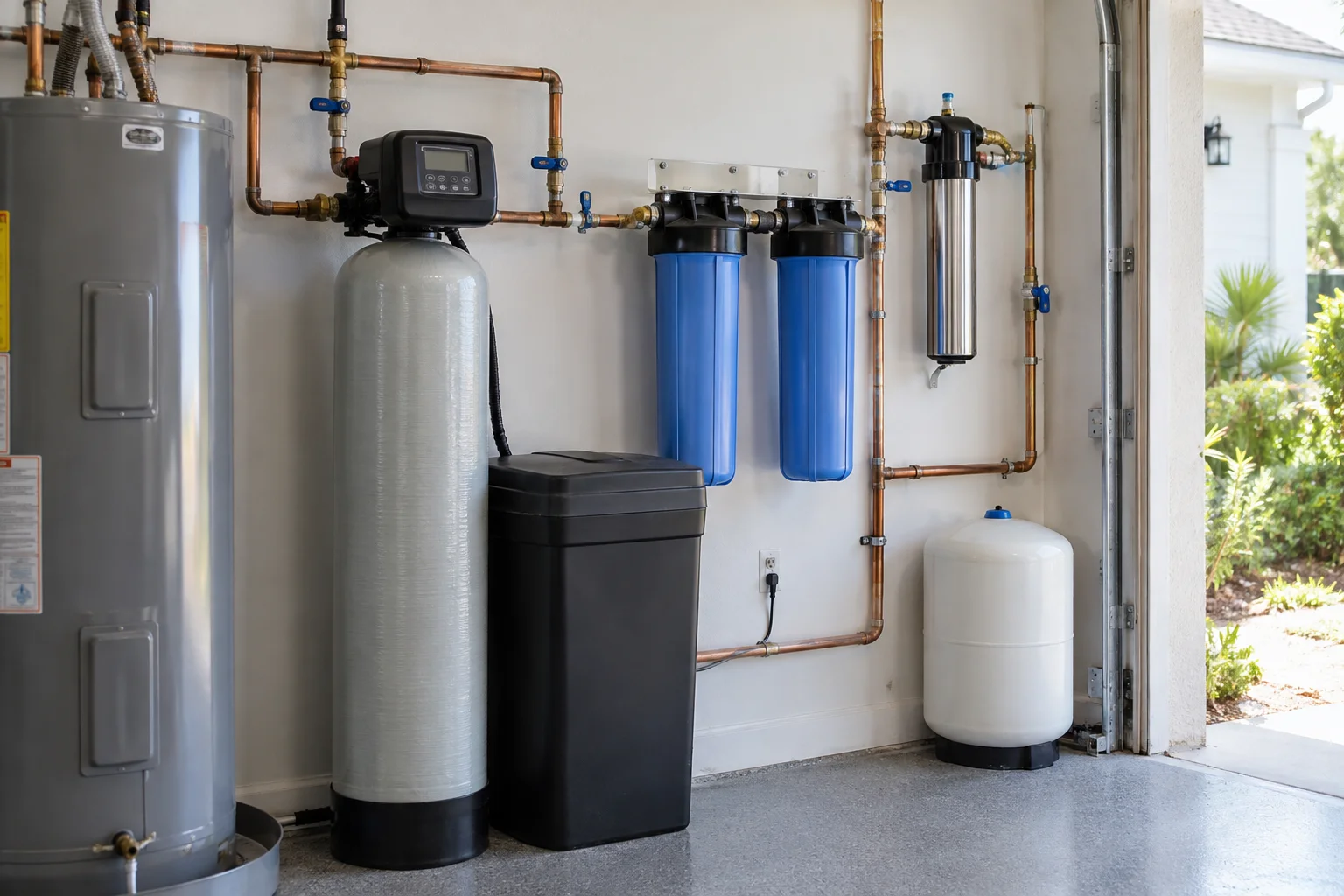
Whole home water filtration can help reduce sediment and improve water consistency for showers, laundry, and kitchen cleanup. If you are looking for clean water systems near me or water filtration near me, this is often the starting point for homeowners who want better water throughout the home, not just at one tap.
Reverse osmosis for drinking water and ice
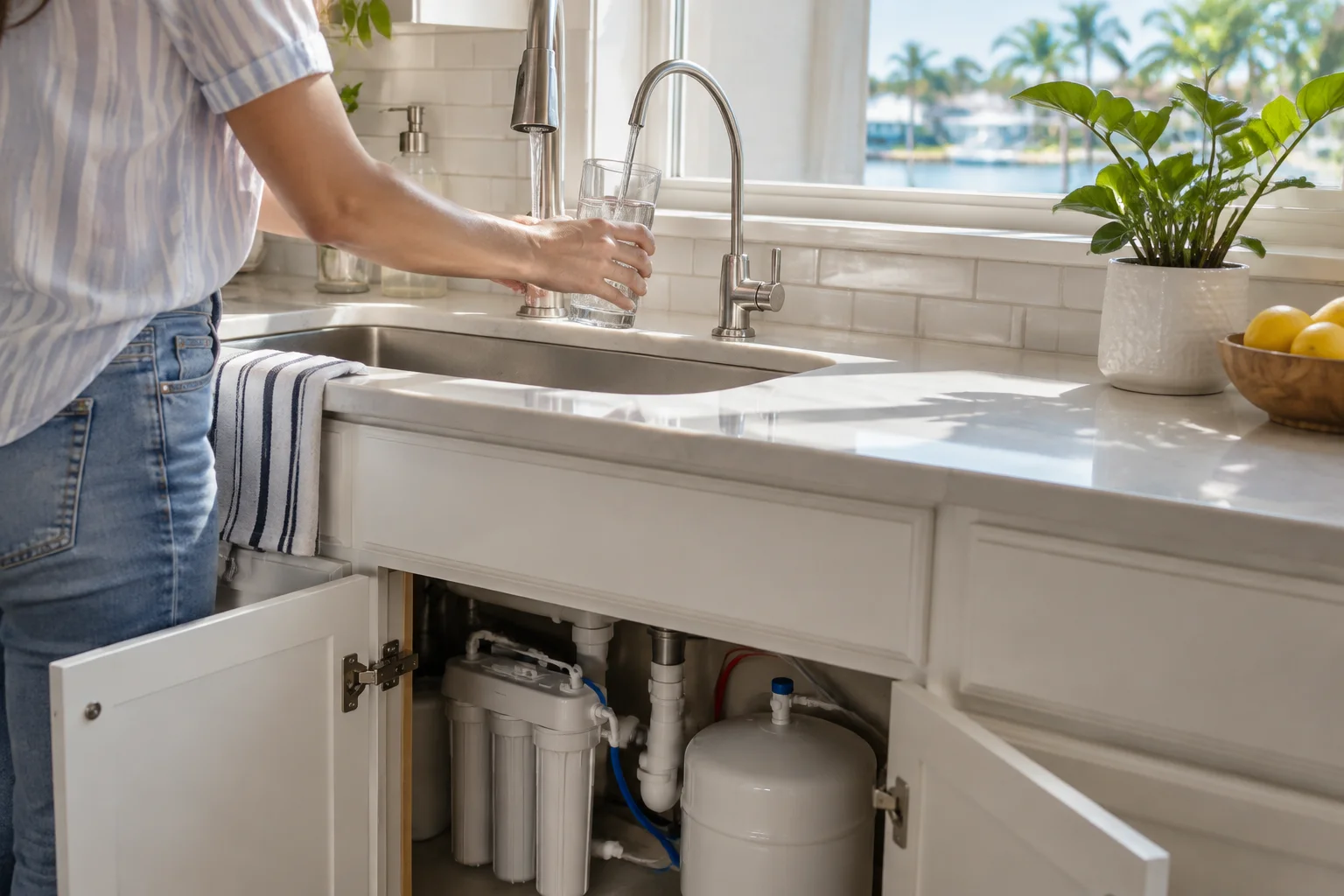
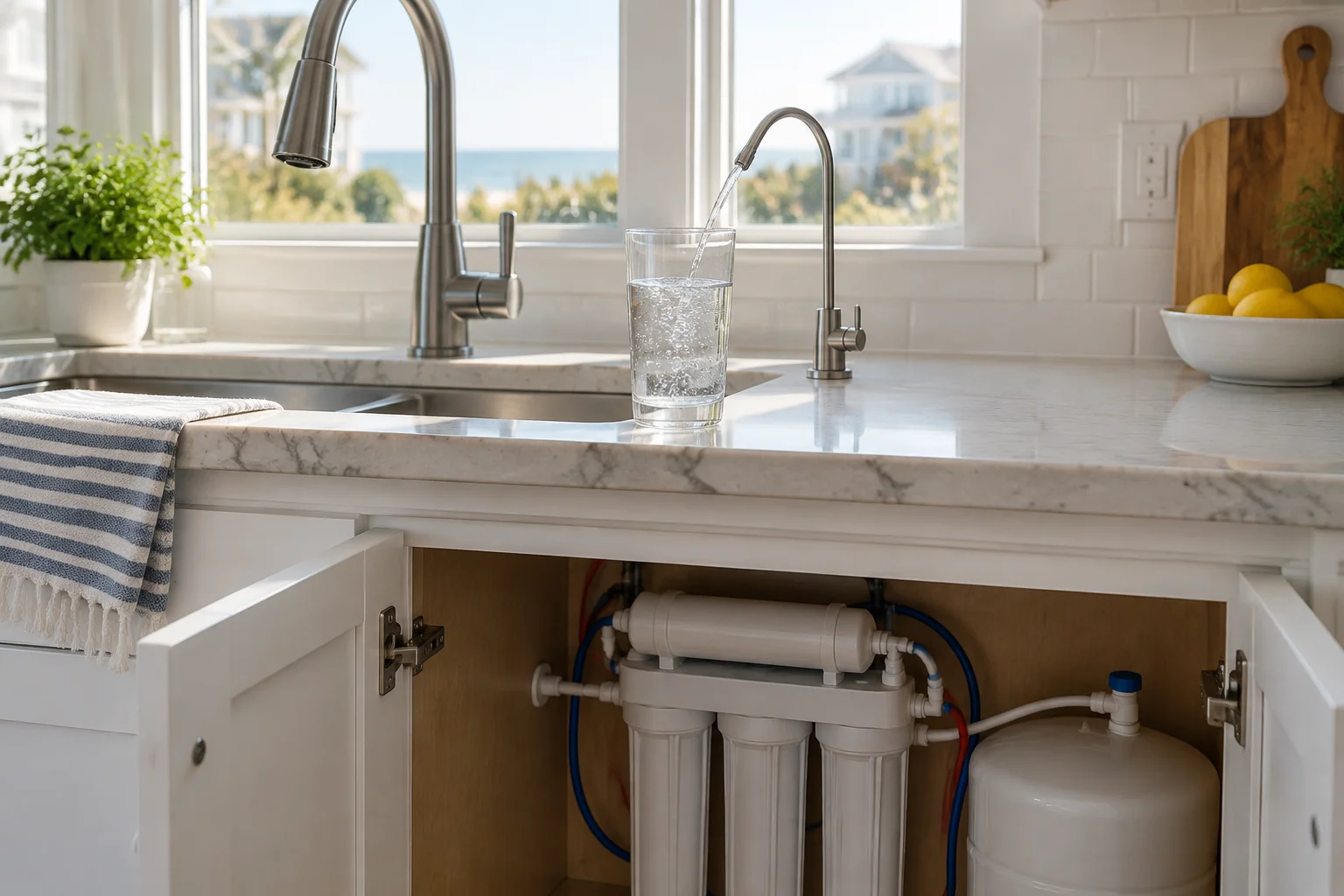
Reverse osmosis systems are commonly used to produce high-quality drinking water. If you have metallic, chlorinated, or unpleasant taste, cloudy ice cubes, or concerns about discoloration and odor, reverse osmosis can be a strong option for the kitchen sink.
For homeowners searching for a reverse osmosis system near me, it helps to talk through your specific goals. Softened water can reduce hardness-related buildup, while reverse osmosis helps with dissolved contaminants and taste related concerns for drinking water.
AO Smith water filtration and softeners
Many Niceville homes benefit from dependable equipment from AO Smith. AO Smith water softeners and filtration components are designed for whole-home performance, helping protect plumbing, fixtures, and daily water use. If you are looking for water softener installation near me or want to upgrade to a whole-home approach, ask about AO Smith options and how they fit your household’s water quality.
To explore what is available, visit /water-filtration-ro-water-softeners for a helpful overview of water softeners and filtration combinations.
Why local water softener service matters in Niceville and Okaloosa County
Water quality can vary based on the source serving your neighborhood, seasonal changes, and how your home plumbing is set up. That is why a local water treatment service approach matters. In Niceville, homeowners want systems that match their household needs, their plumbing layout, and their goals for kitchen and bath water.
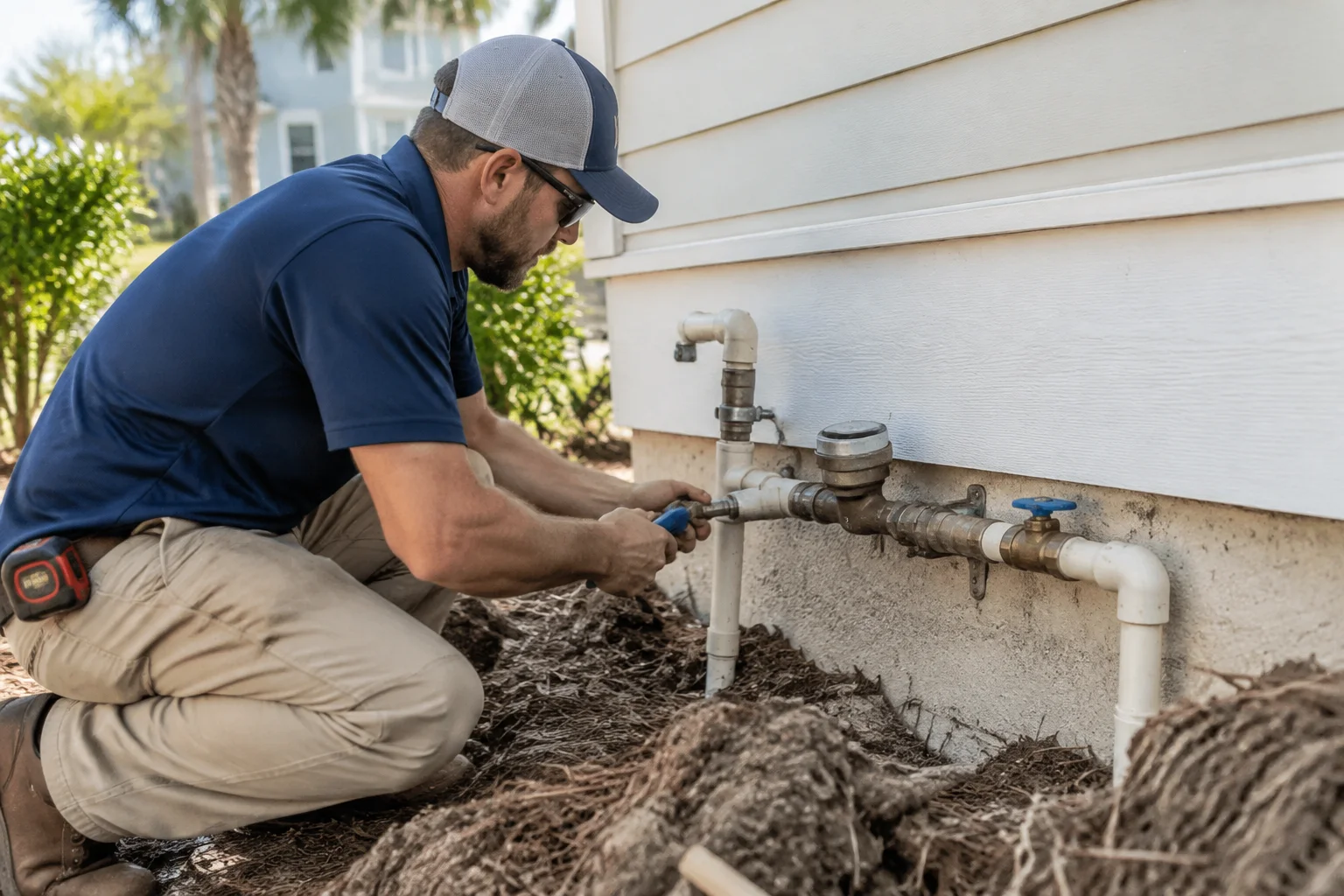
When you schedule water softener service, a professional can help confirm whether hardness levels are the real driver behind what you see. They can also help you choose the right combination of softening and filtration, especially if you are also dealing with taste, odor, sediment, or cloudy ice cubes.
If you want to learn more about service coverage, you can review /service-areas/okaloosa-county/niceville and the specific water softening page here: /service-areas/okaloosa-county/niceville/water-softening-fwbnvfl.
For homeowners across the county, you can also browse /service-areas/okaloosa-county to see how local water treatment support works throughout the area.
Maintenance checklist homeowners can use between service visits
Use this quick checklist to keep your system performing and to catch issues early, before scale buildup becomes visible around fixtures.
- Check salt levels in the brine tank and keep the system supplied for regeneration.
- Look for returning hard water spots on glass and dishes.
- Monitor soap behavior in showers and sinks. Soap that does not lather can be a clue.
- Inspect faucet aerators and showerheads for crusty residue.
- Watch laundry results for stiffness or dullness that could indicate mineral buildup.
- Note drinking water changes such as chlorine taste in water, metallic flavors, or odor concerns.
- Pay attention to ice clarity. Cloudy ice cubes can signal water quality changes.
If you notice multiple issues at once, it can mean your softener needs service, or it can mean you need additional filtration for drinking water. Either way, getting a professional evaluation is usually faster and more cost-effective than guessing.
When to call a professional water treatment team
Some homeowners try home remedies for scale, like harsh cleaners or repeated scrubbing. Those approaches help temporarily, but they do not stop minerals from building up inside plumbing. Call a professional when you notice:
- Hard water spots on dishes and glass return quickly after cleaning.
- Scale buildup on faucets and showerheads keeps coming back.
- Soap does not lather or rinse well, even with normal usage.
- Dry skin from hard water seems to be getting worse.
- You see visible sediment, discoloration, or persistent odor concerns.
- Your drinking water tastes metallic, chlorinated, or unpleasant.
- Appliances seem to wear out faster than expected.
In many cases, a technician can help confirm whether the softener is regenerating correctly, whether settings need adjustment, or whether a combined solution like whole home water filtration plus reverse osmosis for drinking water would better match your goals for better water for drinking and cooking.
If your home’s water issues are connected to broader plumbing performance, you may also find these related reads helpful:
- Why a Small Water Heater Problem in Niceville Can Turn Into a Bigger Plumbing Repair
- Why Better Plumbing Replacement Pays Off in Niceville Homes
- How Better Plumbing Installation Helps Niceville Homes Stay Reliable Year Round
- Practical ways Niceville homeowners can handle plumbing financing without delaying repairs
Choosing the right approach: softening first, then refine for taste and drinking water
Most Niceville homeowners get the best results by addressing hardness and scale control first with water softening. From there, you can refine your water quality for drinking, cooking, and ice. That might mean whole home water filtration to improve consistency throughout the house, plus reverse osmosis for a kitchen drinking water setup.
If you want a streamlined path, start by comparing water softening and filtration options through /water-filtration-ro-water-softeners. From there, a local assessment can help confirm the right mix for your home’s water and your everyday goals, from cleaner showers to better coffee.
Find Water Softening in Niceville, FL
If you need Water Softening in Niceville, FL, visit our local service page or contact A Superior Mechanical today.
For a broader look at whole-home water filtration, reverse osmosis, and water softener options, visit our water filtration, RO, and water softener page.
Map of Niceville, FL
Frequently Asked Questions
Will water softening make my water taste better?
Water softening mainly reduces hardness minerals that cause scale. If you also have chlorine taste in water, metallic or unpleasant taste, or odor concerns, you may need additional filtration such as whole home water filtration and possibly reverse osmosis for drinking water.
How can I tell if my soap problems are from hard water?
If soap does not lather or rinses poorly and you see soap scum or cloudy residue in the shower and sink, hard water is often the cause. A water test can confirm hardness levels, but these signs usually show up with mineral buildup.
Do I need reverse osmosis if I already have a water softener?
Not always. A softener helps with scale and fixture buildup. Reverse osmosis is typically added when homeowners want improved drinking water taste and quality, such as reducing chlorine taste, addressing unpleasant flavors, or helping with cloudy ice cubes.
How often should a water softener be serviced in Niceville?
Most homes benefit from periodic maintenance and performance checks. If you notice returning hard water spots on dishes, increased scale buildup on faucets, or soap that does not lather, schedule water softener service sooner.
What brand of water softeners and filtration does A Superior Mechanical recommend?
A Superior Mechanical can help you explore whole home options that include AO Smith water softener and water filtration equipment, matched to your household needs and water quality goals in Niceville and Okaloosa County.
Related Articles
- How Better Plumbing Installation Helps Niceville Homes Stay Reliable Year Round
- Practical ways Niceville homeowners can handle plumbing financing without delaying repairs
- Why a Small Water Heater Problem in Niceville Can Turn Into a Bigger Plumbing Repair
- Why Better Plumbing Replacement Pays Off in Niceville Homes
Photo Gallery