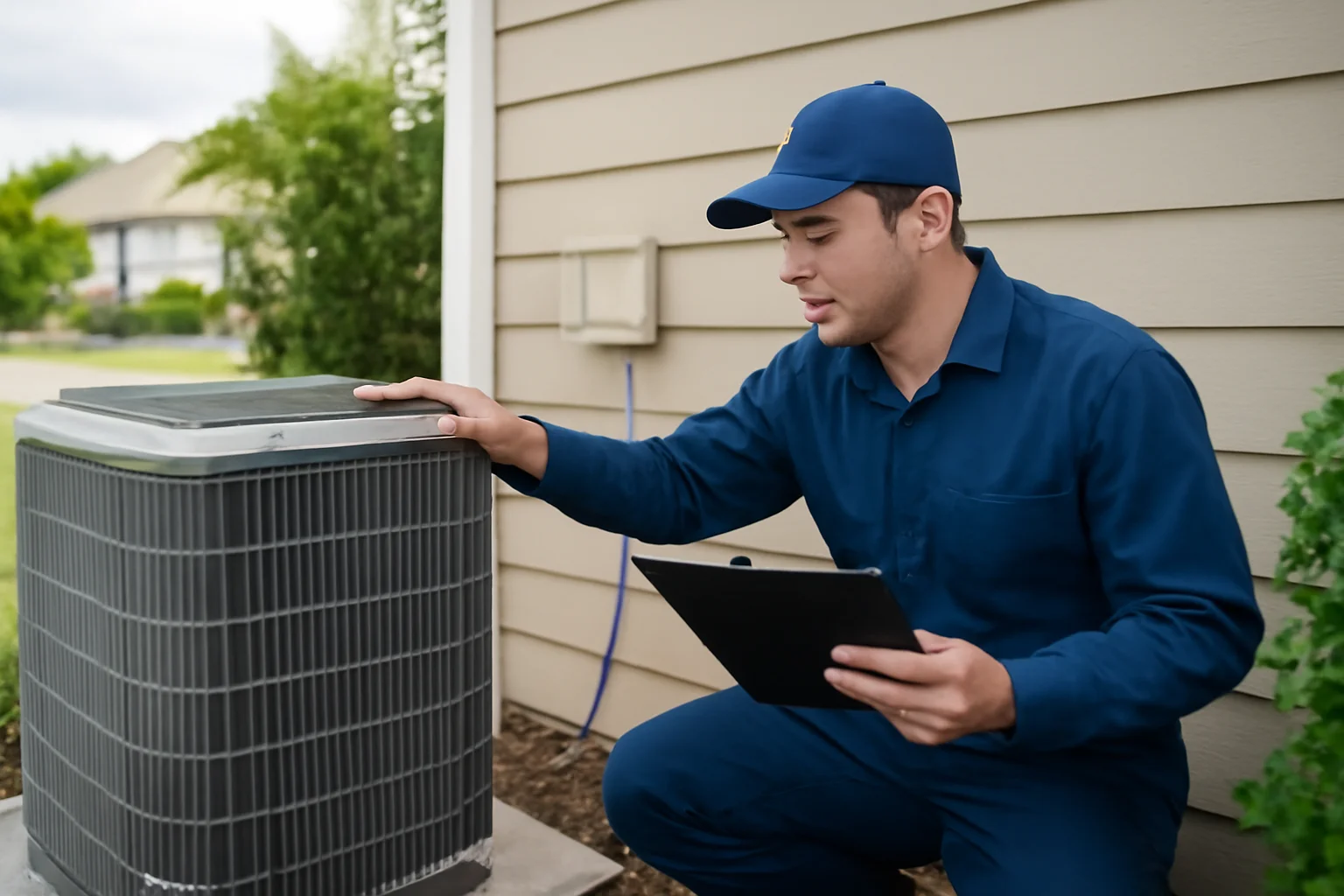
If your business relies on steady comfort, the HVAC system cannot be treated like a “fix it when it breaks” appliance. In Latitude Margaritaville Watersound, FL, long humid summers, salty coastal air, and frequent temperature swings can stress commercial equipment. A smart maintenance plan helps you protect indoor comfort, manage energy use, and reduce emergency cooling concerns when conditions get intense.
A Superior Mechanical provides commercial HVAC maintenance in Latitude Margaritaville Watersound, FL designed for real-world local conditions. Below is a practical, year-round approach you can use to plan ahead and coordinate service before problems become costly interruptions.
Start with the building and the “real” comfort load
Before scheduling preventive HVAC maintenance near me, gather the basics about your building. Commercial systems are sized for a design load, but day-to-day comfort depends on how the building is used.
Track how the space is actually operated
Ask the team a few simple questions: Are doors opened frequently? Do certain rooms run hotter or colder? Is occupancy steady or does it spike at certain times? Are there areas with poor airflow due to layout, furniture, or blocked supply registers?
These details influence thermostat settings, airflow distribution, and how quickly the system can respond. They also help your HVAC contractor focus on the parts of your system that affect comfort most.
Review equipment types and refrigerant system layout
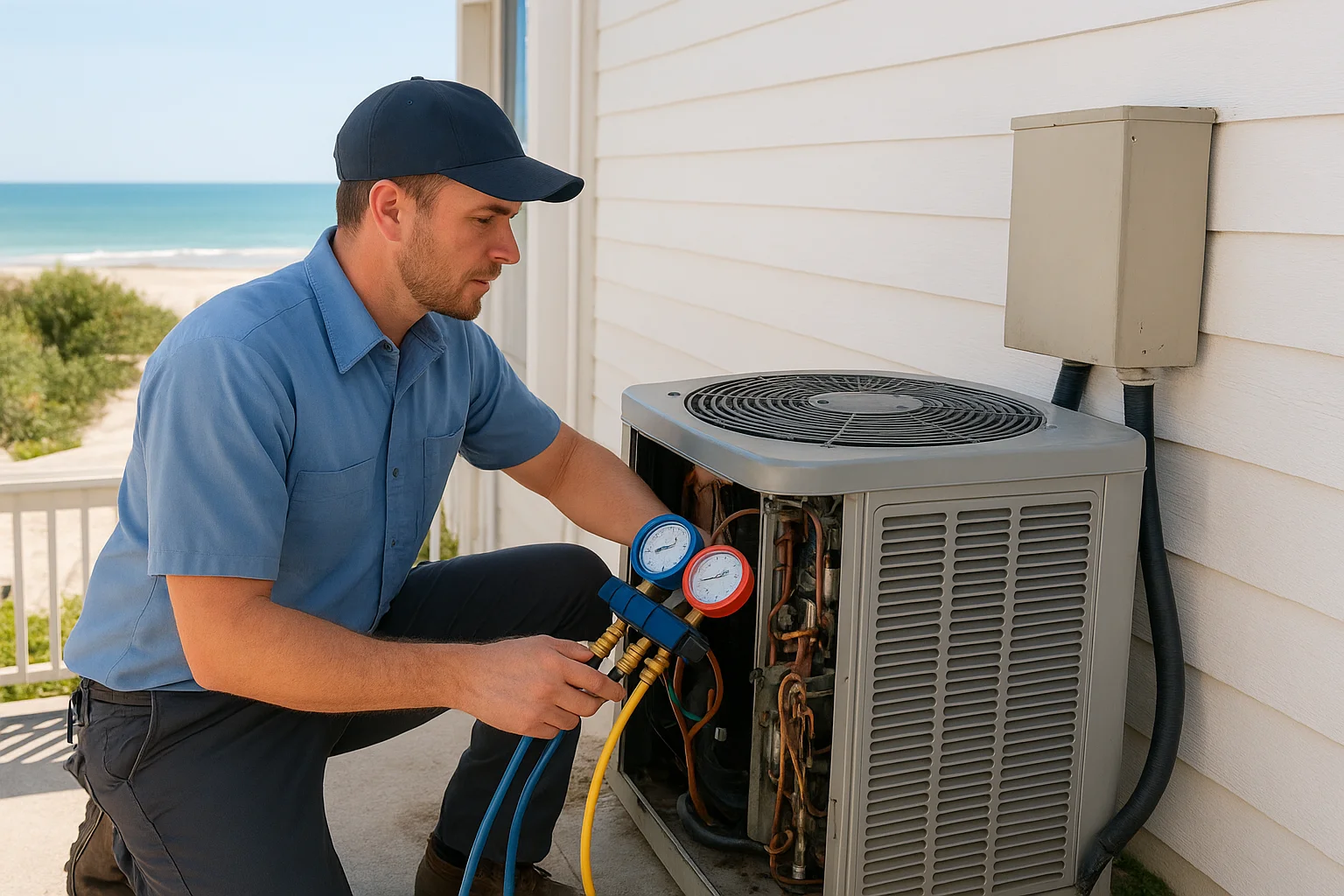
Commercial buildings may use rooftop units, split systems, packaged systems, heat pumps, or ducted air handlers. Many also rely on ductwork that must stay properly sealed and balanced. Maintenance planning should include the refrigerant system and its related components, such as air handlers, condensers, evaporator coils, expansion devices, and controls.
Only a professional can evaluate refrigerant performance on-site. However, a maintenance plan should still include routine checks that support stable operation and help prevent issues that lead to loss of cooling or poor dehumidification.
Build a year-round schedule that matches Florida weather swings
In Bay County, the calendar is not just about seasons. It is about humidity levels, coastal salt exposure, and the way Florida heat can push systems beyond what they can handle when maintenance is delayed.
Spring: prepare for humidity and heavy cooling demand
Spring is a practical time to schedule inspections and tune-ups for air conditioning and cooling performance. Humidity management is a major goal because it affects comfort and indoor air quality.
During spring commercial HVAC maintenance, focus on:
- Airflow across supply and return paths, including ductwork condition and air handler operation
- Coil cleanliness for both air-side and refrigerant-side components, since dirty coils can reduce heat transfer
- Condensate drainage performance, including drainage lines and drain pan condition, because clogs can cause water issues and comfort problems
- Thermostat and control operation, because inaccurate temperature or humidity control can lead to short cycling or uneven comfort
- System start-up and sequence checks so the equipment responds correctly during early hot spells
Spring also helps you catch airflow restrictions that can look like “AC repair near me” emergencies later. If airflow is reduced, the system may run longer, use more energy, and struggle to remove moisture.
Summer: protect performance during peak load
Summer maintenance priorities are about reliability. When Florida heat and humidity peak, even small issues can turn into emergency cooling concerns.
Consider scheduling mid-summer service for:
- Operational verification during real running conditions
- Re-checking airflow and supply balance, especially in buildings with multiple zones
- Monitoring condensate drainage and checking for signs of overflow or slow drainage
- Filter condition and replacement practices, because clogged filters can restrict airflow and strain the system
Salt air can also accelerate corrosion on some components over time. Routine inspections help identify early wear so you can address it before it becomes a shutdown risk.
Fall: reduce the risk of breakdowns during shoulder seasons
Fall is often when commercial systems get overlooked. The weather feels manageable, but equipment is still doing work, especially as indoor comfort demands shift.
Fall preventive HVAC maintenance should include:
- Heating checkups if your system includes heat or heat pump service
- Thermostat and control calibration verification so temperature targets are accurate
- Verification of airflow pathways and ductwork integrity, including areas that may collect dust
- Indoor air quality support, such as filter strategy and maintenance of air handling components that affect cleanliness
For homeowners searching for “seasonal AC service near me,” this is the same concept applied to commercial equipment. A scheduled check in fall can reduce the chance that a minor issue becomes a bigger one when the system runs harder again.
Winter: plan for consistent comfort and avoid “set and forget”
Even when heating demand is lower, commercial systems still need attention. In coastal climates, the air can remain humid, and equipment can still face corrosion and moisture-related wear.
Winter maintenance planning can include:
- Operational checks and documentation of system performance
- Condensate drainage checks if your system still runs cooling cycles for humidity control
- Inspection of ductwork and air distribution components for leaks or damage
- Review of energy use patterns so you can adjust schedules and setpoints appropriately with professional guidance
If your building uses ductless mini split systems, it is also a good time to confirm that airflow is unobstructed and that indoor units are clean and functioning as intended. Ductless systems still depend on good airflow and proper maintenance to avoid performance problems.
Know the maintenance items that matter most for commercial systems
Not all maintenance is equal. A solid plan includes both routine inspections and the practical work that improves comfort, airflow, and reliability.
Airflow and ductwork: the comfort foundation
Commercial HVAC performance depends on airflow. If supply air cannot reach the space, the system may cycle frequently, run longer, and struggle to maintain temperature and humidity.
During maintenance, professionals typically evaluate:
- Supply and return airflow balance
- Air handler performance and blower operation
- Signs of ductwork issues such as loose connections, damage, or restricted airflow
Airflow problems can look like AC repair near me calls because the symptoms are similar: warm spots, weak cooling, or inconsistent comfort. The root cause may be ductwork, filter strategy, or airflow restrictions rather than the thermostat.
Condensate drainage: humidity control and moisture prevention
When cooling removes moisture from indoor air, condensate drainage becomes critical. If condensate drainage is slow or blocked, water can back up and create comfort issues and potential damage.
Include condensate drain inspection and cleaning in your schedule. Maintenance should also check drain pans and ensure proper drainage during cooling operation.
Refrigerant systems: support stable cooling performance
Commercial refrigerant systems are designed to move heat efficiently. When they are not operating properly, comfort can suffer and the system may run longer, increasing energy use.
A maintenance plan should include professional checks of refrigerant system components and controls as part of normal service. If there are concerns about refrigerant performance, it must be evaluated in person. Homeowners should avoid attempting DIY refrigerant diagnosis or adjustments.
Thermostats and controls: accuracy prevents wasted runtime
Thermostats influence how long and how hard the system runs. In commercial buildings, control schedules and setpoints can vary by occupancy. Small control problems can lead to overcooling, overheating, short cycling, or poor humidity control.
Ask your HVAC contractor to verify thermostat operation and confirm that controls match the building schedule. If you have multiple zones, confirm that zone control dampers and sensors are functioning properly.
Indoor air quality: comfort and health go together
Humidity and airflow affect indoor air quality services near me needs, especially in coastal Florida. During maintenance, focus on how the air system supports cleaner air, including:
- Filter maintenance and replacement practices
- Air handler cleanliness and airflow pathways
- Whether ventilation and humidity control are functioning as expected
For businesses with sensitive occupants or frequent guest traffic, indoor air quality is not optional. It impacts comfort, perception, and overall satisfaction.
Plan for salt air, corrosion, and humidity-related wear
Latitude Margaritaville Watersound, FL sits in a coastal region where salt air can affect equipment over time. Humidity also contributes to corrosion, microbial growth risk in certain conditions, and condensate drainage challenges.
That is why preventive HVAC maintenance near me should not be a generic checklist. Local commercial HVAC maintenance should account for:
- Exterior component protection and inspection
- Coil and drain condition checks that reflect humid operation
- Airflow performance verification under real conditions
If you manage multiple properties, it can be useful to coordinate maintenance schedules so that inspections and repairs happen consistently across sites. If your building is part of a larger portfolio, explore Property Management HVAC Services for help organizing recurring commercial HVAC maintenance.
Create an “emergency cooling” readiness checklist
Even with preventive HVAC maintenance, weather can overwhelm a system. The goal is to reduce surprises and shorten the path to restoration.
Document what you have
Keep a binder or digital folder with system model details, installation dates, past service notes, thermostat schedules, and any repair history. When an air conditioning repair near me situation happens, documentation helps technicians troubleshoot faster.
Track comfort complaints by location
Log where issues occur. Is it one zone, a specific room, or the entire building? Is the problem cooling, humidity, or airflow? These patterns help professionals identify whether ductwork, airflow balance, controls, or refrigerant system performance is the most likely driver.
Confirm access and clearances
Rooftop units, air handlers, and condensers need space for service access and proper airflow. Make sure storage areas, landscaping, and temporary barriers do not block airflow paths or hinder inspections.
Watch for early warning signs before they become breakdowns
Homeowners and facility managers often wait until comfort is seriously affected. Planning ahead means paying attention to early signals.
Common commercial HVAC warning signs
- Uneven temperatures across zones, especially during peak humidity
- Weak airflow from vents or noticeable changes in airflow patterns
- Higher energy use than usual, even with similar thermostat schedules
- Frequent cycling or difficulty maintaining setpoints
- Moisture signs near air handlers, including slow or overflowing condensate drainage
- Increased dust or odors that suggest filtration or air handling issues
- Strange noises or vibrations during start-up or operation
If you notice these issues, schedule an air conditioning inspection near me or maintenance service promptly. Timely evaluation helps avoid the chain reaction that can turn a small airflow problem into a larger emergency cooling concern.
Use maintenance to manage energy use, not just comfort
Commercial HVAC systems are major energy users. When airflow is restricted, coils are dirty, or controls are inaccurate, systems often run longer than they should.
A good maintenance plan supports efficiency by:
- Improving heat transfer through cleaner coils and proper airflow
- Supporting correct thermostat and control operation
- Reducing unnecessary runtime caused by short cycling or comfort imbalance
For organizations trying to keep budgets steady, preventive HVAC maintenance can be a practical way to reduce avoidable energy waste. It also helps you plan long-term for HVAC replacement near me decisions if equipment reaches the end of its service life.
When system replacement becomes part of planning
Maintenance can extend equipment life and reduce downtime, but some issues are tied to age, major component wear, or repeated failures. If your system is nearing the end of its useful life, replacement planning should be based on an in-person assessment.
A Superior Mechanical can help evaluate options for Commercial HVAC Services in the area. Replacement decisions should consider building needs, airflow requirements, indoor air quality goals, ductwork condition, and how the system will perform under local Florida heat and humidity.
For businesses exploring alternative approaches, you may also want to ask about Geothermal Energy, though the right choice depends on site conditions and operational goals.
Coordinate maintenance with the right local HVAC contractor
Commercial HVAC maintenance is not only about doing tasks. It is also about having a contractor who understands local conditions in Bay County and can document findings clearly.
When searching for an HVAC contractor near me, prioritize companies that:
- Schedule maintenance around real seasonal demands for cooling and humidity
- Evaluate airflow, ductwork, and condensate drainage as part of normal service
- Check thermostat and control operation to prevent comfort drift
- Support indoor air quality goals through a thoughtful filter and air handling approach
- Provide service documentation so you can plan future maintenance and repairs
This local expertise matters in Watersound because coastal air and humidity can change how equipment ages and how quickly problems appear. It also matters for businesses managing schedules and occupancy, where downtime is not just inconvenient, it can affect revenue and safety.
Make your next maintenance season easier
Planning ahead for commercial HVAC maintenance in Latitude Margaritaville Watersound, FL comes down to building a schedule that matches humidity, airflow needs, and local environmental stress. Spring preparation for cooling, summer reliability checks, fall heating and control verification, and winter readiness planning help prevent the most common comfort failures.
If you want to set up a preventive plan for your facility, start by reviewing your equipment and comfort priorities and then schedule service with a team that handles commercial systems regularly. You can learn more about maintenance options through commercial HVAC maintenance in Latitude Margaritaville Watersound, FL, or browse broader service coverage at /service-areas/bay-county. For comfort-focused cooling service, you can also review Air Conditioning Services.
To see how local businesses can approach maintenance planning, these reads can help you compare strategies across nearby communities: Keeping Valparaiso Comfortable Starts With Smarter Commercial HVAC Maintenance, What Fort Walton Beach Homes Can Learn From Commercial HVAC Maintenance, and Why Commercial HVAC Maintenance Matters More in DeFuniak Springs Than Most Businesses Realize.
Find Commercial HVAC Maintenance in Latitude Margaritaville Watersound, FL
If you need Commercial HVAC Maintenance in Latitude Margaritaville Watersound, FL, visit our local service page or contact A Superior Mechanical today.
Map of Latitude Margaritaville Watersound, FL
Frequently Asked Questions
How often should a commercial HVAC system be serviced in Latitude Margaritaville Watersound, FL?
Most commercial systems benefit from scheduled preventive HVAC maintenance tied to seasonal cooling and heating demand. In coastal Florida humidity, planning spring and summer service for cooling performance and condensate drainage is especially important, with additional checks in fall and winter based on your equipment type and operating schedule.
What does commercial HVAC maintenance include for air conditioning performance?
Maintenance typically includes airflow checks, inspection of ductwork and air distribution components, coil cleaning verification, condensate drainage evaluation, thermostat and control checks, and operational testing. A professional should evaluate refrigerant system concerns in person rather than relying on guesswork.
Can poor airflow or ductwork cause symptoms that look like an AC repair problem?
Yes. Restricted airflow can cause warm rooms, uneven comfort, and increased energy use, which often gets mistaken for a refrigerant or compressor issue. That is why airflow and ductwork should be part of preventive HVAC maintenance and air conditioning inspections.
What are common humidity-related issues commercial buildings face in Bay County?
High humidity can stress cooling systems and make condensate drainage more critical. Problems like slow drainage, moisture near air handlers, and comfort drift can affect both comfort and indoor air quality. Routine checks help catch these issues early.
When should we consider HVAC replacement instead of continuing repairs?
Replacement planning is based on an in-person evaluation of system condition, repeated repair history, comfort performance, and how well the equipment supports airflow and humidity control. If your system is frequently failing or struggling to maintain comfort, an HVAC replacement near me discussion with a local professional can help you plan responsibly.
Related Articles
- Keeping Valparaiso Comfortable Starts With Smarter Commercial HVAC Maintenance
- What Fort Walton Beach Homes Can Learn From Commercial HVAC Maintenance
- Why Efficient Heating and Cooling Starts With Commercial HVAC Maintenance in Freeport, FL
- Why Commercial HVAC Maintenance Matters More in DeFuniak Springs Than Most Businesses Realize
Photo Gallery