Springfield, FL summers can feel relentless. The air is often hot, sticky, and humid, and your air conditioner has to work hard just to keep your home comfortable. That is exactly why an air conditioning inspection in Springfield, FL matters. A thorough inspection helps you manage heat and humidity by confirming airflow, checking refrigerant system performance, reviewing condensate drainage, and making sure your thermostat and ductwork are supporting real comfort, not just cold air.
A Superior Mechanical offers professional air conditioning inspection services for homeowners and property managers throughout Springfield and Bay County. If you are searching for “air conditioning inspection near me” because you want fewer surprises and better indoor air quality, this guide will help you understand what should be checked and why.
Why Springfield humidity makes AC inspections more than routine
In Springfield, humidity is not a minor inconvenience. It changes how your AC performs. Your system is designed to cool and remove moisture at the same time. When the air conditioner cannot dehumidify effectively, you may notice:
- Rooms feel clammy even when the temperature looks set correctly
- Windows fog or condensation forms
- Musty odors or lingering “wet air” feel
- Uneven cooling between rooms
- Higher energy use because the system cycles longer than it should
Salt air from the region and the coastal climate can also accelerate wear on outdoor components. Over time, corrosion and dirt buildup can affect airflow and heat transfer, which can reduce cooling comfort and worsen humidity control.
What an air conditioning inspection should cover in a Springfield home
A quality inspection is not only a quick look at the thermostat. It is a structured check of the entire cooling system, including the refrigerant system, airflow path, moisture removal process, and controls. While every home is different, homeowners should expect the technician to focus on these areas.
1) Thermostat settings and control behavior
Your thermostat is the command center. During inspection, a technician should verify that the thermostat is operating properly and that the system responds as expected to cooling calls. This includes checking:
- Whether the thermostat is reading conditions accurately
- How the system cycles and whether it short cycles
- Whether the fan and cooling modes behave correctly
In humid Florida conditions, improper control can lead to comfort issues. For example, if the system runs without effectively removing moisture, the home can feel humid even when the indoor temperature is near the setpoint.
2) Airflow through the indoor unit and ductwork
Airflow is one of the biggest drivers of comfort. If airflow is restricted, the system can struggle to cool and dehumidify. An inspection should evaluate airflow by checking the indoor unit operation and verifying that air is moving where it should.
Technicians may also look at ductwork conditions that can affect airflow and indoor air quality, such as:
- Air leaks or disconnected sections
- Blocked or poorly sized returns
- Areas where supply air does not distribute evenly
- Obstructions near registers or intake grilles
If you are considering duct cleaning because dust is building up or allergies are flaring, an inspection can help confirm whether airflow or filtration is the real issue. Duct cleaning can be helpful in the right situation, but it is not a substitute for diagnosing airflow and moisture control problems.
3) Refrigerant system performance and cooling balance
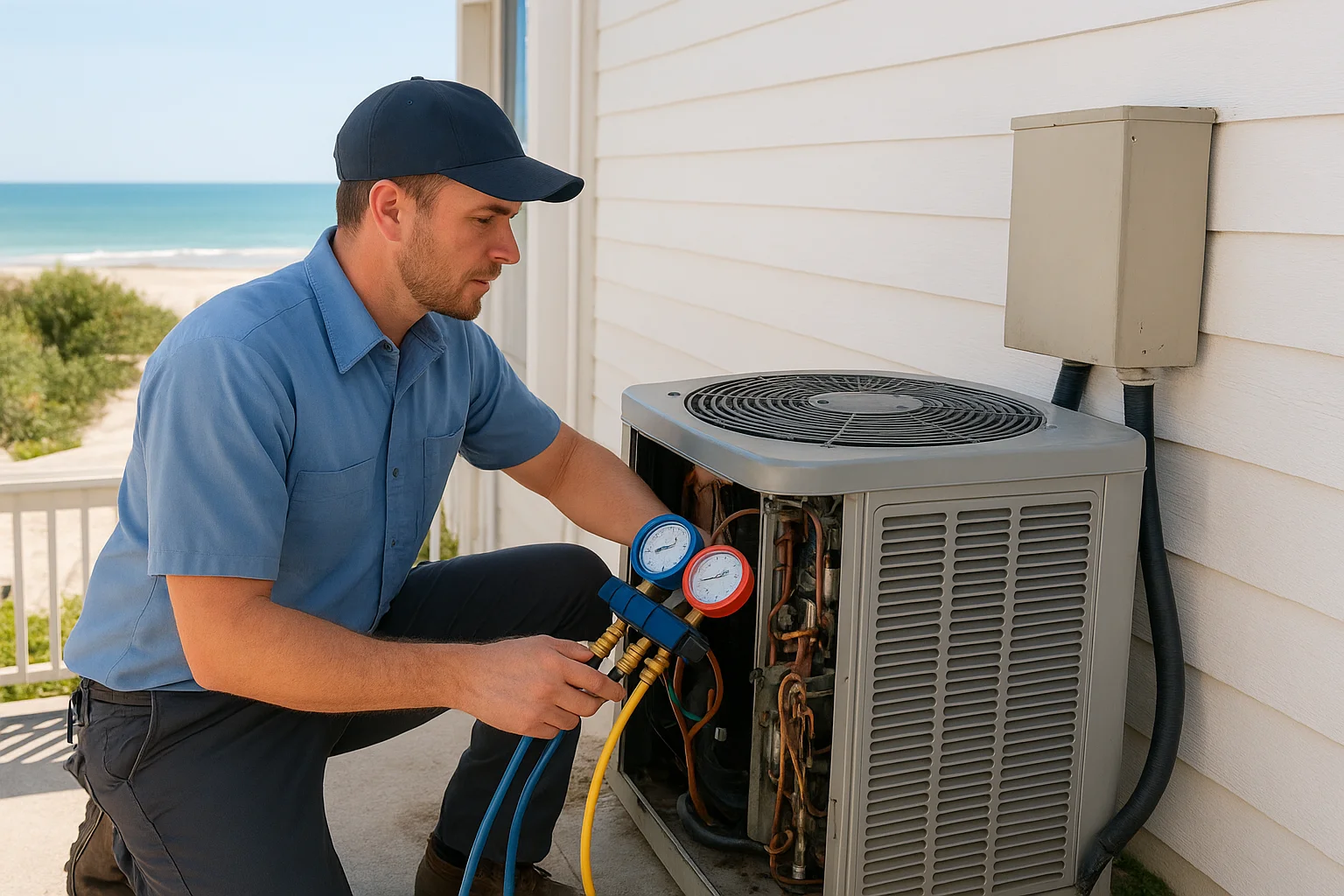
Air conditioning relies on the refrigerant system to move heat out of your home. A proper inspection looks at system performance indicators and confirms that the cooling process is operating as expected. Because refrigerant systems require careful handling, this is where professional judgment and on-site evaluation are essential.
Homeowners should know that refrigerant issues can show up as:
- Cooling that feels weak or inconsistent
- Long run times without reaching comfort
- Humidity that stays high
- Ice buildup on components in some cases
It is also important to avoid guessing. Refrigerant diagnosis and any refrigerant-related work should be handled by a licensed HVAC professional after an in-person assessment.
4) Condensate drainage and moisture removal
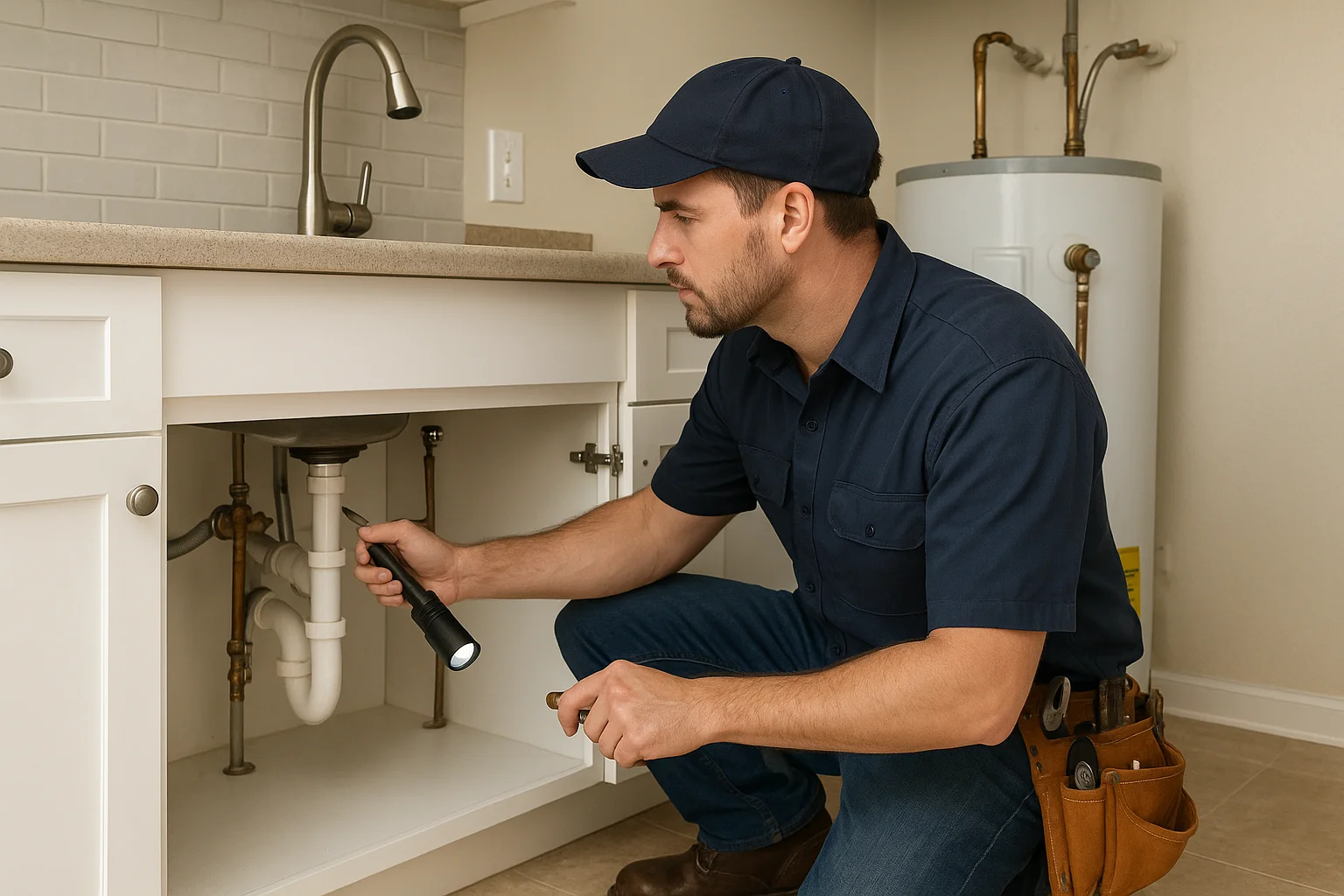
In Florida humidity, moisture removal is a core job of your air conditioner. During cooling, condensate forms and drains through the condensate drainage system. If drainage is restricted, water can back up, leading to:
- Water leaks around the indoor unit
- Excess humidity and reduced dehumidification
- Potential for moisture-related odors
An inspection should include checking condensate drainage pathways and verifying that water is draining properly during operation.
5) Indoor air quality and filtration
When the air feels humid, indoor air quality often suffers too. Air conditioning inspection should consider filtration and how air is circulated through the home. A technician may review:
- Whether the filter size and type match your system
- Whether the filter is installed correctly
- Whether the system is short cycling, which can reduce air cleaning effectiveness
Better moisture control and steady airflow can improve comfort and help reduce the conditions that allow irritants and odors to linger.
6) Indoor and outdoor component condition
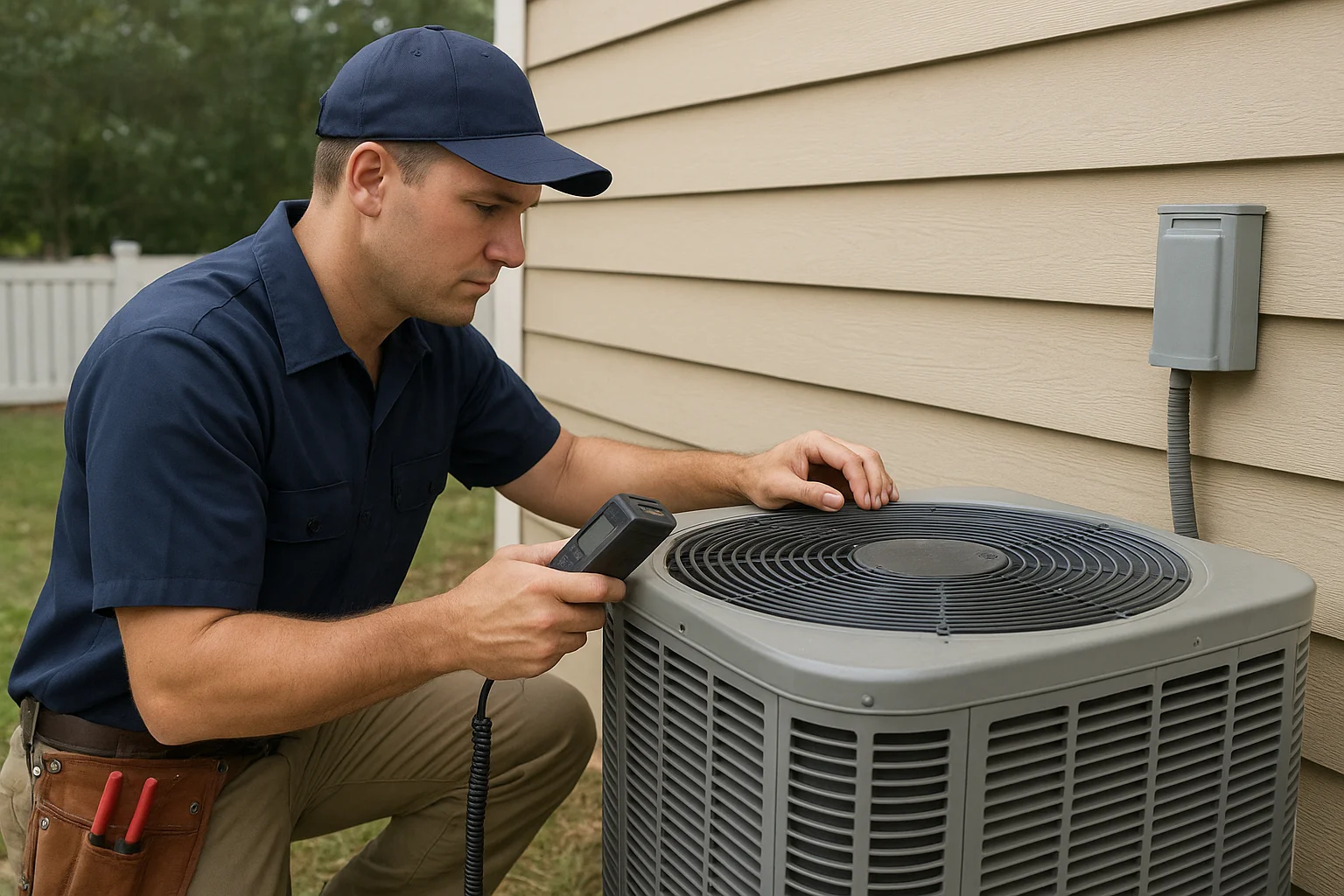
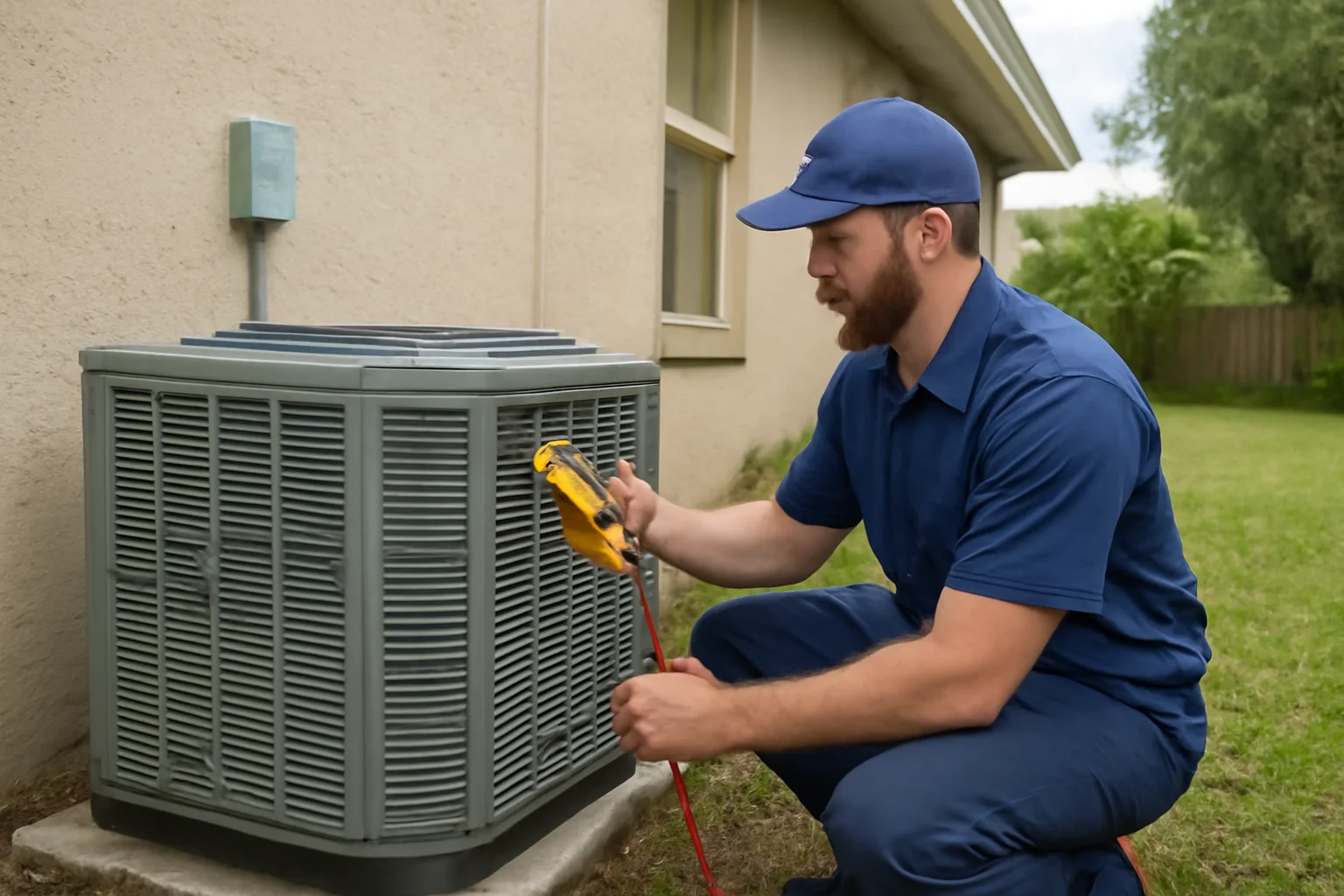
Outdoor units work in hot sun, humid air, and sometimes salty coastal conditions. During inspection, the technician should assess outdoor component condition and airflow around the unit, including:
- Clearance around the outdoor unit
- Signs of corrosion or debris buildup
- Whether the fan and airflow path appear to be functioning properly
These checks help prevent performance decline that can lead to AC repair needs during peak summer.
Common Springfield AC problems that inspections can help catch early
Homeowners often notice symptoms first, but the causes can be hidden. Here are issues that commonly affect air conditioning in Springfield and Bay County, and how an inspection can identify them:
Clammy comfort and high humidity
If your home feels damp, the system may not be removing moisture effectively. That can be linked to airflow restrictions, condensate drainage issues, or refrigerant system performance problems. An inspection helps sort out what is limiting dehumidification.
Uneven cooling room to room
Hot rooms and cool rooms can be a sign of ductwork airflow imbalance, return air problems, or thermostat placement issues. Inspecting airflow and ductwork can reduce the guesswork that leads to unnecessary repairs.
Frequent cycling or “runs but does not cool well”
Short cycling or weak cooling performance can raise indoor humidity and energy use. A professional inspection looks at system operation patterns and verifies that the cooling process is stable.
Dust, odors, or allergy flare-ups
Indoor air quality concerns can be tied to filtration, airflow, and moisture. Because Springfield homes may be closed up during humid weather, it is common for indoor air to feel stale when the system is not running efficiently.
How inspections support energy efficiency during Florida summers
When your air conditioner is not operating correctly, it often runs longer than it should. That means more energy use and more wear on system components. In humid climates, the cost of inefficiency can be especially noticeable because the system must remove moisture while also lowering temperature.
Preventive HVAC maintenance that includes a detailed air conditioning inspection helps ensure the system is:
- Delivering airflow where it is needed
- Removing moisture through proper condensate drainage
- Operating with stable cooling performance
- Using controls that match your comfort goals
If you are comparing options for AC tune up near me or HVAC maintenance near me, ask whether the inspection includes airflow checks, condensate drainage verification, and an evaluation of cooling performance. Those elements matter for both comfort and humidity control.
Preventive maintenance steps homeowners can take between inspections
You cannot replace a professional inspection, but you can reduce stress on your system with simple habits. These steps support better airflow and moisture control.
Keep filters clean and correctly sized
Replace or clean filters as recommended by the manufacturer and your HVAC contractor’s guidance. A clogged filter can restrict airflow and reduce dehumidification performance. If you are unsure what filter type is best, a technician can help during inspection.
Maintain clear airflow around indoor and outdoor units
Make sure supply vents and returns are not blocked by furniture, curtains, or storage. For the outdoor unit, keep the area clear of leaves and debris and avoid stacking items near the unit.
Watch the condensate drainage area
If you notice water pooling near the indoor unit or an unusual damp smell, that can be a sign of drainage problems. Addressing these issues early can prevent bigger indoor air quality concerns.
Use thermostats thoughtfully in humid weather
Large temperature swings can make the system work harder. Set your thermostat to a comfort level that helps it run steadily, rather than constantly chasing extreme changes.
If your home uses smart controls or you are considering thermostat upgrades, you may also want to review Heating Control Systems for broader comfort and control options that pair with HVAC performance.
When to call for air conditioning repair after an inspection
An inspection can reveal issues early, but sometimes you will still need air conditioning repair. Homeowners searching for air conditioning repair near me often have one of these concerns:
- Refrigerant system performance concerns are suspected, but comfort is not improving
- Condensate drainage problems cause water or humidity issues
- Airflow problems persist after basic checks
- Thermostat behavior seems inconsistent and affects cooling reliability
Because refrigerant systems and safety controls require professional evaluation, avoid DIY attempts to “fix” cooling performance without a technician on-site. A licensed HVAC contractor near me should confirm what is happening before recommending a course of action.
Emergency cooling concerns in Springfield: what to do during a breakdown
Florida heat and humidity can escalate discomfort quickly, especially for households with children, older adults, or anyone sensitive to high indoor temperatures. If your AC fails during peak heat, prioritize safety and comfort.
If you need urgent help, consider Emergency HVAC Services in Springfield. While emergency service does not replace preventive HVAC maintenance, it can help you restore cooling when time matters.
In the moment, focus on keeping air moving, limiting heat sources inside, and monitoring indoor conditions. A technician can then evaluate the system and address the actual cause after arriving on-site.
Air conditioning inspection also helps you plan for system replacement
Most homeowners prefer to avoid emergency replacements, but sometimes a system reaches the point where repairs are not the best long-term path. An inspection can provide the information needed to make an informed decision by identifying performance limitations and repeated trouble areas.
Replacement planning is not something to rush. It should be based on what is happening in your system today, how it has been performing in Springfield’s humidity, and what the in-person evaluation shows. If you think you may be approaching that stage, start with an air conditioning inspection and discuss next steps with a professional.
Why local Springfield service makes a difference
HVAC systems in Bay County operate in a unique environment: hot sun, frequent humidity, and coastal air that can contribute to corrosion and buildup. A local HVAC contractor understands how these conditions affect cooling performance, airflow, and moisture removal.
Choosing A Superior Mechanical for air conditioning inspection in Springfield means you get inspection guidance tailored to local comfort needs, including managing humidity, maintaining indoor air quality, and reducing energy waste during long cooling seasons.
If you want to explore broader services for the area, visit our Springfield service area and consider related options such as whole home dehumidifiers if humidity remains difficult to control.
How to choose an air conditioning inspection that is thorough
When you are scheduling an air conditioning inspection, you can ask a few practical questions:
- Will you check airflow across the system and evaluate the indoor unit and ductwork distribution?
- Will you review condensate drainage and moisture removal during cooling operation?
- How do you evaluate refrigerant system performance during an inspection?
- Will you assess thermostat operation and how the system cycles in humid conditions?
- Do you document findings so I can understand what is improving comfort and what needs follow-up?
You can also compare service approaches by reading related local guidance, such as What to Expect From Air Conditioning Inspection in Parker, FL and What Laguna Beach Homeowners Should Know About Air Conditioning Inspections and Catching Problems Early. Each region has its own humidity and cooling patterns, and learning what a thorough inspection includes can help you ask better questions.
For coastal home comfort planning, you may find Protecting 30A Homes Starts With a Better Air Conditioning Inspection helpful as well, since salt air and moisture challenges often overlap with Bay County conditions.
Find Air Conditioning Inspection in Springfield, FL
If you need Air Conditioning Inspection in Springfield, FL, visit our local service page or contact A Superior Mechanical today.
Map of Springfield, FL
Frequently Asked Questions
How often should I schedule an air conditioning inspection in Springfield, FL?
Many homeowners schedule inspections before the hottest months so the system can handle peak humidity. If your home has comfort issues, frequent cycling, or you notice moisture concerns, it is smart to schedule sooner. A Superior Mechanical can recommend a timing plan based on your system and how it performs in local Springfield weather.
Will an air conditioning inspection help with humidity, not just temperature?
Yes. A good inspection focuses on moisture removal, including airflow, condensate drainage, and how the cooling process is performing. That is important in Springfield because high humidity can make the home feel clammy even when the temperature setting looks correct.
What are common signs my AC needs inspection for airflow or ductwork issues?
Look for uneven cooling between rooms, weak airflow from vents, hot spots, and persistent humidity. These symptoms can point to ductwork airflow problems, return air restrictions, or indoor unit performance issues that should be evaluated during an air conditioning inspection.
Can I diagnose refrigerant problems myself?
It is best not to. Refrigerant systems require professional, on-site evaluation and safe handling. If you suspect a refrigerant issue, schedule an inspection so a licensed HVAC professional can assess system performance and determine what is actually happening.
What should I do if my AC stops working during extreme heat?
Focus on safety and comfort while you wait for help. If the outage is urgent, consider emergency HVAC services in Springfield. A technician can evaluate the system and address the cause after arrival.
Related Articles
- Seagrove Beach Comfort Clues That Point to a Better Air Conditioning Inspection
- What to Expect From Air Conditioning Inspection in Parker, FL
- What Laguna Beach Homeowners Should Know About Air Conditioning Inspections and Catching Problems Early
- Protecting 30A Homes Starts With a Better Air Conditioning Inspection
Photo Gallery