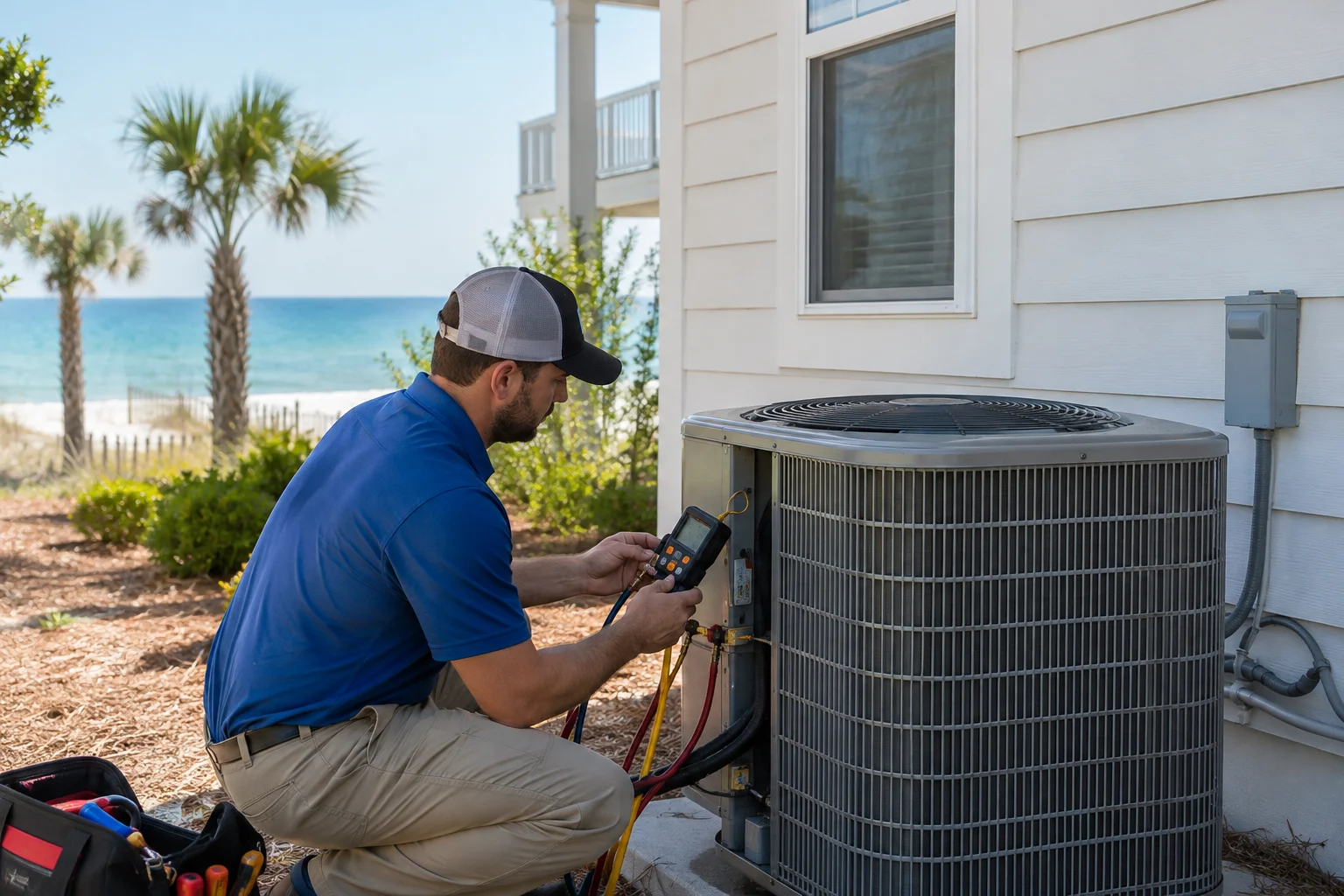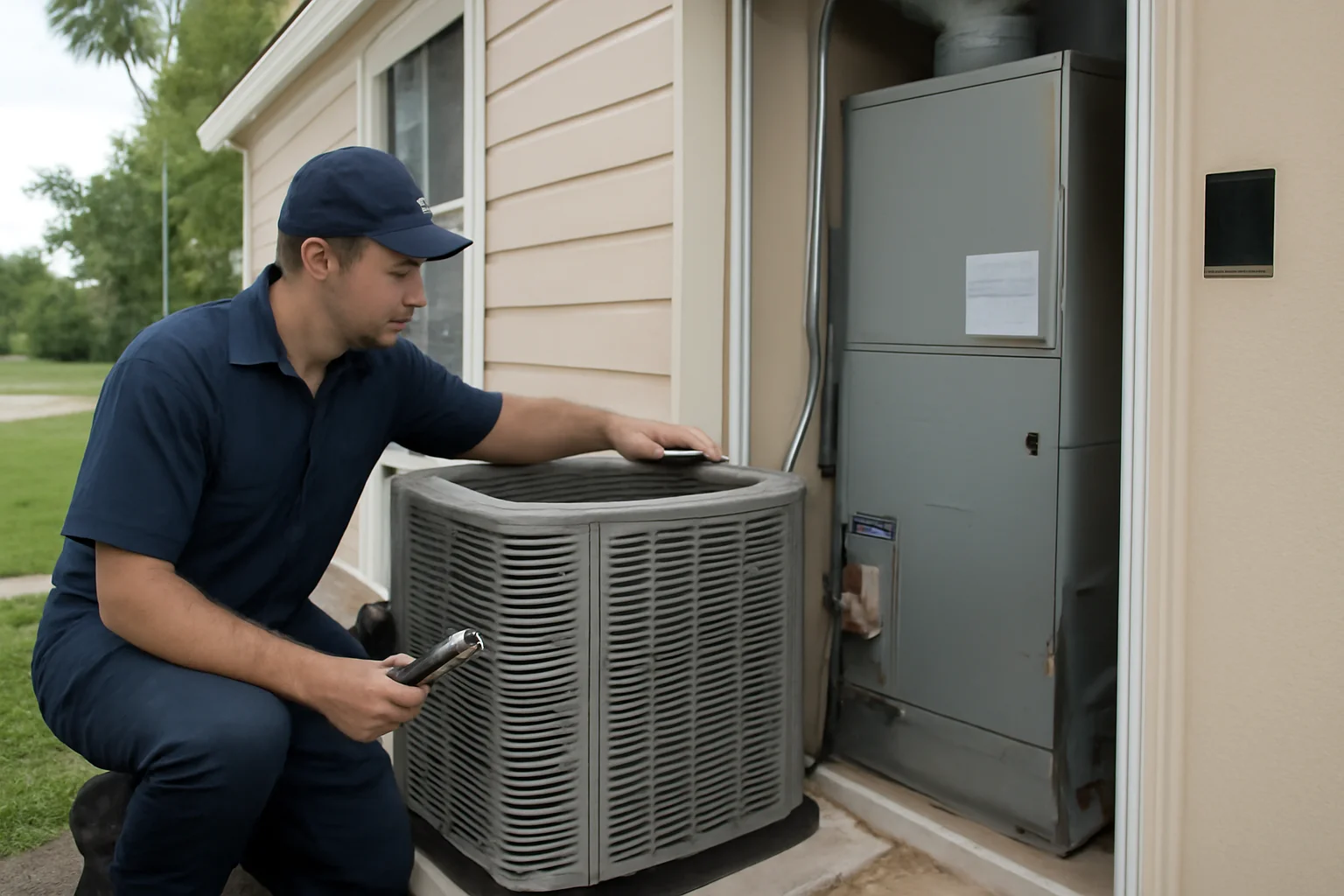
Springfield, FL summers can feel relentless. Between the heat, the humidity, and the way salt air can ride in with coastal breezes, your air conditioning system works harder than many homeowners realize. A good air conditioning inspection is not just a quick look at the thermostat. It is a structured check of how your system moves air, controls moisture, and maintains safe, efficient operation all year long.
This guide walks through what local homeowners in Springfield and Bay County often overlook, why it matters, and how to spot the right kind of HVAC service. If you are searching for air conditioning repair near me, HVAC repair near me, or a licensed HVAC contractor near me, start with inspection quality. Catching problems early can prevent emergency cooling concerns when conditions turn rough.
Why Springfield AC inspections need to be different in Florida humidity
In Springfield, your AC system is not only cooling air. It is also managing moisture. Florida humidity can push comfort problems beyond “it feels too warm.” When humidity control slips, you may notice stale indoor air, condensation around the home, or rooms that never feel right even when the temperature reads “cool.”
At the same time, Springfield homes often experience conditions that can challenge HVAC performance: older ductwork in some neighborhoods, shifting airflow from seasonal use, and corrosive influences from coastal air. Salt air and moisture can affect components over time, especially outdoors where the system runs for long stretches.
A professional inspection in Springfield should connect the dots between airflow, indoor air quality, condensate drainage, and refrigerant system operation so you understand what your AC is doing and what it is struggling to do.
What homeowners often overlook during an AC inspection
1) Airflow problems that start quietly
Many homeowners assume that if the air comes out cold, the system is fine. But cooling depends on airflow. If air cannot move freely through the indoor unit, ducts, or registers, the system may run longer, cycle more frequently, or fail to remove humidity effectively.
Common airflow issues include clogged or poorly maintained filters, blocked return paths, closed vents that should not be closed, and ductwork that has developed leaks or restrictions. In Springfield homes, this can show up as:
- Hot spots in certain rooms
- Rooms that feel humid even when the thermostat is set low
- More noise when the system runs
- Short cycling or frequent on-off behavior
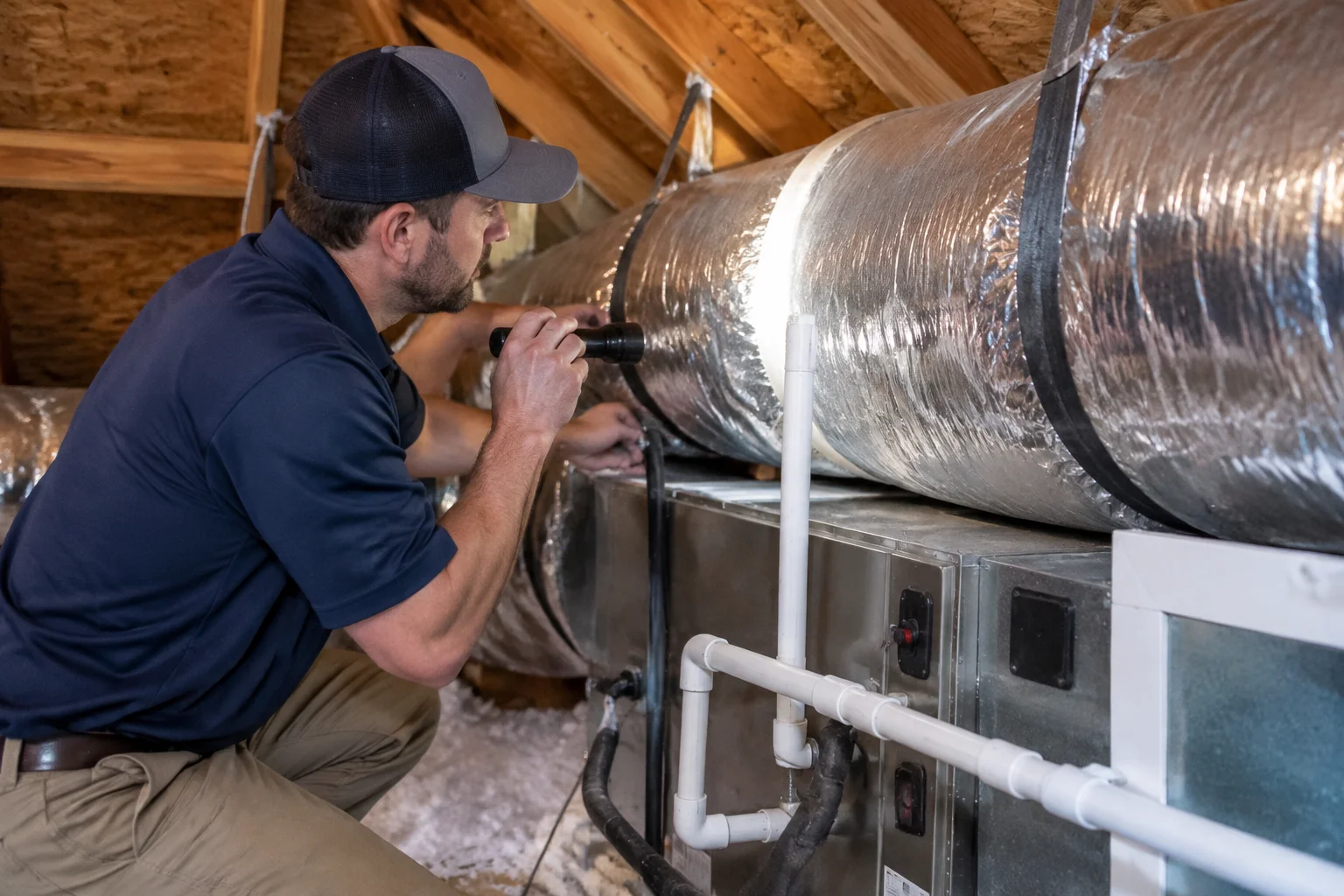
An inspection should evaluate airflow pathways and duct condition. If you suspect ductwork issues, consider duct inspection as part of your plan. When airflow is constrained, even the best air conditioning service may not fully solve comfort complaints.
2) Condensate drainage and moisture management
During cooling, your system removes moisture from the air. That moisture must drain properly through the condensate drainage line and related components. If drainage is slow, partially blocked, or improperly routed, you can get water where you do not want it.
Homeowners often notice this after the fact, with signs like:
- Water pooling near the indoor unit
- Damp drywall or musty odors in a closet or utility area
- Repeated system shutdowns tied to protection mechanisms
A thorough inspection should include checking condensate drainage performance and identifying conditions that can lead to overflow or moisture buildup. This is also closely tied to indoor air quality, since excess moisture can contribute to odors and microbial growth.
3) Thermostat setup and airflow related comfort issues
It is easy to blame the AC when comfort is off. But thermostats, schedules, and sensor locations can make an otherwise healthy system struggle.
During an inspection, a technician should look at thermostat operation and how it matches your home’s airflow patterns. For example, if the thermostat sensor sits in a spot that gets direct sun or receives warmer air due to duct leakage, the system may behave inefficiently.
Homeowners sometimes also overlook:
- Fan settings left on “on” instead of “auto,” which can increase humidity load
- Schedule settings that do not match how the home is actually used
- Incorrect placement near drafts, vents, or heat sources
Thermostat corrections do not replace HVAC maintenance, but they can reduce unnecessary runtime and improve comfort while the system does its job.
4) Indoor air quality issues that show up as “bad comfort”
Air conditioning inspection is also an indoor air quality conversation. If your filter is not capturing dust effectively, or if airflow is uneven, your home can feel stuffy. In humid Florida conditions, that “stale” feeling can be more than a nuisance.
During an inspection, the HVAC professional should review filtration and airflow compatibility. If your home is prone to humidity and odors, you may also benefit from solutions like whole home dehumidifiers that help manage moisture independently of temperature alone.
Even when the AC is cooling, poor indoor air quality can make it feel like the system is not working.
5) Refrigerant system concerns that require careful, in-person evaluation
Refrigerant is part of the cooling process, but it is also where homeowners can get misled by guesswork. Low refrigerant or system imbalance can be caused by multiple issues, and diagnosing refrigerant problems is not something to do from a distance.
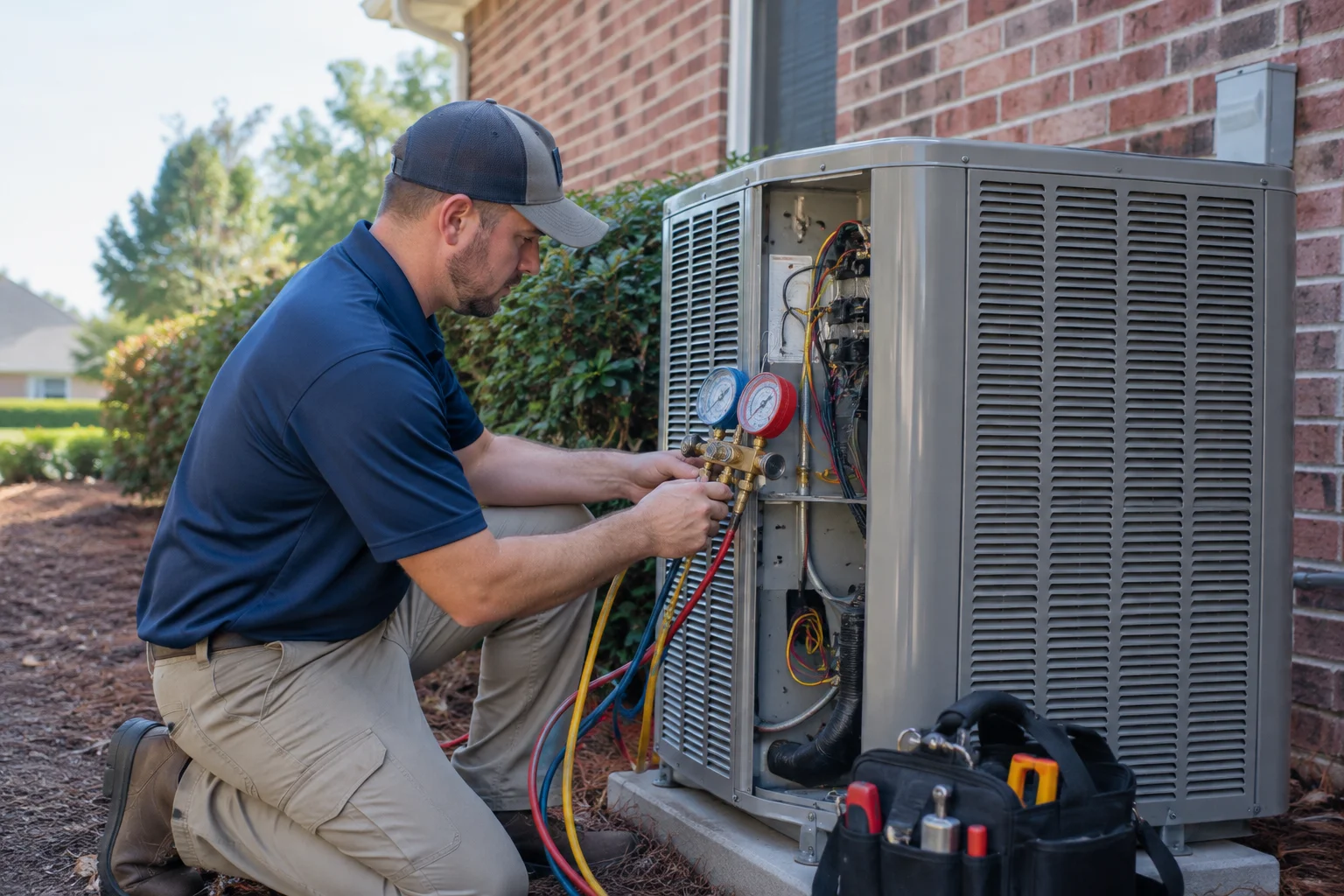
A proper inspection should include refrigerant system checks as part of a broader assessment of how the system is performing. If refrigerant system concerns are suspected, the technician should evaluate the system in person and determine what is actually needed based on observed conditions and safe testing procedures.
Homeowners should avoid DIY “recharge” attempts or assuming a refrigerant issue without a professional inspection, since improper handling can damage equipment and create safety risks.
How a professional air conditioning inspection should be structured
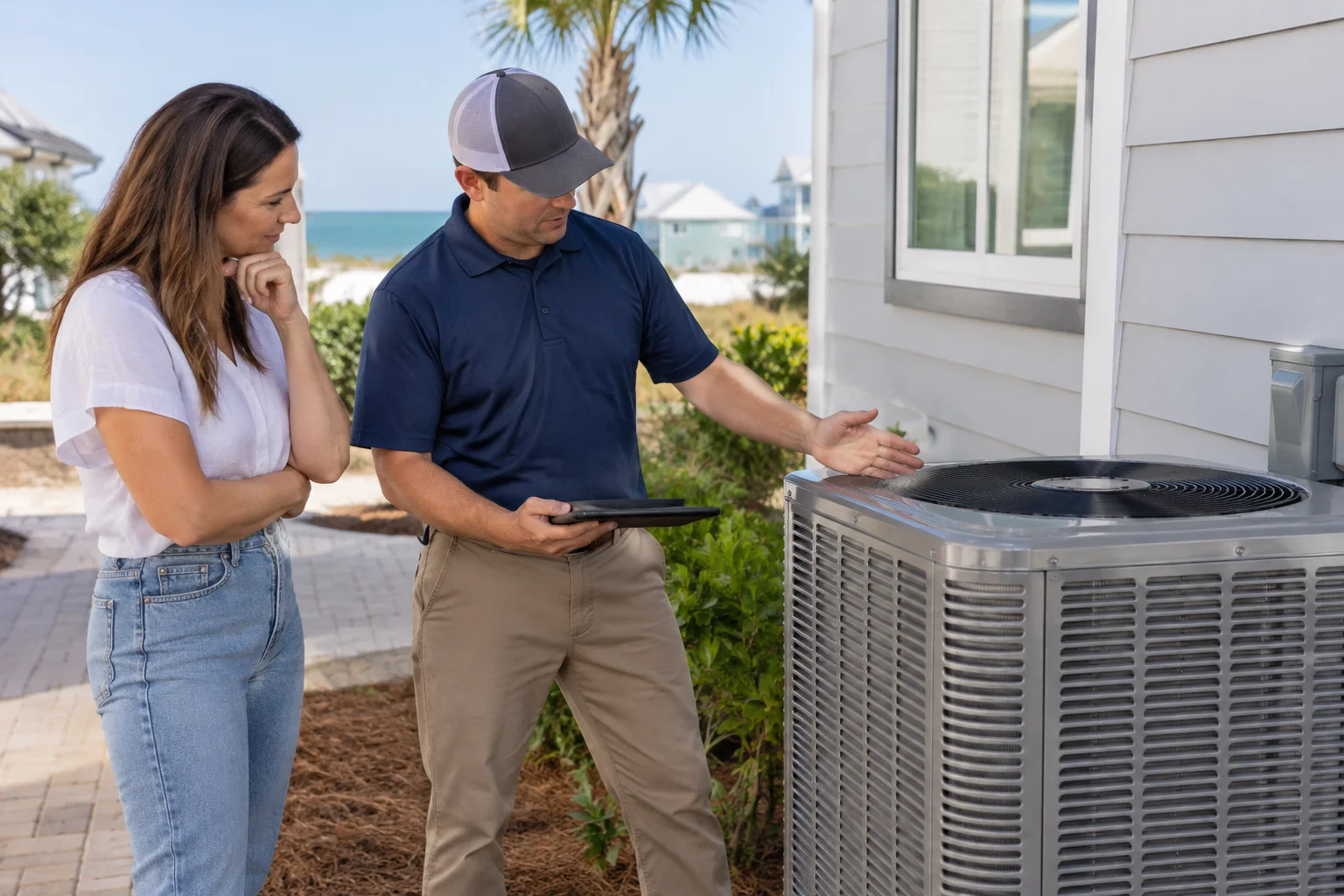
A strong inspection is methodical. It connects symptoms you notice with the system components that influence comfort, energy use, and reliability. While exact steps vary by system and home setup, a professional inspection typically includes:
System operation review
Your technician should ask questions about comfort issues, how long the system runs, and whether you have noticed humidity problems, unusual noises, or inconsistent temperatures. If you have had prior repairs or changes to your thermostat, that context matters.
Airflow and ductwork evaluation
Airflow is the bridge between the outdoor unit and what you feel indoors. The inspection should check airflow pathways, register behavior, and conditions that can restrict movement of air. If ductwork problems are suspected, it is reasonable to discuss duct inspection or related ductwork service.
Moisture and condensate drainage checks
Because Florida humidity is a constant, condensate drainage performance is a major reliability factor. The inspection should look for signs of drainage issues and verify that condensate management is working as intended.
Thermostat and control verification
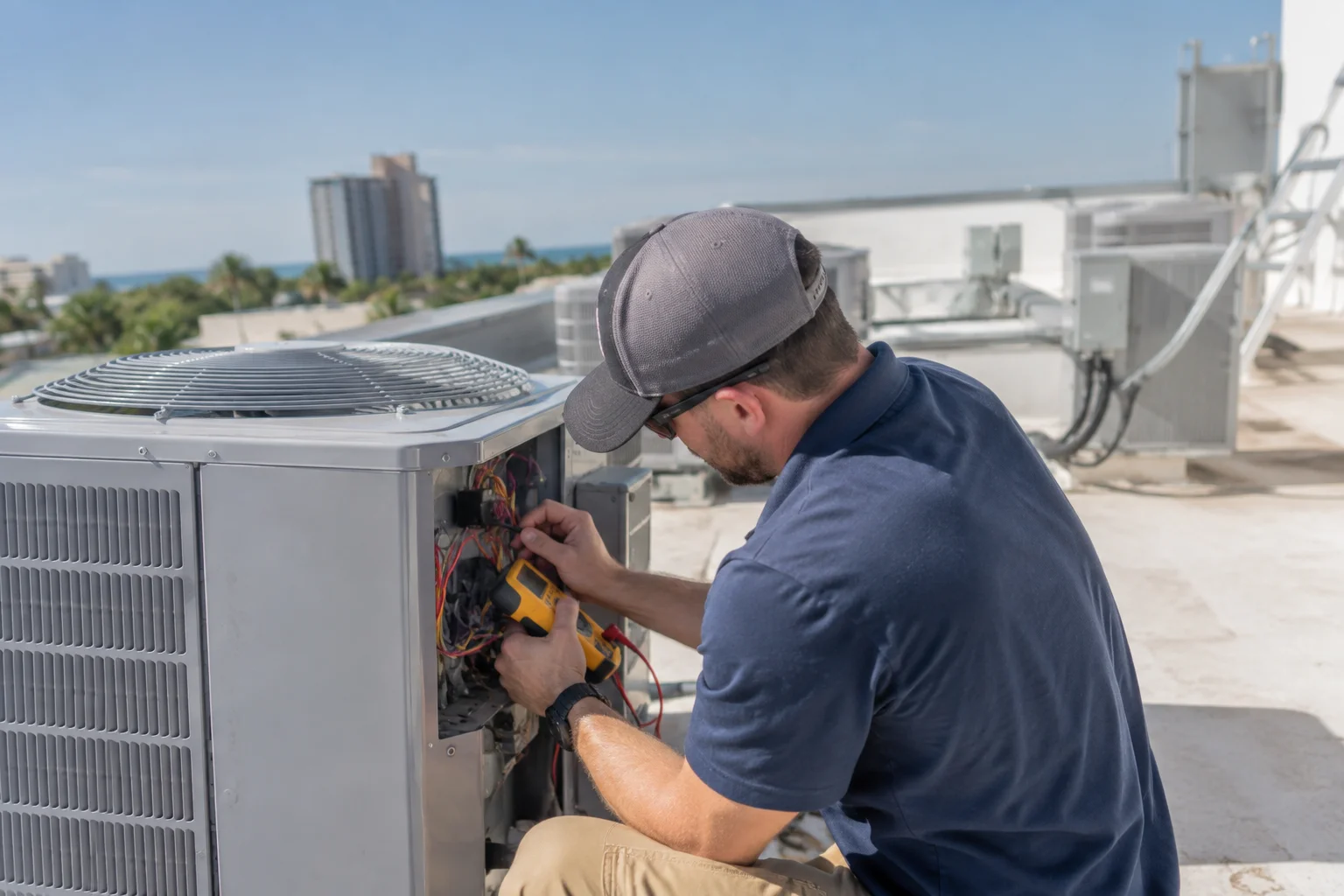
Thermostat settings, operation, and sensor behavior can influence how the system cycles. The inspection should confirm that controls are functioning correctly and that the setup supports comfortable, efficient operation.
Refrigerant system performance assessment
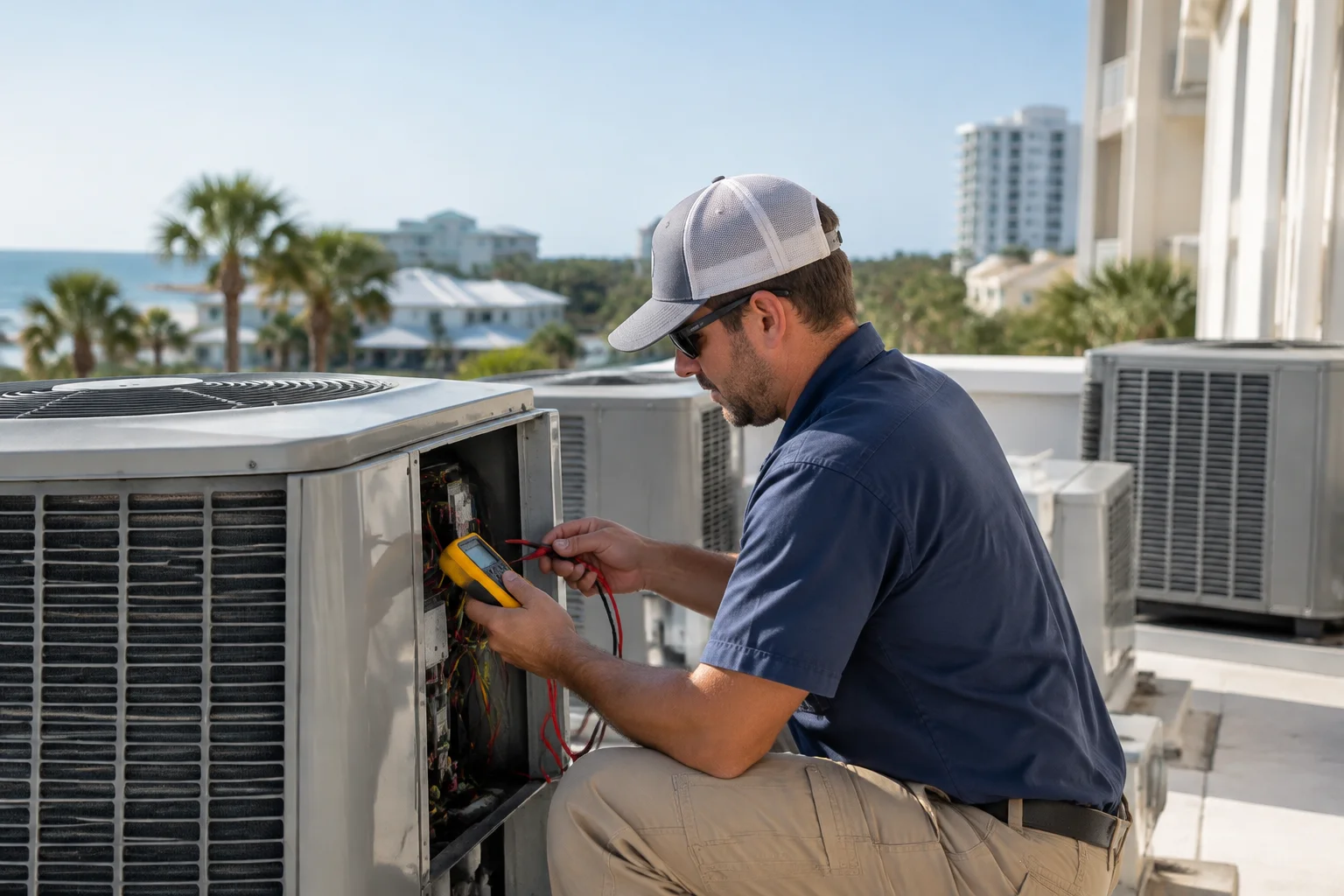
The technician should assess cooling performance and related refrigerant system operation as part of the overall evaluation. Any concerns should be addressed based on in-person findings, not estimates.
Safety and reliability considerations
Air conditioning inspection should also consider safety and component condition. That includes looking for issues that could lead to premature failure or emergency cooling concerns during high-demand periods.
If you are also considering new AC installation near me or HVAC replacement near me, a detailed inspection can help you understand whether the system can be improved through service and maintenance or whether replacement planning makes sense. Those decisions should be made after an in-person assessment.
Common Springfield AC issues that show up after months of run time
Springfield homes often do not “break” in one dramatic moment. More commonly, systems lose performance gradually and then fail during peak demand. A few patterns show up often:
- Humidity that lingers: The system may cool the air but not remove enough moisture. This can point to airflow restrictions, filter issues, duct problems, or other factors that affect moisture removal.
- Uneven temperatures: Some rooms feel warmer and others colder. This often ties back to airflow and ductwork distribution rather than only the thermostat.
- Frequent cycling: When the system turns on and off too often, it can increase wear and energy use. The inspection should identify the underlying cause.
- Drainage-related odors or dampness: Condensate drainage issues can lead to indoor air quality problems and additional complications.
- Outdoor unit strain: Salt air, pollen, and debris can affect the outdoor section. A professional inspection should include checks that reflect local conditions.
If you are searching for AC repair near me due to any of these symptoms, remember that repairs are stronger when they are based on a full inspection, not just a quick fix.
Preventive HVAC maintenance that supports year-round protection
Inspection is the start, but preventive maintenance is what keeps your AC dependable. In a Florida climate, scheduling matters because systems run year-round depending on your thermostat settings and indoor comfort goals.
For many Springfield homeowners, a preventive HVAC maintenance approach includes:
- Checking and maintaining filters and confirming they match your system’s needs
- Reviewing airflow and register performance
- Inspecting condensate drainage and moisture management components
- Verifying thermostat operation and control behavior
- Monitoring system performance over time so minor issues do not turn into major failures
If your home uses a heat pump or you are considering heat pump services, the same inspection principles apply. You can also explore Heat Pump Services for Springfield homeowners who want consistent comfort across seasons.
Energy use and comfort: how inspection helps you avoid waste
When airflow is restricted, humidity control is weak, or controls are misaligned, your system tends to run longer to reach set temperatures. That can increase energy use and reduce comfort quality.
A good air conditioning inspection helps you understand where inefficiency is coming from. It also helps explain why “it feels cooler outside but not inside” can occur, even when the system appears to be working.
For homeowners focused on energy and comfort, inspection can be a practical step before you decide on bigger changes like HVAC replacement. If you are researching residential HVAC service near me, look for a provider that treats inspection as a diagnostic process, not a checklist.
When to treat inspection as urgent, not routine
Most homeowners schedule inspections when the system is acting normal. But Springfield’s weather can punish delays. Consider scheduling an inspection or calling for HVAC repair near me if you notice:
- The system cannot keep up with indoor temperature during peak afternoons
- Humidity feels noticeably worse than usual
- You see or smell signs of condensate drainage problems
- Rooms remain uncomfortable despite thermostat changes
- Strange noises or repeated short cycling
These issues can escalate into emergency cooling concerns when heat and humidity spike. Professional service helps you avoid guessing and reduces the chance of being stuck without reliable cooling during critical hours.
Choosing the right HVAC professional in Springfield, FL
Homeowners searching for a licensed HVAC contractor near me often have one goal: reliable comfort without surprises. To get there, look for a company that:
- Explains findings clearly and ties comfort issues to system operation
- Checks multiple areas that affect cooling, humidity, and indoor air quality, including airflow and condensate drainage
- Understands local conditions like Florida humidity, salt air exposure, and the way many homes in Bay County are built with different ductwork layouts
- Uses an in-person evaluation before recommending major actions like refrigerant repairs or equipment replacement
If you want a local starting point, you can schedule your air conditioning inspection in Springfield through A Superior Mechanical. You can also browse services by visiting the Springfield service area page and exploring broader options at the Bay County service area.
Related reading for other Florida comfort scenarios
If you want more context on inspection details and how comfort clues connect to HVAC performance, these guides may help:
- Seagrove Beach Comfort Clues That Point to a Better Air Conditioning Inspection
- What to Expect From Air Conditioning Inspection in Parker, FL
- What Laguna Beach Homeowners Should Know About Air Conditioning Inspections and Catching Problems Early
- Protecting 30A Homes Starts With a Better Air Conditioning Inspection
Practical checklist you can use before your inspection appointment
You do not have to be an HVAC expert to prepare. A few notes from you can help the technician focus the inspection and speed up the path to resolution.
- Write down what feels off: humidity, hot rooms, musty smells, uneven airflow, or short cycling.
- Note thermostat behavior: temperature swings, fan mode, and whether the schedule matches your routine.
- List any recent changes: filter updates, ductwork modifications, or prior repairs.
- Observe airflow: which rooms get strong airflow and which ones feel weak.
- Check for moisture clues: water near the indoor unit, damp spots, or condensation on nearby surfaces.
If you are considering duct repair near me or suspect ductwork is part of the problem, these observations can help determine whether duct inspection is the right next step.
Springfield’s climate can be unforgiving, but a well-planned air conditioning inspection supports dependable comfort through heat, humidity, and seasonal transitions. When the inspection covers airflow, condensate drainage, thermostats, refrigerant system performance, and indoor air quality basics, you get a clearer picture of what your AC needs to stay reliable.
If you want to keep cooling dependable during Florida’s busiest months, start with a professional inspection from A Superior Mechanical and connect it to preventive HVAC maintenance.
To explore additional HVAC options that often pair well with inspection findings, you can also review Air Conditioning Services.
Find Air Conditioning Inspection in Springfield, FL
If you need Air Conditioning Inspection in Springfield, FL, visit our local service page or contact A Superior Mechanical today.
Map of Springfield, FL
Frequently Asked Questions
How often should Springfield, FL homeowners schedule an air conditioning inspection?
Many homeowners benefit from scheduling an inspection before the hottest stretch of the year and again as part of preventive HVAC maintenance. Your system’s age, usage patterns, and comfort issues can influence timing, so a local professional can help you choose a schedule that fits your home.
What are the most common reasons an AC feels cold but still does not feel comfortable?
Cold supply air does not always mean effective cooling. Florida humidity requires strong moisture removal, which depends on proper airflow, clean filtration, and effective condensate drainage. Ductwork restrictions, thermostat setup, and indoor air quality factors can also make comfort feel “off” even when the AC runs.
Can condensate drainage problems affect indoor air quality?
Yes. If condensate drains slowly or overflows, moisture can collect and create musty odors or damp conditions. That can worsen indoor air quality. A professional inspection checks condensate drainage performance as part of system comfort and reliability.
Should I try to fix refrigerant issues myself if I suspect a problem?
No. Refrigerant system concerns require careful in-person evaluation. DIY recharge attempts can be unsafe and may not address the true cause. A licensed HVAC contractor should inspect the system first and determine the proper next steps based on observed performance.
What does an AC inspection include for airflow and ductwork?
A quality inspection evaluates how air moves through the system and into your living spaces. If uneven temperatures, weak airflow, or humidity problems suggest ductwork restrictions or leaks, the technician may recommend duct inspection and related ductwork service to restore balanced airflow.
Related Articles
- Seagrove Beach Comfort Clues That Point to a Better Air Conditioning Inspection
- What to Expect From Air Conditioning Inspection in Parker, FL
- What Laguna Beach Homeowners Should Know About Air Conditioning Inspections and Catching Problems Early
- Protecting 30A Homes Starts With a Better Air Conditioning Inspection
Photo Gallery