Alys Beach is beautiful, but the coastal environment can be hard on HVAC systems and even harder on indoor air quality. Salt air, summer heat, and persistent humidity can push comfort issues into real emergencies, especially when airflow, ductwork, or condensate drainage fall behind. Planning ahead for indoor air quality testing is one of the most practical ways to catch problems early and avoid stressful mid-summer breakdowns.
This guide walks you through a homeowner-friendly approach to scheduling testing, preparing your home, and pairing results with preventive HVAC maintenance. If you are searching for indoor air quality services near me or looking for AC repair near me because your system seems to struggle, this plan can help you get ahead of the next problem.
Why Alys Beach homes need indoor air quality testing more than you might think
Indoor air quality is not just about odor. In coastal Florida, the air inside your home is shaped by outdoor conditions and how your HVAC system controls moisture, distributes air, and runs refrigerant systems. When those systems get pushed into the wrong operating conditions, you can see symptoms like:
- Rooms that feel muggy even when the thermostat is set correctly
- Musty smells that come and go with humidity cycles
- Allergy-like symptoms that worsen indoors
- Dust buildup that seems to increase faster than expected
- Cooling that feels uneven because airflow is not balanced
A Superior Mechanical provides indoor air quality testing in Alys Beach, FL designed to identify humidity, airborne particles, mold concerns, VOC-related issues, and HVAC-related air quality problems. That matters because the root cause is often connected to how your system manages moisture and moves air through ductwork.
The coastal mix: heat, humidity, and salt air can trigger HVAC air quality problems
Florida’s heat and humidity are not seasonal inconveniences. They are long-running conditions that stress AC and heat pump performance, especially in homes with tight envelopes or older ductwork. Salt air near the coast can also contribute to corrosion and accelerate wear on components over time. When combined with high indoor moisture, these factors can increase the chance of airborne pollutants and microbial growth concerns.
Common HVAC-related pathways that affect indoor air quality include:
Moisture control and condensate drainage
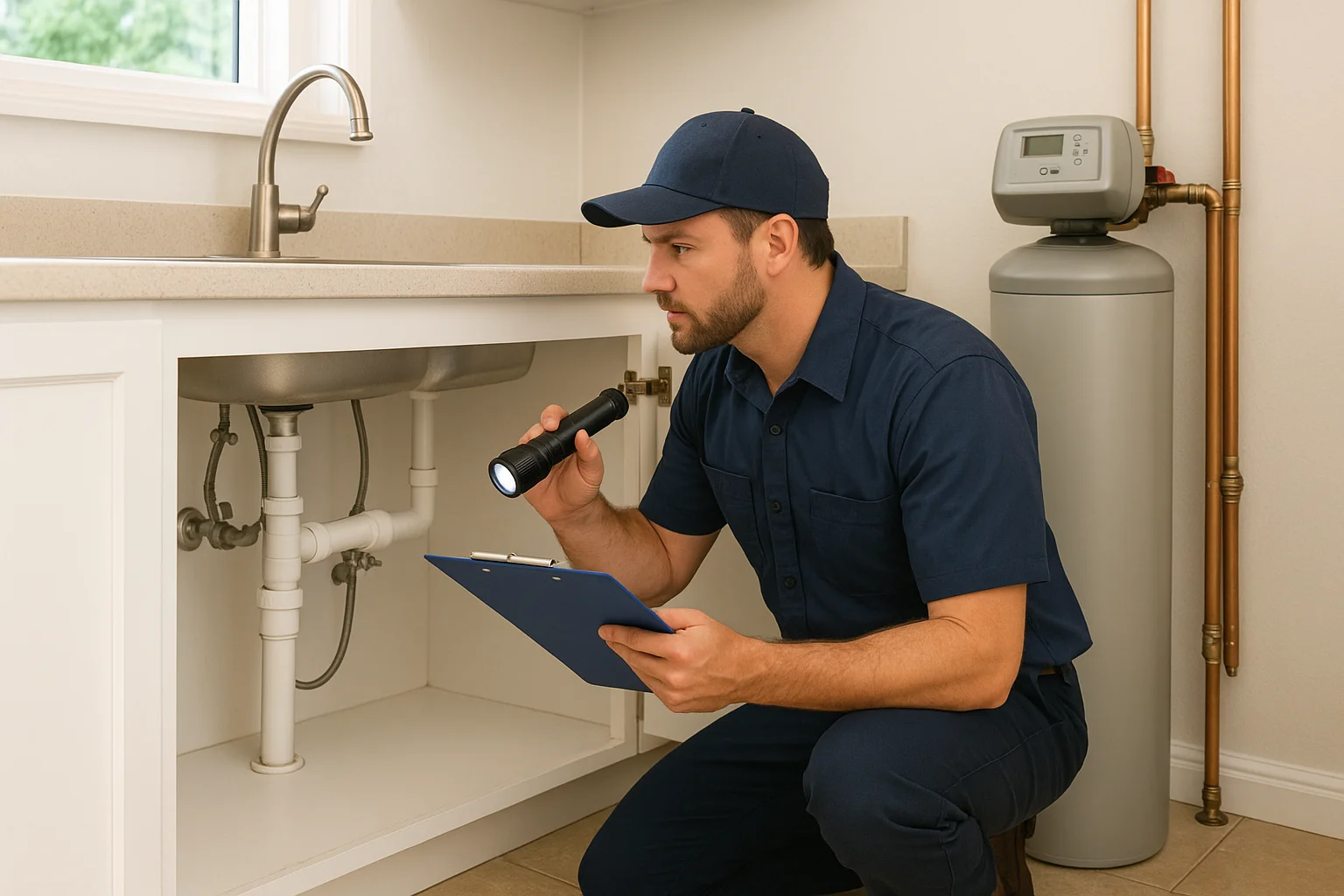
When condensate drainage is slow, blocked, or improperly routed, moisture can linger around indoor components. Even when you do not see obvious leaks, excess moisture can increase humidity and create conditions where mold concerns become more likely. That can lead to musty odors, persistent “damp” air, and recurring comfort issues.
Airflow through ductwork and registers
Airflow problems can cause uneven cooling, higher humidity in some rooms, and increased dust circulation. If ducts are poorly sealed, obstructed, or leaking, the HVAC system may run longer to reach the thermostat setting, which can increase energy use and wear. Homeowners often describe this as “the AC is working but we are not getting comfortable.”
Filtration, air mixing, and energy use
Filters and air handling influence what gets recirculated. A system that runs with reduced airflow or mismatched filtration can struggle to control humidity. Longer run times can affect energy use and can worsen indoor air quality if airflow is not carrying contaminants out of the living space.
Refrigerant system operation and cooling performance
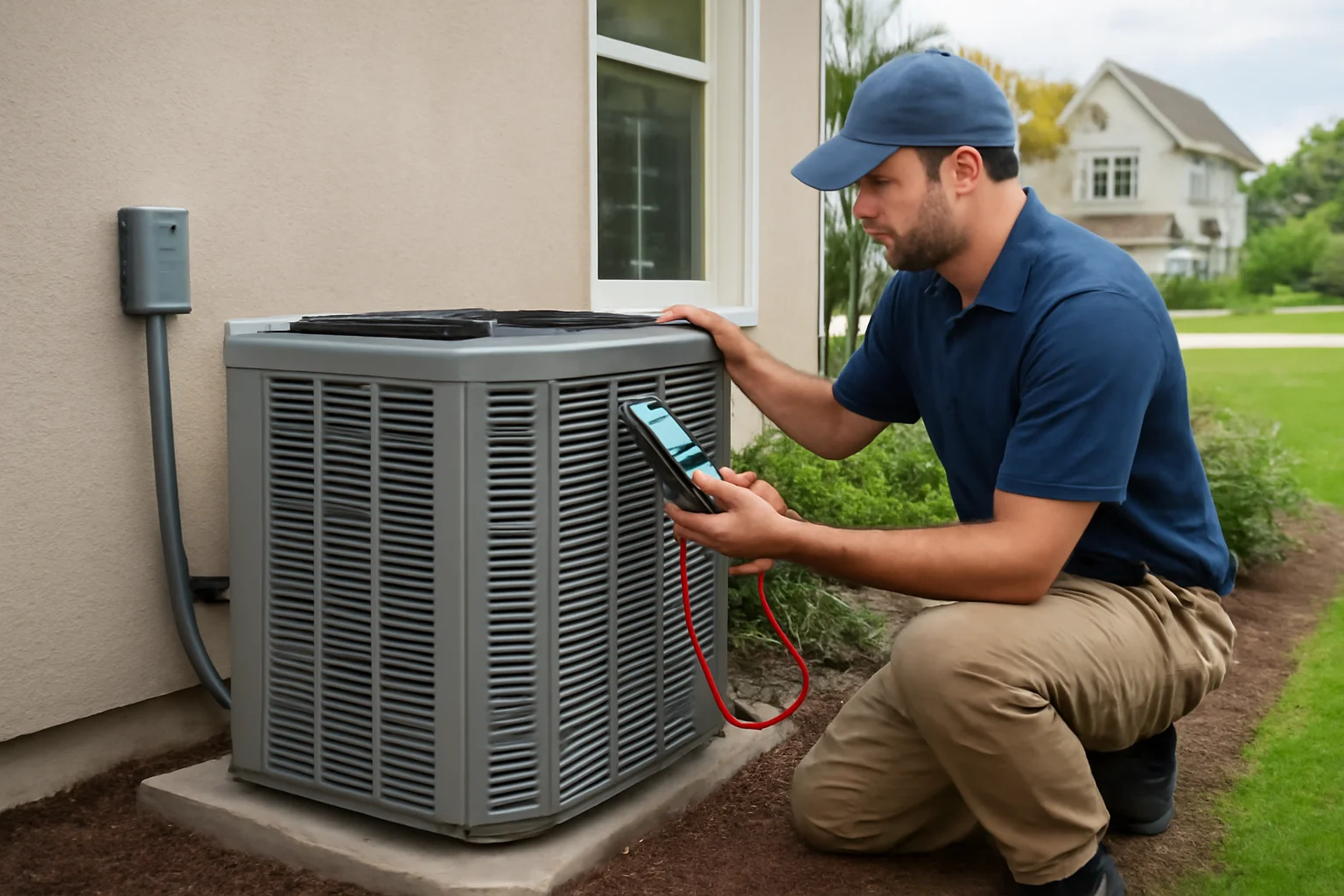
Refrigerant systems must operate correctly to maintain proper cooling and dehumidification. If the system is not performing as expected, moisture control can suffer. It is important to note that diagnosing refrigerant issues requires an in-person evaluation by a qualified HVAC contractor. If you suspect an issue, schedule an air conditioning inspection near me or an air conditioning repair near me visit so a technician can assess the system safely.
Build your testing schedule around how Alys Beach homes actually behave
Instead of waiting until a problem becomes obvious, plan indoor air quality testing at times when changes are most likely to reveal hidden issues. Many Alys Beach homeowners benefit from a seasonal approach, especially because humidity patterns can shift as summer intensifies.
Start with a baseline test before peak summer stress
If you can, schedule testing before the hottest stretch of the year. This helps establish a baseline for humidity levels, airborne particles, and potential mold concerns. It also gives your HVAC technician a clearer picture of how your system is performing in normal conditions.
Re-test after major HVAC changes or long system downtime
Testing is especially useful if you have:
- Had an AC tune up near me or a major service visit
- Changed thermostats or HVAC settings
- Experienced a long period when the system was off
- Returned from travel and noticed stale air
Even if the system runs, indoor air quality can be affected by how moisture and airflow were managed while it was idle.
Consider additional testing after water events or visible moisture
If there has been any flooding, a roof leak, or a condensate drainage issue, testing can help clarify how indoor air quality has been impacted. This is also a good time to review ductwork and airflow pathways, since moisture can affect materials differently depending on where it entered.
Prepare your home so testing results are meaningful
Testing is most helpful when it reflects the way your home is actually lived in. A few simple steps can improve the accuracy of what a technician observes.
- Keep the HVAC running normally before the test, unless your technician requests otherwise. Sudden changes in run schedules can skew results.
- Document symptoms: note when humidity feels worse, when odors appear, and which rooms feel uncomfortable.
- Review thermostat behavior: if the thermostat cycles frequently or the temperature swings, mention it. Thermostats that do not match the system’s actual operation can contribute to comfort problems.
- Check for obvious airflow issues: closed vents, furniture blocking registers, or rooms that never seem to cool.
- Avoid heavy air disturbances right before testing: for example, major cleaning with strong fumes or renovation dust. If you have to do it, tell the technician so they can plan around it.
If you want a deeper comfort and airflow conversation, a helpful resource is A Practical Guide to Duct Cleaning in Alys Beach, FL for Better Comfort and Airflow. Ductwork and airflow are often at the center of indoor air quality complaints.
What the testing typically helps you uncover
Indoor air quality testing can identify issues that are not always visible. While every home is different, testing often focuses on:
- Humidity and moisture-related concerns that can affect comfort and microbial growth conditions
- Airborne particles that can include dust and other contaminants that circulate through the HVAC system
- Mold concerns when moisture and airflow patterns suggest a higher risk
- VOCs connected to indoor sources that may fluctuate with ventilation and HVAC operation
- HVAC-related air quality issues tied to filtration, airflow, and system performance
Testing results are a starting point for action. They help you decide whether the next step is filtration upgrades, ductwork attention, condensate drainage verification, thermostat adjustments, or broader preventive HVAC maintenance.
Connect results to a preventive HVAC maintenance plan
Testing is most effective when it leads to practical prevention. In Alys Beach, the HVAC maintenance plan should reflect humidity control and airflow reliability, not just “keeping the system running.”
Address airflow and ductwork pathways
When homeowners notice uneven cooling or rooms that feel damp, ductwork and airflow balance are often part of the story. If you are searching for duct repair near me because some rooms never seem right, testing can help confirm whether the indoor air quality issues track with airflow problems.
Even simple changes like ensuring supply and return airflow paths are not blocked can improve comfort. For issues that require repair, sealing, or ductwork evaluation, a professional HVAC contractor can assess what is appropriate for your home’s layout and system.
Improve humidity control with system tuning
Humidity control is where Florida homes often need extra attention. A properly tuned air conditioner or heat pump supports moisture removal and helps prevent that “cool but still sticky” feeling. If your home uses a heat pump, you may also want to review comfort in heating seasons. A Superior Mechanical can help you align maintenance with both cooling and heating control needs.
Two useful reads for homeowners focused on long-term comfort are Why Better HVAC Maintenance Matters for Heat Pump Comfort in Alys Beach and How Better HVAC Maintenance Supports Heating Control Systems in Alys Beach.
Verify condensate drainage and moisture pathways
Because condensate drainage problems can contribute to humidity and mold concerns, include it in your maintenance checklist. A technician can inspect drainage routes and confirm the system is managing moisture as designed. This is a common place where small issues become recurring problems if they are not addressed early.
Use filtration and air cleaning thoughtfully
Air filtration and purifiers can support indoor air quality, but they must match your HVAC setup and airflow. If you are exploring options, consider reading Coastal Comfort Starts With Cleaner Air in Alys Beach Homes and browsing local service pages like Air Scrubbers and Air Filtration and Purifiers: Air Scrubbers.
For homeowners looking to pair testing with an upgrade, the key is to ensure any added filtration or purification supports the system’s airflow and does not create unintended pressure or flow issues. That is another reason professional evaluation matters.
How to prevent emergency cooling concerns during peak humidity
In Alys Beach, emergencies often happen when multiple issues overlap: high humidity, long run times, and airflow or moisture control problems that have been quietly building. A smart plan reduces the chance that your home needs urgent cooling repair at the worst possible time.
Build a “priority list” before the season gets intense
After your indoor air quality testing, ask your HVAC technician to help you prioritize actions based on what the results suggest. For example:
- If humidity is elevated, focus on moisture control, condensate drainage, and system tuning.
- If airborne particle levels are concerning, review filtration and airflow distribution.
- If mold concerns are suggested, determine where moisture may be coming from and address the underlying moisture pathway.
This is also a good time to schedule HVAC maintenance that supports the next few months of heavy use.
Don’t ignore thermostat and comfort complaints
Thermostats are the control interface for your comfort. If your thermostat seems to “fight” the system or the home feels uncomfortable despite correct settings, that can be a sign that airflow, humidity control, or system performance is not aligned. Homeowners often start by searching for HVAC contractor near me or air conditioning inspection near me when comfort issues persist. Testing plus inspection can help separate comfort problems from indoor air quality concerns.
Plan service before you need it, not after
When the coast is humid and temperatures climb, demand for AC repair near me increases. Planning ahead for preventive HVAC maintenance, and scheduling indoor air quality testing at logical times, can reduce the chance that you are calling during an emergency cooling concern.
If you are considering system replacement because your cooling struggles, testing can still be valuable. It helps clarify whether the issue is primarily air quality and moisture control, or whether system performance limitations are contributing. Any recommendation for refrigerant system changes or replacement should be based on an in-person professional evaluation, not on test results alone.
Air quality testing for rentals and commercial properties in Alys Beach
Alys Beach includes vacation rentals and commercial spaces where indoor air quality expectations can be especially high. Testing can help property owners and managers document conditions, identify humidity and airborne pollutant concerns, and support consistent comfort for guests and tenants.
If you need commercial HVAC service near me, indoor air quality testing can also be part of a broader maintenance strategy. Coastal humidity and frequent occupancy changes can strain systems, and ductwork airflow may not perform consistently across different rooms or units.
Local HVAC service matters because the cause is usually more than one thing
Indoor air quality problems often involve multiple factors working together: humidity control, condensate drainage, airflow through ductwork, thermostat operation, and how refrigerant systems maintain cooling performance. In Alys Beach, salt air and long humid seasons add pressure to HVAC components and can contribute to recurring comfort complaints.
That is why working with a local HVAC team that understands Walton County conditions is important. A Superior Mechanical focuses on indoor air quality testing and HVAC-related air quality issues, helping homeowners connect results to preventive maintenance and comfort improvements. For homeowners who also want to understand system options, you can explore Air Conditioning Systems and related services in the city at /service-areas/walton-county/alys-beach, or browse the county area at /service-areas/walton-county.
A practical checklist you can use before your testing appointment
If you want to be ready, use this quick checklist when scheduling indoor air quality testing in Alys Beach.
- Write down your symptoms: humidity complaints, musty odors, allergy-like symptoms, and which rooms are affected.
- Note HVAC run patterns: how often the system cycles, whether the thermostat is stable, and if cooling feels uneven.
- Confirm recent maintenance: when the last AC tune up near me or air conditioning inspection near me took place.
- Look for airflow clues: blocked vents, closed registers, or return areas that are obstructed.
- Be ready to discuss ductwork and moisture concerns: any previous ductwork work, condensate drainage issues, or water events.
These details help your technician connect indoor air quality conditions to HVAC operation and airflow through your home.
Common homeowner mistakes that lead to HVAC emergencies
Many HVAC emergencies start with small, avoidable oversights. Avoid these common missteps:
- Waiting until the system fails during peak humidity instead of scheduling preventive HVAC maintenance.
- Assuming comfort complaints are “just allergies” without checking humidity control and airflow.
- Ignoring condensate drainage concerns, especially when odors appear after the system runs.
- Overlooking ductwork airflow limitations that can increase run time and energy use.
- Changing thermostat settings repeatedly without investigating whether the system is actually meeting dehumidification needs.
Testing helps you avoid guesswork by identifying where indoor air quality and HVAC performance intersect.
FAQs homeowners ask before scheduling indoor air quality testing
If you are deciding whether to test now or later, the answers below can help you plan. Your specific situation can vary based on your home’s layout, HVAC type, and humidity patterns.
How to pair testing with ongoing protection after the results
Testing is not a one-time fix. Indoor air quality changes with seasons, occupancy, and how your HVAC system controls moisture and distributes air. After your assessment, the best follow-through is a maintenance plan that includes humidity control checks, airflow verification, and appropriate filtration support.
If you are also exploring long-term energy and comfort options, some homeowners in the area compare different system strategies. For example, Geothermal Energy can be part of a broader conversation, though your best path depends on your existing equipment and site conditions. Any system direction should be based on a professional evaluation of your home.
When you plan ahead, indoor air quality testing becomes a tool for prevention, not just documentation. It helps you reduce the odds of emergency cooling concerns and supports a steadier, more comfortable indoor environment throughout Alys Beach’s humid months.
Find Indoor Air Quality Testing in Alys Beach, FL
If you need Indoor Air Quality Testing in Alys Beach, FL, visit our local service page or contact A Superior Mechanical today.
Map of Alys Beach, FL
Frequently Asked Questions
How often should Alys Beach homeowners schedule indoor air quality testing?
Many homeowners choose a baseline test before peak summer humidity, then re-test after major HVAC changes, long system downtime, or any water event. If you notice persistent musty odors, uneven cooling, or recurring humidity complaints, testing sooner can help clarify whether the HVAC system is contributing to indoor air quality issues.
Can indoor air quality testing help with humidity and musty smells?
Yes. Testing can help identify humidity and moisture-related concerns that may be tied to condensate drainage, airflow through ductwork, or overall HVAC performance. Musty odors can also be seasonal, so pairing results with HVAC inspection is often the most helpful approach.
Do I need to run my AC or heat pump before the appointment?
In most cases, you should keep your HVAC running normally before the test so results reflect how the home operates. Your technician may provide specific instructions based on your situation, so follow their guidance for best accuracy.
What if the test results suggest a mold concern?
If results point toward mold concerns, the next step is to have a qualified HVAC professional evaluate moisture sources and airflow pathways in person. Testing helps guide the investigation, but it does not replace an on-site assessment of where moisture is coming from and what remediation steps are appropriate.
Will indoor air quality testing lead directly to an AC repair or system replacement?
Not automatically. Testing helps identify whether indoor air quality issues are linked to humidity control, filtration, airflow, condensate drainage, or other HVAC-related factors. Any recommendation for repairs or refrigerant system changes should be based on an in-person evaluation of your specific system and conditions.
Related Articles
Photo Gallery