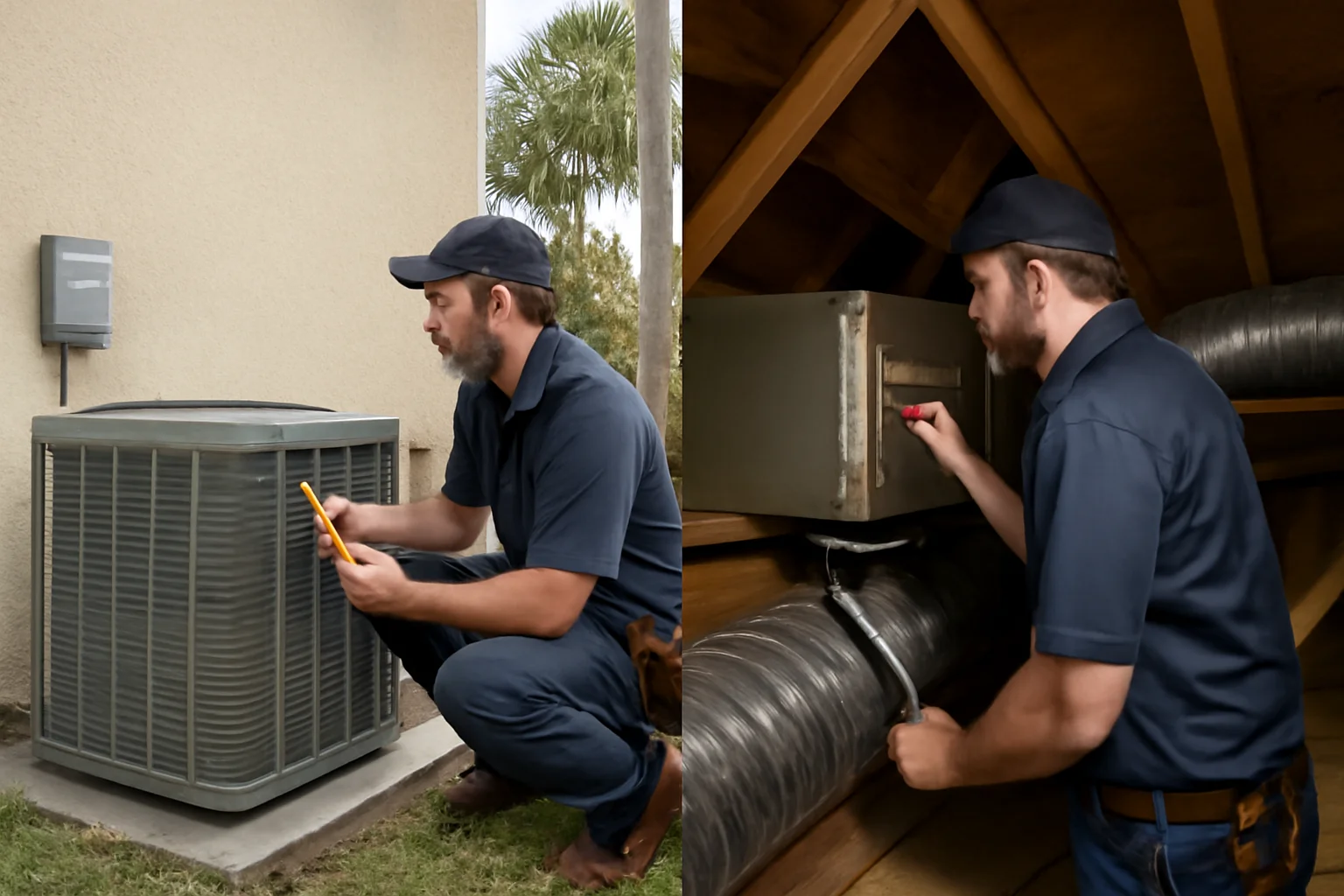
Lower Grand Lagoon, FL has a specific kind of weather pressure on your home. Warm temperatures arrive early, humidity hangs around, and salt air from the coast can add extra stress to HVAC components and ductwork. When heat and moisture build up indoors, your air conditioner or heat pump has to work harder, and indoor air quality can suffer.
Air filtration and dehumidifiers are two practical tools that help you manage heat and humidity at the source. When they are selected and maintained correctly, they can improve comfort, support airflow, and reduce the cycle of “cooling without feeling dry.” Below is a homeowner-focused guide to how these systems work together in Lower Grand Lagoon and what to watch for when your HVAC needs attention.
Why Lower Grand Lagoon humidity makes HVAC feel harder
In Bay County, humidity is not just uncomfortable. It affects how your home feels at the thermostat. Even when the temperature is set correctly, high moisture levels can make indoor air feel sticky and warmer than it is. That happens because moisture and heat together increase the load on your air conditioner and can lead to uneven comfort from room to room.
Humidity also influences how air moves through your home. If your return air path is restricted, if ductwork is leaking, or if filters are not doing their job, airflow can drop. Reduced airflow can cause your refrigerant system to operate outside its ideal conditions, which may show up as poor cooling performance, short cycling, or higher energy use.
For coastal areas, salt air can contribute to corrosion risk on outdoor units and may accelerate wear on components. That is another reason routine HVAC maintenance near me and careful indoor air quality planning matter.
Air filtration: cleaner air and better system airflow
Air filtration is about more than catching dust. In a humid coastal climate, filtration supports indoor air quality services by reducing airborne particles that irritate allergies and can contribute to a “stale air” feeling. It also helps protect parts of your HVAC system by limiting debris buildup on components that rely on proper airflow.
There is a balance to get right. A filter that is too restrictive can reduce airflow, making it harder for your air conditioner service system to move air across the evaporator coil. That can worsen humidity control because the system may not run long enough in the right conditions to remove moisture.
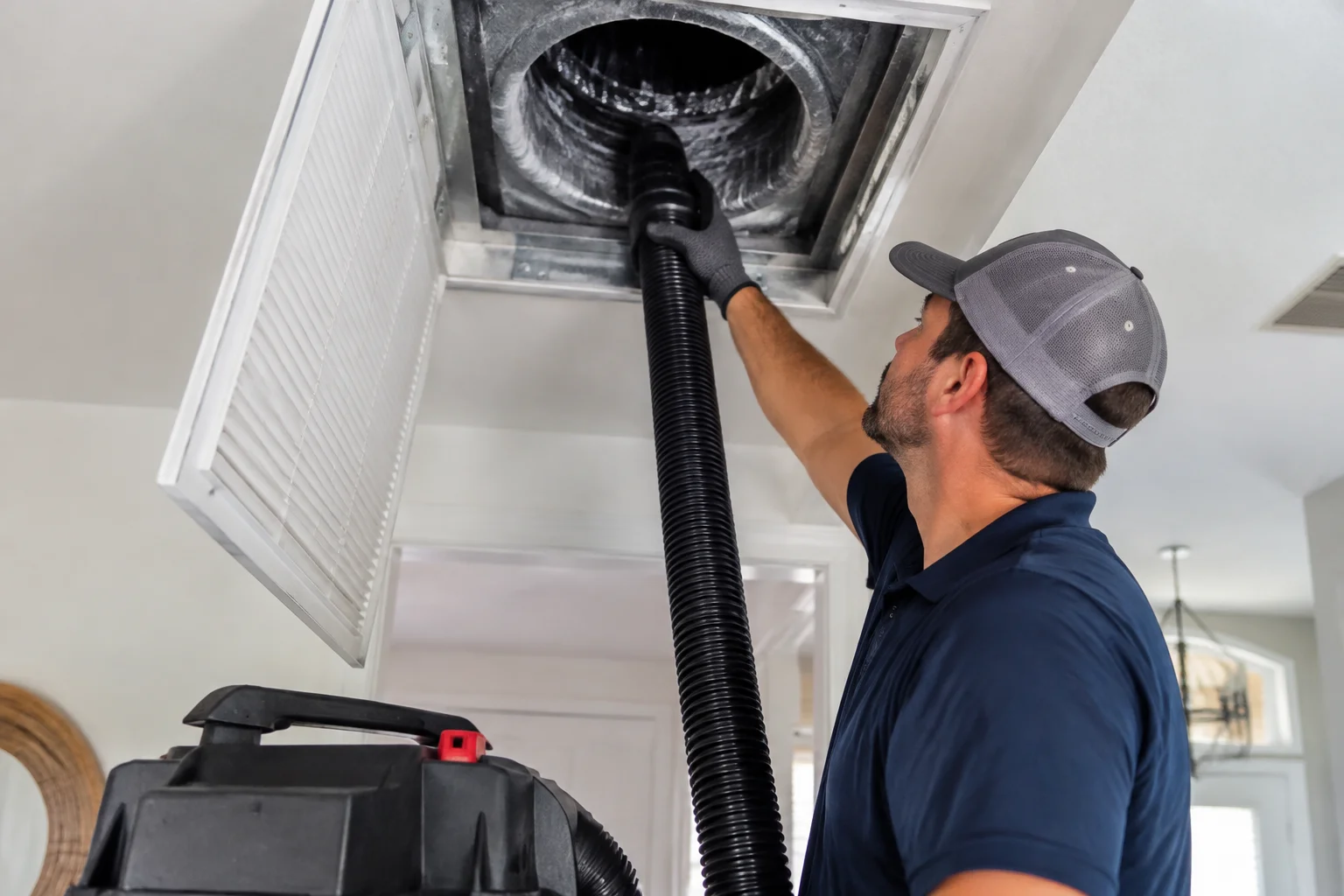
Homeowners often ask about duct cleaning near me or whether filters alone are enough. In many cases, filtration helps, but airflow problems can still come from ductwork issues. If you suspect airflow imbalance, a duct inspection near me can identify whether duct sealing, duct repair, or a better airflow strategy is needed.
What good filtration looks like in real homes
Strong indoor air quality results usually come from three things working together:
Proper filter fit and placement: Filters that bypass air reduce effectiveness.
Airflow-friendly filter choices: Your HVAC system still needs the right volume of air, especially in summer.
Regular filter changes: In humid, coastal environments, dust and debris can accumulate faster, and clogged filters can contribute to poor cooling performance.
If you are planning preventive HVAC maintenance, ask your local technician how filtration affects comfort, humidity control, and system efficiency in Bay County homes.
Dehumidifiers: controlling moisture so cooling feels better
A dehumidifier helps manage humidity directly by removing moisture from the air. In Lower Grand Lagoon, that can be especially helpful when your HVAC runs mostly as a temperature control tool. Air conditioners cool air, but humidity control depends on how long and how effectively the system removes moisture from the evaporator coil. If your home is leaky, insulated unevenly, or has airflow restrictions, the cooling cycle may not remove enough moisture.
Whole home dehumidifiers can support comfort by lowering indoor humidity levels, which often makes your home feel cooler at the same thermostat setting. That can reduce the “always on” feeling during muggy stretches.
Dehumidifiers also reduce the risk of moisture-related issues. When humidity stays high, condensation can form in hidden areas, and mold and mildew can become more likely. Managing humidity supports healthier indoor air and protects the home materials that HVAC systems indirectly depend on, including ductwork and condensate drainage paths.
Condensate drainage matters more than people think
Whether you rely on your air conditioner’s condensate drainage or use a dedicated dehumidifier, drainage performance affects reliability. If condensate lines are blocked, improperly routed, or draining poorly, you may notice water issues, musty odors, or unexpected shutdown behavior. A professional can evaluate condensate drainage during an assessment, especially if you have a history of wet spots or recurring humidity complaints.
How filtration and dehumidification work together with your refrigerant system
In a typical cooling season, your air conditioner or heat pump uses a refrigerant system to move heat out of your home. The evaporator coil cools air, and during that process, moisture can condense. Filtration and airflow influence how that process performs.
Here is the connection homeowners can feel:
Airflow affects coil performance: Good airflow helps the coil do its job. Restricted airflow can reduce moisture removal and worsen humidity control.
Humidity control reduces strain: When indoor humidity is managed, the system does not have to compensate as aggressively for sticky air.
Balanced comfort reduces short cycling: If your system cycles too frequently, it may not run long enough to remove moisture effectively.
Because every home’s ductwork, insulation, and thermostat behavior are different, it is important to have an in-person evaluation before making changes to filtration levels or adding dehumidification. A licensed HVAC contractor near me can confirm whether your current setup supports humidity control and whether ductwork or airflow adjustments are part of the solution.
Common Lower Grand Lagoon comfort problems linked to humidity and filtration
Homeowners usually notice issues in ways that sound like “the AC is running but we still feel uncomfortable.” That can point to humidity management and airflow problems, not just temperature.
1) Cold air, sticky indoor air
Your system may be dropping temperature but not removing enough moisture. This can happen when airflow is restricted, filters are clogged, or the duct system is not distributing air as intended. A dehumidifier, paired with correct filtration, can help. Your technician may also recommend duct-related improvements after a duct inspection.
2) Uneven rooms and hot spots
Uneven comfort often points to ductwork issues, supply and return imbalance, or airflow restrictions. If some rooms stay humid while others feel drier, the path air takes through your home may not be working properly. In coastal climates, duct leakage and pressure imbalances can show up more quickly as indoor conditions change.
If you are searching for duct repair near me, it is worth starting with an airflow and duct inspection rather than guessing. Proper sealing and airflow planning can improve both comfort and indoor air quality.
3) Musty odors or visible condensation
Musty odors can be a sign of moisture staying in the home longer than it should. Visible condensation can indicate drainage problems or humidity levels that exceed what your home can handle comfortably. A professional can check for issues related to condensate drainage and overall humidity control strategy.
4) Short cycling or frequent AC tune up needs
When systems do not run long enough, they may not remove moisture effectively. Short cycling can also increase wear on components and raise energy use. While a tune up can help, humidity and filtration settings that do not match your system and home layout can keep the cycle going.
Preventive HVAC maintenance that supports humidity control
Preventive maintenance is one of the most effective ways to keep your home running better in Lower Grand Lagoon. It helps your air conditioner service and heat pump service systems maintain stable performance during the hottest months.
During an HVAC maintenance visit, a qualified technician can check system operation, inspect airflow pathways, and review filtration and humidity strategy. You can also use maintenance visits to ask how your thermostat settings should be used for comfort and humidity control.
Thermostat settings that help manage comfort
Thermostats are not just about temperature. Homeowners sometimes set aggressive cooling targets without considering how humidity responds. If your home’s humidity is high, you may need a strategy that allows the system to run long enough to dehumidify. A technician can help you understand how your system behaves and whether changes to thermostat scheduling or mode use are appropriate.
What to include in a humidity-focused maintenance checklist
Filter condition and fit: Confirm correct sizing and that the filter is not bypassing air.
Airflow assessment: Look for signs of restricted airflow that can reduce moisture removal.
Coil and drainage inspection: Check for issues that affect condensate drainage and coil performance.
Ductwork review: If you have uneven comfort, ask about duct inspection and duct sealing options.
Indoor air quality goals: Discuss allergies, dust, and overall comfort priorities.
If you want to connect humidity control with airflow improvements, these reads may help: How Lower Grand Lagoon Homes Stay Comfortable with Better Duct Sealing and Aeroseal and Why Better HVAC Maintenance Matters for Whole Home Dehumidifiers in Sandestin.
Ductwork and airflow: the hidden factor behind humidity problems
Even the best air filtration and dehumidifier setup can struggle if airflow through ductwork is impaired. In Lower Grand Lagoon, duct leaks and poor distribution can cause some rooms to stay humid while others feel cooler. That can also lead to higher energy use because the system keeps trying to compensate.
If you have noticed persistent comfort complaints, a duct inspection can reveal where air is going and where it is not. From there, duct repair, sealing, or other ductwork adjustments may be recommended as part of the overall solution.
For homeowners comparing options, it can help to review duct inspection and service support alongside broader HVAC planning. You can explore relevant services here: Air Conditioning Services and Commercial HVAC Services for additional perspective on how system performance is evaluated.
When to call A Superior Mechanical for air filtration and dehumidifiers
Homeowners should call a professional HVAC company when comfort issues persist despite normal thermostat use, when humidity seems out of proportion to temperature, or when you suspect drainage or airflow problems. It is also smart to reach out before peak season if you want to prevent emergency cooling concerns during the hottest stretches.
Consider scheduling an assessment if you notice:
Air feels cool but the home still feels damp or sticky.
Humidity complaints repeat every summer and filters do not seem to help.
Musty odors appear, especially after storms or during humid weeks.
Rooms are noticeably more humid than others.
You are planning system replacement and want indoor air quality upgrades included in the plan.
A Superior Mechanical can help you evaluate how air filtration and dehumidification fit your specific home. If you are looking for a service page focused on this topic, start here: Air Filtration and Dehumidifiers for Lower Grand Lagoon. If you want broader local context, visit Lower Grand Lagoon HVAC services or Bay County HVAC services.
Planning ahead for system replacement and new installs
Some homeowners only think about air filtration and dehumidification after an AC repair or heat pump repair. In reality, these comfort tools can be planned as part of the HVAC system strategy, especially when you anticipate system replacement.
When a new AC installation near me search turns into actual planning, use that moment to discuss indoor air quality and humidity goals with your local technician. The right approach depends on your ductwork, existing airflow, and how your home handles moisture. An in-person evaluation is the only reliable way to understand refrigerant system performance, airflow needs, and whether your condensate drainage setup can support your humidity control plan.
If you are also considering how financing choices affect long-term comfort planning, this local guide may be useful: A Local Homeowner’s Guide to HVAC Financing in Lower Grand Lagoon, FL: Comfort, Airflow, Humidity, and Prevention.
Coastal considerations: salt air, energy use, and reliability
Because Lower Grand Lagoon is near the coast, you may experience more rapid wear from salty conditions. That makes it even more important to keep your system clean, maintain proper airflow, and manage humidity so your home does not force extra runtime.
When humidity is high, your system often runs longer to achieve comfort. That can increase energy use and contribute to more frequent cycling. Over time, that wear can affect reliability. Air filtration helps reduce airborne debris, while dehumidifiers reduce the moisture load that can make cooling feel insufficient.
These are also practical ways to reduce the chance of emergency cooling concerns. If your system is already struggling with airflow restrictions, clogged filtration, or drainage issues, peak humidity weeks can expose the problem quickly.
Simple homeowner habits that support better filtration and humidity control
You do not need to be an HVAC expert to improve performance. A few consistent habits can make a noticeable difference:
Check and replace filters on schedule: If filters look dirty early, you may need more frequent changes.
Keep supply and return vents clear: Furniture, curtains, and storage can block airflow and worsen humidity control.
Watch for drainage signs: Any recurring water issues or odors deserve a professional check.
Use your thermostat with humidity in mind: If you notice persistent dampness, consider having your system evaluated rather than only changing temperature settings.
Schedule HVAC maintenance before peak season: A proactive approach helps prevent mid-summer breakdowns.
For homeowners thinking about airflow planning and coastal protection, the approach in Smart HVAC Planning for Rosemary Beach Homes: Comfort, Airflow, and Coastal Protection can offer useful ideas you can adapt for Lower Grand Lagoon.
Getting the right solution for your home
Air filtration and dehumidifiers are not one-size-fits-all upgrades. The right choices depend on your home layout, ductwork condition, thermostat behavior, and how your refrigerant system is performing under real summer conditions. A professional evaluation helps ensure you are improving indoor air quality without accidentally creating airflow restrictions that reduce humidity control.
If you are searching for HVAC repair near me, air conditioning inspection near me, or HVAC maintenance near me because your home feels damp despite running cooling, start by focusing on the comfort drivers. That is where filtration and dehumidification can make your HVAC system feel more effective and your home feel more livable during Lower Grand Lagoon’s humid season.
Find Air Filtration and Dehumidifiers in Lower Grand Lagoon, FL
If you need Air Filtration and Dehumidifiers in Lower Grand Lagoon, FL, visit our local service page or contact A Superior Mechanical today.
Map of Lower Grand Lagoon, FL
Frequently Asked Questions
How do air filters affect humidity control in my Lower Grand Lagoon home?
Filters influence airflow. If a filter is too restrictive or becomes clogged, airflow can drop, which can reduce the amount of moisture your AC or heat pump removes from the air. That can leave your home feeling cool but still damp. A technician can help you choose and maintain filtration that supports both indoor air quality and humidity control.
Do I need a dehumidifier if my AC already removes moisture?
Sometimes yes, especially in humid coastal climates. AC systems remove moisture only when they run long enough and operate with adequate airflow. If you notice sticky air, uneven humidity between rooms, or musty odors, a whole home dehumidifier may help. An in-person assessment is the right way to confirm what your system is doing today.
What should I check about condensate drainage when using a dehumidifier?
Look for signs that drainage is not working properly, such as water on floors, recurring odors, or moisture where it should not be. Condensate drainage issues can affect reliability and indoor humidity levels. A professional can inspect the drainage path and confirm it is routed and draining correctly.
Can ductwork problems make my home feel humid even with good filtration?
Yes. Leaky or poorly balanced ductwork can cause airflow to bypass parts of the home, leaving some rooms less conditioned and more humid. If comfort is uneven, a duct inspection can help identify whether duct sealing, duct repair, or airflow adjustments are needed alongside filtration and dehumidification.
Should I change my thermostat settings to fix humidity issues?
Thermostat settings can influence how long your system runs, which affects moisture removal. However, the best approach depends on your specific HVAC performance and airflow conditions. If you are seeing persistent dampness, it is safer to schedule an air conditioning inspection or HVAC maintenance visit so a technician can evaluate the system in person.
Related Articles
- A Local Homeowner’s Guide to HVAC Financing in Lower Grand Lagoon, FL: Comfort, Airflow, Humidity, and Prevention
- How Lower Grand Lagoon Homes Stay Comfortable with Better Duct Sealing and Aeroseal
- Smart HVAC Planning for Rosemary Beach Homes: Comfort, Airflow, and Coastal Protection
- Why Better HVAC Maintenance Matters for Whole Home Dehumidifiers in Sandestin
Photo Gallery