Comfort in a newly built home starts long before the thermostat is mounted on the wall. Equipment sizing, duct layout, humidity control, return air placement, and installation quality all influence how well the home will feel during a hot, damp Hammock Bay summer.
A Superior Mechanical provides new construction air conditioning in Hammock Bay, FL for custom homes, vacation rentals, additions, and commercial properties. Careful HVAC planning helps prevent uneven temperatures, excessive moisture, noisy vents, high utility bills, and premature equipment trouble.
Start With the Home, Not an Equipment Estimate
An effective HVAC design begins with a detailed load calculation. Square footage matters, but it is only one part of the equation. Window area, insulation, ceiling height, roof color, wall orientation, air leakage, occupancy, and heat producing appliances all affect the cooling load.
Hammock Bay homes also face long cooling seasons, high outdoor humidity, strong sun, coastal weather, and periods of intense seasonal demand. A system selected from square footage alone may be too large or too small. Oversized air conditioners often cool the building quickly but stop running before the evaporator coil has removed enough moisture. Undersized systems may run constantly while struggling to maintain the thermostat setting.
Professional planning commonly uses recognized load, equipment selection, and duct design methods. These calculations give the HVAC contractor a sound basis for selecting the air handler, condenser, heat pump, furnace, and ductwork rather than relying on rules of thumb. Homeowners searching for residential HVAC near me should ask whether a room by room load calculation is included in the proposal.
Choose Equipment for Coastal Florida Conditions
Most new homes in this part of Walton County use heat pumps because they provide efficient cooling and heating from one system. A properly selected heat pump can handle typical winter conditions while providing dependable air conditioning through the much longer cooling season. Some projects may use electric heat, a gas furnace, or another backup heat source based on the property design and available utilities.
Efficiency ratings are important, but the highest rated equipment is not automatically the best match for every home. Variable speed air handlers and multistage or variable capacity condensers can improve temperature control, reduce abrupt starts, and support better moisture removal. The benefits depend on correct sizing, compatible controls, sealed ductwork, and proper commissioning.
For detached rooms, bonus spaces, workshops, or additions with different schedules, ductless mini splits may be practical. They should be designed as part of the overall comfort plan rather than added later to correct poor airflow. Anyone comparing energy efficient HVAC near me options should consider installation quality, humidity performance, service access, and long term maintenance along with the equipment rating.
Humidity Control Deserves Its Own Plan
Humidity is one of the most important design concerns in Hammock Bay homes. Moist outdoor air can enter through normal door use, exhaust fans, construction gaps, and uncontrolled ventilation. Newer homes are generally tighter than older homes, which improves efficiency but can allow indoor moisture to linger if the HVAC system is not designed correctly.
Cooling equipment removes moisture as warm indoor air passes across the cold evaporator coil. Airflow, coil temperature, run time, and refrigerant charge all influence this process. A system that cycles too quickly, has excessive blower speed, or contains installation errors may reach the thermostat setting while leaving the house clammy.
For homes with demanding moisture loads, a dedicated whole home dehumidifier can manage humidity independently of the cooling cycle. This can be especially useful in well sealed homes, vacation properties that remain partially unoccupied, and houses where owners prefer higher thermostat settings. Proper humidity control supports indoor air quality and helps discourage musty odors and moisture damage. It should not, however, be used to cover up refrigerant problems, duct leakage, or incorrect system sizing.
Ductwork Determines How Comfort Reaches Each Room
Even premium HVAC equipment cannot overcome a poor duct layout. Supply ducts must deliver the needed air to each room, while return ducts must provide an unobstructed path back to the air handler. Bedrooms with closed doors, large glass areas, upper floors, and rooms above garages often need special attention.
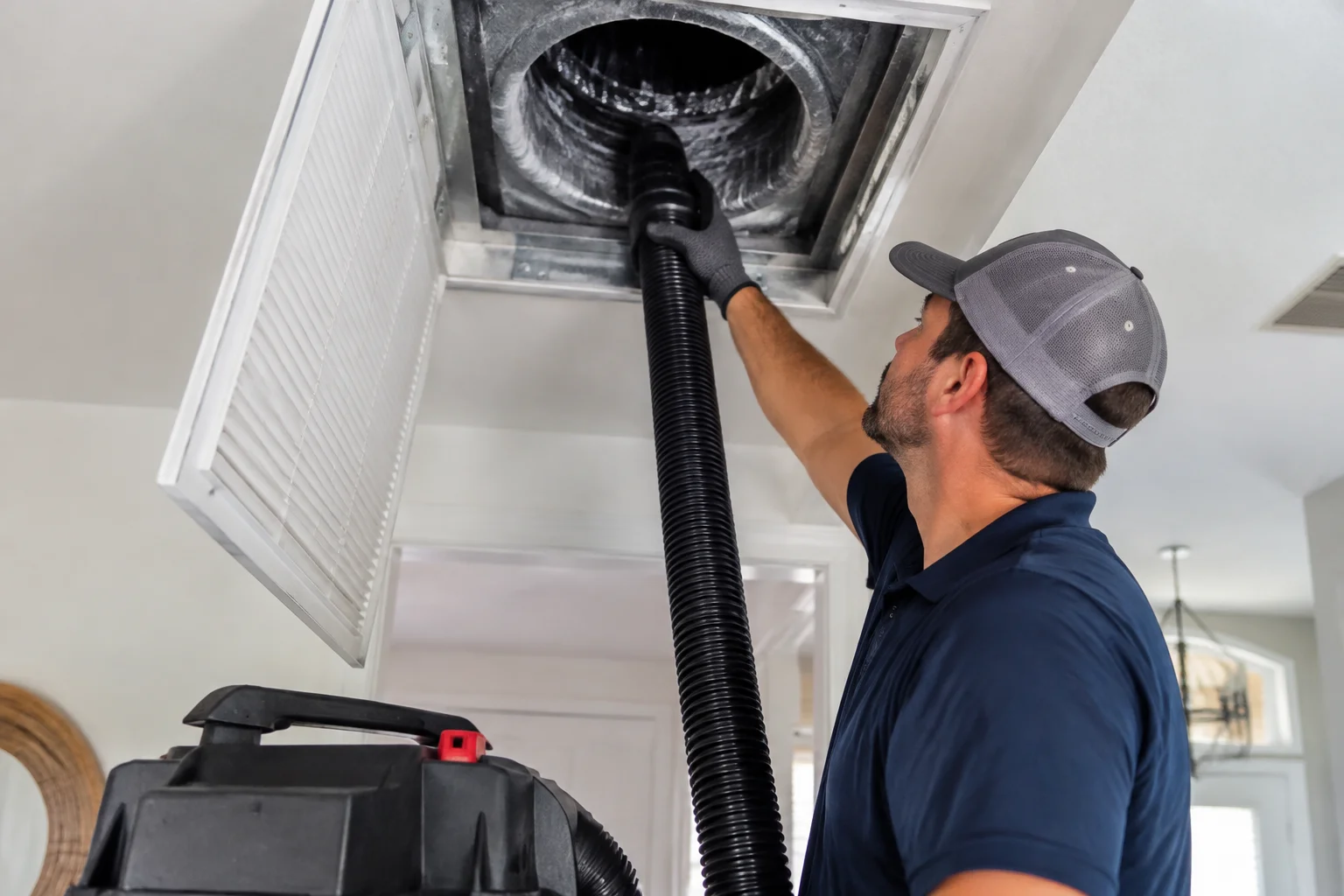
Ducts that are too small can create high static pressure, noisy vents, weak airflow, and extra strain on blower motors. Excessively long runs and sharp bends also reduce air delivery. Flexible duct should be supported correctly and pulled tight enough to avoid restrictions. Metal connections, boots, plenums, and takeoffs need durable sealing so conditioned air does not escape into an attic or mechanical chase.
Good plans also consider furniture placement and how people will use the home. A supply vent should not be buried under a bed or cabinet. A return grille should not be squeezed into an undersized hallway simply because that location is convenient during framing. If homeowners later find themselves searching for return air duct repair near me or air duct replacement near me, the underlying problem often traces back to layout, leakage, or installation details.
For leakage concerns in existing houses, remodels, and additions, ductwork and Aeroseal services may improve delivery and reduce losses. In new construction, careful assembly and verification can prevent many of those problems before occupancy.
Coordinate HVAC With the Building Envelope
The HVAC design cannot be separated from insulation, windows, air sealing, kitchen ventilation, bathroom exhaust, and attic construction. A change in spray foam location or window specifications can alter the heating and cooling load. Builders and HVAC contractors should share updated plans rather than working from an early version that no longer reflects the home.
Mechanical closets and attic platforms need enough room for air handlers, filters, drain pans, service panels, and coil access. If a filter cannot be removed without bending it, routine maintenance is less likely to happen. If an evaporator coil is boxed behind finished construction, future AC repair becomes slower and more expensive.
Indoor air quality planning should also happen before drywall. Depending on household needs, the design may include better filtration, controlled fresh air, ultraviolet equipment, or an air purifier. Filters must balance particle capture with acceptable airflow. Very restrictive filters placed in an undersized return can reduce capacity and contribute to a frozen coil.
Protect Outdoor Units From Salt, Water, and Storm Debris
Condensers need open space for airflow and practical access for air conditioning service. They should not be crowded by fences, shrubs, dryer vents, or multiple walls that trap hot discharge air. The installation location should also account for roof runoff, irrigation spray, yard drainage, and likely landscaping growth.
Although Hammock Bay is set back from the immediate shoreline, coastal salt air and humid weather can still accelerate corrosion. Appropriate equipment placement, routine coil cleaning, and inspection of electrical connections help protect outdoor units. Storm preparation should focus on secure mounting and keeping loose debris away from the condenser. Covering a running unit or enclosing it tightly can restrict airflow and damage the system.
Condensate drain lines deserve similar care. They must be pitched correctly, include required cleanout access, and terminate where water can drain safely. A clogged or poorly installed line can trigger a safety switch, leak near the air handler, or damage ceilings and floors. Plumbing drains and HVAC condensate lines are different systems, but homeowners interested in broader drainage prevention may also find this guide to cleaner drains and clearer pipes useful.
Thermostats, Controls, and Zoning Need Proper Setup
A modern thermostat can coordinate equipment stages, schedules, humidity settings, and remote alerts, but it cannot correct poor system design. Thermostats should be installed away from direct sunlight, kitchens, exterior doors, and supply vents. Smart thermostat installation must also account for equipment compatibility and required control wiring.
Zoning can improve comfort in larger homes when it is designed with adequate duct capacity, bypass strategy, and variable equipment operation. Simply adding dampers to small ducts may raise static pressure and create noise. Homeowners planning connected controls can review how smart home integration in Hammock Bay fits into broader home protection.
Commissioning Catches Problems Before Move In
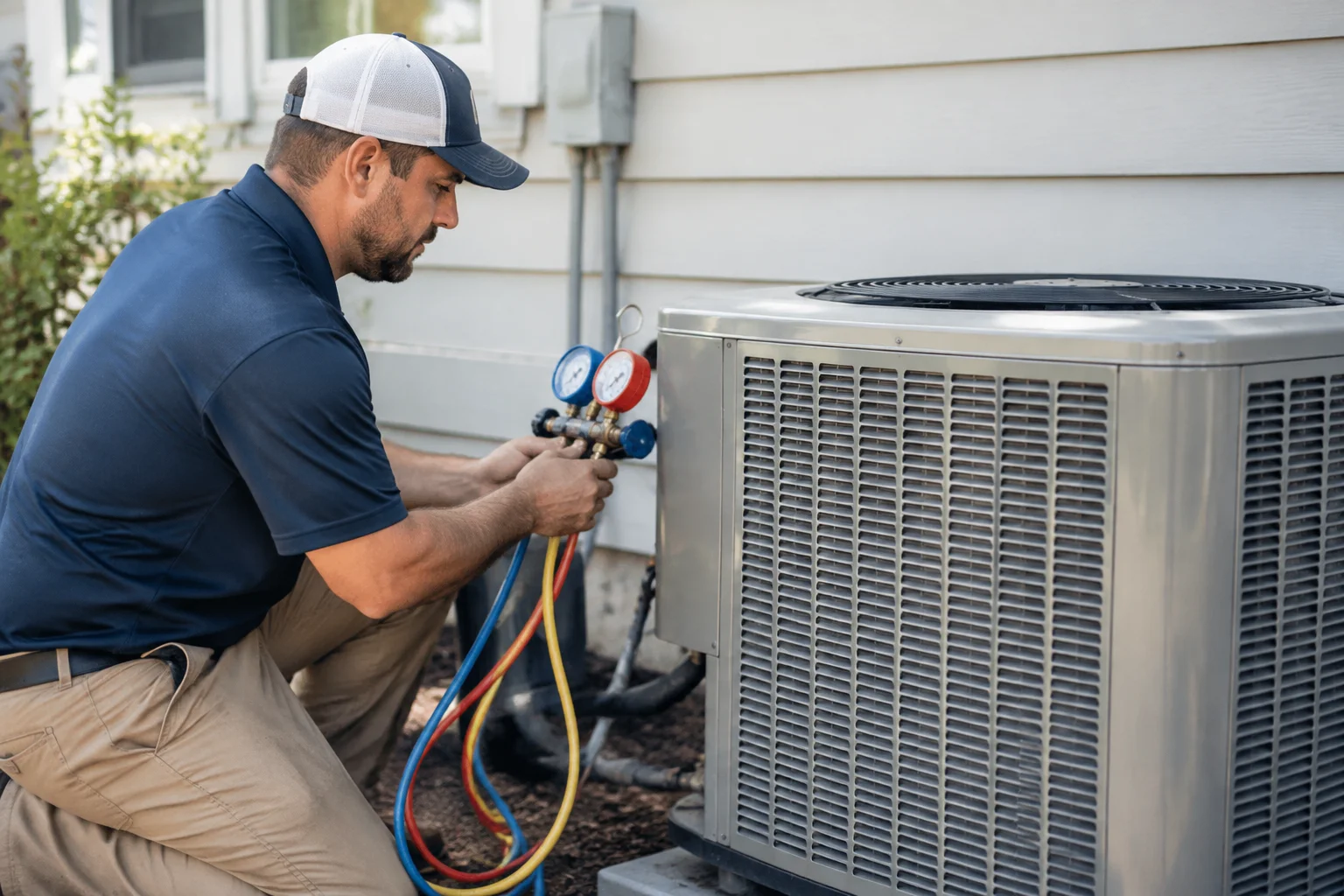
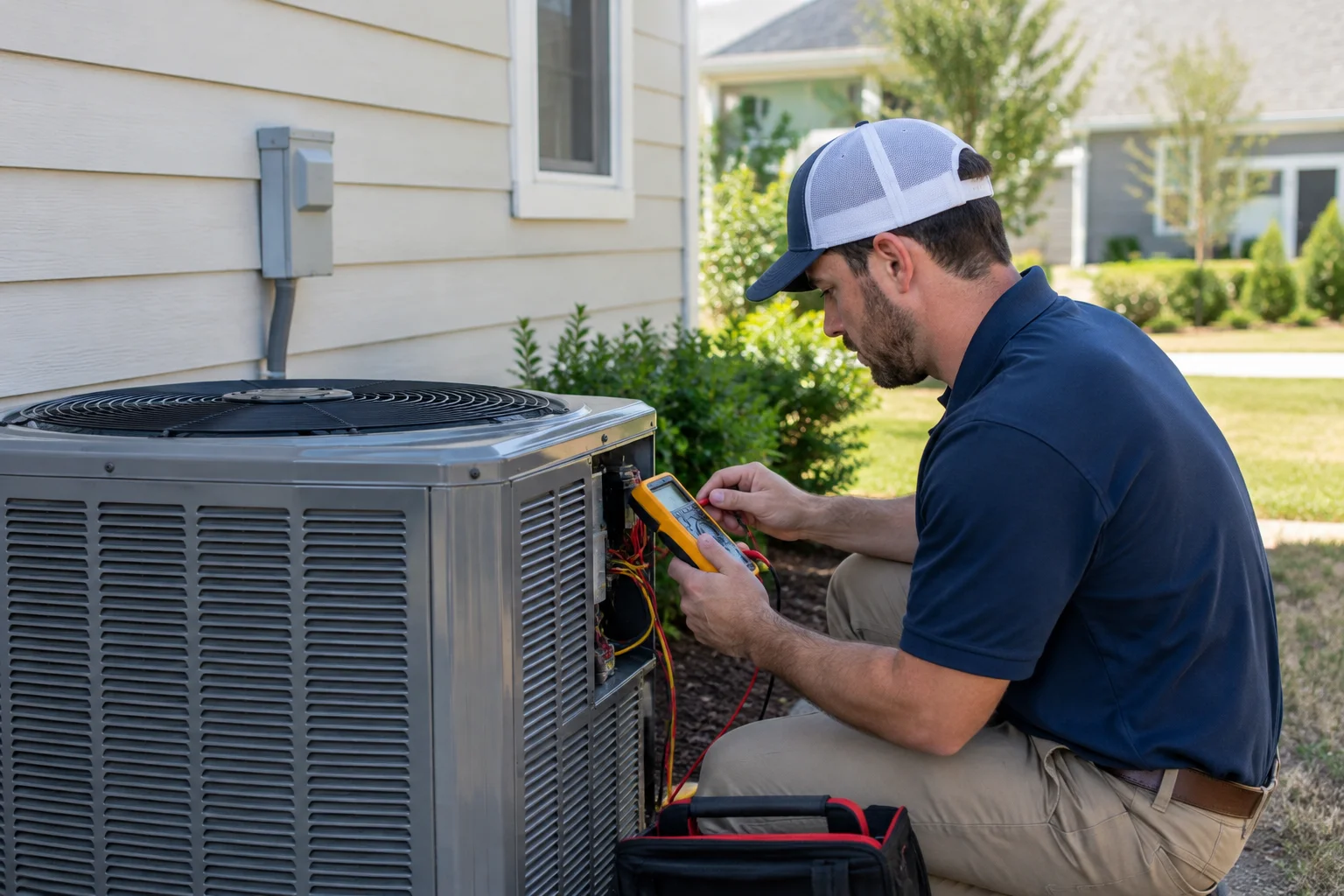
New equipment should be tested after construction dust has been controlled and before the project is considered complete. Commissioning includes checking refrigerant charge, temperature change across the coil, airflow, static pressure, thermostat operation, drain performance, electrical readings, and heating operation. Each vent should deliver air consistent with the design.
Construction debris can clog filters and coat evaporator coils if the system is operated while sanding, cutting, or painting is underway. Temporary filtration helps, but the final filter and indoor coil should still be inspected. Refrigerant leaks, loose drain fittings, disconnected ducts, and incorrect blower settings are much easier to address before homeowners move furniture into the house.
Commercial and mixed use projects have additional occupancy and operating considerations. A Superior Mechanical offers commercial HVAC installation for new projects and commercial HVAC maintenance after startup.
Early Comfort Problems Should Not Be Dismissed
A new system should not produce persistent hot rooms, musty smells, rattling ducts, frequent cycling, overflowing drain pans, or unusually high humidity. Ice on refrigerant lines or the indoor coil may point to low airflow, a dirty filter, a blower problem, or a refrigerant leak. Searching for frozen AC coil repair near me may lead to immediate help, but the technician should identify the cause rather than only melting the ice.
Water near an air handler, a burning odor, repeated breaker trips, loss of cooling during extreme heat, or unusual electrical sounds can require prompt attention. Turn the system off if continued operation could cause water or equipment damage. For households with children, older adults, pets, or medical concerns, a cooling failure during severe summer heat can become an emergency HVAC concern.
Heating also needs to be tested before the first cold period. Heat pumps should switch correctly between operating modes, and furnaces need safe startup and proper airflow. A homeowner searching for heating repair near me shortly after move in may be dealing with a control, wiring, airflow, or installation issue rather than worn equipment.
Maintenance Protects the Original Design
Replace or clean filters according to system needs, keep return grilles open, and avoid blocking supply vents. Outdoor condensers should remain clear of leaves, grass clippings, and shrubs. Drain lines, coils, blower components, refrigerant performance, safety controls, and thermostat settings should be checked during scheduled service.
Hammock Bay cooling systems run for much of the year, so waiting for a complete breakdown can be costly. Homeowners searching for AC maintenance near me should look for service that measures performance instead of offering only a visual inspection. Maintenance should also document developing corrosion, drain restrictions, airflow changes, and signs of refrigerant leakage.
Older homes, remodeled properties, and additions may need more than a basic AC tune up. Existing ductwork might not support a larger floor plan, and replacement windows or insulation can change the load. Across Walton County, local knowledge matters because equipment must handle prolonged humidity, storm conditions, salt exposure, and heavy summer demand.
Make HVAC Decisions Before They Become Construction Changes
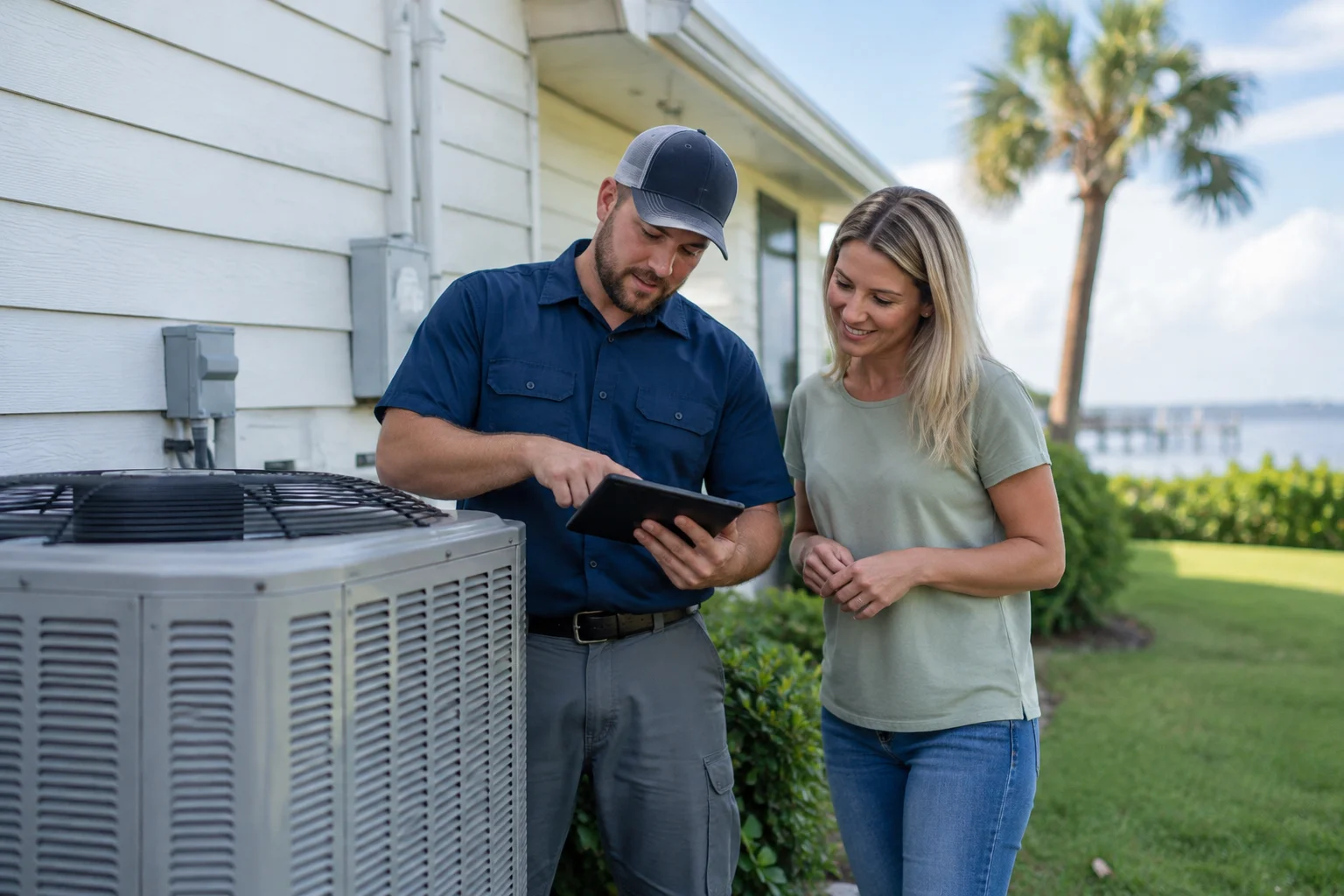
The best time to solve airflow, access, drainage, and comfort problems is while the home is still on paper. A qualified local HVAC contractor can coordinate with the builder, review plans, calculate loads, select compatible equipment, and verify performance after installation.
If a new home already has weak airflow, excess humidity, unusual noise, or inconsistent temperatures, do not assume the system simply needs time to settle. Homeowners searching for AC repair near me should request diagnosis that considers design and installation, not just individual parts. A Superior Mechanical can help plan and install a system that fits the building, the local climate, and the way the property will actually be used.
Find New Construction Air Conditioning in Hammock Bay, FL
If you need New Construction Air Conditioning in Hammock Bay, FL, visit our local service page or contact A Superior Mechanical today.
Map of Hammock Bay, FL
Frequently Asked Questions
How is a new construction AC system sized for a Hammock Bay home?
A contractor should complete a detailed load calculation using the home's size, insulation, windows, orientation, air leakage, occupancy, and other construction details. Selecting equipment from square footage alone can lead to humidity problems, short cycling, or inadequate cooling.
Does a new Florida home need a whole home dehumidifier?
Not every home needs one, but it can be helpful for tightly built houses, vacation properties, and homes with significant moisture loads. The air conditioner should still be sized and configured correctly because a dehumidifier should not compensate for duct leakage, poor airflow, or oversized equipment.
When should HVAC planning begin during new construction?
HVAC planning should begin during the design stage, before framing and mechanical spaces are finalized. Early planning allows time for load calculations, duct routing, equipment placement, drain design, thermostat wiring, ventilation, and coordination with insulation and structural plans.
Related Articles
Photo Gallery