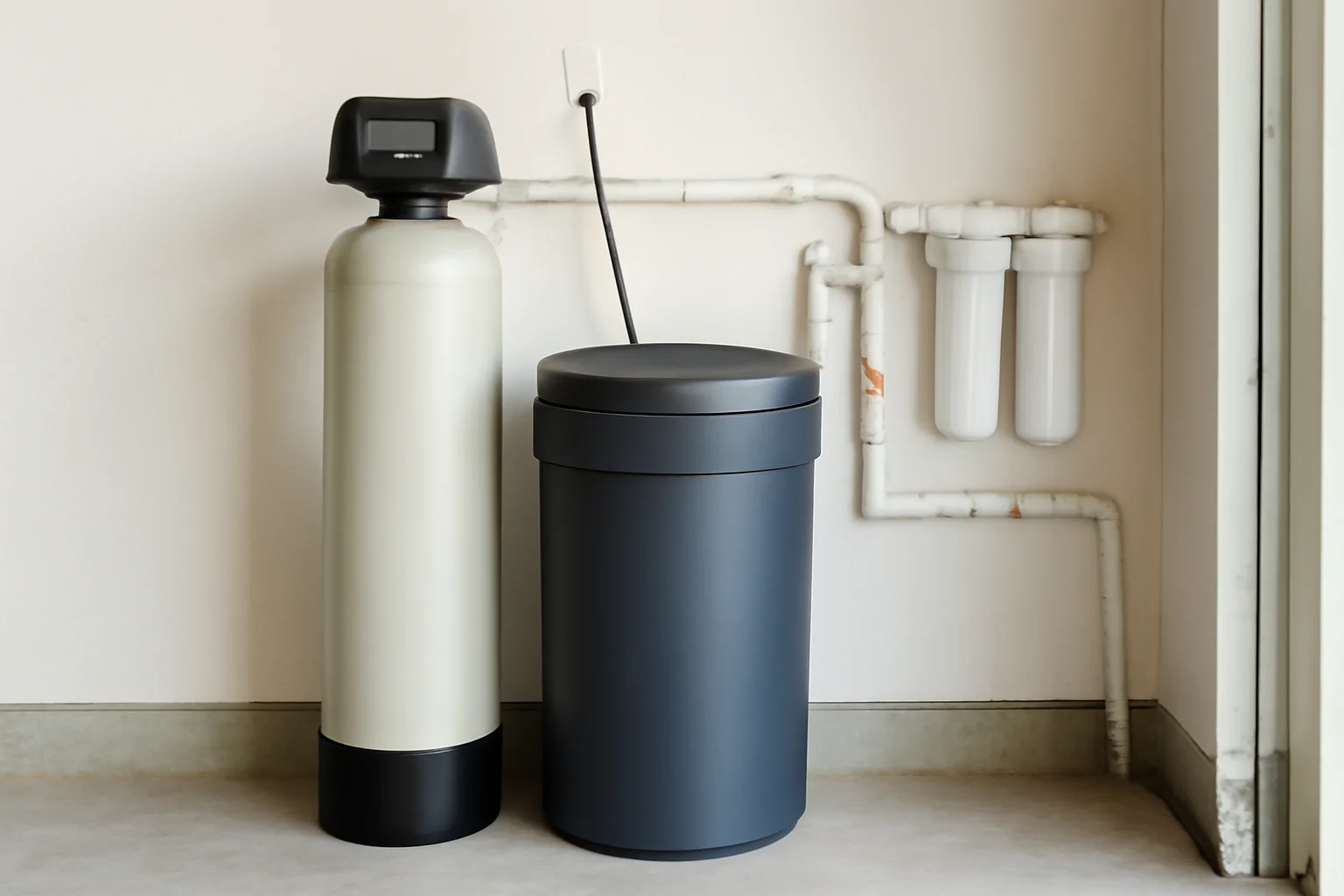
When families in Callaway, FL search for “water treatment near me,” they usually have a very specific problem. Soap feels like it never rinses clean. Glasses look spotted. Showerheads leave a chalky ring. Coffee tastes off. These everyday frustrations connect back to what is in the water coming into the home, and local water conditions matter more than many homeowners realize.
Local water chemistry influences how well water softening works, how often you need service, and whether you also need filtration like reverse osmosis or whole home water filtration for cleaner drinking water. If you are considering water softening in Callaway, understanding the water first can save money and protect fixtures and appliances.
What “local water conditions” mean for Callaway homes
Water treatment starts with the water entering your property. In many parts of the region, homeowners deal with hard water minerals that can form scale. Hard water is not just a nuisance. It changes how soap and detergents work, how water interacts with plumbing surfaces, and how appliances perform over time.
In coastal and inland areas across Bay County, water chemistry can vary by season and source. That means two neighborhoods can feel similar but behave differently inside the plumbing. For families, the result is often a pattern: problems show up in the kitchen, the bathroom, and the laundry long before they show up as “equipment failure.”
When people look for water filtration and reverse osmosis systems, they are often trying to solve multiple issues at once: mineral scale plus sediment, taste, or odor concerns. The best approach depends on what your water contains and what you want your clean water systems to accomplish.
How hard water shows up around the house
Callaway families typically notice hard water effects in predictable places. You may see the same issues on different surfaces, even if your plumbing is new.
Hard water spots on glass, dishes, and fixtures
One of the clearest signs is hard water spots on dishes and glassware. After the dishwasher runs or after hand washing, you may see a cloudy film that does not wipe away easily. Around sinks and faucets, you might notice scale buildup on faucets and cloudy residue around handles and spouts.
Scale buildup around showerheads and plumbing
In the bathroom, the mineral deposits can be even more obvious. You might see a chalky ring on showerheads, clogged spray patterns, and a rough feel on tile and grout where water dries. Over time, scale can also accumulate inside pipes and water heater components, reducing flow and efficiency.
Dry skin or dull hair after bathing
Hard water can leave mineral residue on skin and hair. Many homeowners describe dry skin from hard water and hair that feels less clean, dull, or harder to manage. Even if you use the same soap and shampoo, the results change because minerals interfere with lather and rinse.
Soap that does not lather or rinse well
If you feel like your soap does not lather, or it takes extra rinsing to feel clean, minerals are likely getting in the way. When homeowners say “soap does not lather,” it is often not the soap brand. It is the water chemistry.
Metallic, chlorinated, or unpleasant taste
Some homes also experience flavor and odor issues, including chlorine taste in water or metallic tasting water. Even when a water softener helps with hardness, it may not fully address taste and odor or fine sediment. That is where whole home water filtration or targeted filtration for drinking water can matter.
Cloudy ice cubes and poor tasting cooking water
Cloudy ice can be a quick clue that water is carrying dissolved minerals, sediment, or air that changes how water freezes. Poor tasting coffee and cooking water often show up next. If you notice that coffee tastes flat or “off,” or that soups and pasta never seem quite right, your water quality could be part of the problem.
Appliances wearing out faster
Scale does not stay on surfaces. It builds inside water heaters, boilers, and other equipment that use hot water. When scale accumulates, appliances can run less efficiently, require more maintenance, and wear out sooner. Families often notice the change through higher energy bills, slower recovery times, or more frequent repairs.
Why hard water affects water softening performance
Water softening is designed to reduce hardness minerals that cause scale and soap scum. But the effectiveness of your system depends on how the system is matched to your water and how it is maintained.
Softening is about minerals, but water chemistry is broader
Hardness minerals are the main drivers of scale buildup and “soap problems.” However, homeowners may also have other water concerns like sediment, taste, or odor. If your water has chlorine taste in water or metallic tasting water, you may need additional treatment beyond softening to make drinking water taste better.
This is why many families choose a combined approach: water softening for the plumbing and appliances, plus whole home water filtration or reverse osmosis for the kitchen and drinking water. When you treat only one part of the water quality picture, you can still end up with visible spots, off flavors, or cloudy ice.
Salt, settings, and maintenance matter in Callaway homes
Even a properly sized softener can underperform if settings are wrong, if the unit is not regenerating at the right times, or if parts are worn. In a climate like Florida, where water use patterns can shift with heat and outdoor activities, your household demand may rise and fall during the year.
That makes service important. Regular inspection helps confirm the system is working as intended, that brine and resin performance are stable, and that you are not paying for a system that is not delivering consistent results.
How local water conditions change what “good” feels like
When homeowners in Callaway upgrade to the right softening approach, the difference is usually immediate. Dishes come out cleaner with fewer spots. Showerheads spray better. Skin feels less tight after bathing. Laundry can feel softer, and towels absorb more evenly. Coffee and cooking water often improve when you add filtration for taste and clarity, especially if you are dealing with sediment or odor concerns.
Water softening versus whole home filtration and reverse osmosis
Many families start with a water softener because the scale and soap issues are obvious. Then they realize their kitchen water needs a different solution.
Water softening: protecting plumbing and improving everyday comfort
A properly installed water softener reduces hardness minerals that cause scale buildup on fixtures and inside plumbing. It also helps detergents and soaps work the way they are supposed to. If you see hard water spots on dishes, notice scale buildup around faucets, or experience dry skin from hard water, softening is often the cornerstone of a full clean water system.
Whole home water filtration: addressing sediment and improving overall water quality
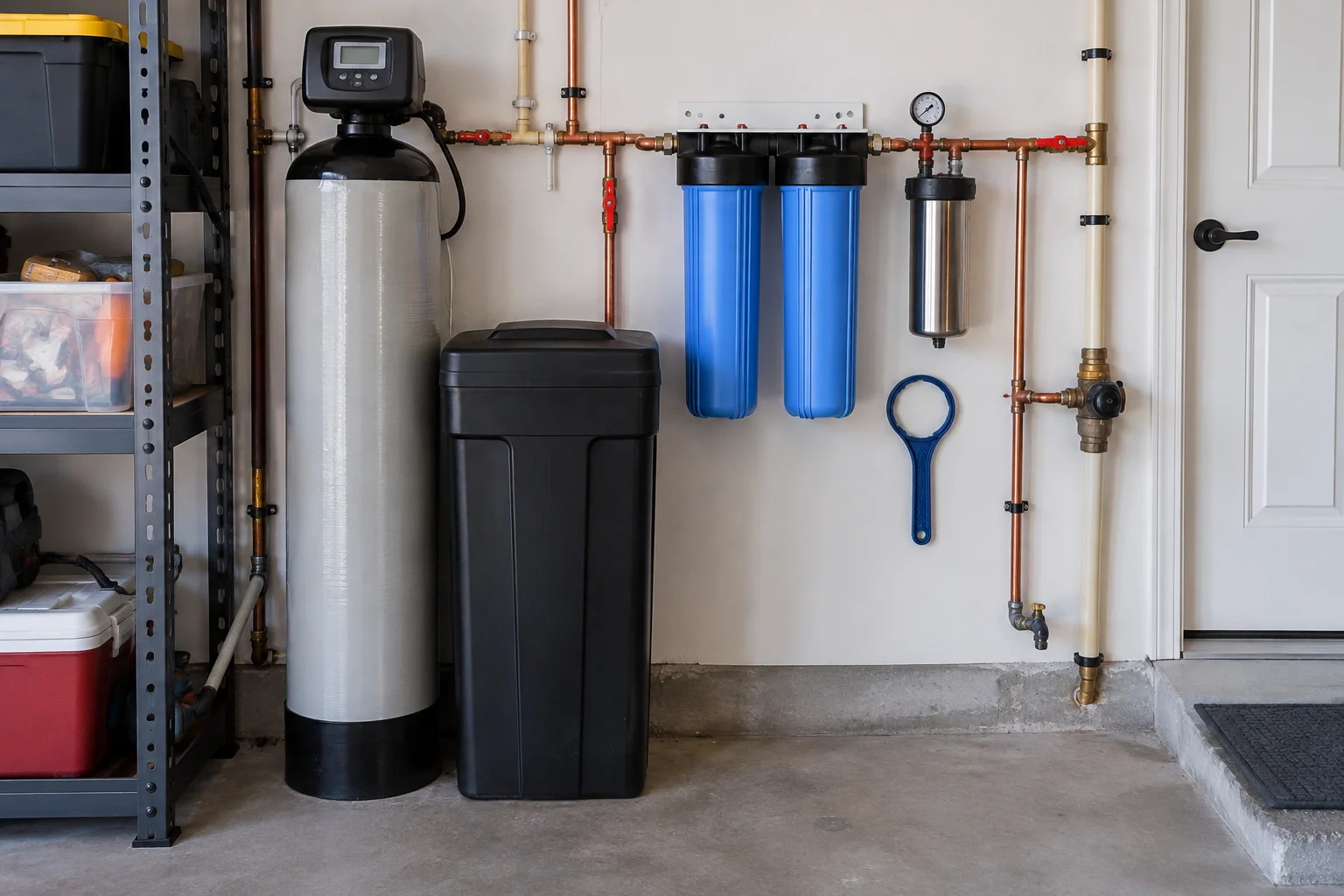
Whole home water filtration can help reduce sediment and other particles that affect water clarity and how water tastes and smells. Homeowners searching for clean water systems near me often want a solution that supports bathing, laundry, and kitchen use without needing separate treatment for every tap.
In many Callaway homes, combining whole home water filtration with water softening creates a noticeable improvement across the house, not just at one sink.
Reverse osmosis for drinking and cooking water
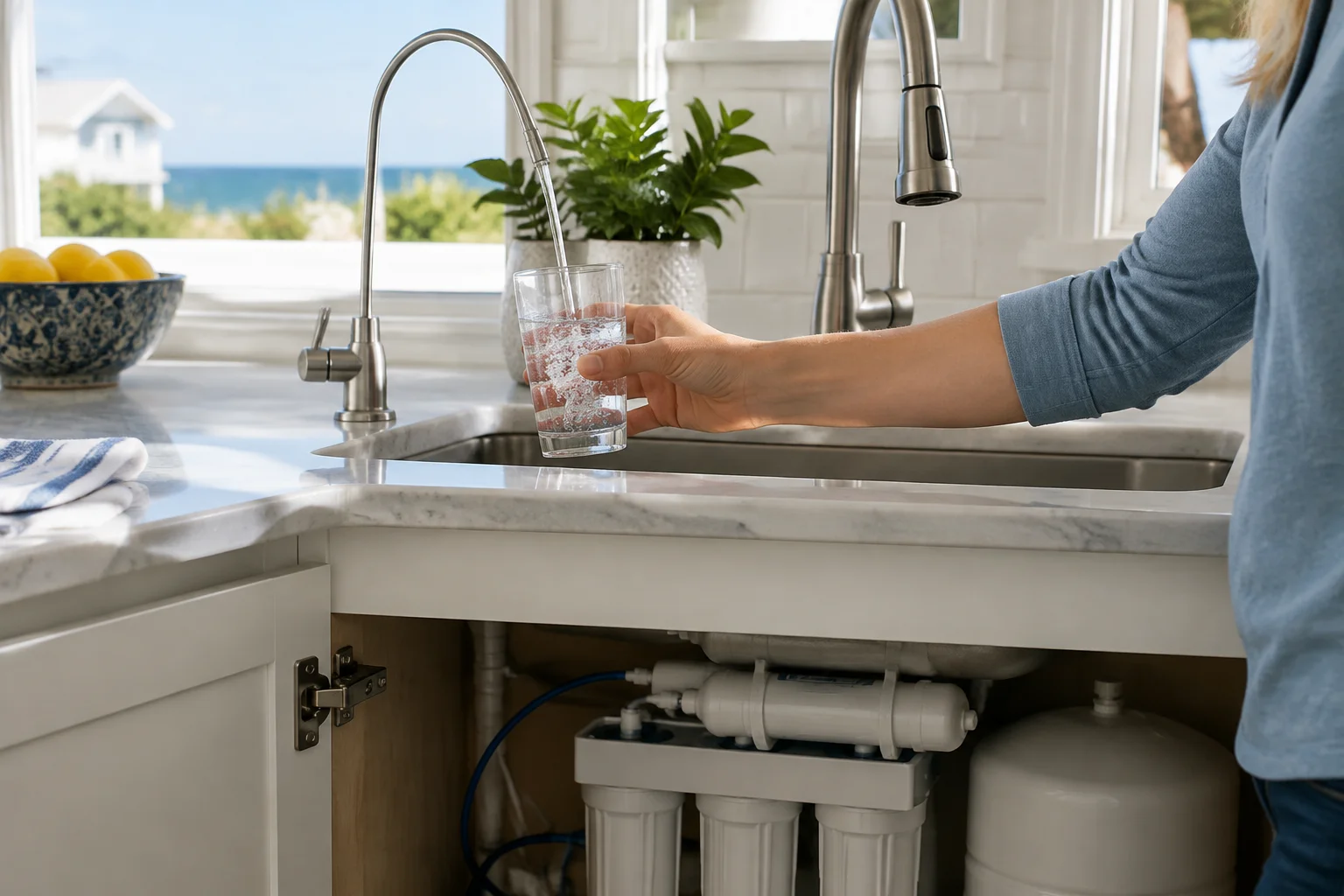
Reverse osmosis systems are popular for the kitchen because they target dissolved contaminants and can improve taste and clarity. If you are dealing with metallic tasting water, chlorine taste in water, cloudy ice cubes, or poor tasting coffee and cooking water, reverse osmosis installation near me can be a strong option.
Reverse osmosis also pairs well with softening. Softening helps with scale and soap performance, while RO helps deliver better drinking water where your family consumes it most often.
AO Smith water filtration options for families in Callaway
Many homeowners want a dependable brand when they are investing in water treatment. AO Smith is well known for residential water filtration and water softening solutions. Depending on your water needs, an AO Smith system can support both everyday comfort and cleaner drinking water goals.
A Superior Mechanical can help match the right equipment approach to your household. That includes evaluating whether you need water softening, additional filtration, or reverse osmosis for the kitchen. The goal is a system that works together, not separate solutions that compete for attention.
Family scenarios: how better water changes daily life in Callaway
Water treatment is not just a technical project. It affects the routines families repeat every week.
Kitchen mornings with clearer ice and better coffee
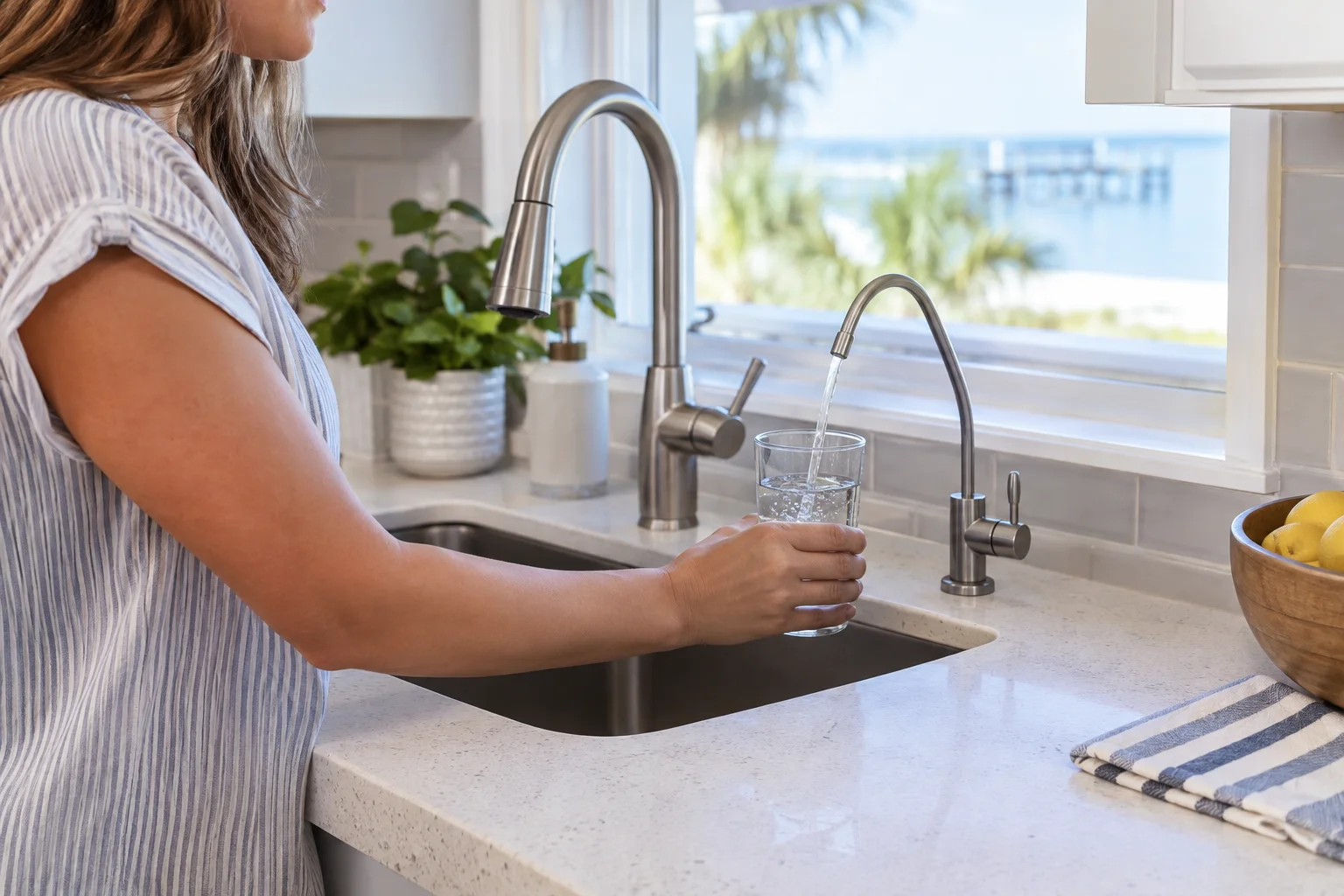
Picture a busy Callaway weekday. Someone fills a glass, drops in ice, and pours coffee. If the ice looks cloudy or the coffee tastes off, it can affect the whole morning. With improved filtration, the water used for coffee and drinking can taste cleaner, and ice can freeze more clearly. When reverse osmosis is included for drinking water, many families notice the difference quickly.
Evening dishes and fewer “mystery spots”
After dinner, the dishwasher runs and then you open the door to something that looks like a light haze. Hard water spots on dishes can make even “clean” plates look dirty. With water softening, detergents work better, scale is reduced, and dishes often come out with less residue.
Bath time with less tightness and better lather
Bathing is where many families feel the impact first. If soap does not lather and rinse well, you may end up using more product and still feeling not fully clean. Dry skin or dull hair after bathing can also be a sign that your water is fighting your routine. Softened water helps soaps and shampoos perform closer to how they are meant to work.
Laundry that feels softer and appliances that run cleaner
In laundry, mineral buildup can reduce how well detergents clean fabrics and can contribute to wear over time. When hardness is controlled, laundry often feels softer and towels can stay more absorbent. Appliances that heat water also benefit because scale buildup is less likely to accumulate as quickly.
Signs it is time to upgrade or add water treatment
Homeowners do not always start with a water test. They start with what they see and feel. If you recognize several of the following, it may be time for water softening service or a broader clean water system assessment.
- Scale buildup around faucets and showerheads that keeps returning
- Hard water spots on glass and dishes that do not wipe away easily
- Soap that does not lather or requires extra rinsing
- Dry skin from hard water or dull hair after bathing
- Metallic tasting water, chlorine taste in water, or unpleasant odor
- Cloudy ice cubes or poor tasting coffee and cooking water
- Water appliances wearing out faster or requiring more frequent maintenance
- Visible sediment, discoloration, and odor concerns
If you already have a softener, these signs can also indicate a regeneration issue, worn parts, or settings that are no longer matching your household water use.
Prevention and maintenance that keeps softening working well
A water softener can deliver excellent results, but it needs care. A few practical steps help maintain performance and protect your investment.
Track salt levels and regeneration behavior
Many softeners rely on a consistent brine supply. If you notice the unit running more often than it used to, or if you are running low on salt unexpectedly, it can point to a problem. A professional service visit can confirm the unit is regenerating properly and that flow is correct.
Watch for changes in taste, odor, and clarity
If you suddenly notice metallic tasting water, chlorine taste in water, or cloudy ice cubes, the issue may not be hardness alone. It could be filtration performance, sediment, or a change in source water conditions. That is a good time to review your full clean water system, not just the softener.
Inspect fixtures for recurring scale buildup
Scale buildup on faucets and showerheads can be a “dashboard” for your treatment. If you are cleaning more often than before, it may be time to evaluate whether your system is still doing its job.
Why local service matters for water treatment in Callaway
Water treatment service is not one-size-fits-all. Callaway homes experience real daily use patterns, and family routines can change seasonally. A local provider understands how to assess the system for both performance and comfort, and can help you choose solutions that fit your priorities.
When you search for water treatment near me or water filtration near me, you want a company that can help you connect the dots between your symptoms and your equipment. That includes matching water softening to hardness levels, confirming the right filtration strategy for taste and odor, and supporting proper installation, replacement, repair, and maintenance.
If you are considering water softener installation near me, it also helps to plan for how the system will integrate with your plumbing and your household needs. For many families, that means thinking beyond the softener and including options like whole home water filtration and reverse osmosis for better drinking water.
Choosing the right next step
If you are ready to improve your water quality, start with a focused assessment of what your home is experiencing. Scale buildup around faucets, hard water spots on dishes, dry skin after bathing, and off flavors like chlorine taste in water are all strong indicators that you likely need hard water treatment. If you also have unpleasant taste, cloudy ice cubes, or sediment and discoloration concerns, you may benefit from a combined approach that includes filtration and possibly reverse osmosis installation near me.
A Superior Mechanical helps Callaway homeowners build clean water systems that work together. You can explore service details at this Callaway water softening page, and you can review filtration and reverse osmosis options at the water filtration and reverse osmosis landing page.
For more local guidance, these reads can help you connect symptoms to solutions: Why Water Treatment Makes Water Softening Work Better in Callaway Homes, A Callaway Homeowner’s Guide to Smarter Water Filtration and Fewer Plumbing Repairs, and Cleaner Water Starts at the Source in Callaway.
If you are comparing how softening supports long-term plumbing health in the region, you might also find How Water Softening Protects Rosemary Beach Plumbing from Costly Water Damage useful.
Find Water Softening in Callaway, FL
If you need Water Softening in Callaway, FL, visit our local service page or contact A Superior Mechanical today.
For a broader look at whole-home water filtration, reverse osmosis, and water softener options, visit our water filtration, RO, and water softener page.
Map of Callaway, FL
Frequently Asked Questions
Does a water softener fix cloudy ice cubes and poor tasting coffee?
A standard water softener mainly targets hardness minerals that cause scale. It can help some taste and clarity issues, but cloudy ice cubes and poor tasting coffee often point to dissolved contaminants, sediment, or odor concerns that may require whole home water filtration or reverse osmosis for drinking water.
Why do I still see hard water spots even after installing a softener?
Common causes include incorrect settings, a softener that is not regenerating properly, low salt or brine issues, or the presence of additional water concerns like sediment or taste and odor issues. A professional inspection can confirm whether the unit is performing and whether you need added filtration.
What household signs suggest I need hard water treatment in Callaway?
Look for hard water spots on dishes and glass, scale buildup on faucets and showerheads, soap that does not lather or rinse well, dry skin or dull hair after bathing, and appliances wearing out faster. If you also have metallic tasting water or chlorine taste in water, you may need filtration beyond softening.
Should Callaway families choose whole home water filtration or reverse osmosis?
Whole home water filtration is often used to improve water quality throughout the house, while reverse osmosis is commonly installed for the kitchen and drinking water to improve taste and clarity. Many families choose both so plumbing is protected by softening and drinking water is cleaner where it matters most.
How do I know if I need water softener service versus replacement?
If you are seeing recurring scale buildup, inconsistent softening, or changes in taste and odor, service may be needed to address settings, regeneration, or worn components. Replacement is considered when a unit is outdated, frequently failing, or cannot meet your household’s current water needs.
Related Articles
Photo Gallery