If your home on 30A uses a VRF multi-zone system, you already know the appeal: more precise room-by-room comfort, flexible zoning, and efficient operation when everything is working correctly. The challenge is that VRF systems are more complex than traditional single-split setups. That means small problems can quietly build until humidity rises, airflow weakens, or parts of the home stop cooling or heating as expected.
This guide helps homeowners in Walton County spot early trouble, understand what to watch for during Florida heat and salt air seasons, and know when to schedule HVAC service before comfort turns into an emergency cooling concern.
Why VRF multi-zone systems behave differently in 30A homes
VRF, or variable refrigerant flow, systems move refrigerant through a network of piping to multiple indoor units. Instead of one indoor section serving the whole house, each zone can be matched to comfort needs. That flexibility is great for families, vacation rentals, and luxury homes where schedules and occupancy vary.
In 30A’s coastal climate, however, the system still has to manage Florida humidity, airflow demands, and condensate drainage. When airflow is restricted or indoor units are not draining properly, you can see comfort problems sooner than you might expect. Salt air and coastal particulates can also increase the workload on coils and filters over time, especially when outdoor equipment is located near windy, salt-exposed areas.
For homeowners searching for an HVAC contractor near me specifically for VRF multi-zone systems, the goal is not just repair. It is early detection, careful maintenance, and correct system tuning so the whole refrigerant system and each zone stay balanced.
Early warning signs your VRF multi-zone system needs attention
Some HVAC issues show up as obvious breakdowns. VRF problems often start with subtle changes across zones. If you catch them early, you can prevent bigger failures and reduce the chance of an emergency cooling situation during peak summer or after a sudden weather shift.
1) One room stays hot while others feel fine
In a multi-zone setup, uneven temperatures can be caused by airflow restrictions, sensor or thermostat issues, or changes in refrigerant flow balance. If the difference is consistent, it is a strong sign that a zone needs professional inspection rather than simple thermostat adjustments.
Many families also notice that the “problem room” changes depending on the time of day or when doors and windows are opened. That pattern can point to airflow and control behavior that an HVAC technician can evaluate during a service visit.
2) Humidity climbs even when the thermostat says the system is running
In 30A’s humid summers, comfort is not only about temperature. If indoor air feels sticky, condensation appears around windows, or rooms feel muggy even while cooling, it may indicate that airflow, coil performance, or condensate drainage is not keeping up. VRF systems rely on proper indoor unit operation and drainage to remove moisture from the air.
When humidity control slips, indoor air quality can also suffer. That is one reason many homeowners search for indoor air quality services near me after noticing persistent dampness or odors.
3) Unusual sounds from specific indoor units or the outdoor unit
VRF systems can produce different sounds than older HVAC equipment. Still, homeowners should pay attention to new rattling, persistent clicking, or a noticeable change in fan noise. Sounds localized to one zone can suggest a clogged filter, restricted airflow, or a drainage-related issue affecting operation.
4) Airflow feels weaker from vents or one zone blows intermittently
Because VRF systems distribute conditioned air by zone, weak airflow in one area can be tied to dirty filters, blocked returns, or ductwork restrictions that limit airflow. Even high-end homes can have airflow imbalances if ductwork is undersized, partially blocked, or affected by insulation gaps.
Airflow problems can also increase energy use because the system may need to work longer to reach setpoints. If you notice that the house takes longer to cool after the system turns on, schedule an evaluation.
5) Condensate drainage concerns
Condensate drainage is a major comfort and moisture-control factor. If you see water where it should not be, notice a musty smell, or observe signs of overflow, do not ignore it. Blocked drains or drainage issues can lead to moisture accumulation, which can impact indoor air quality and damage nearby materials.
This is especially relevant in Florida, where humidity loads are high and the system has to remove moisture continuously during cooling season.
6) Thermostat behavior seems inconsistent
Some homeowners suspect the thermostat when comfort is off. Sometimes the issue is the thermostat placement, programming, or a mismatch between thermostat signals and zone operation. Other times the thermostat is fine and the underlying issue is in the zone equipment or airflow.
If you are considering upgrades, work with a local professional on smart thermostats that are compatible with your VRF system and zoning setup.
Common causes of VRF multi-zone problems in Walton County
Knowing the likely causes helps you ask better questions when you schedule HVAC service in 30A.
Dirty filters and coil fouling from coastal conditions
Coastal air carries more particulates than inland areas. Over time, indoor unit filters and coils can accumulate debris. When that happens, airflow drops and coil performance declines. The system may still run, but it cannot move heat and moisture the way it should.
Airflow restrictions from ductwork or blocked returns
VRF systems often combine zone control with ductwork for distribution. If returns are blocked by furniture, rugs, or construction debris, airflow can become uneven. Even small restrictions can create noticeable comfort differences between rooms.
Condensate drainage problems
Clogged drains, improper slope, or blocked condensate paths can cause water buildup. Moisture issues can also contribute to odors and indoor air quality concerns that feel unrelated at first.
Refrigerant system imbalance or component wear
VRF systems are built around refrigerant flow control. When components wear, sensors drift, or refrigerant flow is not functioning as intended, zones can underperform. Homeowners should not attempt refrigerant troubleshooting. A licensed HVAC technician can evaluate system performance safely during an in-person visit.
Outdoor unit exposure and seasonal stress
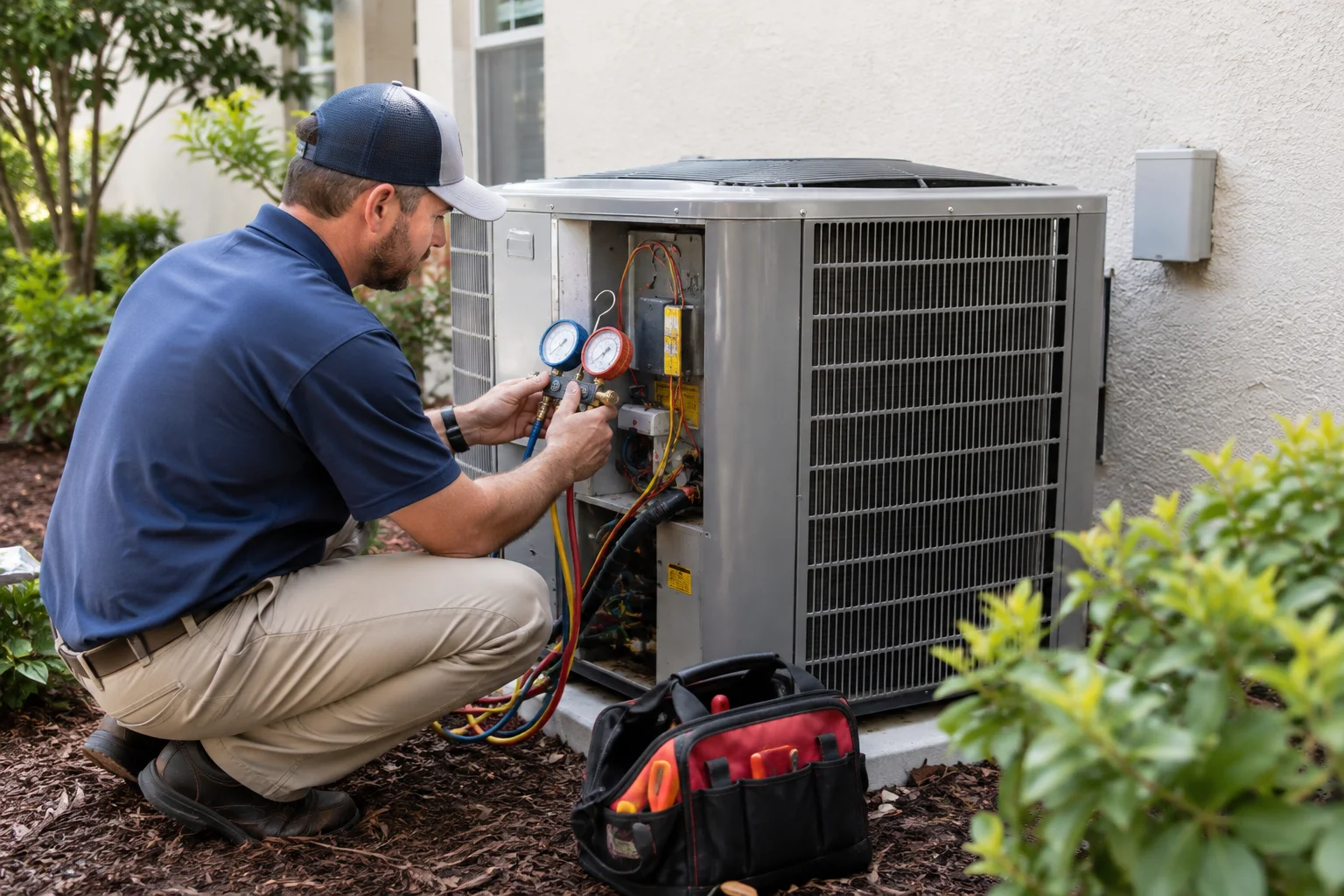
In Florida heat, outdoor units work hard. When outdoor coils are dirty, airflow around the unit is restricted, or the system is exposed to salt spray, performance can degrade. Seasonal stress can also reveal problems that were minor earlier in the year.
What “early detection” looks like during professional VRF maintenance
Preventive HVAC maintenance for VRF multi-zone systems is not the same as a quick filter change. A quality service visit typically includes checks that help technicians confirm airflow, moisture handling, and control behavior across zones.
During a maintenance appointment, a local HVAC service near me professional should focus on:
- Inspecting indoor units and filters in each zone to verify airflow pathways are clear
- Checking condensate drainage and drainage behavior so humidity control stays reliable
- Evaluating ductwork airflow pathways where applicable, including return and supply performance
- Reviewing thermostat settings and zone control behavior for consistency with how your home is used
- Inspecting outdoor unit conditions, including coil cleanliness and airflow around the equipment
Because VRF systems involve refrigerant circulation, technicians should also verify system performance using procedures appropriate for refrigerant systems. Homeowners should expect careful, zone-by-zone attention rather than a one-size-fits-all tune-up.
If you want to understand why routine service matters in 30A specifically, read Why Preventive HVAC Service Pays Off for Air Conditioning Repair in 30A, FL.
How airflow, humidity, and ductwork connect to indoor air quality
Families do not just need cold air. They need healthy indoor air and consistent comfort. VRF multi-zone systems can support that when airflow and moisture control are working together.
Airflow: the comfort foundation
If airflow is restricted, the system has to compensate. That can raise energy use and make temperature control less stable. In some cases, it can also increase the chance of odors because air is not moving through equipment and ducts as designed.
Humidity: the Florida reality
In 30A’s coastal environment, humidity loads can be high even when the thermostat is set correctly. When coils do not operate efficiently or drainage is not clear, moisture can linger. That can lead to a feeling of “always damp” air and can contribute to indoor air quality issues.
Ductwork: where imbalances show up
Ductwork in luxury homes and older coastal builds can develop issues over time. Leaks, insulation gaps, or blocked sections can create room-to-room differences. Those differences often show up as one zone running longer than others or taking longer to recover after doors open.
If you suspect ductwork is part of the problem, ask about a duct inspection near me evaluation as part of your HVAC service visit. A professional can assess airflow distribution and help you understand whether the issue is in the zone equipment, the ducts, or both.
Thermostats and zone control: the homeowner’s daily checklist
Thermostats are the interface between your comfort expectations and the VRF system’s control strategy. You do not need to become an HVAC expert, but a few habits can help you catch problems early.
- Track consistent temperature differences between zones. If the same room is always off, it is worth scheduling service.
- Watch for humidity changes. If the house feels sticky in the same way every day, that is a clue.
- Note how quickly the system responds. Slow recovery after a setpoint change can indicate airflow or coil performance problems.
- Keep thermostat settings reasonable for Florida humidity. Overcooling to chase comfort can sometimes create other issues, like excessive cycling or comfort swings.
If you are upgrading controls, choose options that work well with your existing zoning and equipment. Many homeowners search for thermostat installation near me to improve scheduling and reduce unnecessary run time. A local specialist can help ensure compatibility with your system.
Energy use and comfort: why small issues cost more in coastal heat
When VRF multi-zone systems are not operating as intended, energy use often rises. Even if the system still cools, it may run longer to achieve setpoints because airflow is restricted, coils are dirty, or moisture removal is not efficient.
In 30A summers, that extra runtime can show up as higher utility bills and faster wear on components. Preventive HVAC maintenance helps you avoid the “it still works” trap where comfort seems acceptable but the system is quietly losing efficiency.
If your family is planning a larger comfort upgrade or replacing older equipment, it can also help to review Keeping HVAC Financing on Track in 30A, FL Homes so decisions align with your household budget and long-term needs.
When to call A Superior Mechanical for VRF multi-zone service
Homeowners should call a licensed HVAC contractor for VRF multi-zone systems when comfort problems repeat, when humidity control slips, or when you notice drainage or airflow concerns. Do not wait for total system failure, especially in Florida when emergency cooling can become a real concern.
Schedule HVAC repair if you notice any of these patterns
- One or more zones repeatedly run too long or never reach the set temperature
- Humidity stays high, rooms feel muggy, or condensation appears more often
- You see signs of condensate drainage problems, water near indoor units, or persistent musty odors
- Airflow becomes weak in specific zones, or you hear new, persistent noises
- Your home’s recovery time after door openings or schedule changes becomes noticeably slower
If you are worried about an imminent breakdown during seasonal stress, read How 30A Homes Can Stay Ahead of HVAC Emergencies During Seasonal Stress.
Choose the right service area and system focus
VRF systems are specialized. For homeowners searching for VRF multi-zone systems in 30A, FL, it helps to work with a contractor that understands zoning, indoor units, condensate drainage, and how refrigerant system behavior affects comfort. You can also browse the general service coverage on our 30A service page and Walton County service coverage.
How to prevent VRF problems before they interrupt family comfort
Preventive care is the best way to reduce the chance of mid-summer breakdowns. VRF multi-zone systems benefit from consistent maintenance that matches 30A’s climate realities.
Keep airflow pathways clear
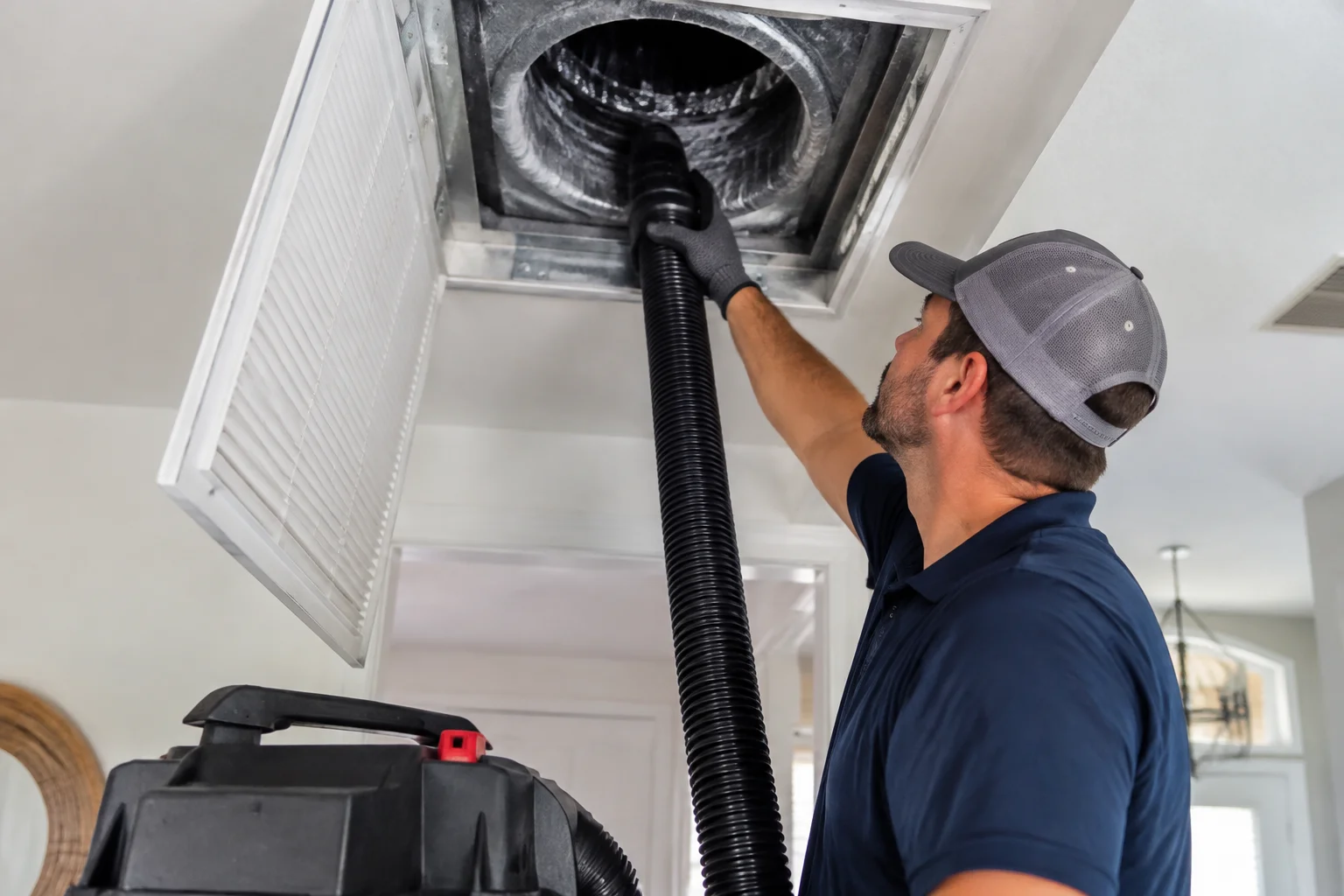
Avoid blocking vents and returns with furniture, curtains, or stored items. If you have access to indoor unit areas, ensure filters and intake paths are not obstructed.
Plan maintenance before peak heat
In coastal Florida, humidity and temperature peaks can arrive quickly. A maintenance schedule that starts before the hottest months gives technicians time to address issues like clogged filters, airflow restrictions, and drainage concerns.
If you have a plan for air conditioning service, consider pairing it with a broader system check. You can explore Air Conditioning Services and Air Conditioning Repair to understand the scope of work available for your specific situation.
Protect indoor comfort and indoor air quality
When humidity is controlled and airflow is stable, indoor air quality tends to improve. If anyone in your household has allergies or you notice lingering odors, consider combining VRF maintenance with indoor air quality support. That is especially relevant in humid coastal environments.
For more on the topic, search for indoor air quality services near me to find options that fit your home.
Know the difference between “it runs” and “it works”
VRF systems can continue running even when performance is reduced. That is why homeowners should watch for comfort symptoms, not just operational status. If a zone is not cooling, not removing moisture, or not circulating air properly, schedule service.
About refrigerant and system repairs: what homeowners should not DIY
Because VRF involves refrigerant systems, homeowners should avoid attempting refrigerant diagnosis or repair without professional equipment and training. Trying to troubleshoot refrigerant or control components can be unsafe and can delay real fixes.
Similarly, if you suspect a thermostat or control issue, it is tempting to replace parts yourself. Yet the correct action depends on how your system is behaving across zones. An in-person evaluation is the safest way to determine whether the issue is actually in controls, airflow, condensate drainage, or refrigerant system performance.
If the situation is more serious and system replacement becomes part of the conversation, a local professional can help evaluate your options. This typically includes assessing your home’s layout, ductwork, zoning needs, and how your household uses heating and cooling throughout the year.
Emergency cooling concerns: how to reduce risk during Florida weather swings
30A weather can shift quickly, and peak summer heat can turn a minor issue into a major comfort problem. Families and vacation rental hosts often need reliable cooling to protect health and property.
While no one can predict every failure, homeowners can reduce risk by keeping maintenance current, addressing early warning signs, and ensuring your thermostat settings and zoning behavior match reality. When you do notice problems like weak airflow, rising humidity, or recurring zone temperature issues, it is smarter to schedule VRF service promptly than to wait.
If you are searching for emergency AC repair near me, keep in mind that VRF multi-zone systems can require specialized troubleshooting. Working with a contractor that handles VRF systems regularly can help prevent delays caused by mismatched experience.
For homeowners across Walton County, A Superior Mechanical provides advanced VRF multi-zone system installation, repair, and maintenance for luxury homes, vacation rentals, and commercial properties. If you are ready to evaluate your system’s performance and catch issues early, start with our VRF service page: VRF multi-zone systems in 30A, FL.
Find VRF Multi-Zone Systems in 30A, FL
If you need VRF Multi-Zone Systems in 30A, FL, visit our local service page or contact A Superior Mechanical today.
Map of 30A, FL
Frequently Asked Questions
How can I tell if a VRF multi-zone problem is airflow or refrigerant related?
Homeowners can notice symptoms like weak airflow in one zone, uneven temperatures, or rising humidity. But the root cause can involve filters, ductwork restrictions, condensate drainage, sensors, or refrigerant system performance. Only an in-person HVAC evaluation can determine what is actually happening in your specific zones.
Why does my home feel humid even when the VRF system is running?
Humidity control depends on coil performance, airflow, and condensate drainage. In 30A’s coastal Florida climate, restricted airflow or drainage issues can make the system run without removing moisture effectively. A technician can inspect indoor units, drainage paths, and zone operation to find the cause.
What should I check with my thermostat for a multi-zone VRF system?
Confirm your schedules and setpoints match how your household uses each area. If the same room is consistently off, or if comfort recovery slows after openings and schedule changes, that is a strong sign the zone needs service. If you are considering upgrades, ask about compatibility for your VRF zoning and controls.
Can I replace filters myself to prevent VRF problems?
Many homeowners can change or clean accessible filters, but full maintenance for VRF multi-zone systems includes checking airflow paths, condensate drainage, and zone performance. Coastal dust and salt exposure can also require professional coil and system checks to keep indoor air quality stable.
When is it better to schedule preventive HVAC maintenance instead of waiting for AC repair?
If you notice repeating comfort issues, humidity changes, weak airflow, drainage concerns, or new noises, preventive maintenance can address problems before they escalate. This is especially important in 30A summers when emergency cooling concerns can become urgent.
Related Articles
Photo Gallery