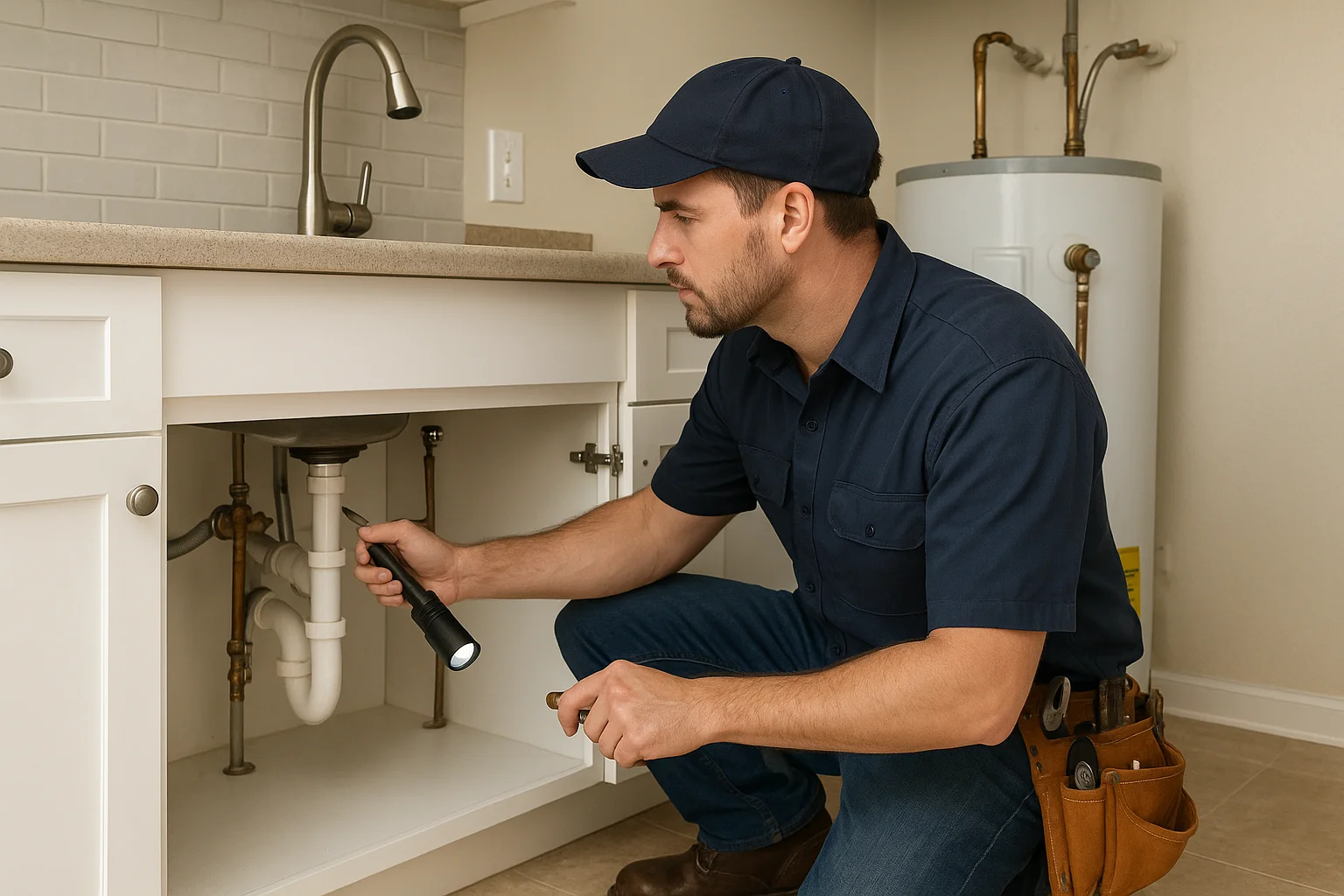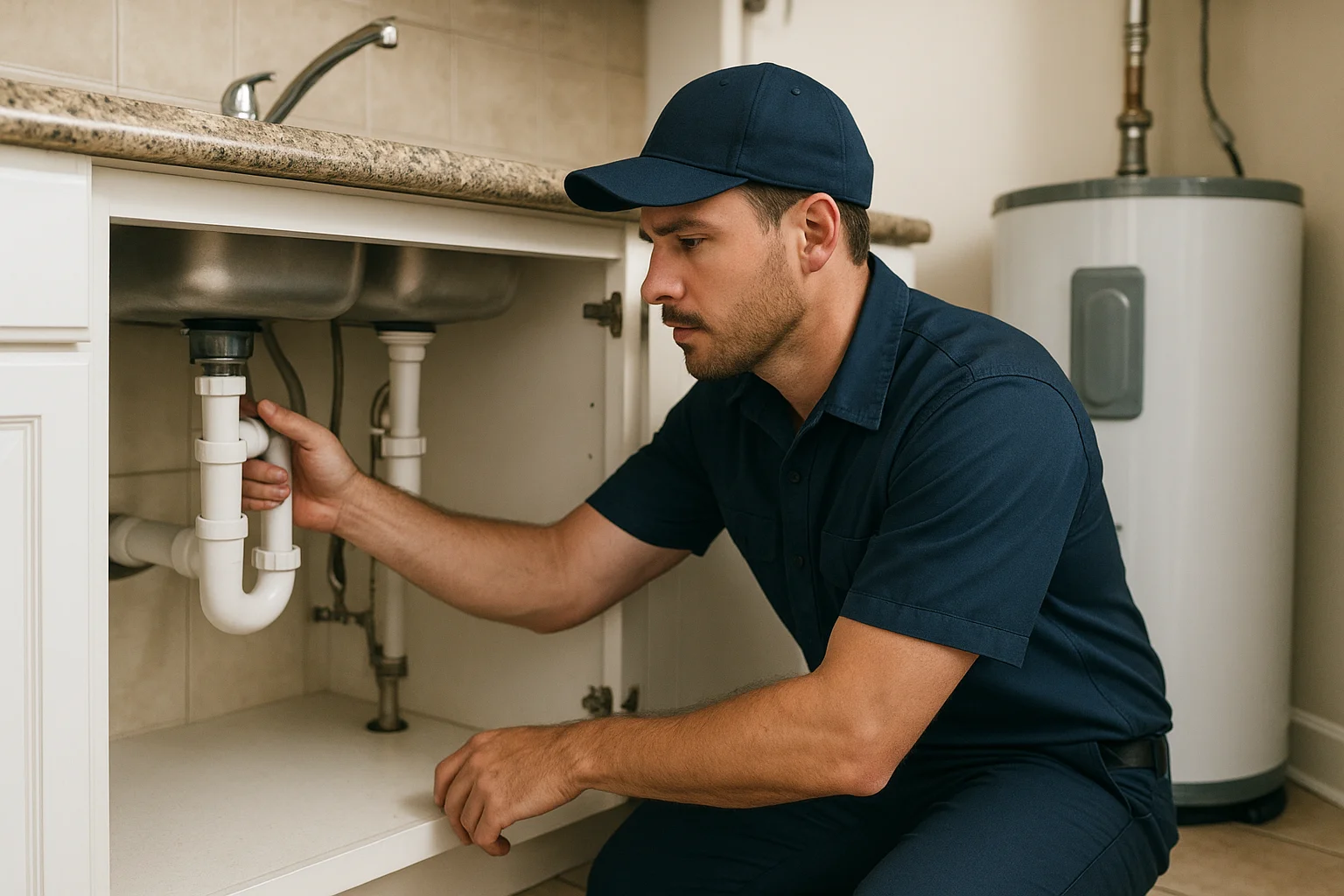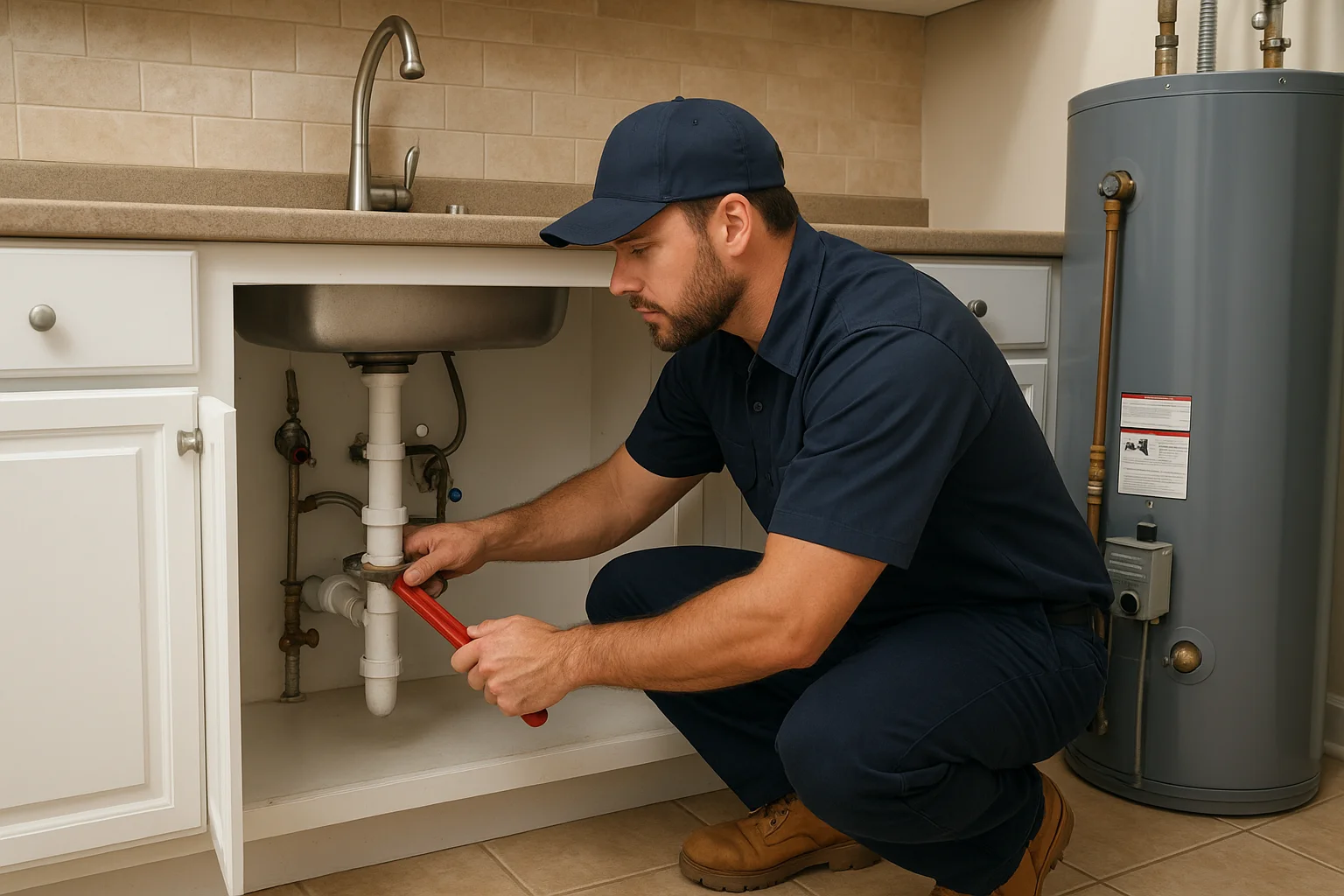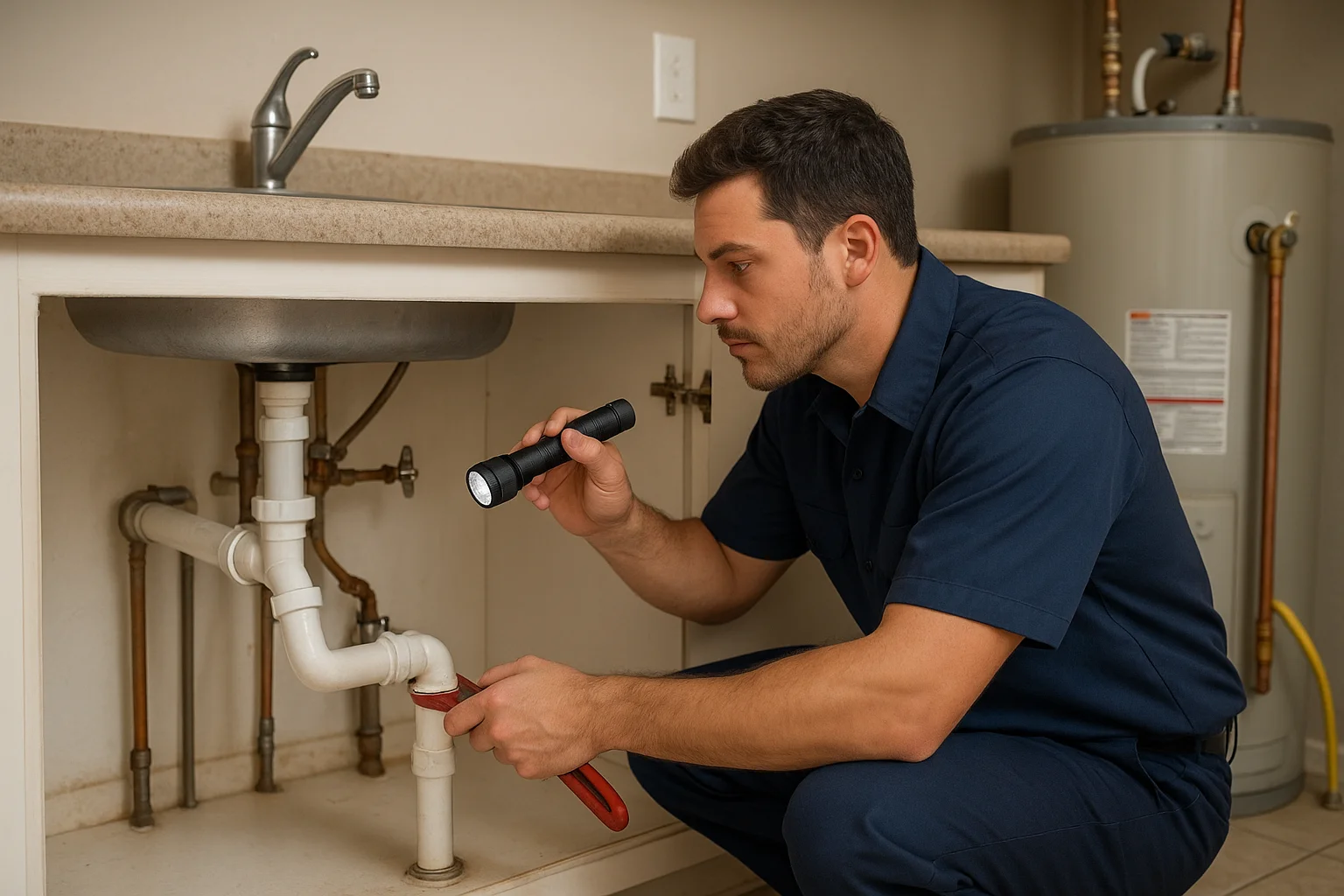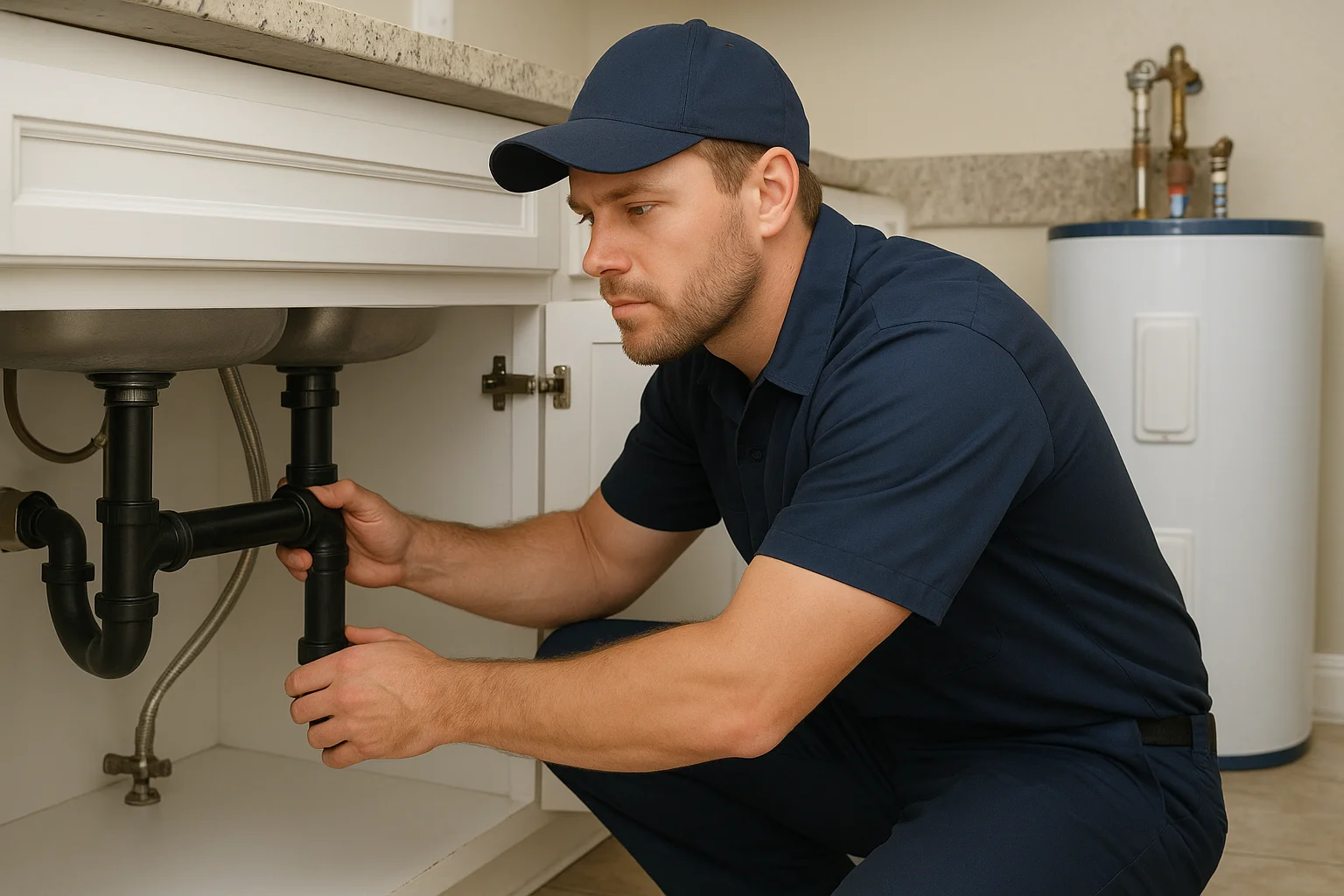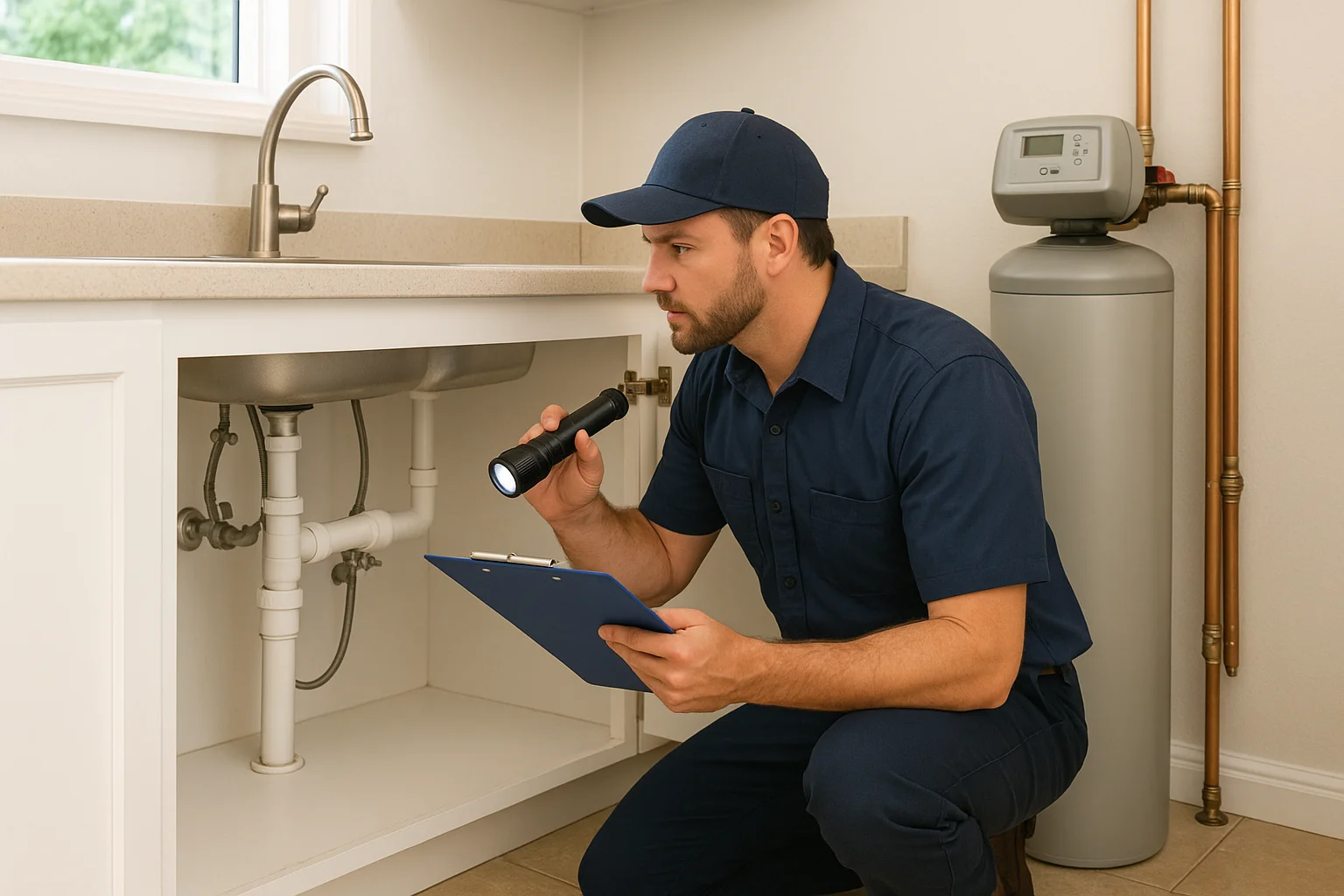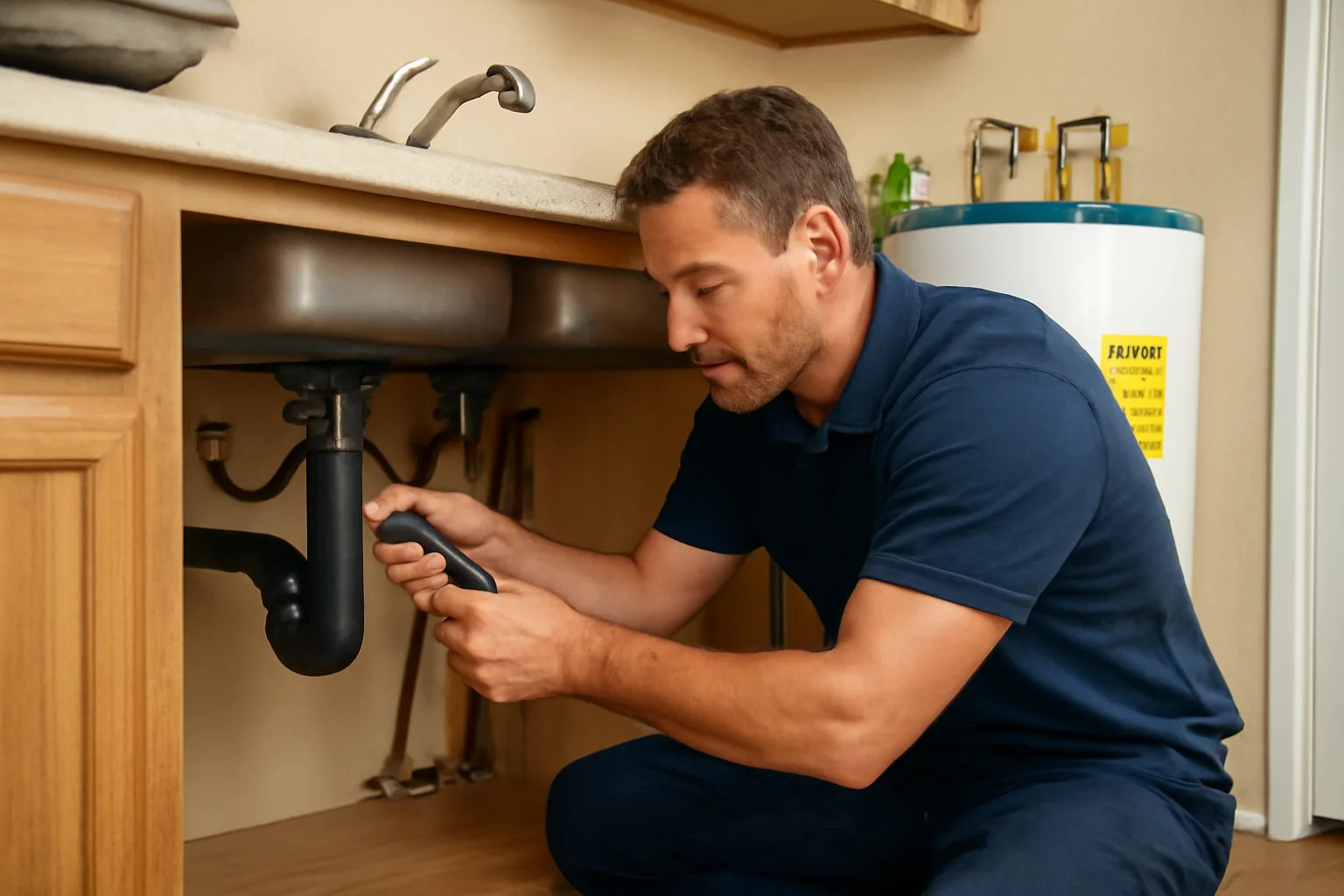
Bluewater Bay homes rely on steady hot water for showers, laundry, and everyday comfort. When a water heater starts to fail, the damage often shows up in surprising places first. You might notice inconsistent water temperature, lower water pressure, or strange noises before you ever see a leak. Catching problems early helps you avoid emergency plumbing concerns, protect pipes and fixtures, and reduce the chance that a small issue turns into a bigger repair.
A Superior Mechanical provides water heater services for homes in Bluewater Bay, FL, including repair, replacement, installation, and maintenance for tank and tankless systems. This guide focuses on the plumbing side of water heater performance, common local causes, and practical steps you can take now.
Why Bluewater Bay water heater issues often start quietly
Okaloosa County homes in the Florida panhandle see heat, humidity, and seasonal changes that can stress plumbing systems. Many households also deal with water hardness, which can affect how minerals build up inside a tank and on hot water lines. Over time, mineral scale reduces heat transfer, increases wear on components, and can contribute to sediment-related problems.
In Bluewater Bay, water use patterns matter too. A busy household with back-to-back showers and laundry cycles can push a water heater beyond its ideal operating range, especially if the unit is older or has not had routine maintenance. When performance drops, homeowners often notice it as “plumbing symptoms” rather than a direct water heater failure.
Early warning signs your water heater needs service
You do not always need to wait for a full breakdown. Here are common early signs that a professional should inspect, ideally as part of water heater service or home plumbing repair planning.
Hot water runs out faster than it used to
If you used to get a comfortable shower and now hot water disappears sooner, the heater may be losing efficiency due to sediment buildup, thermostat issues, or a failing heating element. In some cases, the first clue shows up after a drain cleaning or bathroom drain cleaning session because the system is already under stress and can struggle with multiple simultaneous demands.
Water temperature swings or “lukewarm” periods
Inconsistent temperatures can indicate thermostat problems, a faulty heating component, or issues with mixing valves. Tankless systems may also react poorly if flow rates fluctuate or if mineral scale is restricting internal passages.
Strange noises from the tank or near the unit
Rumbling, popping, or banging usually points to sediment collecting at the bottom of the tank. As water heats, sediment can shift and cause noise. This is also a sign that the unit may be working harder than it should, which increases the chance of premature failure.
Moisture around the base, pipes, or fittings
Small damp spots, corrosion at connections, or water pooling near the water heater are early leak repair indicators. Even a slow drip can wet the surrounding piping, encourage rust, and lead to floor damage. If you have slab or near-slab plumbing, moisture can be especially concerning because it may be harder to notice until it affects other areas. Homeowners searching for slab leak repair near me often start with “water heater” symptoms that later reveal a deeper plumbing leak pathway.
Lower water pressure on hot lines
Low pressure on hot water can point to a restricted line, a failing shutoff valve, or a water heater issue that is limiting output. Water pressure problems also affect fixtures. If you are seeing weaker flow at faucets or showerheads, it is worth having a licensed plumber evaluate the system rather than guessing.
Rusty water, discoloration, or odd smells
Rusty water can be caused by internal corrosion, sediment disturbance, or issues with the tank. If you notice discoloration, stop using the hot water heavily until it is inspected. The goal is to prevent damage to fixtures and reduce the risk of clogging aerators or shower valves.
Hard water, sediment, and Bluewater Bay mineral buildup
Hard water is common in many parts of Florida, and Bluewater Bay homes are no exception. Minerals can accumulate inside the tank and on internal heat exchanger surfaces. The result is reduced efficiency, longer heating cycles, and increased wear on the system.
If you are also dealing with clogged drains or recurring drain slowdowns, consider that scale and sediment can contribute to buildup across the plumbing network. While a water heater is not the only cause of clogs, the overall condition of your plumbing matters. If you are planning camera inspection services for a suspected drain issue, it can also help confirm whether hot water piping is contributing to the problem.
For homeowners who want to reduce mineral-related plumbing surprises, you can explore home purification options that may help protect fixtures and extend the life of water-using components.
How water heater problems connect to drains, pipes, and fixtures
Water heaters work as part of a broader plumbing system. When they fail, the first damage is often indirect.
Leaks can overwhelm nearby drains or create corrosion
A leak from a drain valve, supply line, or pressure relief valve can wet surrounding surfaces and fittings. Over time, corrosion can spread to nearby pipe joints and cause additional leaks. If the leak area is close to floor drains, it can also create nuisance drainage problems.
Pressure and flow changes affect toilet performance
When hot water supply changes, some fixtures may behave differently. You might notice a running toilet or inconsistent refill behavior, which can lead to homeowners searching for running toilet repair near me when the real issue is broader water pressure or valve performance. A plumber can separate toilet-specific causes from supply-related problems.
Clogged fixtures can look like a water heater issue
Low hot water flow sometimes comes from clogged aerators or shower valves. If you are seeing weak flow at a single fixture, that points toward fixture maintenance or plumbing fixture replacement. If multiple fixtures show the same pattern, the water heater and hot water piping should be evaluated.
Preventive maintenance that actually helps in Bluewater Bay
Preventing water heater trouble is not just about avoiding breakdowns. It is about reducing damage risk to pipes, fixtures, and surrounding areas, especially when humidity and seasonal weather can make small leaks harder to spot.
Schedule routine water heater maintenance
Routine maintenance typically includes checking connections, inspecting the pressure relief valve, evaluating the burner or heating elements (depending on tank or tankless design), and addressing sediment. For homeowners looking for consistent service, Water Heater Maintenance in Bluewater Bay is a practical way to catch issues early.
Know your unit age and typical lifespan
Older units are more likely to develop leaks, lose efficiency, and require repairs. If your heater is nearing the end of its expected service life, proactive planning can be cheaper than repeated emergency plumbing calls. Homeowners searching for water heater replacement near me often find that replacing at the right time costs less than piecemeal repairs after major component failures.
Listen for changes in sound and performance
Rumbling, popping, or frequent cycling are measurable clues. If you notice changes, document what you observe. This helps your plumber diagnose the problem faster during plumbing repair visits.
Check for moisture and corrosion at least monthly
Walk past the unit and look for dampness, rust streaks, or water around fittings. If you have a utility closet, pay attention to the floor, the area around the shutoff valves, and the discharge line for pressure relief devices.
Common causes behind water heater failures
Understanding the likely causes helps you act sooner and ask the right questions when you call a licensed plumber near you.
Sediment buildup and overheating
Sediment reduces efficiency and can cause the unit to overwork. This can lead to premature component failure and increased risk of leaks.
Worn valves and connections
Shutoff valves, drain valves, and fittings can wear out. A slow leak from a connection can be easy to miss until it causes nearby corrosion or water damage.
Pressure issues
If your home has abnormal water pressure, it can strain the water heater and plumbing network. Pressure problems also affect fixtures and may contribute to recurring issues like toilet fill problems or faucet repair needs. A plumber can check pressure and evaluate whether a pressure regulator or related components need attention.
Hard water scale in tankless units
Tankless systems can be especially sensitive to mineral buildup. Scale can restrict flow, reduce heat transfer, and cause error codes. Maintenance helps manage this risk.
Water heater drains and discharge line problems
The discharge line for pressure relief devices should remain clear and properly installed. If it is blocked or improperly routed, it can lead to unsafe operation or water pooling where you do not expect it.
When to treat it as an emergency plumbing concern
Some water heater issues should be handled quickly to protect your home and reduce the risk of larger plumbing repairs. Treat the situation as an emergency plumbing concern if you notice any of the following:
- Active water pooling near the unit or dripping from fittings
- A strong burning smell, smoke, or signs of electrical or gas related danger
- No hot water combined with visible damage or repeated error conditions
- Rapidly increasing water leakage that affects floors, cabinets, or nearby walls
- Suspected leak paths that could involve slab or near-slab plumbing
If you are searching for an emergency plumber, prioritize licensed, local service that can assess the water heater, isolate the leak, and evaluate connected pipes and drains. Even when the water heater is the starting point, the plumber may need to inspect supply lines, shutoffs, and nearby drain connections.
Choosing between repair and replacement in Bluewater Bay
When homeowners need water heater service, the decision often comes down to condition, age, efficiency, and repair history. A plumber can help you weigh options based on the actual problem found during inspection.
Repair can make sense when
Repair is often a good choice when the unit is relatively new, the issue is limited to a component like a valve, a minor heating problem, or a connection leak, and the tank or heat exchanger shows no major signs of internal failure.
Replacement may be smarter when
Replacement becomes more cost-effective when the unit is older, has recurring component failures, shows heavy corrosion, or has internal sediment damage. If you are actively planning for water heater replacement, ask about sizing for your household, recovery rate, and whether tankless performance is realistic for your water use patterns.
If you have a rental property, the plumbing decision matters even more. A failure can disrupt tenants and lead to emergency calls. For broader context on local plumbing readiness, see Staying Ahead of Plumbing Problems in Bluewater Bay Homes.
How to prepare before a plumber arrives
Small steps can make the visit faster and reduce the chance of missed details.
- Write down when the issue started and whether it happens only during certain water use times.
- Note any temperature changes, water pressure changes, or new noises.
- Take a photo of the area around the unit, especially if you suspect moisture or leaks.
- Check which fixtures are affected, such as one faucet versus multiple showers.
- If you have drain slowdowns, mention whether they are linked to hot water use or occur independently.
If your plumber also investigates drains, be ready to discuss symptoms like gurgling, slow draining, or backups. Those clues help determine whether you need drain cleaning, camera inspection, or more targeted plumbing repair. For example, a main drain cleaning near me request may be connected to a broader plumbing issue, while a kitchen sink drain repair near me could point to a localized blockage.
Local plumbing maintenance that protects your whole home
Water heater service is not separate from the rest of your plumbing system. Bluewater Bay homeowners can reduce risk by taking a whole-home approach: maintain the water heater, keep an eye on leaks, and address drain and sewer line concerns before they become messy.
When wastewater flow is restricted, it can affect fixtures and increase the likelihood of backups. If you have recurring clogs, consider asking about camera inspection to identify the cause rather than repeatedly using temporary fixes. Sewer line problems are not always obvious, and homeowners searching for sewer drain cleaning near me are often trying to resolve symptoms that started weeks earlier.
If you are a property owner and want a practical maintenance strategy, you can also review Why Commercial Plumbing Matters for Bluewater Bay Homes and Properties for ideas that apply to rentals and larger properties.
Where to get help in Bluewater Bay
If you are dealing with hot water inconsistencies, suspected leaks, low water pressure, or recurring plumbing repair issues, start with a service provider that understands local plumbing conditions and can inspect both the water heater and connected piping.
A Superior Mechanical serves Bluewater Bay and surrounding areas across Okaloosa County. You can also explore our city coverage on the Bluewater Bay service area page to find the right fit for your repair or maintenance needs.
For water heater concerns, the most direct path is our Bluewater Bay water heater services page, where you can match your issue to the right option, whether you need a repair, a replacement plan, or ongoing maintenance to help prevent early failures.
Find Water Heater Services in Bluewater Bay, FL
If you need Water Heater Services in Bluewater Bay, FL, visit our local service page or contact A Superior Mechanical today.
Map of Bluewater Bay, FL
Frequently Asked Questions
How do I tell if my water heater issue is sediment buildup or a leak?
Rumbling or popping noises, slow recovery, and temperature swings often point to sediment. Moisture, rust streaks, damp flooring, or water pooling around fittings usually indicates a leak. A plumber can inspect valves, connections, and the unit to confirm the source.
Can hard water cause my hot water to run out faster?
Yes. Hard water minerals can build up inside a tank or on tankless heat exchangers. That buildup reduces efficiency, so the heater struggles to deliver the same hot water volume. Regular water heater maintenance can help manage scale.
What is the safest way to respond if I see water around the water heater?
Stop using hot water heavily, check whether the leak is actively dripping, and keep the area dry if possible. Contact a licensed plumber promptly for leak repair, especially if the moisture is near pipes that could affect floors or slab-adjacent areas.
Is tankless maintenance different from tank water heater maintenance?
Tankless units typically require attention to mineral scale and flow performance inside the system. Maintenance may include flushing and inspection of key components. A local plumber can recommend a schedule based on your water hardness and usage.
When should I consider water heater replacement instead of more repairs?
If the unit is older, has recurring component failures, shows significant corrosion, or has major internal damage, replacement often becomes the more practical option. A professional inspection can compare repair costs to the expected lifespan and efficiency of a new unit.
Related Articles
Photo Gallery