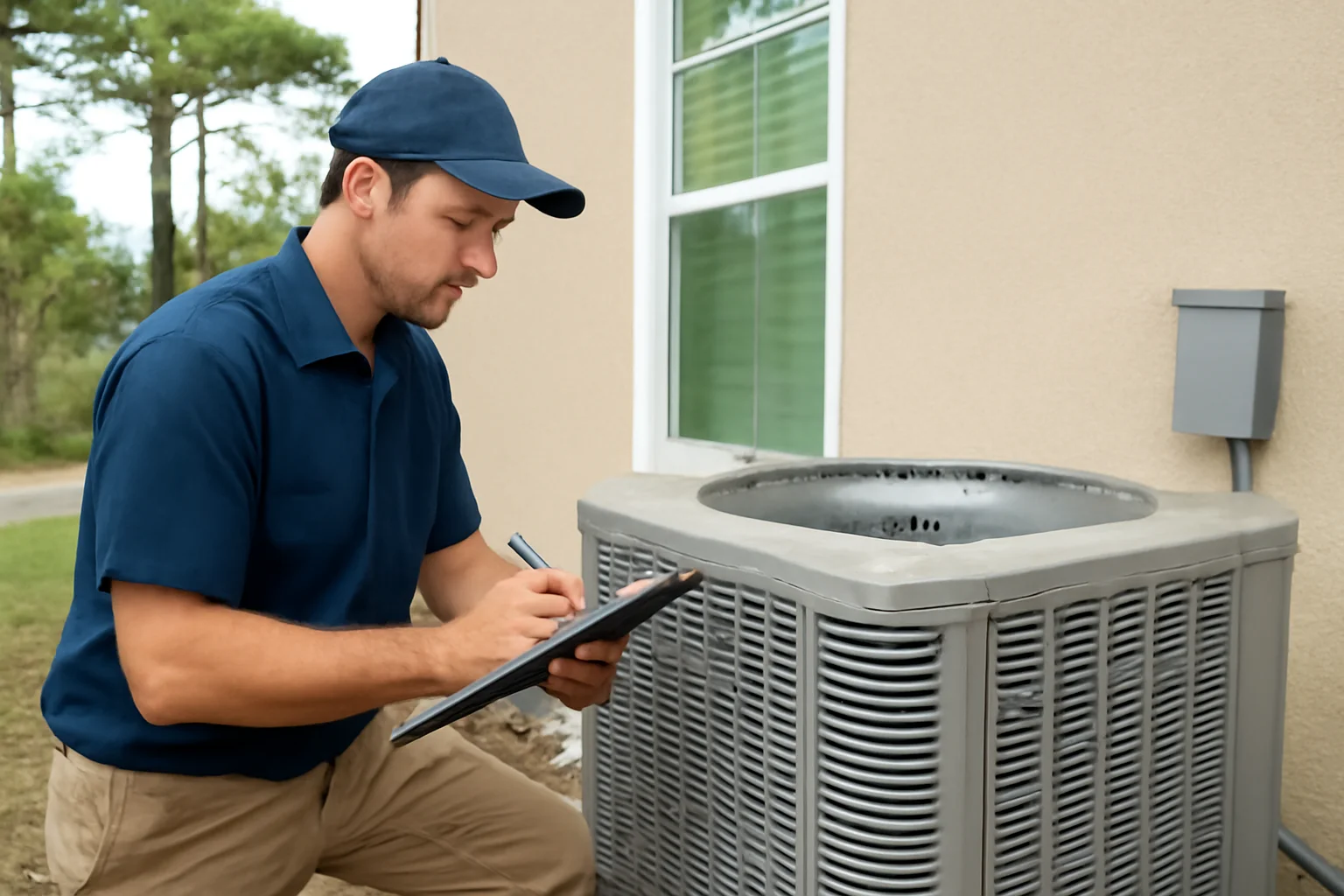
Blue Mountain Beach, FL feels like comfort on the outside and hard work on the inside. Between Florida heat, high humidity, and salt air from the coast, your air conditioner has to work harder just to keep indoor temperatures steady. A professional air conditioning inspection is how homeowners stay ahead of small problems before they turn into noisy repairs, poor airflow, or emergency cooling concerns.
This guide explains what a proper inspection covers, why coastal conditions matter, and how to use inspection results to plan AC repair, ductwork improvements, indoor air quality upgrades, or system replacement when needed.
Why inspections matter more in Blue Mountain Beach than in cooler climates
Air conditioners are designed to move heat out of your home. In Blue Mountain Beach, the load is often higher because of:
- Heat and humidity: Warm air holds more moisture. When humidity stays high indoors, comfort drops even if the thermostat is set correctly.
- Salt air and outdoor exposure: Coastal air can accelerate corrosion on outdoor components and contribute to buildup that affects airflow and heat transfer.
- Airflow challenges: Sand, pollen, and dust can restrict intake and exhaust pathways. Ductwork can also collect debris over time.
- Condensate drainage: When the system removes moisture, condensate drainage has to work reliably. If it does not, you can see water issues and indoor humidity problems.
That is why a routine AC inspection in Walton County is not just a checkbox. It is a chance to verify that the refrigerant system, airflow, and moisture control are operating as a matched system, not as separate parts.
What an air conditioning inspection should actually check
Homeowners often hear the phrase “inspection,” but the quality of the inspection varies. A strong inspection is thorough, documented, and focused on comfort, efficiency, and safe operation. Here are the core areas that matter most for Blue Mountain Beach homes.
1) Airflow across the system
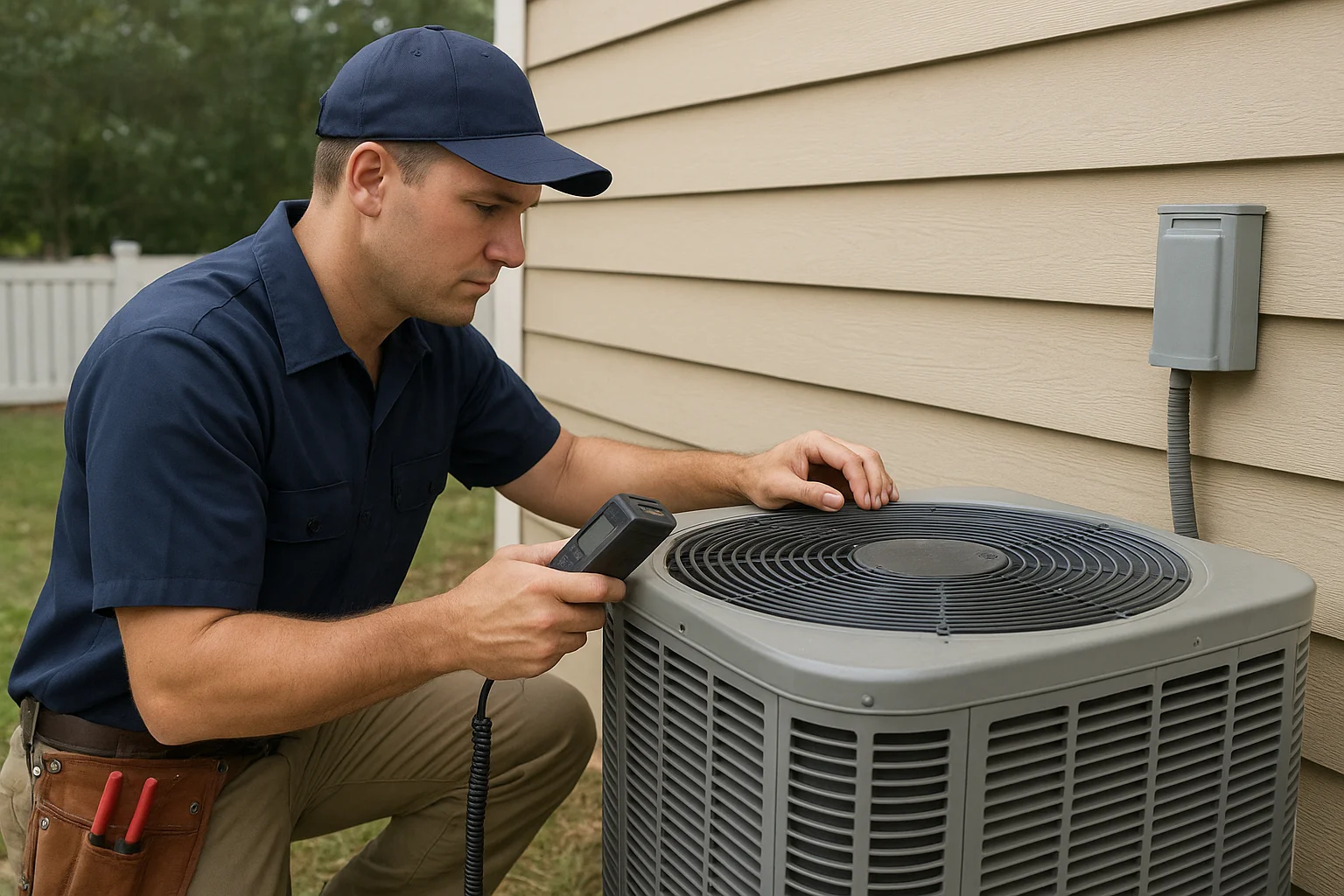
Airflow is one of the biggest predictors of performance. During an inspection, a technician will evaluate how air moves through the indoor unit, across the evaporator coil, through the ducts, and out of supply registers.
Common airflow-related issues include:
- Dirty or blocked air filters and returns
- Coil buildup that reduces heat transfer
- Restricted ductwork or leaky ducts
- Fan or blower problems that affect circulation
If airflow is weak, the system may run longer, struggle to remove humidity, and feel like it cannot “catch up,” especially during peak afternoon heat.
2) Refrigerant system performance and related symptoms
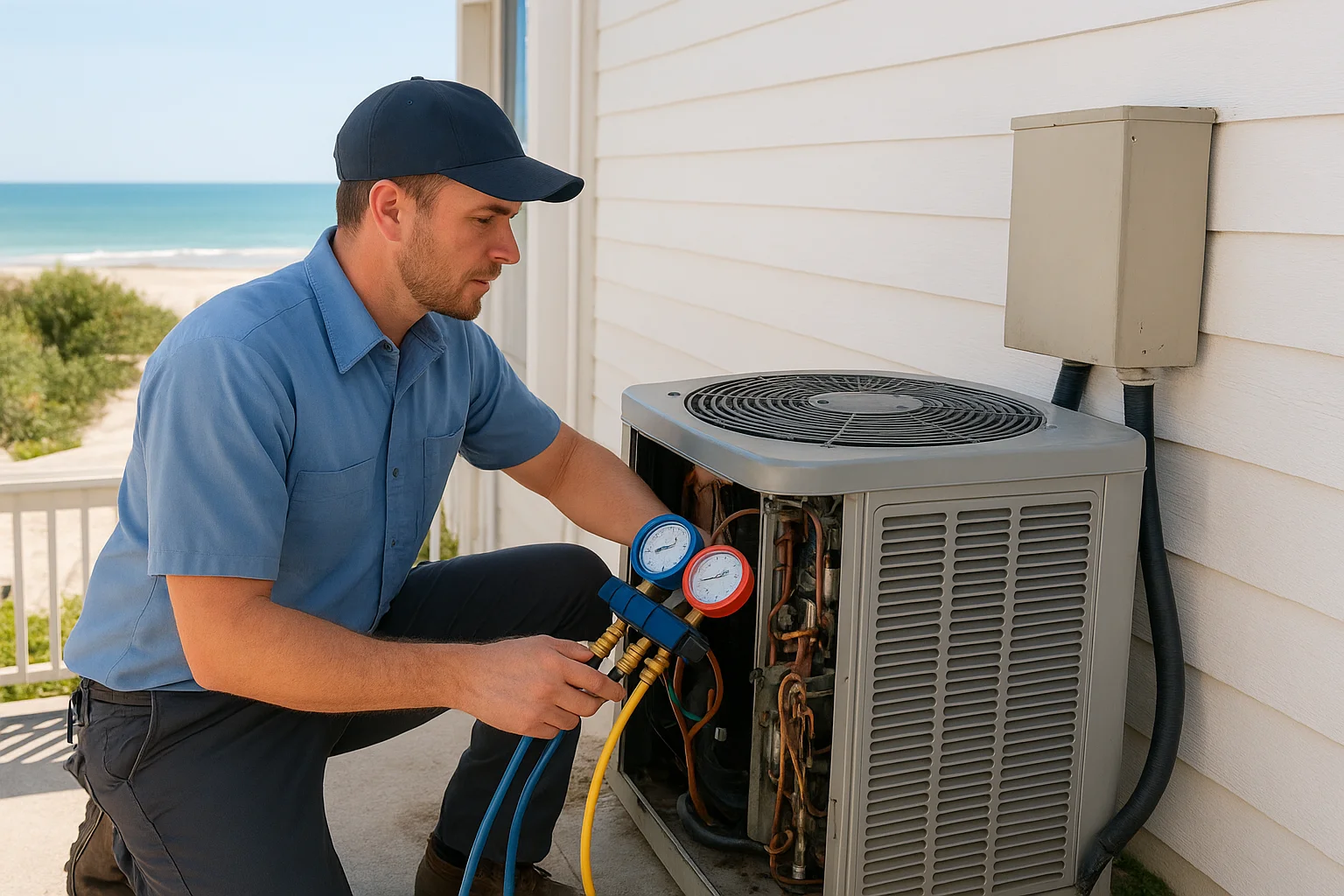
Your air conditioner uses a refrigerant system to move heat. Inspecting performance does not mean guessing from a distance. A technician will look at operating conditions and system behavior, and will verify that the system is cooling and dehumidifying properly.
It is important to avoid DIY conclusions about refrigerant. Refrigerant is a regulated component, and the correct next step depends on what an in-person technician observes during testing.
Homeowners can still watch for clues that the refrigerant system is not operating as expected, such as:
- Cooling that feels uneven from room to room
- Frequent cycling on and off
- Warm supply air or poor temperature drop
- Ice formation on indoor components
When these show up, an air conditioning inspection helps determine whether the issue is airflow, moisture control, refrigerant system performance, or something else that affects cooling.
3) Thermostat operation and control
Modern thermostats can display comfort issues that are really system issues. A technician will verify that the thermostat is reading temperature correctly, that it is calling for cooling as expected, and that it is properly configured for your setup.
In coastal Florida, temperature swings and humidity can make comfort feel inconsistent. If the thermostat is accurate but the system cannot keep up, the inspection should focus on airflow, coil condition, ductwork, and condensate drainage.
4) Condensate drainage and moisture removal
Air conditioning removes humidity as it cools. That means condensate drainage is critical. During an inspection, the technician should check for signs of condensate drainage problems such as:
- Slow draining or standing water around the indoor unit
- Clogs in drain lines or drainage components
- Improper slope or drainage routing
- Signs of moisture where it should not be
When condensate drainage fails, you can see increased indoor humidity, musty odors, and potential moisture-related concerns. Addressing drainage during inspection can also protect other parts of your system from operating in less-than-ideal conditions.
5) Ductwork condition and distribution
Ductwork can be a hidden reason for comfort complaints. Even if the air conditioner cools properly at the unit, poor duct sealing or airflow restrictions can cause uneven temperatures, hot rooms, and longer run times.
For homeowners searching for duct inspection near me, the goal is to identify where air is being lost or restricted. If you suspect duct issues, start with a duct inspection and then pair it with an AC inspection so the results are connected.
If you want a deeper look at how ductwork impacts comfort, read Blue Mountain Beach Homes and the Hidden Value of a Duct Inspection.
6) Indoor air quality factors tied to cooling
Air conditioning affects indoor air quality by filtering air and controlling humidity. In Blue Mountain Beach, humidity can feed musty odors and worsen comfort for allergy-prone households.
During an inspection, a technician can discuss how your current filtration and system setup support indoor air quality. If you are considering upgrades, explore Indoor Air Quality Services to match the right approach for your home.
Remember, indoor air quality improvements should work with your existing airflow and ductwork, not against it. A strong inspection helps you choose changes that support comfort and system efficiency.
Common AC problems homeowners notice in coastal Walton County
Blue Mountain Beach homes often experience issues that become more obvious during summer peak demand. Here are comfort and performance problems that frequently show up alongside inspection findings.
Not cooling evenly across rooms
Uneven cooling can be caused by ductwork restrictions, blower issues, thermostat placement, or airflow imbalance. A technician should evaluate airflow paths and distribution rather than assuming the outdoor unit alone is the problem.
Humidity that stays high even when the thermostat says “cool”
When humidity remains stubborn, it can point to coil performance, airflow, condensate drainage, or system control issues. A proper inspection focuses on moisture removal, not just temperature.
Long run times and higher energy use
Florida heat already increases cooling demand. When your system is also fighting airflow restrictions, coil buildup, or drainage problems, energy use can climb. Inspection findings help identify what is making the system work harder than it should.
Strange noises or frequent short cycling
Short cycling can be uncomfortable and can increase wear. Causes can include control issues, airflow limitations, and refrigerant system performance problems. A licensed HVAC contractor should evaluate the system in person to determine the root cause.
Coastal wear on outdoor components
Salt air and coastal moisture can contribute to corrosion and debris buildup. Outdoor inspections should include a careful look at airflow around the unit, cleanliness of the coil area, and conditions that could affect heat transfer.
How preventive HVAC maintenance reduces the odds of a mid-summer breakdown
Homeowners searching for HVAC service near me often want the fastest fix. Preventive maintenance is different. It is where you verify performance before the hottest weeks arrive. Regular air conditioning inspection supports:
- Better airflow and humidity control: Comfort problems often start with airflow and moisture removal issues.
- Cleaner coil and drainage operation: Reducing buildup helps the system transfer heat efficiently and drain properly.
- More predictable operation: When systems are checked early, you can plan repairs on your schedule rather than during an emergency.
If you are building a maintenance plan, consider pairing inspection with related services like duct inspection and indoor air quality services. Those steps often address the comfort complaints that lead to repeated AC repair calls.
When an inspection is especially important
Some moments justify extra attention, even if your system seems to be running.
- After a heat wave or extended run period: If the system struggled during peak heat, it may have been operating at the edge of performance.
- After stormy weather: Debris and moisture can impact airflow and drainage.
- When you notice musty odors or indoor humidity issues: Condensate drainage and coil performance should be evaluated.
- When comfort issues appear in one area of the home: Ductwork and distribution issues are often involved.
- Before buying or selling a home: An inspection can provide clarity on maintenance needs and potential system replacement considerations.
For homeowners who also manage commercial spaces, the logic is similar. You can review Commercial HVAC Maintenance to see how inspections fit preventive planning.
Emergency cooling concerns: what to do before the system fails
Florida summers can turn uncomfortable quickly. If your AC stops cooling or you have an urgent drop in performance, it can feel like you need emergency AC repair near me. While waiting for service, focus on safe, practical steps:
- Check the thermostat setting and mode so it is calling for cooling.
- Confirm air filters are not completely blocked.
- Keep doors and vents clear of obstructions so airflow is not blocked.
After the technician arrives, avoid making assumptions about refrigerant systems or electrical components. The right repair path depends on what is found in person. A thorough inspection helps prevent repeat problems and helps you understand whether repair or system replacement planning is appropriate.
Planning for repairs versus system replacement
An inspection provides a clearer picture of what is happening now and what may be likely next. It can also help you understand whether your system can keep delivering reliable comfort or whether replacement planning makes sense.
Common inspection findings that may lead to repairs include airflow restrictions, condensate drainage issues, thermostat and control setup problems, and refrigerant system performance concerns that require professional evaluation.
When replacement is discussed, the decision should be based on the full system condition, not a single symptom. A licensed HVAC contractor near you can review inspection results, comfort goals, ductwork condition, and whether upgrades like duct improvements or indoor air quality services are part of the best solution.
How to choose the right HVAC contractor for an air conditioning inspection
Not every HVAC company approaches inspections the same way. When you are looking for an HVAC contractor near me or an HVAC company near me, look for a professional who:
- Explains what they inspect and why it matters for comfort, airflow, humidity, and indoor air quality
- Documents findings clearly and ties them to system performance
- Checks ductwork and drainage concerns when symptoms suggest they are involved
- Provides next steps that match what is found during the visit
If you want to compare services, you can also explore broader options like Commercial HVAC Repair for commercial settings, or review HVAC repair options for residential comfort needs.
Local insights that help you spot inspection priorities
Some homeowners do not realize their comfort issues are connected to the inspection until they learn what to look for. If you have been seeing uneven temperatures, humidity swings, or recurring comfort complaints, it can help to review these local reads:
- Seagrove Beach Comfort Clues That Point to a Better Air Conditioning Inspection
- What to Expect From Air Conditioning Inspection in Parker, FL
- What Laguna Beach Homeowners Should Know About Air Conditioning Inspections and Catching Problems Early
For more about the area and services available, visit our Blue Mountain Beach page. If you are in Walton County and want to explore broader options, see the Walton County service area.
Where air conditioning inspections fit with other HVAC services
An air conditioning inspection can be the start of a broader comfort plan. Depending on what is found, homeowners may also need additional services such as duct inspection, indoor air quality improvements, or HVAC repair.
In homes with multiple zones or specific layout challenges, some households consider ductless options. If you are researching options, you may come across searches like ductless mini split installation near me. Those decisions should be supported by a real assessment of your home’s airflow, indoor humidity needs, and ductwork realities, not just the outdoor unit or the thermostat.
If you are scheduling service because you suspect a problem, or you want preventive HVAC maintenance to avoid an AC repair emergency during peak summer, start with an inspection that addresses airflow, refrigerant system behavior, thermostat control, and condensate drainage. That is the foundation for reliable comfort in Blue Mountain Beach.
A Superior Mechanical provides professional inspection services designed for local conditions, including coastal humidity and salt air impacts. You can schedule and learn more through our air conditioning inspection page, or explore additional HVAC service options on our site.
Find Air Conditioning Inspection in Blue Mountain Beach, FL
If you need Air Conditioning Inspection in Blue Mountain Beach, FL, visit our local service page or contact A Superior Mechanical today.
Map of Blue Mountain Beach, FL
Frequently Asked Questions
How often should Blue Mountain Beach homeowners schedule an air conditioning inspection?
Most homeowners benefit from an inspection before the hottest stretch of the year and again during the cooling season if comfort issues show up. Coastal humidity and salt air can accelerate wear, so staying consistent with preventive HVAC maintenance can help reduce unexpected breakdowns.
Can an inspection help with humidity problems, even if the AC seems to cool?
Yes. Humidity comfort depends on more than temperature. A good inspection evaluates airflow, coil performance, thermostat control, and condensate drainage since moisture removal is part of how air conditioning works in Florida heat.
What is the difference between an air conditioning inspection and AC repair?
An inspection focuses on evaluating system performance and identifying issues. AC repair is the work done after the technician confirms what is causing the problem. If you are unsure what is wrong, an inspection is often the best starting point.
Should I try to diagnose refrigerant issues myself?
No. Refrigerant diagnosis requires in-person testing and safe handling. If you suspect refrigerant system performance problems, schedule a professional inspection so a licensed HVAC contractor can evaluate what is actually happening.
How do ductwork and indoor air quality connect to AC performance?
Ductwork affects airflow and distribution, which can change comfort room to room. Indoor air quality is also tied to airflow and filtration, and humidity control impacts comfort and odors. Many homeowners get better results when duct inspection and indoor air quality services are considered alongside air conditioning inspection findings.
Related Articles
- Blue Mountain Beach Homes and the Hidden Value of a Duct Inspection
- Seagrove Beach Comfort Clues That Point to a Better Air Conditioning Inspection
- What to Expect From Air Conditioning Inspection in Parker, FL
- What Laguna Beach Homeowners Should Know About Air Conditioning Inspections and Catching Problems Early
Photo Gallery