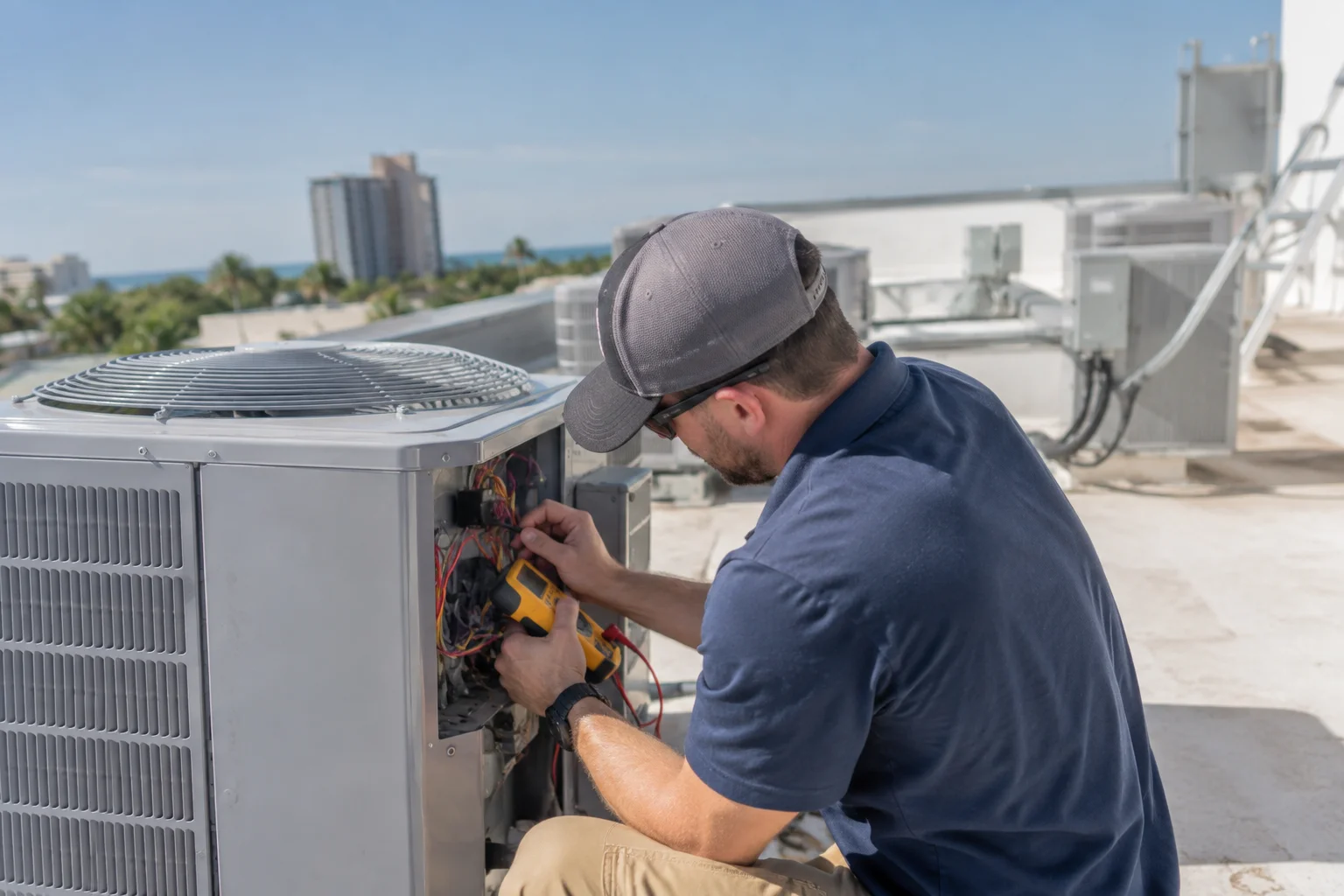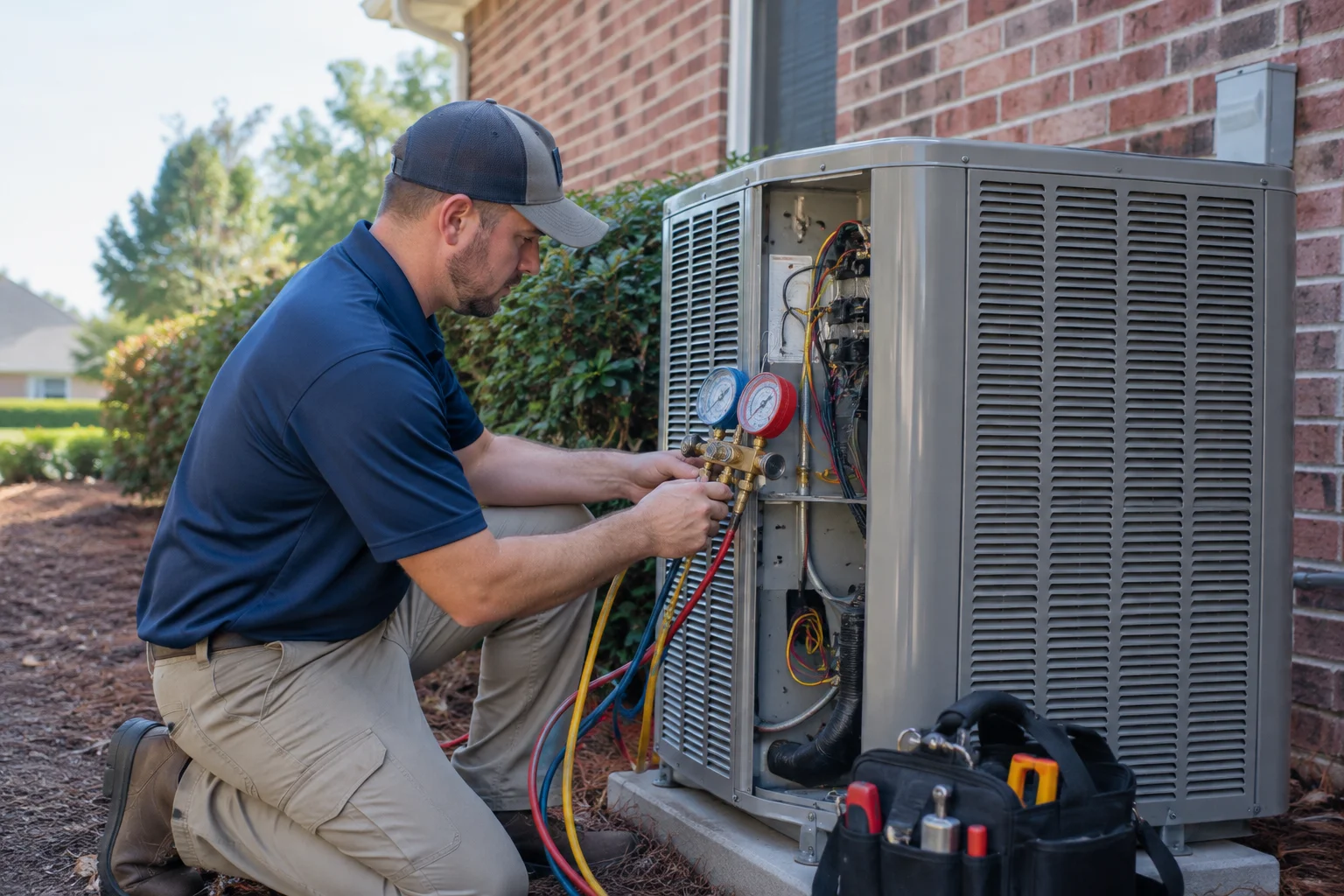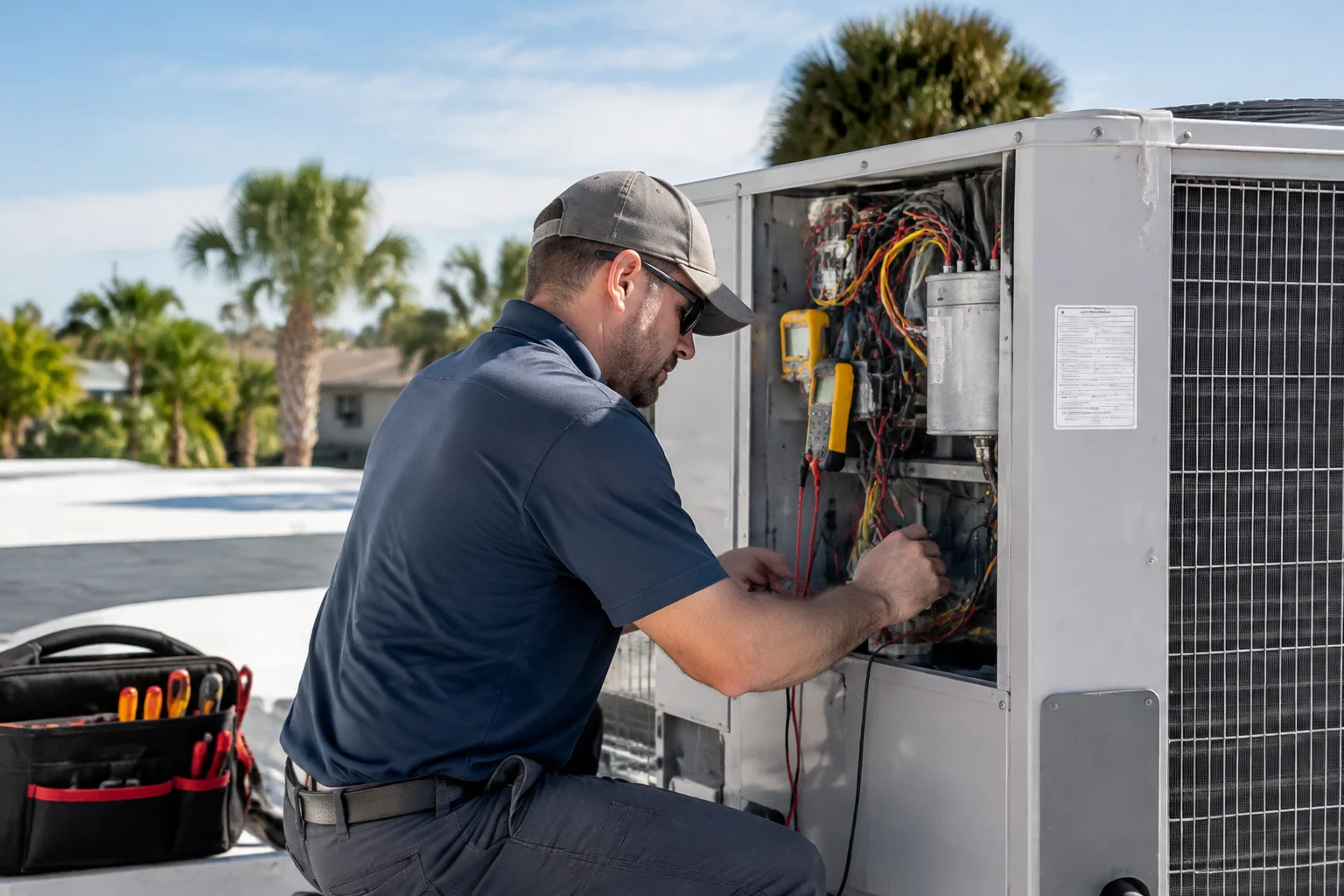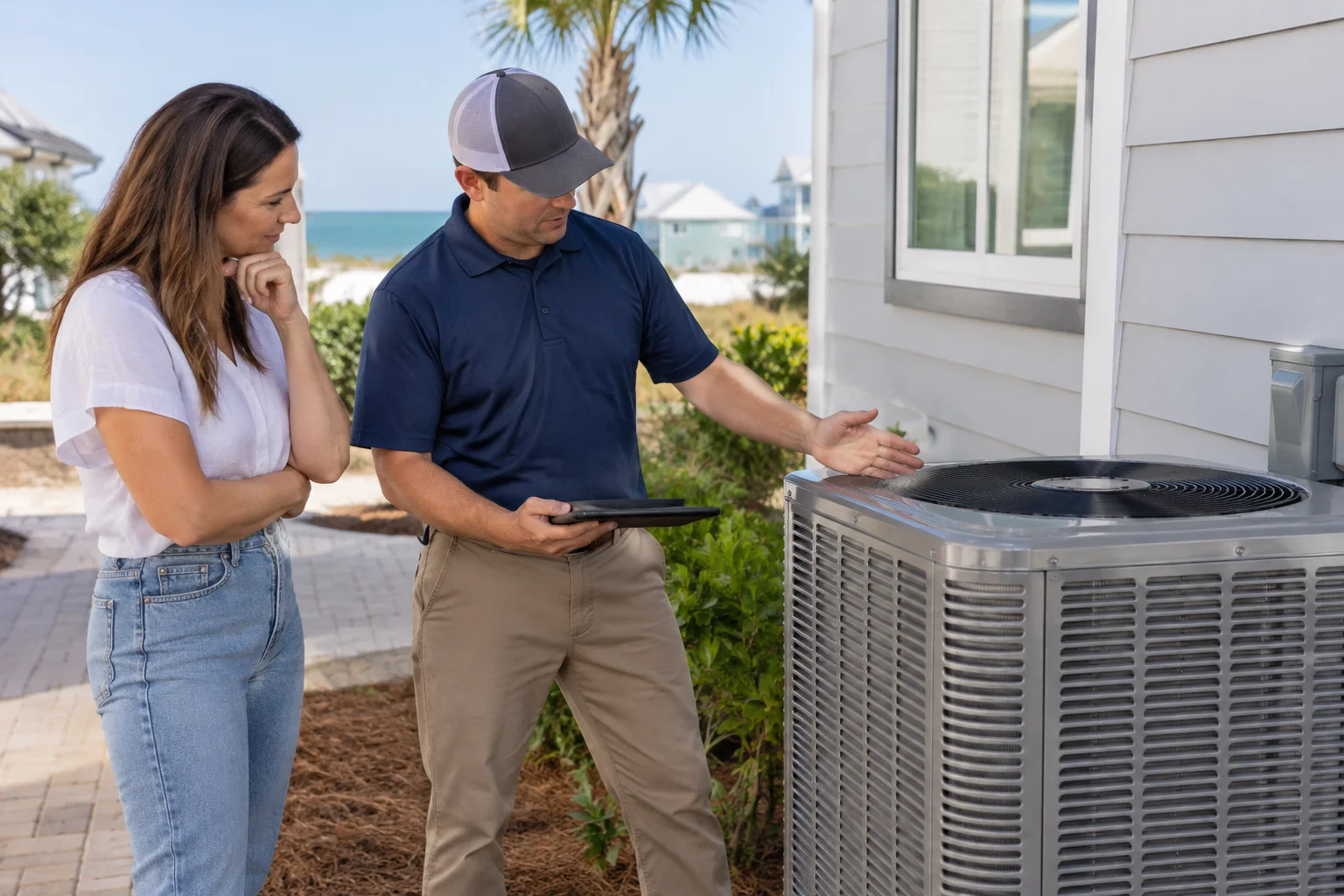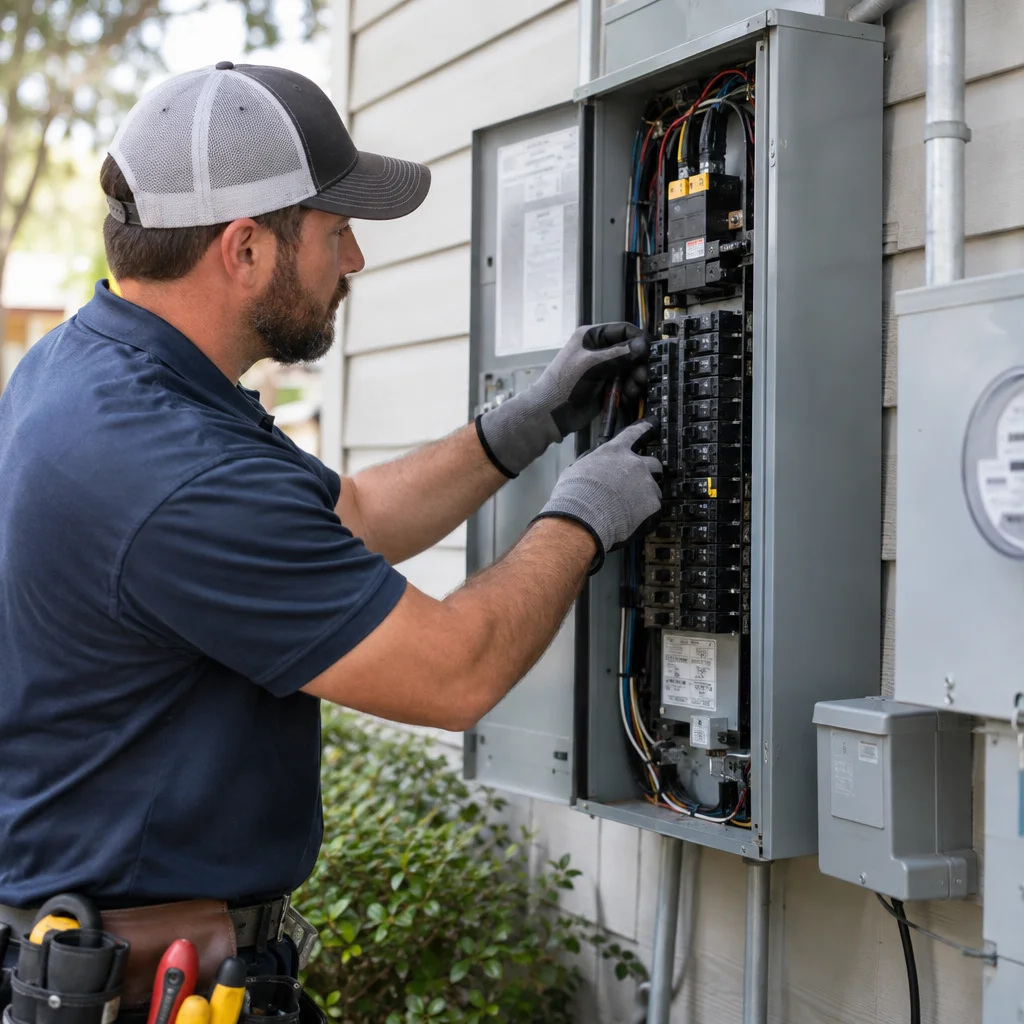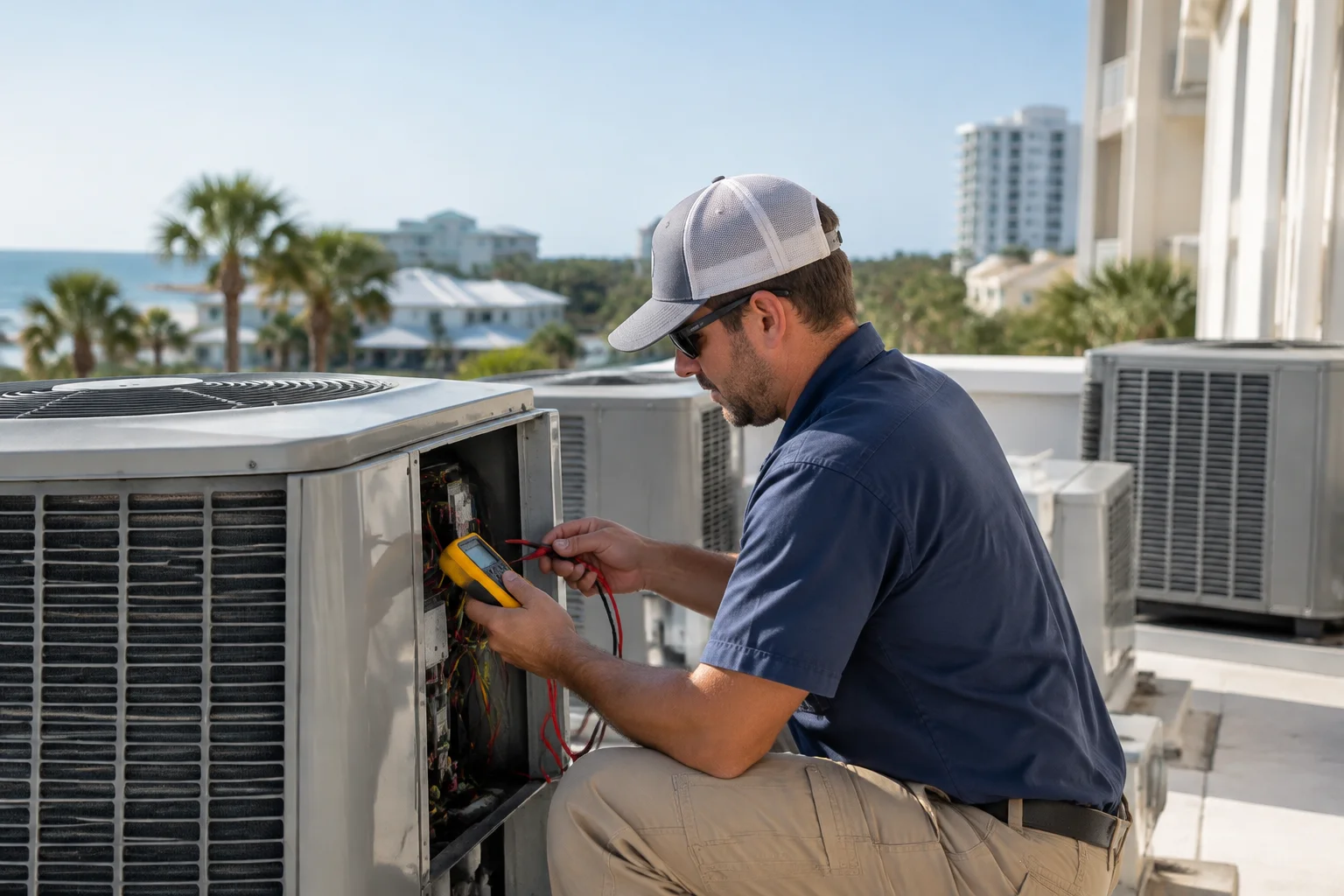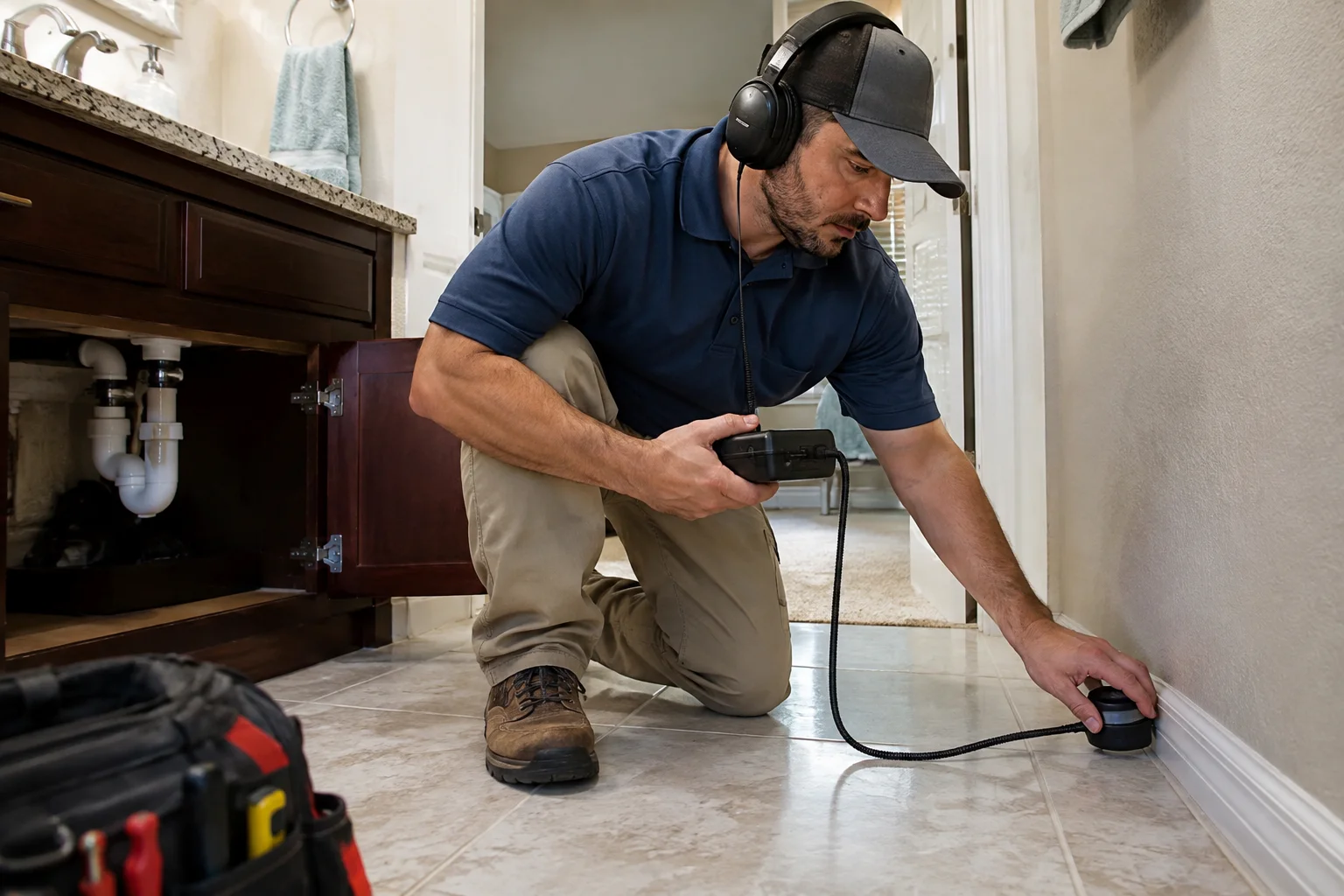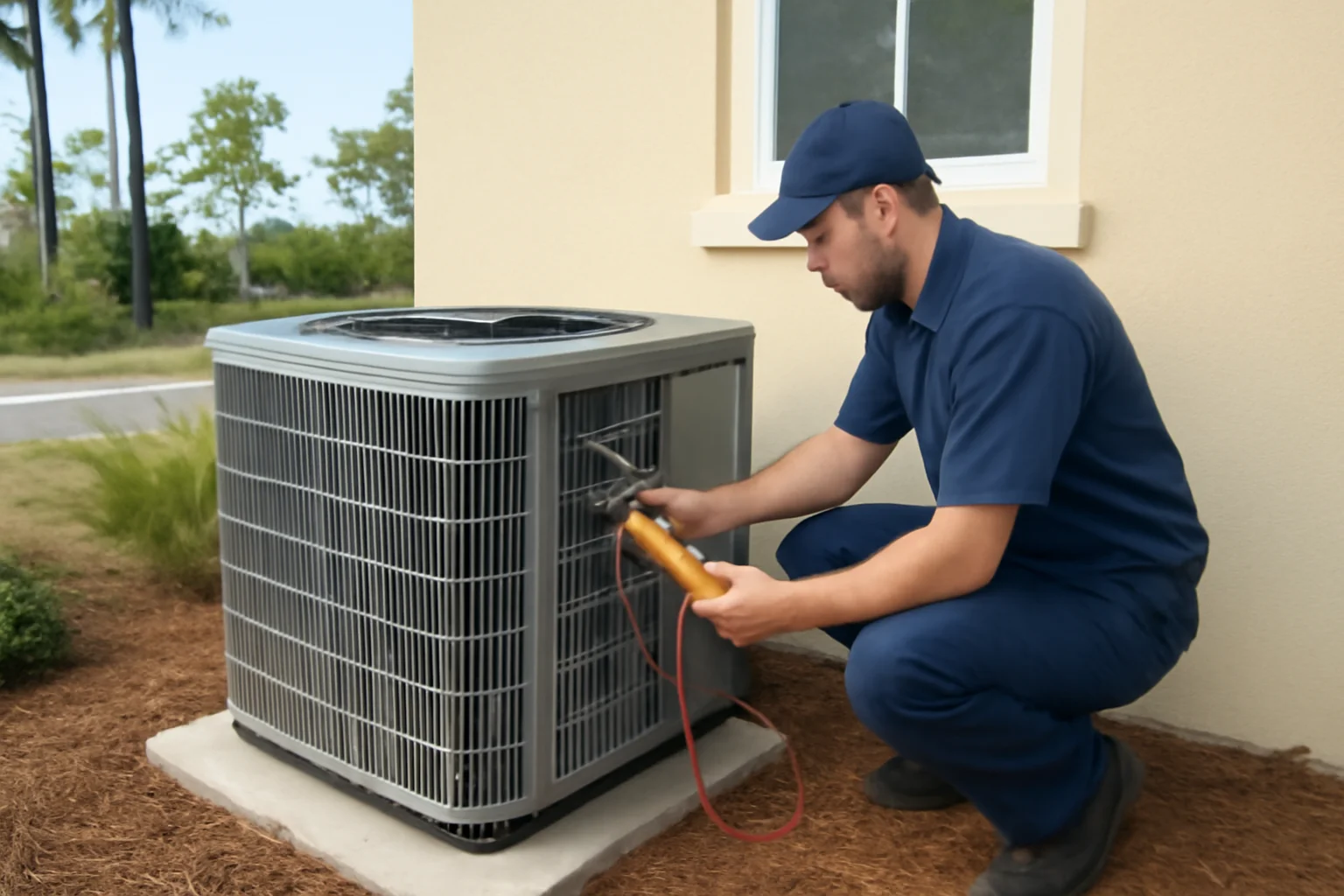
Living on 30A means your air conditioning system has a tough job. The combination of Florida heat, high humidity, and salt air from the coast can wear down components faster than many homeowners expect. Even well-installed systems can struggle when airflow is restricted, condensate drainage is off, ductwork is leaky, or a thermostat is no longer keeping temperature correctly. This guide walks you through how AC systems work in real homes, what comfort problems to watch for, and how to plan AC repair or air conditioning service before a small issue turns into an emergency.
Why 30A AC systems face different stress than inland Florida
Most people think of air conditioning as a simple on and off switch. In reality, a modern air conditioning system is a refrigerant system that moves heat out of your home and into the outdoors. That process depends on airflow, refrigerant flow, proper pressure, clean coils, and safe condensate drainage. On 30A, several local factors make those requirements harder to maintain.
Humidity and heat load: When indoor air is humid, your AC has to remove moisture as well as cool the temperature. If the system cannot keep up, you may feel “cool air” that still feels sticky, especially after long periods without air conditioning inspection or HVAC maintenance near me.
Salt air and corrosion risk: Coastal air can accelerate corrosion on outdoor components and affect how well surfaces transfer heat. That can show up as reduced cooling performance, noisy operation, or the need for more frequent tune ups.
Airflow and ductwork realities: Many 30A homes and vacation rentals are built with ductwork that may not be perfectly balanced. Over time, dust, debris, and insulation issues can restrict airflow. When airflow drops, cooling can suffer even if the equipment still turns on.
Condensate drainage: AC systems remove moisture, which drains through a condensate line. If the drain is clogged or the slope is wrong, water can back up, trigger safety shutdowns, or contribute to indoor air quality problems.
If you’re searching for air conditioner service near me or HVAC company near me, it helps to choose a company that understands these coastal conditions and evaluates the full system, not just the thermostat setting.
How an air conditioning system actually cools your home
Before planning repairs, it helps to know what should be happening during normal operation. While every home has its own layout, most central air systems follow the same core steps:
- Thermostat calls for cooling: The thermostat signals the system to start when the temperature (and sometimes humidity settings) call for cooling.
- Outdoor unit handles heat rejection: The outdoor section runs the refrigerant system components that move heat from inside to outside.
- Indoor coil absorbs heat: Air passes over the indoor evaporator coil, where refrigerant helps absorb heat and moisture.
- Condensate drainage removes moisture: Water formed on the coil drains away through the condensate drainage system.
- Air moves through ducts: Proper airflow delivers cooled air to living spaces. Restricted ducts or dirty components reduce performance.
When any step is weakened, you can see comfort problems like uneven temperatures, short cycling, poor dehumidification, or higher energy use.
Comfort problems that often point to AC system issues
Homeowners in 30A neighborhoods and nearby Walton County communities often notice the same patterns. Here are common issues and what they can mean, without jumping to conclusions.
1) AC runs but the house never feels fully cool
Possible causes include restricted airflow, dirty coils, ductwork leakage, or issues that affect refrigerant circulation. High humidity can also make the air feel warmer even when the thermostat reads a lower temperature. If this happens, homeowners typically start looking for air conditioning repair near me because the system is working but not delivering comfort.
2) Humidity stays high even with the thermostat set lower
When moisture removal is weak, you may feel clammy indoors. This can be related to airflow problems, coil cleanliness, condensate drainage issues, or settings that do not match humidity needs. In a humid climate, indoor air quality is part of comfort.
3) Warm air from vents or noticeable temperature swings
Warm air can indicate airflow imbalance, a malfunctioning control, or performance issues in the refrigerant system. Temperature swings can also come from thermostat calibration or inconsistent airflow through rooms.
4) Strange sounds, frequent cycling, or the system shuts off
Short cycling may occur when the system cannot maintain stable operation. Safety controls can shut down when condensate drainage is blocked or when components are operating outside normal conditions. Any repeated shutdown during hot weather is a good reason to schedule an air conditioning inspection near me rather than waiting.
5) Musty odors or visible moisture near vents or equipment
Musty smells can be linked to moisture problems. Condensate drainage problems can contribute to damp areas and indoor air quality concerns. If you notice moisture where it should not be, treat it as a priority.
Common coastal causes behind AC performance drop
Comfort issues often have practical causes. Here are several that show up frequently in 30A homes and vacation rentals.
Dirty or restricted coils
Outdoor coils can collect debris, and indoor coils can accumulate dust. Coil cleanliness matters because heat transfer is the job of the refrigerant system. Restricted heat transfer can lead to higher run times and higher energy use.
Airflow restrictions and ductwork leakage
Even a healthy AC can struggle if air cannot move. Leaky ducts or poorly balanced airflow can leave some rooms too warm and others too cold. If you’ve ever felt like one bedroom is always humid while the living room feels fine, airflow and ductwork are often involved.
Thermostat issues and poor control settings
A thermostat that is out of calibration, placed in direct sun, or not using the right fan and humidity settings can make comfort inconsistent. Homeowners often assume the AC is failing, but the control strategy may be the real problem. If you are considering thermostat installation near me, plan for a professional evaluation of system operation and airflow first.
Condensate drainage clogs
In humid seasons, condensate drainage is a steady requirement. A clogged line can cause shutdowns, water backup, and indoor air quality issues. This is one reason professional HVAC maintenance matters in coastal environments.
Refrigerant system concerns
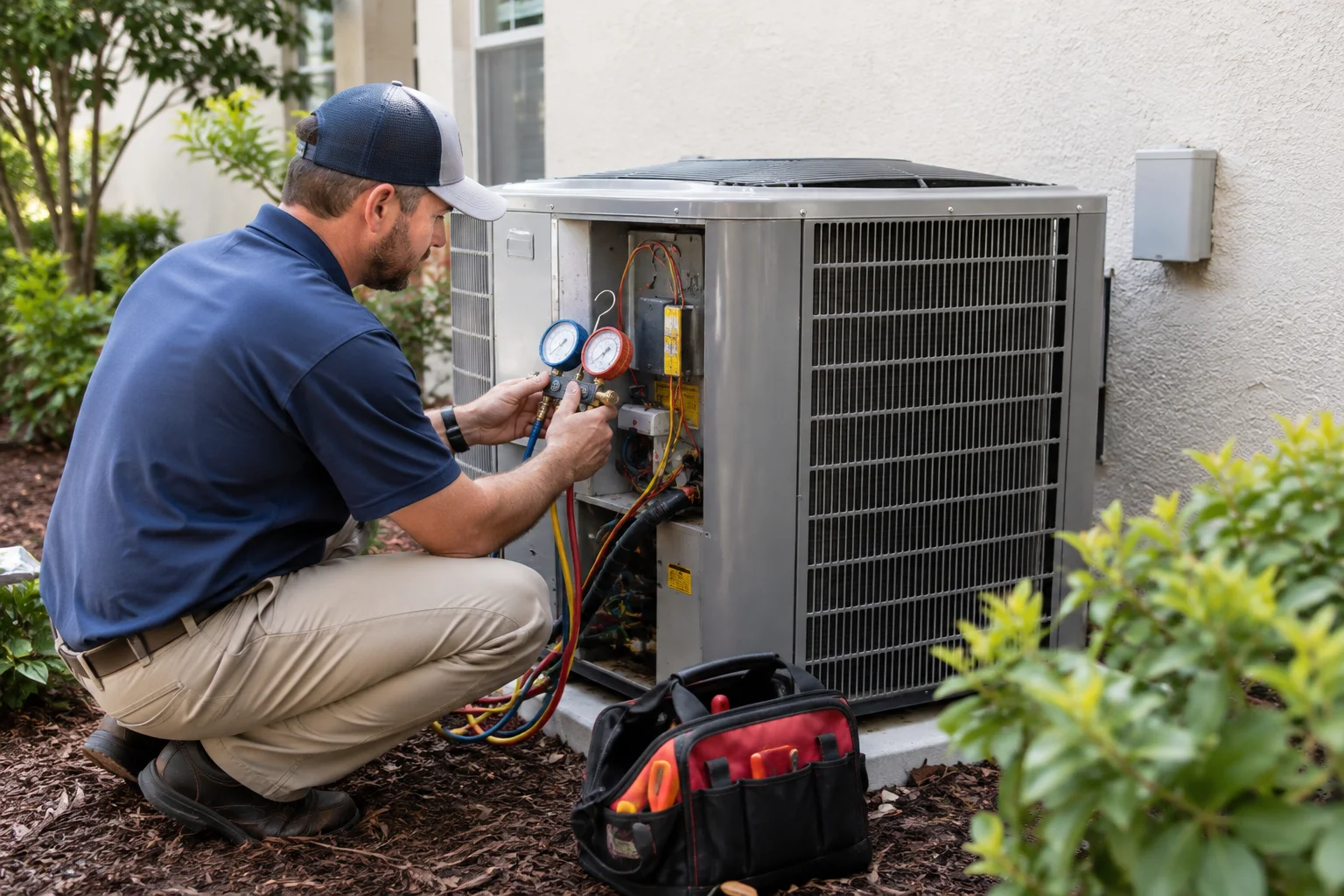
Refrigerant systems are safety and performance critical. If a system is not cooling properly, it may be related to refrigerant flow or other component issues. However, homeowners should not attempt refrigerant diagnosis themselves. A licensed technician can evaluate system performance and identify the correct next step after an in-person assessment.
Preventive HVAC maintenance that actually helps on 30A
Preventive maintenance is not just a checklist. It is a way to reduce the chance of mid-summer breakdowns and improve comfort by keeping airflow, heat transfer, and moisture control working together. Many homeowners searching for HVAC maintenance near me want something practical they can schedule and track.
Seasonal AC tune up priorities
Ask a technician to focus on the system parts that most affect comfort in Florida’s humidity and coastal air:
- Airflow verification: Confirm airflow across indoor coils and check for signs of restriction.
- Coil condition: Inspect indoor and outdoor coils for dirt, corrosion, and performance impact.
- Condensate drainage check: Ensure the condensate drainage path is clear and draining properly.
- Thermostat and controls: Review thermostat function and settings that control cooling and fan operation.
- System operation review: Look for patterns like short cycling or inconsistent cooling.
If you want to improve indoor comfort and reduce dust and allergens, consider combining maintenance with air filtration upgrades. You can explore Air Filtration and Purifiers for options that fit your home.
Filter and airflow habits homeowners can manage
Homeowners can support performance with simple habits:
- Replace or clean filters on schedule based on your household needs and filter type.
- Keep vents unobstructed so supply airflow can reach rooms.
- During humid stretches, pay attention to how quickly the home dehumidifies, not just how cold it feels.
- Check for visible moisture around indoor equipment and drain areas.
These steps do not replace professional service, but they help reduce strain on the system.
Planning for AC repair before it becomes an emergency
When your AC fails during a hot, humid 30A afternoon, it can feel urgent, and it often is. Planning does not eliminate emergencies, but it can reduce stress and help you make better decisions.
Build a “comfort log” during the season
Write down what you notice. This helps technicians understand the pattern:
- When cooling starts and how long it runs
- Any unusual sounds
- Temperature differences between rooms
- Humidity feel and whether air feels damp
- Any error codes or thermostat behavior
This simple log can make HVAC repair near me visits more productive because it shows how the problem behaves over time.
Know the difference between a minor fix and a “stop using it” situation
Some issues are safe to monitor briefly, while others should be addressed promptly. Treat the following as priority concerns:
- Repeated shutdowns or safety trips
- Water pooling, overflow signs, or strong musty odors
- Cooling that stops entirely during extreme heat
- Any sign of refrigerant system problems that a professional should evaluate
If you’re facing emergency cooling concerns, many homeowners search for emergency AC repair near me during peak summer. The best time to plan is before the hottest days arrive.
When repairs add up, consider system replacement planning
Sometimes repairs solve the immediate issue. Other times, repeated failures can indicate that the system is no longer able to meet comfort needs efficiently. Homeowners searching for HVAC replacement near me often want to know how to decide responsibly.
A professional evaluation can help you compare the benefits of continued repairs versus planning a replacement. In 30A homes, replacement planning often considers:
- How well the system dehumidifies, not just how cold it gets
- Airflow balance through ductwork
- Coastal corrosion exposure on outdoor components
- Whether indoor air quality goals are being met
- Energy use trends over the season
Replacement decisions should be based on an in-person assessment. A contractor should not recommend a specific approach based only on symptoms from a phone call.
Air conditioning system design and ductwork matters in 30A homes
For new installations or major upgrades, design choices can make a bigger difference than homeowners expect. Custom air conditioning systems in 30A are especially important when homes have multiple floors, specialty rooms, or vacation rental turnovers that change occupancy patterns.
For guidance on the full scope of air conditioning systems for the area, review how system design ties into comfort, airflow, and maintenance planning. If your home uses ductless options or you are exploring alternatives, you can also read about ductless mini split installation.
Indoor air quality and airflow: comfort is more than temperature
Florida humidity can affect indoor air quality, especially when airflow is restricted or condensate drainage is not working correctly. If you notice dust buildup, persistent odors, or worsening allergy symptoms during summer, your AC system may be involved.
Consider pairing AC service with indoor air quality planning. You can explore Indoor Air Quality Services to understand options that complement your cooling system.
Heat pump homes and AC comfort: what changes in your maintenance plan
Some 30A homes use heat pumps for heating and cooling. During summer, the cooling mode still depends on airflow, coil performance, and the refrigerant system. The same humidity-related comfort issues can show up, but the way the system operates may differ.
If your home has a heat pump and you are experiencing cooling problems, the correct next step is still an in-person evaluation. A technician can check how the unit is performing in cooling mode, how well it is removing moisture, and whether airflow and ductwork are supporting the system.
If you also need heating support during shoulder seasons, explore Heating Services for a coordinated approach.
Seasonal stress on 30A systems and how to stay ahead
In peak summer, many homes run their AC longer and harder. Vacation rentals can add extra load because occupancy changes quickly and doors may stay open longer during turnover. Commercial properties also face steady demand. These patterns can strain components and raise the chance of sudden comfort failures.
If you manage a rental property or commercial space, it helps to plan before the hottest weeks. You can read Keeping 30A Commercial Spaces Comfortable Before HVAC Trouble Spreads for practical steps that reduce risk. Homeowners can use similar ideas for their own schedules.
Preventive maintenance also affects repair planning. For more detail on how maintenance can reduce AC repair problems, see Why Preventive HVAC Service Pays Off for Air Conditioning Repair in 30A, FL.
Financing and decision timing for AC repairs or replacement
When comfort problems show up mid-season, it can be hard to plan. Some homeowners delay service due to budget uncertainty, then face a larger issue later. If you are considering financing for repairs or a potential system replacement, it helps to plan timing carefully.
You can read Keeping HVAC Financing on Track in 30A, FL Homes to understand how to think through the decision process without rushing.
For homeowners who want a seasonal readiness approach, the article How 30A Homes Can Stay Ahead of HVAC Emergencies During Seasonal Stress offers additional planning strategies for emergency cooling concerns.
Why professional local service matters for coastal air conditioning
Homeowners in 30A and Walton County often learn the hard way that HVAC problems rarely have only one cause. Poor airflow can mimic refrigerant system issues. Condensate drainage problems can look like a thermostat or coil issue. Salt air can quietly contribute to corrosion that affects performance over time.
A Superior Mechanical provides custom air conditioning systems in 30A, FL designed for coastal homes, vacation rentals, and commercial properties across Walton County. If you are looking for a local HVAC company that understands the region, start with service that evaluates the entire cooling system, including airflow, condensate drainage, thermostat control, and indoor comfort factors. For local coverage, you can also explore our 30A service area and then connect with the right team for your needs.
AC maintenance and repair planning checklist for 30A homeowners
Use this checklist to stay organized when summer arrives:
- Schedule preventive maintenance before the hottest stretch, especially if you rely on your AC daily or host guests frequently.
- Track comfort issues like humidity feel, room temperature differences, and how long the system runs.
- Verify airflow basics by checking filters and keeping vents clear.
- Watch condensate drainage for signs of clogs or overflow, especially after heavy humidity periods.
- Address thermostat concerns early if temperature control feels inconsistent or schedules do not match comfort needs.
- Plan repair decisions based on a full in-person evaluation, not just symptoms.
- Prepare for emergency cooling by knowing who you call and what information to share if the system fails during peak heat.
For homeowners searching for AC tune up near me, air conditioning inspection near me, or air conditioning repair near me, this checklist helps you communicate clearly and move faster when service is needed.
If you want to review options for upgrading or maintaining your cooling system, visit A Superior Mechanical’s air conditioning systems service area for 30A. For broader coverage across the county, see Walton County HVAC service areas.
Find Air Conditioning Systems in 30A, FL
If you need Air Conditioning Systems in 30A, FL, visit our local service page or contact A Superior Mechanical today.
Map of 30A, FL
Frequently Asked Questions
How often should 30A homeowners schedule AC tune ups?
Most homeowners benefit from seasonal preventive HVAC maintenance, especially in Florida heat and humidity. If your home is coastal, has frequent guest turnover, or struggles with humidity or airflow, it is smart to schedule before the hardest summer weeks so you can catch issues like dirty coils, airflow limits, or condensate drainage problems early.
Why does my AC feel like it is cooling but the house stays humid?
Humidity comfort depends on moisture removal, which relies on airflow across the indoor coil, proper refrigerant system performance, and clear condensate drainage. If the system cannot remove moisture effectively, you can feel cool air without feeling dry comfort. An in-person air conditioning inspection can confirm what is limiting performance.
What should I check first if I suspect a condensate drainage issue?
If you see water near indoor equipment, notice overflow, or smell mustiness during humid weather, treat it as a priority. Homeowners can look for obvious signs of moisture, but a technician should evaluate the condensate drainage path and system operation to avoid unsafe or incomplete fixes.
Can I diagnose refrigerant problems myself?
No. Refrigerant system concerns require professional evaluation. Symptoms like poor cooling or repeated shutdowns can have multiple causes, and refrigerant diagnosis should be handled on site by a licensed technician after proper testing.
When should I consider HVAC replacement instead of repeated AC repairs?
Replacement planning is usually appropriate when repairs become frequent, comfort issues persist, or the system cannot meet humidity and airflow needs reliably. A professional evaluation can compare your current system’s performance factors like airflow, coil condition, condensate drainage, and overall operation to help you decide the best next step.
Related Articles
Photo Gallery