Seaside, FL is beautiful, but the climate is demanding on air conditioning systems. Warm Gulf air, high humidity, and salt-laden breezes can push AC performance and make small problems grow into comfort failures. The good news is that many HVAC issues are predictable. With preventive HVAC maintenance and a repair plan, homeowners can reduce the odds of emergency AC repair near me situations during peak heat.
This guide covers common causes behind air conditioner service problems in Seaside, how they show up as comfort issues, and what you can do now to plan AC repair before the system is under pressure.
Why Seaside’s coastal conditions stress air conditioning systems
In Seaside and across Walton County, the weather often combines heat with humidity. That means your air conditioner is not just cooling. It is also removing moisture to keep indoor air quality comfortable. When the system struggles with airflow, refrigerant circulation, or condensate drainage, you may feel it right away as warm spots, damp air, or musty odors.
Salt air adds another layer. Outdoor components can accumulate corrosive residue over time. Even when nothing looks broken, corrosion can contribute to failing contactors, worn fan parts, and restricted airflow at the outdoor coil. The result is more strain on the refrigerant system and higher energy use to achieve the same comfort.
Home design also matters. Many Seaside homes and vacation rentals are built with airflow paths that depend on ductwork and return registers. If ductwork is leaky or undersized, the system may run longer, humidity can linger, and the indoor unit can feel “cool” while the space never feels truly comfortable.
Comfort problems that often point to a deeper AC issue
Before a full breakdown, air conditioning systems usually give warning signs. Homeowners often notice comfort changes first. Here are the most common comfort problems in Seaside and what can cause them.
Warm rooms or uneven cooling
If some rooms stay warm while others feel cool, the issue is often related to airflow. Common causes include blocked or dirty air filters, restricted return air, ductwork leaks, or ducts that are not balanced for the home. In humid coastal conditions, reduced airflow also affects how effectively the air conditioner can remove moisture.
Uneven cooling can also be connected to thermostat settings and placement. A thermostat that is exposed to direct sun, located near a draft, or mounted behind furniture may read inaccurate temperatures and cycle the system at the wrong times.
Humidity that feels “stuck” inside
When humidity remains high, even if the air feels cool, the system may not be dehumidifying properly. That can happen when the system short cycles, when airflow is too high or too low, or when condensate drainage is not working as intended. If condensate drainage is restricted or the drain line is not clearing water, moisture can back up and create indoor air quality concerns.
In homes that have had water intrusion in the past, you may also notice musty odors. That is a cue to address indoor air quality services, not just temperature control.
Short cycling or frequent on off cycles
Short cycling can be caused by airflow issues, thermostat problems, or refrigerant system performance problems. While some causes require in-person evaluation, the pattern is often consistent: the system starts, cools for a short time, then shuts down before the space reaches setpoint. On humid days, short cycling is a recipe for comfort complaints and higher energy use.
Strange noises, rattling, or rising vibrations
Coastal air and salt exposure can contribute to wear on outdoor fan components and indoor blower parts. If you hear grinding, rattling, or sustained vibration, it can indicate failing bearings, loose panels, or airflow restrictions that are forcing the system to work harder.
Noise is also sometimes linked to ductwork. Loose duct connections can rattle as air pressure changes during cooling cycles.
Ice buildup on coils or reduced cooling performance
Ice can appear when airflow is restricted or when the system is not operating as expected. Homeowners should not attempt to “thaw and hope” repeatedly. Repeated coil icing can lead to more damage and more expensive repairs.
If you are searching for air conditioning repair near me because your system is icing, a licensed HVAC contractor should inspect airflow, refrigerant system operation, and condensate drainage conditions on site.
Common causes behind AC failures in Seaside
Comfort issues can have many causes. Below are the most frequent contributors to air conditioning repair needs in Seaside, FL, along with how they connect to emergency cooling concerns.
Airflow problems in filters, returns, and ductwork
Airflow is the foundation of a healthy AC system. When filters are clogged, return vents are blocked, or ductwork is leaking, the system cannot move air through the indoor coil correctly. That can reduce cooling performance, increase humidity, and raise energy use.
In coastal homes, dust and pollen still accumulate, and humidity can encourage buildup. If you have pets, live near construction, or run the fan continuously, airflow restrictions can develop faster. Scheduling HVAC maintenance near me can help catch these issues before cooling performance drops.
Leaky or poorly designed ductwork can also create pressure imbalances. That can be a reason homeowners end up needing duct repair near me or duct cleaning near me services, especially when rooms feel warm and humidity lingers.
Condensate drainage issues and moisture buildup
During cooling, the air conditioner removes moisture and produces condensate. If condensate drainage is restricted, the system can struggle to manage humidity. In some cases, condensate can overflow, causing water damage and creating indoor air quality concerns.
Condensate drainage problems can be triggered by clogged drain lines, algae growth, or a drain pan that is not draining properly. Salt air does not cause condensate clogs directly, but coastal humidity and microbial growth can contribute to the environment where clogs develop.
If you notice water around the indoor unit, damp drywall, or persistent musty odors, address indoor air quality services and condensate drainage as part of your repair planning.
Refrigerant system strain and performance changes
The refrigerant system is designed to move heat out of the home. When the system is not operating within expected conditions, cooling performance may decline and the unit can work harder. Refrigerant problems are not always visible, and attempting DIY checks can be unsafe.
Homeowners should not assume refrigerant needs a specific fix based on symptoms alone. A professional evaluation is necessary to determine what is happening with refrigerant system performance, airflow, and component operation.
If you suspect a refrigerant-related issue, plan for air conditioning service with a licensed HVAC contractor rather than waiting for a complete breakdown during a hot spell.
Thermostat issues that disrupt cooling cycles
Thermostats control when and how the system runs. In Seaside homes, thermostat problems often show up as inaccurate temperature readings, unexpected cycling, or poor dehumidification. Common culprits include sensor drift, incorrect settings, or thermostat placement that captures direct sun or nearby heat sources.
Some homeowners also install devices without ensuring compatibility with their system type. If you are considering thermostat installation near me, choose a contractor who can confirm the right setup for your air conditioner or heat pump system.
Salt air corrosion on outdoor components
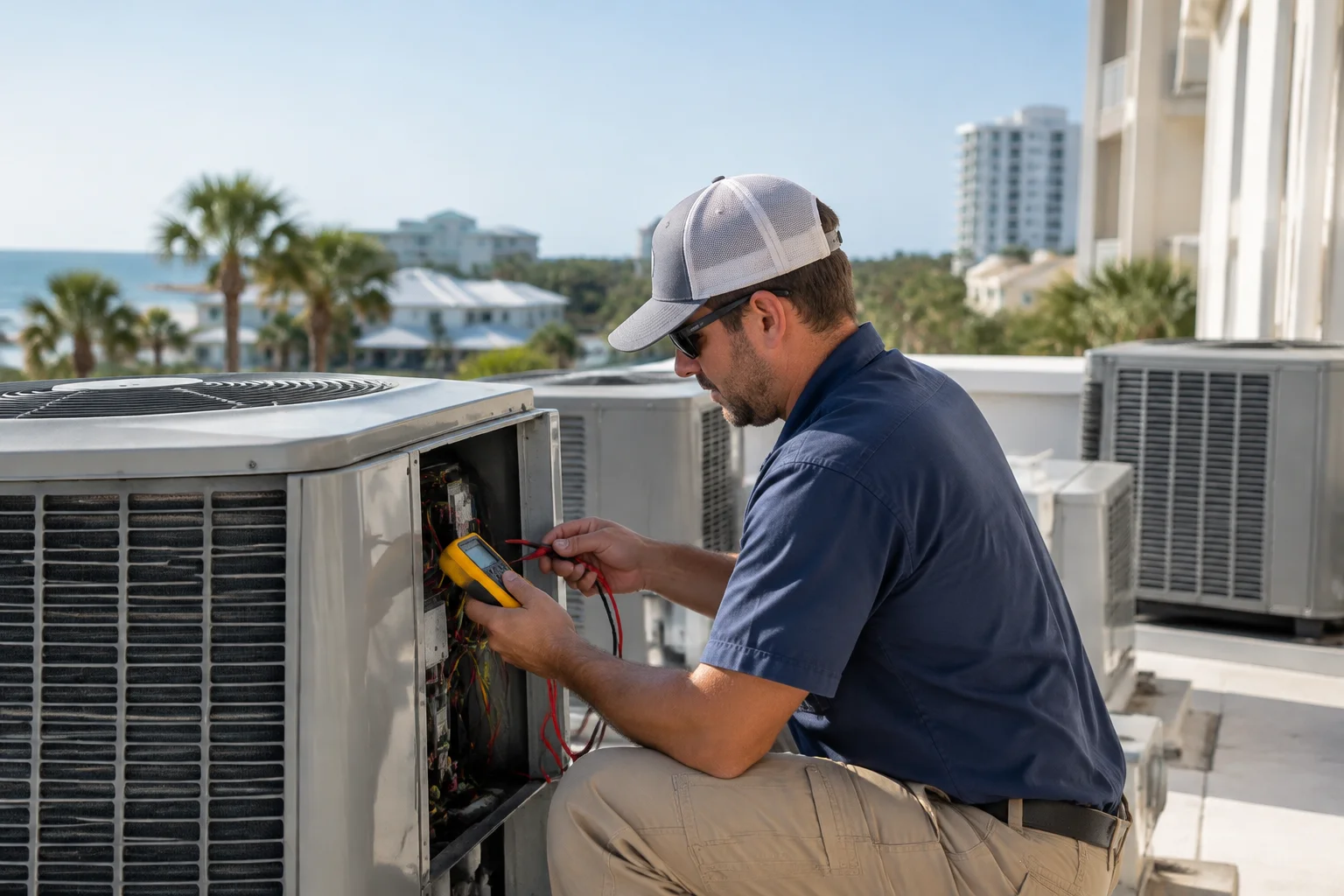
Outdoor coils, fan motors, and electrical connections can be affected by coastal salt exposure. Corrosion may start small and then worsen over time. Even when the system still cools, corrosion can reduce efficiency and contribute to component failures.
Preventive HVAC maintenance is especially important in the coastal zone. A professional can inspect outdoor airflow paths, check for build up, and recommend a maintenance approach that fits your home’s exposure level.
Blocked airflow around the outdoor unit
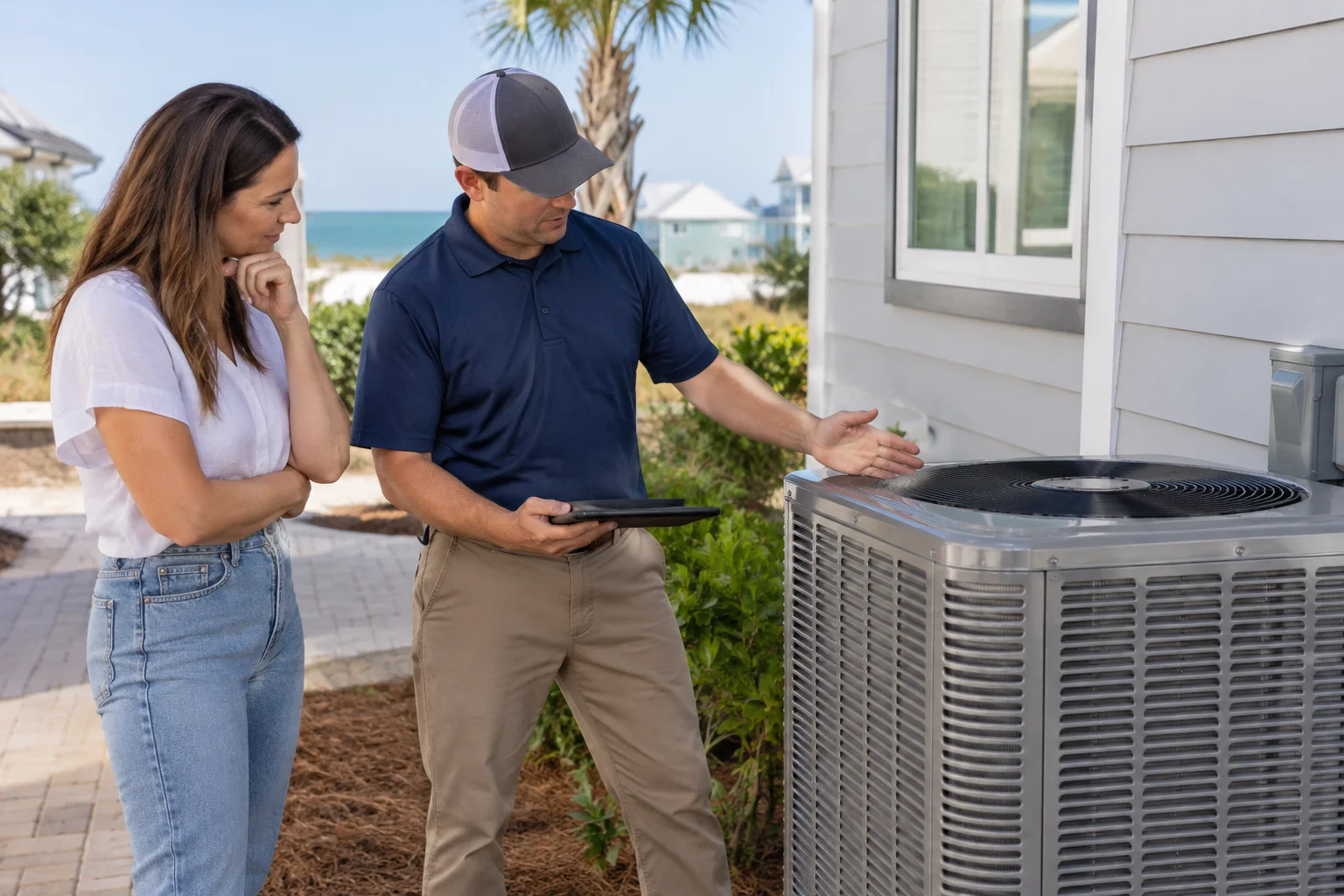
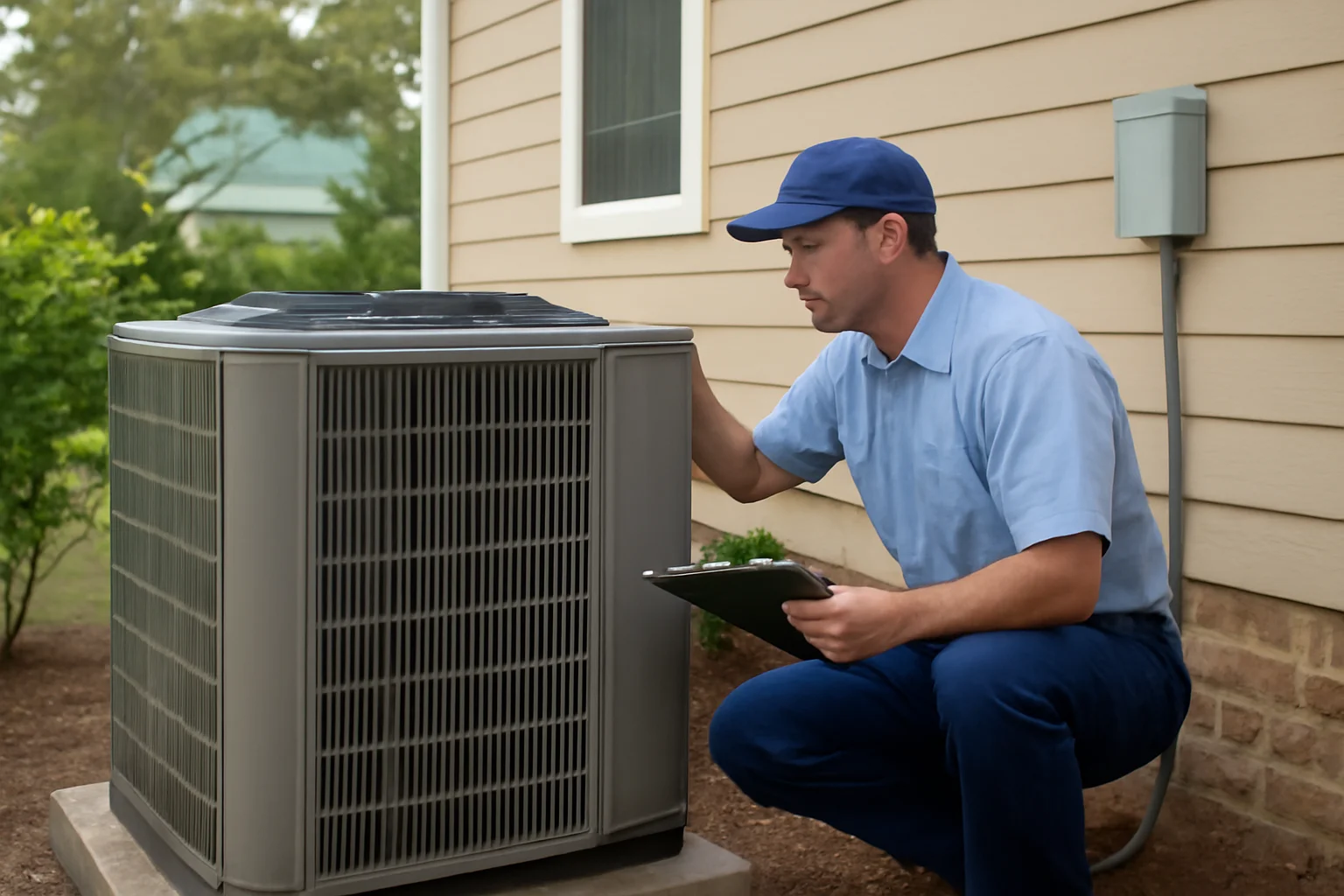
Outdoor units need clear airflow. Overgrown landscaping, debris, or seasonal clutter can restrict the intake and exhaust. When airflow is blocked, the system can overheat, run longer, and increase energy use. Over time, that can contribute to component stress and a higher chance of emergency cooling concerns.
Keep mulch and yard trimmings away from the unit, and do not cover it. If you are unsure about safe clearance around your unit, a local HVAC technician can advise during an AC tune up near me visit.
How to build a repair plan that prevents emergency AC repair
Emergency cooling is usually the result of multiple small issues that were not addressed early. Repair planning means you treat warning signs like data, not like inconveniences. Here is a practical approach for Seaside homeowners.
Track the pattern, not just the moment
Write down what you notice: when the system runs, how long it runs, which rooms are affected, and whether humidity changes along with temperature. If the system struggles more during the afternoon heat, that can point to airflow limits, thermostat placement, or outdoor heat load.
Also note any changes in indoor air quality. If you see more dust, odors, or condensation on windows, include that information. It helps your HVAC contractor connect comfort problems to ductwork, condensate drainage, and filtration.
Schedule an AC tune up before the hottest weeks
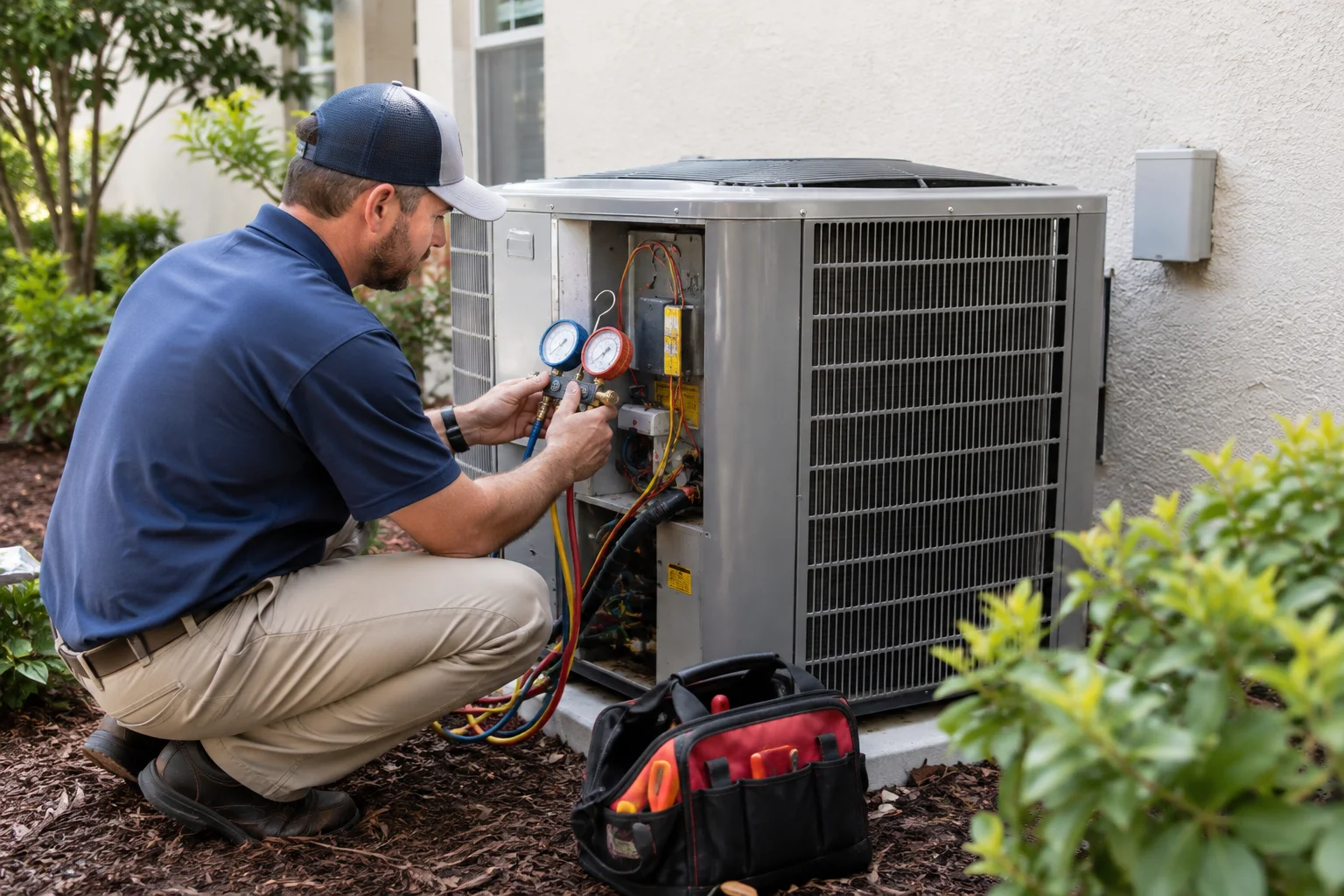
Preventive maintenance is one of the most effective ways to reduce the chance of an air conditioning repair near me emergency. During a tune up, a technician can inspect key cooling components, evaluate airflow, review thermostat operation, and check for conditions that lead to condensate drainage problems.
If you want seasonal guidance, explore how maintenance supports comfort and reliability in coastal climates by reading Keeping Seaside Homes Ready for HVAC Emergencies.
Address ductwork and indoor airflow, not just the thermostat
Many homeowners focus on temperature settings. If airflow cannot reach certain rooms, the thermostat cannot “fix” the real comfort problem. Ductwork can also contribute to humidity issues by affecting how air is delivered and returned.
If you suspect ductwork is part of the issue, consider related services like duct cleaning or duct replacement, especially if you have persistent airflow complaints.
For homes with ongoing comfort issues, you may also want to discuss indoor air quality services. Better filtration and airflow support can make cooling feel more stable, which helps during humidity-heavy weather.
Plan for indoor air quality when humidity is high
In Seaside, humidity is not just uncomfortable. It can influence how dust, allergens, and other airborne particles behave indoors. If your system is not removing moisture effectively, indoor air quality can suffer even if the temperature seems acceptable.
Homeowners who notice odors, excess condensation, or persistent dampness should consider indoor air quality testing. Learn more in Why Seaside Homes Benefit From Indoor Air Quality Testing Before Comfort Issues Spread.
Know when “repair planning” means system replacement planning
Sometimes, repeated repairs are a sign that the system is no longer keeping up with your home’s cooling needs. Replacement planning does not happen in a single phone call after the unit fails. It is a process that considers comfort requirements, energy use, ductwork condition, and indoor air quality goals.
A Superior Mechanical can help evaluate your cooling system and your home’s airflow and comfort needs. If the assessment suggests a new AC installation near me or a heat pump service approach is appropriate, it should be based on an in-person review of your system and ductwork.
If you are comparing options for coastal homes, you may also find A Pretty Bayou Homeowner’s Guide to Air Conditioning Systems That Handle Coastal Florida helpful.
Energy use and comfort: why the system starts costing more before it fails
In coastal Florida, comfort problems and energy use often rise together. When airflow is restricted or the system struggles to remove humidity, it may run longer to reach setpoint. That increases electricity consumption and can raise wear on components.
Homeowners may see higher bills and assume the thermostat is set too high. Sometimes the real issue is that the AC system is losing efficiency due to airflow limits, dirty coils, or ductwork that cannot distribute air effectively.
Repair planning helps you address the root cause, which can also improve comfort. If you are looking for residential HVAC service near me to reduce energy waste and prevent breakdowns, choose a licensed HVAC contractor who focuses on the full cooling system, not just one symptom.
Heat pumps in Seaside: similar stress, different comfort behavior
Some Seaside homes use heat pumps. During cooling season, a heat pump behaves like an air conditioner, but it can also have different airflow and control behavior. If you notice humidity issues or uneven cooling, the causes can still include airflow restrictions, condensate drainage concerns, and thermostat settings.
If you are searching for heat pump service or air conditioning repair near me and your home uses a heat pump, ask the contractor to evaluate airflow, condensate drainage, and thermostat operation as part of the comfort picture.
Why professional local HVAC service matters in coastal Walton County
Homeowners in Seaside have unique conditions: salt air, high humidity, and heavy summer heat that stresses AC systems. A licensed HVAC contractor who understands these factors can help you prioritize repairs based on what is most likely to fail first.
Professional evaluation also matters because some problems require on-site inspection. Refrigerant system performance, condensate drainage conditions, and thermostat operation cannot be confirmed safely through remote troubleshooting. A technician should inspect the system, review airflow and ductwork condition, and confirm the source of comfort issues before recommending refrigerant diagnosis, electrical diagnosis, or equipment replacement.
If you need air conditioning systems service in Seaside, start with the local service page: Air Conditioning Systems in Seaside, FL. You can also browse the broader local coverage area on Seaside HVAC service and Walton County HVAC service.
Preventive HVAC maintenance checklist for Seaside homeowners
You can reduce the odds of emergency cooling concerns with a few consistent habits and a maintenance rhythm.
Do these simple checks regularly
First, keep air filters clean and replaced on schedule. Second, make sure return registers are not blocked by furniture, curtains, or storage. Third, confirm that outdoor airflow is not restricted by landscaping debris.
During humid weeks, watch for signs of condensate drainage trouble. If you notice water where it should not be, damp spots, or musty smells, schedule service promptly.
Schedule professional maintenance at the right time
Seasonal preventive HVAC maintenance helps address airflow and component wear before the hottest days. If you are thinking about why better HVAC maintenance pays off, the same logic applies in Seaside: consistent inspection reduces surprises.
For homeowners who want a broader system approach, you can also review heating services so your equipment stays ready year-round, especially with Florida’s shifting weather patterns.
When to call for AC repair in Seaside (and what to mention)
Call a licensed HVAC contractor for AC repair near me if you notice any of the following:
Cooling that suddenly weakens, especially during peak afternoons.
Repeated cycling that does not match the thermostat setting.
Humidity that stays high even when the temperature is set lower.
Water signs near the indoor unit or persistent damp odors.
Ice formation on coils or persistent airflow reduction.
When you schedule, mention any patterns you observed: which rooms are affected, whether it happens more on humid days, and whether the indoor air feels stale. Those details help a technician evaluate airflow, condensate drainage, thermostat behavior, and refrigerant system performance during the in-person visit.
If your system is already struggling, avoid waiting for a complete failure. A repair plan built around comfort problems and local conditions can keep your home cooler and more consistent through Seaside’s humid summer.
Find Air Conditioning Systems in Seaside, FL
If you need Air Conditioning Systems in Seaside, FL, visit our local service page or contact A Superior Mechanical today.
Map of Seaside, FL
Frequently Asked Questions
How does humidity in Seaside affect air conditioning systems?
High humidity makes the AC work harder to remove moisture. If airflow is restricted or condensate drainage is not clearing properly, the home can feel cool but still damp, which can also worsen indoor air quality.
What are the most common causes of uneven cooling in Seaside homes?
Uneven cooling is often linked to airflow problems such as dirty filters, blocked returns, or ductwork that is leaky or unbalanced. Thermostat placement can also contribute when it reads temperatures inaccurately.
Can salt air cause AC problems in coastal Florida?
Yes. Salt exposure can contribute to corrosion on outdoor components over time. That can reduce efficiency and contribute to component wear, especially when combined with high humidity and heavy summer heat.
When should I worry about condensate drainage issues?
If you notice water around the indoor unit, damp spots, or musty odors, schedule service. Condensate drainage problems can affect humidity control and indoor air quality, and they should be addressed before they lead to larger damage.
Is it safe to troubleshoot refrigerant problems yourself?
No. Refrigerant system issues require an in-person professional evaluation to confirm what is happening and to address it safely. DIY attempts can be unsafe and may delay the correct repair.
Related Articles
- Keeping Seaside Homes Ready for HVAC Emergencies
- Why Better HVAC Maintenance Pays Off for Valparaiso Air Conditioning Systems
- Why Seaside Homes Benefit From Indoor Air Quality Testing Before Comfort Issues Spread
- A Pretty Bayou Homeowner’s Guide to Air Conditioning Systems That Handle Coastal Florida
Photo Gallery