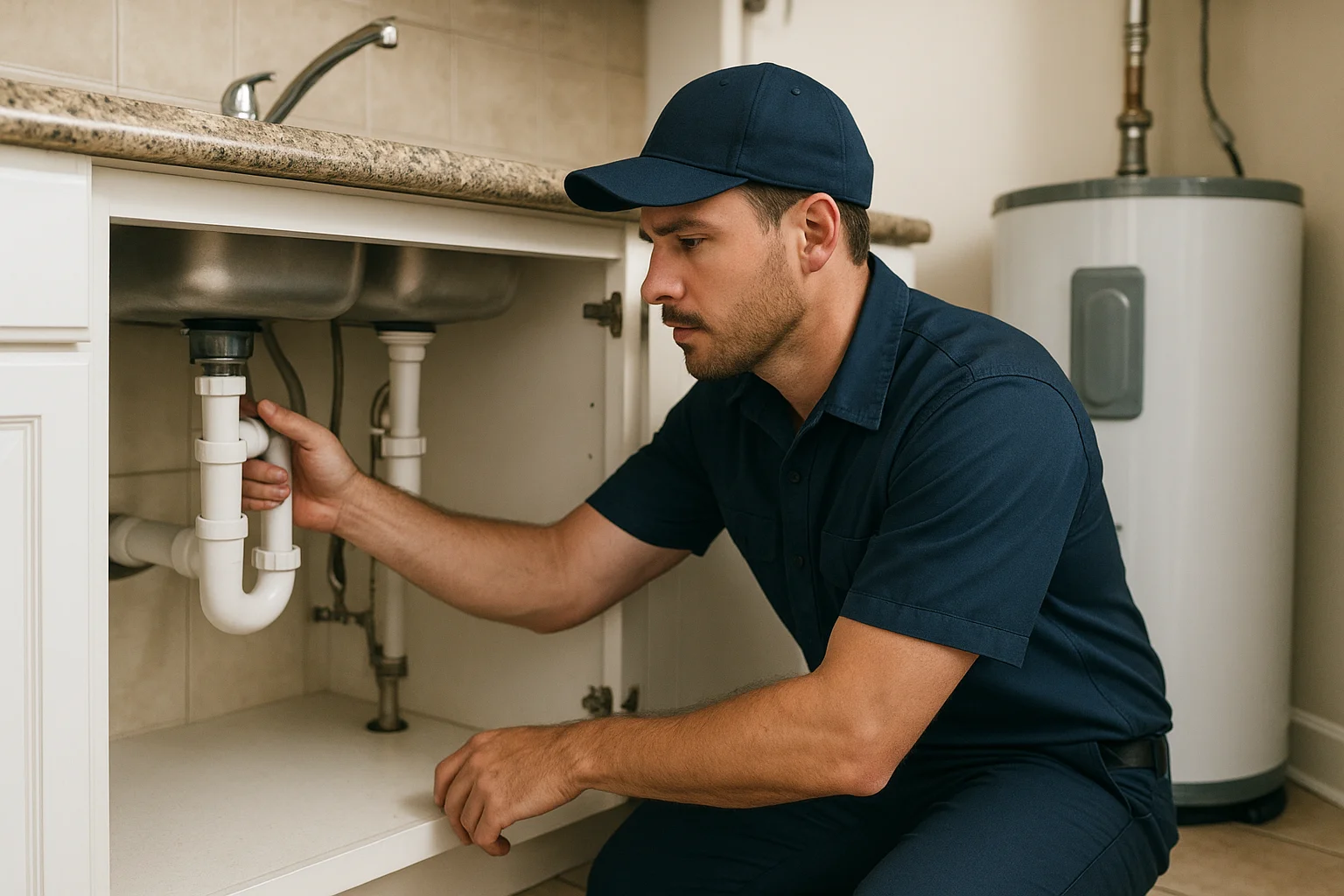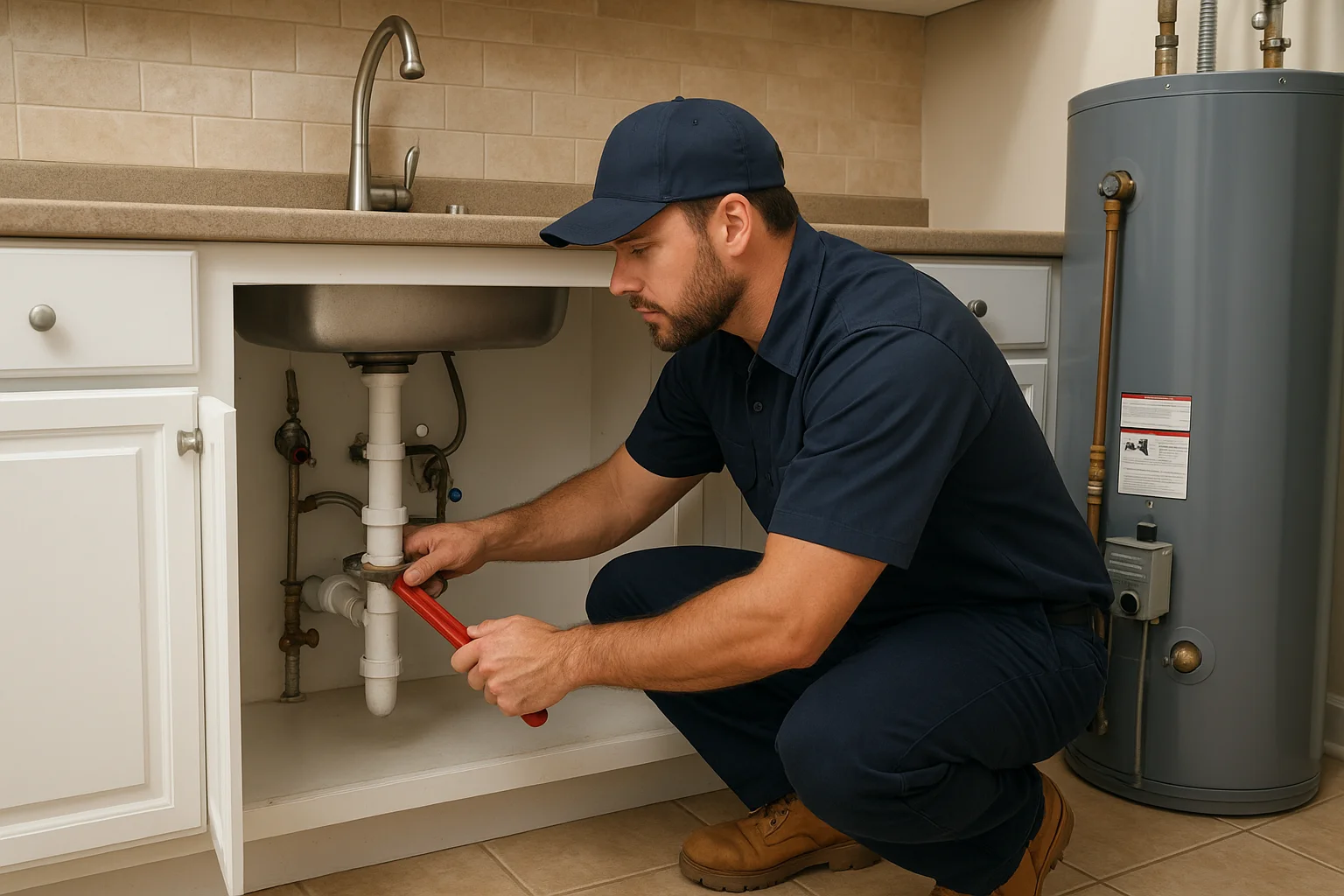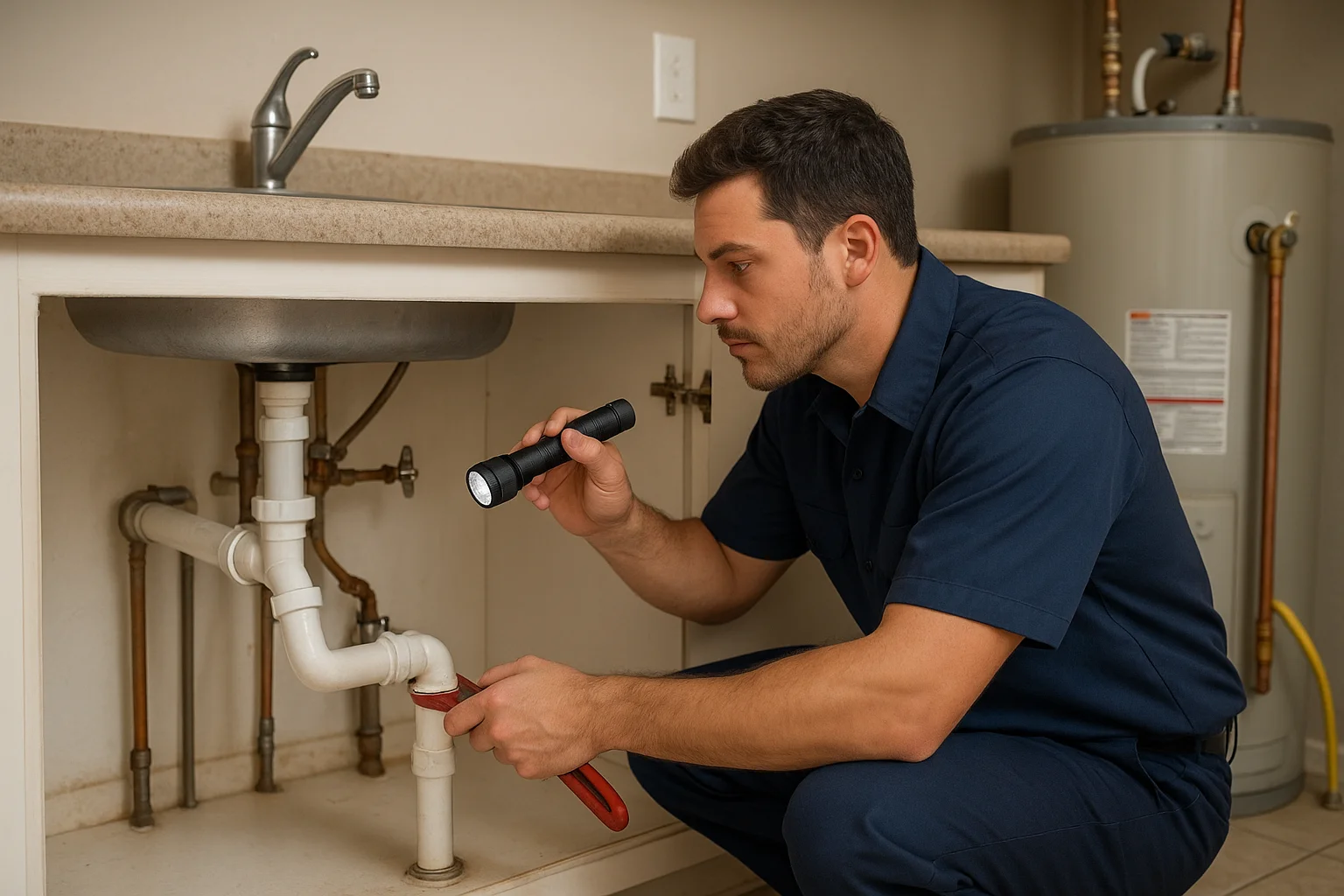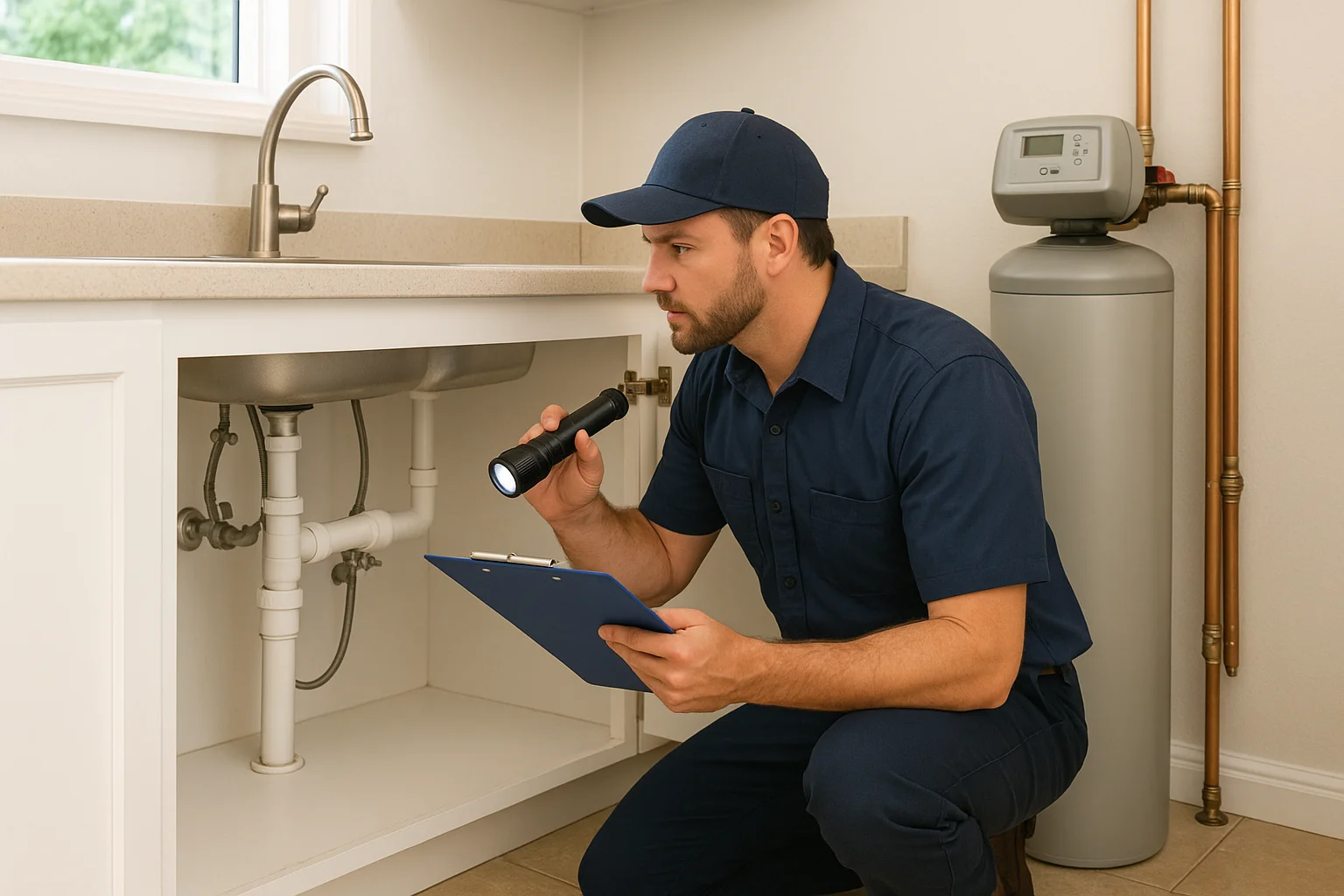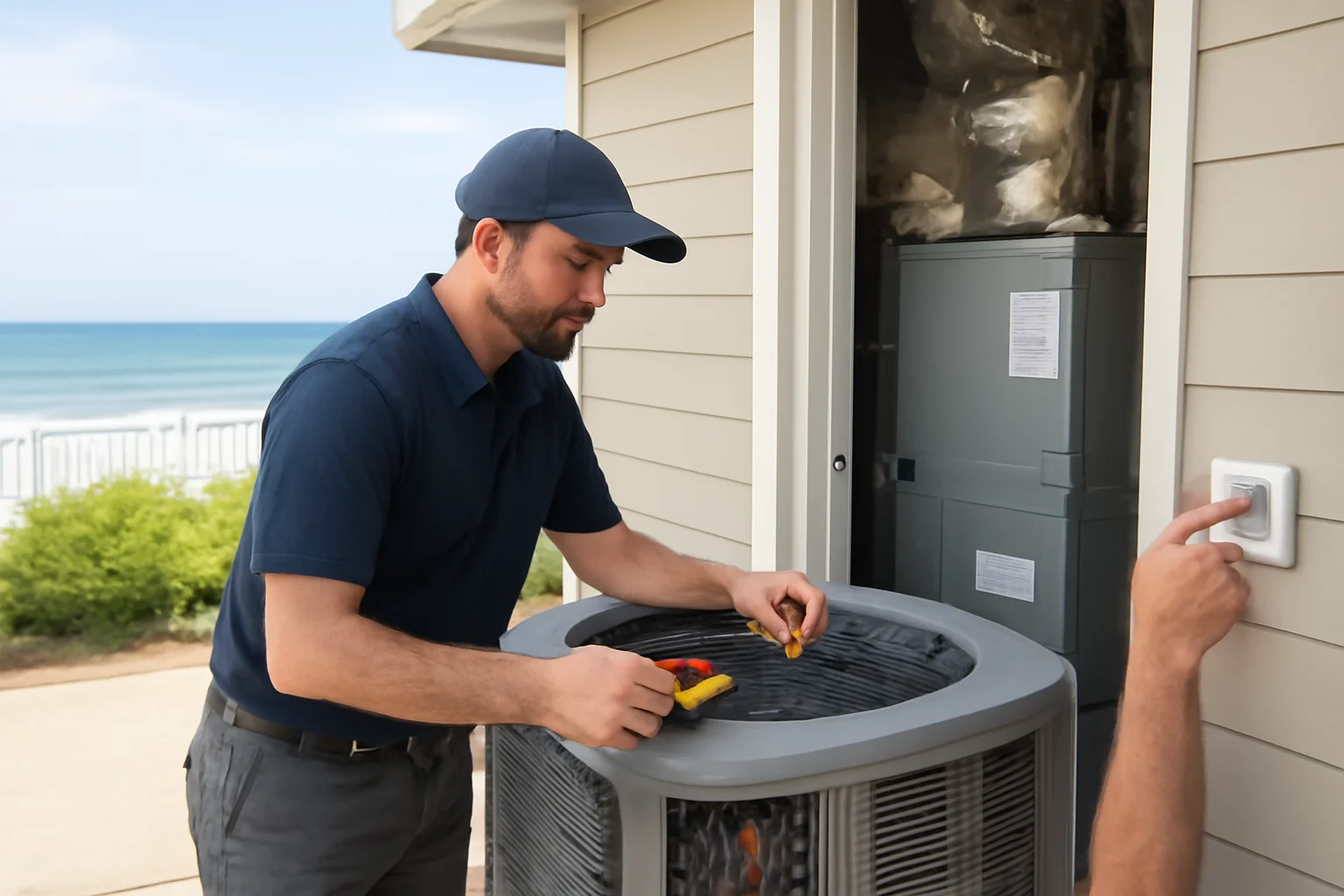
Seaside, FL is a beautiful place to live, but it is also tough on air conditioning systems. Salt air, high humidity, and long cooling seasons mean your HVAC equipment runs more often than homeowners in cooler climates. When an air conditioning installation is done without accounting for airflow, ductwork, condensate drainage, and thermostat setup, the system can start showing warning signs early. Those signs may look like “normal” wear, but they often point back to installation details that affect comfort and reliability.
This guide walks you through HVAC warning signs connected to air conditioning installation in Seaside, FL, and how homeowners can respond with preventive HVAC maintenance, timely AC repair, and better indoor air quality. If you are comparing options for air conditioning installation in Seaside, the points below can help you ask better questions and spot trouble sooner.
Why Seaside’s cooling season stresses HVAC systems more than you might expect
In Walton County, the cooling season often stretches well into the year. Warm nights, frequent humidity, and coastal air all influence how your air conditioner and heat pump operate. Even a well-built refrigerant system has to move the right amount of air through the right pathways to remove moisture and maintain consistent temperatures.
When homeowners notice uneven cooling or “works fine until it is really hot,” the cause is sometimes tied to how the system was installed. Installation factors can affect:
- Airflow across indoor coils and through ductwork
- Humidity control because moisture removal depends on proper airflow and coil performance
- Condensate drainage so water is removed safely and does not back up
- Thermostat control so the system cycles correctly and avoids comfort swings
- Energy use when airflow is restricted or duct leaks force the system to work harder
Salt air and coastal corrosion risk also make maintenance and airflow management more important. A system that is forced to run longer to reach setpoints can accumulate wear faster.
HVAC warning signs that can point to installation problems
Not every issue is caused by installation, and some problems require in-person inspection. Still, certain patterns show up often when airflow, ductwork, condensate drainage, or control settings were not handled correctly during an AC installation.
1) Uneven temperatures from room to room
If one area feels consistently warmer or cooler, the system may not be delivering airflow where it needs to go. Poorly sized ducts, leaky ductwork, or imbalanced airflow can cause comfort problems that feel like an “AC repair near me” emergency during peak heat.
During installation, ductwork layout, supply and return placement, and airflow balancing matter. If you are also seeing hot spots near bedrooms or rooms with large windows, it can be a sign that airflow is not being distributed properly.
What to do: Schedule an duct inspection and ask the technician to evaluate airflow pathways, return air, and duct sealing concerns.
2) Weak airflow from vents, especially on high-demand days
Some homeowners describe “cold air that barely moves.” Low airflow can reduce comfort and increase humidity because the system cannot remove moisture effectively. If the install did not account for duct restriction, filter setup, or blower performance matching, the system may struggle.
In Seaside’s humidity, weak airflow can lead to sticky indoor air and longer run times. That increases energy use and can stress refrigerant systems over time.
What to do: Confirm the filter type and size are correct and that air returns are not blocked. Then request an air conditioning inspection near you to evaluate the full airflow system, not just the thermostat.
3) Short cycling or frequent on-off behavior
Short cycling is when the system turns on and off too quickly. It can happen for multiple reasons, including thermostat settings, airflow problems, or improper system charge and refrigerant system operation. Homeowners should not attempt a refrigerant diagnosis themselves.
What you can look for is the pattern. If the system starts and stops frequently, especially soon after installation, it can reduce comfort, increase wear, and raise the risk of repeated callbacks.
What to do: Ask for a full performance check during an HVAC service visit. If you are searching for an HVAC service near me option, choose a contractor that evaluates airflow, controls, and condensate drainage as a system.
4) Humidity that stays high even when the temperature looks “okay”
In coastal Florida, air conditioning is not only about temperature. It is also about removing moisture. When humidity remains high, you may notice condensation on windows, musty smells, or rooms that feel clammy.
Installation issues that can contribute include airflow that is too high or too low across the indoor coil, duct leaks that pull humid air into the system, or condensate drainage that prevents proper coil operation.
What to do: Consider indoor air quality services and humidity-focused evaluation. If you want to improve how the home feels while the system runs, review why Seaside homes benefit from indoor air quality testing before comfort issues spread.
5) Water pooling, slow drains, or signs of condensate problems
Air conditioners create condensate as they remove moisture. The condensate drainage path needs to be correct and safe. After installation, homeowners should watch for water where it should not be, wet areas around the unit, or a recurring “gurgling” sound.
Condensate issues can damage components, create indoor air quality problems, and lead to safety concerns. Salt air and high humidity can make moisture management even more important.
What to do: If you see water pooling or repeated drainage problems, contact a professional promptly. Condensate drainage is part of the air conditioning installation system, not a DIY fix.
6) Thermostat behavior that does not match what you set
Sometimes the air conditioner is working, but the thermostat control is not set up correctly. Homeowners may report that the temperature never seems to reach the setpoint, the system runs longer than expected, or the unit responds oddly after schedule changes.
Thermostat installation and configuration should match the equipment and the way the home is zoned. Inaccurate sensor placement or incorrect settings can drive comfort complaints and higher energy use.
What to do: If you are asking for thermostat installation near me, request a check of thermostat placement, programming, and compatibility with the system.
7) Higher energy bills shortly after installation without a clear reason
Energy use can rise when airflow is restricted, ductwork leaks increase the amount of warm, humid air the system must handle, or the system is not operating at the intended efficiency. In Seaside, the baseline load is already high due to humidity and long cooling seasons.
If your bills jump right after installation and comfort does not improve, the issue may be installation-related. A technician should evaluate system performance with airflow and comfort in mind rather than focusing only on the thermostat or the outdoor unit.
What to do: Ask for an air conditioning inspection near you that includes airflow evaluation and duct considerations.
How proper AC installation supports better airflow and comfort
When an air conditioning installation is done correctly in Seaside, the goal is simple: deliver the right airflow to the right spaces, remove moisture effectively, and keep condensate draining properly. That is how you get comfort that feels stable rather than “on and off” all day.
Airflow and ductwork: the comfort path
Ductwork is often the difference between a system that “cools” and a system that feels comfortable. Even when the equipment is a good match, duct leaks or airflow restrictions can prevent proper distribution. Florida homes can have older ducts, tight spaces, or duct runs that were never sealed for today’s comfort expectations.
During installation, technicians should pay attention to:
- Supply and return placement
- Air sealing and duct integrity
- Airflow balance so rooms receive usable air
- Filter fit and airflow resistance
If you are dealing with persistent hot or cold rooms, a duct inspection can be a practical starting point.
Refrigerant system operation and moisture removal
The refrigerant system is designed to move heat and support cooling performance. In humid climates, moisture removal depends heavily on how the indoor coil operates and how airflow passes over it. Problems tied to installation can show up as comfort issues, high humidity, or increased run time.
Homeowners should avoid attempting refrigerant diagnosis on their own. The refrigerant system is sensitive to conditions and requires professional testing and evaluation.
Condensate drainage and indoor air quality
Proper condensate drainage is part of comfort and indoor air quality. If condensate does not drain correctly, it can lead to water damage and create conditions that worsen odor and air quality.
Professional installation includes verifying that condensate flows safely away from the equipment and that drainage components are installed to handle Florida humidity.
Thermostats and control strategy
A thermostat is the “command center” for the system. If controls are mismatched or improperly configured, homeowners can experience comfort swings, short cycling, and higher energy use. In coastal homes where the cooling load can change throughout the day, correct thermostat setup matters.
If you are installing new equipment, ask your HVAC contractor about thermostat configuration and how schedules should be set for humidity and temperature stability.
How to spot issues early after an AC installation
Many installation problems show up during the first humid stretch of summer. Instead of waiting for a full breakdown, you can monitor comfort and system behavior.
Track a few simple indicators
- Room-by-room comfort: note which areas feel off
- Airflow at vents: compare airflow strength in multiple rooms
- Humidity feel: watch for clamminess or window condensation
- Drainage: check around the indoor unit for moisture
- Thermostat behavior: note short cycling or odd responses to setpoints
If something feels wrong, it is easier to correct early than to live with constant callbacks through the rest of the cooling season.
Use preventive HVAC maintenance to reduce stress
Seaside’s long cooling season means your system is under continuous demand. Preventive maintenance helps keep airflow stable, supports refrigerant system performance, and reduces the chance that small issues become big ones.
During an AC tune up near me visit, ask your technician to evaluate airflow, check condensate drainage, inspect indoor coil and blower performance, and review thermostat and control settings as they relate to comfort.
If you manage multiple properties or rentals, you may also want to review Property Management HVAC Services to keep systems consistent across units.
Why professional local HVAC service matters in Seaside, FL
Coastal conditions change how HVAC systems perform. Salt air can influence corrosion risk, humidity can challenge moisture removal, and ductwork in older homes can limit airflow. A contractor that regularly serves Seaside and Walton County homes will be more likely to consider these realities during air conditioning installation and follow-up service.
Professional evaluation also matters because many problems can look similar from the homeowner’s perspective. Weak airflow, high humidity, and short cycling can share symptoms but have different underlying causes. An HVAC contractor near me should treat the system as a whole, not just the outdoor unit or thermostat.
If you are considering an installation or suspect the current system is struggling, start with a site-specific assessment. You can learn more about the installation process by visiting A Superior Mechanical’s air conditioning installation for Seaside, and browse the local service overview on the Seaside service area page and Walton County HVAC services.
When to call for AC repair or a comfort-focused inspection
Some homeowners try to wait out issues, but Seaside humidity can turn “small” problems into comfort and indoor air quality issues quickly. Call for air conditioner service near me or schedule an HVAC service visit if you notice any of the following:
- Humidity stays high even when temperatures are set correctly
- Water appears around the indoor unit or drainage area
- Airflow is noticeably weak compared to what you expected
- The system short cycles repeatedly
- Temperature swings are getting worse as the cooling season continues
- Energy use rises without comfort improvements
Also call promptly if you suspect the system is not handling condensate drainage properly or if you hear unusual sounds that suggest airflow or drainage concerns.
Special notes for coastal homes with ducts, additions, or multiple zones
Many Seaside-area homes have unique layouts, additions, or rooms that are harder to cool. If your home has ducted airflow challenges, you may benefit from a focused duct inspection or a design approach that improves distribution. If you are considering alternatives to ducted comfort, explore options like ductless mini-splits for targeted comfort where ductwork is limited.
For commercial properties, airflow requirements and comfort expectations can differ. If you manage commercial spaces, review Commercial HVAC Repair to keep systems dependable during peak conditions.
Preventive steps homeowners can take right now
You cannot control every factor that affects HVAC performance, but you can reduce stress on your equipment and improve comfort while you schedule professional HVAC service.
- Keep returns and vents clear: furniture, curtains, and storage can restrict airflow.
- Use the correct filter: the wrong size or type can restrict airflow and affect humidity control.
- Watch condensate drainage: any recurring moisture should be addressed.
- Set realistic thermostat schedules: sudden large setpoint changes can increase cycling.
- Plan maintenance before the hottest weeks: an AC tune up near me is easier to schedule before peak demand.
If you want a practical checklist for preparing your home before the most intense days, read Keeping Seaside Homes Ready for HVAC Emergencies.
Choosing an air conditioning installation that holds up through long summers
The best time to think about airflow and comfort is before the system is installed, not when the cooling season has already tested it. Homeowners in Seaside should look for an installation approach that considers ductwork, condensate drainage, thermostat control, and indoor air quality priorities. Those details help your refrigerant system operate as intended and reduce the chances that you will be calling for AC repair near me during the busiest weeks.
If you are comparing options for coastal homes, these local guides can also help you plan smarter: A Practical Guide to Air Conditioning Installation for Bluewater Bay Homes and A Practical Look at Air Conditioning Installation for Smarter Maintenance in Fort Walton Beach.
For homeowners who want dependable results, the most important step is a professional evaluation of your home and your comfort goals. That is how you connect correct installation to better airflow, stronger humidity control, and reliable cooling through Seaside’s long, humid season.
Find Air Conditioning Installation in Seaside, FL
If you need Air Conditioning Installation in Seaside, FL, visit our local service page or contact A Superior Mechanical today.
Map of Seaside, FL
Frequently Asked Questions
How soon after an AC installation should I expect normal cooling?
Most systems should cool within the first day, but comfort can vary with outside humidity. If you notice weak airflow, persistent high humidity, or drainage issues soon after installation, schedule an air conditioning inspection so the contractor can evaluate airflow, ductwork, condensate drainage, and thermostat control.
Can high humidity mean my air conditioner was installed incorrectly?
It can. In Seaside’s coastal humidity, moisture removal depends on proper airflow across the indoor coil and correct operation of the refrigerant system. If humidity stays high even when temperatures are set correctly, an HVAC contractor should inspect the full system rather than guessing.
What should I check for condensate drainage after installation?
Check around the indoor unit and drainage area for water pooling, recurring wet spots, or unusual sounds. If you see signs of condensate problems, contact a professional promptly since condensate drainage affects both comfort and indoor air quality.
Why does my system short cycle after the new installation?
Short cycling can be caused by multiple factors, including control settings, airflow restrictions, or issues affecting refrigerant system performance. A professional should perform an on-site evaluation to determine the cause safely.
What preventive maintenance helps most during Seaside’s long cooling season?
Preventive HVAC maintenance that includes airflow checks, inspection of condensate drainage, and evaluation of indoor coil and system performance helps reduce stress during hot, humid weeks. Ask about an AC tune up that focuses on comfort, humidity control, and energy-efficient operation.
Related Articles
- Keeping Seaside Homes Ready for HVAC Emergencies
- Why Seaside Homes Benefit From Indoor Air Quality Testing Before Comfort Issues Spread
- A Practical Guide to Air Conditioning Installation for Bluewater Bay Homes
- A Practical Look at Air Conditioning Installation for Smarter Maintenance in Fort Walton Beach
Photo Gallery