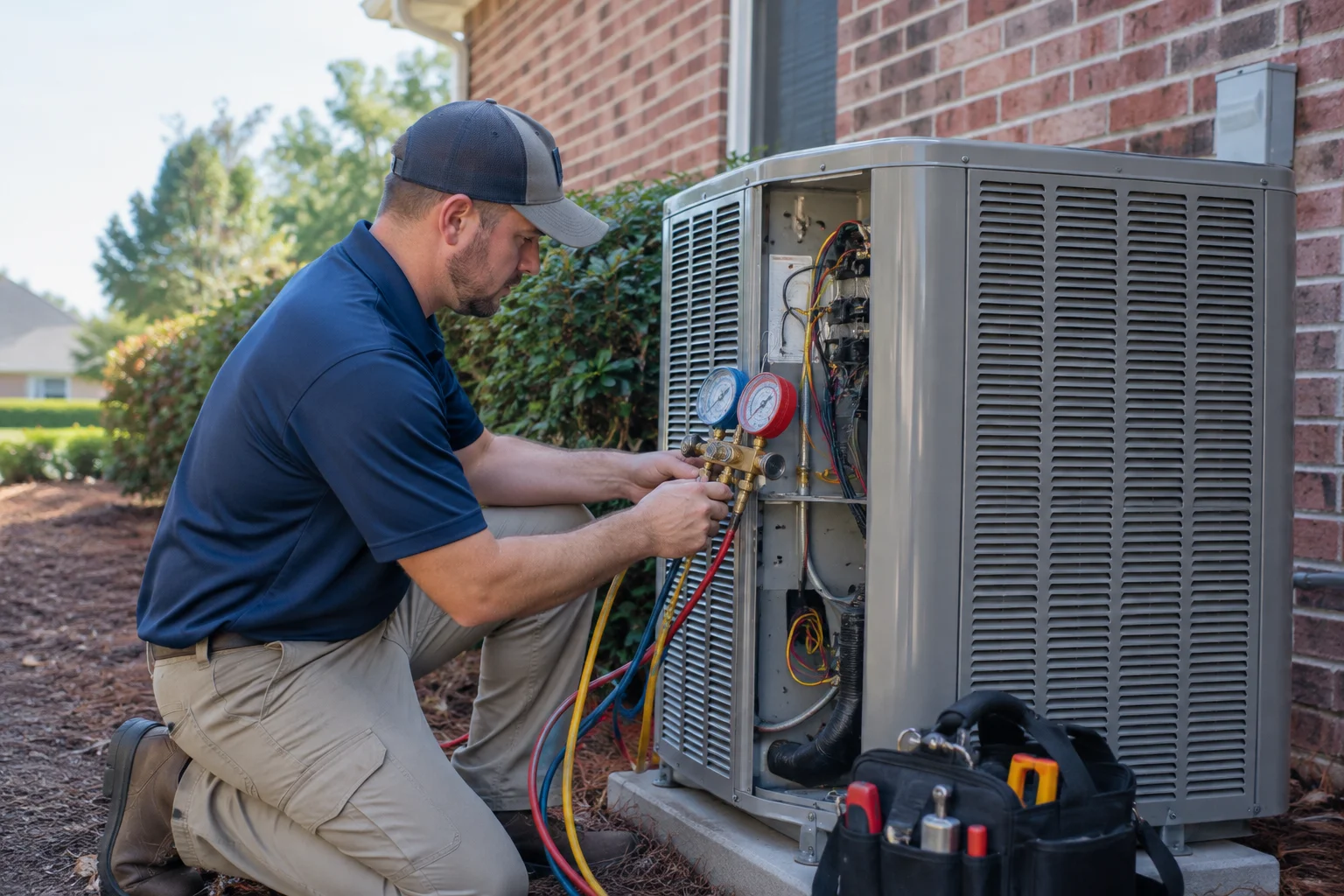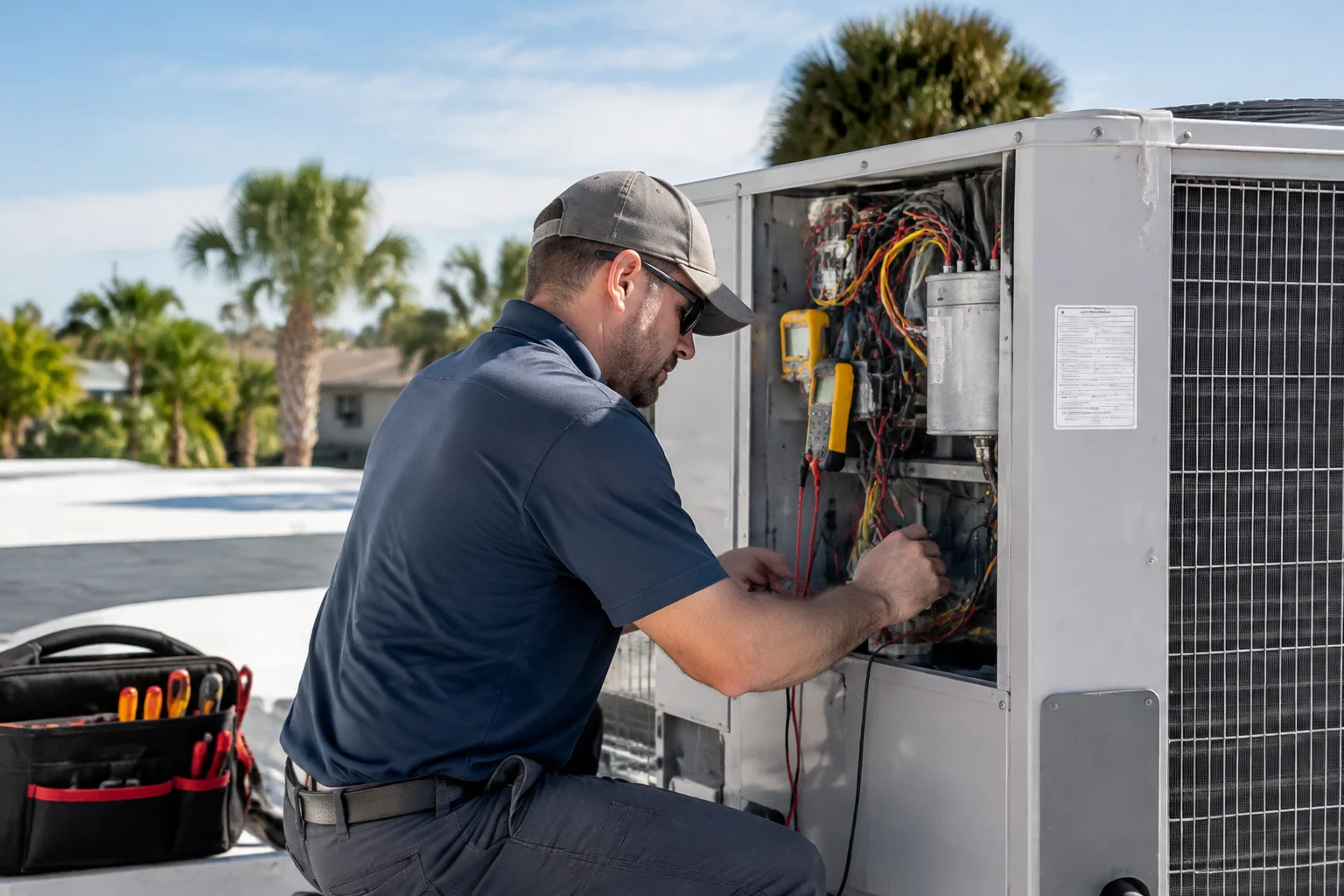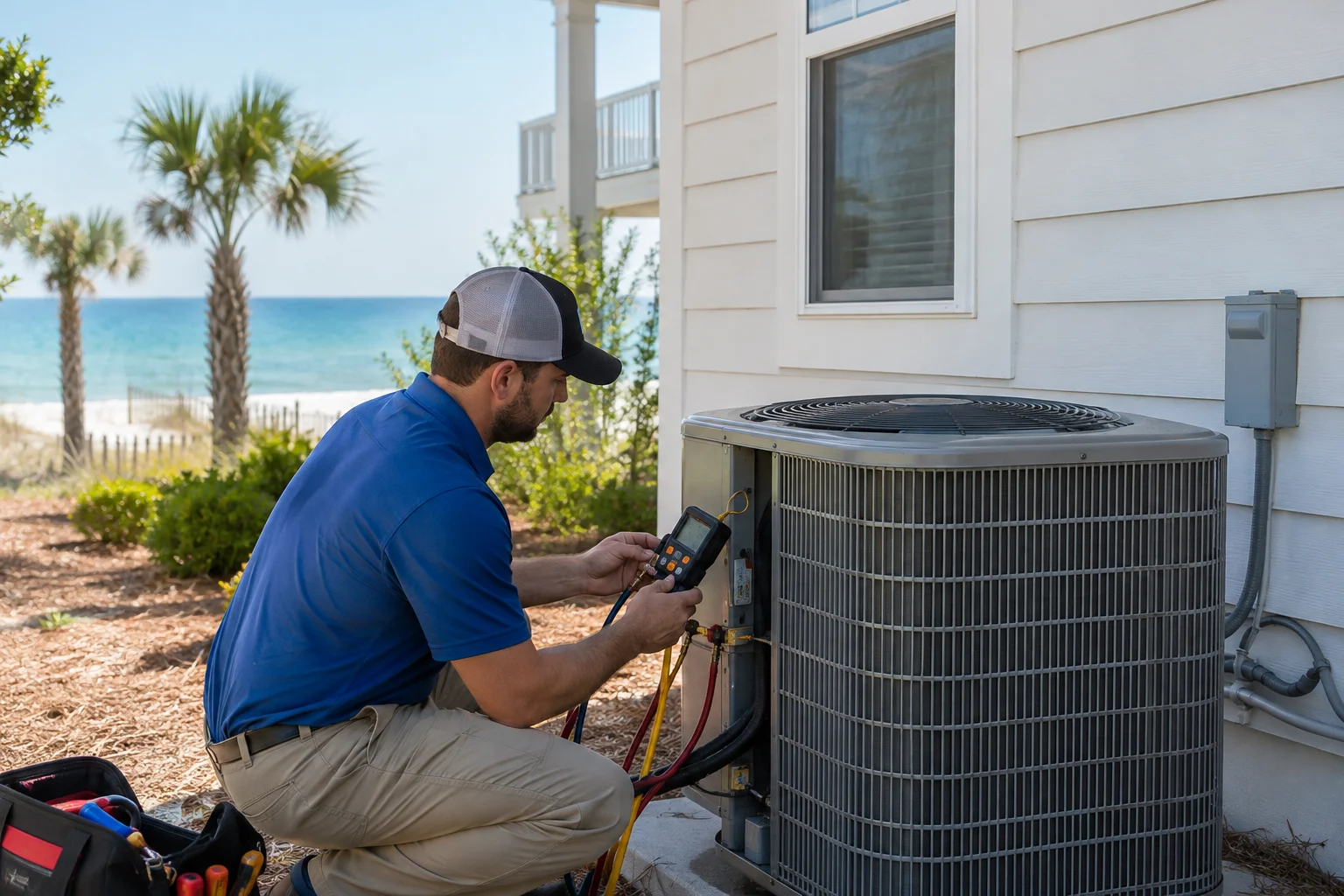
WaterColor, FL is all about comfort, but the area’s heat, humidity, and salt air can be hard on HVAC systems. Over time, normal wear and tear can change airflow, moisture control, and even how indoor air quality testing reads what is happening inside your home. That matters because the goal of indoor air quality testing is not just a number on a report. It is getting to the real cause so you can breathe easier and keep your system running efficiently.
If you are dealing with allergy symptoms, musty odors, visible condensation around vents, or rising energy use, understanding how HVAC wear impacts indoor air quality testing can help you ask better questions and choose the right next steps from a local HVAC team like A Superior Mechanical for indoor air quality testing in WaterColor.
Why HVAC wear and tear can change indoor air quality testing results
Indoor air quality testing is designed to evaluate conditions inside your home, such as humidity levels, airflow patterns, and the presence of contaminants like mold spores or allergens. But HVAC components influence those conditions every day. When the system is worn, the indoor environment often shifts in ways that testing will reflect.
In WaterColor, the combination of Florida heat and coastal moisture means HVAC systems work harder to remove humidity. When parts degrade, the system may still cool, but it may not control moisture and airflow the way it should. That can lead to conditions that affect indoor air quality and complicate interpretation of test findings.
Airflow problems can make tests look worse than expected
Airflow is the delivery system for conditioned air. If filters are clogged, blower motors are struggling, ductwork has leaks, or returns are blocked, air may not move through the home as intended. That can cause uneven temperatures and humidity pockets. Those pockets can increase the likelihood of mold growth or dust buildup in ductwork and around registers.
Testing may detect higher levels of particulates or elevated humidity in areas where air circulation is weak. Even if the source is not what you initially suspect, poor airflow can create the conditions that lead to the symptoms homeowners feel.
If you are searching for duct inspection near me or air conditioning inspection near me, ask whether the evaluation includes airflow and ductwork performance, not just a quick look at the thermostat.
Moisture control issues can contribute to mold and musty odors
For many coastal homes, moisture control is the key link between HVAC wear and indoor air quality. During cooling cycles, evaporator coils can accumulate moisture, and condensate drainage systems remove that water. When condensate drainage is restricted or poorly draining, or when the system is not removing humidity effectively, moisture can linger.
That lingering moisture can lead to musty odors and can increase the chance of microbial growth in areas connected to the HVAC system, including around the air handler and in some cases within ductwork. When indoor air quality testing is performed, elevated humidity and biological contaminants may be present because the system has been creating the right conditions.
Condensate drainage problems can be subtle. Homeowners may notice damp areas, water stains near the air handler, or recurring odors after the system runs for a while. Those clues are worth sharing with the technician before testing begins.
Refrigerant system strain can affect comfort and humidity removal
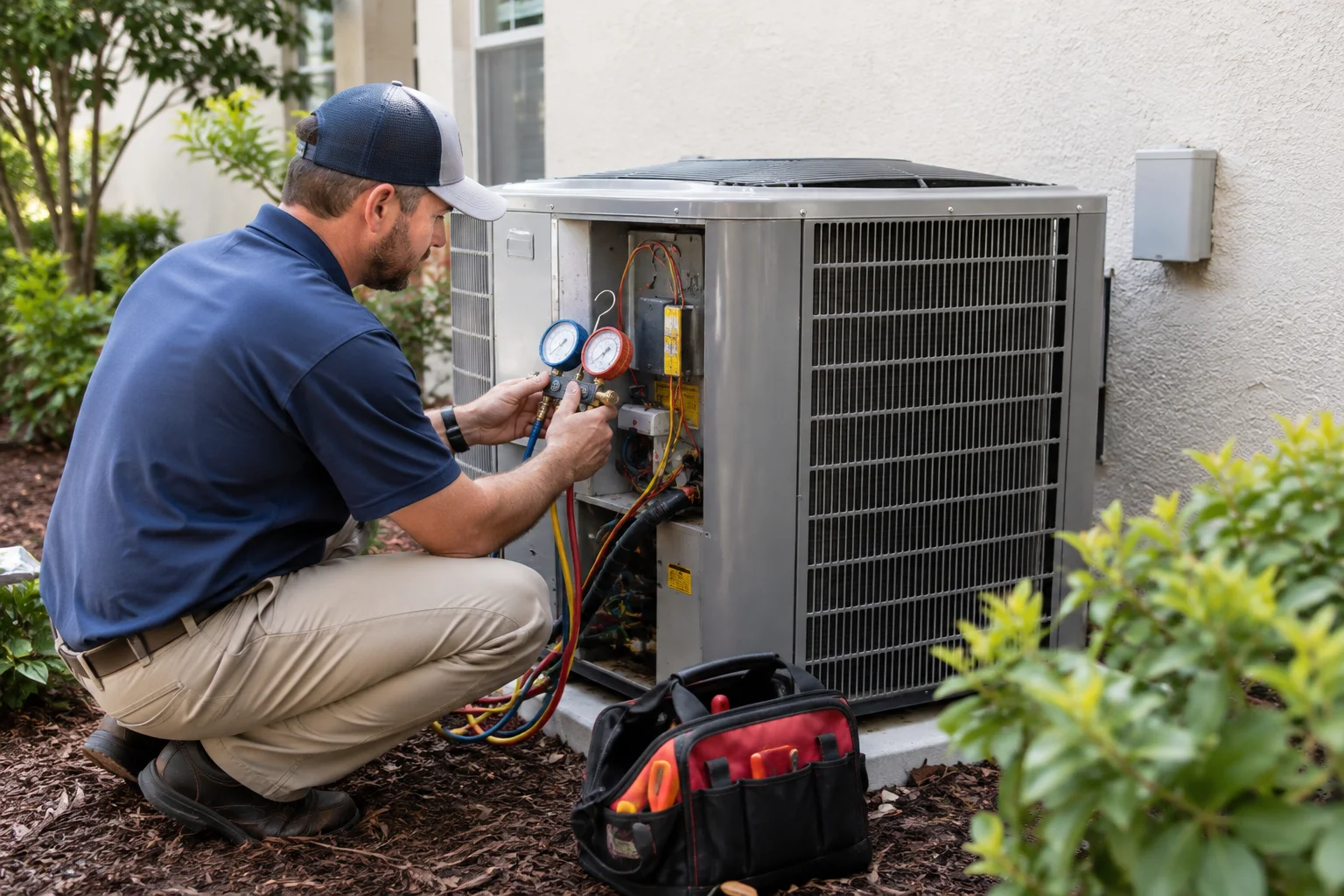
A refrigerant system is designed to move heat and remove moisture during cooling. When the system is operating outside its intended performance range due to wear, refrigerant issues, or other factors, indoor comfort can shift. That can show up as rooms that feel sticky, longer run times, or inconsistent cooling.
It is important to note that a professional must evaluate any refrigerant concerns in person. Indoor air quality testing can point toward moisture and airflow problems, but it cannot confirm the root cause of refrigerant-related performance issues without a proper HVAC assessment.
Still, refrigerant system strain is one reason homeowners in WaterColor may notice higher humidity and allergy flare-ups during peak summer months.
Common HVAC wear and tear issues in WaterColor homes
WaterColor is a coastal community, and coastal conditions can accelerate corrosion and wear on HVAC parts. Salt air can affect outdoor units and metal surfaces, while high humidity increases the likelihood of condensation and moisture-related problems. Add in Florida heat cycles, and components can degrade faster than they might inland.
Dirty or aging filters and restricted airflow
Filters trap dust and allergens, but worn systems often have airflow resistance that makes it harder to maintain proper circulation. When filters are too restrictive, neglected, or past their useful life, air may not reach rooms evenly. That can increase dust accumulation and contribute to indoor air quality concerns.
Even with high-quality filters, HVAC wear can still reduce effectiveness if the system cannot move air properly. Testing results can reflect those airflow constraints.
Ductwork leaks and poor sealing
Leaky ductwork can pull in unconditioned air from crawl spaces, attics, or other areas where humidity can be high. In coastal Walton County conditions, that extra moisture can enter the system and contribute to indoor humidity issues. Duct leaks can also reduce airflow to specific rooms, creating hotspots and cold spots that make humidity harder to control.
If your home is experiencing chronic comfort complaints, duct inspection and verification of duct sealing are often part of a comprehensive indoor air quality approach. For homeowners who want to understand duct sealing benefits in local housing, see Why WaterColor Homes Benefit from Better Duct Sealing and Aeroseal Care.
Thermostat settings and control behavior that do not match comfort needs
Thermostats influence run time, fan operation, and humidity control. A thermostat that is set up for comfort only, without attention to humidity, can lead to short cycling or inadequate dehumidification. Over time, wear in the HVAC system can make these control issues more noticeable.
Testing may show humidity patterns that align with thermostat behavior, such as persistent elevated humidity during certain periods. A licensed HVAC contractor can review thermostat settings and system behavior, but it should be done with the understanding that indoor air quality testing is broader than controls alone.
Condensate drainage clogs and drainage pan issues
Condensate drainage systems can develop clogs from algae-like buildup, debris, or biological growth, especially in humid climates. If the condensate line is restricted or the drain pan is not draining properly, moisture can build up around the air handler. That can create odors and contribute to allergens and microbial contaminants.
Homeowners sometimes assume musty odors are coming from a different source, like a bathroom or crawl space. In reality, an HVAC condensate problem can be a hidden contributor. Sharing odor timing with your technician helps connect the dots.
Heat pump aging and humidity control limitations
Many Florida homes use heat pumps because they can provide both heating and cooling. However, like any system, heat pumps wear over time. Reduced performance can affect humidity control during cooling mode, especially during peak humidity stretches.
If you are dealing with persistent humidity or comfort issues and your home uses a heat pump, consider Heat Pump Services from a local team that understands coastal conditions.
How to prepare for indoor air quality testing so results are more useful
Indoor air quality testing is most helpful when it reflects normal living conditions and when the technician can see the system’s real behavior. You can improve the usefulness of testing by preparing your home and your HVAC environment.
Keep HVAC operating normally before the test
Avoid major changes right before testing, such as turning the HVAC off for long periods or switching between heating and cooling repeatedly. Sudden changes can create temporary conditions that do not represent your usual indoor environment.
At the same time, do not ignore safety concerns. If you suspect an emergency cooling issue, do not delay getting help. In WaterColor summers, cooling outages can become urgent quickly.
Tell the technician about symptoms and timing
Share what you have noticed: musty smells when the system runs, allergy symptoms that spike after AC cycles, condensation around registers, or rooms that feel damp even when the thermostat is set appropriately. Mention any recent AC tune up near me searches you have considered, filter changes, or whether the system has been serviced recently.
Timing matters. If odors appear after a certain number of hours of cooling, that pattern can help connect HVAC wear to indoor air quality conditions.
Check for obvious airflow blockages
Before testing, make sure supply and return vents are not blocked by furniture, curtains, or storage. If you have ductwork access panels, do not open them unless your technician instructs you to. The goal is to avoid changing the system’s airflow path in a way that makes the test less representative.
Confirm filter type and age
Filters affect both airflow and particulate levels. Let your technician know when the last filter change occurred and what type you are using. If you are not sure, it is still okay. A professional can guide you, but providing details helps the testing interpretation.
What professionals look for when HVAC wear might be driving indoor air quality issues
When homeowners request indoor air quality testing in WaterColor, the best results often come from combining testing with HVAC performance evaluation. That means the technician should consider how the HVAC system creates or prevents indoor problems.
Airflow verification and ductwork performance
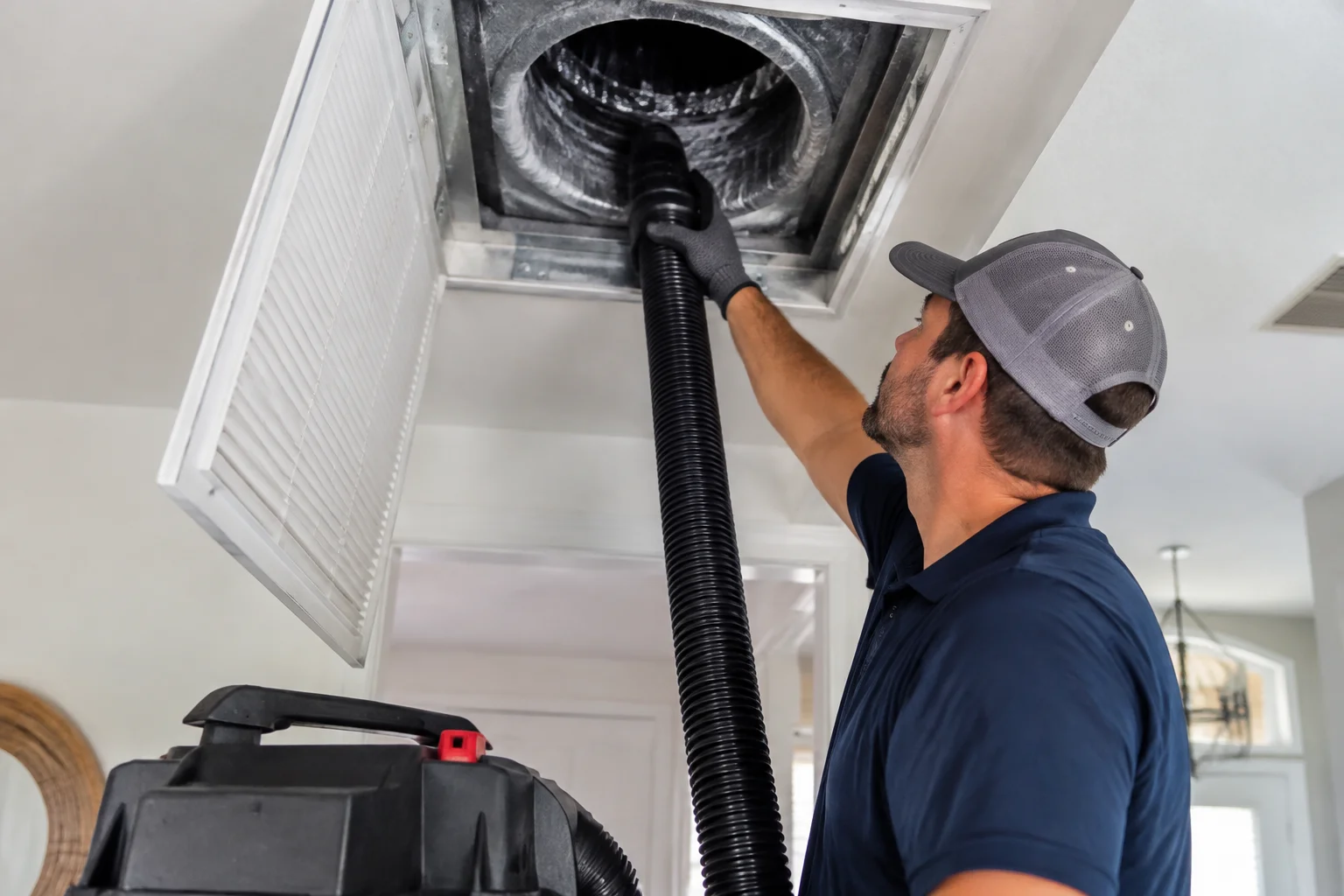
Professionals typically evaluate airflow to confirm that air is moving through the system the way it should. Duct inspection can identify leaks, poor connections, or signs of moisture exposure. If you are trying to decide whether to schedule duct cleaning near me, remember that cleaning alone does not fix the underlying cause if the ducts are being affected by leaks or persistent humidity.
If ductwork is contributing to indoor air quality concerns, sealing and performance adjustments may be part of the plan alongside testing. For related reading, see Better Duct Sealing.
Humidity and condensation pathways
Testing may include humidity measurement and evaluation of moisture pathways connected to the HVAC system. Technicians look for signs of condensate drainage problems, coil conditions, and where moisture might be accumulating. In Florida humidity, these checks are especially important because small drainage issues can have larger consequences over time.
System operation and thermostat behavior
Indoor air quality issues can appear to be allergy problems when the real driver is comfort and humidity control. Professionals review how the system runs, how the thermostat controls cycles, and whether the system is maintaining stable conditions.
For homeowners who want to reduce the chance of mid-summer breakdowns, pairing indoor air quality testing with preventive HVAC maintenance is often a smarter move than waiting for symptoms to worsen. It can also help manage energy use by keeping the system operating efficiently under Florida heat loads.
When HVAC problems and indoor air quality concerns overlap
Some indoor air quality complaints in WaterColor are closely tied to HVAC wear and tear. Knowing the overlap can help you decide what to test and what else to evaluate.
Musty odors that return after the AC runs
Musty odors that are tied to cooling cycles can point to moisture accumulation, condensate drainage issues, or microbial growth connected to the air handler or duct system. Indoor air quality testing can help confirm the presence of contaminants, but it should be paired with HVAC inspection so the source is addressed.
Allergy-like symptoms that spike during humid weather
During hot, humid stretches, moisture and dust can become more problematic. If the HVAC system is not removing humidity effectively because of wear, symptoms may intensify. Testing can help identify allergens, but HVAC performance evaluation is often what prevents recurrence.
Uneven comfort and persistent humidity in certain rooms
If some rooms feel damp or stale, airflow and ductwork performance are common culprits. Testing can show where conditions are elevated, while duct inspection and sealing checks can address why those conditions persist.
Preventive maintenance that supports better indoor air quality testing outcomes
Indoor air quality testing is a snapshot. Preventive HVAC maintenance is the ongoing plan that keeps the system from creating new problems between tests.
Replace filters on schedule and match the system’s airflow needs
Filters should be sized for your system and replaced based on the manufacturer’s guidance and your home’s conditions. Coastal dust, pollen, and everyday debris can increase filter loading. When filters are neglected, airflow can drop and particulate levels can rise.
Schedule AC tune ups before peak humidity stretches
Florida summers do not wait. Scheduling preventive work ahead of the hottest months can help the system maintain airflow, humidity control, and reliable operation. If you are looking for AC tune up near me, choose a licensed HVAC contractor who understands indoor air quality impacts, not just cooling performance.
Include condensate drainage checks during maintenance
Because condensate drainage issues can contribute to moisture and musty odors, maintenance should include checking drainage pathways and confirming proper removal of condensate. In humid climates, these checks matter.
Address ductwork and airflow gaps, not just visible symptoms
Homes in WaterColor can have different layouts and construction details. Ductwork performance can vary from room to room. When duct leaks or airflow restrictions exist, humidity and contaminant pathways can worsen. That is why homeowners often benefit from combining indoor air quality testing with ductwork evaluation.
Why local, professional HVAC service matters in WaterColor
Indoor air quality testing is only as useful as the HVAC context behind it. A local licensed HVAC contractor in Walton County understands the kinds of humidity patterns, airflow challenges, and coastal wear that show up in real homes. They also know how to interpret testing findings in a way that leads to practical solutions.
That matters for both homeowners and property managers. If you manage rentals or a larger property portfolio, the indoor air quality stakes are higher because multiple occupants and frequent turnover can make issues harder to spot. For property management considerations, explore Property Management HVAC Services.
For homeowners wondering about system replacement versus repair, indoor air quality testing can be part of the decision process, but it should not be the only factor. If your system is showing repeated performance problems tied to moisture control, airflow, or refrigerant system strain, a professional evaluation is needed before making any replacement decisions. That is especially true when you are trying to balance comfort, indoor air quality, and energy use in Florida heat.
Emergency cooling concerns and urgent indoor air quality risks
Sometimes the issue is not just air quality. It is emergency cooling. If your AC stops working during a hot spell, indoor humidity can rise quickly. That can worsen comfort and potentially increase moisture-related risks while you wait for repairs.
If you are facing an urgent problem, search for emergency AC repair near me and prioritize getting cooling restored safely. Once the system is running again, an HVAC professional can then evaluate whether the shutdown contributed to moisture issues that should be addressed alongside indoor air quality testing.
Getting the right next step after testing
After indoor air quality testing, it is common for homeowners to ask whether the results mean they need duct cleaning, a whole home air purifier, or HVAC repairs. The most helpful plan usually matches the findings to the actual HVAC conditions in your home.
For example, if testing points to humidity-driven problems, addressing moisture control and airflow may prevent the issue from returning. If testing indicates elevated particulates, filter strategy and duct performance can matter. If you are considering air purification, discuss options like a whole home air purifier near me with your HVAC contractor and connect it to the system’s ability to move air correctly.
If your system is aging and comfort is consistently slipping, you may also want to discuss Air Conditioning Replacement as part of a broader indoor comfort and indoor air quality plan. A professional can help you understand what replacement would address and what repairs could be a better first step based on your in-home evaluation.
To learn more about how A Superior Mechanical approaches indoor air quality testing and HVAC performance in the area, visit our WaterColor service area or review Walton County HVAC services.
If you are planning indoor air quality testing in WaterColor, FL, bring your observations, schedule around normal HVAC operation, and ask how HVAC wear and airflow, humidity, condensate drainage, thermostats, and ductwork performance can influence what the test finds. That conversation is often the difference between a report that sits on a shelf and results that improve the air you breathe.
Find Indoor Air Quality Testing in WaterColor, FL
If you need Indoor Air Quality Testing in WaterColor, FL, visit our local service page or contact A Superior Mechanical today.
Map of WaterColor, FL
Frequently Asked Questions
Can HVAC wear make indoor air quality testing results seem worse?
Yes. When filters, airflow, ductwork, or moisture control are worn or failing, the HVAC system can create the conditions that testing detects, such as higher humidity, more particulates, or signs of microbial growth pathways. Testing is most useful when it is paired with an HVAC performance evaluation.
What HVAC issues in WaterColor most often affect indoor air quality?
In coastal Florida homes, common contributors include restricted airflow, leaky or poorly sealed ductwork, condensate drainage problems, and reduced humidity removal performance during cooling. Salt air and high humidity can accelerate wear on components, which can increase indoor moisture and contaminant buildup.
Should I run my AC differently before indoor air quality testing?
Try to keep HVAC operation as normal as possible before the test so results reflect typical conditions. Avoid major shutdowns or frequent thermostat changes right before testing. If there are comfort or emergency cooling concerns, address those first with a professional.
Does indoor air quality testing replace the need for an AC repair or heat pump repair?
No. Testing can help identify indoor conditions and likely contributing factors, but it does not confirm mechanical causes like airflow restrictions, condensate drainage issues, or refrigerant system performance. Repairs should be based on an in-person HVAC evaluation.
When is duct cleaning the right follow-up to testing?
Duct cleaning can be helpful in certain situations, but it is not always the best first step. If moisture control, duct leaks, or airflow restrictions are driving the issue, cleaning alone may not resolve the root cause. An HVAC contractor should connect testing findings to ductwork performance before recommending next steps.
Related Articles
- Why Commercial HVAC Systems Struggle in WaterColor Homes and How to Stay Ahead of It
- Why WaterColor Homes Benefit from Better Duct Sealing and Aeroseal Care
- Keeping WaterColor Homes Comfortable Without the Emergency Call
- Indoor Air Quality Testing That Helps Inlet Beach Homes Stay Comfortable Longer
Photo Gallery