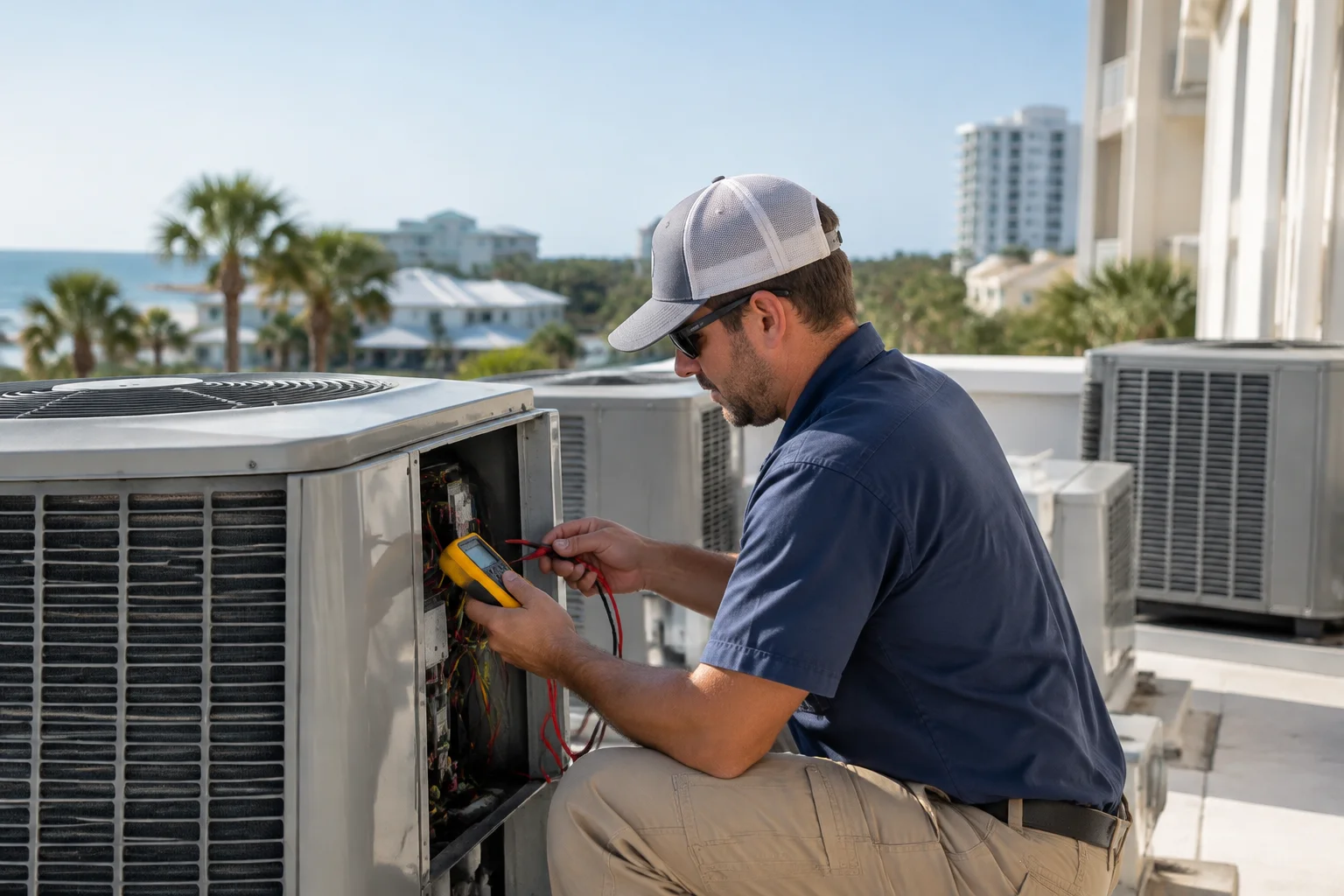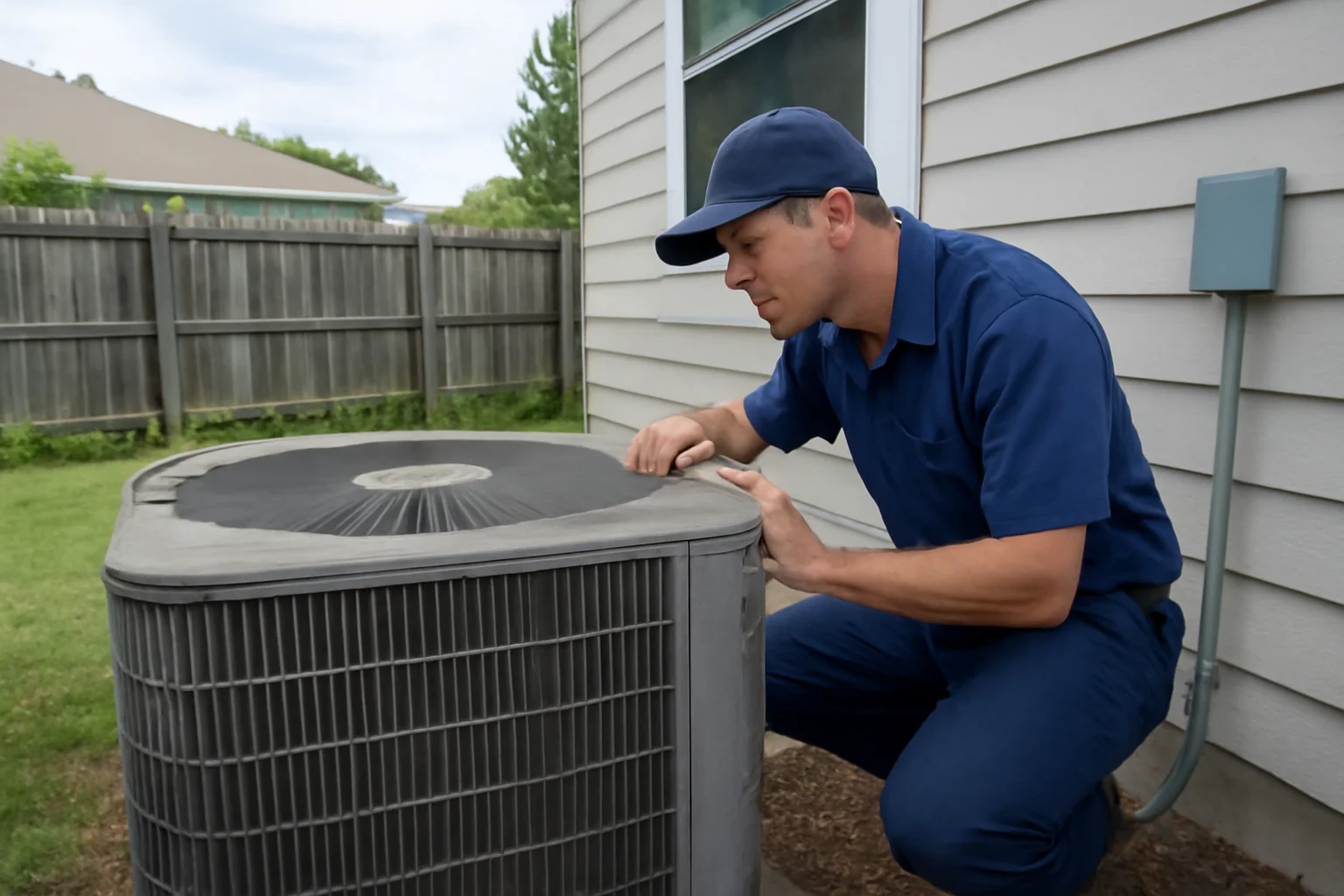
Panama City Beach homeowners and property managers rely on air conditioning to keep rentals, condos, and commercial spaces comfortable through Florida heat and humidity. But HVAC systems do not wear out evenly. Over time, the combination of coastal salt air, long cooling seasons, and everyday usage can change how your equipment moves air, controls humidity, and manages refrigerant. When that happens, cooling performance drops, indoor air quality can suffer, and energy use often rises.
A Superior Mechanical provides property management HVAC services in Panama City Beach, FL designed for the realities of rentals, HOAs, and multi-unit buildings. This guide explains how HVAC wear and tear affects cooling performance, what to watch for, and how preventive maintenance helps you avoid emergency cooling concerns.
Why coastal conditions in Panama City Beach accelerate HVAC wear
Panama City Beach sits in a marine environment where humidity is persistent and salt air can drift inland. Those conditions affect multiple parts of an HVAC system at the same time:
- Heat and humidity load: With warm, humid air outdoors, your system has to remove moisture while cooling. When components age, moisture removal often becomes less consistent.
- Salt air and corrosion: Outdoor coils, fan assemblies, and electrical components can corrode faster. Corrosion can restrict airflow and reduce heat transfer.
- Dust and pollen: Airborne particles build up on filters, blower components, and coils, especially in busy coastal neighborhoods.
- Long runtimes: In Bay County, the cooling season can feel relentless. Long runtimes increase wear on motors, belts, bearings, and refrigerant systems.
For property managers, that wear is amplified by frequent thermostat changes, different occupant schedules, and sometimes tighter temperature set points. The result is not always a total system failure. More often, it is a gradual decline that shows up as weaker cooling, higher utility bills, and increased service calls.
How HVAC wear and tear affects cooling performance, step by step
Cooling comfort depends on a coordinated process: the thermostat calls for cooling, the system moves air through ductwork and across coils, refrigerant absorbs heat indoors, and condensate drainage removes moisture. Wear and tear can disrupt any part of that chain.
1) Airflow problems from dirty filters, worn blowers, and duct restrictions
Airflow is the foundation of cooling performance. If airflow drops, the indoor coil cannot absorb heat effectively, and the system often runs longer to reach the set temperature.
Common causes include:
- Dirty or mismatched filters that restrict airflow
- Worn blower motors or bearings that reduce fan performance
- Leaky or restricted ductwork that changes static pressure and airflow balance
- Coil buildup that reduces heat transfer
In property-managed buildings, airflow issues can show up as uneven temperatures between units, hot spots near supply registers, or complaints that one room never feels cool. If you are searching for duct inspection near me or duct repair near me, it is often because airflow has already become a comfort issue.
2) Refrigerant system wear that reduces heat transfer efficiency
Refrigerant systems are designed to move heat from indoors to outdoors. Over time, wear can impact performance through factors like coil contamination, insulation degradation, and component aging. Even when a system is still cooling, reduced heat transfer can cause:
- Longer run times to reach the thermostat set point
- Warmer supply air during peak humidity periods
- Higher energy use due to inefficient operation
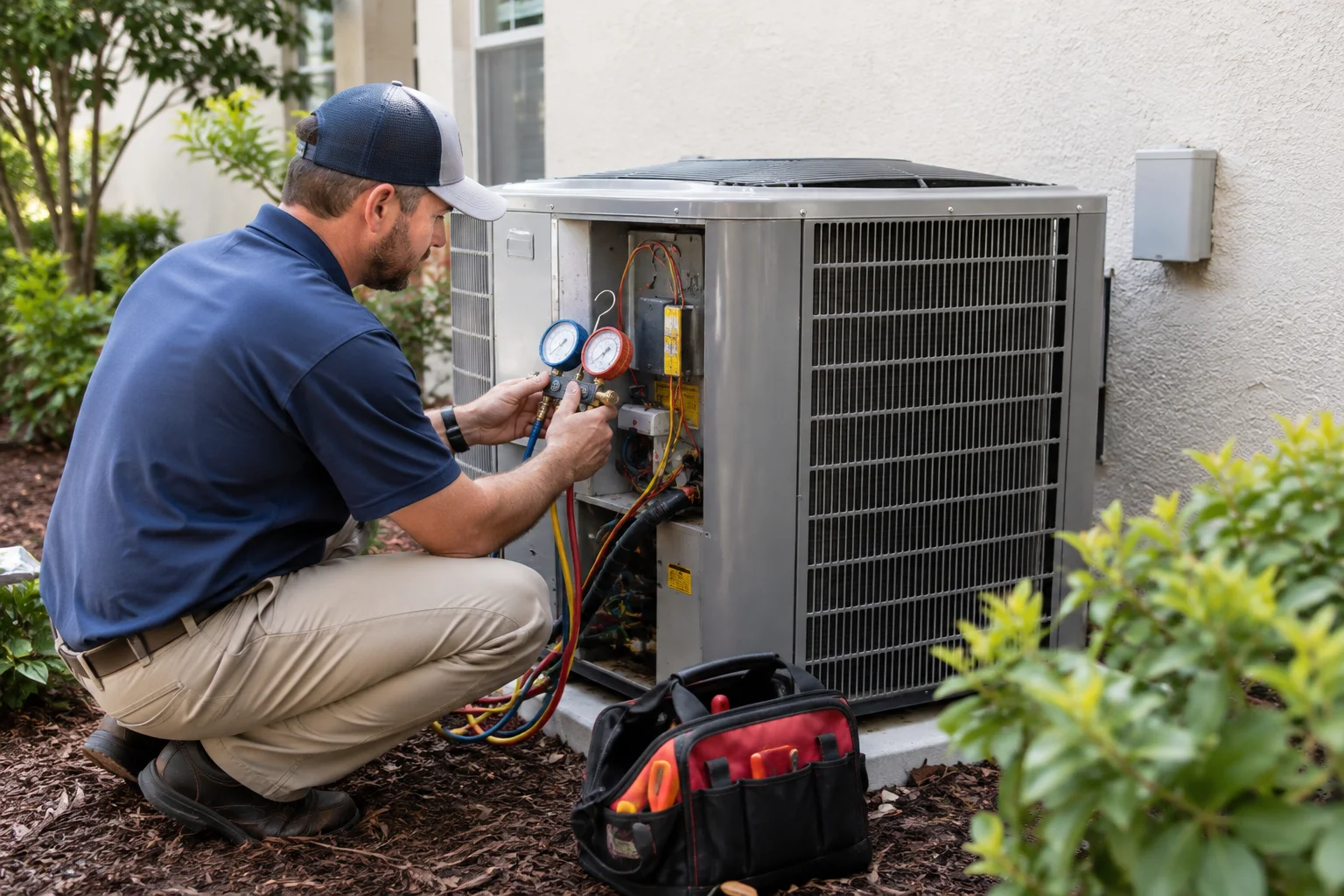
It is important to note that refrigerant performance concerns should be evaluated in person. Homeowners and property managers should not attempt to “self-diagnose” refrigerant issues based on temperature alone. A professional HVAC repair near me evaluation can check system operation and conditions before recommending any next steps.
3) Condensate drainage issues that affect humidity control and comfort
When an air conditioner cools, it removes moisture from indoor air. That moisture drains through condensate drainage components. Wear and tear can lead to:
- Slow draining or clogs that cause water to back up
- Overflow risks in drain pans or drain lines
- Moisture-related indoor air quality concerns when drainage is not functioning properly
In humid Florida weather, condensate drainage problems can become more noticeable during heavy cooling days. Property managers often see symptoms such as musty odors, damp areas around equipment, or recurring humidity complaints that do not improve even when temperatures are adjusted.
4) Thermostat and control issues that create comfort and cycling problems
Thermostats do more than set a temperature. They influence how often the system cycles and how consistently it maintains indoor conditions. Wear and tear or mismatched control settings can cause:
- Short cycling that reduces efficiency and increases wear
- Inconsistent temperature readings
- Poor scheduling for rentals or multi-unit occupancy
Sometimes the thermostat is the easiest part to update, but it still needs to be evaluated for compatibility with the HVAC system. If you are considering thermostat installation near me, it is smart to coordinate the change with an HVAC technician who understands your equipment type and airflow needs. For property-managed sites, smart controls can help with scheduling, but the system still has to be physically ready to cool effectively.
5) Coil and drain pan corrosion that reduces performance over time
Salt air and humidity can accelerate corrosion on indoor and outdoor coils and in drainage components. When coils lose efficiency, the system may struggle to cool during the hottest parts of the day. When drain pans and related parts age, moisture removal can become less reliable.
This is one reason that preventive HVAC maintenance matters so much in coastal climates. Preventive work helps address buildup and wear before it turns into a tenant comfort issue.
What property managers typically notice as systems age
Wear and tear often presents as patterns rather than one dramatic failure. Here are common property-management HVAC service triggers in Panama City Beach:
- Cooling complaints that cluster in humid weeks, especially in upper-floor units
- Higher energy use compared to prior seasons, even when thermostat schedules are similar
- Uneven temperatures across rooms or between units
- Frequent callbacks after an AC tune up or filter change, suggesting a deeper system or airflow issue
- Musty smells or persistent humidity that suggests drainage or indoor air quality concerns
Homeowners searching for AC repair near me often describe similar symptoms. For property managers, the added challenge is coordinating access, documenting issues, and keeping multiple units running. That is where a consistent maintenance plan and local expertise help.
Indoor air quality impacts that show up when HVAC performance slips
Cooling is not only about temperature. In Florida humidity, comfort also depends on controlling moisture and limiting indoor contaminants. When HVAC systems age, indoor air quality can decline due to:
- Reduced airflow that limits how effectively air is filtered and circulated
- Coil and drain pan buildup that can contribute to odors
- Filter bypass from poor fit or restriction
- Dust accumulation in ductwork and at registers
If tenants or homeowners complain about allergies, stale air, or lingering odors, it is worth discussing indoor air quality testing and an HVAC inspection focused on airflow and moisture control. If you are also considering how HVAC wear and tear changes the way duct cleaning works in Panama City Beach homes, you will get a better sense of why ductwork condition and system airflow matter before cleaning becomes a “band-aid.”
Why energy use rises when systems wear out
Wear and tear often increases energy use because the system has to work harder to deliver the same comfort. Common drivers include:
- Lower airflow that forces longer run times
- Coil inefficiency that reduces heat transfer
- Control issues that cause short cycling or inconsistent operation
- Moisture management problems that lead to higher sensible and latent load
For property managers, energy use is not just a utility line item. It also affects budgeting and can influence tenant satisfaction. Coordinating AC tune up near me and preventive maintenance can help you keep cooling performance stable through the season.
Signs it is time for property-managed HVAC service
Some issues require immediate attention, especially when occupants are relying on cooling to stay safe and comfortable in Florida heat.
Watch for these cooling performance and comfort red flags
- Air feels cooler one day and noticeably warmer the next, without thermostat changes
- System runs longer than usual to reach temperature
- Uneven cooling across rooms or units
- Visible moisture around equipment, or recurring drain pan concerns
- Musty odors or persistent humidity complaints
- Strange noises from the indoor blower or outdoor unit
Emergency cooling concerns: when to treat it as urgent
During extreme heat and high humidity, a non-functioning AC can become an urgent issue for tenants, especially in multi-unit properties where access can be delayed. If the system stops cooling or fails to respond to thermostat calls, emergency service may be appropriate. For homeowners and property managers, searching for emergency AC repair near me is often the first step when cooling performance is no longer reliable.
A Superior Mechanical can help assess the situation in person and recommend the safest next actions based on the system’s actual operating conditions.
Preventive HVAC maintenance that protects cooling performance
Preventive maintenance is the most practical way to reduce wear and tear effects. Instead of waiting for performance to drop, routine service focuses on airflow, heat transfer, controls, and drainage.
What maintenance should cover for coastal property performance
- Air filter and airflow checks to support consistent temperature and humidity control
- Coil inspection and cleaning as needed to maintain heat transfer efficiency
- Condensate drainage inspection to support proper moisture removal
- Thermostat and control verification for accurate operation and scheduling
- Airflow and ductwork evaluation to identify restrictions that reduce cooling
If you manage older buildings, ductwork issues can be more common. For example, ductwork that has shifted, been modified, or developed leaks can reduce airflow and increase the workload on the air conditioner. If duct issues are beyond simple repair, some properties may need duct replacement as part of a comfort improvement plan.
Maintenance planning for rentals and HOAs
Property management HVAC services need to fit real schedules. A good plan typically includes:
- Seasonal tune ups before peak cooling demand
- Documented service history per unit
- Clear communication for tenant access and thermostat settings
- Consistent checks of airflow, drainage, and indoor comfort trends
For larger properties, coordinating commercial-style care can also help. If you are managing buildings exposed to coastal conditions, you may find it helpful to read Keeping Panama City Beach properties comfortable with commercial HVAC care that holds up to coastal weather.
When repairs are not enough: system replacement considerations
Wear and tear can eventually push an HVAC system beyond reliable comfort. While replacement decisions should always be based on an in-person evaluation, homeowners and property managers can prepare for that possibility by watching for patterns like repeated repairs, persistent airflow problems, or drainage and coil issues that do not resolve with maintenance.
If you are weighing HVAC replacement near me options, focus on the full system, not just a single component. Cooling comfort depends on the match between the air handler, ductwork, thermostat control, and outdoor unit performance. A professional can help you understand what is happening in your specific property and what steps make sense next.
How A Superior Mechanical supports property managers in Bay County
Property-managed HVAC systems face unique pressure: turnover schedules, tenant expectations, and the need to keep cooling performance dependable in coastal Florida. A Superior Mechanical works with property managers, HOAs, rentals, and commercial buildings across Bay County through a service approach built around comfort, airflow performance, and moisture control.
If you are ready to improve cooling reliability, start with an inspection through this property management HVAC services page and explore the broader service area at Panama City Beach or Bay County.
You can also connect comfort improvements to upgrades that support better control. For example, if your building has inconsistent schedules or temperature drift, reviewing smart thermostats or heating control systems may help, as long as the underlying HVAC system and ductwork can deliver the airflow the controls are asking for.
For longer-term reliability planning, the guidance in A Panama City Beach homeowner’s guide to commercial HVAC maintenance and better system reliability can also be useful for property managers building a proactive maintenance schedule.
Find Property Management HVAC Services in Panama City Beach, FL
If you need Property Management HVAC Services in Panama City Beach, FL, visit our local service page or contact A Superior Mechanical today.
Map of Panama City Beach, FL
Frequently Asked Questions
How does HVAC wear and tear usually show up in rental and condo units?
Most property managers notice gradual cooling performance changes, such as longer run times, uneven temperatures between rooms, higher humidity complaints, or recurring callbacks after basic maintenance. These symptoms often point to airflow restrictions, coil buildup, or condensate drainage issues that develop over time.
Can dirty ductwork or duct leakage reduce cooling performance in Panama City Beach homes?
Yes. If ductwork has leaks, restrictions, or poor airflow balance, the air conditioner has to work harder to move conditioned air. That increases energy use and can make humidity control less consistent in Florida heat and humidity.
What should property managers check first when a system runs but does not cool well?
Start with airflow and moisture management indicators such as filter condition, supply and return airflow, and any signs of condensate drainage problems. A professional inspection is still important because refrigerant system performance and coil efficiency must be evaluated based on actual operating conditions.
Is it safe to handle refrigerant issues without an in-person HVAC evaluation?
No. Refrigerant system concerns require on-site assessment and proper testing. Temperature differences alone are not enough to confirm a refrigerant diagnosis, and attempting DIY fixes can create safety and performance risks.
When should we treat AC problems as an emergency in Bay County?
If the system stops cooling during extreme heat and humidity, tenants may need urgent assistance to maintain safe indoor conditions. If you are searching for emergency AC repair near me, it usually means cooling is not reliable and access and comfort are time-sensitive.
Related Articles
- Why Professional HVAC Service Matters for Panama City Beach Air Conditioning
- How HVAC Wear and Tear Changes the Way Duct Cleaning Works in Panama City Beach Homes
- Keeping Panama City Beach Properties Comfortable with Commercial HVAC Care That Holds Up to Coastal Weather
- A Panama City Beach Homeowner’s Guide to Commercial HVAC Maintenance and Better System Reliability
Photo Gallery