Smart thermostats promise better control, smoother comfort, and convenient HVAC scheduling. In Laguna Beach, FL, where summer heat, humidity, and salt air stress HVAC systems, a well-installed thermostat can help your air conditioner or heat pump run more effectively. But when installation details are missed, homeowners often feel the effects quickly: rooms that stay too warm, unexpected system cycling, or humidity that never seems to improve.
This guide explains what can cause problems with smart thermostat installation in Laguna Beach, FL, how those issues show up as comfort problems, and how to plan for repairs safely. It also covers what preventive HVAC maintenance and proper HVAC controls service can do to reduce the chances of a repeat problem.
Why smart thermostat installation can affect comfort in Laguna Beach
In the Laguna Beach area, many homes rely on air conditioners, heat pumps, or packaged systems that must manage both temperature and indoor humidity. Florida air is warm and moisture-laden, and salt air can add corrosion stress to HVAC components over time. Your thermostat is the control center that coordinates system operation, fan behavior, and staging logic. When the thermostat does not match your HVAC wiring and equipment configuration, comfort issues follow.
Smart thermostats also encourage more frequent communication between the controller, the HVAC equipment, and sometimes zoning or secondary controls. That means installation details matter even more than with a basic programmable thermostat.
Comfort problems homeowners notice after installation
Many thermostat issues look similar from the outside. Here are common comfort complaints that often trace back to installation or configuration problems:
Rooms feel too hot or too cold
If the thermostat senses temperature incorrectly, or if the system runs in a way that does not match your ductwork and airflow, some rooms may swing more than others. This can be especially noticeable in homes with long duct runs, supply vents that are partially blocked, or rooms that are affected by coastal sun exposure.
Short cycling or frequent start and stop
When the thermostat settings, equipment type, or control wiring do not align with the HVAC system, the unit may start and stop more often than it should. Short cycling can lead to uneven comfort and higher wear on cooling and heating components.
Humidity stays high even when the temperature seems right
In Florida humidity, comfort is not only about temperature. If the thermostat configuration affects cooling stages, fan operation, or dehumidification behavior, indoor air quality can suffer. Homeowners may notice sticky indoor air, condensation risks, or musty odors.
Unexpected fan behavior
Some smart thermostat setups control the indoor fan differently than older thermostats did. If fan settings are wrong, you can end up with inadequate airflow for the cooling season or excessive fan run time that does not improve comfort.
System runs continuously or never reaches the setpoint
If the thermostat is not correctly programmed for your equipment type, or if the system is receiving the wrong signals, you may see continuous operation or persistent underperformance. In either case, it is a problem that should be addressed quickly to avoid emergency cooling concerns during peak summer.
Smart thermostat installation causes that lead to these issues
Below are the most frequent installation-related causes A Superior Mechanical technicians look for when troubleshooting comfort problems after a smart thermostat installation in Laguna Beach.
Wiring that does not match your HVAC equipment
Smart thermostats rely on accurate low-voltage wiring to control cooling, heating, and fan functions. Many homes have older thermostat wiring or wiring that has been modified over time. If terminals are connected incorrectly, the thermostat may command the wrong mode, wrong stage, or wrong fan behavior.
Because Florida homes may use different setups, including heat pumps, multi-stage systems, or setups with auxiliary heat, the wiring must match the HVAC design. A configuration mismatch can make the system behave like it is “trying,” but not actually controlling the comfort correctly.
Incorrect thermostat configuration for the system type
Even when wiring looks correct, the thermostat must be configured for the right equipment type. For example, a heat pump installation requires thermostat settings that reflect heat pump operation, not a conventional furnace-style setup. If the thermostat is configured as the wrong system type, you can see comfort problems such as:
- Incorrect heat or cool staging behavior
- Fan control that does not support proper airflow
- Auxiliary heat behavior that is not aligned with your system
Homeowners searching for heat pump installation near me or heat pump repair near me often run into this issue because the thermostat and HVAC controls service must work as a coordinated system.
Fan settings that conflict with airflow needs
Airflow is a major part of comfort. Smart thermostats often offer options for fan operation, such as running the fan only during active cooling or running it for a set period. In Florida humidity, airflow affects how effectively the air conditioner removes moisture. If fan operation is set in a way that reduces proper cooling airflow, humidity can remain high.
Airflow issues can also be amplified by ductwork problems. If ducts are leaky, poorly sized, or obstructed, the thermostat can only “control” what the system can physically deliver. That is why ductwork and airflow checks are often part of a thermostat troubleshooting visit.
Temperature sensor placement and “false readings”
Many smart thermostats include a built-in temperature sensor, and some models allow remote sensors. If the thermostat is installed where it gets direct sun, sits near a draft, or is located behind furniture or curtains, it can read a temperature that is not representative of the rest of the home. The HVAC system then runs based on incorrect information, leading to hot and cold spots.
Laguna Beach homes can have sun exposure patterns that change through the day. That makes sensor placement more important than many homeowners expect.
Humidity and comfort settings that do not account for Florida conditions
In a coastal climate like Bay County, indoor humidity can swing with outdoor moisture. If the thermostat’s comfort and humidity-related settings are not aligned with your HVAC system and your indoor air quality goals, you may see persistent humidity issues.
This is not something homeowners should try to “guess” by trial and error during peak heat. A professional HVAC company can help confirm that your system’s cooling mode and airflow patterns support moisture removal.
Condensate drainage interruptions that appear after changes
Smart thermostat changes can alter how long the system runs and how it cycles. When cooling runs differently than before, condensate drainage becomes more noticeable. If condensate drainage is already limited or if drainage paths are partially blocked, water may not clear properly.
While a thermostat will not directly fix condensate drainage, an installation that changes cycle timing can bring an existing drainage issue to the surface. Homeowners may notice water around equipment, musty odors, or system shutdowns. If you suspect condensate drainage is involved, it is important to address it as part of the same repair plan.
Wi-Fi and app behavior that affects scheduling and control
Some comfort complaints stem from scheduling mistakes rather than HVAC control wiring. For example, the thermostat might follow a schedule that does not match how the home is actually used, or it might lose connection and fall back to a default mode.
These issues can still create real comfort problems, especially in Florida when the AC needs to run consistently to manage humidity. If you are seeing unexpected operation, review schedules and connectivity, then verify the HVAC controls settings match your system.
How to plan repairs without guessing
When comfort problems start after a smart thermostat installation, it is tempting to change settings repeatedly. In many cases, that makes it harder to identify the root cause. A more effective repair plan focuses on systematic checks.
Document what changed and what you are seeing
Before contacting an HVAC company, write down:
- The date of the thermostat installation
- Whether the issue started immediately or after a few days
- What modes are affected (cooling, heat, fan only)
- Any visible symptoms like short cycling, poor humidity control, or airflow changes
This helps technicians compare thermostat behavior to how the HVAC system used to operate.
Check thermostat configuration against your HVAC setup
A Superior Mechanical can verify that the thermostat is configured correctly for your equipment, including whether you have a heat pump or another system type. This is also where ductwork and airflow considerations matter, because the system may be technically receiving the right signals but still not delivering comfort due to airflow restrictions.
Inspect airflow and ductwork performance
Thermostat problems and ductwork problems can look identical. If supply airflow is weak, cooling may not remove humidity effectively. If returns are restricted, the system can struggle to reach setpoints. An air conditioning inspection can help separate control issues from airflow and distribution problems.
If you have been searching for “air conditioning inspection near me” because comfort has slipped, this is a common reason why.
Address indoor air quality and humidity control as part of the same visit
Smart thermostats can improve comfort, but they cannot fix poor indoor air quality by themselves. If humidity is high, consider whether your system needs support for filtration, airflow balance, or moisture control. In some cases, homeowners also benefit from whole home dehumidifiers, which pair with HVAC operation to keep humidity in a healthier range.
You can explore Whole Home Dehumidifiers for Laguna Beach homes that struggle with damp air during long Florida summers.
Be cautious about refrigerant and electrical assumptions
Some homeowners assume that poor cooling performance after a thermostat install means a refrigerant issue. Others assume the wiring must be wrong and start adjusting connections. It is best not to treat thermostat troubleshooting as a DIY refrigerant diagnosis or an electrical diagnosis.
Refrigerant system performance is determined by multiple factors and should be evaluated on site by a qualified technician. Similarly, wiring and control signals should be checked carefully to avoid unsafe conditions or additional control errors.
Prevention: how to reduce the chance of smart thermostat problems
Preventing comfort issues is usually easier than fixing them after the fact. These steps can help reduce the risk when upgrading to smart HVAC controls service in Laguna Beach.
Choose professional smart thermostat installation in Laguna Beach
Professional installation is not only about mounting the thermostat. It includes verifying wiring, confirming system type settings, checking fan operation behavior, and making sure the thermostat placement supports accurate temperature readings.
If you are comparing options and searching for an HVAC company near me or specifically need smart thermostat installation, ask how the installer verifies compatibility with your HVAC system and how they handle configuration for heat pumps, multi-stage systems, and airflow needs.
Plan for Florida humidity and airflow, not just temperature
Laguna Beach homes often need cooling that manages moisture effectively. During installation, the thermostat should be set up so it supports proper cooling airflow and humidity control goals. If your ductwork is older or your home has uneven airflow, preventive steps like air conditioning inspection and maintenance help the system deliver what the thermostat is trying to control.
Schedule preventive HVAC maintenance after installation
After a thermostat upgrade, schedule routine HVAC maintenance near you to keep the system stable. Preventive HVAC maintenance can help ensure:
- Cooling performance remains consistent during hot Florida weeks
- Airflow is not reduced by clogged filters or blocked airflow paths
- Condensate drainage is clear and operating as intended
- Energy use stays predictable because the system is not fighting underlying problems
You can also read Smart HVAC Planning for Air Conditioning Maintenance in Laguna Beach, FL for a maintenance approach that fits the local climate.
Keep schedules realistic for the way your home is used
Smart thermostats are powerful, but they can make comfort worse when schedules do not match real life. If your home is occupied during evenings, or if bedrooms are affected by coastal sun, schedules should reflect that. If you rent to tenants or manage a property, consistent programming helps reduce emergency cooling concerns when someone expects the house to feel comfortable immediately.
When thermostat issues overlap with other HVAC problems
Sometimes the thermostat is not the only cause. A smart thermostat installation can reveal existing HVAC issues because it changes how the system runs and how quickly it responds.
System aging, airflow restrictions, and uneven ductwork
Older ductwork, poorly sealed joints, and blocked returns can reduce airflow. When airflow drops, cooling may not remove humidity effectively. The thermostat then “works harder” to reach temperature, which can lead to longer run times and higher energy use.
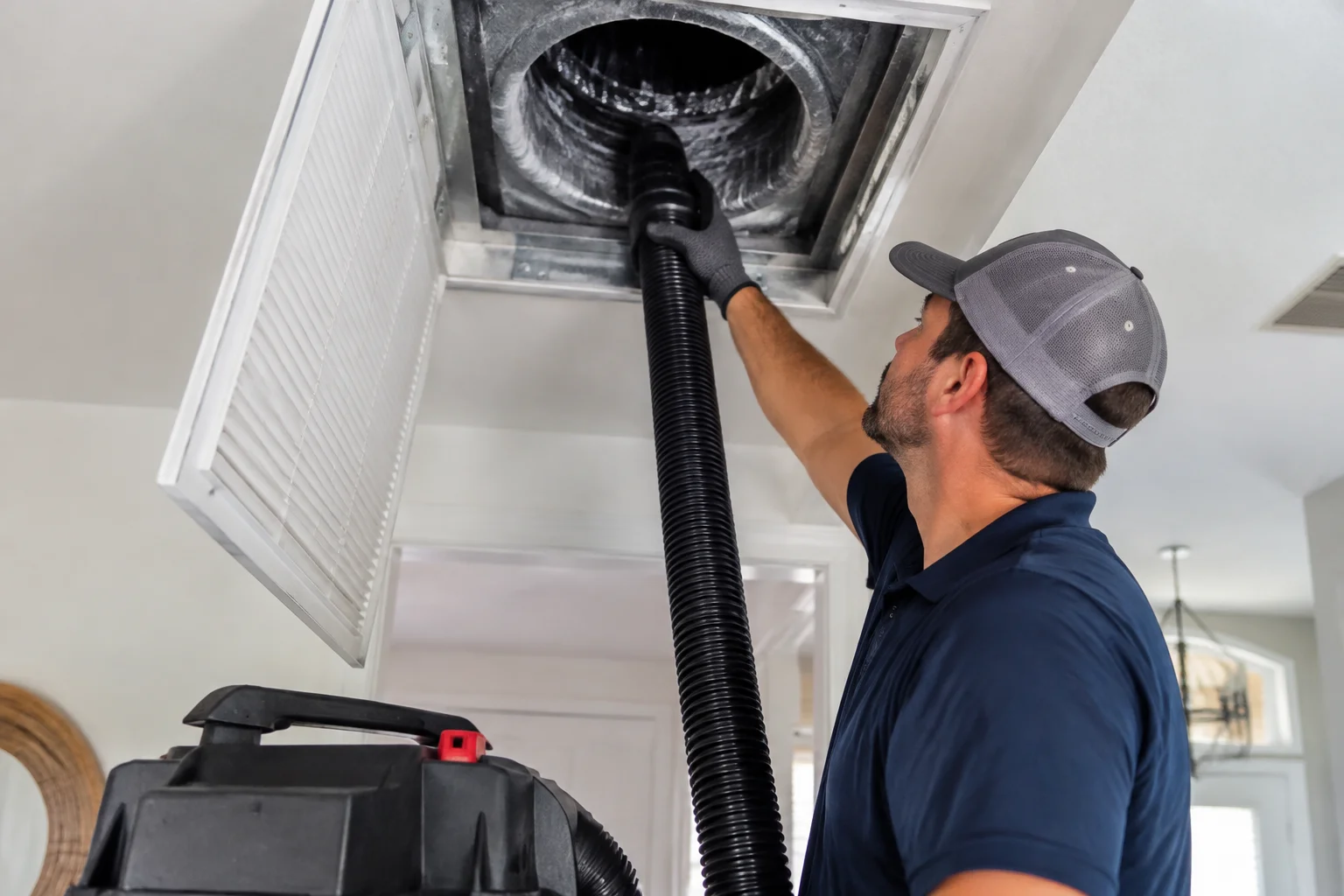
If you suspect airflow issues, consider pairing thermostat setup with an assessment of ductwork performance. Cleaner air starts in the ducts, and you can explore Cleaner Air Starts in the Ducts: A Laguna Beach Homeowner’s Guide to Better HVAC Performance.
Humidity control problems that need more than thermostat tweaks
In humid coastal climates, humidity removal depends on cooling capacity, airflow, and how long the system can run in cooling mode. If your system is struggling due to airflow or maintenance gaps, changing thermostat settings will not fully solve the issue.
For homeowners dealing with persistent humidity, it may be worth discussing whole home dehumidifiers and a thorough HVAC controls service review.
Refrigerant system performance and cooling capacity concerns
If cooling is weak, the root cause might include refrigerant system performance, compressor issues, or other problems that require in-person evaluation. A thermostat can help manage operation, but it cannot correct a refrigerant system that is not performing properly.
Urgent comfort situations: what to do in Laguna Beach summer
Laguna Beach summers can bring stretches where indoor temperatures rise quickly if the air conditioner or heat pump fails to cool properly. If your system is not responding correctly to thermostat commands, or if you see repeated shutdowns, you should treat it as an urgent comfort concern.
For emergency cooling concerns, consider 24/7 Emergency HVAC Services so your home stays comfortable while troubleshooting is handled safely. This is especially important for rentals and multi-tenant properties, where comfort needs to be consistent.
Related local resources and service options
Smart thermostat installation is one part of a broader HVAC controls and maintenance plan. If you are also planning broader HVAC upgrades or want to keep systems running reliably, these resources can help:
- Keeping Laguna Beach Properties Reliable with Smarter HVAC Management
- Commercial HVAC Installation in Laguna Beach, FL: The Issues Local Property Owners Should Not Overlook
- Commercial HVAC Maintenance
- Air Conditioning Inspection
For Laguna Beach homeowners and property managers looking for smart thermostat installation, you can review details and request help at /service-areas/bay-county/laguna-beach/smart-thermostat-installation-lbfl. For broader local service coverage, visit /service-areas/bay-county/laguna-beach or /service-areas/bay-county.
What to ask an HVAC technician during a thermostat-related visit
If you call for help, these questions can keep the visit focused on the real cause of the comfort problem:
- Does my thermostat configuration match my HVAC system type, including heat pump operation if applicable?
- Are my fan settings aligned with proper cooling airflow and humidity control?
- Is the thermostat sensor placement likely to cause false temperature readings?
- Do ductwork and airflow patterns explain the hot and cold spots I am seeing?
- Could condensate drainage or system cycling behavior be contributing to the symptoms?
- What preventive HVAC maintenance steps should I schedule to keep comfort stable?
A Superior Mechanical can help you translate thermostat symptoms into a practical repair plan for your home in Bay County, FL, so your air conditioner service, heat pump service, and HVAC controls work together instead of fighting each other.
Find Smart Thermostat Installation in Laguna Beach, FL
If you need Smart Thermostat Installation in Laguna Beach, FL, visit our local service page or contact A Superior Mechanical today.
Map of Laguna Beach, FL
Frequently Asked Questions
Can a smart thermostat cause my AC to short cycle in a Laguna Beach home?
Yes. Short cycling can happen when thermostat configuration or wiring does not match your HVAC equipment, or when fan and staging settings are incorrect. In Florida humidity, comfort issues can also be amplified by airflow or ductwork problems, so the system may cycle more to compensate.
Why is my home staying humid even though the thermostat setpoint is reached?
Humidity removal depends on cooling mode operation, airflow, and how long the system runs. If the thermostat settings, fan behavior, or system control signals do not support proper cooling airflow, moisture removal can suffer. Ductwork and indoor air quality factors can also play a role.
Should I try to adjust thermostat settings myself if cooling feels weak after installation?
You can review schedules and basic configuration, but avoid repeated trial-and-error changes when comfort is significantly off. Weak cooling can involve refrigerant system performance, airflow, or condensate drainage issues that require an in-person evaluation.
What’s the fastest way to figure out whether the issue is thermostat setup or my ductwork?
A technician can verify thermostat configuration against your HVAC system type, then check airflow and ductwork performance. Many comfort complaints look similar, so the most efficient approach is coordinated thermostat and HVAC inspection.
When should I call emergency HVAC services for a thermostat-related cooling problem?
Call right away if your home is not cooling, the system repeatedly shuts down, or you cannot maintain safe comfort during hot weather. During peak Laguna Beach heat, emergency cooling concerns should be handled promptly.
Related Articles
- Smart HVAC Planning for Air Conditioning Maintenance in Laguna Beach, FL
- Commercial HVAC Installation in Laguna Beach, FL: The Issues Local Property Owners Should Not Overlook
- Keeping Laguna Beach Properties Reliable with Smarter HVAC Management
- Cleaner Air Starts in the Ducts: A Laguna Beach Homeowner’s Guide to Better HVAC Performance
Photo Gallery