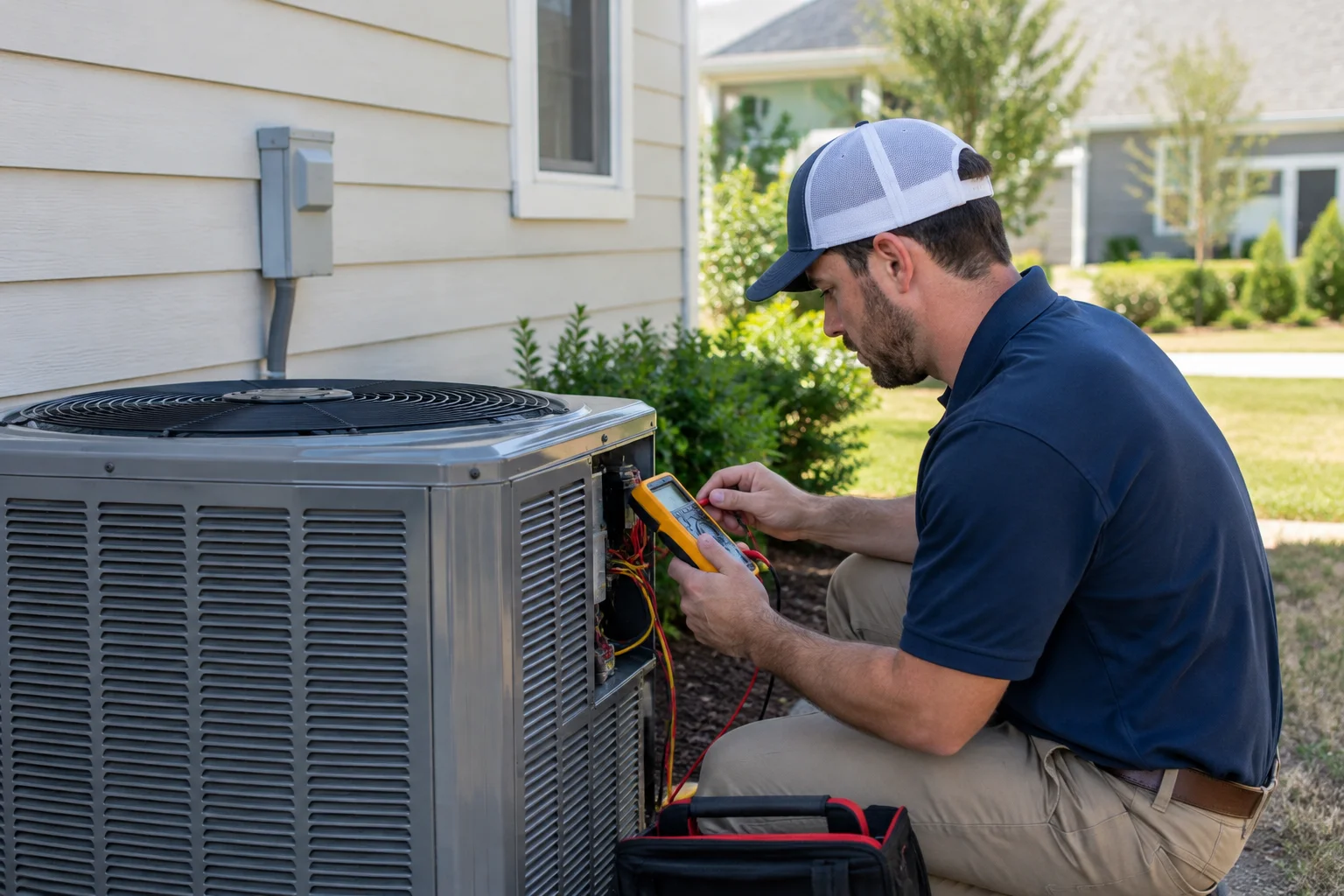
DeFuniak Springs homeowners sometimes need more than a typical residential air conditioner. Maybe you run a small business from home, manage a vacation rental, or have a larger property where comfort and air quality matter year-round. In those cases, commercial HVAC installation can be a smart fit, but it is also a more complex project than many people expect.
Florida weather adds its own requirements. Heat and humidity can push airflow and condensate drainage systems to their limits, and salt air influences corrosion risk near the coast. A properly planned commercial system can manage those conditions with the right equipment, ductwork design, and controls. The key is understanding what is involved before you sign off on installation.
For homeowners looking for the right contractor, it helps to start with the service details here: commercial HVAC installation in DeFuniak Springs. You can also explore the broader service area here: DeFuniak Springs HVAC services and Walton County HVAC services.
Why “commercial” HVAC installation is different for homes in DeFuniak Springs
When people hear “commercial HVAC,” they often picture offices and retail buildings. But the same principles apply when a home has commercial-style loads. That might include higher occupancy, frequent door openings, multiple interior zones, or spaces that need consistent temperatures for comfort, health, or equipment performance.
Commercial systems are typically designed around:
- Airflow planning so supply and return paths support even temperatures across the building.
- Humidity control for Florida heat and moisture loads.
- Refrigerant system design that matches the building’s cooling demand and layout.
- Controls and thermostats that can coordinate multiple areas, schedules, and setpoints.
That is why a commercial HVAC company near me search can lead you to more than “bigger equipment.” The project should be about system design and installation quality, not just swapping parts.
Florida humidity and heat: what the installer has to plan for
DeFuniak Springs summers can bring long stretches of warm temperatures and high indoor moisture. If the system is not sized and configured for that reality, you can end up with comfort problems even if the unit runs.
Common humidity-related concerns include:
- Rooms that feel muggy even when the thermostat is set correctly.
- Condensation issues tied to improper condensate drainage or air handling.
- Musty odors linked to inadequate airflow balance or indoor air quality problems.
- Short cycling when the system cannot maintain stable conditions.
During commercial HVAC installation, contractors should consider latent load requirements, airflow rates, and how the condensate drainage system will be routed and maintained. Condensate drainage is not just a “plumbing” detail. It affects indoor comfort and can contribute to moisture problems if it is not installed and supported correctly.
Airflow balance and ductwork design are often the real deciding factors
One of the most frequent reasons homeowners call HVAC repair near me is uneven comfort that traces back to airflow, not the thermostat. In a commercial-style installation, ductwork planning becomes even more important because the building often has more complex layouts.
Good ductwork planning typically includes:
- Supply and return placement to avoid dead zones and overcooling.
- Duct sizing and routing that match the actual airflow needs.
- Sealing and insulation to limit air leakage and energy waste.
- Static pressure considerations so the system can move air efficiently.
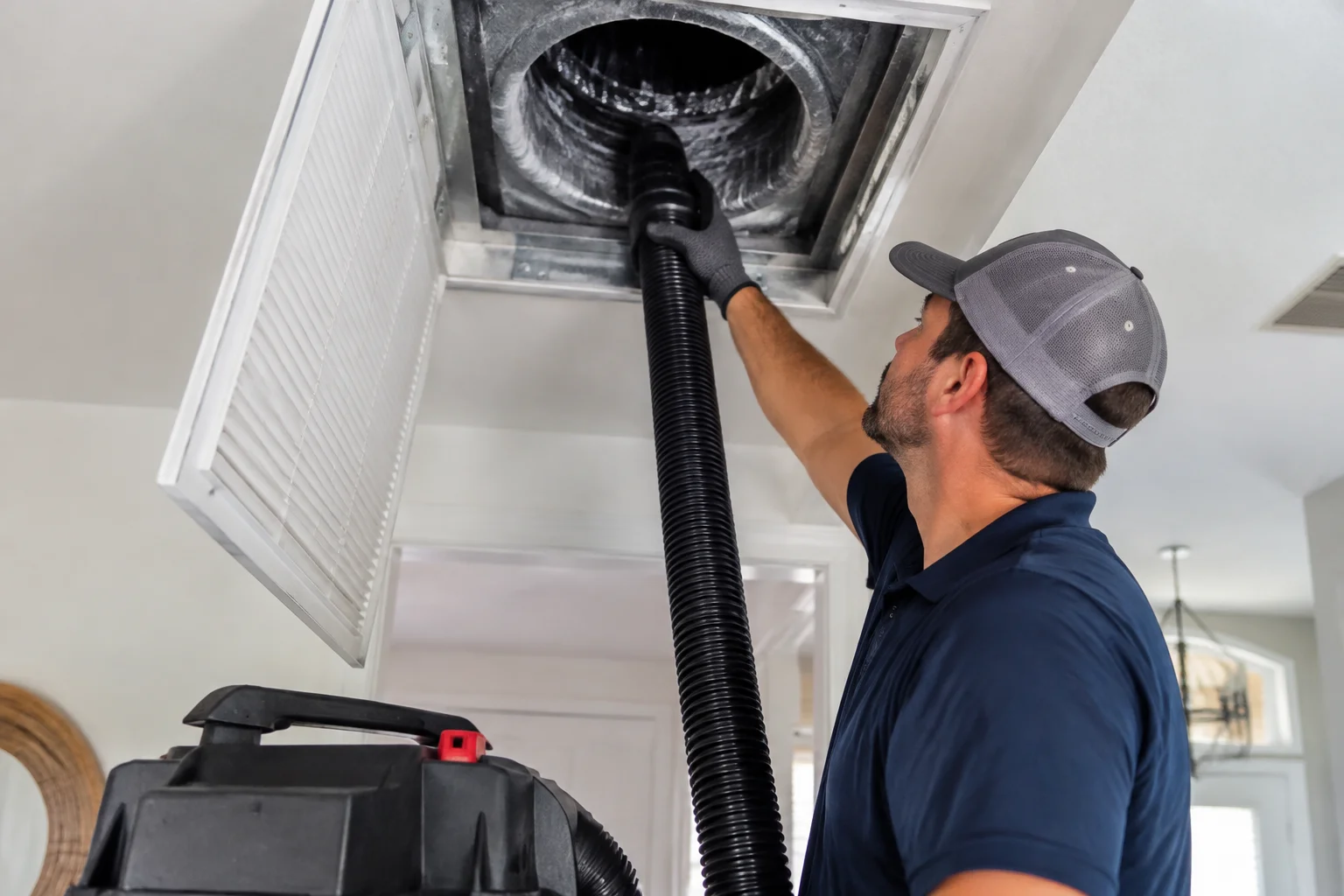
If you already have ductwork, the installation plan should evaluate whether it supports the new system. Sometimes duct repair near me is needed because older duct runs can leak air, collect dust, or restrict airflow. In other cases, duct cleaning near me searches come up after comfort complaints, but cleaning alone does not fix airflow design problems.
If ductwork maintenance is on your radar, it can help to read: How DeFuniak Springs Homeowners Can Reduce Duct Cleaning Problems and Keep HVAC Systems Running Better.
Refrigerant systems: why the layout and charging matter
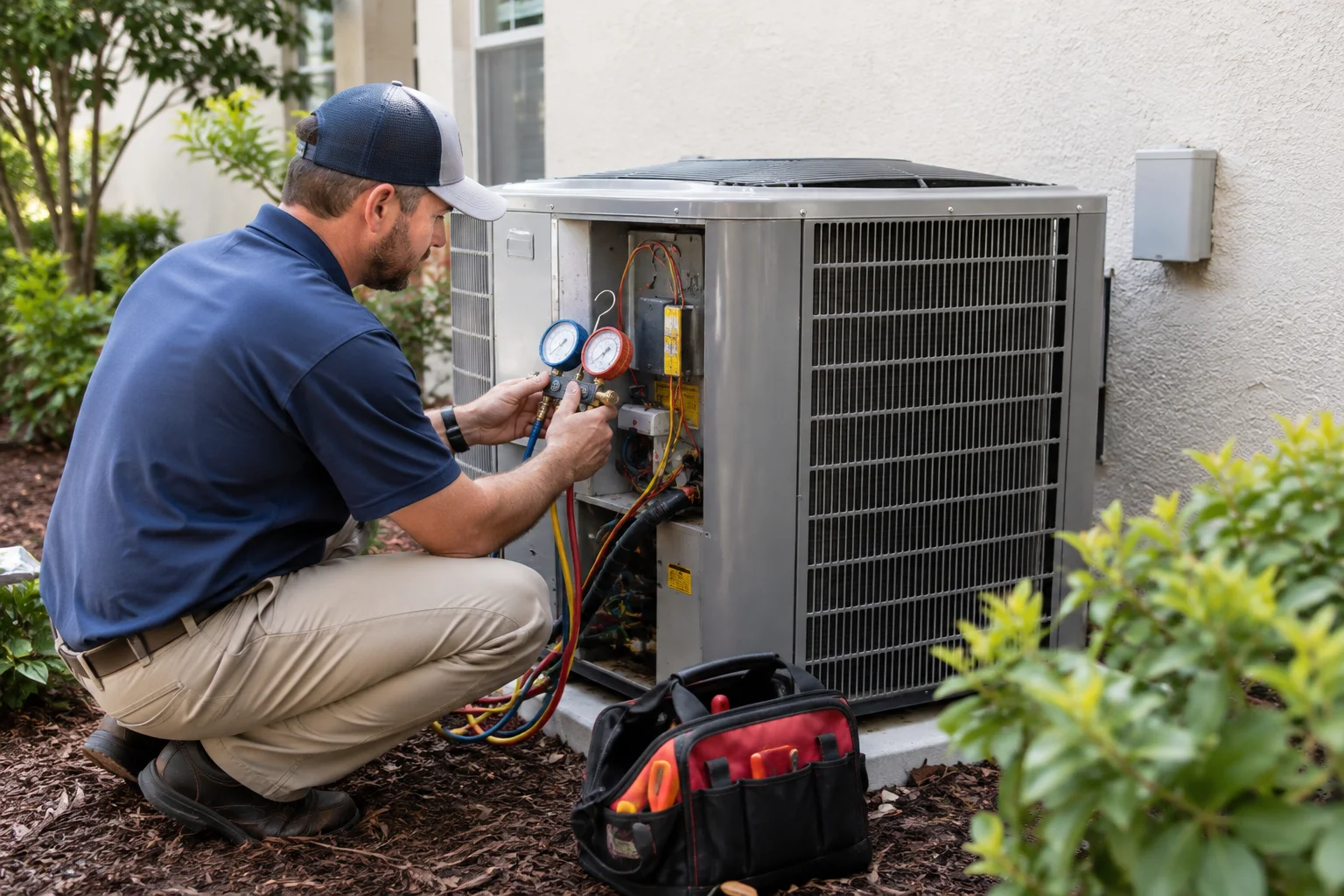
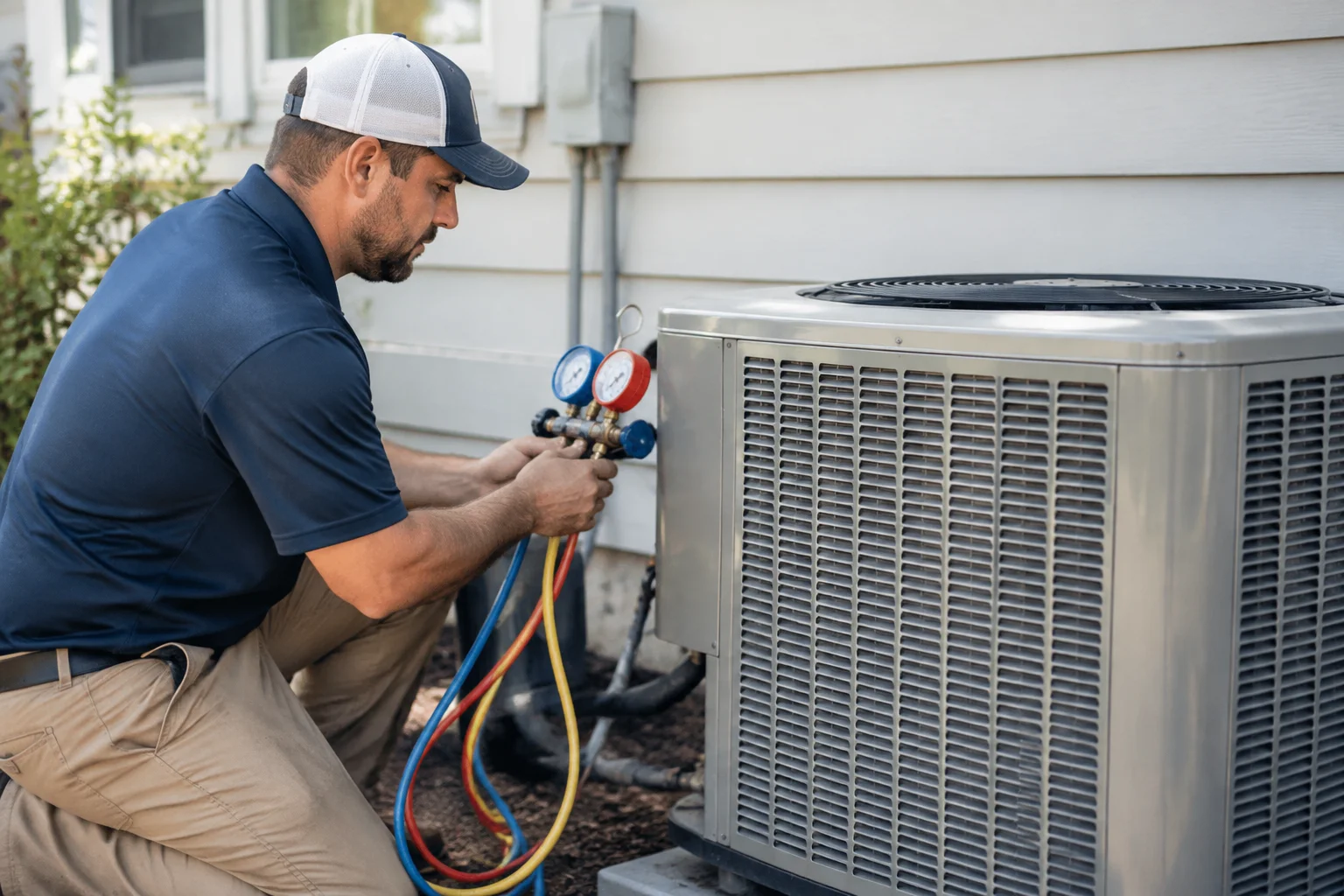
Commercial HVAC systems use refrigerant to move heat, and the refrigerant system design and installation practices influence performance. Even if two systems look similar, differences in piping runs, airflow across coils, and controls logic can change results.
Homeowners should know that:
- Refrigerant piping layout should match the building design and equipment selection.
- Proper charging is essential, and it should be done based on the system and conditions, not guesswork.
- Refrigerant-related service should be handled professionally because diagnosing issues involves specialized tools and safe handling.
It is not appropriate for anyone to “self-diagnose” refrigerant problems or assume the system needs refrigerant added. A professional evaluation is required before any refrigerant work is recommended.
Condensate drainage and moisture control
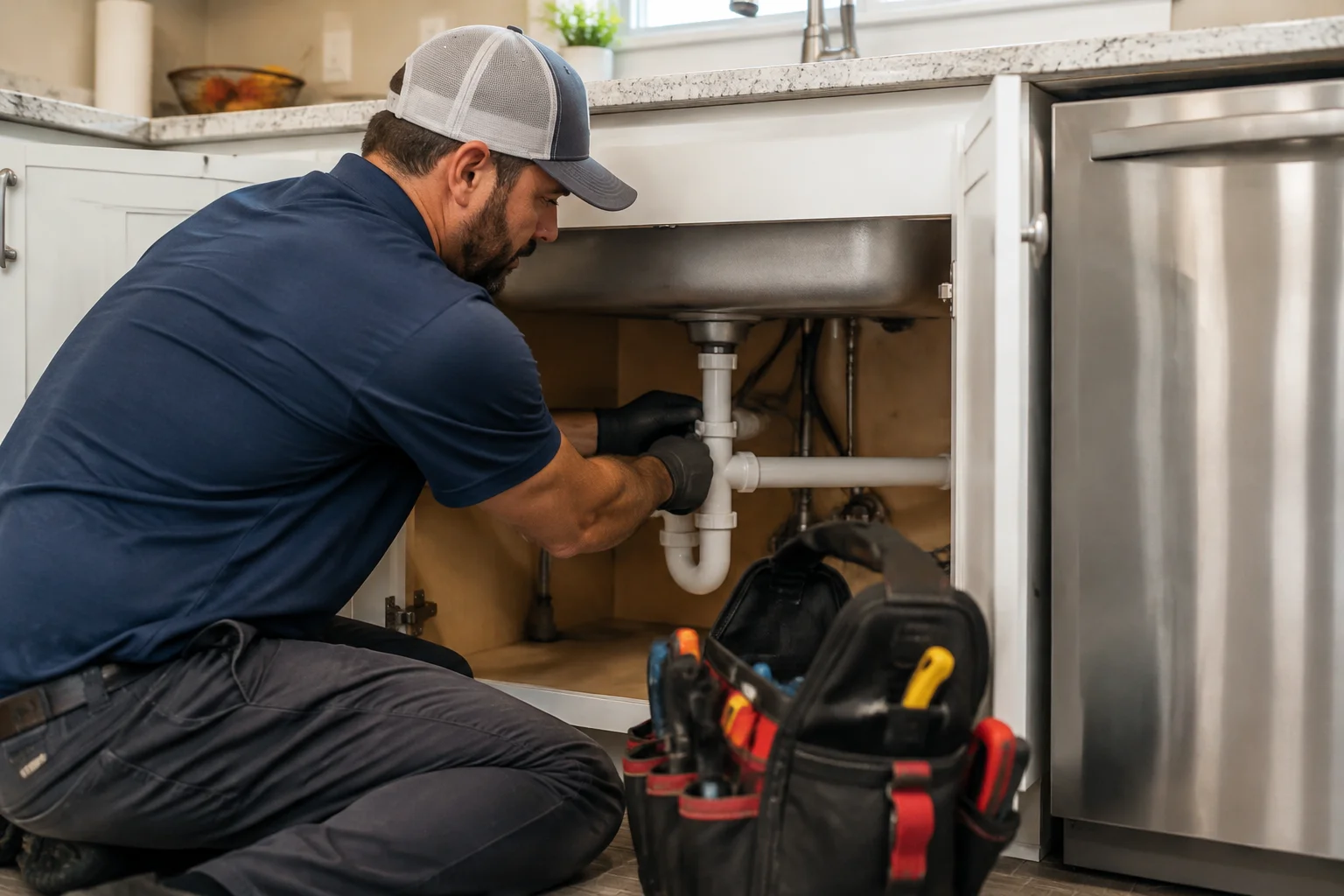
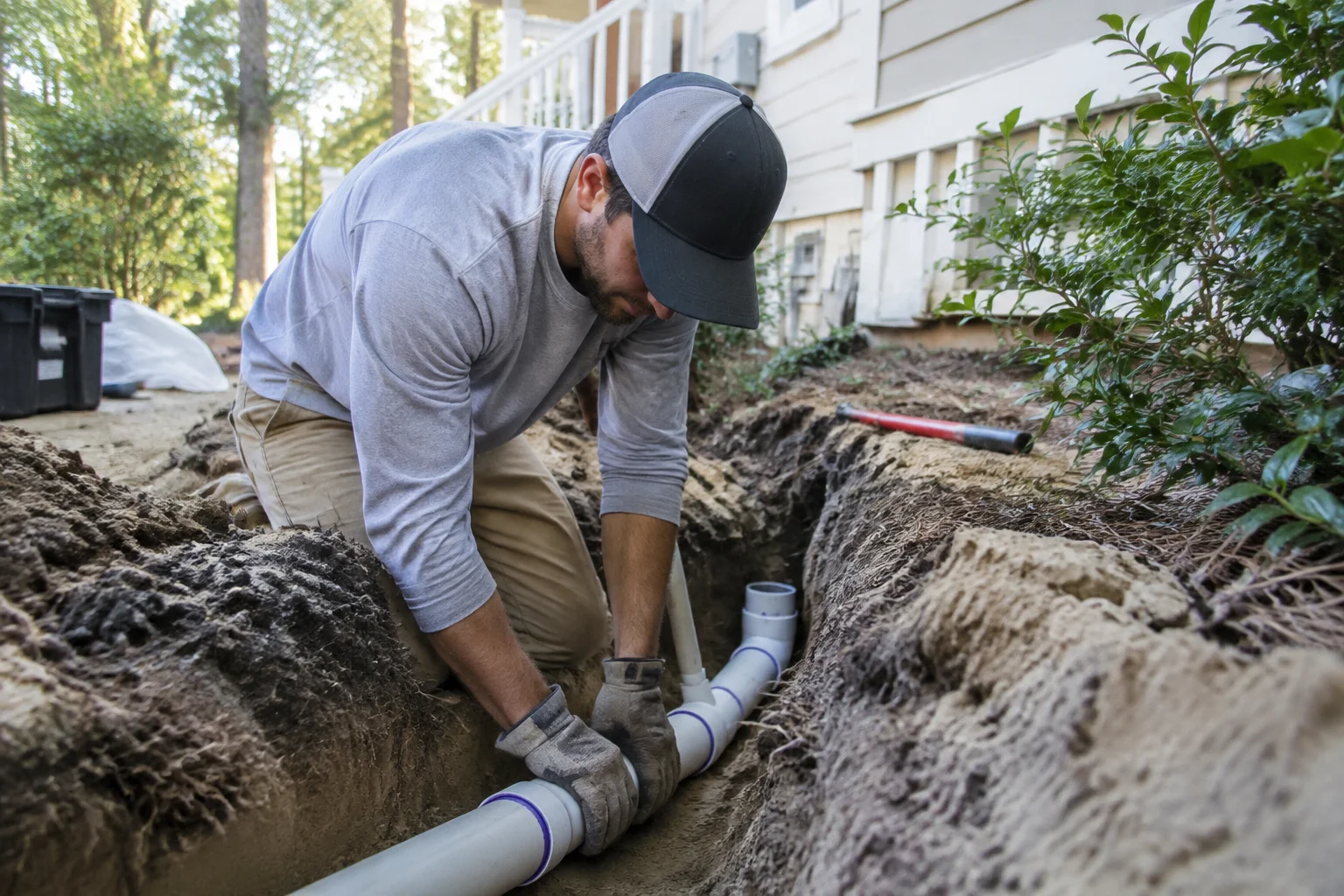
In humid climates, condensate drainage is a major comfort and durability factor. When indoor air is cooled, moisture condenses on the coil surfaces. That condensate must drain correctly to prevent overflow, corrosion, and moisture buildup.
During a commercial HVAC installation, installers should plan for:
- Drain line routing that supports proper slope and reliable flow.
- Condensate disposal that avoids pooling near foundations or interior walls.
- Drain pan placement and safety so leaks do not become hidden problems.
Homeowners should also pay attention to signs of drainage issues such as water staining, damp drywall near air handlers, or repeated musty odors that return after cleaning. These are reasons to schedule an air conditioning inspection near me or HVAC repair near me, especially during peak humidity months.
Thermostats, controls, and zoning: comfort is not just a number
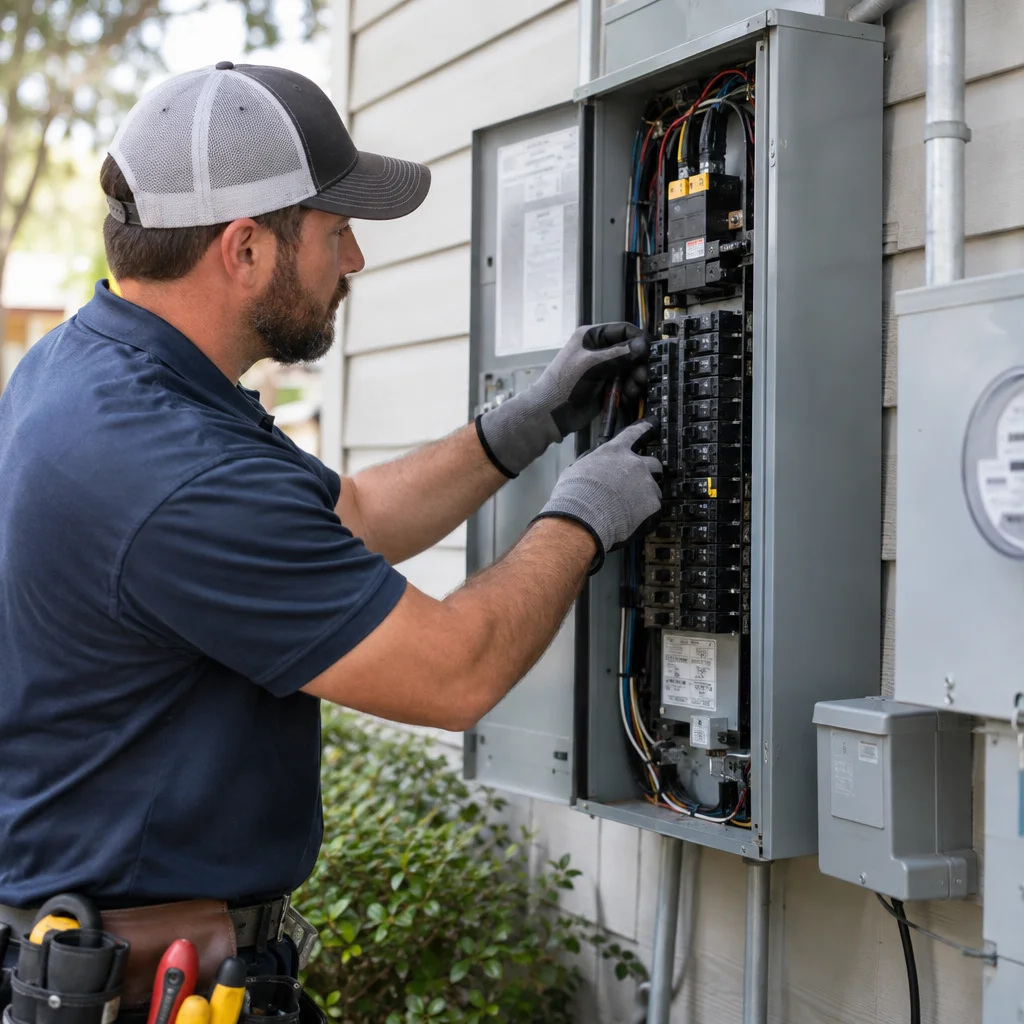
Commercial HVAC systems often use thermostats and controls that can manage multiple areas, schedules, and operating modes. For homes with guest suites, offices, or rental units, zoning and controls can improve comfort and reduce unnecessary energy use.
When discussing installation, ask how the system will handle:
- Thermostat placement so sensors reflect actual room conditions.
- Zone control for areas with different occupancy or solar exposure.
- Scheduling that matches real living patterns, not a one-size-fits-all schedule.
- System monitoring so you can catch problems early rather than after an emergency cooling concern.
If you are considering a more advanced setup, you may want to explore VRF multi-zone systems to understand how zoning and controls can work in larger layouts.
Energy use and system sizing: the goal is efficient comfort
Commercial HVAC installation should be designed for the building’s actual heating and cooling load. Oversizing can lead to short cycling and humidity control issues. Undersizing can cause the system to run constantly, increasing energy use and wear.
In DeFuniak Springs, energy use is influenced by:
- Outdoor humidity and how it affects cooling demand.
- Air leakage through the building envelope.
- Sun exposure on windows and exterior walls.
- Duct leakage and airflow restrictions that reduce system efficiency.
A professional HVAC company near me should be able to explain how the system selection and ductwork plan relate to your building’s layout and comfort goals. If the conversation is only about “buying the biggest unit,” that is a red flag.
Salt air and corrosion: planning for long-term reliability
Even when you are not right on the coastline, Walton County can experience salt air exposure. Salt can accelerate corrosion on metal components and affect long-term durability if the installation approach does not account for the environment.
During planning, a local technician should consider how equipment will be protected and how materials and installation practices will hold up over time. This is another reason local HVAC service matters. A contractor familiar with DeFuniak Springs conditions is more likely to anticipate issues that show up later, such as corrosion around outdoor units or challenges with airflow around condensers.
Indoor air quality: commercial systems can help, if the design is right
For homeowners focused on indoor air quality services near me, installation design matters because comfort and air cleanliness are linked. A commercial HVAC system can be configured to support filtration strategies and proper airflow, but it needs the right ductwork and operating conditions to do that.
Consider indoor air quality goals during installation planning:
- Filtration compatibility with the system’s airflow and pressure requirements.
- Air distribution so fresh, conditioned air actually reaches the rooms you care about.
- Moisture control to help prevent mold-prone conditions.
If you want to improve air quality alongside installation, you can explore indoor air quality testing to identify what is most relevant for your home.
Common installation mistakes that lead to repeat HVAC repair
Homeowners often assume that if the equipment is new, the system should perform well right away. Unfortunately, installation details can create problems that show up within the first cooling season.
Look out for these common issues:
- Airflow problems caused by duct sizing or sealing errors.
- Incorrect thermostat settings or placement that causes comfort complaints.
- Condensate drainage routing errors that lead to moisture buildup.
- Refrigerant system installation issues that affect cooling performance.
- Controls misconfiguration that prevents proper staging or zoning.
If you are searching for AC repair near me because the system “runs but does not cool,” the root cause may be airflow balance, humidity control, or controls logic. That is why a proper installation evaluation is so important.
Emergency cooling concerns: how installation planning can reduce breakdown risk
In DeFuniak Springs, summer heat can escalate quickly. Emergency cooling concerns usually happen when systems fail during peak demand. While no one can promise a system will never have issues, good commercial HVAC installation can reduce the risk by ensuring the system is matched to the building and installed with attention to airflow, drainage, and controls.
Homeowners can also prepare by asking the contractor how the system will be commissioned and how they will verify performance. If you ever need urgent help, you can also look for emergency AC repair near me, but prevention is usually more comfortable than emergency troubleshooting.
Preventive HVAC maintenance after installation is not optional
Commercial systems are designed for consistent operation, but they still require preventive HVAC maintenance to perform as intended. Maintenance supports airflow, refrigerant system health, condensate drainage reliability, and thermostat accuracy.
A solid maintenance plan typically includes:
- Checking and cleaning components that impact airflow and heat transfer.
- Inspecting condensate drainage for proper operation.
- Verifying thermostat and controls operation.
- Reviewing system performance during seasonal transitions.
If you want to understand why maintenance has such a big impact in this climate, read: Why Commercial HVAC Maintenance Matters More in DeFuniak Springs Than Most Businesses Realize.
Budgeting and financing: plan for installation and long-term upkeep
Commercial HVAC installation can involve multiple components, including ductwork planning, controls integration, and sometimes new zoning. Many homeowners also need to plan for future maintenance and potential duct repair if existing ductwork does not match the new system.
If financing is part of your planning, review A Homeowner’s Guide to HVAC Financing for Smarter Maintenance in DeFuniak Springs, FL. It can help you think through how to maintain comfort without waiting until the system breaks.
Questions to ask before installation begins
If you are comparing contractors, ask questions that focus on design, installation quality, and indoor comfort. A professional commercial HVAC installer should be able to explain the approach clearly.
Helpful questions include:
- How will you evaluate airflow and ductwork needs for my home layout?
- How will you address humidity control for Florida heat and moisture?
- Where will the condensate drainage lines go and how will they be protected?
- What thermostat and controls strategy will support zoning or scheduling?
- What commissioning steps will you complete to verify performance?
- What preventive HVAC maintenance schedule do you recommend for this system?
These questions help you confirm you are hiring an HVAC company that treats installation as a system-wide project, not a one-day swap.
When to call a local professional for commercial HVAC installation help
It is a good time to contact a contractor when you have comfort problems, planning for a remodel, or you are moving into a property with an older system that cannot handle current humidity and airflow needs.
Call a professional if you notice:
- Rooms that never feel comfortable, even when the thermostat is adjusted.
- Persistent musty odors during humid weather.
- Signs of condensate drainage issues like water staining.
- Frequent cycling, weak airflow, or rising energy bills tied to cooling seasons.
- A system that struggles during peak heat, creating emergency cooling concerns.
For homeowners searching for HVAC installation near me or HVAC replacement near me, the best move is to get an in-person evaluation. A local technician can review ductwork, controls, airflow, and the building’s moisture realities so the installation plan is grounded in your property, not assumptions.
If you are ready to discuss your project, start with commercial HVAC installation in DeFuniak Springs and then confirm how the plan will support airflow, indoor air quality, humidity control, and reliable condensate drainage for your home’s needs.
Find Commercial HVAC Installation in DeFuniak Springs, FL
If you need Commercial HVAC Installation in DeFuniak Springs, FL, visit our local service page or contact A Superior Mechanical today.
Map of DeFuniak Springs, FL
Frequently Asked Questions
Is commercial HVAC installation appropriate for a DeFuniak Springs home?
It can be a good fit when a home has commercial-style loads, such as multiple zones, higher occupancy, or complex layouts like offices, lodging, or frequent guest turnover. The right choice depends on airflow needs, humidity control requirements, ductwork, and controls design.
What comfort problems are most common when ductwork or airflow is not planned correctly?
Homeowners often notice uneven temperatures, weak airflow in certain rooms, and persistent humidity that makes spaces feel muggy. These issues can be linked to duct sizing, duct sealing, supply and return placement, or airflow restrictions, not just thermostat settings.
Can I diagnose a refrigerant issue myself if the system is not cooling well?
No. Refrigerant system performance and charging require professional tools and safe handling. An in-person evaluation is needed to determine whether the cause is airflow, controls, condensate drainage, or refrigerant-related.
How does condensate drainage affect indoor comfort in Florida humidity?
When indoor air is cooled, condensate forms on the coil. If drainage is routed incorrectly or does not flow properly, moisture can build up, contributing to odors and potential moisture damage. Proper drainage is part of a successful commercial HVAC installation.
What maintenance matters most after a new commercial-style system is installed?
Preventive HVAC maintenance should include checks that support airflow, indoor humidity control, condensate drainage reliability, and thermostat or controls operation. Seasonal inspections help catch small issues before they become emergency cooling concerns.
Related Articles
- A Smarter Way to Plan Commercial HVAC Installation in DeFuniak Springs, FL
- A Homeowner’s Guide to HVAC Financing for Smarter Maintenance in DeFuniak Springs, FL
- Why Commercial HVAC Maintenance Matters More in DeFuniak Springs Than Most Businesses Realize
- How DeFuniak Springs Homeowners Can Reduce Duct Cleaning Problems and Keep HVAC Systems Running Better
Photo Gallery