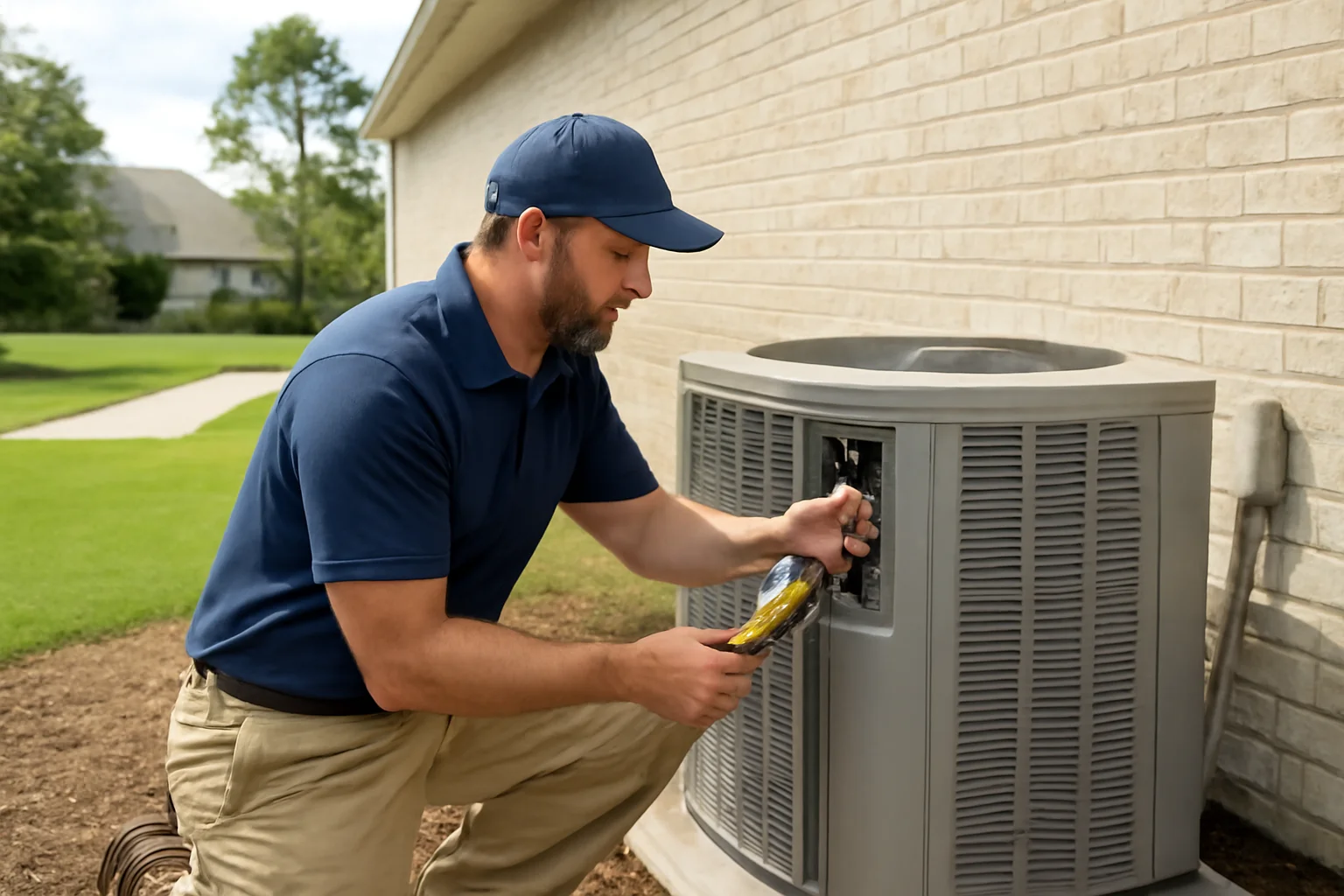
Niceville, FL businesses run their HVAC systems through some of the toughest weather in the region. Hot days, humid air, and occasional salt-laden coastal breezes can stress ductwork, refrigerant systems, and condensate drainage. A commercial air conditioning system that is installed with the right planning and commissioning steps will usually cool more evenly, manage humidity better, and avoid the kind of problems that turn into expensive repairs later.
This guide is built for property owners and facility managers in Niceville and across Okaloosa County who want better cooling performance from the start. It focuses on commercial HVAC installation, system replacement decisions, ductwork, indoor air quality, thermostats, and preventive HVAC maintenance that helps reduce emergency cooling concerns.
Why commercial HVAC installation is more than “putting in a unit”
When homeowners search for commercial HVAC installation in Niceville, FL, the goal is usually simple: keep temperatures comfortable and protect operations. But commercial performance depends on how the whole system works together, including:
- Airflow design through ductwork and diffusers
- Proper refrigerant system setup and airflow matching
- Condensate drainage that handles humidity and seasonal load
- Thermostat controls that match occupancy schedules and comfort goals
- Air filtration and indoor air quality strategies
- Commissioning and verification after installation
In Florida heat and humidity, even small installation oversights can show up quickly as uneven cooling, higher energy use, and premature wear. That is why professional work matters. A licensed HVAC contractor near me should evaluate the building as a system, not just the equipment.
Start with the building load, not the equipment size
In Niceville, commercial spaces often include a mix of sun exposure, window types, insulation levels, and internal heat loads from people and equipment. If an HVAC contractor sizes a system based only on square footage, the result can be a unit that struggles during peak conditions.
Common installation-related cooling problems tied to sizing
- Short cycling: The system turns on and off more frequently, which can reduce comfort and increase wear.
- Hot spots: Some rooms stay warmer because airflow and duct design do not match the actual load.
- Humidity not controlled: When the system cannot run with the right airflow and operating conditions, indoor humidity can stay elevated.
- Higher energy use: Poor airflow and mismatched capacity can increase runtime without achieving comfort.
Before installation, ask for an air conditioning inspection near me style evaluation that includes airflow considerations, airflow pathways, and any constraints in ductwork and equipment placement. If you are considering air conditioning systems, request a plan that addresses both sensible cooling and humidity control.
Airflow and ductwork: the hidden drivers of performance
Commercial cooling performance lives and dies by airflow. Even a properly selected AC or heat pump system can underperform if ducts are undersized, obstructed, poorly sealed, or routed in a way that creates pressure imbalances.
What to look for in ductwork during installation
- Correct duct sizing and layout: Duct runs that are too long or too narrow can reduce airflow.
- Sealing integrity: Leaks can pull in hot, humid air or waste conditioned air.
- Balanced air distribution: Diffusers and returns need to match the system design.
- Clearances and airflow paths: Equipment placement affects airflow and static pressure.
For businesses with older buildings, it is common to see duct issues that worsen after replacement because new equipment responds differently to existing airflow restrictions. That is why a duct inspection is often part of a smart installation plan. If leaks or damage are found, consider duct sealing to help stabilize performance.
Why airflow matters even when temperatures look “okay”
Some problems show up as comfort complaints first, but the underlying cause can be airflow related. Low airflow can cause the system to operate outside its intended conditions, which may contribute to condensate drainage issues, higher humidity, and accelerated component wear. Over time, that can lead to AC repair near me calls that could have been avoided with duct corrections and proper commissioning.
Humidity control in Niceville: condensate drainage and coil care
Niceville’s coastal climate brings sticky humidity, especially during summer and shoulder seasons. A commercial system must remove moisture from indoor air. That depends on the evaporator coil conditions and, just as importantly, condensate drainage.
Installation details that prevent moisture-related failures
- Proper condensate line routing: Lines should slope correctly and avoid traps or restrictions.
- Drain pan protection: Drain pans must be installed level and connected correctly.
- Correct condensate removal strategy: Drainage must handle the system’s moisture load during humid weather.
- Coil cleanliness and airflow matching: Poor airflow can reduce dehumidification performance.
When condensate drainage is wrong, you may see water around equipment, recurring musty odors, or wet spots that can affect indoor air quality. These issues can also lead to corrosion concerns in coastal environments where salt air may accelerate deterioration. Moisture problems are often preventable with careful installation and verification.
Refrigerant systems: correct setup requires professional verification
Refrigerant systems are designed to work within specific operating conditions. In a commercial installation, the installer must match system components, airflow, and controls so the refrigerant system can operate as intended.
What homeowners and facility managers should know
- Refrigerant charge is not a guess: It should be set and verified based on the system and operating conditions, not just a label or “rule of thumb.”
- Airflow affects refrigerant performance: If airflow is restricted, refrigerant system behavior can change.
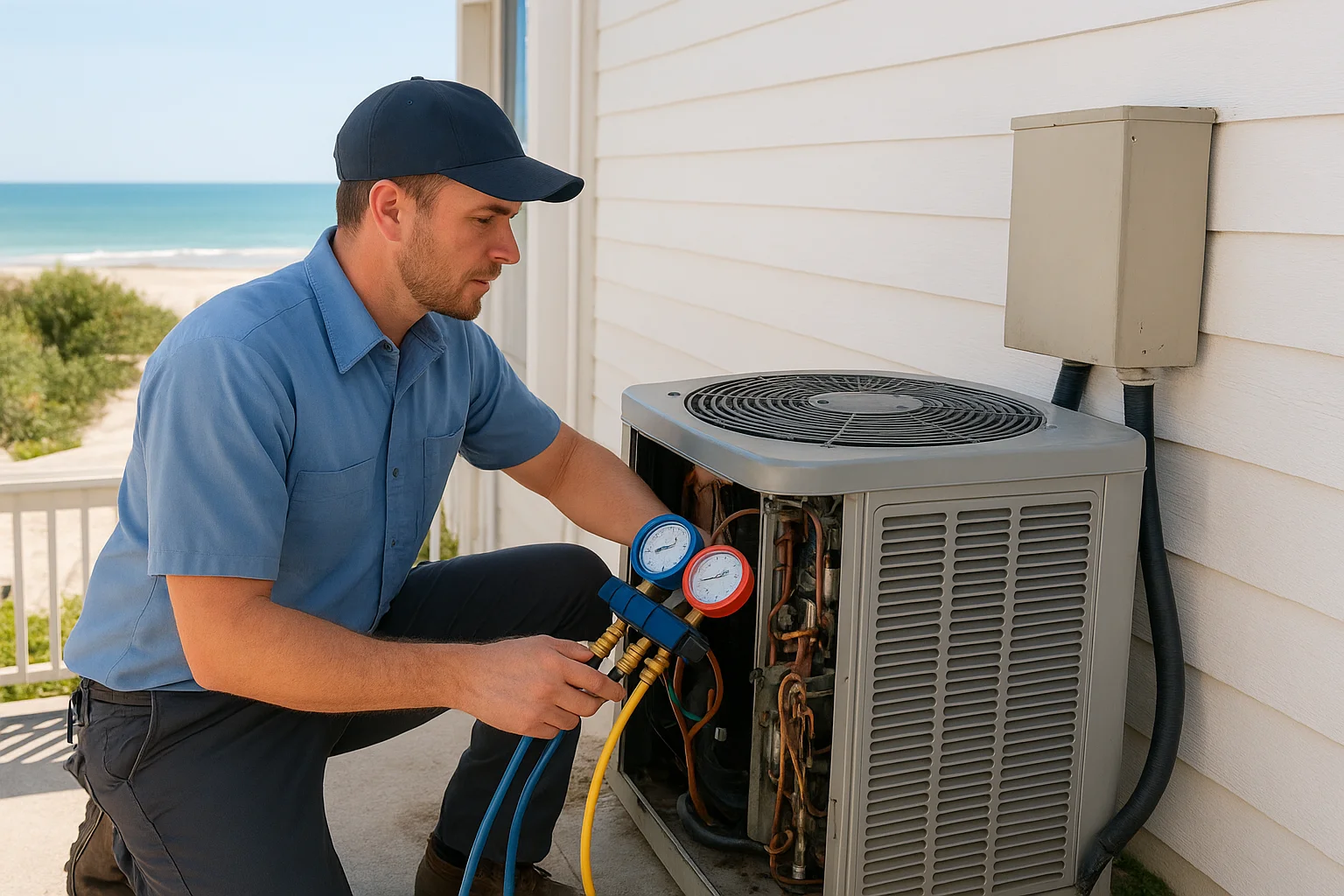
- Do not rely on assumptions: If you suspect a refrigerant issue, it should be evaluated in person by a licensed HVAC technician. Do not attempt DIY troubleshooting.
If your business is facing comfort problems after a replacement or upgrade, ask your HVAC contractor for a thorough evaluation that includes airflow, condensate drainage, and control operation. A professional team can identify whether the issue is related to installation, operating conditions, or maintenance needs.
Thermostats and controls: comfort, scheduling, and energy use
Commercial thermostats and controls influence how often equipment runs and how steadily it maintains comfort. In Niceville, where humidity and temperature can swing, smart control strategies help reduce unnecessary runtime while maintaining indoor conditions.
Controls that support better cooling performance
- Proper zoning and scheduling: Avoid over-conditioning empty spaces.
- Setpoint planning: Comfort targets should balance cooling demand and humidity control.
- Occupancy-based adjustments: Use schedules that match business hours and peak activity.
- System compatibility: Thermostats must be matched to the equipment and control system.
If you are considering upgrades, explore resources like smart thermostats to support scheduling and monitoring. Even the best commercial HVAC installation can struggle if controls are configured in a way that causes short cycling or inconsistent airflow.
Indoor air quality: filters, airflow, and the real-world Florida environment
For many Niceville businesses, indoor air quality is a performance issue, not just a health concern. When air distribution is uneven or filtration is inadequate, occupants may notice odors, dust, or allergy-like symptoms.
Installation choices that influence indoor air quality
- Filter compatibility: Filters should be sized for the system and installed correctly.
- Airflow and filtration balance: Higher filtration must still allow enough airflow for cooling and dehumidification.
- Ventilation considerations: Ventilation should match the building’s needs and occupancy.
- Humidity management: Better dehumidification can reduce conditions that support microbial growth.
If your facility has specific concerns, such as high dust loads or frequent door traffic, discuss indoor air quality goals during installation planning. This helps prevent the “it’s cold, but the air feels off” complaints that often lead to service calls.
Heat pump systems and coastal conditions: what to plan for
Some commercial buildings in the area use heat pump service strategies that can support both cooling and heating needs. In Florida, cooling is the dominant load, but heat pump operation still depends on correct airflow and proper refrigerant system behavior.
Coastal and humidity factors that can affect performance
- Salt air exposure: Coastal environments can contribute to corrosion over time, making maintenance more important.
- Humidity load: Dehumidification depends on airflow and coil conditions.
- Airflow restrictions: Dirty coils and duct restrictions can reduce cooling performance.
For businesses asking for commercial HVAC installation in Niceville, FL, selecting equipment is only part of the decision. The installation should also address how the system will be maintained in a coastal climate.
Commissioning and verification: the step that prevents “mystery problems”
After installation, commissioning and verification help confirm the system is operating as designed. This is where many costly issues are caught early, before they become emergency cooling concerns during peak summer.
Verification items to request
- Airflow checks: Confirm airflow matches design assumptions.
- Temperature and humidity performance review: Ensure the system maintains comfort and removes moisture.
- Drainage verification: Confirm condensate drainage is correct and safe.
- Thermostat and control testing: Verify schedules, setpoints, and system response.
- Refrigerant system verification: A licensed professional should verify refrigerant operation in person.
When you are comparing an HVAC contractor near me, ask how they handle commissioning and what checks they document. A strong installation process typically includes more than a quick startup.
How to avoid costly repairs after installation
Even with excellent installation, commercial HVAC systems need preventive HVAC maintenance. The goal is to reduce breakdown risk, limit humidity and indoor air quality issues, and keep energy use under control.
Maintenance habits that protect cooling performance
- Schedule filter changes: Dirty filters can reduce airflow and worsen humidity control.
- Inspect and clean coils: Coil cleanliness affects heat transfer and comfort.
- Check condensate drainage: Prevent clogs and verify safe removal.
- Monitor airflow and duct condition: Address duct repair needs before comfort problems escalate.
- Seasonal tune ups: A focused AC tune up near me can help prepare equipment for heavy summer demand.
Businesses that skip maintenance often end up paying for AC repair near me service calls during the hottest weeks. A planned approach supports steady performance and can reduce the likelihood of emergency AC repair near me situations.
Signs your commercial HVAC installation or system setup needs a professional review
Some issues are obvious. Others build slowly. If you notice patterns, it is worth asking for an air conditioning inspection near me evaluation focused on installation and system operation.
Watch for these comfort and performance red flags
- Uneven temperatures: Certain rooms stay warm even when the thermostat is set correctly.
- Persistent humidity: Condensation on surfaces, lingering musty odors, or “clammy” indoor air.
- Higher energy use: Bills rise without a clear reason, especially during peak cooling months.
- Recurring drain issues: Water around equipment, clogged drains, or wet return areas.
- Short cycling: The unit frequently turns on and off, often after initial startup.
- Airflow complaints: Strong airflow in some areas and weak airflow in others.
If you see these problems soon after a replacement, do not assume it is “just how the new system is.” A licensed HVAC contractor near me can evaluate airflow, ductwork, controls, and drainage. If refrigerant performance is suspected, it should be checked with in-person professional assessment.
Choosing a commercial HVAC contractor in Niceville and Okaloosa County
Commercial HVAC installation is a specialized service. In Niceville and across Okaloosa County, the right contractor understands how Florida heat, humidity, and local building conditions affect performance.
Questions to ask before signing
- Will you evaluate ductwork and request a duct inspection before installation?
- How do you verify airflow, comfort, and condensate drainage after startup?
- What indoor air quality steps are included, such as filter compatibility and airflow planning?
- How are thermostats and schedules configured for the building’s occupancy?
- How does preventive HVAC maintenance fit into the plan after installation?
For more context on how installation details can be missed in nearby markets, you may find these reads helpful: The Details That Get Missed in Commercial HVAC Installation in Freeport, FL, Commercial HVAC Installation in Laguna Beach, FL: The Issues Local Property Owners Should Not Overlook, and Keeping Sandestin Buildings Comfortable Starts With Smarter Commercial HVAC Installation.
If your property is near the coast and you are weighing options, also review What Panama City Beach Property Owners Should Know Before a Commercial HVAC Installation. The climate challenges are similar across the region.
When system replacement is the right move, and when it is not
Some businesses assume replacement is always the best path once repairs begin. Replacement can be appropriate, but it should follow a professional evaluation that considers equipment condition, airflow and ductwork needs, and how the system will handle Florida humidity.
Replacement planning that reduces repair risk
- Confirm ductwork condition and plan for duct repair or duct sealing where needed.
- Match controls and thermostat operation to the building’s schedule.
- Plan for indoor air quality, including filtration and ventilation considerations.
- Use commissioning and verification steps to confirm performance.
If you are comparing comfort and cost, a proper HVAC replacement near me conversation should include performance expectations, maintenance planning, and installation details. It should not be based on a single number or a quick estimate without reviewing the building.
Where to start for your Niceville commercial project
If you are preparing for a new installation, an upgrade, or a system replacement, begin with a comprehensive evaluation of your building’s cooling needs and airflow pathways. Then choose a contractor that treats ductwork, condensate drainage, controls, and commissioning as core parts of the job.
A Superior Mechanical provides professional commercial HVAC installation in Niceville, FL for offices, restaurants, retail spaces, medical facilities, and more across Okaloosa County. Learn more here: commercial HVAC installation in Niceville, or browse the city overview on our Niceville service area page. For broader county coverage, visit Okaloosa County HVAC services.
Find Commercial HVAC Installation in Niceville, FL
If you need Commercial HVAC Installation in Niceville, FL, visit our local service page or contact A Superior Mechanical today.
Map of Niceville, FL
Frequently Asked Questions
How does humidity in Niceville affect commercial AC performance?
High humidity increases the moisture load on the evaporator coil. If airflow is restricted or condensate drainage is not set up correctly, the system can remove less moisture, leading to clammy indoor air, musty odors, and moisture-related issues.
Should we inspect ductwork before a commercial HVAC installation?
Yes, especially in older buildings or spaces with comfort complaints. A duct inspection helps identify airflow restrictions and duct leaks that can cause uneven cooling, higher energy use, and premature wear. If issues are found, duct sealing or duct repair may be needed.
Can a wrong refrigerant charge cause problems after installation?
It can. Refrigerant system performance depends on correct setup and operating conditions, including airflow and controls. If refrigerant performance is suspected, a licensed technician should evaluate the system in person rather than guessing.
What should be included in commissioning for a commercial system?
Commissioning typically includes verification of airflow, control operation, condensate drainage, and comfort performance. The goal is to confirm the system is working as designed so problems do not show up during peak summer.
Related Articles
- The Details That Get Missed in Commercial HVAC Installation in Freeport, FL
- Commercial HVAC Installation in Laguna Beach, FL: The Issues Local Property Owners Should Not Overlook
- Keeping Sandestin Buildings Comfortable Starts With Smarter Commercial HVAC Installation
- What Panama City Beach Property Owners Should Know Before a Commercial HVAC Installation
Photo Gallery