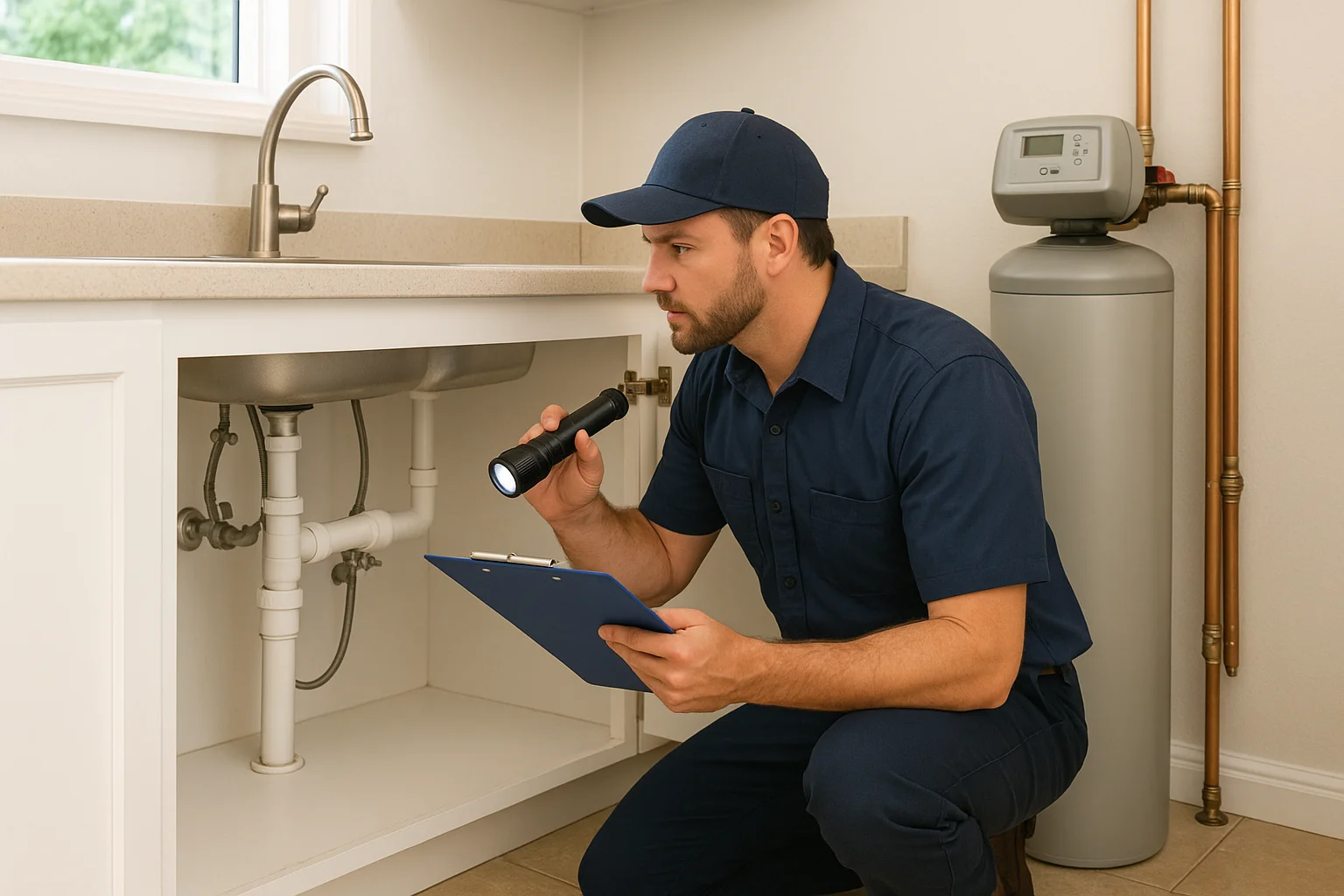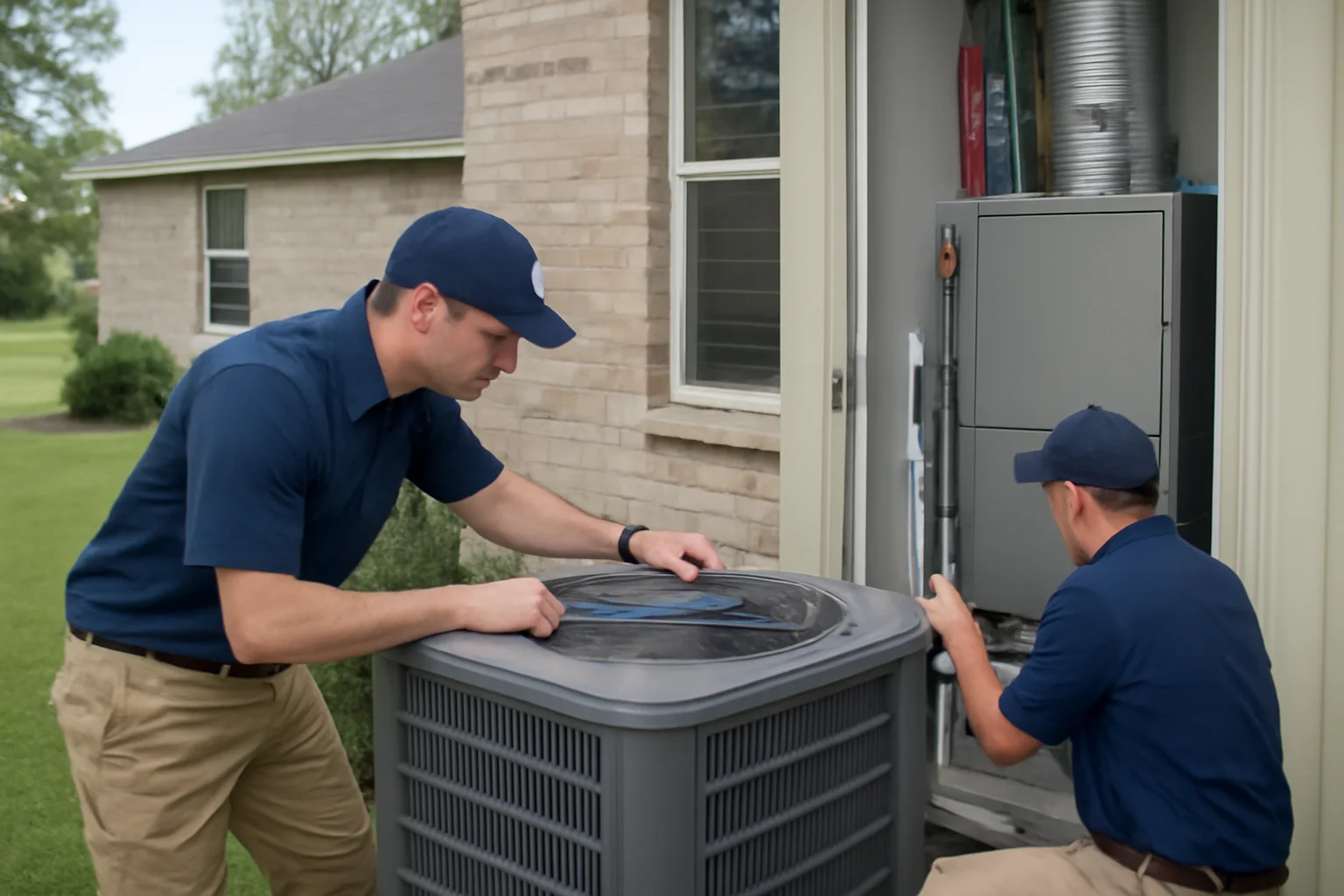
Commercial HVAC systems keep office comfort steady, protect product storage, and support the daily routines that businesses rely on. In Panama City, FL, that job is harder than it looks because the climate blends Florida heat, frequent humidity, and salt air exposure. Add long operating hours, varied occupancy, and rooftop placement, and maintenance becomes less of a “nice to have” and more of a reliability strategy.
This guide walks through practical commercial HVAC maintenance steps that reduce downtime and help avoid costly repairs. It is written for property owners, facility managers, and homeowners who oversee commercial spaces in Bay County. If you are searching for commercial HVAC maintenance in Panama City, FL, start here and use it to plan a maintenance conversation with a local HVAC contractor.
Why Panama City commercial HVAC systems need more than “seasonal” care
Panama City businesses often run air conditioning through much of the year, not just summer. Humidity loads can be heavy, and that matters because comfort is not only about temperature. When humidity is not controlled, coils work harder, condensate drainage can struggle, and indoor air quality can suffer.
Salt air exposure can also accelerate corrosion on outdoor components and metal surfaces. Rooftop units face constant sun, wind-driven rain, and airborne particles. Over time, those conditions can contribute to common problems like:
- Restricted airflow caused by dirty filters, clogged coil surfaces, or blocked intake and exhaust paths
- Condensate drainage issues tied to clogged drain lines, improper slope, or algae and debris buildup
- Cooling performance problems from refrigerant system issues that require professional evaluation
- Control problems from thermostats and building automation settings that do not match occupancy needs
- Uneven temperatures caused by ductwork imbalance or leakage
Maintenance is how you catch these issues early, before they turn into emergency cooling concerns. If you are looking at HVAC service in Panama City, it helps to choose a company that understands local conditions and can tailor a plan to your building type, equipment layout, and operating schedule.
A practical commercial HVAC maintenance checklist you can plan around
Every building is different, but reliable commercial HVAC maintenance usually follows a consistent rhythm. Use this as a working checklist to organize what to verify, what to document, and what should be handled by a professional.
1) Airflow first: filters, coil surfaces, and clear paths
Airflow is the foundation of efficient cooling. When airflow drops, coils do not absorb heat as designed, indoor humidity control weakens, and the system can cycle more often. For commercial spaces, filters should be checked and replaced based on actual conditions, not just a calendar date.
During maintenance, a technician should inspect and clean where appropriate, including:
- Return and supply filter condition
- Evaporator coil and condenser coil cleanliness
- Blower operation and belt or motor condition (if applicable)
- Outdoor unit airflow paths, ensuring nothing blocks intake or discharge
Restricted airflow can also increase energy use because the system may run longer or cycle more frequently. If you suspect airflow problems, you may also benefit from ductwork service. Consider scheduling duct sealing and Aeroseal services or duct replacement if ductwork condition is affecting comfort or efficiency.
2) Humidity control: condensate drainage and coil performance
In Panama City’s humidity, condensate drainage is not a minor detail. When condensate drainage is restricted or mismanaged, water can back up, increase indoor moisture, and contribute to microbial concerns. It can also lead to nuisance shutdowns and component wear.
Commercial maintenance should include checking:
- Condensate drain lines and drain pan condition
- Drain line slope and proper drainage
- Signs of algae or debris buildup
- Condensate overflow risks
If your building has frequent musty odors or persistent dampness, addressing condensate drainage and indoor airflow patterns is often part of improving indoor air quality.
3) Refrigerant system care: performance verification by a professional
The refrigerant system is a closed-loop design, but it is also sensitive to airflow restrictions, coil cleanliness, and proper operation. Refrigerant issues can lead to poor cooling, equipment strain, and comfort complaints.
It is important to avoid DIY “recharge” attempts. A technician should evaluate the system based on symptoms and measurements at the time of service. Homeowners and facility managers should not assume refrigerant problems from one symptom alone, and a professional should not jump to refrigerant diagnosis without in-person evaluation.
What you can do is support good troubleshooting by documenting performance issues, such as:
- Temperature differences between zones or rooms
- Humidity levels or condensation on vents
- Short cycling or unusual runtime behavior
- Any error codes or thermostat alerts
For many businesses, the best refrigerant-related prevention is keeping coils clean, airflow stable, and controls accurate.
4) Thermostats and controls: settings that match occupancy
Commercial comfort is not only about mechanical performance. Thermostats, schedules, and building automation settings can strongly influence energy use and comfort. In Florida heat, small control issues can become big comfort complaints because the system is running frequently.
Ask your HVAC contractor to review:
- Thermostat operation and sensor accuracy
- Schedule settings for business hours and after-hours setbacks
- Deadband or staging behavior on multi-stage systems
- Any connectivity or control issues that cause inconsistent operation
If you are searching for thermostat installation near me or control upgrades, keep the conversation tied to energy and comfort goals, not just hardware changes.
5) Ductwork and distribution: balance, leakage, and insulation
Even when equipment is working correctly, ductwork problems can create uneven temperatures, hot spots, and complaints that look like equipment failure. In coastal Florida conditions, duct leakage and insulation wear can be more common due to airflow cycling, vibration, and environmental exposure.
Maintenance can include duct inspection and identifying where air is being lost or where airflow is inconsistent. If you have recurring comfort issues in specific areas, consider ductwork-focused work such as duct sealing or duct replacement.
For additional reading on reliability and distribution, see A Panama City Beach Homeowner’s Guide to Commercial HVAC Maintenance and Better System Reliability and Why Commercial HVAC Maintenance Matters More in Panama City Beach, FL.
6) Indoor air quality: ventilation, filtration, and moisture management
Commercial HVAC service should support indoor air quality, especially in humid climates. Poor filtration and ventilation balance can increase dust, allergens, and stale air. Moisture issues tied to condensate drainage or airflow imbalance can also worsen indoor air quality.
During maintenance, a technician may evaluate filtration performance, check ventilation components as applicable, and look for signs that the system is not controlling humidity and airflow properly. If you run a business that is sensitive to air quality, consider pairing maintenance with targeted duct inspection and filtration strategy. This is often where “preventive HVAC maintenance” becomes more than temperature control.
7) Energy use and operating efficiency: what to measure and track
Maintenance helps reduce unnecessary wear and can support better energy use. While no one can promise a universal savings percentage, consistent preventive care can reduce strain caused by dirty coils, failing components, and airflow problems.
Practical steps include keeping records of:
- Filter change dates and filter type
- Maintenance visit notes, including coil cleaning and drain inspection
- Thermostat settings and schedule changes
- Observed comfort issues and when they occur
These details help technicians troubleshoot faster and help you make better decisions about whether your system needs repairs, additional ductwork support, or longer-term system planning.
Common commercial HVAC issues in Bay County and what maintenance can prevent
Panama City has a mix of commercial buildings, from older storefronts to newer developments. Many facilities run rooftop units, split systems, heat pumps, or multi-zone setups. Salt air and humidity can intensify wear on outdoor coils and fasteners, while heavy cooling demand can stress components.
Dirty coils and restricted airflow
When coils are coated with debris, heat transfer drops. That can lead to longer run times, higher humidity, and comfort complaints. Preventive HVAC maintenance typically includes coil inspection and cleaning where needed.
Condensate drainage problems
Clogged lines and drain pan issues can show up as damp areas, water overflow risks, or recurring shutdowns. Regular drain inspection is especially important in humid Florida weather.
Control drift and schedule mismatches
Thermostats and controls can drift over time, or schedules can be changed by staff without realizing the impact. Maintenance should verify that controls match occupancy patterns and that the system is not fighting the wrong setpoints.
Uneven temperatures from ductwork leakage or imbalance
Comfort complaints that persist in the same rooms or zones often point to distribution issues. Addressing ductwork may reduce the load on equipment and improve indoor air quality.
Heat pump and multi-zone strain
Heat pumps and VRF systems can be reliable when airflow and controls are correct. But problems like coil fouling, drainage concerns, or distribution issues can raise operating load. If you operate a multi-zone system, maintenance should include system-specific checks. For businesses with advanced configurations, you can explore VRF Multi-Zone Systems service options.
How often should commercial HVAC maintenance happen?
Most commercial properties benefit from planned maintenance tied to operating hours and seasonal demand. In Panama City’s climate, cooling season is extended, so waiting for a single annual visit can leave gaps during peak humidity months.
Instead of using a one-size schedule, a good local HVAC contractor will tailor a plan. That plan may include more frequent visits for high-use equipment, systems with heavy humidity loads, or buildings with strict comfort requirements.
If you are comparing providers and searching for AC tune up near me or commercial HVAC service near me, ask how they customize frequency and what they will document after each visit.
What homeowners and facility managers can do between service visits
Preventive maintenance works best when building teams help maintain good conditions. These are practical tasks that do not require advanced HVAC knowledge.
- Keep access panels and rooftop access clear so technicians can inspect components safely.
- Replace filters on schedule and note if filters are being changed late or incorrectly.
- Watch for recurring comfort issues by zone and note when they happen.
- Pay attention to humidity symptoms such as condensation on windows, musty odors, or damp ceilings near air handlers.
- Report unusual sounds, frequent cycling, or error alerts promptly.
- Ensure vents are not blocked by storage or renovations.
If you are planning upgrades, consider whether ductwork improvements or distribution changes are needed before major system decisions. Maintenance findings often guide whether a repair path is realistic or whether system planning is the next step.
Repair prevention is also emergency prevention
When a commercial system fails during peak heat and humidity, the result is more than discomfort. It can disrupt operations, impact employees, and create urgent calls for air conditioning service. That is why maintenance should be paired with a clear emergency plan.
For guidance on keeping issues from escalating, read Keeping Commercial HVAC Trouble from Turning Into an Emergency in Panama City. If your business cannot afford downtime, it is also worth reviewing Why 24/7 HVAC Response Matters in Panama City Homes so you understand how a provider handles urgent cooling needs.
When to call a professional for commercial HVAC maintenance and repairs
Some issues are easier to address early. If you notice any of the following, contact a local HVAC contractor for an on-site evaluation and maintenance check:
- Cooling performance drops, such as uneven temperatures or weak airflow
- Humidity problems, including condensation where it should not be forming
- Water leaks, unusual drain behavior, or signs of condensate overflow
- Frequent short cycling, loud operation, or new vibration
- Thermostat settings appear correct but the system does not respond
- Visible dust buildup on grilles or rapid filter loading
- Error codes or recurring shutdowns
If you are searching for AC repair near me or air conditioning repair near me, the key is to choose a provider that can combine troubleshooting with preventive HVAC maintenance. That way, a repair visit does not become a repeat cycle. If you are dealing with urgent comfort needs, look for emergency AC repair near me options, but treat emergency service as a last resort, not a maintenance plan.
Planning for system replacement without guessing
Some businesses eventually face HVAC replacement decisions. Maintenance helps you understand system condition, operating patterns, and recurring repair history. However, replacement is a major step and should be based on an in-person evaluation of performance, components, and overall system condition.
If you are searching for HVAC replacement near me, bring your maintenance records and comfort history to the conversation. A professional can help you compare repair versus replacement options based on what is actually happening in your building.
Why A Superior Mechanical for commercial HVAC maintenance in Panama City
A Superior Mechanical provides professional commercial HVAC maintenance in Panama City, FL to improve efficiency, reduce downtime, and protect business comfort across Bay County. Commercial systems can include rooftop units, split systems, heat pumps, and VRF multi-zone configurations, and the maintenance approach should reflect the equipment and operating environment.
If you want a maintenance plan built for local conditions, start with the service page for commercial HVAC maintenance in Panama City. You can also explore our coverage across Bay County and learn more about service options in Panama City.
Whether you manage an office, a retail space, a clinic, or another commercial property, preventive HVAC maintenance helps you stay ahead of Florida heat, humidity, salt air exposure, and airflow problems. It also supports indoor air quality and reduces the chances that a small issue becomes an emergency cooling concern.
Find Commercial HVAC Maintenance in Panama City, FL
If you need Commercial HVAC Maintenance in Panama City, FL, visit our local service page or contact A Superior Mechanical today.
Map of Panama City, FL
Frequently Asked Questions
What does commercial HVAC maintenance usually include in Panama City, FL?
Commercial HVAC maintenance typically includes inspections and service for airflow components, coil condition, condensate drainage, thermostat and control operation, and overall system performance. In Panama City’s humidity and salt air conditions, drain inspection and coil cleanliness are especially important.
How can I tell if my commercial AC problem is airflow or a refrigerant issue?
Airflow problems often show up as weak airflow, uneven temperatures, and fast filter loading. Refrigerant system issues require in-person evaluation because symptoms overlap with airflow, coil cleanliness, and control problems. A technician should assess the system on site rather than guessing.
Can ductwork affect comfort even if the rooftop unit seems to be working?
Yes. Leaky or poorly balanced ductwork can cause hot and cold spots, reduced airflow to certain rooms, and humidity control issues. Duct inspection can help determine whether distribution problems are contributing to comfort complaints.
Is emergency AC repair near me necessary if I already have maintenance scheduled?
Maintenance reduces the chance of breakdowns, but emergencies can still happen due to unexpected failures. Having a maintenance history and an emergency plan helps you respond faster if an HVAC issue becomes a cooling concern.
Related Articles
Photo Gallery