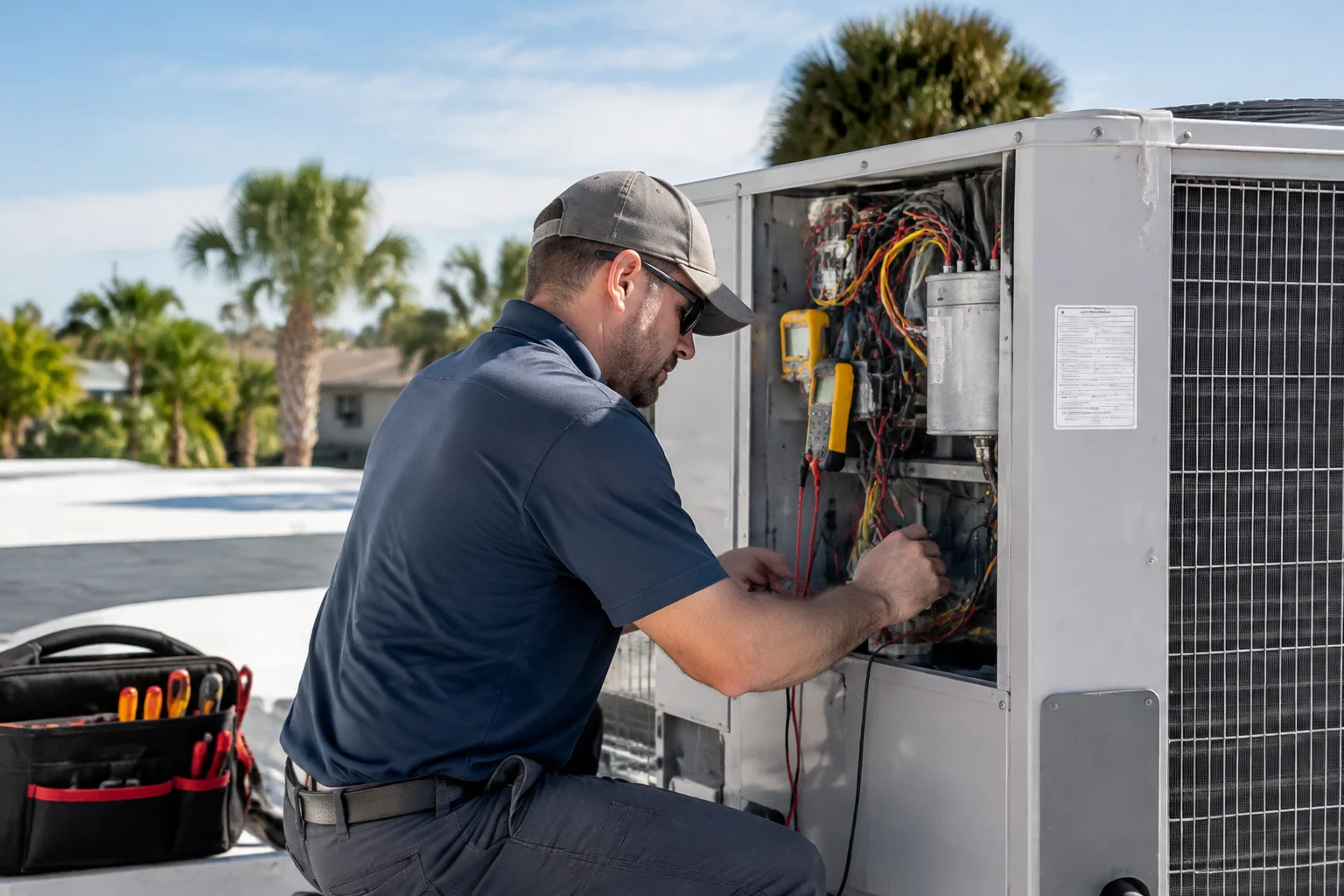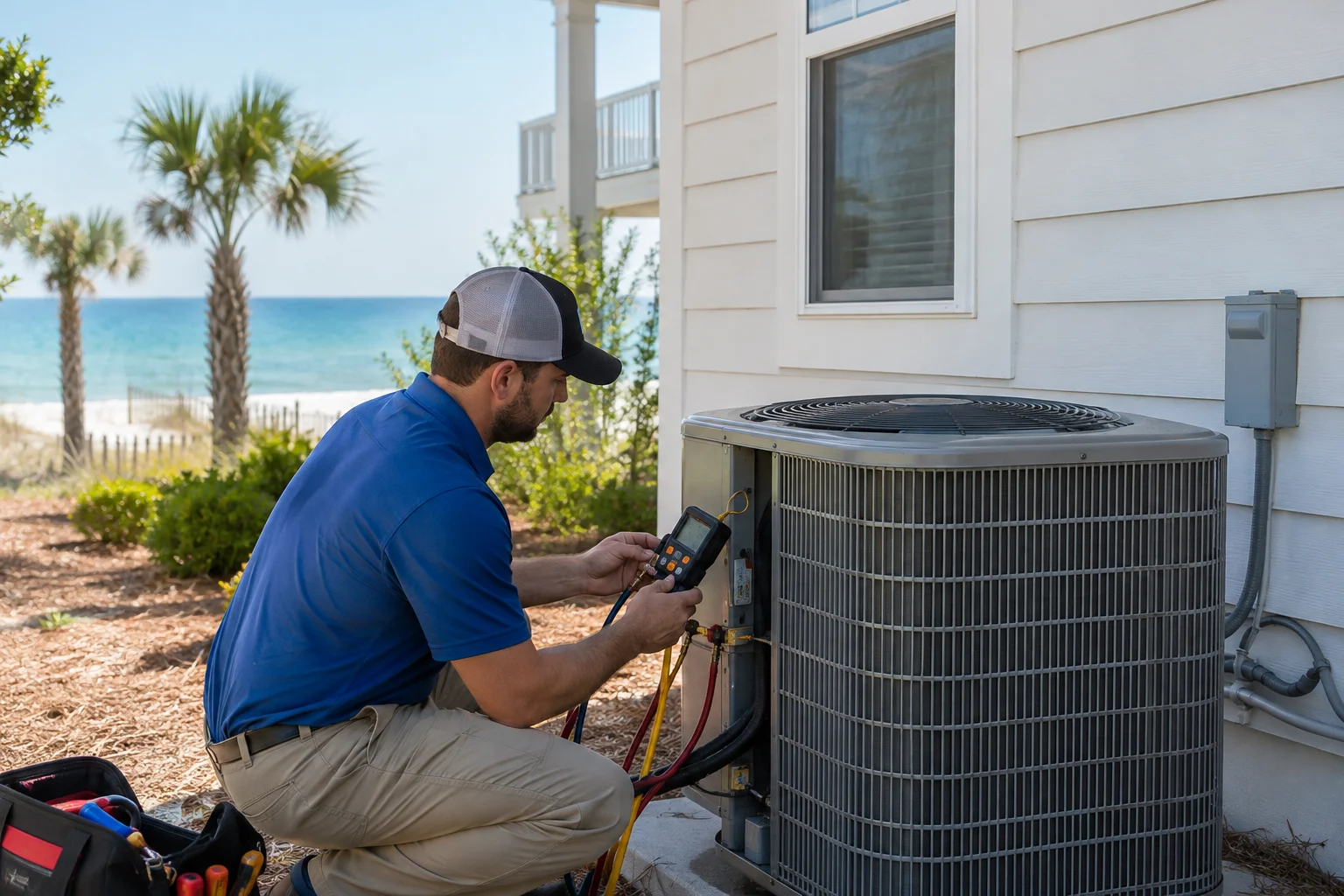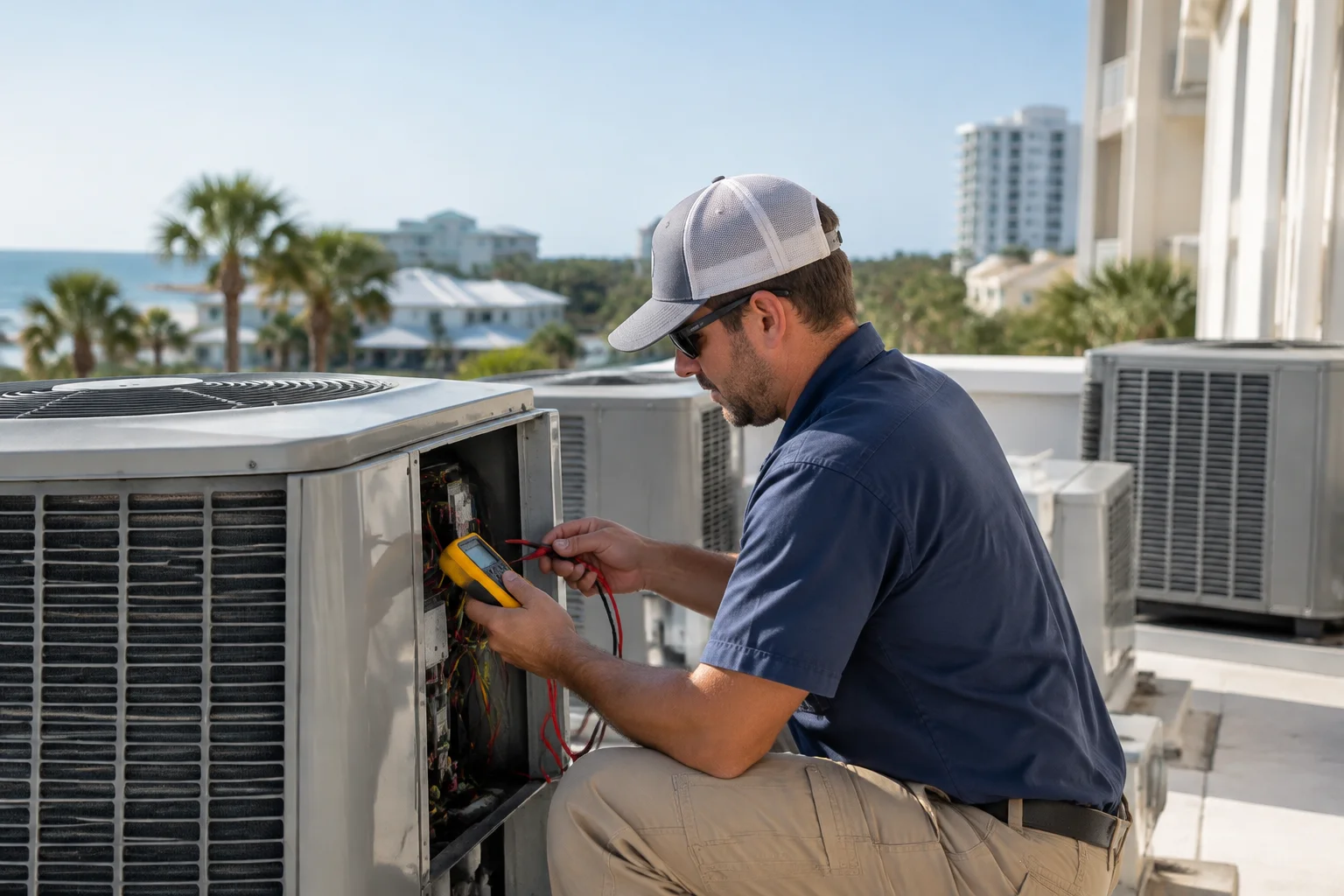
Parker, FL businesses rely on steady cooling for comfort, productivity, and protecting inventory. When commercial HVAC starts to drift out of spec, the problem usually does not announce itself politely. It shows up as higher energy use, uneven temperatures, weak airflow, and parts working harder until something fails during a hot, humid stretch.
This guide explains how commercial HVAC maintenance works in Parker, what commonly breaks down in Bay County’s coastal climate, and how homeowners who manage properties can plan preventive HVAC maintenance before a minor issue turns into an emergency cooling situation.
Why commercial HVAC maintenance matters more in Parker than “somewhere else”
Parker’s weather is a mix of long cooling seasons, high humidity, and coastal air influences from the Bay County area. That environment affects nearly every part of a commercial system, including refrigerant systems, condensate drainage, ductwork, and controls.
Even when equipment looks “fine,” humidity and salt air can contribute to corrosion and buildup. Dirty filters and restricted ductwork reduce airflow, which can cause coils to run less efficiently and increase the workload on compressors. When airflow drops, indoor air quality also suffers because the system cannot move and treat air the way it was designed to.
Maintenance is how you keep the system aligned with the building’s needs. It is also how you avoid the most expensive pattern: waiting until the hottest day of the year to troubleshoot a problem.
What “commercial HVAC maintenance” should cover in real life
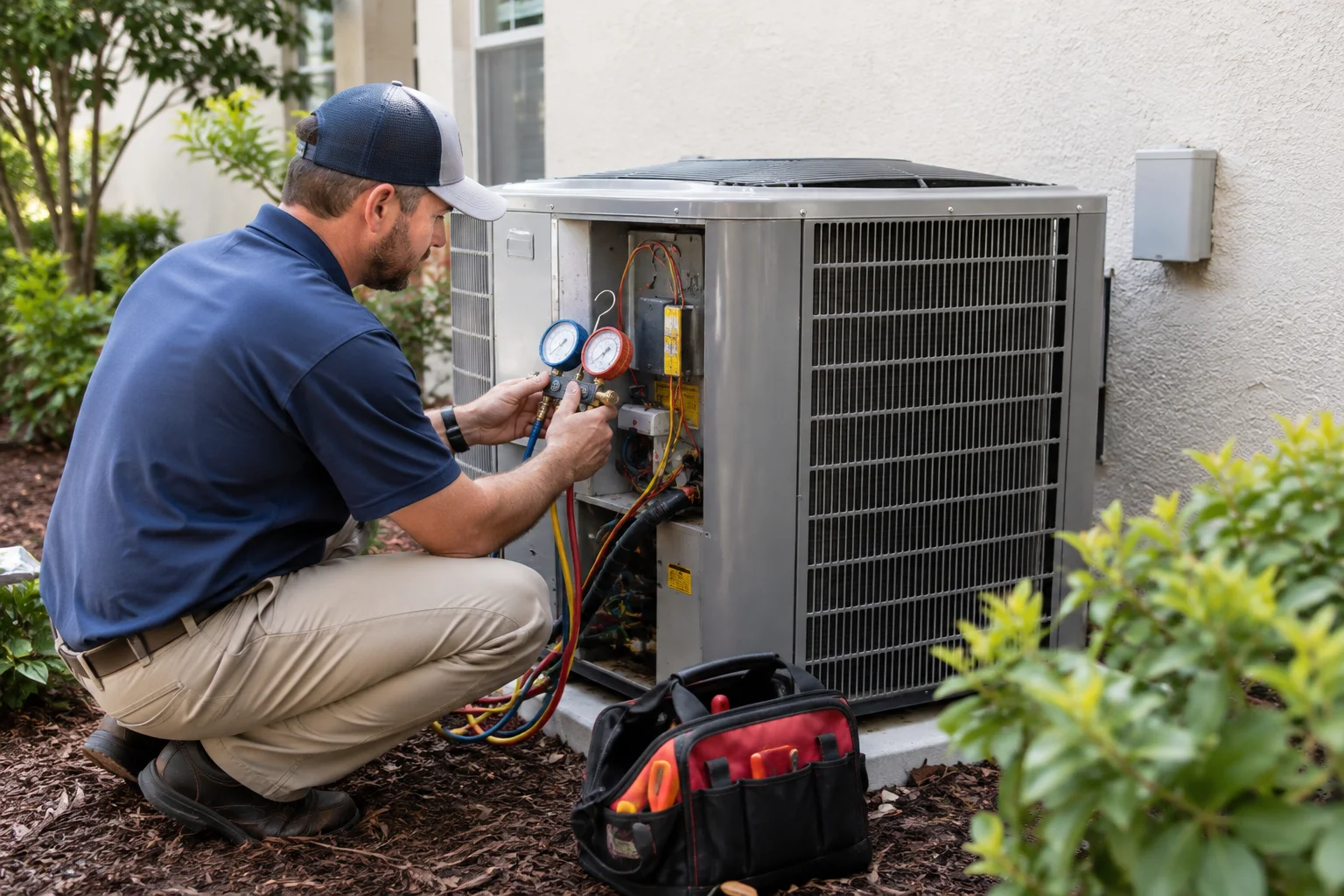
Professional maintenance is more than changing a filter. A licensed HVAC contractor should evaluate the system as a whole, focusing on airflow, heat exchange performance, refrigerant system health, condensate drainage, and thermostat or control operation. The goal is to reduce breakdowns and improve efficiency, not just to keep the unit running for a few more weeks.
1) Airflow checks that protect comfort and energy use
Airflow issues are one of the most common reasons commercial cooling feels weak. In Parker, humidity makes airflow problems more noticeable because the system must remove moisture while maintaining temperature.
During maintenance, technicians typically look at:
- Whether supply and return paths are clear and the system can move air properly
- Fan operation and airflow balance across zones
- Filter condition and whether the filter size and type match the equipment
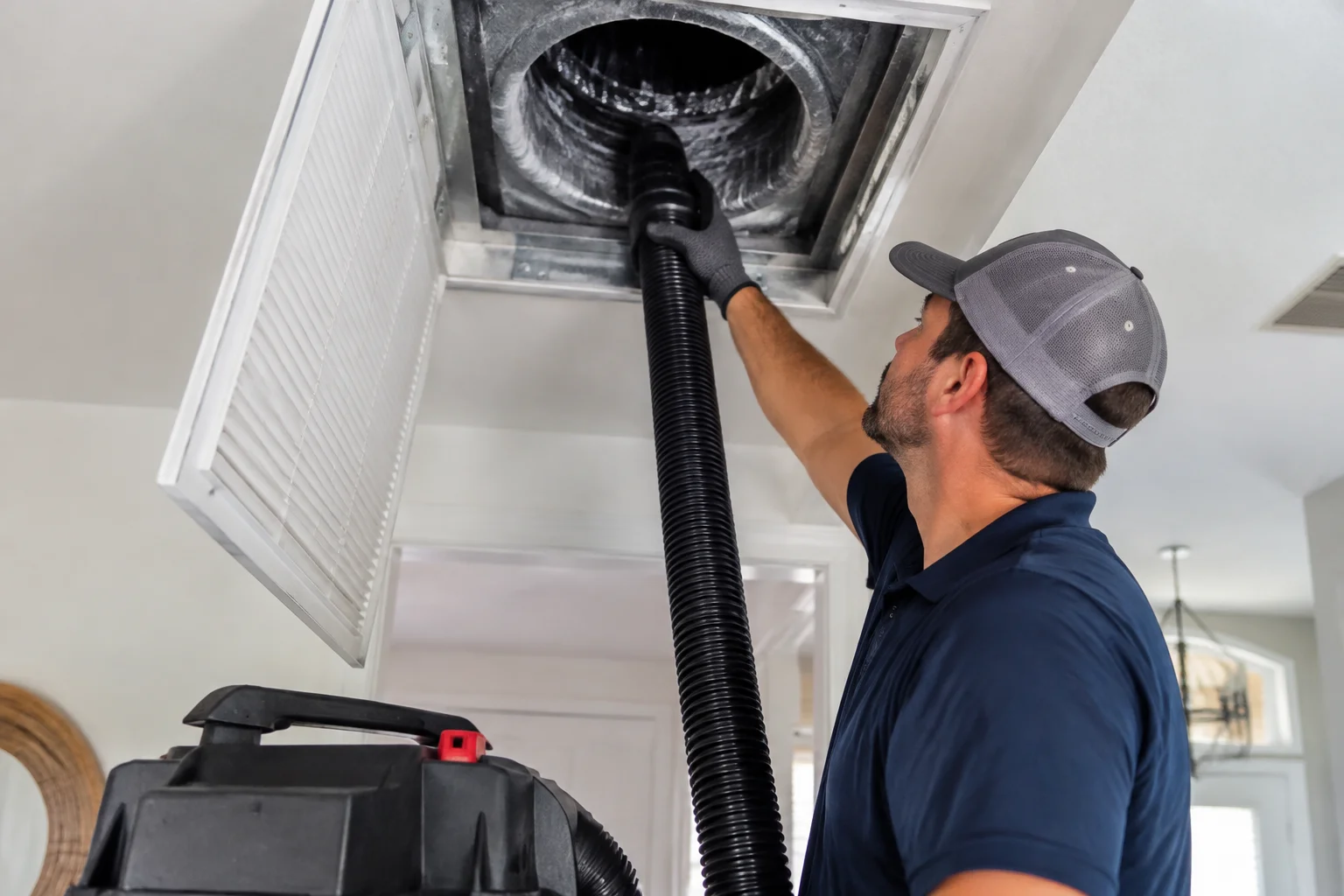
- Ductwork condition, including signs of leakage or restricted sections
If you are dealing with recurring complaints like “one room is always warmer” or “the air feels stale,” it can point to ductwork problems. If you suspect ductwork issues, consider pairing maintenance with an air sealing and Aeroseal planning approach that addresses airflow loss and humidity load.
2) Coil cleaning and heat exchange performance
Commercial air handlers and rooftop units rely on clean coils to transfer heat efficiently. Dust, grease, and coastal grime can accumulate on coil surfaces. When coils are dirty, the system may still run, but it struggles to cool and dehumidify. That can lead to higher energy use and faster wear on components.
Maintenance should include inspecting coil condition and cleaning as appropriate for the equipment and environment.
3) Refrigerant system evaluation without guessing
Refrigerant systems are designed to operate within specific parameters. Low refrigerant or improper operation can reduce cooling performance and efficiency. However, refrigerant issues also require careful, in-person evaluation because the cause may be related to a leak, airflow problems, or component performance, and the fix depends on what is found on site.
For homeowners managing commercial properties, the key is to treat refrigerant concerns as a professional-only diagnosis. Avoid “top-offs” or assumptions. A commercial HVAC repair visit is the right step when cooling performance is inconsistent or equipment behavior changes.
4) Condensate drainage inspection to prevent moisture headaches
In humid climates, condensate drainage is not a minor detail. If condensate drains slowly or clogs, water can back up and create moisture problems around the indoor unit or air handler area. That can contribute to odors, dampness, and indoor air quality concerns.
Maintenance should include checking drain lines, drain pans, and related components so condensate can move safely away from the equipment.
5) Thermostats, controls, and schedules that match how the building is used
Many commercial comfort issues are tied to controls rather than the “big box” equipment. Thermostats and building automation schedules can drift out of alignment with occupancy patterns. A system that runs too little will feel hot and humid. A system that runs too much can increase energy use and still fail to dehumidify properly if airflow and coil performance are off.
Maintenance should include verifying thermostat operation and control settings, and addressing calibration or programming issues when needed. If your building needs a more reliable control setup, explore commercial HVAC installation options that include appropriate control integration.
6) Duct inspection that supports indoor air quality
Even if the rooftop unit or air handler is operating correctly, ductwork problems can undermine the system. Leaks can pull in unconditioned air, and restrictions can reduce airflow and strain the system. In Parker’s humidity, that can worsen comfort and affect indoor air quality.
If you are searching for duct inspection near me because you are seeing uneven comfort, lingering musty smells, or visible dust, maintenance is the right place to start. Many issues revealed during a duct inspection also inform duct repair planning.
Signs commercial HVAC maintenance is overdue (and what they often mean)
When homeowners think about AC repair near me, they often focus on “the unit is dead.” But commercial systems usually struggle earlier. Here are common signs that preventive HVAC maintenance near me is not just a good idea, it is overdue.
Temperature swings and uneven comfort
Hot spots near returns, cold pockets near supply vents, or rooms that lag behind the rest of the building often point to airflow problems, ductwork restrictions, or control scheduling mismatches. Maintenance can identify where the system is not delivering air as designed.
Weak airflow, higher fan noise, or longer run times
Weak airflow can be caused by restricted filters, dirty coils, duct leakage, or blower issues. When the system runs longer to reach setpoints, energy use climbs and wear increases. That pattern can lead to more expensive repairs later.
Humidity that feels “stuck” indoors
In Parker’s humid air, a cooling system must remove moisture to keep comfort stable. If humidity remains high, the system may not be dehumidifying effectively due to airflow, coil performance, or condensate drainage problems.
Musty odors, dust buildup, or worsening indoor air quality
Indoor air quality problems are often connected to filtration, airflow, duct condition, and how the system handles moisture. If you notice odors that come and go with system cycles, or dust that seems to settle faster than usual, maintenance should include a thorough inspection of filtration and moisture management.
Frequent cycling or unexpected shutdowns
Short cycling and repeated shutdowns can indicate control problems, airflow restrictions, or component issues. Because emergency cooling concerns can arise during peak heat, these symptoms should be treated seriously.
The most common causes of expensive HVAC problems in Bay County commercial buildings
Commercial HVAC failures are rarely random. They are usually the result of a few predictable causes, especially in hot, humid coastal climates.
1) Restricted airflow from dirty filters and clogged components
Filters that are overdue, coil surfaces that collect grime, or ductwork that leaks or restricts airflow can all reduce cooling performance. The system may still run, but it operates outside its efficient range.
If your building has higher dust loads, kitchen activity, or frequent door openings, you may need a more tailored maintenance schedule than a basic seasonal check.
2) Humidity and condensate drainage issues
When condensate drainage is not clearing properly, moisture can build up and create comfort and indoor air quality problems. This can also increase the risk of corrosion in nearby areas.
3) Coil performance decline over time
Coils are heat exchange surfaces. Over time, they gather debris. Without routine cleaning and inspection, heat transfer worsens, which can increase energy use and stress refrigerant system operation.
4) Control and thermostat drift
Incorrect schedules, failing sensors, or thermostat settings that do not match occupancy can lead to discomfort and unnecessary runtime. That is one reason why homeowners searching for HVAC service near me should ask how the contractor handles controls and scheduling as part of preventive HVAC maintenance.
5) Corrosion and wear from coastal air exposure
Coastal conditions can accelerate corrosion on outdoor components, especially over multiple seasons. Maintenance helps catch early deterioration and keeps airflow and drainage paths clear.
How preventive HVAC maintenance helps protect budgets
Maintenance does not guarantee a system will never need repairs. But it helps reduce the likelihood that small issues become system-level failures that require urgent attention during peak cooling demand.
When maintenance is done on schedule, you are more likely to:
- Catch airflow and comfort problems before they become “no cooling” emergencies
- Maintain efficient heat exchange performance and support dehumidification
- Reduce unexpected refrigerant system strain caused by poor airflow or coil performance
- Prevent condensate drainage problems that can lead to indoor comfort and air quality issues
- Improve energy use by keeping the system operating closer to its intended conditions
If you are also managing ducts, consider reading Keeping Commercial HVAC Problems Small in Parker, FL for practical strategies that support long-term performance.
Emergency cooling concerns: why timing matters in Parker
In Parker’s hottest weeks, a commercial system can become a priority quickly. Emergency AC repair near me searches often spike when equipment fails during peak indoor heat load.
Maintenance is one of the best ways to reduce risk, but it also helps you build a relationship with a licensed HVAC contractor before you need emergency cooling support. When a technician already understands your equipment history, they can troubleshoot faster and more accurately.
If you notice symptoms like repeated shutdowns, sudden loss of cooling, or strong performance decline during high humidity, do not wait. A professional evaluation is the safest way to determine the cause and the right repair path.
Choosing the right commercial HVAC maintenance partner in Parker
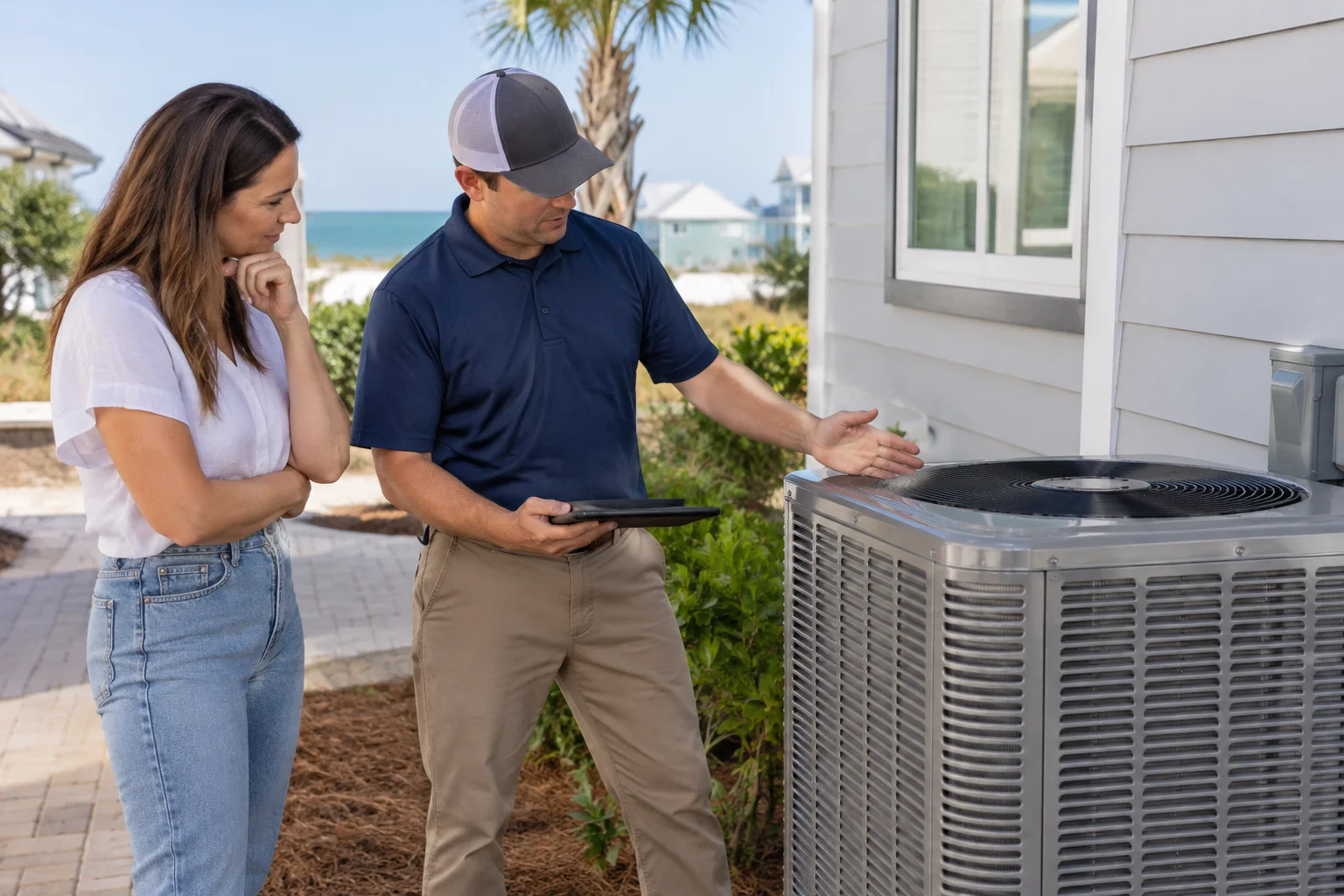
Homeowners managing commercial properties should look for a contractor who treats maintenance as a system evaluation, not a checklist rushed through in one visit.
Ask how they approach airflow, humidity, and indoor air quality
Good maintenance should address airflow, coil performance, and moisture management. If the contractor cannot explain how they evaluate these areas, you may be paying for a service that misses the biggest drivers of comfort and failure risk.
Confirm they work with commercial systems and controls
Commercial HVAC is not identical to residential service. Controls, zoning, and building schedules often require different expertise. A strong commercial HVAC maintenance plan should include thermostat and control verification.
Look for a plan that fits your building use
A retail space, restaurant, or multi-unit property can have different heat loads and operating patterns. Maintenance should be tailored to your building, not copied from a generic schedule.
When maintenance is not enough: repair, replacement, and planning ahead
Some issues require repairs or long-term planning for system replacement. Maintenance helps you identify problems earlier, but it does not replace the need for professional evaluation.
If you are seeing repeated comfort failures, worsening humidity control, or persistent performance decline, discuss options with a qualified contractor. They can help determine whether the system needs targeted commercial HVAC repair, upgraded controls, ductwork improvements, or eventual system replacement based on what they find in person.
For property owners exploring broader upgrades, you can compare options through Commercial HVAC Installation and financing options like HVAC Financing.
Proactive steps homeowners can take between service visits
Even with professional preventive HVAC maintenance near me, you can reduce strain on the system. These steps are simple and often prevent avoidable comfort problems.
- Replace filters on schedule and make sure the filter is the correct size for the equipment.
- Keep return and supply areas clear. Store items away from vents and grilles so airflow is not blocked.
- Watch for recurring hot spots, humidity complaints, or musty odors and document when they happen.
- Verify thermostat schedules align with occupancy. If the building’s hours change, update the settings.
- Arrange duct inspection near me when comfort complaints persist, especially if only certain areas are affected.
If you are planning improvements to manage humidity and reduce airflow loss, the article Planning Duct Sealing and Aeroseal Work Before Parker Heat and Humidity Push Your HVAC Harder can help you think through the timing and goals.
Get commercial HVAC maintenance scheduled with A Superior Mechanical
A Superior Mechanical provides professional commercial HVAC maintenance in Parker, FL with service plans built around the realities of Bay County’s hot, humid coastal climate. The focus is on reducing breakdowns, improving efficiency, and supporting indoor air quality through airflow, coil, drainage, and control evaluations.
To learn more, visit /service-areas/bay-county/parker/commercial-hvac-maintenance-pbcfl. For broader service coverage across the area, see /service-areas/bay-county/parker and /service-areas/bay-county.
For additional guidance on managing comfort and maintenance at the property level, homeowners can also review Keeping Parker Businesses Comfortable: A Smarter Approach to Commercial HVAC Maintenance at Home and Keeping Parker Homes Cooler, Longer: Smart Ways to Manage Air Conditioning Service in Bay County.
Find Commercial HVAC Maintenance in Parker, FL
If you need Commercial HVAC Maintenance in Parker, FL, visit our local service page or contact A Superior Mechanical today.
Map of Parker, FL
Frequently Asked Questions
How often should commercial HVAC maintenance be scheduled in Parker, FL?
Most commercial systems benefit from regular preventive HVAC maintenance, typically aligned with seasonal cooling demand and the building’s operating schedule. A Superior Mechanical can recommend a plan based on your equipment type, runtime, humidity needs, and airflow conditions.
Can poor airflow make my system use more energy in Bay County humidity?
Yes. When filters are restricted, ductwork is leaky or blocked, or coils are dirty, the system often runs longer to reach setpoints. That increases energy use and can reduce dehumidification performance in humid conditions.
What should I look for if I suspect ductwork problems are affecting comfort?
Common clues include uneven temperatures, weak airflow at specific vents, recurring hot or cold spots, and persistent indoor air quality complaints. A technician can evaluate airflow paths and recommend duct inspection near me or duct repair steps based on what they find.
Is it safe to address refrigerant issues without an on-site technician?
No. Refrigerant system problems require in-person evaluation to determine the cause. Cooling performance changes can be related to airflow, coil performance, condensate drainage, or other component issues, so repairs should follow professional diagnosis.
When does a small HVAC issue become an emergency cooling concern?
If you notice sudden loss of cooling, repeated shutdowns, rapidly worsening performance during high humidity, or symptoms that affect occupied areas, treat it as urgent. Scheduling professional help promptly helps protect comfort and reduces the chance of a larger failure.
Related Articles
- Keeping Parker Businesses Comfortable: A Smarter Approach to Commercial HVAC Maintenance at Home
- Planning Duct Sealing and Aeroseal Work Before Parker Heat and Humidity Push Your HVAC Harder
- Keeping Parker Homes Cooler, Longer: Smart Ways to Manage Air Conditioning Service in Bay County
- Keeping Commercial HVAC Problems Small in Parker, FL
Photo Gallery