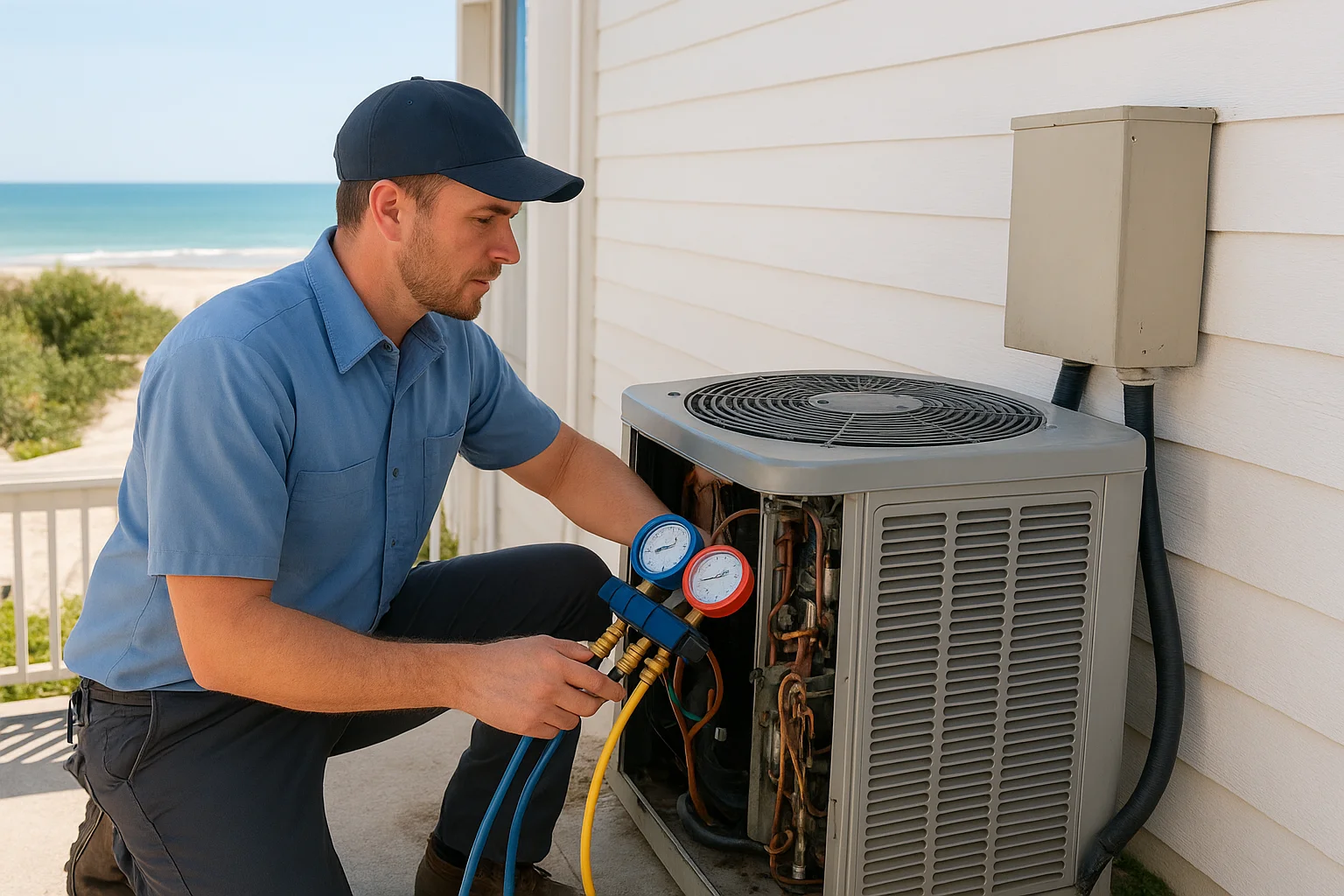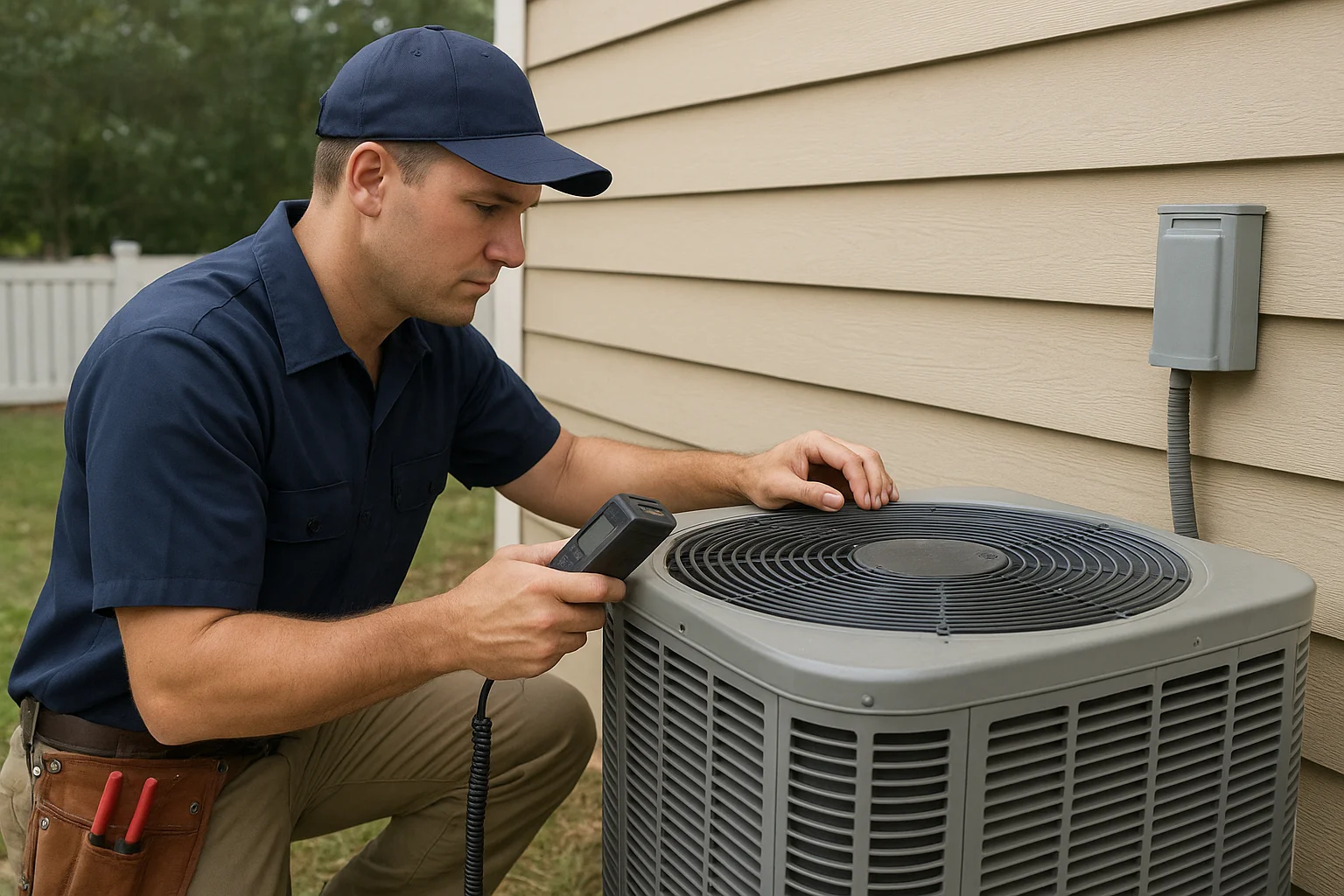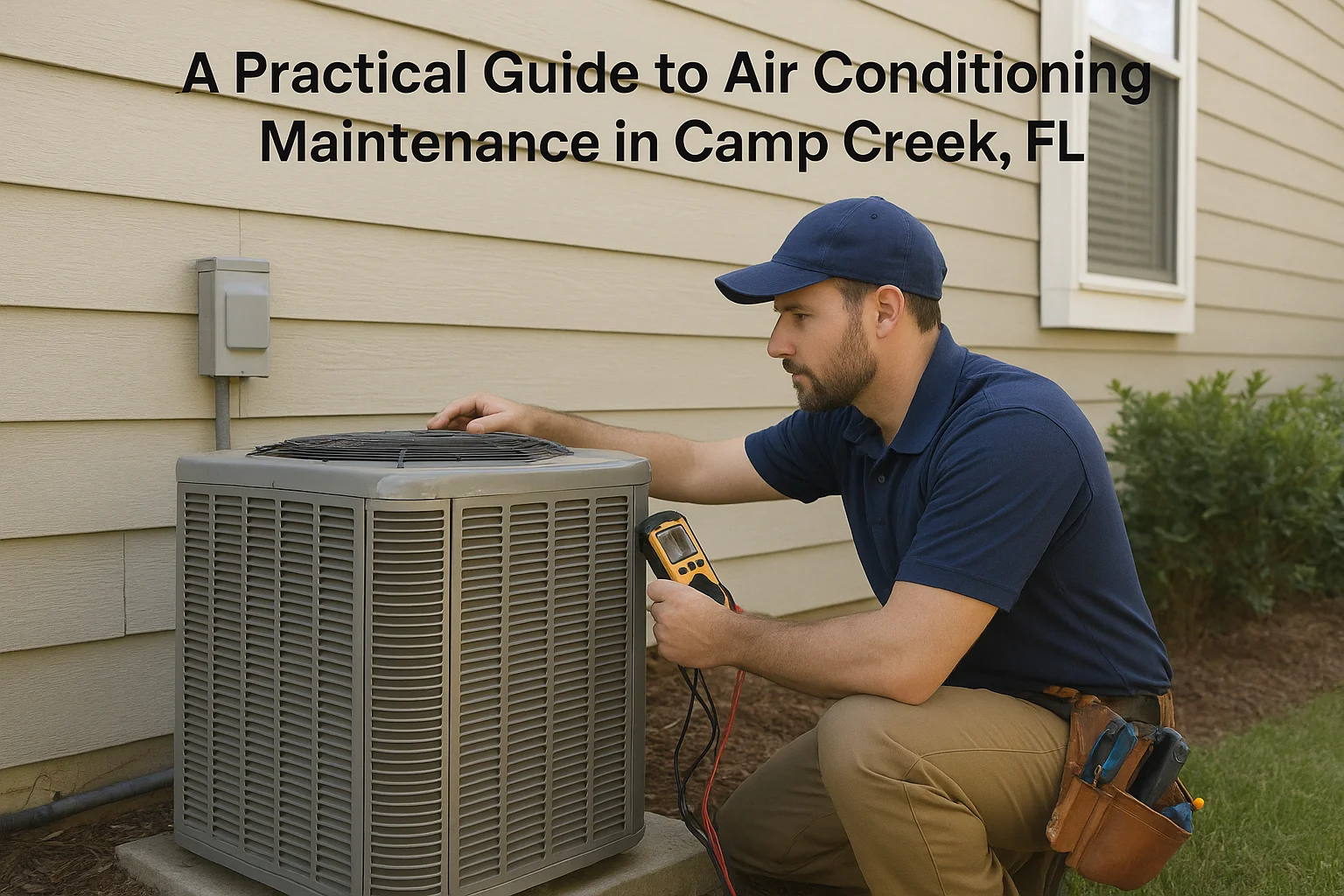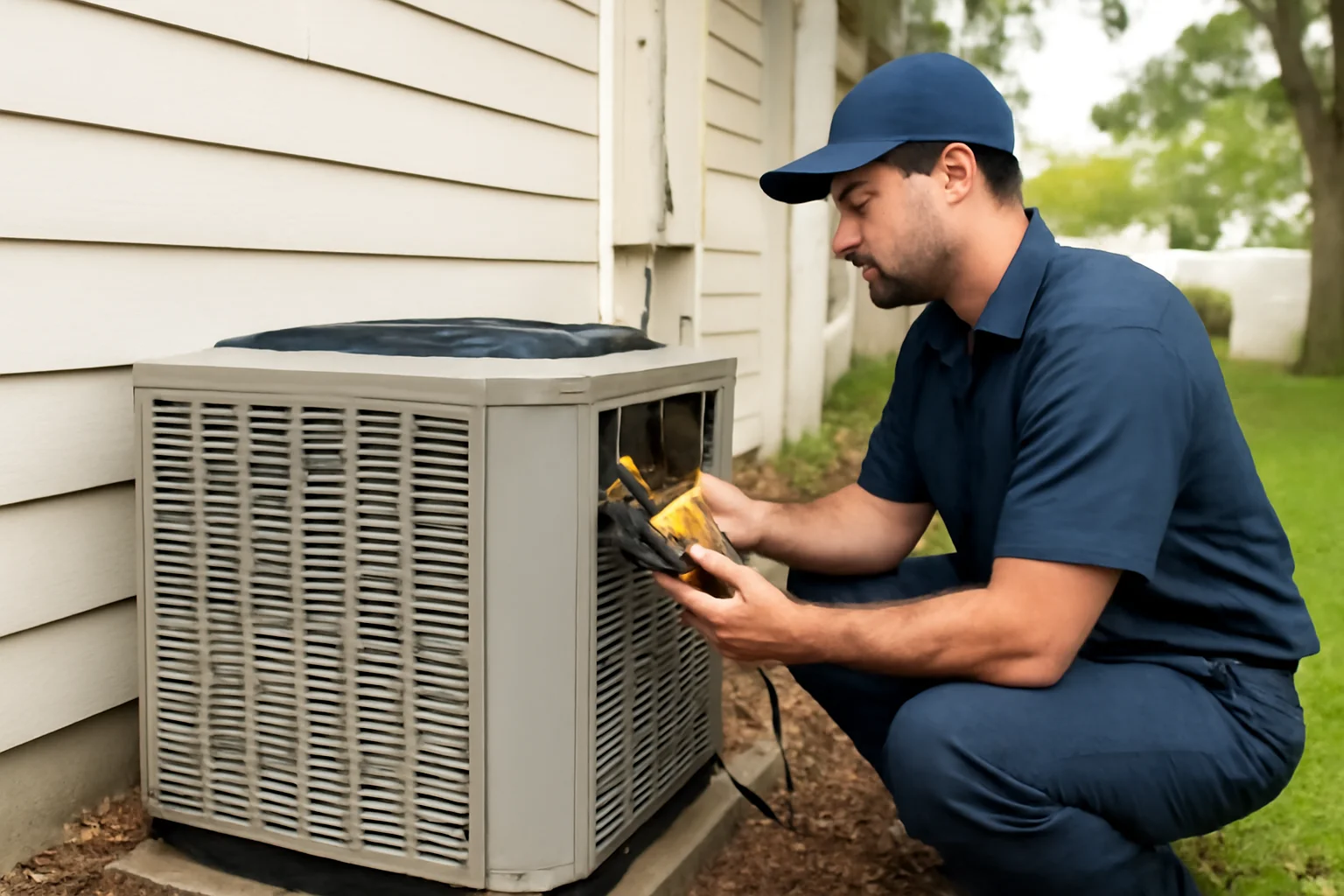
Commercial HVAC maintenance is not just a checklist item for coastal Florida properties. In Rosemary Beach, businesses live with salt air, heavy humidity, intense summer heat, and coastal rain patterns that can all stress air conditioning and heat pump systems. When maintenance is skipped, problems often show up as poor airflow, higher energy use, comfort complaints, or emergency cooling concerns during peak demand.
This guide explains what homeowners and property managers should know about commercial HVAC maintenance for coastal homes and small commercial spaces in Rosemary Beach, FL, and how a professional, preventative HVAC maintenance plan helps protect indoor comfort and equipment life.
Why Rosemary Beach climate makes commercial HVAC maintenance a little different
Rosemary Beach sits in Walton County along the Gulf Coast, where the air is often warm and humid. Commercial systems here have to handle:
- Heat load spikes during summer afternoons, when cooling demand climbs quickly.
- High humidity that can challenge dehumidification and promote condensation.
- Salt air exposure that can accelerate corrosion on outdoor components and in ductwork.
- Coastal dust and airborne debris that can clog filters and restrict airflow.
- Frequent rain and wind that can affect condensate drainage and increase moisture-related issues.
For homeowners managing rental properties, mixed-use buildings, or larger residential homes with commercial-style systems, these conditions still matter. The same principles apply to keeping refrigerant systems, airflow, and indoor air quality stable through the year.
What commercial HVAC maintenance should cover, beyond filter changes
Many people think commercial HVAC maintenance is mostly about swapping filters. Filters are important, but coastal conditions demand a broader approach. A solid maintenance visit typically focuses on airflow, refrigerant system health, condensate drainage, thermostat operation, ductwork condition, and indoor air quality.
1) Airflow and system performance checks
Airflow problems are common in coastal environments because ductwork can collect dust, filters can load up faster, and supply or return paths can get partially blocked. When airflow is off, you can see symptoms like:
- Uneven temperatures between rooms or zones
- Warm air that feels “stuck” or slow to cool
- Hot spots near supply vents or cold drafts near returns
- Higher energy use as the system runs longer to reach setpoints
Professional commercial HVAC maintenance includes inspecting airflow pathways, checking that dampers and zoning components function as intended, and verifying that the system can move conditioned air effectively.
2) Refrigerant system monitoring and safety
Most commercial comfort systems rely on refrigerant systems to move heat. Refrigerant issues can affect cooling capacity and comfort, and they can also create operational stress if the system is not running correctly. Maintenance should include monitoring the system’s operating behavior and identifying conditions that suggest the need for further in-person evaluation.
Homeowners should avoid guessing about refrigerant problems from symptoms alone. A professional technician will evaluate the system on site and use proper testing before recommending any refrigerant-related work.
3) Condensate drainage inspection (humidity management)
In humid coastal climates, air conditioning equipment produces condensate. If condensate drainage is slow, blocked, or improperly routed, moisture can build up and lead to:
- Water leaks near equipment
- Musty odors that affect indoor air quality
- Increased strain on components
- Potential moisture-related damage in ceilings, closets, or mechanical rooms
Maintenance should include checking condensate drainage paths and making sure the system can remove moisture reliably, especially during wet seasons and periods of sustained humidity.
4) Thermostats and controls that match how your building runs
Thermostats and control strategies influence comfort and energy use. In commercial settings, schedules, occupancy patterns, and zoning often differ from residential routines. A thermostat that is miscalibrated, improperly configured, or not communicating correctly can contribute to comfort complaints and unnecessary runtime.
Maintenance should verify that temperature control is accurate, schedules are appropriate, and the system responds as expected. If you are considering Heating Control Systems or upgrading thermostat hardware, professional guidance helps ensure the controls match your equipment and your building layout.
5) Ductwork condition and leakage risks
Ductwork is where comfort is delivered. In coastal environments, duct interiors can gather dust and moisture, and duct joints can loosen over time. Maintenance should include inspecting accessible duct sections and evaluating whether airflow issues could be tied to ductwork.
If you have persistent hot or cold spots, ongoing comfort complaints, or signs of airflow imbalance, a Duct Inspection can help determine whether ductwork is contributing to the problem.
Common commercial HVAC maintenance issues in coastal Florida homes
Coastal conditions often reveal predictable maintenance gaps. Here are issues homeowners in Rosemary Beach may notice, along with what they typically relate to in the HVAC system.
Poor airflow and “it cools slowly” complaints
If a building takes longer to reach temperature, the cause is often airflow related. Filters may be loaded, returns may be restricted, ductwork may be leaking, or fan operation may be out of balance. Maintenance helps catch these issues before they escalate into full HVAC repair needs.
Humidity that feels “sticky” even when the thermostat is set correctly
High humidity is common in the Gulf Coast region. If indoor air feels damp, the system may not be removing moisture effectively. Condensate drainage and overall cooling performance are key areas for a technician to evaluate during preventive HVAC maintenance near me searches, especially during the hottest stretches of summer.
Strange odors from supply vents or near the air handler
Musty smells can point to moisture issues, dust buildup, or indoor air quality concerns. Keeping filters fresh, maintaining condensate drainage, and ensuring airflow paths are clean can help reduce odor problems.
Short cycling or frequent on-off operation
Short cycling can waste energy and increase wear on components. It can be linked to airflow restrictions, thermostat settings or sensor issues, control problems, or other system performance factors. A professional inspection is important because the right fix depends on what is actually happening inside the system.
Indoor air quality matters for comfort and health
In commercial spaces and larger homes, indoor air quality affects comfort and how people feel while inside. Coastal humidity can also contribute to microbial growth if moisture is not controlled.
Preventive HVAC maintenance supports indoor air quality by focusing on:
- Filter condition and correct installation
- Airflow stability across the building
- Moisture control through condensate drainage
- Keeping ductwork and air pathways clean where accessible
Homeowners searching for indoor air quality services near me often want practical steps that reduce airborne contaminants and improve comfort. Commercial HVAC maintenance is a foundational part of that effort because it keeps the system operating as designed.
Energy use: how small maintenance gaps add up in a humid climate
In Rosemary Beach, your HVAC system runs more often when humidity and heat are high. When maintenance is delayed, the system may require longer run times to achieve setpoints, which can increase energy use. Common contributors include restricted airflow, dirty components, and control issues.
Even when equipment seems to be “working,” it may be working harder than it should. Preventive HVAC maintenance helps protect efficiency and reduces the likelihood that you end up paying for emergency AC repair near me during peak summer demand.
Seasonal planning for coastal comfort
Coastal Florida has strong seasonal swings in workload. A practical approach is to align maintenance with seasonal needs and humidity patterns rather than waiting for a breakdown.
Spring and early summer
Focus on cooling readiness. Maintenance should prioritize airflow, indoor comfort performance, condensate drainage, and control accuracy before the hottest weeks.
Mid-summer
Keep an eye on comfort trends. If you notice temperature instability, humidity complaints, or rising energy use, schedule service promptly. Waiting until the system “fails” can increase disruption and lead to emergency cooling concerns.
Late summer into fall
Humidity often remains high even as temperatures moderate. Maintenance can help ensure the system can handle lingering moisture loads and maintain reliable operation.
How to recognize when maintenance is not enough and you need HVAC repair
Preventive maintenance reduces breakdown risk, but it does not replace the need for HVAC repair when symptoms point to a specific problem. Watch for:
- Continuous warm air or major performance drops
- Water leaks or repeated condensate drainage issues
- Thermostat behavior that does not match system operation
- Unusual noises, strong odors, or visible damage near equipment
- Frequent cycling or system shutdowns
If you are searching for AC repair near me or HVAC repair near me because comfort issues are escalating, choose a local provider familiar with coastal conditions. The right diagnosis depends on an on-site evaluation of airflow, controls, condensate drainage, and refrigerant system operation.
Heat pumps and coastal realities
Many commercial comfort systems use heat pumps for efficient heating and cooling. In coastal Florida, heat pump service needs to account for humidity, salt exposure, and airflow demands. If you notice performance issues, you may be looking at airflow problems, control issues, or other system conditions that require professional evaluation.
Homeowners searching for heat pump repair near me or considering upgrades such as heat pump installation near me should plan around the full system, not just the outdoor unit. A properly matched system and well-maintained ductwork and controls are what support reliable comfort.
Air conditioning inspection: a practical first step
If you have a commercial HVAC system that has not had recent service, an inspection can help identify the underlying causes of comfort complaints and maintenance needs. An Air Conditioning Inspection is especially useful when you suspect airflow issues, humidity control problems, or condensate drainage concerns.
For homeowners managing properties in Rosemary Beach, this kind of inspection also helps clarify whether preventive service is the right path or whether repairs are needed to restore performance.
When system replacement becomes a conversation
Most homeowners prefer to extend equipment life through preventive HVAC maintenance and timely HVAC repair. Still, there are times when replacement becomes part of the planning process, especially when a system is repeatedly underperforming or requires frequent repairs.
Replacement should be based on an in-person professional evaluation of the equipment condition, airflow and ductwork compatibility, control strategy, and the building’s comfort needs. If you are searching for HVAC replacement near me, ask about how the contractor will assess the whole system, not just the equipment box.
Why local commercial HVAC maintenance from A Superior Mechanical matters
Coastal HVAC is not one-size-fits-all. Salt air can accelerate corrosion. Humidity can stress condensate drainage and indoor air quality. Heat load patterns can expose airflow problems during peak demand. A Superior Mechanical provides commercial HVAC maintenance in Rosemary Beach, FL with an emphasis on dependable comfort, lower operating costs, and fewer breakdowns.
If your property is ready for a maintenance plan, you can review our service details here: Commercial HVAC Maintenance in Rosemary Beach, FL. You can also explore more about our service area and local coverage at Rosemary Beach HVAC services and Walton County HVAC services.
For related reading on how coastal conditions affect comfort and equipment performance, these posts may help you plan smarter:
- Smart HVAC Planning for Rosemary Beach Homes: Comfort, Airflow, and Coastal Protection
- How HVAC Wear and Tear Changes the Air Inside Rosemary Beach Homes
- Keeping Valparaiso Comfortable Starts With Smarter Commercial HVAC Maintenance
- What Fort Walton Beach Homes Can Learn From Commercial HVAC Maintenance
Preventive steps homeowners can take between professional visits
Professional service is the foundation, but homeowners can support system performance between visits. These steps can reduce strain and improve indoor comfort:
- Replace filters on schedule and ensure they are installed correctly.
- Keep vents and returns clear so airflow is not restricted.
- Watch for moisture signs such as water near equipment, damp ceilings, or persistent musty odors.
- Track comfort trends like rising humidity, temperature instability, or increased energy use.
- Review thermostat scheduling if you have occupancy changes or seasonal usage patterns.
If you are making changes to a property, such as new construction or major renovations, planning the HVAC system early can prevent comfort issues later. For homeowners building or updating systems, consider New Construction Air Conditioning guidance so the ductwork, controls, and equipment are designed to work together.
Emergency cooling concerns: how maintenance reduces the risk
When the system fails during peak cooling demand, it can disrupt work, guests, or daily life. Maintenance helps reduce the likelihood of sudden failures by addressing common wear points and keeping airflow and moisture management in working order.
If you are dealing with an urgent comfort issue and need emergency AC repair near me, remember that the best long-term strategy still starts with preventive HVAC maintenance. Emergency service handles the immediate problem, while maintenance helps prevent the same failure from repeating.
Taking the next step for coastal commercial comfort
Commercial HVAC maintenance in Rosemary Beach is about keeping airflow steady, moisture controlled, controls accurate, and refrigerant systems operating within safe, expected conditions. With Florida heat, humidity, and salt air working against your equipment, a scheduled maintenance plan is one of the most practical ways to protect comfort and limit unexpected downtime.
To get started, visit Commercial HVAC Maintenance in Rosemary Beach, FL and review how A Superior Mechanical supports dependable performance for coastal properties.
Find Commercial HVAC Maintenance in Rosemary Beach, FL
If you need Commercial HVAC Maintenance in Rosemary Beach, FL, visit our local service page or contact A Superior Mechanical today.
Map of Rosemary Beach, FL
Frequently Asked Questions
How often should commercial HVAC maintenance be scheduled in Rosemary Beach?
Most commercial systems benefit from regular preventive HVAC maintenance throughout the year, with seasonal attention before peak cooling demand. A Superior Mechanical can recommend a schedule based on your equipment type, usage patterns, and how coastal humidity and salt air are affecting your system.
What are the most common causes of uneven temperatures in commercial buildings here?
Uneven temperatures are often tied to airflow problems such as dirty or restricted filters, ductwork issues, zoning or damper performance, or control settings. An on-site inspection helps confirm the cause before repairs are chosen.
Can humidity in coastal Florida affect condensate drainage and indoor air quality?
Yes. High humidity increases condensate production, and clogged or poorly routed condensate drainage can lead to water issues and comfort problems. Moisture control is a key part of indoor air quality services and preventive HVAC maintenance.
Is it safe to try to diagnose refrigerant issues without a technician?
No. Refrigerant system problems should be evaluated by a professional using proper testing. Symptoms alone are not enough to confirm the cause, and attempting DIY refrigerant work can be unsafe.
What should homeowners ask about during an air conditioning inspection for a commercial system?
Ask the technician to review airflow performance, condensate drainage, thermostat and controls, ductwork condition where accessible, and any indoor air quality concerns. If repairs are needed, ask what maintenance adjustments can help prevent repeat issues.
Related Articles
- Smart HVAC Planning for Rosemary Beach Homes: Comfort, Airflow, and Coastal Protection
- How HVAC Wear and Tear Changes the Air Inside Rosemary Beach Homes
- Keeping Valparaiso Comfortable Starts With Smarter Commercial HVAC Maintenance
- What Fort Walton Beach Homes Can Learn From Commercial HVAC Maintenance
Photo Gallery