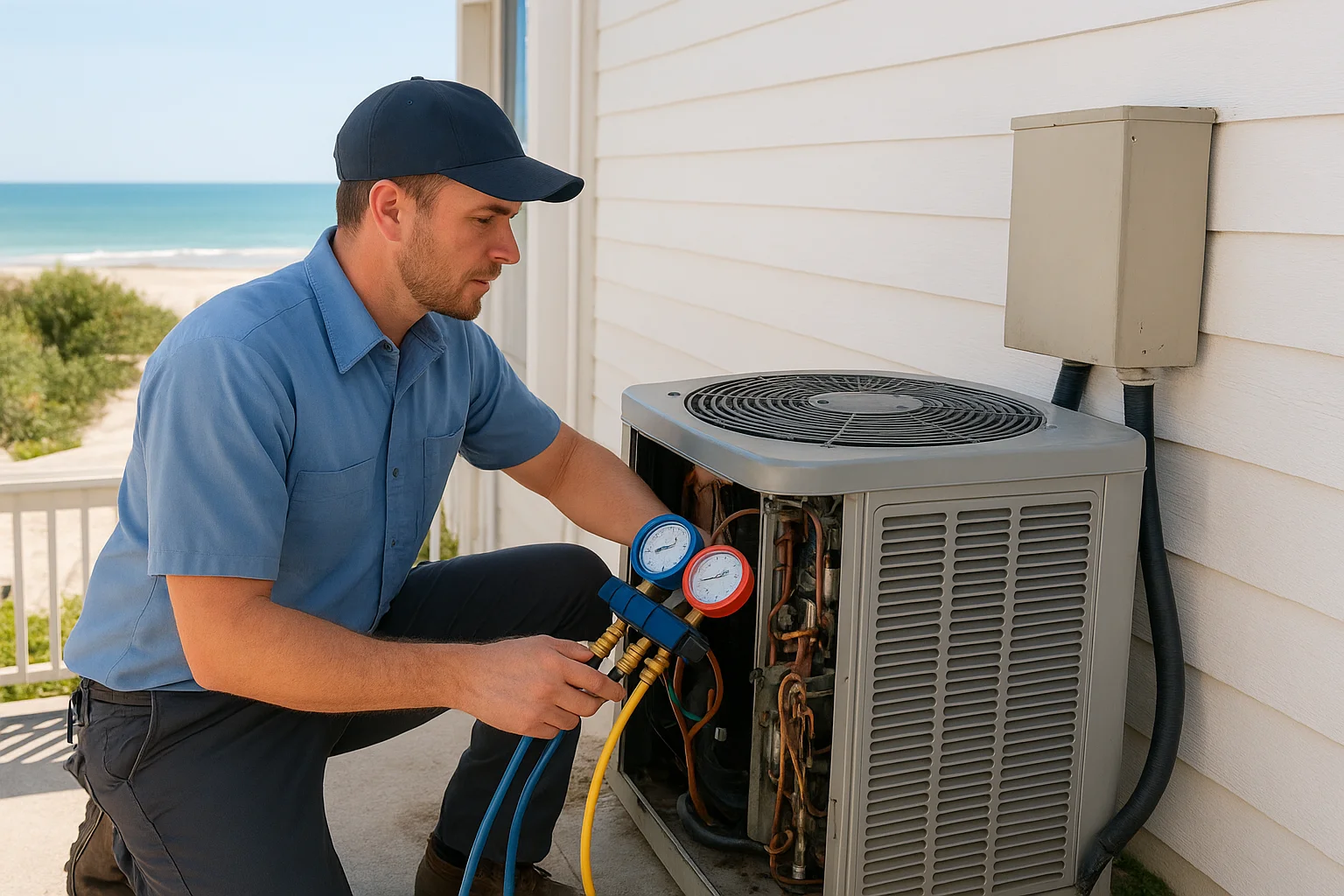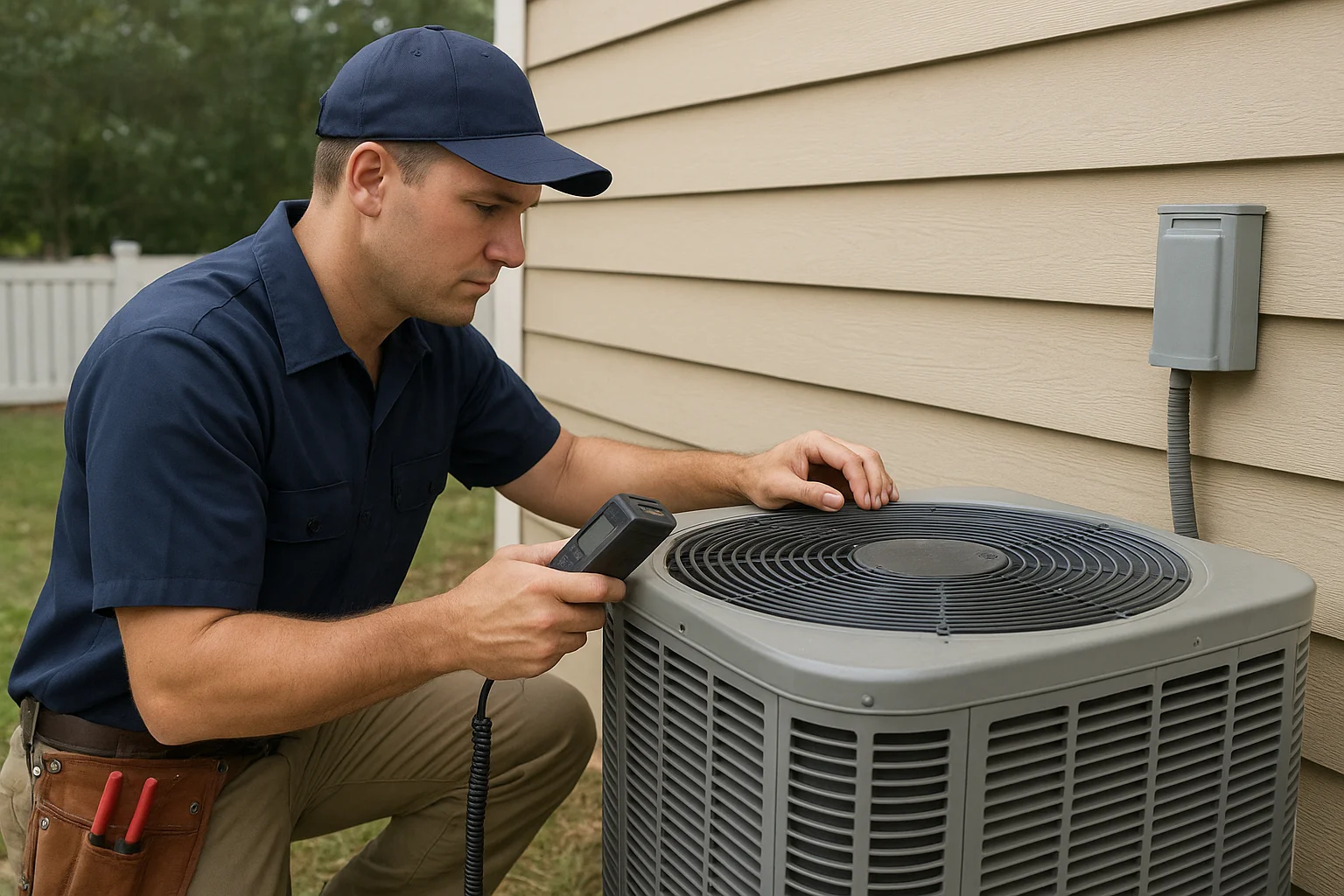
Lower Grand Lagoon businesses rely on steady cooling to keep employees comfortable and customers at ease. In Bay County, the combination of Florida heat, heavy humidity, and salt air can push commercial HVAC systems harder than many property owners expect. When airflow drops or condensate drainage gets sluggish, small problems can turn into costly downtime. This guide focuses on commercial HVAC repair in Lower Grand Lagoon, FL and the simple habits that help prevent breakdowns, protect indoor air quality, and reduce emergency cooling concerns.
Why Lower Grand Lagoon HVAC systems face a tougher job
Commercial buildings in and around Lower Grand Lagoon are often exposed to conditions that increase HVAC stress. Humidity levels can rise quickly, which affects cooling performance and can create moisture management problems. Coastal salt air can also accelerate corrosion on certain metal components and outdoor coils.
On top of that, many commercial spaces experience frequent temperature swings. Doors open and close throughout the day. Occupancy changes. Some areas have more sunlight exposure than others. HVAC systems respond by cycling more and working longer, which increases wear on refrigerant systems, fans, motors, and controls.
These factors do not mean you should expect constant repairs. They do mean that preventive HVAC maintenance and consistent operating habits matter.
Start with the basics: airflow, thermostats, and consistent schedules
1) Keep airflow paths clear
Airflow is the foundation of both comfort and system efficiency. Even if your equipment is running, restricted airflow can cause evaporator coil icing, poor cooling, and higher energy use. Common commercial airflow obstacles include:
- Blocked return grilles by stored items, partitions, or signage
- Supply diffusers covered by furniture, decor, or temporary barriers
- Dirty filters or filters installed incorrectly
- Closed dampers in zones that are supposed to be conditioned
A practical habit is to walk the building during business hours and again after hours. Look for areas that feel warm while other areas cool, and check whether diffusers and returns are obstructed. If you are searching for duct inspection near me, that is often a good next step when airflow seems uneven.
2) Use thermostats the way the system was designed
Commercial thermostats are not just convenience controls. They help manage temperature setpoints, schedules, and sometimes staging. A common issue is inconsistent scheduling or frequent manual overrides. When setpoints change every hour, the system may short-cycle, struggle to stabilize temperatures, and increase wear on components.
Set a schedule that matches occupancy. If your building has meeting rooms, make sure those spaces are included in the HVAC control plan. If you have multiple zones, confirm that each zone is programmed properly. If you are considering new AC installation near me or HVAC replacement near me, it is also smart to review thermostat controls during the planning phase so the new system is matched to how your business operates.
3) Avoid extreme temperature swings
In Florida heat, it can be tempting to set cooling “as low as possible” after hours or during a busy event. That approach often does not cool the building faster. It can increase humidity issues because the system may run longer without achieving stable moisture removal. A steadier setpoint and good scheduling usually leads to more consistent comfort and fewer emergency calls.
Humidity control habits that prevent wet coil and drainage problems
Cooling in a humid climate is also about moisture control. When the system removes humidity, moisture condenses on the coil and drains through condensate drainage components. If drainage slows or the coil does not perform correctly, you can see symptoms such as musty odors, visible water near equipment, or ceiling staining.
Simple habits can reduce risk:
- Confirm condensate drain lines and drain pans are maintained as part of commercial HVAC maintenance.
- Watch for recurring moisture around air handlers, near indoor units, or in mechanical rooms.
- Check for overflow indicators if your system includes them.
- Keep the area around the equipment clean enough for inspections.
Because condensate drainage and coil performance are tied to airflow and refrigerant system operation, drainage concerns are a strong reason to schedule a professional inspection rather than trying to “guess” the cause.
Refrigerant systems and why “low cooling” is not always low refrigerant
Many homeowners and property managers hear “not cooling” and assume refrigerant must be low. In commercial settings, that assumption can delay the real fix. Cooling problems can be caused by airflow restrictions, dirty coils, control issues, sensor problems, or failing components that affect refrigerant system pressures and temperatures.
It is important to let a licensed professional evaluate the system in person. A refrigerant diagnosis should not be attempted through guesswork. The correct approach depends on what the system is doing, how it is responding to thermostat commands, and what the indoor and outdoor components are showing during operation.
Common commercial HVAC repair issues in Lower Grand Lagoon
While every building is different, certain problems show up repeatedly in Bay County commercial service calls. Knowing the patterns helps you respond sooner and prevent further damage.
Uneven cooling across zones or rooms
Causes often include ductwork issues, blocked returns, failing dampers, or airflow imbalance. If you notice some areas are consistently warmer, consider a duct inspection before the problem escalates. Uneven comfort can also lead to complaints that escalate quickly during peak seasons.
Short cycling or temperature swings
Short cycling can occur when the system cannot maintain stable conditions. Dirty coils, airflow problems, control settings, or sensor issues can contribute. Persistent cycling increases wear on motors and compressors and can strain the refrigerant system.
Warm air at the vents or slow recovery after setbacks
In Florida heat, slow recovery often points to airflow, coil performance, or capacity problems. If you recently changed schedules or modified how the building is used, the system may need adjustments to match the new demand.
Strange noises from air handlers or outdoor units
Banging, grinding, or persistent rattling can indicate failing bearings, loose components, or airflow problems. Operating with abnormal noises can lead to more expensive failures.
Indoor air quality complaints
When air quality drops, complaints often include headaches, irritation, or stale odors. Indoor air quality services near me can help when issues relate to filtration, ventilation, humidity control, and duct cleanliness. In humid climates, poor moisture management can also affect how comfortable the air feels.
Simple preventive habits that reduce breakdown risk
Preventive HVAC maintenance is not only a yearly task. It is also how you run the building day to day. Here are habits that work well for commercial HVAC repair prevention in Lower Grand Lagoon.
1) Track filter changes and keep a log
Filters are one of the most practical levers you control. Dirty filters restrict airflow, increase energy use, and can reduce system capacity. Create a schedule based on your environment and occupancy. If you have high dust loads, consider more frequent changes. Keep a simple log for maintenance records.
2) Inspect the thermostat settings each season
Before peak cooling months, verify setpoints, schedules, and zone programming. Confirm that the system is responding to commands correctly. If you have recently changed how your business operates, update the thermostat schedule.
3) Watch for humidity clues
Pay attention to condensation on windows, damp smells, or recurring water around equipment. Humidity symptoms can indicate that the system is not removing moisture as expected, that airflow is off, or that condensate drainage needs attention.
4) Keep the outdoor unit accessible
Outdoor equipment needs airflow clearance. Debris, overgrown landscaping, and blocked airflow can reduce performance. Coastal salt air can also contribute to corrosion, so keep nearby areas clean and ensure routine inspections happen.
5) Schedule commercial HVAC maintenance before the hottest weeks
When an HVAC maintenance near me search can prevent a mid-summer breakdown, the key is timing. Early-season service helps identify issues while there is still time to plan repairs. It also supports more stable comfort during Florida’s most demanding periods.
If you want a targeted approach, explore Commercial HVAC Maintenance for routine inspections and performance checks.
Airflow and ductwork: where small problems hide
Ductwork often receives less attention than the equipment itself, but it directly affects comfort and energy use. Leaky ducts, poorly designed airflow paths, and blockages can make the system work harder to deliver the same comfort. That can increase runtime and stress on components.
Common ductwork concerns include:
- Disconnected or damaged sections
- Excessive leakage in attics, crawl spaces, or mechanical chases
- Blocked returns or poorly balanced supply
- Accumulated dust that affects indoor air quality
If you suspect ductwork is part of the problem, consider Duct Inspection. A professional evaluation can help pinpoint where airflow is being lost and how to restore balanced performance.
When to call for commercial HVAC repair in Lower Grand Lagoon
Some HVAC problems are easy to spot. Others show up as comfort complaints or “almost working” behavior that worsens over time. Call a professional when you notice any of the following:
- Cooling is inconsistent, and the problem persists after basic checks like filter verification and schedule review
- Humidity feels excessive or you see moisture near indoor units
- Airflow is weak in multiple areas, especially returns and diffusers
- There are abnormal noises, frequent cycling, or sudden changes in performance
- Indoor air quality complaints rise during cooling season
- Your business relies on continuous cooling and you cannot risk downtime
For businesses facing urgency, it helps to have a relationship with an HVAC company near me that understands commercial systems. If you are searching for “commercial HVAC repair near me” because cooling is failing during peak heat, prioritize the ability to diagnose and address the issue without guessing.
Heat pump and ductless systems: special considerations in Bay County
Some commercial buildings use heat pumps or ductless mini split installation for targeted comfort. Heat pumps handle both cooling and heating, which can make them more sensitive to airflow and coil performance. Ductless systems can be efficient, but they still depend on proper airflow around indoor units and correct outdoor unit operation.
If your building includes heat pump equipment, it is wise to review maintenance practices and repair history before peak seasons. You can also explore Heat Pump Services for help with cooling performance, airflow concerns, and humidity-related comfort issues.
For facilities that focus on cooling performance, Air Conditioning Repair can be a good starting point when the problem is primarily AC comfort.
Energy use and comfort: how repairs connect to operating costs
In Florida’s humidity and heat, HVAC energy use can climb quickly when systems are not performing at their best. When airflow is restricted, when coils are dirty, or when controls are misconfigured, the system may run longer to reach setpoints. That extra runtime can increase wear and make the next repair more likely.
Addressing issues early supports comfort and helps reduce unnecessary energy use. It also helps prevent the kind of emergency cooling concerns that disrupt business operations during the hottest stretches of the season.
What professional local HVAC service does differently
Commercial HVAC repair is not only about replacing parts. A professional HVAC service approach focuses on how the system operates as a whole: airflow, humidity removal, thermostat control, refrigerant system behavior, and condensate drainage. Local service matters because Lower Grand Lagoon and the surrounding Bay County area have the climate factors that affect comfort and equipment performance.
A local team can also help you avoid common missteps, such as:
- Making assumptions about refrigerant without confirming system performance and airflow conditions
- Ignoring ductwork and focusing only on the air handler or outdoor unit
- Overlooking condensate drainage and moisture symptoms
- Delaying repairs until the system fully fails during peak cooling demand
If you want to explore commercial options, review the service page for commercial HVAC repair in Lower Grand Lagoon. You can also learn more about service coverage across the region on the Lower Grand Lagoon area page and Bay County service areas.
Planning ahead for system replacement and upgrades
Most businesses prefer repairs, but every commercial system eventually reaches a point where HVAC replacement near me searches become relevant. Replacement decisions are not only about age. They also depend on comfort performance, humidity control, energy use, and how reliably the system can meet your building’s needs.
When considering upgrades, review how your current ductwork and controls match your usage. If indoor air quality is a recurring concern, ask how filtration and ventilation strategies will be handled. If your building uses heat pumps or has ductless zones, make sure the upgrade plan supports airflow and humidity control in the same way your current layout does.
If financing is part of your planning, this guide may help: A Local Homeowner’s Guide to HVAC Financing in Lower Grand Lagoon, FL: Comfort, Airflow, Humidity, and Prevention.
How other local property owners think about repair decisions
Commercial HVAC problems often start small, but the impact can be large when a business depends on consistent cooling. These reads can help you connect the dots between maintenance and comfort outcomes:
- Why Commercial HVAC Repair Matters to Home Comfort in Miramar Beach
- Commercial HVAC Repair in Fort Walton Beach: What Property Owners Should Pay Attention To Before Small Problems Grow
- How Local Weather Affects Commercial HVAC Repair in Destin, FL
A practical checklist for today
If you manage a commercial property in Lower Grand Lagoon, use this quick checklist to reduce risk before the next hot week:
- Verify filter status and confirm correct installation.
- Walk the building and check for blocked returns and supply diffusers.
- Confirm thermostat schedules match occupancy and that zone settings make sense.
- Look for humidity clues like condensation, damp odors, or water near indoor units.
- Ensure condensate drainage areas are clean and accessible for inspection.
- Schedule commercial HVAC maintenance ahead of peak demand and plan repairs early.
These habits do not replace professional diagnostics, but they help you catch issues sooner and keep cooling performance steadier throughout Florida’s humid season.
Find Commercial HVAC Repair in Lower Grand Lagoon, FL
If you need Commercial HVAC Repair in Lower Grand Lagoon, FL, visit our local service page or contact A Superior Mechanical today.
Map of Lower Grand Lagoon, FL
Frequently Asked Questions
What are the most common commercial HVAC repair issues in Lower Grand Lagoon?
In Bay County, common issues include weak or uneven airflow, humidity and moisture problems, condensate drainage concerns, and control or thermostat-related performance issues. Dirty coils, restricted airflow, and equipment wear from Florida heat can also show up as inconsistent cooling.
How can I prevent emergency cooling concerns during peak summer?
Use consistent thermostat schedules, keep returns and supply registers clear, track filter changes, and schedule commercial HVAC maintenance before the hottest weeks. If you notice moisture, odors, or repeated comfort complaints, address them early so the system does not fail during high demand.
Should I worry if my system is running but the building is not cooling well?
Yes. “Running” does not always mean the system is delivering proper airflow or humidity removal. The cause could be restricted airflow, coil performance issues, control problems, or other component failures. A professional evaluation is needed before assuming refrigerant is the issue.
Can ductwork affect indoor air quality in a commercial building?
Absolutely. Duct leaks, dust buildup, and poor airflow balance can reduce ventilation effectiveness and contribute to stale air or uneven comfort. If indoor air quality services are needed, duct inspection and airflow checks are often part of the solution.
Do heat pumps and ductless mini splits need the same kind of preventive maintenance?
They do need preventive maintenance, but the focus can differ. Heat pumps still rely on airflow, coil performance, and proper moisture management. Ductless systems depend on clear airflow around indoor units and correct outdoor unit operation. A local HVAC professional can tailor maintenance to your setup.
Related Articles
- A Local Homeowner’s Guide to HVAC Financing in Lower Grand Lagoon, FL: Comfort, Airflow, Humidity, and Prevention
- Why Commercial HVAC Repair Matters to Home Comfort in Miramar Beach
- Commercial HVAC Repair in Fort Walton Beach: What Property Owners Should Pay Attention To Before Small Problems Grow
- How Local Weather Affects Commercial HVAC Repair in Destin, FL
Photo Gallery