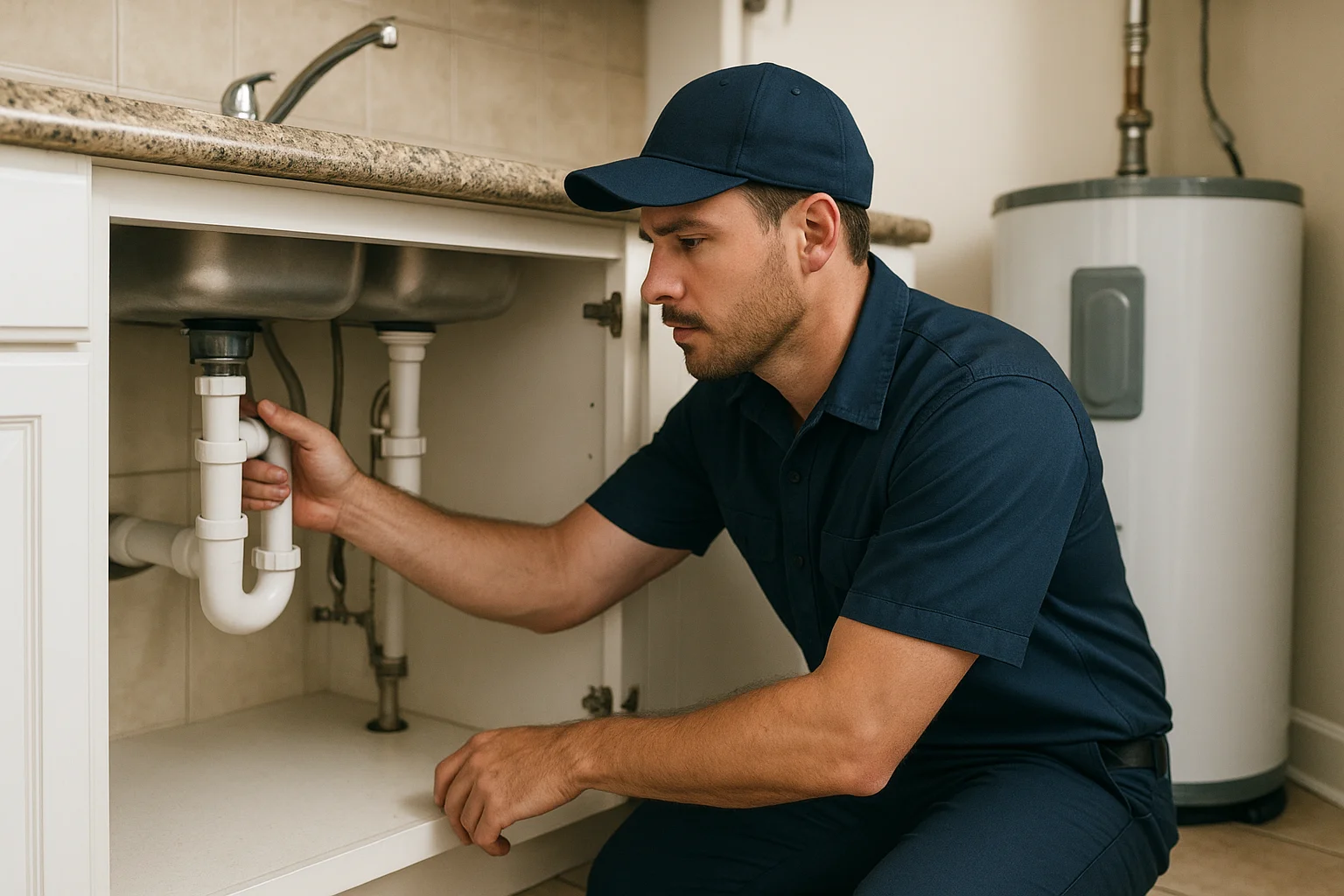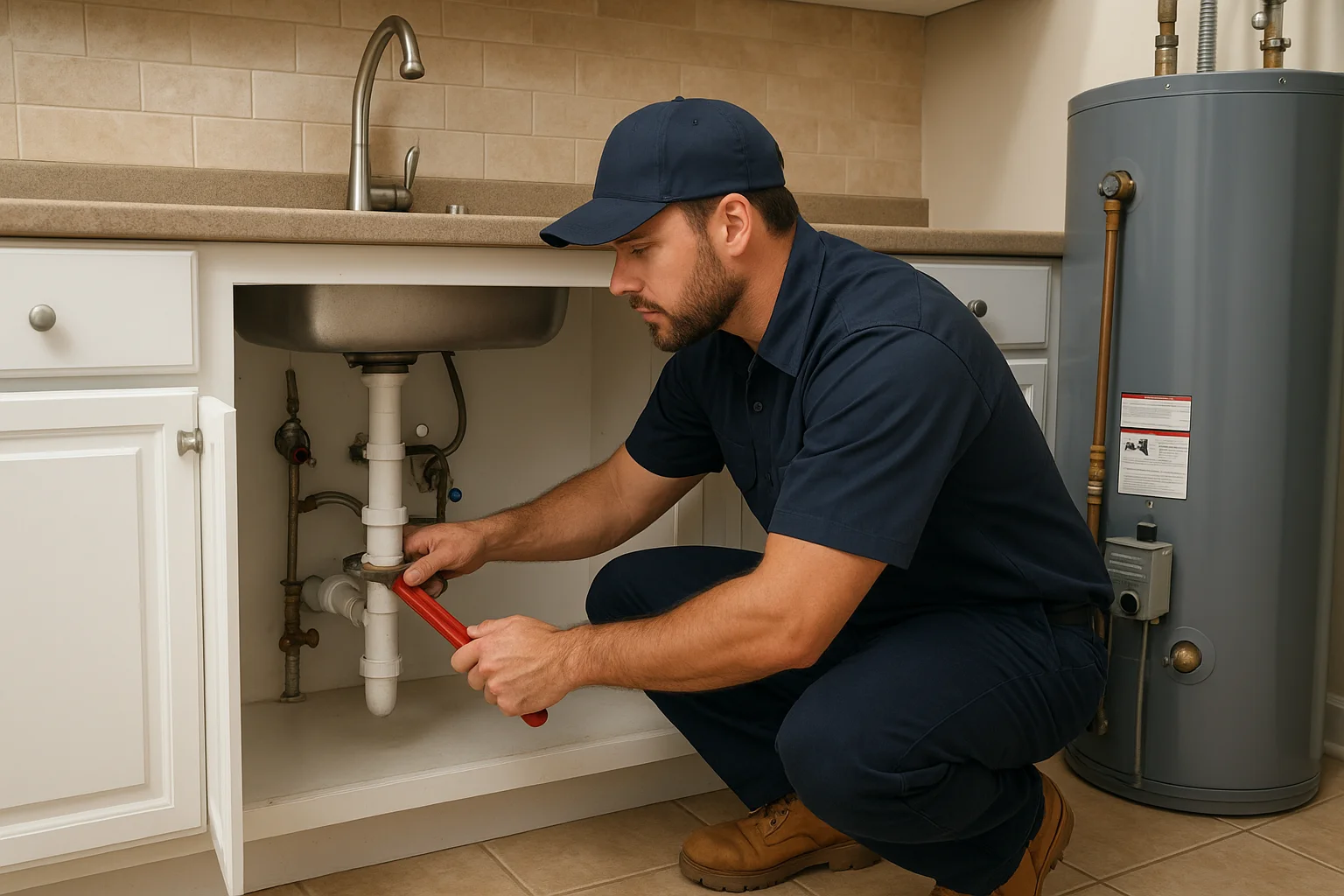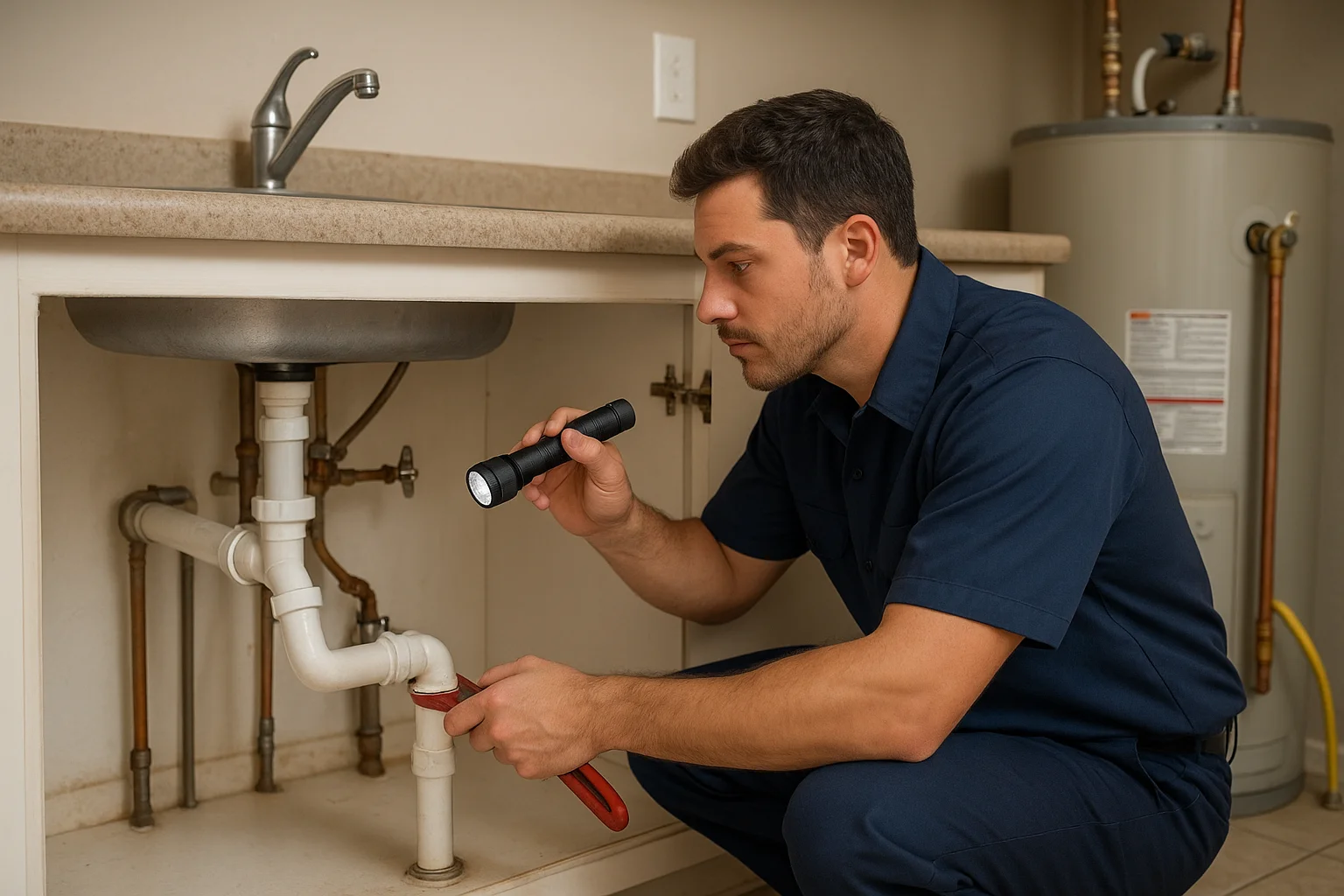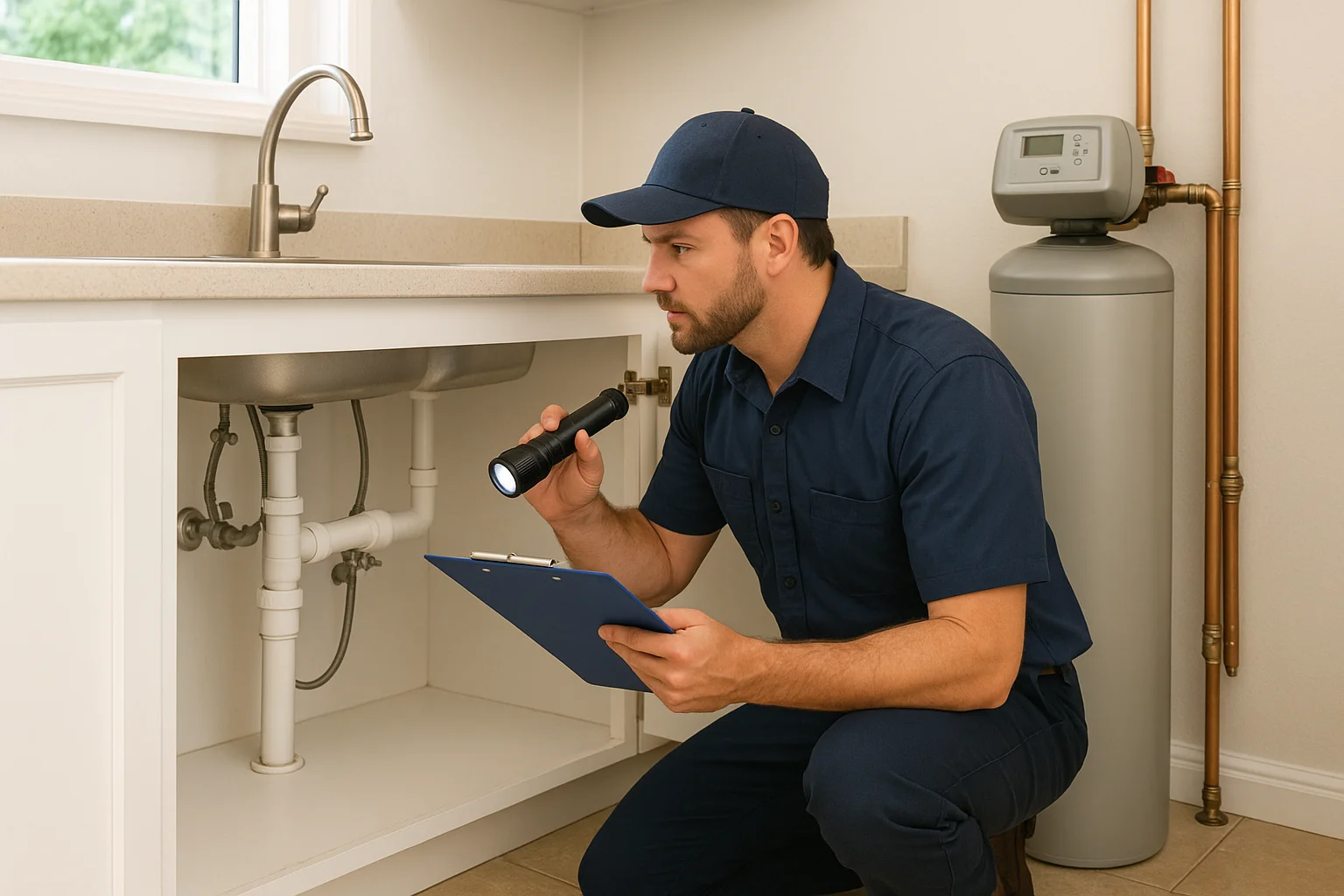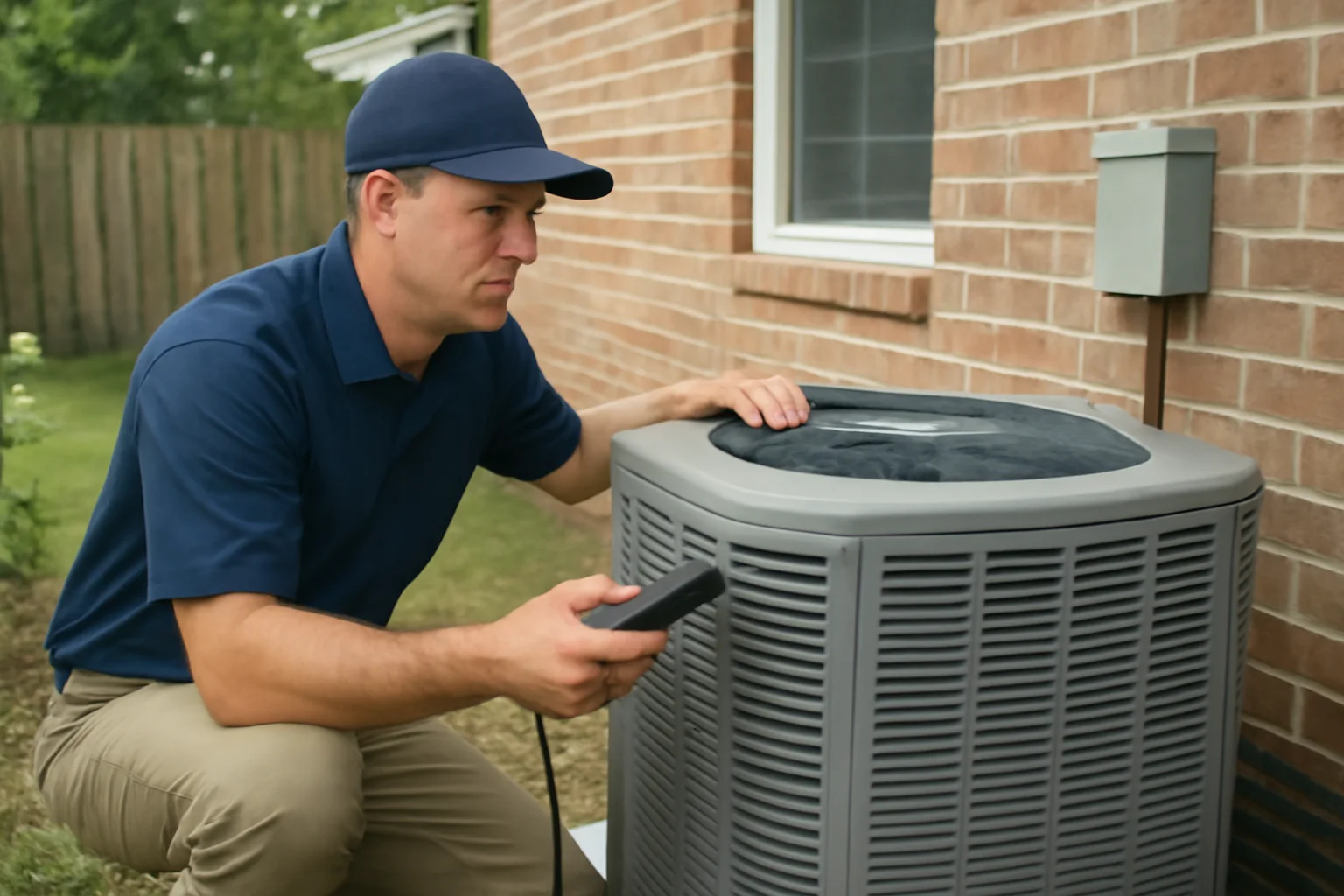
Bid-A-Wee feels like a year-round test of your HVAC system. Warm Gulf air, frequent humidity, and salt air can all affect how well your air conditioner or heat pump moves cooled air through the home. When airflow is off, comfort problems often follow: rooms feel sticky, temperatures swing, and energy use climbs. A duct inspection is one of the most practical ways to understand what your system is really doing, not just what the thermostat says.
If you are searching for duct inspection near me, this guide explains what homeowners should know in Bid-A-Wee, what to look for, and why professional HVAC service matters for heat and humidity management.
Why Bid-A-Wee humidity makes duct inspection more important
In Florida, humidity is not an occasional inconvenience. It is a constant load on your cooling system. Your air conditioner and heat pump are designed to remove moisture from indoor air while they cool. That moisture removal depends on airflow across the indoor coil, proper refrigerant system performance, and correct condensate drainage. It also depends on how air travels through your ductwork after it leaves the air handler or furnace.
When ducts are poorly balanced, partially blocked, disconnected, or leaking, several things can happen at once:
- Airflow drops in some rooms, so the system runs longer to reach the thermostat setting.
- Moisture removal can fall short, leaving air feeling damp even when the temperature looks acceptable.
- Air distribution becomes uneven, with hot spots near supply vents and cooler or drafty areas elsewhere.
- Energy use increases because the system has to work harder, longer, to compensate for airflow problems.
Salt air from the region, combined with typical coastal dust and outdoor debris, can also contribute to duct and HVAC system wear over time. Even when your AC repair needs are not obvious, duct inspection can show how effectively your system is moving conditioned air where it needs to go.
What duct inspection actually checks in a home
Duct inspection is not just a visual look inside a vent. A thorough HVAC duct inspection for Bid-A-Wee homes typically focuses on airflow, duct integrity, and system interaction. A licensed HVAC contractor will usually combine observations with performance checks to identify where the system is losing efficiency or comfort.
Common areas an inspector will evaluate include:
1) Duct leakage and connection issues
Ducts can leak at joints, seams, and transitions. Leaks may pull in unconditioned air from attics, crawlspaces, or wall cavities. In humid Florida conditions, that can add moisture to the air stream and reduce the cooling effect you expect.
2) Blockages and airflow restrictions
Dust buildup, collapsed sections, crushed duct runs, or obstructions can restrict airflow. Restrictions can also make some rooms feel “stuck” on hot or cold, even if the system is running. Homeowners sometimes blame the thermostat, but duct airflow problems can be the real driver.
3) Airflow balance across the system
Air needs to be distributed in a way that matches the design of the system. If supply and return paths are not balanced, the system can struggle to maintain stable indoor temperatures and humidity levels. Airflow balance affects how well refrigerant systems operate because the indoor coil needs the correct airflow to do its job.
4) Return air and pressure issues
Return ducts are just as important as supply ducts. If returns are undersized, blocked, or poorly located, the system may pull air unevenly. That can create pressure imbalances that affect comfort, indoor air quality, and even how well condensate drainage performs during cooling cycles.
5) Condensate drainage context
While condensate drainage is part of the air handler and cooling process, duct inspection is often paired with checking whether the overall cooling setup is working correctly. When airflow is wrong, the indoor coil can behave differently, and moisture management can suffer. A professional technician will evaluate the system holistically rather than treating ductwork as an isolated component.
How duct problems show up as heat and humidity issues
Homeowners often describe comfort complaints that seem unrelated to ducts. In Bid-A-Wee, humidity can magnify these symptoms. Here are some common patterns duct inspection can help explain.
Sticky air even after the AC runs
If the system cools the home but humidity remains high, the air conditioner may not be removing moisture effectively. Reduced airflow to the indoor coil, duct leaks, or poor return paths can all contribute.
Rooms that feel hotter or colder than the rest
Uneven temperatures can result from duct leaks, blocked runs, or duct design that does not match current living patterns. For example, furniture placement, partially covered vents, or changes in insulation over the years can interact with ductwork performance.
Long run times and frequent cycling
When airflow is restricted, the system may run longer to reach the thermostat setting. In other cases, airflow issues can lead to cycling patterns that feel inconsistent. A duct inspection helps separate duct-related causes from other HVAC repair needs.
Musty odors or dust that seems to travel
Air leaks and poor return paths can move dust and contaminants through the home. Duct inspection can help identify where air is going and whether the system is contributing to indoor air quality problems.
Signs it is time to schedule duct inspection in Bid-A-Wee
Some comfort problems are temporary, but repeated issues deserve a professional look. Consider scheduling duct inspection if you notice:
- Persistent humidity complaints during Florida’s warm months, especially when the thermostat is set correctly.
- Hot spots in bedrooms, living areas, or additions that never seem to stabilize.
- A noticeable increase in energy use compared with prior seasons.
- Recent HVAC repairs or service calls that did not fully resolve comfort issues.
- Visible duct damage, disconnected sections, or signs of air movement near vents or registers.
If you are dealing with emergency cooling concerns, do not wait. While duct inspection can help identify root causes for ongoing comfort problems, severe comfort failures require prompt attention. Homeowners searching for emergency AC repair near me should still request a technician who can evaluate airflow and duct-related factors as part of the diagnosis.
How duct inspection supports energy efficiency and HVAC maintenance
Ducts are part of the path your conditioned air takes. When that path is compromised, your air conditioning service and heat pump service may not perform as intended. That is why duct inspection is strongly connected to preventive HVAC maintenance.
During a seasonal tune-up, technicians often focus on the refrigerant system, filter condition, thermostat operation, indoor coil cleanliness, and airflow. Duct inspection adds another layer of clarity by checking whether the air leaving your system is actually reaching the areas you want to cool.
For homeowners looking for HVAC maintenance near me, it helps to think of duct inspection as an airflow reality check. It can also make other tasks more effective, such as:
- Duct sealing decisions, when leaks are found.
- Air filter and airflow optimization, when restrictions are identified.
- Thermostat comfort settings, when humidity and temperature swings are linked to distribution problems.
- Indoor air quality services near me, when airflow pathways affect how contaminants circulate.
If you want a deeper look at how maintenance and duct performance relate to comfort and cleanliness, read How Preventive HVAC Service Supports Cleaner Indoor Air in Bid-A-Wee.
Common Bid-A-Wee home duct issues contractors see
Bid-A-Wee and the surrounding Bay County area include a mix of older homes and newer construction. Across the region, duct issues tend to cluster around a few themes that affect airflow and humidity control.
Attic and crawlspace duct exposure
When ductwork runs through hot or humid spaces, temperature differences can change how air moves and how moisture behaves. Even small leaks can matter more in coastal Florida conditions.
Wear from salt air and seasonal cycles
Salt air can accelerate corrosion and contribute to dust and debris accumulation. Over time, that can affect airflow pathways and HVAC system cleanliness, which then impacts indoor air quality.
Changes after remodeling
Renovations can alter room use, add walls, or shift airflow expectations. Duct inspection helps confirm whether the ductwork still matches how the home is being lived in today.
Return air gaps and pressure balance problems
Many comfort complaints trace back to return air. If returns are not pulling correctly, the system may not distribute conditioned air evenly. That makes humidity feel worse because the cooling process is not consistent across the home.
What duct inspection can and cannot do
Duct inspection is designed to evaluate airflow pathways and ductwork conditions. It should not be treated as a substitute for diagnosing issues in refrigerant systems, condensate drainage, or thermostat control.
A good technician will explain what they are seeing and how it relates to comfort. If they suspect a refrigerant system issue, condensate drainage problem, or thermostat related concern, they should recommend appropriate in-person evaluation. Homeowners should avoid assuming that every cooling problem is “just ducts.”
For example:
- If your system is short cycling, duct inspection may show airflow restrictions, but a technician may still need to evaluate refrigerant system performance and indoor coil conditions.
- If you have water around the air handler, duct inspection may not be the primary fix. Condensate drainage and airflow across the coil are often part of the full picture.
- If humidity stays high even when cooling runs, duct and return performance can be involved, but the technician should also verify thermostat settings, indoor coil conditions, and overall system operation.
That is why working with a licensed HVAC contractor near me matters. Professionals can connect duct findings to the rest of the system without overreaching or guessing.
How duct inspection relates to air conditioning service and heat pump comfort
In Bid-A-Wee, many homes rely on air conditioners, some use heat pumps, and some have hybrid setups. Ductwork affects both.
For air conditioning service, the indoor coil relies on correct airflow to remove moisture and cool the air. If airflow is restricted through ducts or returns, dehumidification may suffer.
For heat pump service, the system still depends on airflow to move conditioned air and manage temperature and humidity. Heat pumps also change operating modes, which makes airflow consistency even more important for comfort.
If you are exploring system options or upgrades, it can help to review local service pages such as Heat Pump Services so you understand how duct performance and airflow expectations play into overall comfort.
Preventive steps homeowners can take before or between inspections
Even with professional duct inspection, homeowners can reduce stress on HVAC systems and improve airflow. These steps are simple and practical:
- Keep vents clear. Do not block supply registers with furniture, curtains, or stored items.
- Check return paths. Make sure return grilles are not covered by rugs or blocked by doors.
- Replace filters on schedule. A clogged filter can restrict airflow and worsen humidity control.
- Use thermostat settings intentionally. Set the system to cool at a realistic setpoint and avoid frequent rapid changes that can create comfort swings.
- Watch for airflow changes. If one room suddenly feels worse, note when it started and whether any vents were moved or covered.
Some homeowners also benefit from evaluating heating control behavior, especially when humidity and comfort feel inconsistent. Consider reviewing Heating Control Systems to understand how thermostat control can affect comfort patterns.
When duct inspection is part of a larger system decision
Sometimes duct inspection reveals issues that are difficult to ignore, like multiple leaks, severe restrictions, or significant imbalance. In those cases, duct performance can influence whether repairs are the right path or whether system replacement planning needs to include ductwork considerations.
Professional evaluation matters here. A technician should not rush to equipment replacement based on duct concerns alone. Likewise, duct sealing or duct repairs should not be assumed to solve every comfort problem. The best approach is to connect duct findings to how the refrigerant system, indoor coil, condensate drainage, airflow, and thermostat operation are working together.
If you manage a vacation rental or multiple units in the area, airflow and indoor air quality are not just homeowner comfort issues. They affect guest satisfaction and maintenance scheduling. You may want to explore Property Management HVAC Services for guidance on consistent preventive HVAC maintenance.
Indoor air quality and duct inspection in humid coastal conditions
Humidity, airflow, and filtration all affect indoor air quality. When ductwork leaks or runs poorly, it can change how air circulates through the living space. That can influence how contaminants distribute, how odors linger, and how comfortable the home feels during humid stretches.
If you are considering indoor air quality services, duct inspection can be a useful first step because it helps confirm whether the HVAC system is delivering air correctly throughout the home. You can also pair duct inspection with targeted indoor air quality testing. For example, review Indoor Air Quality Testing to better understand what is happening indoors.
For additional context on how inspection and maintenance work together for cleaner indoor air, see Why Better HVAC Maintenance Makes Duct Inspection More Useful for Lynn Haven Homes.
Why professional duct inspection from A Superior Mechanical is the practical choice
Duct inspection is most valuable when it is tied to HVAC system performance, not treated as a one-time checklist. A Superior Mechanical provides professional duct inspection services in Bid-A-Wee, FL for better airflow, efficiency, and indoor air quality. Our goal is to help you understand where comfort and humidity control are being affected so you can make informed decisions about HVAC repair, preventive maintenance, or system planning.
Professional service matters in coastal Florida because small airflow issues can create big comfort problems when humidity is high. It also matters because technicians can connect duct findings to the rest of the HVAC system, including the refrigerant system performance, condensate drainage context, thermostat behavior, and overall airflow patterns.
If you are ready to address uneven cooling, persistent humidity, or ongoing indoor air quality concerns, schedule service through this duct inspection page for Bid-A-Wee. You can also explore the full service area at this Bid-A-Wee location page and learn more about coverage across Bay County.
FAQs about duct inspection for Bid-A-Wee homeowners
Homeowners often have practical questions before scheduling duct inspection. The answers below cover common concerns, including airflow, humidity, and how duct inspection fits into HVAC maintenance and repair planning.
Find Duct Inspection in Bid-A-Wee, FL
If you need Duct Inspection in Bid-A-Wee, FL, visit our local service page or contact A Superior Mechanical today.
Map of Bid-A-Wee, FL
Related Articles
- How Preventive HVAC Service Supports Cleaner Indoor Air in Bid-A-Wee
- Why Preventive HVAC Service Matters for Duct Inspection in Miramar Beach Homes
- Why Better HVAC Maintenance Makes Duct Inspection More Useful for Lynn Haven Homes
- Why Duct Inspection Matters More in Callaway Homes Facing Seasonal HVAC Stress
Photo Gallery