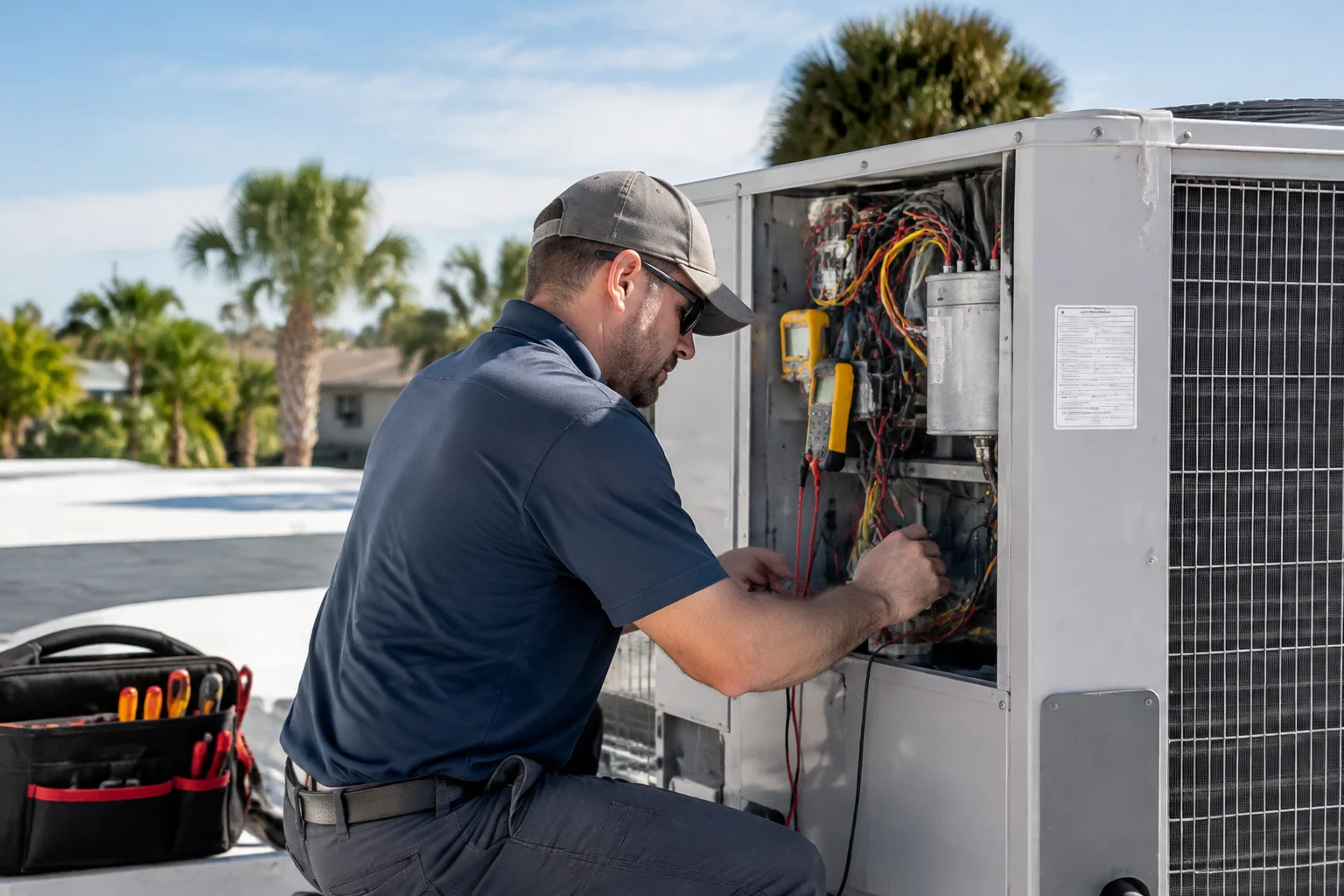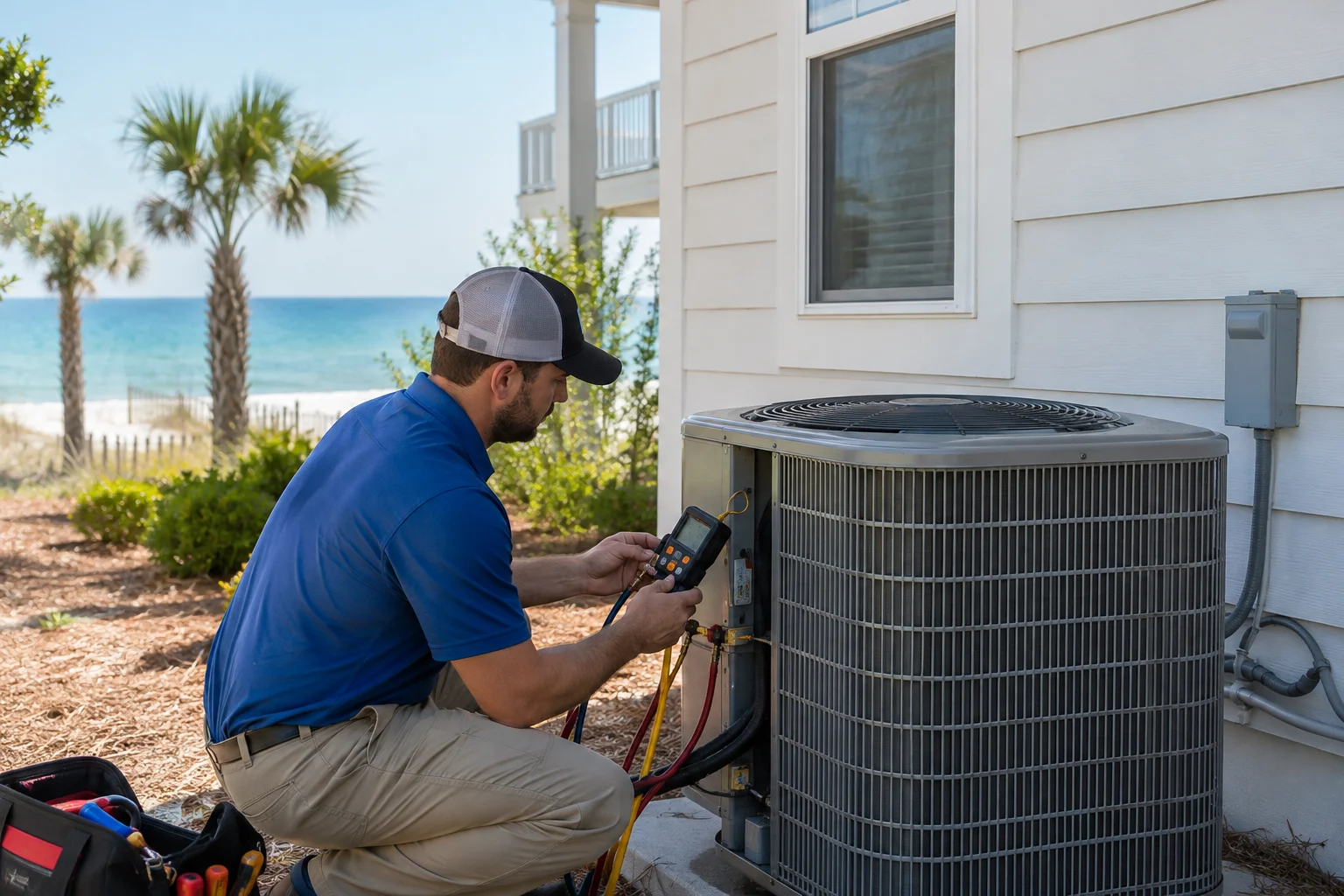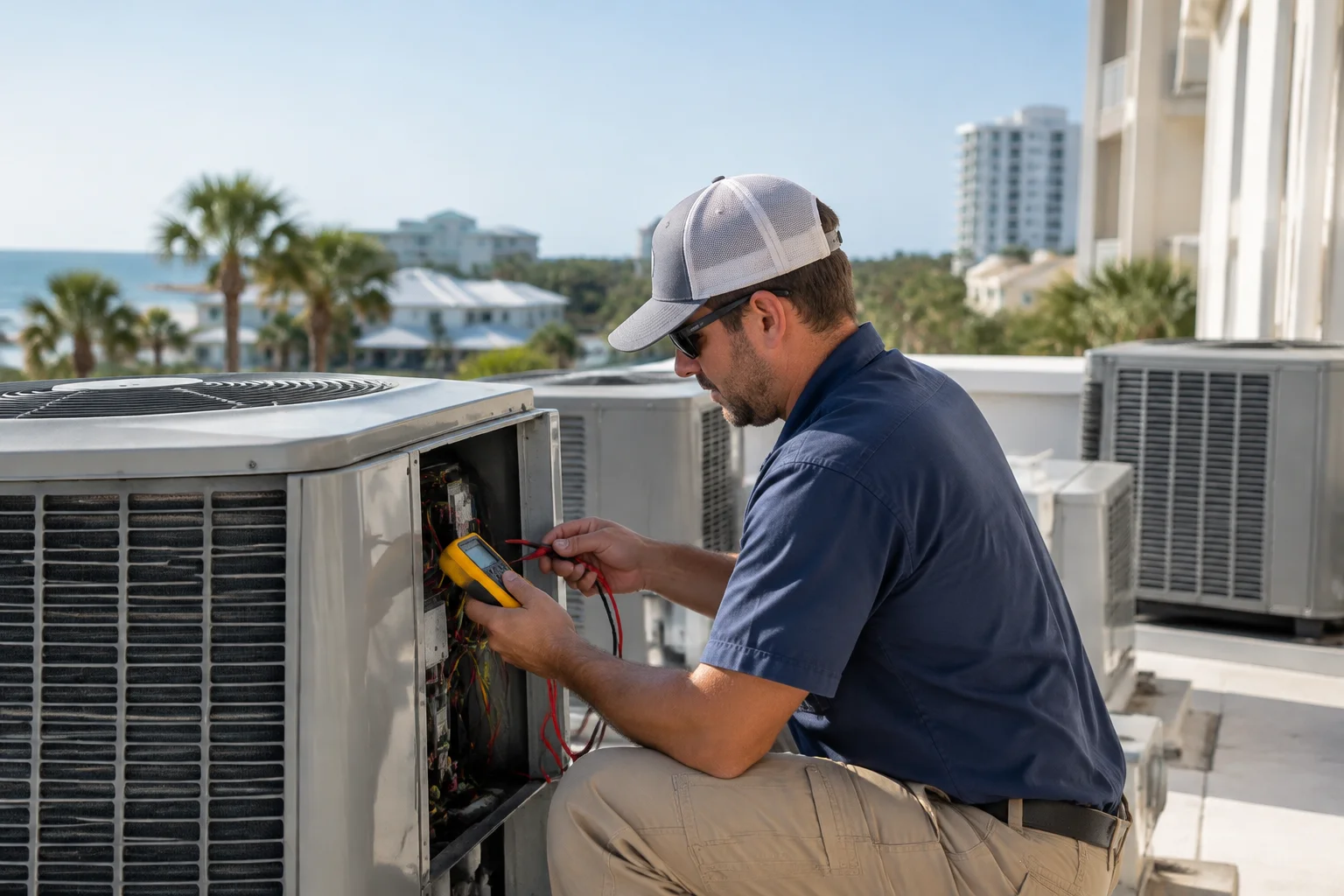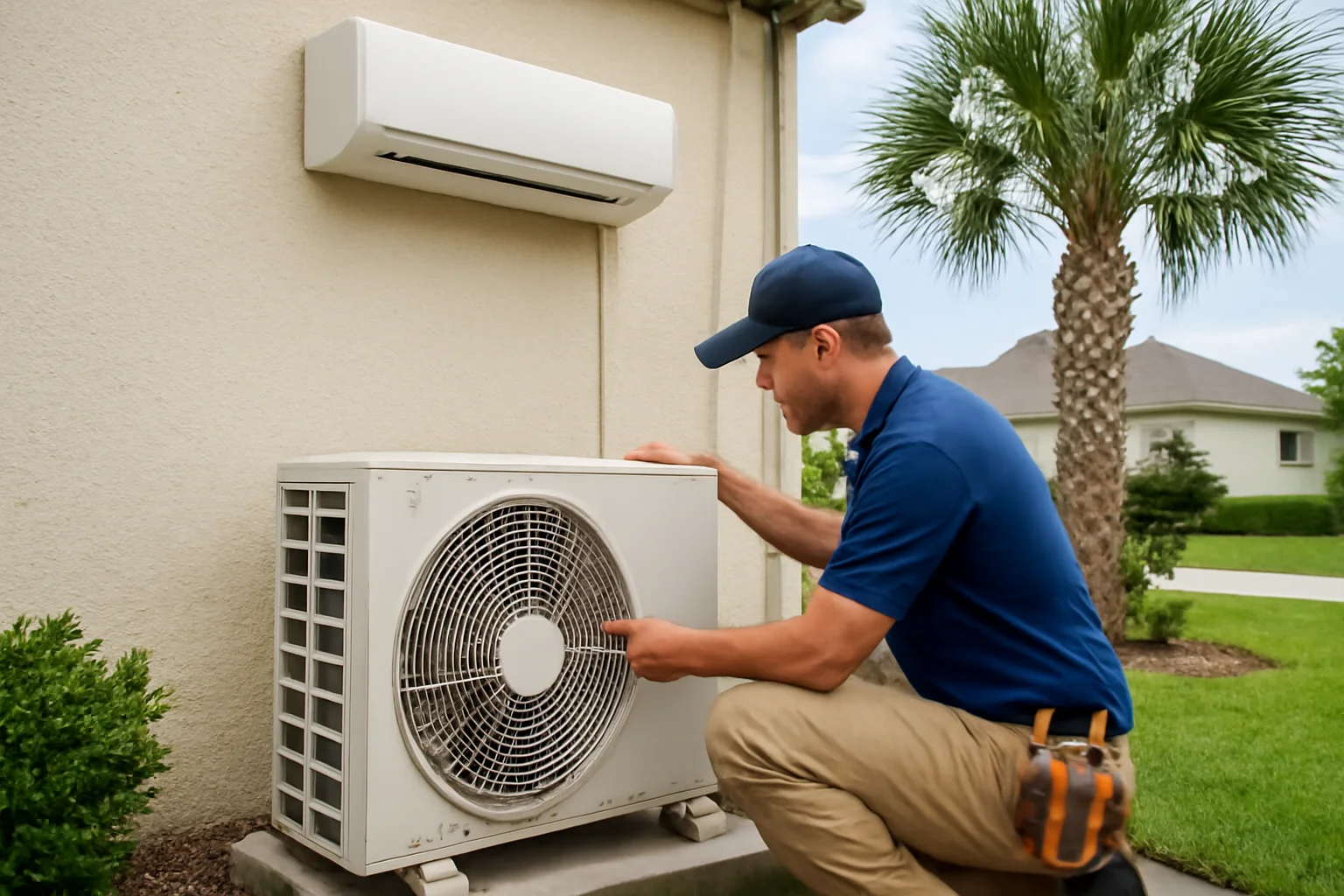
Living in Latitude Margaritaville Watersound, FL means your HVAC has to handle more than typical summer heat. The area is known for sticky humidity, salty coastal air, and long stretches of air conditioning run time. For many homes, ductless mini-splits provide zoned comfort without relying on traditional ductwork. But like any HVAC system, they can develop problems that show up in subtle ways before they become true breakdowns.
This guide covers the most common HVAC warning signs connected to ductless mini-splits, what those signs can mean for airflow, refrigerant systems, condensate drainage, thermostats, and indoor air quality, and how homeowners can respond with preventive HVAC maintenance and timely professional service from A Superior Mechanical.
Why ductless mini-splits struggle in Florida heat and humidity
In Bay County, your mini-split often works harder than it would in a drier climate. Florida heat drives up cooling demand, while humidity can affect comfort even when the temperature feels “about right.” Coastal exposure adds another layer of strain. Salt air can accelerate corrosion on outdoor components and can contribute to buildup on filters and heat exchange surfaces.
Most ductless systems also rely on good airflow across indoor units and adequate condensate drainage to manage moisture removed from the air. When airflow is restricted or drainage is partially blocked, the system may still cool, but it can do so less efficiently and with higher indoor humidity. Over time, that can increase wear on the refrigerant system and reduce overall performance.
If you are searching for ductless AC service near me, it helps to know what “off” looks like before the unit stops cooling entirely.
Airflow warning signs: when comfort feels weaker than it should
Ductless mini-splits are designed to deliver conditioned air to specific rooms. When airflow problems start, homeowners often notice comfort issues before they notice mechanical trouble.
1) The airflow feels weak, uneven, or delayed
Common causes include dirty filters, blocked intake grilles, or buildup on indoor heat exchanger surfaces. In a humid coastal environment, dust and fine debris can accumulate faster. If the unit struggles to move air, it may also have trouble removing moisture, which can impact indoor air quality and perceived humidity.
What to do now: Check the indoor unit’s filter if your model allows easy homeowner access. If you see heavy buildup, replace or clean it according to the manufacturer’s guidance and avoid running the system with permanently damaged filters.
What to avoid: Don’t assume a dirty filter is the only issue. If airflow remains weak after cleaning, the system may need professional inspection for obstructions, fan performance, or heat exchanger fouling.
2) One zone cools while another stays muggy
Zoning is a major advantage of mini-splits. If one indoor head cools well and another does not, the issue can be local to that indoor unit. Possible contributors include airflow restrictions, thermostat or sensor problems, poor unit placement, or an imbalance in how the system is operating across zones.
Homeowners in Watersound often have layouts that change from open living areas to more enclosed rooms. That makes airflow and unit placement especially important. If you notice uneven comfort, consider reading up on how ductless can help with room-by-room conditions in Bay County by reviewing Camp Creek Homes and the Case for Ductless Mini-Splits That Handle Heat, Humidity, and Uneven Rooms.
3) The unit runs, but temperature changes are slow
When a mini-split takes longer to reach the set temperature, it can be an early sign of reduced cooling capacity. That can happen due to airflow restrictions, refrigerant system performance issues, outdoor unit heat exchange problems, or excessive heat gain from windows and insulation gaps.
Because outdoor conditions in Florida can be brutal, these symptoms can worsen during peak afternoons. If you are dealing with AC repair near me concerns, pay attention to how long cooling cycles take compared to what you experienced earlier in the season.
Humidity and condensate warning signs: moisture clues that matter
Ductless mini-splits remove moisture from indoor air during cooling. That moisture is collected and carried to a drainage path through condensate drainage. When that process is disrupted, indoor comfort and system reliability can both suffer.
4) The room stays humid even when the thermostat is set correctly
If the air feels damp or sticky, the system may not be removing enough moisture. This can be caused by restricted airflow across the evaporator coil, improper operation, or drainage issues that prevent normal moisture management. Humidity problems can also affect indoor air quality by encouraging mold and mildew growth, especially in coastal homes where moisture is already elevated.
What to do now: Verify the thermostat settings and fan mode. Some homeowners accidentally leave the unit in a mode that does not prioritize dehumidification. If you are unsure, a professional can review how your thermostat is controlling the mini-split.
5) Water drips from the indoor unit or near the wall line
Visible water is a clear warning sign. Possible causes include a clogged condensate line, a drainage pan issue, improper slope in the drainage run, or an indoor unit that is not draining as intended. In Florida humidity, small drainage problems can become big quickly.
What to do now: Turn the unit off and keep the area dry to protect finishes. Avoid repeated operation if you see ongoing dripping. This is a safety and property protection concern, not just a comfort issue.
6) Musty odors that appear during cooling
Odors can indicate moisture buildup inside the unit, dirty coils, or microbial growth. Coastal humidity can make these issues more likely if condensate drainage is compromised or if filters are neglected. Musty smells also suggest that indoor air quality services near me may be appropriate, especially if multiple rooms are affected.
Do not spray random cleaners into the unit. If you smell something off, schedule professional service so the unit can be inspected and cleaned safely.
Refrigerant system warning signs: symptoms that point to deeper cooling problems
Refrigerant is the heart of the cooling process. Homeowners should not attempt a refrigerant diagnosis themselves. However, certain symptoms can indicate that the refrigerant system is not performing as it should.
7) The outdoor unit runs constantly without achieving comfort
In normal operation, the system should cycle as it maintains temperature and humidity targets. If the outdoor unit stays active for long stretches while indoor comfort never improves, that can point to performance problems. These can include issues related to the refrigerant system, heat exchange, airflow, or control logic.
What to do now: Note the pattern. Does it happen only during the hottest hours? Does it start after a recent change, like a thermostat update or a new room occupancy pattern?
What to avoid: Do not try to “top off” refrigerant or adjust service valves. That requires proper equipment and an in-person evaluation.
8) Frost or ice on the indoor coil or outdoor unit
Frost can occur when airflow is restricted or when the system is not operating within expected conditions. In many cases, airflow and maintenance issues are the trigger. In other cases, deeper system performance issues are involved. Because Florida humidity and coastal conditions can complicate what you see, the right move is professional inspection.
If you notice persistent ice formation, treat it as a warning sign of a cooling problem and stop running the system until it is checked.
Thermostat and control warning signs: small changes that cause big discomfort
Modern ductless mini-splits often pair with thermostats that manage temperature, fan behavior, and sometimes humidity control. A thermostat issue can look like an HVAC problem.
9) Temperature display seems correct, but the room does not match
Sometimes the thermostat is measuring the wrong location, not communicating correctly, or using settings that do not align with your comfort goals. In multi-zone systems, one thermostat can manage different behaviors across heads depending on how your system is configured.
What to do now: Confirm that schedules and hold modes are not overriding your expected settings. If your thermostat is new or recently updated, consider having it checked.
If you are considering thermostat installation near me or a thermostat upgrade, professional setup matters because improper configuration can lead to comfort complaints and unnecessary energy use.
10) Short cycling: frequent on and off behavior
Short cycling can happen for multiple reasons, including airflow restrictions, sensor issues, or system control problems. It can increase wear and may increase energy use by starting and stopping more often than necessary.
If you hear repeated quick starts or notice frequent changes in operation, schedule HVAC repair near me service focused on mini-split diagnostics.
Energy use warning signs: when the bill rises with no comfort improvement
In a place like Watersound where air conditioning runs year-round for many homeowners, energy use patterns can reveal performance issues. While utility bills alone do not diagnose the cause, they can support other warning signs.
11) Higher energy use with the same thermostat settings
Reduced efficiency can be caused by dirty coils, airflow restrictions, performance degradation, or issues tied to the refrigerant system. If your bill rises while comfort declines, it is a strong reason to schedule preventive HVAC maintenance and inspection.
Also pay attention to how you cool. In coastal homes, windows, sun exposure, and humidity infiltration can change through the season. If you recently added heat-generating activities, more guests, or new furniture blocking vents, that can influence load. Still, persistent comfort and energy issues are worth professional review.
Coastal-specific warning signs: salt air and outdoor unit strain
Latitude Margaritaville Watersound is a coastal area, and the outdoor components of your mini-split are exposed to salt air and moisture. Over time, that can affect how well the outdoor unit sheds heat.
12) Outdoor coil looks dirty or shows corrosion faster than expected
If you regularly see visible buildup on the outdoor unit or signs of corrosion, the system may have to work harder to move heat outdoors. That can contribute to higher runtime and less effective cooling.
What homeowners can do: Keep landscaping from blocking airflow around the outdoor unit and remove debris from the area. Avoid pressure washing the unit unless you are following manufacturer guidance, since improper cleaning can damage fins.
What to do next: Schedule service to inspect the outdoor heat exchange surfaces and overall unit condition.
When ductless mini-split issues become emergency cooling concerns
Florida heat and humidity can turn “not quite right” into “unsafe” quickly. If your mini-split is your primary cooling source for a bedroom or living area, take emergency cooling concerns seriously.
Consider urgent service if you notice:
- The system stops cooling entirely during extreme heat
- Water is actively leaking and you cannot control moisture
- There is persistent burning odor or severe abnormal noise
- Multiple zones fail at once
If you find yourself searching for emergency AC repair near me, choose a licensed HVAC contractor that can confirm the cause in person. Avoid DIY fixes that could worsen refrigerant system or airflow issues.
Preventive maintenance that helps ductless mini-splits last
Preventive HVAC maintenance is the best way to catch problems early, especially in coastal Florida. Mini-splits can run efficiently when airflow paths are clean and condensate drainage is working correctly.
What to include in a seasonal mini-split checklist
- Filter care: Clean or replace filters based on your use and manufacturer guidance. Coastal dust and humidity can accelerate buildup.
- Indoor airflow inspection: Ensure returns and intake grilles are not blocked by curtains, furniture, or stored items.
- Condensate drainage check: Look for signs of standing water, slow drainage, or recurring leaks.
- Coil and heat exchanger inspection: Dust and salt exposure can reduce heat transfer.
- Thermostat settings review: Confirm the thermostat is controlling the system as intended for your comfort goals.
- System performance verification: A professional can evaluate how the unit is operating under real conditions.
If you want to focus on ductless performance and how it fits your home, explore Ductless Mini-Splits in Inlet Beach Homes: Comfort, Airflow, and Coastal Humidity for coastal-specific comfort considerations.
How A Superior Mechanical helps with ductless mini-splits in Watersound
When homeowners in Latitude Margaritaville Watersound notice airflow changes, humidity problems, condensate drainage concerns, or thermostat behavior that does not match comfort, the right next step is an in-person inspection by a licensed HVAC contractor near me.
A Superior Mechanical provides ductless mini-split installation and service for zoned comfort in Bay County. You can review the service area details here: ductless mini-splits in Latitude Margaritaville Watersound. If you want broader context about services available in your area, visit the Latitude Margaritaville Watersound location page.
If your home also uses traditional ductwork in parts of the layout, duct performance can influence how the overall system feels. Homeowners who want to improve airflow and comfort may also benefit from duct-focused support like duct inspection or duct replacement. For homes with mixed systems, that combination can strengthen indoor air quality and comfort consistency.
Choosing professional HVAC help for early detection
When you catch issues early, you often avoid the worst outcomes: long periods without cooling, repeated humidity problems, and unnecessary energy use. Professional service matters because mini-split problems can overlap. Airflow restrictions can mimic cooling performance problems. Condensate drainage issues can feel like humidity issues. Thermostat behavior can be mistaken for equipment failure.
Instead of guessing, homeowners in Bay County benefit from a contractor that can evaluate the system as a whole. If you are comparing options for mini split repair near me, look for an HVAC company that prioritizes inspection, indoor comfort, and safe, correct repairs.
If you suspect your current system is aging or struggling to keep up with coastal heat loads, it may also be time to discuss HVAC replacement near me opportunities. A professional can help you weigh whether repair is appropriate or whether a replacement plan makes sense based on your comfort needs and system condition.
Quick homeowner actions you can take today
You do not need to be an HVAC expert to respond effectively. These steps are safe and can prevent minor issues from becoming bigger:
- Check indoor unit filters and clean or replace them if needed.
- Make sure furniture, curtains, and stored items are not blocking airflow.
- Watch for water leaks and address them promptly.
- Note changes in comfort, humidity, and runtime patterns.
- Keep outdoor unit area clear of debris and avoid blocking airflow.
Then, when the warning signs persist, schedule professional ductless mini-split service. That is the fastest way to protect comfort, indoor air quality, and system reliability in the heat and humidity of Latitude Margaritaville Watersound.
For more on related HVAC support in your area, you can also explore air conditioning systems and commercial HVAC services if your property includes commercial spaces.
Find Ductless Mini-Splits in Latitude Margaritaville Watersound, FL
If you need Ductless Mini-Splits in Latitude Margaritaville Watersound, FL, visit our local service page or contact A Superior Mechanical today.
Map of Latitude Margaritaville Watersound, FL
Frequently Asked Questions
Why does my ductless mini-split blow air but not cool well in coastal Florida?
Weak cooling with airflow can come from restricted airflow (like dirty filters), indoor unit issues, or performance problems that require professional evaluation. Because mini-splits are sensitive to airflow and moisture control, persistent comfort problems should be inspected by a licensed HVAC contractor.
What does water dripping from a mini-split indoor unit usually mean?
Dripping often points to a condensate drainage issue such as a clogged drain line, drainage pan problems, or improper drainage. In humid climates, small drainage blockages can quickly lead to leaks, so it is best to stop using the unit if dripping continues and schedule service.
Can high humidity in my home be a ductless mini-split problem?
Yes. If the system is not removing moisture effectively, the home can feel muggy even when the temperature setting seems correct. Common causes include airflow restrictions, operational settings, or drainage problems. A technician can inspect indoor airflow paths and moisture management to identify the cause.
Is it safe for me to check or recharge refrigerant if I suspect a refrigerant issue?
No. Refrigerant diagnosis and service require proper tools and training. If you suspect a refrigerant-related performance problem, schedule an in-person inspection rather than attempting DIY refrigerant work.
How often should I schedule preventive maintenance for ductless mini-splits in Bay County?
Many homeowners benefit from seasonal inspection and cleaning, especially in Florida heat and humidity. If you notice warning signs like weak airflow, recurring humidity complaints, or condensate drainage problems, schedule service sooner so the issue can be addressed early.
Related Articles
- Ductless Mini-Splits in Upper Grand Lagoon: Efficiency That Holds Up in Bay County Heat
- Keeping Coastal Homes Comfortable Starts with Better Ductwork in Latitude Margaritaville Watersound
- Camp Creek Homes and the Case for Ductless Mini-Splits That Handle Heat, Humidity, and Uneven Rooms
- Ductless Mini-Splits in Inlet Beach Homes: Comfort, Airflow, and Coastal Humidity
Photo Gallery