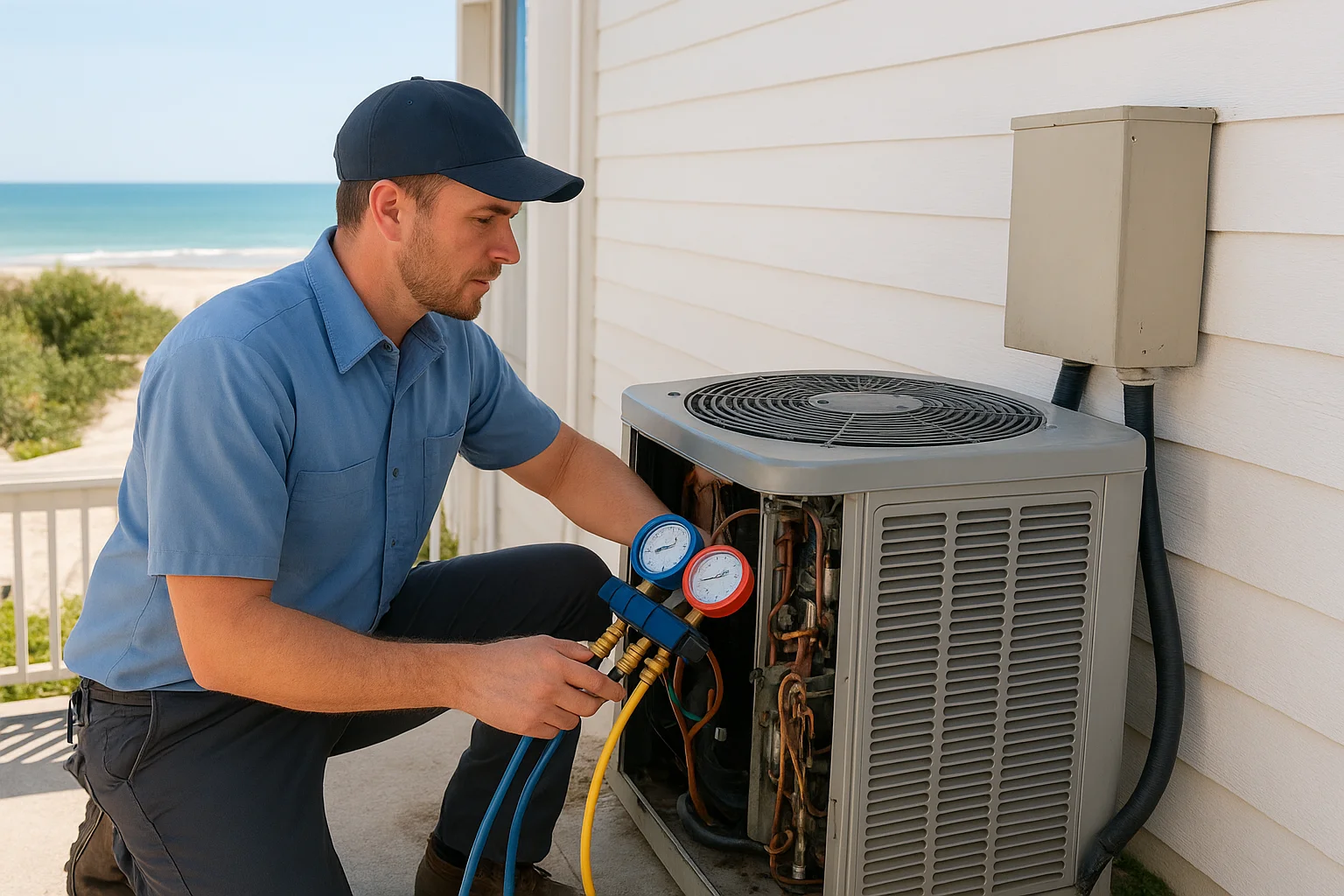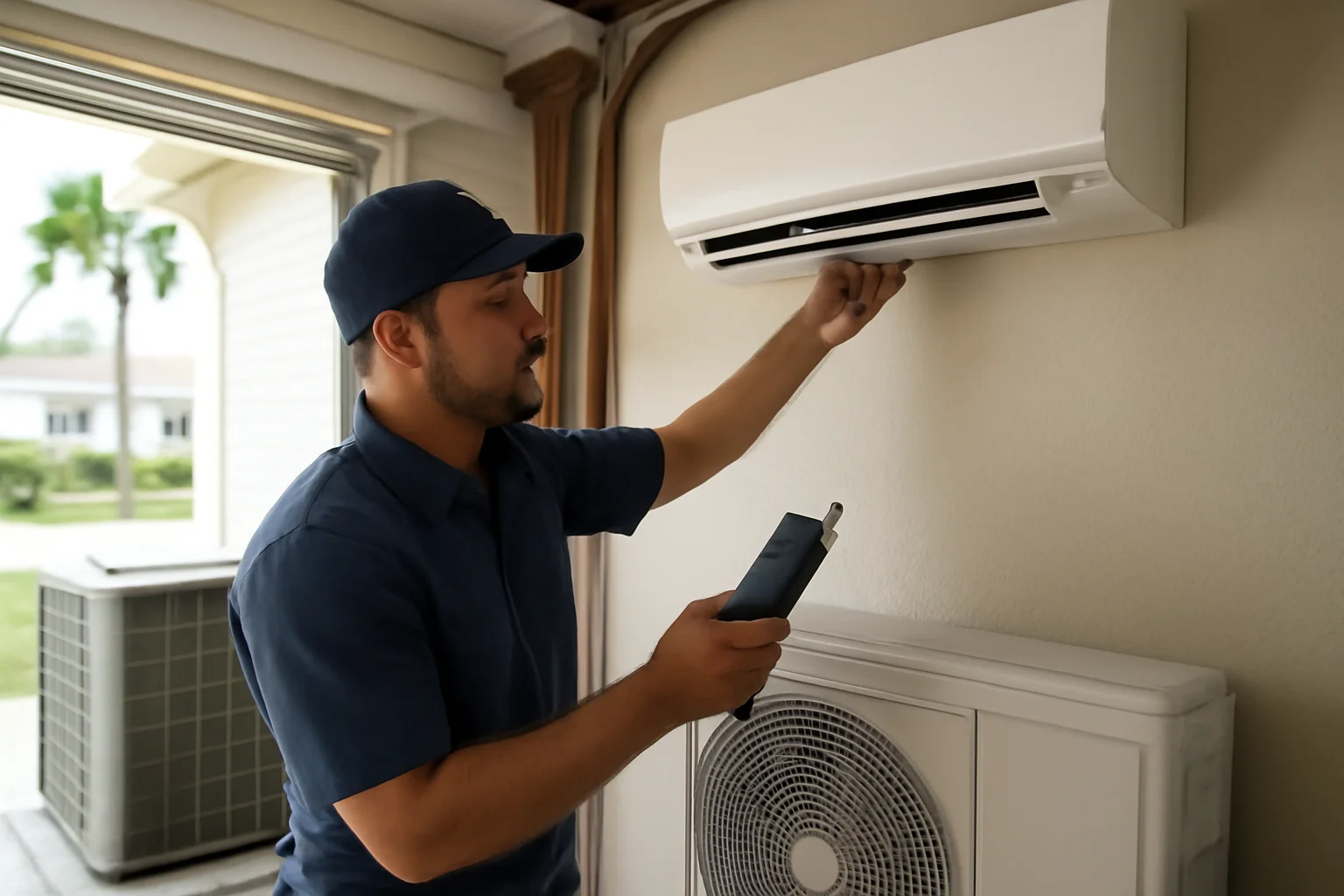
Seagrove Beach summers bring intense sun, salty coastal air, and humidity that can challenge any cooling system. Ductless mini-splits are a popular choice because they can deliver targeted comfort room by room, often without the ductwork problems that show up in older homes. Still, mini-splits rely on airflow, clean components, proper condensate drainage, and correctly managed refrigerant systems. When those pieces fall out of balance, homeowners may notice warning signs that start small and turn into emergency cooling concerns.
This guide highlights the most common HVAC warning signs connected to ductless mini-splits in Seagrove Beach, FL, explains likely causes without guessing, and points you toward practical steps to improve airflow and reliability. If you are searching for ductless mini-split service in Seagrove Beach, use the checklist below to describe what you are seeing to your technician.
Why airflow and reliability matter more in Seagrove Beach
Ductless mini-splits move air through indoor units, filters, and heat exchanger coils, then transfer heat to the outdoor unit using refrigerant systems. That process depends on airflow across the coils and stable operating conditions.
In Florida, humidity and heat can increase the load on your system. Coastal salt air can also accelerate buildup on outdoor components. If airflow is restricted, the indoor unit may not remove moisture effectively. That can lead to comfort issues, higher energy use, and faster wear on parts. In some cases, condensate drainage problems show up when moisture removal does not match the system’s needs.
For homeowners, the key is to treat airflow problems as early signals. A ductless system that cannot move air well may still run, but it may not cool evenly or dehumidify properly.
HVAC warning signs tied to ductless mini-splits
Below are common signs homeowners notice with ductless mini-splits. Some are linked to airflow, others to airflow plus moisture management, and a few can indicate refrigerant system concerns or control issues. Any one of these can be a reason to schedule an air conditioning service or HVAC repair evaluation.
1) Weak airflow from indoor heads
One of the clearest indicators is reduced airflow. You might feel that the air coming from the vents is softer than usual, even when the fan setting is high. In ductless systems, restricted airflow often comes from dirty filters, blocked intake or discharge airflow paths, or issues with the indoor fan operation.
Because Seagrove Beach homes can collect dust from sandy conditions and outdoor air, filters can load faster than you expect. If airflow drops, the system can struggle to cool and remove humidity, which increases indoor air quality concerns because the system is not cycling through clean, properly conditioned air.
2) Uneven cooling across rooms
Ductless mini-splits are designed for room-level comfort. When one room feels much warmer than others, the issue may be airflow related. Examples include:
- Indoor unit airflow is blocked by furniture, curtains, or wall-mounted obstructions.
- The indoor coil is dirty, reducing heat transfer.
- The thermostat schedule or thermostat location is causing the unit to cycle oddly.
- Fan speeds are not matching the demand.
Uneven cooling can also happen when the system is not operating as expected for the current outdoor humidity and heat. A professional can check system performance and airflow without making assumptions.
3) Indoor humidity feels higher than normal
Many homeowners choose ductless mini-splits specifically for comfort, including better moisture control. If the room feels clammy, you might notice condensation on nearby surfaces or a persistent “sticky” feeling even though the temperature is set low.
Humidity problems can connect to airflow and coil performance. If the indoor unit cannot move enough air across the evaporator coil, it may not dehumidify effectively. That can also create a cycle where the system runs longer, increasing energy use and stressing components.
4) Strange odors when the unit runs
Musty smells can form when moisture lingers on coils, in drain lines, or around the indoor unit. Coastal humidity can make this more noticeable. Odors can appear after periods when the system sat idle, such as between seasons or during extended vacations.
Because ductless systems use condensate drainage to remove moisture, any drainage issue that leaves water behind can contribute to odors and indoor air quality decline. If you smell mildew or a “stale” odor, schedule an inspection rather than waiting.
5) Water dripping, gurgling, or signs of condensate near the indoor unit
Condensate drainage is a core part of cooling performance. If you see water collecting around the indoor head, notice dripping from the unit, or hear gurgling, it can indicate a drainage restriction, improper slope, or a clogged drain path. Even a small blockage can become a bigger issue during peak humidity.
In a vacation rental or a home that is not occupied full time, a drain problem can go unnoticed until the unit is heavily used. That is why condensate-related warning signs deserve prompt attention.
6) Outdoor unit looks unusually dirty or has limited clearance
Outdoor units need airflow to reject heat. Salt air can accelerate grime buildup on coil surfaces, and wind can bring debris. If the outdoor unit is blocked by landscaping, fences, or stacked items, it may struggle to exchange heat efficiently.
Restricted outdoor airflow can lead to longer run times, higher energy use, and reduced cooling reliability. It can also contribute to abnormal sounds as fans work harder.
7) Frequent cycling or the system runs but does not reach the set temperature
If the thermostat is calling for cooling but the room never feels like it reaches the target temperature, the system may be operating inefficiently. Causes can range from restricted airflow to control or refrigerant system issues. It is not safe to assume the cause without an in-person evaluation.
Frequent short cycling can also increase wear on components. For homeowners searching for HVAC repair near me because the system is struggling, this symptom is especially important to document: what temperature you set, how long it runs, and whether the fan speed changes.
Common causes behind these mini-split warning signs
When multiple warning signs show up together, you often see a few root causes repeat. Here are the most common categories technicians look for in Seagrove Beach homes.
Dirty or clogged filters and airflow pathways
Filters trap dust and debris. When they get clogged, airflow drops. That can reduce cooling performance, increase humidity retention, and strain the system. In coastal areas, dust and airborne particles can load filters faster, especially during breezy periods or after home renovations.
Coil buildup on indoor and outdoor units
Indoor coils and outdoor coils can accumulate dirt. Coil buildup reduces heat transfer and can lead to longer run times. Salt air and humidity can make corrosion and buildup more likely over time.
Cleaning is not always a DIY task. A professional can clean safely and verify that airflow paths are clear and components are functioning correctly.
Condensate drainage restrictions
Clogged drain lines or improper drainage can cause water to back up. That can affect moisture control, trigger odors, and create water damage risks. If you suspect drainage trouble, it is best to schedule an air conditioning inspection near me so a technician can check the condensate system as part of the evaluation.
Thermostat settings and placement issues
Thermostats and remote controls can be affected by where they are mounted or where the remote is used. If the sensor reads a warmer spot or is exposed to direct sun, the system may run in a way that does not match comfort needs. Scheduling and setpoint changes can also influence cycling behavior.
A technician can help confirm whether the system is responding correctly to thermostat commands and whether adjustments are needed.
Refrigerant system imbalance or related performance issues
Refrigerant systems are designed to operate within specific conditions. If a unit is not cooling properly, it can be tempting to blame refrigerant. However, refrigerant diagnosis requires professional tools and an in-person check. Attempting to “fix” refrigerant without evaluation can create safety risks and does not address airflow, filtration, or drainage problems.
If symptoms suggest performance issues beyond airflow, a licensed HVAC contractor should evaluate the system before any repairs are recommended.
How to improve airflow and cooling performance safely
Some steps you can do now, and others should be handled by professionals. For ductless mini-splits, the safest approach is to improve airflow and cleanliness while leaving system diagnostics to a technician.
Start with simple, homeowner-safe checks
- Check for airflow obstructions: Make sure furniture, curtains, or storage are not blocking the indoor unit intake or discharge.
- Inspect the thermostat schedule: Confirm the temperature and comfort schedule match your daily routine. For vacation homes, confirm settings before peak summer weekends.
- Look for visible moisture issues: Check around the indoor unit for water, staining, or slow drainage signs after the system runs.
- Confirm fan behavior: If you have multiple fan modes, note whether the fan changes when you adjust settings.
Keep filters clean
Dirty filters are one of the most common airflow limiters. Follow the manufacturer instructions for filter cleaning or replacement. If you do not know how to remove and clean the filter safely, ask your technician during a service visit.
For many homeowners, filter care is the difference between a ductless system that dehumidifies well and one that feels cool but sticky.
Schedule preventive HVAC maintenance before the hottest weeks
In Seagrove Beach, preventive HVAC maintenance near me searches often spike when summer is already underway. The better approach is to schedule routine checks earlier so the system can handle peak humidity without surprises.
During maintenance, a technician can inspect indoor airflow performance, verify condensate drainage, evaluate outdoor unit cleanliness and clearance, and check system operation. This is also the right time to review indoor air quality needs, especially if you have allergies, asthma triggers, or a home that sits unused for periods.
If you want a deeper look at reliability and installation quality, read Building Better HVAC Reliability for Seagrove Beach Businesses Starts With the Installation and adapt the lessons to your home.
Plan for ductwork and air distribution when relevant
Ductless systems do not use traditional ductwork for the mini-split air path, but your home may still rely on ducts for other parts of the HVAC system. If you have mixed setups, poor ductwork performance can make overall comfort feel inconsistent. For homes with ducted returns, shared air circulation, or whole-home ventilation, it is worth evaluating ductwork services.
To address airflow holistically, consider Ductwork Services in Seagrove Beach alongside your ductless mini-split tune-up.
Energy use and indoor air quality: what homeowners should notice
When airflow is restricted or moisture removal is inefficient, systems often run longer. Longer runtime usually means higher energy use. Homeowners may notice rising electric bills during humid stretches, even if the thermostat setpoint stays the same.
Indoor air quality can also change. If filters are dirty or airflow is weak, the system may circulate more particles than you expect. If condensate drainage is not working properly, moisture can contribute to musty odors and microbial growth concerns.
If you are actively searching for indoor air quality services near me, start by addressing the mini-split’s basics: airflow, filtration, coil cleanliness, and drainage. Those factors influence how well your system conditions the air.
Emergency cooling concerns: when to act fast
Seagrove Beach heat can turn uncomfortable quickly, especially for seniors, children, or anyone sensitive to humidity. If you have ductless mini-splits and you notice a combination of symptoms, consider urgent service scheduling.
Act faster if you see:
- The unit will not cool at all, or it stops responding to thermostat commands.
- Water is actively dripping near the indoor unit.
- You hear unusual fan sounds plus poor cooling.
- Strong musty odors appear along with visible moisture.
These situations can affect comfort and, in some cases, create a risk of water damage. A licensed HVAC contractor can evaluate the system and recommend safe next steps based on what they find.
How professional local HVAC service helps in Walton County
Coastal conditions in Walton County County mean HVAC systems face a mix of high humidity, heat load, and salt air exposure. Local technicians know what to look for in Seagrove Beach homes, including how often filters clog, how condensate drainage issues present, and how outdoor unit placement can affect airflow.
Choosing an HVAC company near me that regularly services ductless mini-splits can reduce guesswork. A professional evaluation can confirm whether the problem is primarily airflow and cleanliness, a control or thermostat behavior issue, a condensate drainage concern, or a performance issue that requires deeper system checks.
If you are planning upgrades, it also helps to discuss installation and ductless mini-split installation near me options, especially for additions, condo units, and rental properties where reliability between guest stays matters.
Related topics worth reading for Seagrove Beach homeowners
If you want to understand how the local environment affects your system, these posts pair well with ductless mini-split maintenance and troubleshooting:
- How Local Weather Affects Ductless Mini-Splits in Seagrove Beach, FL
- A Practical Plan for Cleaner Air and More Reliable HVAC in Seagrove Beach
- How Better Commercial HVAC Repair Helps Seagrove Beach Homes Stay Protected
These can help you connect the dots between airflow, indoor air quality, and overall reliability.
When system replacement comes up
Sometimes homeowners ask about system replacement when a ductless mini-split keeps struggling in peak humidity. Replacement decisions should be based on a technician’s in-person assessment of performance, condition of indoor and outdoor components, and the overall refrigerant system behavior. It is not appropriate to assume replacement is the answer until the technician reviews the system.
If you are considering a new setup, you may also want to explore Air Conditioning Installation for your home’s cooling plan. For new builds and additions, New Construction HVAC can be a useful reference point for sizing, placement, and reliability planning.
Getting the right help from A Superior Mechanical
When ductless mini-splits in Seagrove Beach show warning signs tied to airflow, humidity control, or condensate drainage, homeowners need clear guidance that focuses on what is happening inside the system. A Superior Mechanical provides professional ductless mini-split services across Seagrove Beach and Walton County County, including installation, repair, replacement, and maintenance.
If you are noticing weak airflow, uneven cooling, odors, or moisture concerns, start with an HVAC evaluation for ductless mini-splits. For general service coverage and local availability, you can also browse our Seagrove Beach service area or Walton County County.
Find Ductless Mini-Splits in Seagrove Beach, FL
If you need Ductless Mini-Splits in Seagrove Beach, FL, visit our local service page or contact A Superior Mechanical today.
Map of Seagrove Beach, FL
Frequently Asked Questions
Why does my ductless mini-split blow weaker air than it used to?
Weak airflow is often caused by clogged filters, blocked airflow paths around the indoor head, or indoor coil buildup. In humid coastal areas like Seagrove Beach, dust and debris can accumulate faster, so routine filter care and professional cleaning can make a big difference.
What does it mean if my mini-split smells musty when it runs?
Musty odors commonly point to moisture sitting on or near the indoor coil or condensate drainage system. Because condensate drainage is part of cooling performance, the best next step is an in-person inspection to prevent indoor air quality issues and lingering odors.
Can a thermostat setting cause my ductless system to run but not cool well?
Yes. Incorrect scheduling, temperature setpoints, or thermostat placement can lead to odd cycling behavior. A technician can also confirm whether the system is responding correctly to thermostat commands and whether airflow or coil performance is limiting cooling.
What should I do if I notice water dripping near the indoor unit?
Stop and document what you see, then schedule service. Water dripping can indicate a condensate drainage restriction or drainage issue. Addressing it promptly helps protect your home and reduces the chance of odors and indoor air quality problems.
Is it safe to try to fix refrigerant issues myself?
No. Refrigerant system issues require professional tools and a safe, in-person evaluation. If cooling performance is poor, a licensed HVAC contractor should inspect airflow, condensate drainage, and system operation before recommending any repair steps.
Related Articles
- How Local Weather Affects Ductless Mini-Splits in Seagrove Beach, FL
- Building Better HVAC Reliability for Seagrove Beach Businesses Starts With the Installation
- A Practical Plan for Cleaner Air and More Reliable HVAC in Seagrove Beach
- How Better Commercial HVAC Repair Helps Seagrove Beach Homes Stay Protected
Photo Gallery