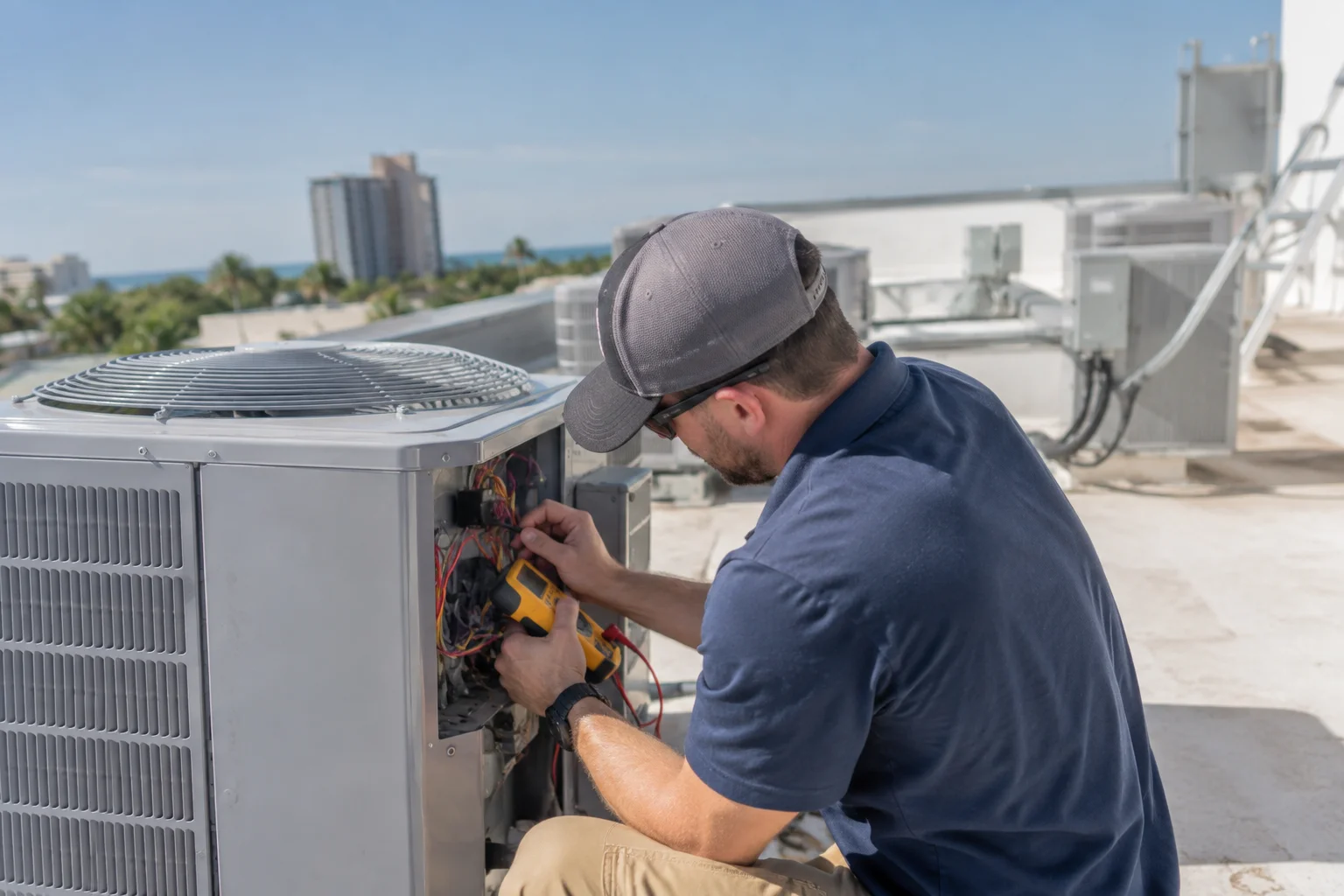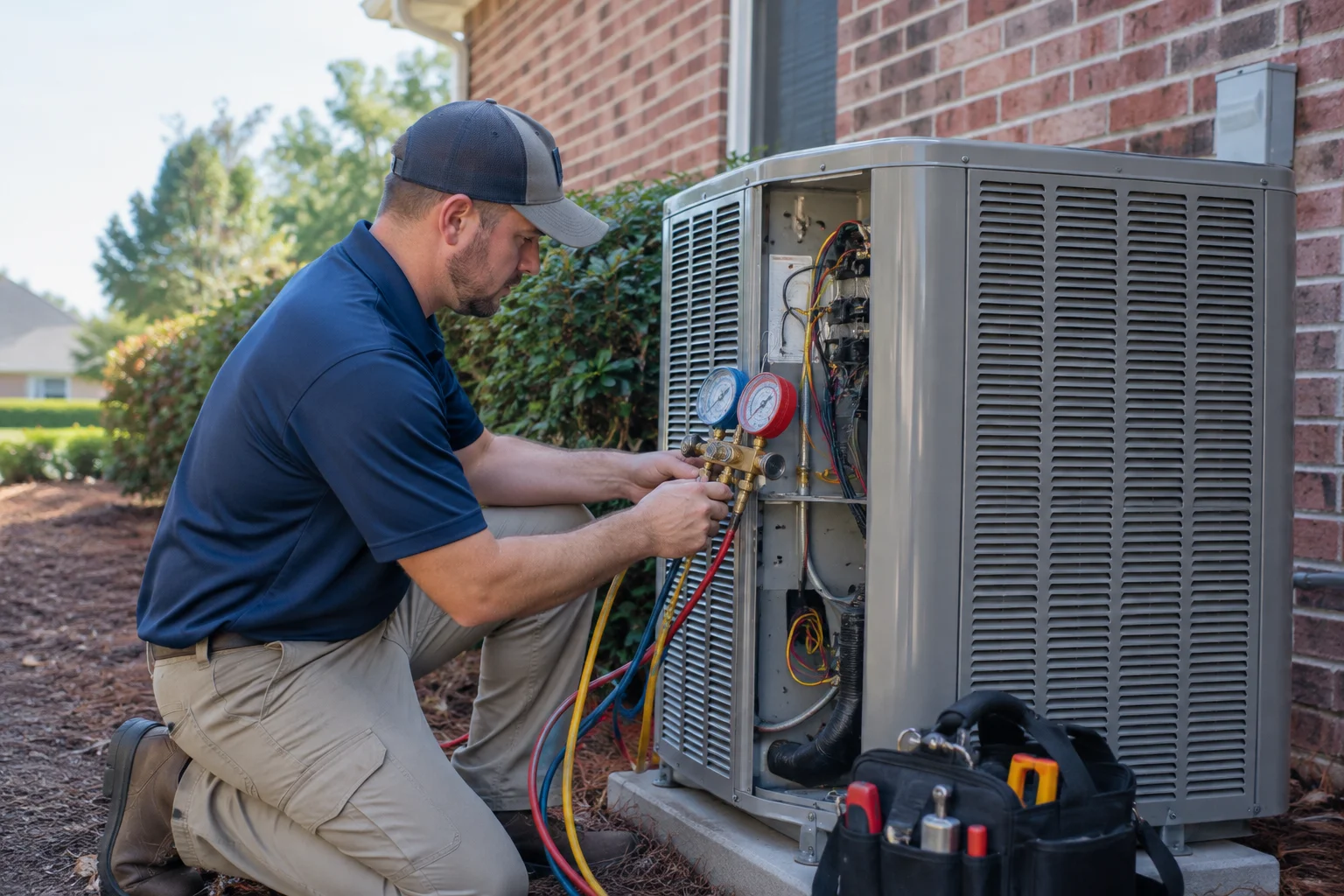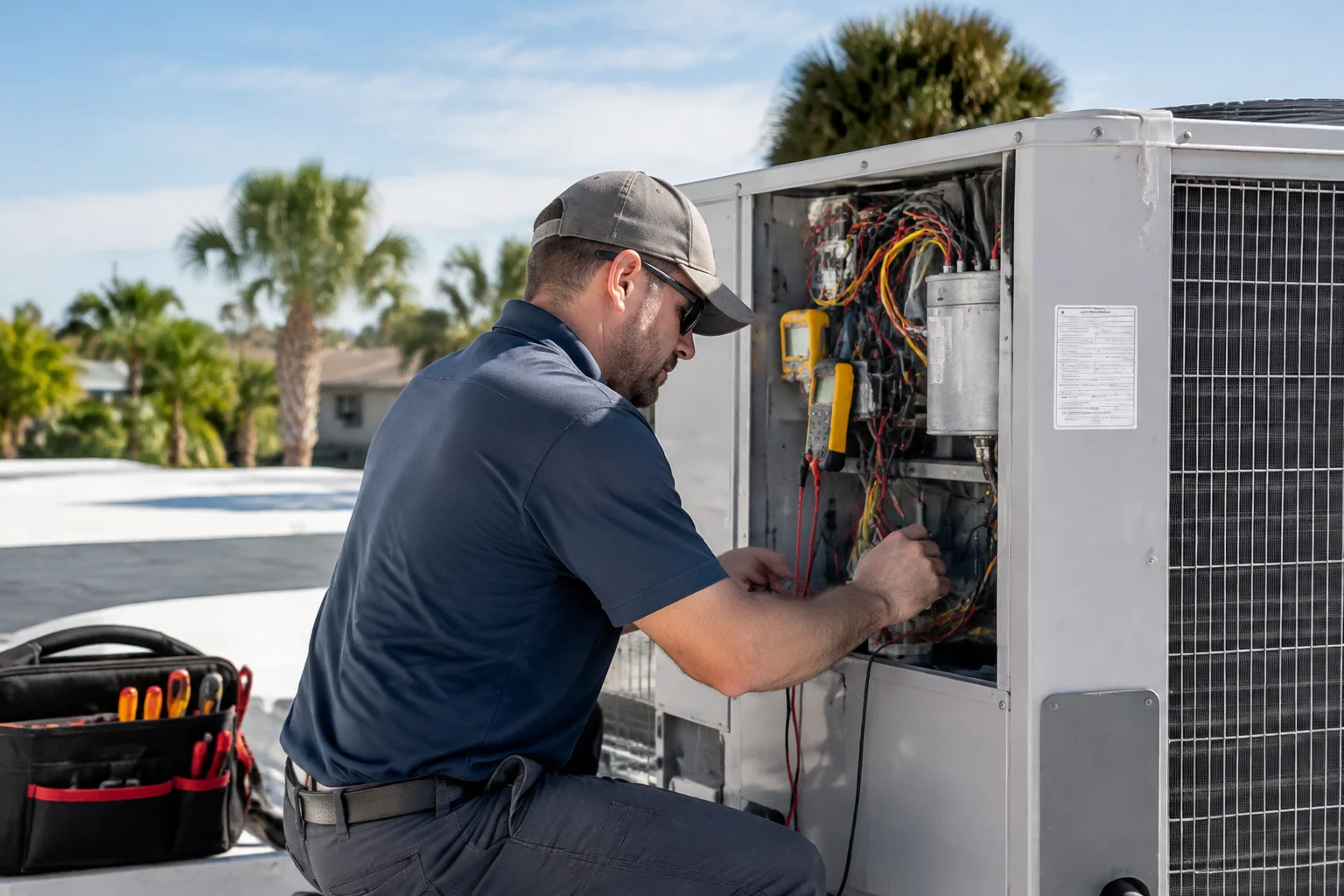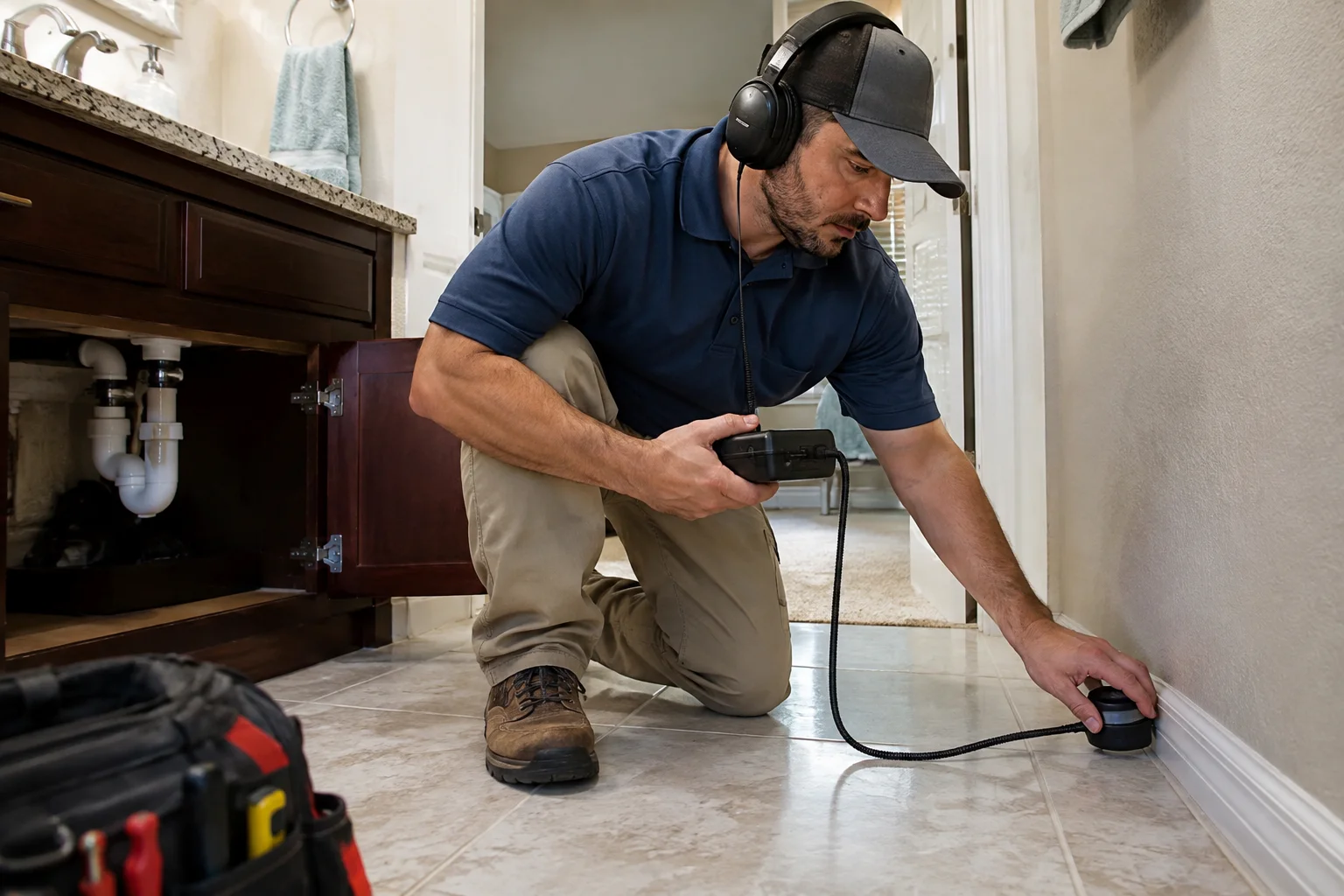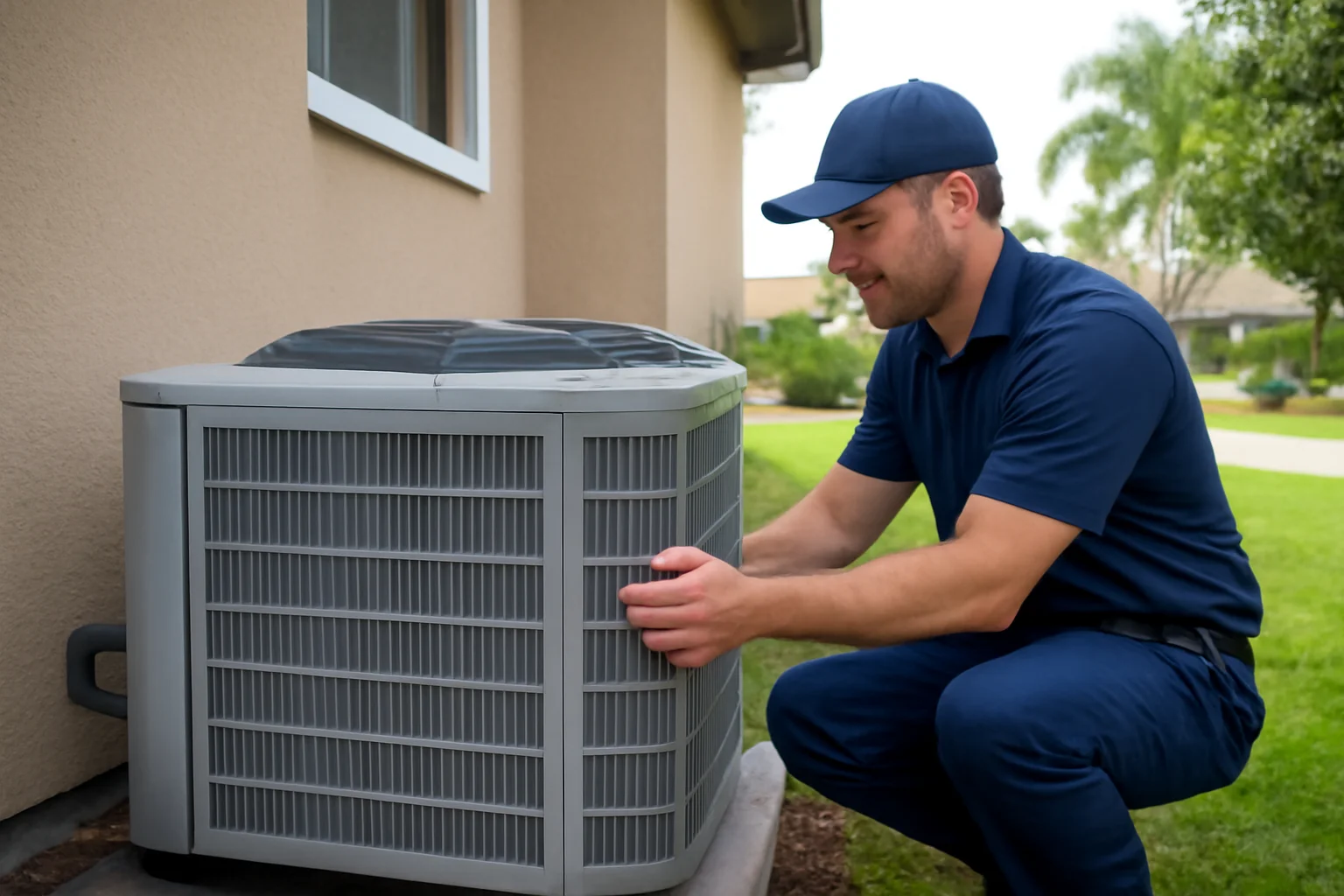
When your air conditioner or heat pump fails during a hot, humid Camp Creek afternoon, comfort stops being a “someday” problem. Emergency HVAC services are not only about restoring cooling fast. They also help you plan the right repairs, protect airflow and indoor air quality, and avoid repeat breakdowns as the seasons change across Walton County.
This guide walks you through what local homeowners should know about emergency AC repair, common causes of sudden cooling problems in Florida, and how to prepare for the next step once the system is running again. If you are searching for an emergency HVAC services provider in Camp Creek, use this as a practical checklist for better decisions.
Why Camp Creek HVAC emergencies happen faster in Florida
Camp Creek homes face a mix of Florida heat, high humidity, and coastal air conditions across Walton County. Those factors can push HVAC systems harder than they would in a drier climate, especially in older ductwork or homes with uneven room temperatures.
Common stressors include:
- Humidity strain on cooling and dehumidification: When airflow is restricted or condensate drainage is not moving properly, indoor humidity can spike quickly.
- Airflow problems: Dirty filters, blocked supply registers, or duct leaks can reduce cooling capacity and increase system runtime.
- Refrigerant system issues: Refrigerant problems can show up as weak cooling, icing, or cycling, but only a professional in-person evaluation can confirm what is happening.
- Condensate drainage concerns: If condensate drainage is clogged or draining slowly, the indoor unit can struggle to remove moisture and may shut down to protect itself.
- Thermostat and control errors: A thermostat that is misreading temperatures, losing communication, or set incorrectly can create comfort issues that feel like a mechanical failure.
Year-round protection means thinking beyond “blowing cold air.” A working system should manage humidity, maintain airflow, and keep indoor air quality stable, especially during long stretches of warm weather.
Comfort problems that often turn into emergency HVAC calls
Homeowners usually notice an emergency because the system cannot keep up with the moment. Here are the types of comfort problems that commonly lead to emergency cooling concerns in Camp Creek:
1) Warm air when the system should be cooling
If your air conditioner or heat pump runs but the air coming out is not cold, that can point to airflow limits, refrigerant system issues, or control problems. Avoid repeated thermostat cycling. It can increase stress on components and prolong indoor discomfort.
2) Short cycling or frequent on and off
Short cycling is often linked to airflow restrictions, sensor issues, or other system conditions that are preventing stable operation. Even if the house cools briefly, it may not be safe or efficient to keep restarting.
3) Water around the indoor unit or signs of condensate drainage failure
In humid Florida weather, condensate drainage matters. Slow drainage or clogs can lead to moisture where it should not be. This can also affect indoor air quality by allowing damp conditions that encourage microbial growth.
4) Ice on coils or unusual frosting
Frosting can happen when airflow is restricted, when system conditions are off, or when refrigerant-related issues exist. Any visible icing is a strong reason to stop trying to “wait it out” and schedule professional help.
5) Sudden humidity spikes and sticky indoor air
Even if the temperature seems “okay,” high humidity can make rooms feel hotter and can worsen comfort. It can also make indoor air quality worse by increasing moisture levels inside the home.
What emergency HVAC service should cover during the first visit
Emergency cooling is not only about turning the system back on. A good emergency HVAC service visit typically focuses on restoring comfort safely and identifying the likely causes so you can plan repairs correctly.
When A Superior Mechanical responds to an emergency in Camp Creek, the goal is to understand what is happening with the full cooling process, including:
- Thermostat behavior and operating mode: Ensuring the system is actually calling for cooling and reading the home’s temperature correctly.
- Airflow path: Checking whether supply airflow and return airflow are moving properly through the system and into ductwork.
- Indoor coil and condensate drainage: Looking for conditions that contribute to moisture buildup or drainage problems.
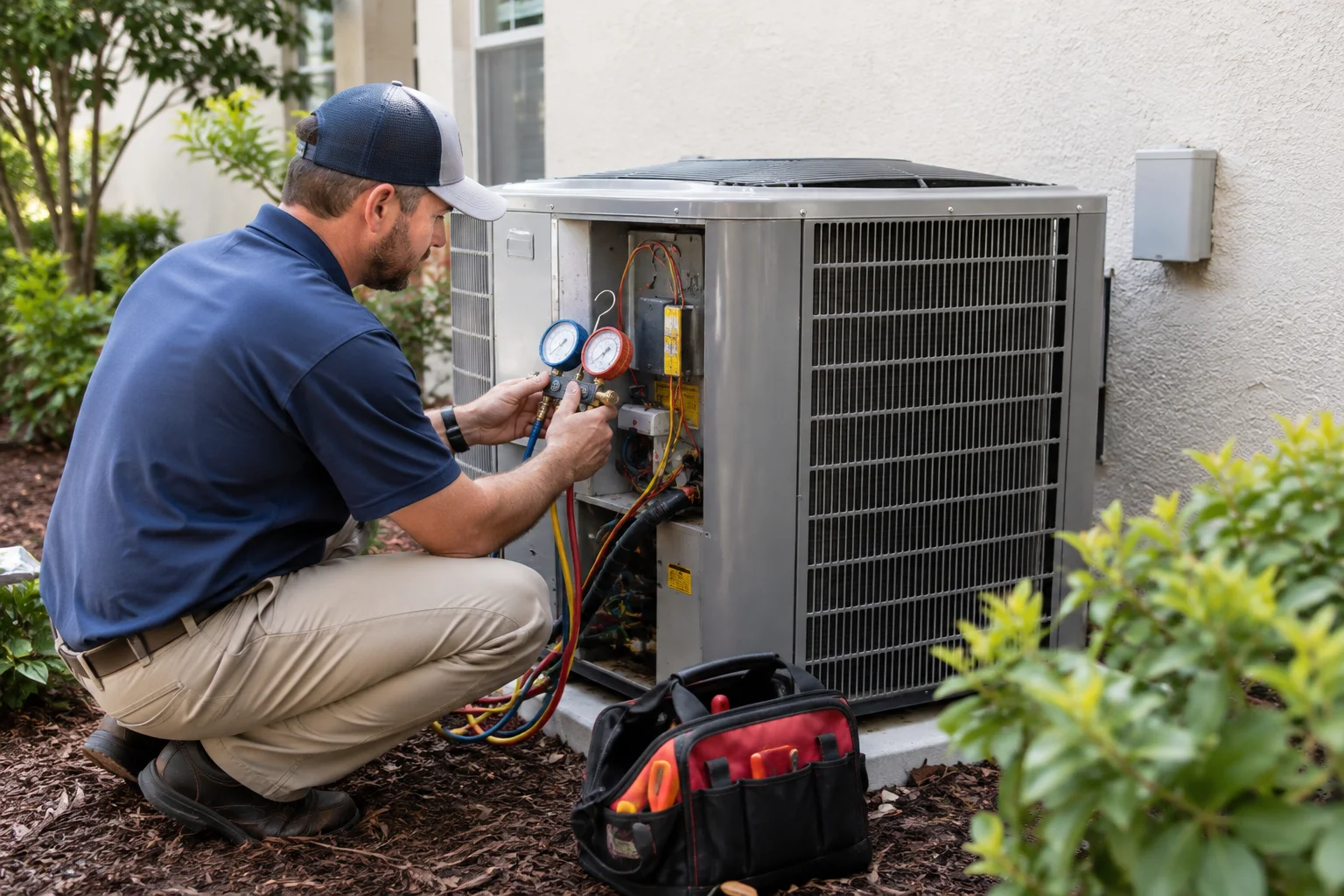
- Refrigerant system symptoms: Confirming cooling performance and diagnosing the issue based on what is observed in person. Refrigerant diagnosis should not be done remotely.
- System controls and protection: Making sure the equipment can run safely without repeated shutdowns.
You should expect the technician to explain what they observed and what actions are needed next. If you are considering air conditioning systems updates or repairs, the first visit should help clarify whether the issue is likely repairable or whether a longer-term plan is needed.
Airflow and ductwork: the hidden reason comfort fails
Many Camp Creek homes have ductwork that was installed years ago, sometimes with design choices that do not match today’s comfort expectations. During an emergency, the system may run longer and harder, but if airflow is wrong, the house still feels uncomfortable.
Airflow problems can show up as:
- Rooms that stay warmer than the rest, especially bedrooms or upstairs areas
- Weak airflow from supply vents
- Registers that are blocked by furniture, curtains, or debris
- Uneven temperature patterns that worsen during peak heat
If you are dealing with duct-related symptoms, it can help to plan for duct inspection near me style support, where available, or ask your local HVAC contractor about ductwork evaluation during and after emergency service. For related comfort planning, read Camp Creek Homes and the Case for Ductless Mini-Splits That Handle Heat, Humidity, and Uneven Rooms.
Humidity control and indoor air quality during an emergency
In a humid climate, comfort is not just temperature. When cooling equipment struggles, indoor humidity can rise. That affects how the home feels and can impact indoor air quality.
Emergency cooling concerns can create two common indoor air quality issues:
- Moisture accumulation: If condensate drainage is impaired, moisture can linger.
- Dust and particle circulation: Poor airflow can stir up particulates, especially when filters are overdue.
Once the system is running, consider planning for long-term indoor air quality improvements. If your home needs additional help, explore indoor air quality air scrubbers and pair it with a cooling maintenance plan.
For homeowners who want a proactive approach, the blog post Smart HVAC Planning for Cleaner Indoor Air in Camp Creek offers practical steps that support comfort and air cleanliness.
Refrigerant systems: what homeowners should and should not do
Refrigerant systems are central to cooling performance, but they are not a “DIY guess” area. If your unit is not cooling properly, visible icing, or the system is cycling oddly, refrigerant system conditions may be involved.
What you can do:
- Check the thermostat settings and mode (cool versus heat, fan versus auto).
- Replace a very dirty air filter if it is clearly clogged.
- Keep supply registers open and unobstructed.
What you should not do:
- Attempt to add refrigerant or “top off” the system.
- Assume the refrigerant is the problem without an in-person evaluation.
- Continue repeated restarts if the system shows signs of icing or abnormal behavior.
A licensed, local HVAC contractor should evaluate the refrigerant system symptoms as part of the emergency HVAC service visit, and then explain next steps based on what they observe.
Thermostats and controls: comfort issues that mimic mechanical failure
Camp Creek homes often use programmable or smart thermostats. When humidity and temperature swings are intense, thermostat settings and sensor placement can affect how the system performs.
During an emergency, it is worth checking for:
- Incorrect mode selection (cooling versus heating)
- Fan set to “on” instead of “auto,” which can change airflow behavior
- Schedules that do not match your current occupancy
- Thermostat placement near direct sunlight, drafts, or vents
If you are planning upgrades, consider Smart Thermostats as part of better comfort management. For many homeowners, improving thermostat control helps reduce unnecessary cycling and supports more stable indoor conditions.
Condensate drainage: small clogs can turn into big comfort problems
In Florida humidity, condensate drainage is a frequent culprit behind emergency cooling concerns. When condensate cannot drain properly, the indoor unit can struggle to remove moisture. That can lead to:
- Higher indoor humidity and sticky air
- Water overflow or moisture near the air handler
- System shutdowns or protective behavior
Homeowners can help by keeping the area around the indoor unit clear, but condensate drainage evaluation should be handled by a professional. If you suspect drainage issues during or after an emergency, mention it to the technician so it is included in the service plan.
How to plan repairs after the emergency call
Once cooling is restored, homeowners often wonder what comes next. The right plan depends on what the system needs and how it is performing under normal conditions.
Ask your HVAC contractor about a structured repair plan that includes:
- What likely caused the emergency: A clear explanation of the observed symptoms tied to the cooling process.
- What should be monitored: For example, whether airflow, humidity control, or cycling behavior needs follow-up.
- Whether ductwork needs attention: If the home has uneven temperatures or weak cooling.
- How to prevent repeat issues: Filter practices, airflow habits, and scheduled maintenance.
- System age and condition: Not a guess, but an assessment based on the equipment’s overall performance.
If you are considering HVAC replacement near me decisions later, emergency service notes can provide useful context for comparing options. For year-round planning, pairing emergency response with preventive maintenance often reduces the odds of another breakdown during peak heat.
Preventive HVAC maintenance that supports year-round reliability
Camp Creek homeowners can reduce emergency HVAC problems by keeping the system operating within its design limits. Preventive HVAC maintenance is especially important in Florida because heat and humidity increase system runtime and stress.
A practical maintenance approach typically includes:
- Air filter management to protect airflow
- Coil and drainage checks during appropriate seasons
- Thermostat and control verification
- Evaluation of ductwork airflow paths when comfort is uneven
- System performance checks that support stable cooling and indoor air quality
If you want a step-by-step home-friendly plan, read A Practical Guide to Air Conditioning Maintenance in Camp Creek, FL. You can also pair comfort planning with installation considerations in Smart HVAC Planning for Camp Creek Homes: Comfort, Humidity, and Better AC Installations.
When you should call emergency HVAC service in Camp Creek
It is easy to delay when the system is “kind of working.” In Florida, discomfort can escalate quickly. Call emergency HVAC service if you notice any of the following:
- The indoor air is becoming uncomfortably hot and humid, and the system cannot maintain cooling.
- The system runs but does not cool, or it cycles repeatedly.
- You see signs of condensate drainage problems, such as water near the unit or persistent dampness.
- You see ice on coils or the system behaves unusually.
- Your home has sensitive occupants, such as infants, older adults, or anyone who needs stable indoor conditions.
If you are searching for an air conditioner repair near me or HVAC service near me during a cooling failure, prioritize a local HVAC contractor that provides emergency HVAC services in Camp Creek. For many homeowners, having the contact information ready before the next heat wave helps reduce stress when comfort is at risk.
Homes, rentals, and businesses: emergency cooling planning matters
Camp Creek includes a mix of homes and rental properties. Tenants often notice problems faster because they are living day to day in the space. For landlords and property managers, emergency cooling can affect habitability and indoor air quality.
For businesses, emergency HVAC service is often tied to productivity and occupant comfort. If you manage a commercial property, explore Commercial HVAC Services and make sure your maintenance plan covers airflow and humidity control, not just temperature.
When emergency cooling is part of your operations planning, it is also helpful to review your equipment and ductwork needs at the system level. If you are unsure what category your property fits, you can browse more options at /service-areas/walton-county.
Using energy wisely while you wait for repairs
During an emergency, energy use is a concern, but comfort and safety come first. Avoid actions that can worsen the situation, such as repeatedly resetting breakers or constantly changing thermostat settings. Instead:
- Set the thermostat to a realistic cooling setting and use the correct mode.
- Keep doors closed to reduce load on the cooling system.
- Use fans to help circulate air if they do not interfere with airflow.
- Keep air filters clean enough to avoid blocking airflow, especially if the filter is clearly overdue.
Once repairs are underway, a professional can help you understand how airflow, humidity control, and system performance affect energy use. That knowledge supports better decisions for repairs or future air conditioning service.
Choosing a local HVAC contractor for emergency help
Emergency HVAC service is not the time to experiment. A licensed HVAC contractor near you should be able to evaluate what is happening with airflow, condensate drainage, thermostats, and the cooling process as a system. That local, in-person evaluation matters in Camp Creek because humidity and airflow issues can look similar to refrigerant system problems.
If you want the fastest path to comfort restoration, start with a provider that serves your area and understands the local conditions. You can review A Superior Mechanical’s emergency coverage here: emergency HVAC services in Camp Creek. For broader service options across the region, visit the Camp Creek service area page.
Preparing your home before the next emergency
Even when you cannot predict failures, you can reduce the impact. A few homeowner habits can make emergency HVAC service more effective:
- Keep the thermostat settings and system mode clear and consistent.
- Know where the indoor unit is and keep the area accessible.
- Check air filters regularly and replace when dirty.
- Keep supply registers unobstructed to protect airflow.
- Write down any symptoms you notice, such as icing, water, cycling, or unusual sounds.
- Confirm who to call after hours and save the number for emergency cooling concerns.
For homeowners dealing with uneven rooms and comfort swings, it can also help to plan system upgrades that address humidity and airflow. If ductwork challenges are part of the picture, consider reading Camp Creek Homes and the Case for Ductless Mini-Splits That Handle Heat, Humidity, and Uneven Rooms as part of long-term planning.
Year-round home protection in Camp Creek is about combining emergency readiness with preventive HVAC maintenance. When the next cooling problem hits, you will spend less time guessing and more time getting your home back to stable comfort.
Find Emergency HVAC Services in Camp Creek, FL
If you need Emergency HVAC Services in Camp Creek, FL, visit our local service page or contact A Superior Mechanical today.
Map of Camp Creek, FL
Frequently Asked Questions
What should I do first when my AC stops cooling in Camp Creek?
Check the thermostat mode (cool versus heat) and fan setting, confirm the system is calling for cooling, and look for obvious airflow issues like blocked vents. If you see icing, water near the indoor unit, or repeated short cycling, stop trying to restart it over and over and schedule emergency HVAC service for in-person evaluation.
Can high humidity cause an air conditioner emergency?
Humidity itself does not always “break” a system, but it can quickly expose problems with cooling and dehumidification. If airflow is restricted or condensate drainage is not working, indoor humidity can rise fast during Florida heat. That can lead to shutdown behavior and comfort failures that justify emergency AC repair.
How do I know if the problem is refrigerant versus airflow or condensate drainage?
Home symptoms can overlap. Weak cooling, icing, and cycling can be related to airflow limits, condensate drainage issues, or refrigerant system conditions. Only a licensed HVAC technician can confirm the cause during an in-person inspection, so avoid assuming and avoid adding refrigerant yourself.
Should I replace my system right after an emergency repair?
Not automatically. Emergency service should focus on restoring comfort safely and identifying what needs repair. Replacement decisions depend on the system’s overall condition, performance, and what the technician finds during evaluation. If replacement is being considered, ask for a clear explanation of why and what options fit your home.
What preventive HVAC maintenance helps prevent repeat breakdowns in Camp Creek?
Regular maintenance that supports airflow, humidity control, and safe operation helps. That typically includes filter management, coil and condensate drainage checks, thermostat and control verification, and performance checks. A maintenance plan can reduce the chance of mid-summer breakdowns and supports better indoor air quality.
Related Articles
- Smart HVAC Planning for Cleaner Indoor Air in Camp Creek
- Smart HVAC Planning for Camp Creek Homes: Comfort, Humidity, and Better AC Installations
- A Practical Guide to Air Conditioning Maintenance in Camp Creek, FL
- Camp Creek Homes and the Case for Ductless Mini-Splits That Handle Heat, Humidity, and Uneven Rooms
Photo Gallery