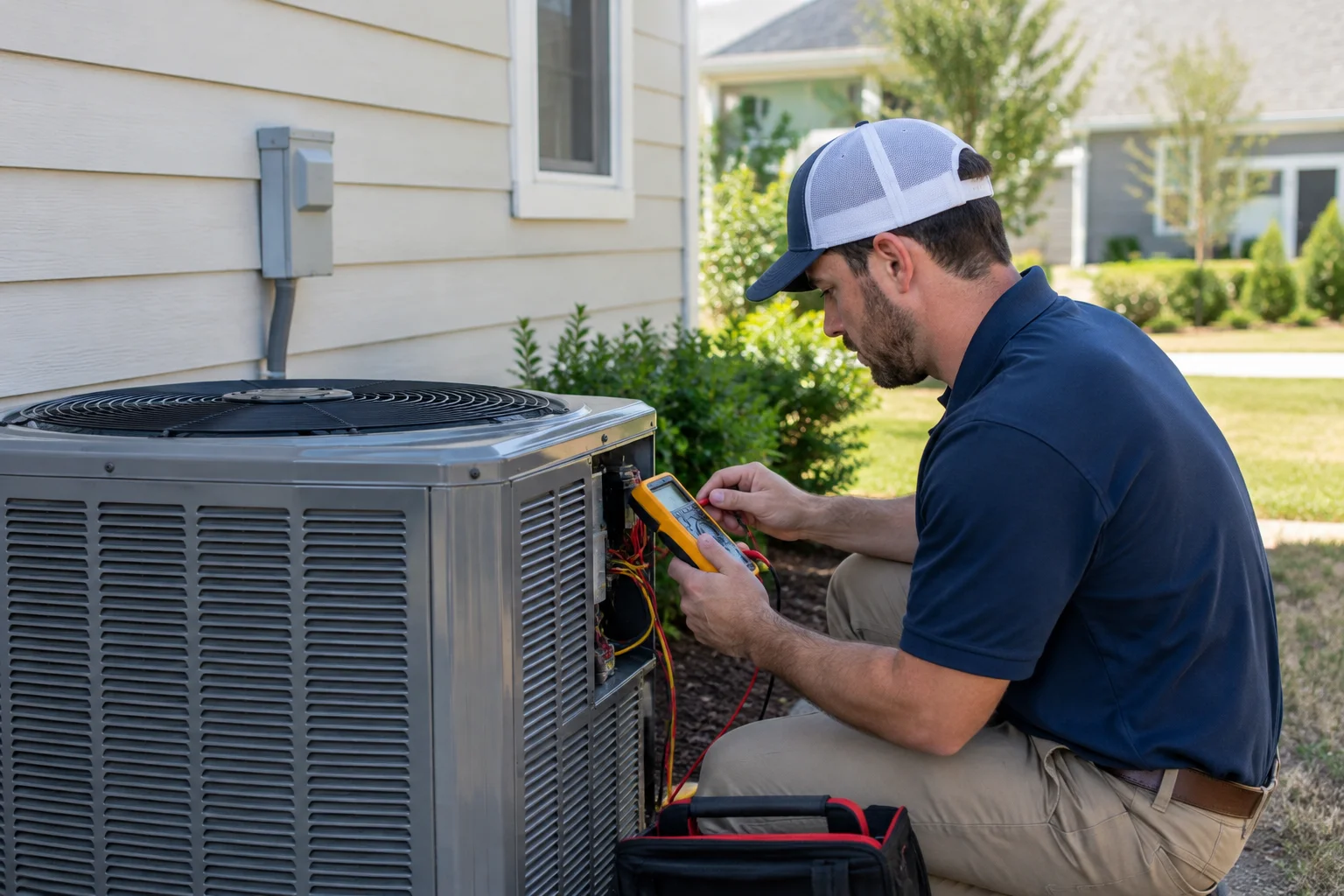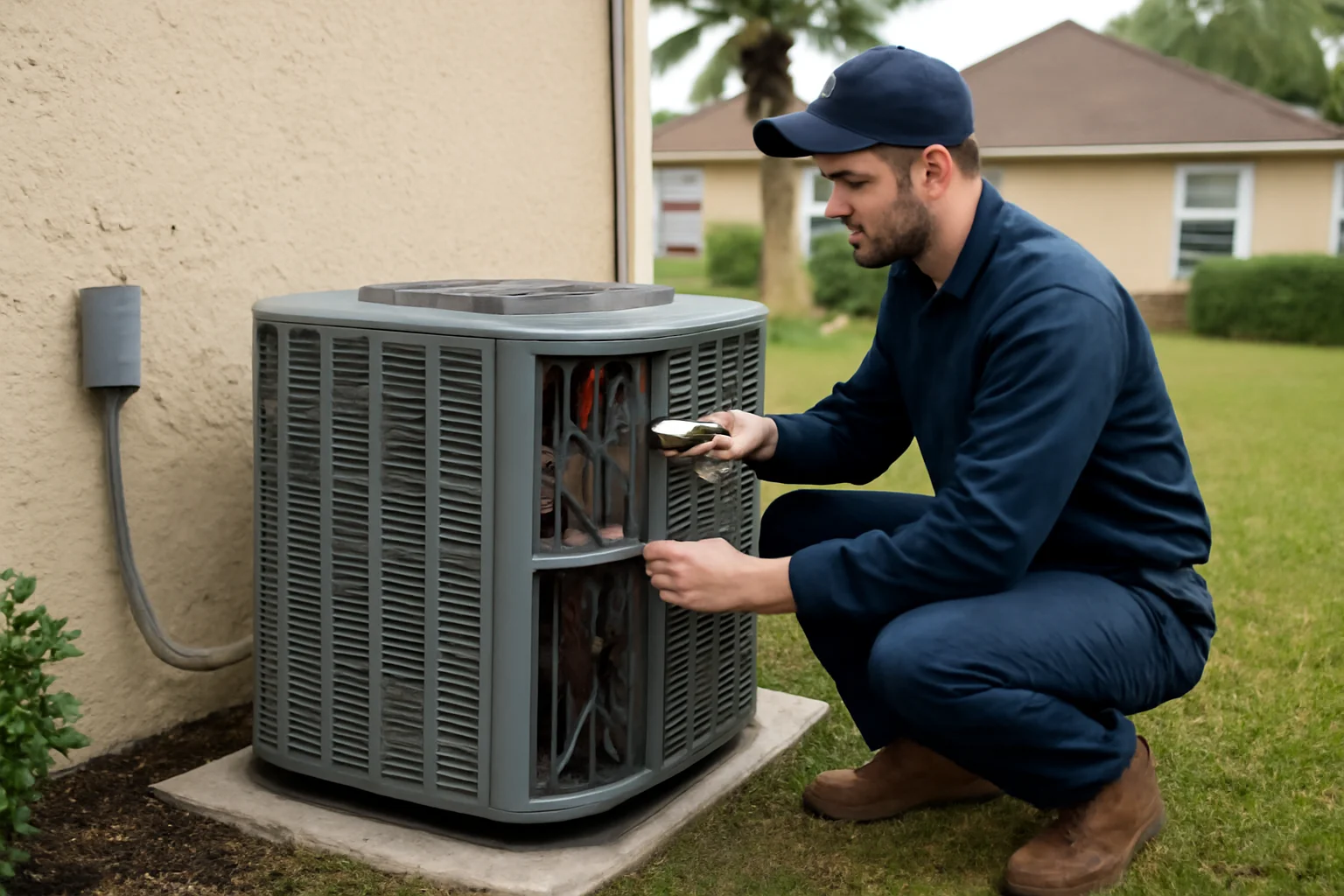
Springfield, FL homeowners deal with heat, humidity, and salty air that can stress HVAC systems. Heating control systems help you manage comfort and energy use, but they only work well when the thermostat, airflow, ductwork, and related components are set up and maintained correctly. With a few everyday habits and a seasonal checklist, you can reduce the chances of frustrating heating season problems and emergency cooling concerns during Florida’s unpredictable weather.
If you are searching for heating control systems in Springfield, FL or want HVAC service that understands local conditions, A Superior Mechanical can help tailor recommendations to your home’s layout and comfort needs. You can also explore more about our work in Springfield and Bay County.
Why heating control systems matter in Springfield’s humid climate
Heating control systems are more than a thermostat screen. They manage how your heating and cooling equipment responds to temperature demands, how zoning or room-level controls distribute airflow, and how the system coordinates with humidity and comfort settings. In Springfield, the combination of warm air, high indoor moisture, and coastal influences can create conditions where comfort controls are fighting the environment rather than working with it.
When controls are properly configured, you typically see smoother temperature swings, steadier airflow, and fewer “short cycling” patterns that can strain parts of the HVAC system, including refrigerant systems and condensate drainage paths. When controls are misconfigured or the home’s ductwork and airflow are not supporting the system, small issues can escalate into frequent HVAC repair calls.
Start with thermostat habits that prevent comfort and equipment problems
For everyday reliability, your thermostat settings shape how hard your system works. These habits are simple, but they make a difference in homes across Springfield, especially during humid shoulder seasons when temperature swings are common.
Keep setpoints reasonable and avoid constant changes
Rapidly raising or lowering setpoints can trigger repeated heating and cooling cycles. That cycling can contribute to uneven temperatures, higher energy use, and wear on HVAC components. If you are trying to fine-tune comfort, make small adjustments and allow the system time to respond.
Use fan settings intentionally
Many thermostats let you run the fan continuously or only when the system is heating or cooling. Continuous fan can sometimes help with air mixing, but it can also increase energy use and may worsen indoor air quality if filters and duct airflow are not kept up. If you notice persistent humidity or stale odors, treat fan behavior as part of your indoor comfort strategy, not an afterthought.
Confirm humidity-related settings when available
In Florida humidity, comfort is not only temperature. Some heating control systems include humidity management features or work with whole home dehumidifiers. If your home feels clammy even when the temperature looks correct, the issue may involve indoor air quality, airflow balance, or condensate drainage performance. A Superior Mechanical can help connect the dots between controls and actual comfort conditions.
Protect airflow with a few weekly checks
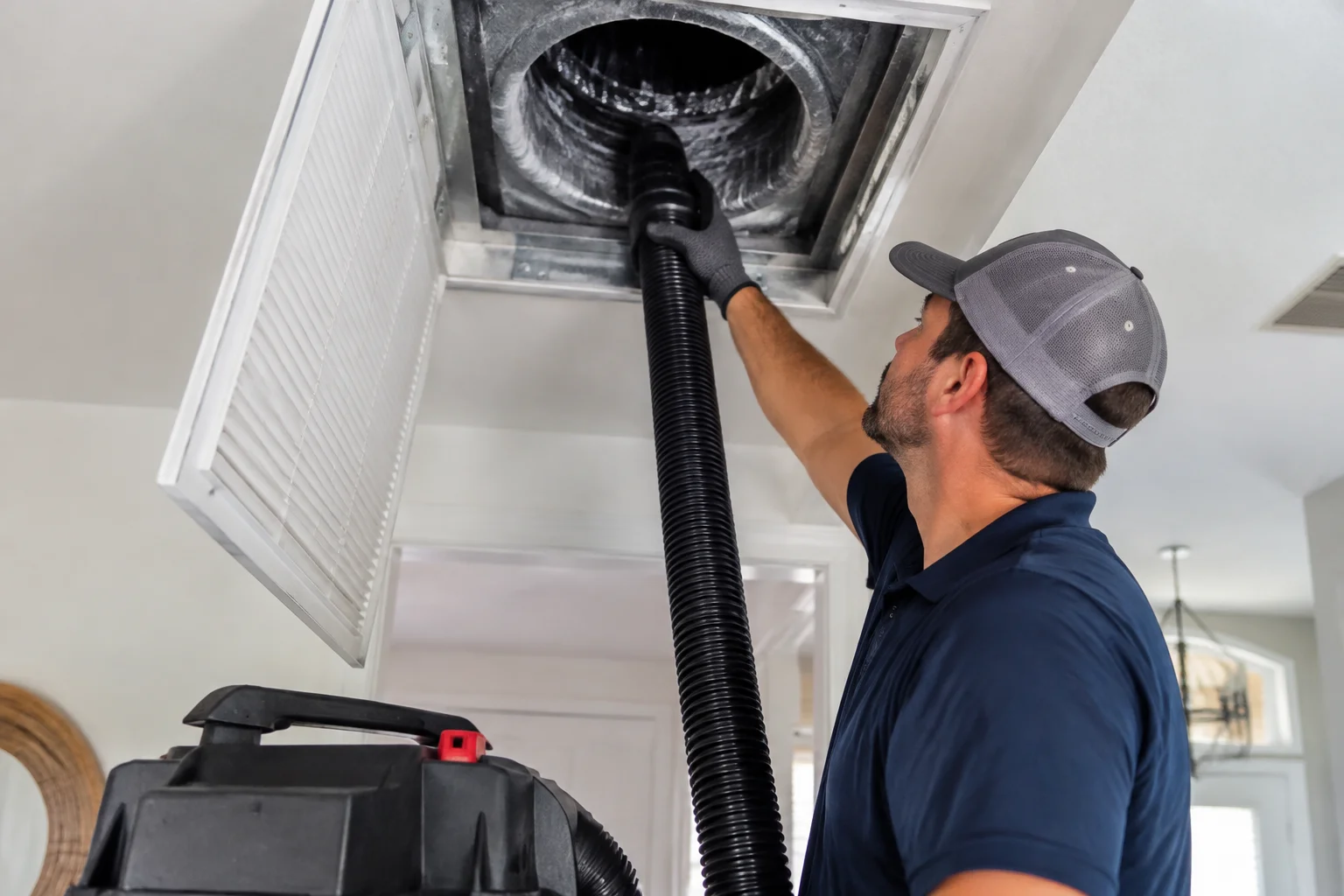
Heating control systems rely on airflow to deliver conditioned air to the rooms you care about. If airflow is restricted, the system can struggle to reach setpoints, run longer than expected, and create conditions that impact humidity and condensate drainage. In Springfield homes, ductwork and register conditions can become bottleneck points.
Inspect registers and return vents for blockages
Furniture, curtains, rugs, and even seasonal storage can partially block registers. Quick habit: walk the home and make sure supply vents and return pathways are clear. If you have zoning solutions, pay extra attention to the dampers and the rooms that feel off. Blocked airflow can cause “room-to-room” temperature complaints that look like thermostat errors.
Replace filters on a predictable schedule
Dirty filters restrict airflow and reduce system performance. That can lead to higher energy use, reduced comfort, and more stress on refrigerant systems. The right filter depends on your equipment and indoor air quality goals, so choose based on your HVAC setup and local conditions. If you want help picking a filter strategy, ask about indoor air quality services near me and how your filter and airflow plan should work together.
Humidity control is a control-system issue, not just a comfort issue
In a humid environment like Springfield, the way your home handles moisture affects how your heating control system performs. Poor humidity control can make the home feel uncomfortable, increase the likelihood of musty odors, and contribute to problems that homeowners sometimes blame on “the thermostat.”
Watch for signs your condensate drainage is struggling
Many HVAC systems include condensate drainage that removes moisture during cooling cycles. When drainage is slow, blocked, or poorly routed, moisture can build up where it should not. That can lead to indoor air quality problems and can make your system run less efficiently. If you notice water collecting, frequent shutdowns, or unusual smells, treat it as an HVAC reliability concern rather than a minor inconvenience.
Consider whole home dehumidifiers if humidity stays high
If your home feels damp during humid weeks, a whole home dehumidifier can complement heating control systems by improving indoor humidity levels without relying solely on cooling cycles. You can explore whole home dehumidifiers for Springfield to see how a coordinated approach can improve comfort and reduce strain on the HVAC system.
Zoning and room-level controls: keep them balanced
Homes with zoning solutions or room-level controls can benefit from targeted comfort. But zoning systems require airflow balance to work correctly. Dampers, thermostat locations, and register performance all affect how each zone behaves.
Place thermostats thoughtfully
Thermostats and sensors can be affected by direct sunlight, drafts, and nearby heat sources. If a sensor is reading a room that is not representative of the zone, the control system may overcorrect. That can increase energy use and contribute to uneven temperatures.
Be cautious with “dead zones”
If certain rooms never reach temperature targets, the problem is often ductwork and airflow distribution. That is why ductwork performance matters alongside heating control systems. If you are dealing with inconsistent comfort, ask about duct sealing and airflow improvements, such as Duct Sealing & Aeroseal Services.
How everyday use can impact refrigerant system reliability
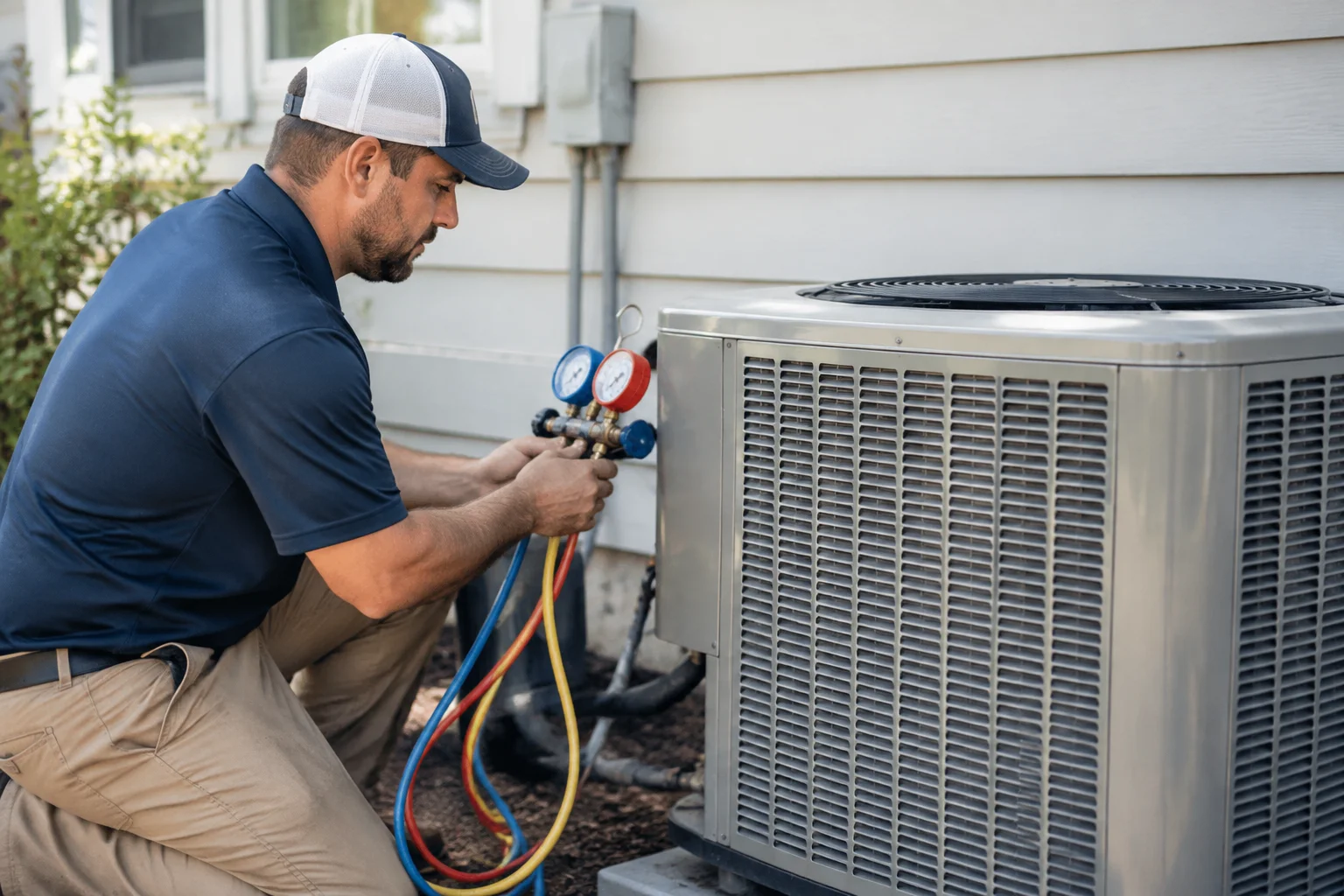
Homeowners do not usually service refrigerant systems directly, and it is not appropriate to attempt refrigerant diagnosis without an in-person evaluation. Still, you can protect reliability by preventing conditions that make refrigerant systems work harder than they should.
Reduce short cycling by allowing temperature transitions to stabilize
Short cycling can happen when controls are overly aggressive, airflow is restricted, or equipment is struggling to maintain steady operation. When your heating control system repeatedly calls for heating or cooling but the home cannot respond efficiently, the system can cycle more often than it should.
Keep indoor air moving where the system needs it
Restricted airflow can cause the system to run longer to reach setpoints. Over time, that can add strain to the refrigerant system and related components. Filter changes, clear vents, and attention to return airflow are everyday habits that support dependable operation.
Seasonal habits for Springfield: a simple checklist
Instead of waiting for a breakdown, use a seasonal routine that matches how Florida homes behave. Springfield weather can shift quickly, and humidity can spike without much warning.
Before the hottest stretches
- Replace or verify HVAC filters and confirm airflow paths are clear.
- Test thermostat behavior by adjusting setpoints gradually and confirming the system responds normally.
- Check for unusual odors or signs of condensate drainage issues near the indoor equipment area.
- Review humidity settings if your control system supports them and your home stays damp.
Before cooler nights and shoulder-season swings
- Verify heating control schedules match how you actually use the home.
- Look for room-to-room temperature complaints that could point to airflow imbalance or ductwork problems.
- Confirm that supply and return vents are not blocked by seasonal items.
- If you use zoning, make sure dampers and room controls are behaving consistently.
Common HVAC issues homeowners can prevent with better control awareness
Many Springfield homeowners experience HVAC problems that start as “control problems” but are really system and airflow issues. Here are patterns that heating control systems can help you avoid, especially when you pair smart settings with maintenance.
Temperature swings and uneven comfort
Causes often include blocked vents, dirty filters, ductwork limitations, or thermostat placement that does not reflect the actual zone temperature. If your heating control system is calling repeatedly but rooms remain uneven, the solution is usually airflow and control coordination, not endless thermostat changes.
High humidity despite running cooling
Humidity problems can come from indoor air quality factors, airflow balance, and condensate drainage performance. If you feel sticky air even when the temperature seems acceptable, consider how your system manages moisture and whether supplemental dehumidification is needed.
Short cycling or frequent call-and-stop cycles
Short cycling can be triggered by airflow restrictions, control settings that are too aggressive, or equipment performance issues. Homeowners should not attempt refrigerant or electrical diagnosis based on symptoms. A professional HVAC contractor can evaluate system operation safely and accurately.
Energy use and reliability: why controls should be tuned to your home
Heating control systems influence how often your HVAC equipment runs and how long it runs. In a hot and humid region like Springfield, energy use often climbs when comfort is achieved inefficiently. When controls are properly configured and airflow is supported, the system can operate more steadily, which helps reduce strain and supports everyday HVAC reliability.
If you are comparing options for HVAC replacement near me or planning upgrades, talk through how heating control systems will integrate with your ductwork, indoor air quality priorities, and humidity goals. Proper installation and setup matter as much as the technology itself.
When you should call a professional HVAC contractor
Some issues are best handled right away because they can become emergency cooling concerns during Florida’s warmest days. If you notice any of the following, contact a local HVAC contractor for an in-person evaluation.
- Your system will not maintain temperature and the thermostat seems to be “doing everything right.”
- Frequent cycling, unusual noises, or persistent comfort problems across multiple rooms.
- Visible signs of condensate drainage issues or recurring moisture concerns.
- Indoor air quality complaints like persistent odors, excessive dust, or allergy flare-ups that do not improve after filter changes.
- Any heating or cooling performance decline that affects daily use, especially during heat waves.
For urgent situations, you may also want to review Emergency HVAC Services. For homeowners who manage comfort in larger spaces, Commercial HVAC Services may apply to rentals or properties with different comfort demands.
Pair heating controls with preventive HVAC maintenance
Heating control systems are only one part of reliable comfort. Preventive HVAC maintenance helps ensure that the equipment and the control strategy work together. During maintenance, professionals can check airflow conditions, confirm system operation, and review how the thermostat and settings align with performance.
If you want a maintenance-focused perspective, read How Better HVAC Maintenance Supports Heating Control Systems in Alys Beach and Keeping Heating Control Systems Reliable for Parker, FL Property Owners. These articles explain how everyday homeowner habits and professional tune ups help reduce breakdown risk and improve comfort consistency.
For homeowners in areas with newer construction and different airflow dynamics, you can also explore How Modern Homes in Pretty Bayou Get More from Heating Control Systems and Why Heating Control Systems Matter for Valparaiso Homes. The goal is the same: align controls with how the home actually performs.
Right-fit upgrades: smart thermostats, zoning, and integrated comfort management
When Springfield homeowners consider new control options, it often comes after repeated AC repair near me calls, ongoing comfort issues, or rising energy use. Upgrading controls can help, but it should be done with the home’s airflow, ductwork, and humidity needs in mind.
A Superior Mechanical provides heating control systems in Springfield, FL with an emphasis on integrated HVAC management. That means the thermostat and control strategy are matched to how your system delivers conditioned air, how your home handles moisture, and how your comfort routines affect performance. If you are exploring HVAC service near me or looking for a contractor for heating control systems, we can help you plan the upgrade path responsibly.
Whether you need help with heating control system setup, diagnostic support for persistent comfort issues, or preventive HVAC maintenance to keep everything running smoothly, local service matters. Florida’s heat, humidity, and salt air can affect performance over time. A contractor that understands these conditions can help you protect everyday reliability without guessing.
How to use your controls to spot problems early
One of the most helpful habits is learning how your system normally behaves. When you understand your system’s everyday patterns, it becomes easier to notice changes that signal trouble.
Track comfort and runtime patterns
Even without technical tools, you can observe how long the system runs and whether it reaches your setpoints. If comfort worsens gradually, airflow may be changing, filters may be insufficient, or humidity management may be slipping.
Notice when humidity feels different
If the air feels more clammy than usual or takes longer to feel comfortable, treat it as a reliability indicator. Heating control systems can influence humidity outcomes, but the root cause may involve airflow, condensate drainage, or indoor air quality factors.
Do not ignore repeated “fixes” that do not last
Temporarily adjusting thermostat settings can mask a deeper issue. If a change helps for a day or two and then comfort returns to the old problem, that is a strong signal that the system needs professional attention.
For Springfield homeowners, reliable comfort comes from a coordinated approach: smart heating control habits, clear airflow pathways, humidity-aware settings, and preventive HVAC maintenance. When those pieces align, you reduce stress on refrigerant systems, support condensate drainage, and keep daily comfort steady through Florida’s warm, humid weeks.
Find Heating Control Systems in Springfield, FL
If you need Heating Control Systems in Springfield, FL, visit our local service page or contact A Superior Mechanical today.
Map of Springfield, FL
Frequently Asked Questions
How can I tell if my thermostat settings are causing HVAC problems?
If your system cycles too frequently, struggles to reach setpoints, or comfort feels uneven, the thermostat settings may be contributing. Changes like aggressive schedules, frequent setpoint adjustments, or incorrect fan behavior can increase cycling. A Superior Mechanical can review your heating control system setup during a service visit.
What humidity issues are common in Springfield, FL, and how do heating control systems help?
Springfield homes can feel sticky even when temperature looks correct because indoor humidity is not managed by temperature alone. Heating control systems can coordinate comfort settings, but airflow, condensate drainage, and indoor air quality factors also matter. If humidity stays high, asking about whole home dehumidifiers can be a practical next step.
Should I try to diagnose refrigerant problems based on comfort symptoms?
No. Refrigerant diagnosis should be done in person by a qualified HVAC technician. If comfort issues suggest performance problems, the safest approach is to schedule HVAC service so the system can be evaluated properly without guessing.
How often should I check filters and airflow for reliable heating control system performance?
Check filters regularly and replace them on a schedule that matches your household needs and indoor conditions. Also make a habit of keeping supply registers and returns unblocked. Restricted airflow can cause uneven comfort, higher energy use, and more strain on the HVAC system.
When should I call for heating control system help in Springfield?
Call a professional if you see frequent cycling, persistent room-to-room temperature differences, recurring moisture or condensate drainage concerns, or comfort problems that do not improve after simple thermostat and filter adjustments. During heat waves, prompt service can help avoid emergency cooling concerns.
Related Articles
Photo Gallery