Living in Parker, FL means dealing with real water conditions that show up in your home. Even newer builds can experience the same everyday frustrations: glassware that looks cloudy, faucets with scale buildup around the edges, and appliances that seem to wear out faster than expected. Water softening is one of the most practical ways local homeowners improve water quality and protect plumbing while making drinking, cooking, bathing, and laundry feel better.
A Superior Mechanical helps families across Bay County make sense of water treatment options and choose the right system for their home. Whether you are troubleshooting metallic tasting water, sediment in household water, or soap that does not lather, the goal is the same: cleaner, softer water that performs well in daily life.
Why Parker homeowners notice hard water in both older and newer homes
Hard water is not just an inconvenience. It is water that contains high levels of dissolved minerals, most commonly calcium and magnesium. When those minerals enter your home and heat up, they can leave deposits behind. Over time, that shows up as hard water spots on glass, scale buildup around faucets, showerheads, and plumbing lines.
In Parker, FL, homeowners often see signs that are easy to spot in everyday routines:
Hard water spots on glass, dishes, and fixtures that do not wipe away easily.
Scale buildup around faucets and showerheads that reduces water flow and makes cleaning more frequent.
Dry skin or dull hair after bathing, especially when soap and shampoo do not rinse well.
Metallic, chlorinated, or unpleasant taste that makes you think twice about drinking straight from the tap.
Cloudy ice cubes and water that looks less clear than you expect.
Poor tasting coffee and cooking water that can affect flavor in tea, soups, and sauces.
Visible sediment, discoloration, and odor concerns that raise questions about overall water quality.
Appliances wearing out faster because scale insulates heating elements and reduces efficiency.
Soap does not lather or rinse well, which can make laundry feel stiff and bathing less comfortable.
Older homes may have more visible plumbing wear, older fixtures, and buildup in pipes. Newer homes can still experience hard water because the mineral content of the incoming supply does not automatically change with construction age. That is why water softening and whole home water filtration are useful for both generations of Parker homeowners.
What water softening actually does to improve water quality
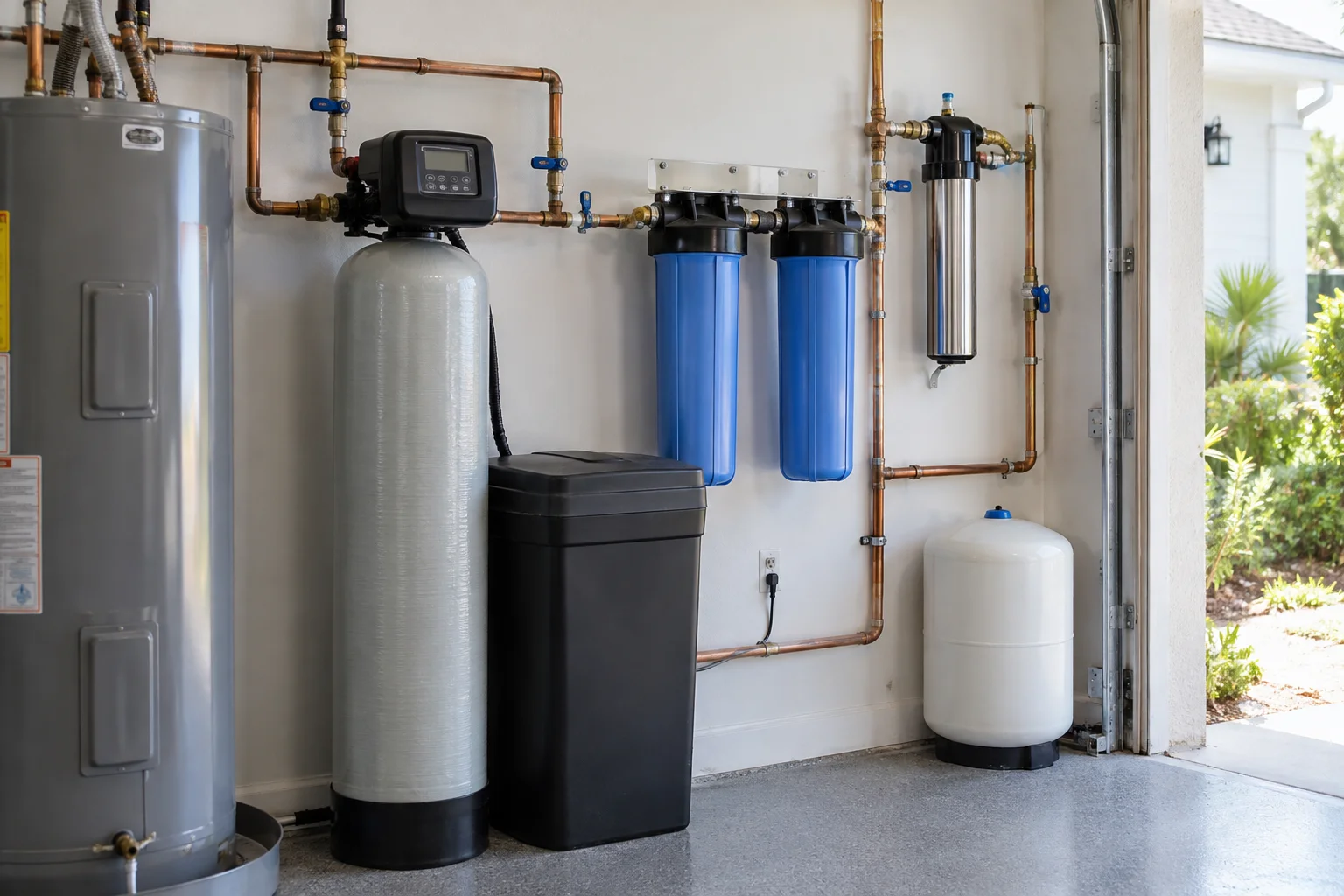
Water softening is designed to reduce hardness minerals so they do not form scale as easily. Most conventional systems use a process that exchanges hardness minerals for sodium or potassium ions, which helps prevent the buildup that causes cloudy glass, rough-feeling shower water, and clogged lines over time.
When hard water is treated, you often notice improvements that go beyond appearance:
Cleaner glassware and dishes, with fewer hard water spots.
Fewer deposits on faucets and showerheads, which helps water flow stay more consistent.
Better lather and rinse, because soap performs more effectively in softened water.
More comfortable bathing, with less dry skin from hard water and hair that feels less dull.
More protection for appliances like water heaters, dishwashers, and washing machines.
In a typical Parker household, these changes show up in the kitchen and bathroom. Picture a busy weeknight: the family is making pasta, and the coffee tastes better because the water is clearer and more consistent. Later, someone rinses off after a shower and notices the water feels smoother on skin. Then laundry comes out softer, and fixtures look cleaner longer. Those are the practical results homeowners want from water treatment.
Water softener vs. water filtration: they solve different problems
Homeowners often ask whether they need a water softener, a filter, or both. The short answer is that hardness and water quality issues can overlap, but they are not the same.
Water softening targets scale-forming minerals
Softening focuses on hardness. That is what drives scale buildup around faucets, showerheads, and inside plumbing. If you see hard water spots on dishes, notice soap does not lather, or deal with dry skin from hard water, a water softener is usually a strong starting point.
Whole home water filtration improves taste, odor, and clarity
Filtration addresses other concerns such as sediment, discoloration, odor, and particles that can make water feel less clean. Whole home water filtration can also support better drinking water quality by reducing contaminants that affect taste and appearance.
For homeowners searching for water filtration near me or home water purification near me, it helps to think of a system as a team. Water softening protects plumbing and appliances from scale. Filtration helps water look and taste better for drinking, cooking, and daily use.
Where reverse osmosis fits for drinking and cooking
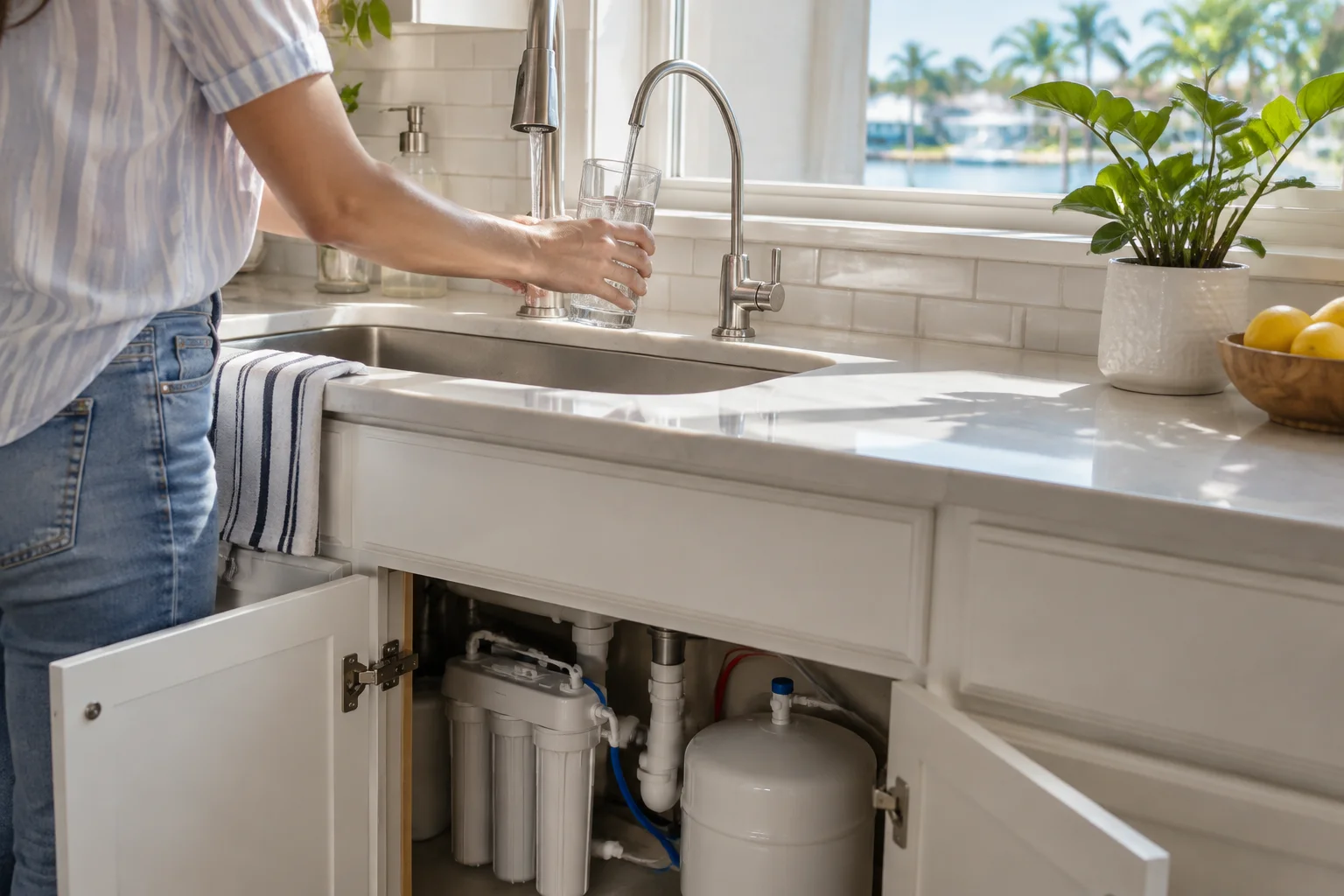
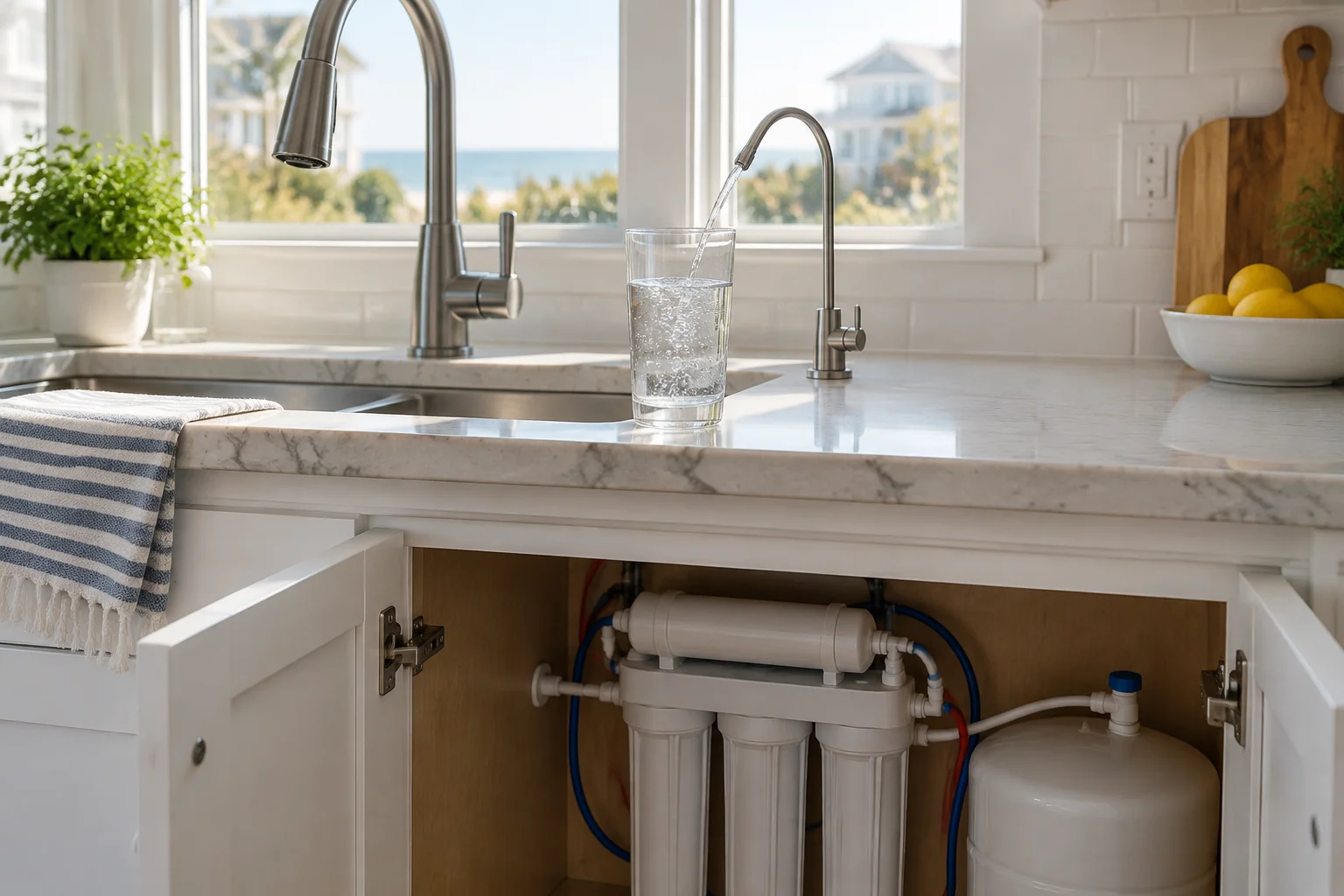
Even with whole home water filtration, many families prefer extra treatment for drinking water. Reverse osmosis (RO) installation is a popular way to improve the taste and purity of water at the kitchen tap.
In homes where homeowners notice metallic tasting water, cloudy ice cubes, or sediment in household water, RO can provide targeted improvement for drinking water and ice. It is especially helpful for:
Drinking water that tastes off or has an unpleasant odor.
Cooking water that affects flavor in coffee, tea, and recipes.
Ice quality when cloudy ice cubes are a recurring issue.
If you are researching reverse osmosis system near me, it is worth asking how RO will integrate with your softener and whole home filtration. Many Parker homes benefit from a staged approach where the softener helps with scale and filtration helps with clarity and taste before water reaches the RO unit.
AO Smith water filtration and how to choose the right setup
Some homeowners want a brand they can trust, and AO Smith water filtration is a name many people recognize for residential and commercial water treatment. Choosing equipment is only part of the decision. The bigger question is what your Parker home actually needs based on your water conditions.
A Superior Mechanical can help you evaluate:
Hardness levels to confirm whether water softening is necessary and how much capacity you need.
Water clarity and odor concerns to determine whether whole home filtration is the right fit.
Family usage patterns, including laundry loads, showers, and dishwasher cycles that influence how quickly scale shows up.
Kitchen priorities such as better drinking water and improved cooking water taste.
This is also where the age of the home matters. Older homes may have older fixtures and more buildup in existing plumbing. Newer homes may have clean lines but still experience hard water minerals. Either way, a properly sized system helps avoid under-treating and reduces the chance of premature wear.
Common signs your Parker home needs water softening and filtration
Not every issue points to the same solution. Still, the following patterns are frequent in Parker homes with hard water and water quality concerns.
Scale buildup around faucets and showerheads
When you notice white, chalky deposits around aerators, showerheads, and valve handles, it is often a sign that hardness minerals are building up. Over time, scale can reduce flow and make fixtures harder to clean.
Soap does not lather or rinse well
Hard water can interfere with how soap works. If laundry comes out with a stiff feel or bathing leaves a residue, softened water can make a noticeable difference.
Dry skin or dull hair after bathing
Many homeowners describe skin that feels tight or hair that looks less vibrant. While skin sensitivity can have many causes, hard water effects are common, especially when soap rinses poorly.
Metallic, chlorinated, or unpleasant taste and odor
If the water tastes metallic or has an off smell, filtration may be the missing piece. If you also deal with sediment or discoloration, whole home water filtration can help address those issues.
Cloudy ice cubes and poor tasting coffee water
Cloudy ice cubes often indicate dissolved minerals or particles. If coffee tastes flat or harsh, cleaning up the water quality at the kitchen tap can improve flavor.
Appliances wearing out faster
Scale can insulate heating elements, making water heaters and other appliances work harder. When you see higher energy use, reduced performance, or more frequent repairs, water treatment becomes part of protecting your investment.
How to prevent scale and protect your plumbing after treatment
Once you have the right system, a few habits help it perform well and keep your home’s water quality consistent.
Keep up with softener maintenance
A water softener service plan often includes checking settings, monitoring performance, and replacing components as needed. Salt levels and system operation matter. If a softener is not regenerating properly, you may notice the return of hard water spots on dishes and the return of dry skin from hard water.
Use proper salt and avoid interruptions
Using the right type of salt and keeping the system supplied helps maintain consistent softening. If your family goes on vacation or the system runs low, the first signs can show up quickly in fixtures.
Replace filtration media on schedule
Whole home filtration depends on filter media and flow rates. When filters become saturated, taste, odor, and clarity can slip. Scheduling maintenance helps keep water clean and protects downstream equipment like RO systems.
Watch for early warning signs
Even after installation, pay attention to small changes:
Hard water spots on glass coming back faster than usual
Soap does not lather as easily
Cloudy ice cubes reappearing
Faint odors returning to drinking water
Those are often signs that a system needs adjustment or routine service.
Does Parker’s climate affect water treatment choices?
Parker’s warm coastal climate and humid conditions can influence how homeowners experience water in daily life. Humidity can make scale and residue feel more noticeable on fixtures, especially in bathrooms where water evaporates and leaves deposits. Seasonal changes can also affect household water usage patterns, which can impact how often a softener regenerates.
Because of that, local water treatment service matters. A system that is sized and maintained for Bay County conditions helps ensure your home gets consistent results across the year.
Planning a water treatment upgrade: a practical approach for homeowners
If you are considering water softener service near me or water filtration near me, start with how your home is using water. Then match the system to the problem.
Step 1: Identify the biggest pain points
Are you mainly dealing with scale buildup around faucets and showerheads? That points to water softening. Are you mainly dealing with sediment, discoloration, or metallic tasting water? That points to whole home water filtration. Many homes need both.
Step 2: Think about the kitchen and bathroom separately
For everyday bathing and laundry, softened water can make a big difference. For drinking, cooking, and ice, reverse osmosis installation or targeted kitchen filtration can help deliver better drinking water and improved cooking water taste.
Step 3: Choose whole home water protection, not just a single fixture fix
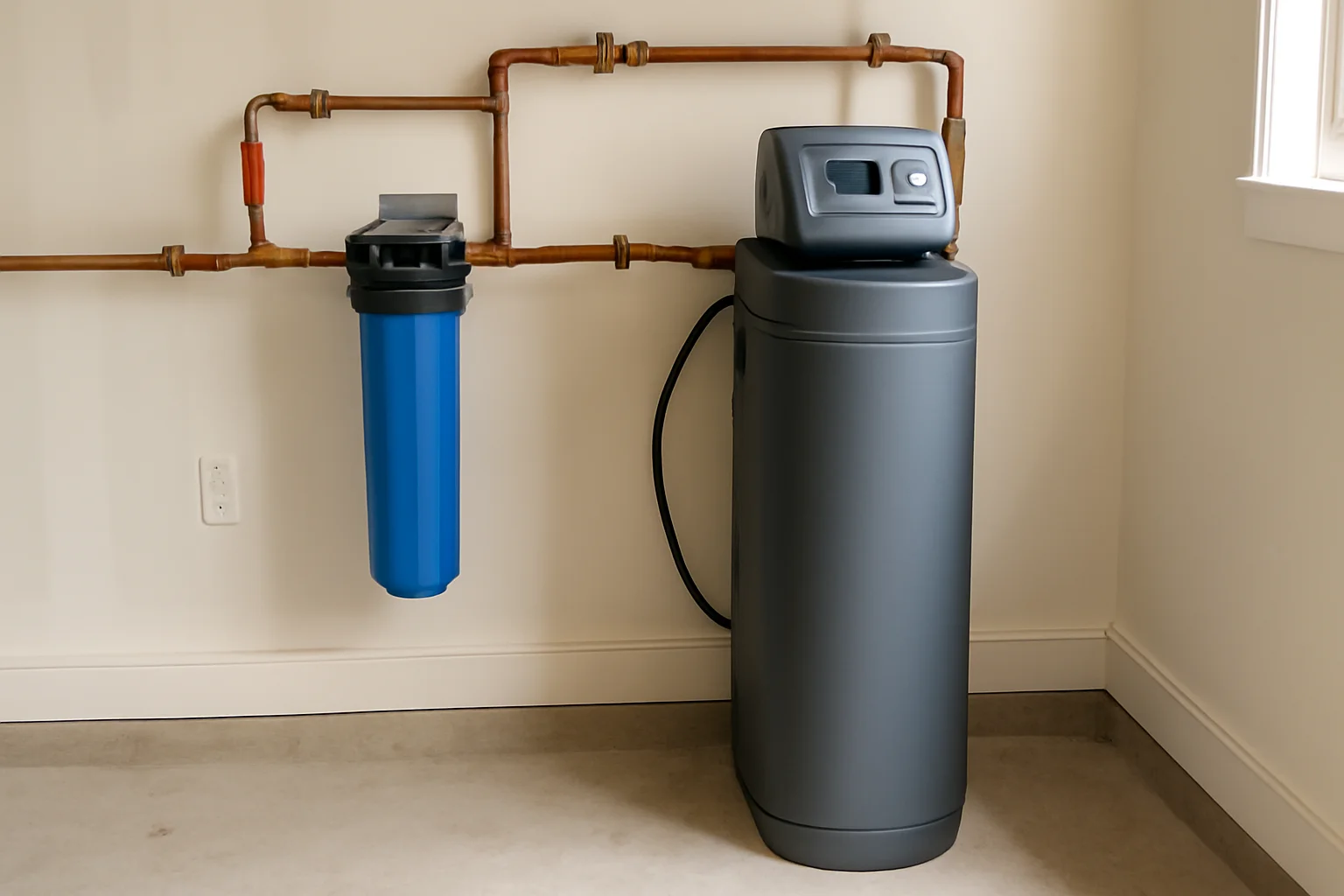
Whole house water filter systems help treat water before it reaches showers, faucets, and appliances. That protects plumbing and reduces the buildup that causes longer-term problems.
Step 4: Get the system sized for your household
A system that is too small may struggle to keep up with demand, while an oversized system can waste resources. Professional water treatment service helps match capacity to actual use.
If you want to explore options, you can learn more about water softening for Parker homes on our dedicated page: /service-areas/bay-county/parker/water-softening-pbc. For a broader look at filtration and how softeners and filters work together, visit /water-filtration-ro-water-softeners. Homeowners can also review service coverage by location at /service-areas/bay-county/parker and Bay County service details at /service-areas/bay-county.
Related reading for Parker families tackling water quality
If you are trying to connect the dots between scale, taste, and long-term plumbing health, these articles can help:
- Water Softening in Parker, FL: A Practical Guide to Spots, Scale, Taste, and Odor
- Cleaner Water, Fewer Plumbing Surprises in Parker Homes
- Why Earlier Plumbing Replacement Can Save Parker Homes from Bigger Repairs
- How Everyday Plumbing Wear Creates Bigger Water Leak Repairs in Parker Homes
When to call a professional for water softening and filtration
DIY water testing and filter swaps can help in some situations, but water treatment often requires careful sizing, correct installation, and ongoing maintenance. Call a professional when you notice multiple issues at once, such as scale buildup around faucets and dry skin from hard water, plus metallic tasting water or cloudy ice cubes. That pattern suggests both hardness and water quality concerns.
A Superior Mechanical can help you choose between water softening, whole home water filtration, and reverse osmosis installation based on your home’s needs. For homeowners looking for reliable water softener service near me or reverse osmosis system near me in Parker, FL, local experience and clear system planning make a difference you can feel in everyday life.
Find Water Softening in Parker, FL
If you need Water Softening in Parker, FL, visit our local service page or contact A Superior Mechanical today.
For a broader look at whole-home water filtration, reverse osmosis, and water softener options, visit our water filtration, RO, and water softener page.
Map of Parker, FL
Frequently Asked Questions
Will a water softener help with hard water spots on dishes and glass in Parker, FL?
Yes. Water softening reduces hardness minerals that leave residue. Many Parker homeowners notice fewer hard water spots on glass and dishes after the system is properly sized and maintained.
Do I need whole home water filtration if I already have a water softener?
Often, yes. A water softener mainly addresses hardness and scale buildup around faucets and showerheads. Whole home water filtration can help with sediment, discoloration, and taste or odor concerns, which a softener alone may not fully resolve.
When is reverse osmosis installation worth it for drinking water?
Reverse osmosis is commonly chosen when homeowners want better drinking water and cooking water flavor, or when they see cloudy ice cubes, metallic tasting water, or odor issues. Many homes use RO at the kitchen tap along with whole home filtration and softening.
How can I tell if my soap does not lather because of hard water?
If soap does not lather or feels like it leaves a film, and you also see scale buildup around fixtures, hard water is a likely cause. Softening can improve lather and rinsing, which can also help with dry skin from hard water.
Related Articles
Photo Gallery