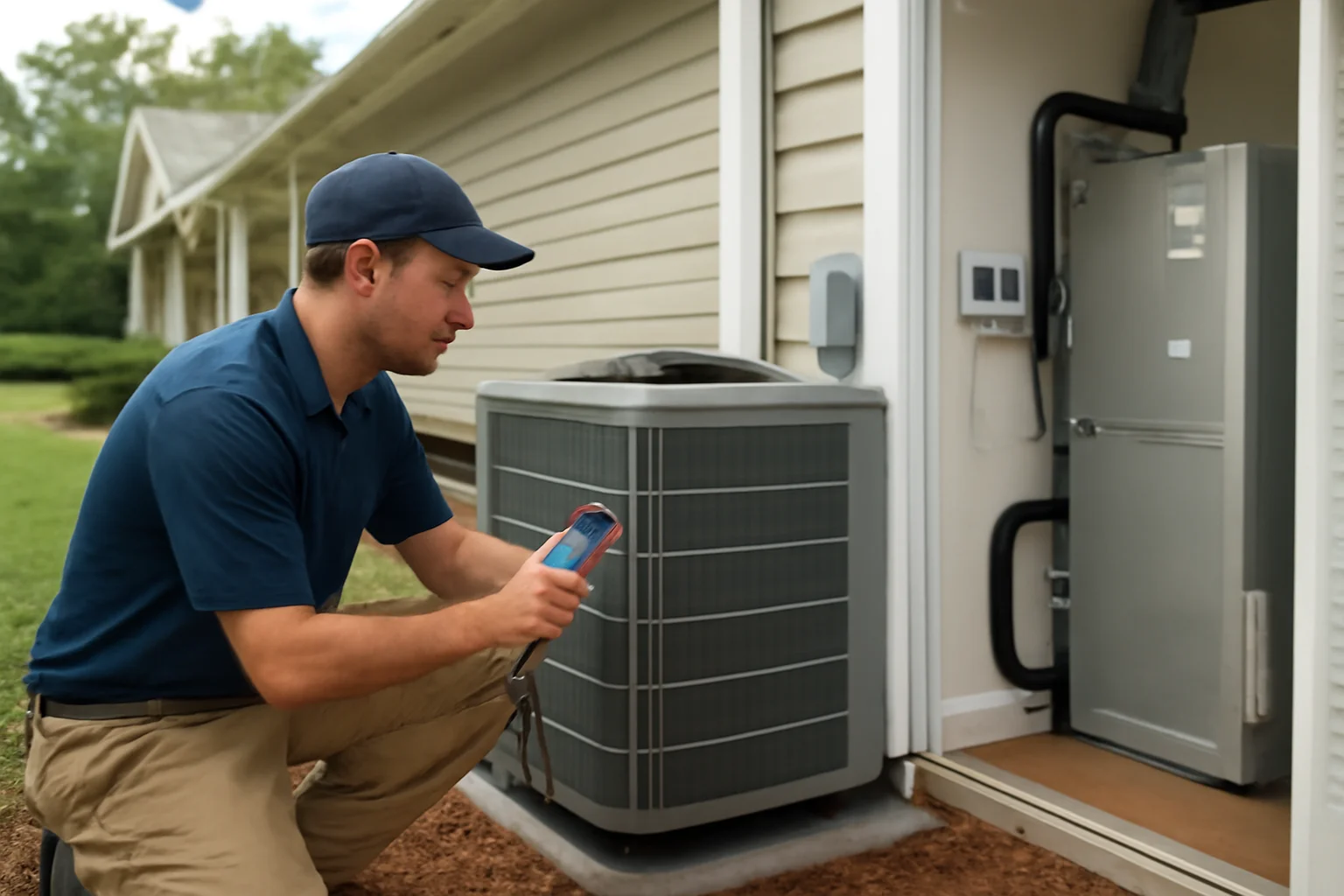
30A homes live in a demanding environment. Florida heat and humidity push air conditioners hard, salt air can accelerate corrosion, and coastal homes often have airflow and ductwork challenges that show up as comfort complaints and higher energy use. Geothermal energy systems can be a strong fit for everyday HVAC reliability, but they are not “set it and forget it.” The right protection plan helps your system run smoothly, protects indoor air quality, and reduces the chances of an emergency cooling problem during peak season.
A Superior Mechanical supports homeowners and property owners across 30A, FL with geothermal HVAC services. If you are researching geothermal energy systems for 30A, FL, the key is understanding how geothermal systems work with airflow, refrigerant systems, condensate drainage, and controls so you can prevent small issues from turning into expensive repairs.
Why geothermal systems can improve everyday HVAC reliability in 30A
Geothermal energy systems, often built around ground-source heat pumps, use the earth as a stable heat source in winter and a heat sink in summer. Compared with equipment that relies only on outdoor air temperatures, geothermal systems can experience more consistent operating conditions. That consistency can help with comfort and can reduce stress on the refrigerant system when the Florida summer swings between hot afternoons and humid evenings.
That said, geothermal reliability still depends on the full HVAC system working together: the heat pump, indoor air handling components, ductwork, thermostats, and moisture management. In 30A coastal communities, humidity control and airflow are especially important because high moisture levels can affect comfort, increase microbial growth risk, and strain cooling performance.
The coastal factors that commonly trigger HVAC problems
Even the best geothermal installation can struggle if the rest of the system is not protected. These are some of the most common local stressors homeowners face in Walton County and along the 30A corridor:
1) High humidity and indoor moisture load
Florida humidity is relentless. When indoor moisture is not removed efficiently, you may notice sticky-feeling air, condensation around air handlers, or musty odors. Moisture issues can also worsen indoor air quality and increase strain on cooling components because the system works longer to meet comfort targets.
Geothermal systems typically provide strong dehumidification when they are properly sized and when airflow is correct. If airflow is restricted or ductwork is leaking, the system may not pull moisture out the way it should.
2) Salt air and corrosion risk
Coastal air can contribute to corrosion on HVAC components that are exposed to outside conditions, especially around any outdoor connections, vents, and nearby metal surfaces. Even though geothermal systems use the ground loop, your overall HVAC still includes components that must be kept clean and protected.
Routine inspection helps catch early signs of wear before they turn into refrigerant-related or airflow-related performance issues that require more intensive repair.
3) Airflow problems that turn into comfort and cost issues
Airflow problems are a frequent root cause behind “my AC is not cooling like it used to” complaints. Dirty filters, blocked returns, duct leaks, poorly balanced airflow, and undersized ductwork can all reduce performance. With geothermal systems, reduced airflow can also interfere with heat transfer across indoor coils, which may lead to uneven temperatures and longer run times.
Homeowners searching for air conditioning inspection near me often discover that the refrigerant system is not the only factor. Air delivery and humidity removal are part of the reliability picture.
4) Condensate drainage and moisture control
As a cooling system runs, it produces condensate that must drain properly. If condensate drainage is partially clogged, the system can experience overflow, water damage risk, or recurring shutdowns. In a humid climate, even small drainage issues can become bigger quickly.
Geothermal systems still rely on proper condensate management in the air handler or indoor unit. Checking the drain line, ensuring proper slope, and confirming that condensate is flowing as intended are practical steps that support everyday HVAC reliability.
Protecting your geothermal HVAC: a homeowner-friendly checklist
Think of geothermal reliability as a set of protections across five areas: controls, airflow, humidity and condensate, refrigerant system health, and system-level maintenance. You can do several items yourself, but professional HVAC maintenance near me should be part of the plan.
Keep thermostats and schedules aligned with real comfort needs
Thermostats influence how often and how long your system runs. In coastal Florida, aggressive temperature swings can lead to longer cycles and higher energy use. Setpoints that are too low can also increase humidity discomfort if airflow and dehumidification are not matched to your home’s needs.
For reliability, use consistent scheduling, ensure the thermostat is reading temperature accurately, and confirm that any multi-stage or heat pump modes are configured correctly. If you are considering upgrades like heating control systems, ask how controls affect both comfort and humidity management.
Support airflow with filter discipline and return path care
Airflow is the “delivery system” for comfort. If filters are clogged or returns are blocked by furniture, curtains, or storage, the system may struggle to move air across coils and through ductwork.
Practical steps:
- Replace or clean filters on schedule and do not stretch the interval beyond what your filter type allows.
- Check that supply and return vents are unobstructed.
- Listen for unusual fan sounds or changes in airflow strength.
If you suspect ductwork issues, consider requesting duct inspection near me or a duct evaluation through a local HVAC contractor. In older 30A homes and vacation rentals, ductwork may have hidden leaks or uneven distribution that impacts cooling and humidity control.
Manage humidity and indoor air quality, not just temperature
Cooling performance is not only about reaching a thermostat setpoint. In 30A humidity, comfort depends on how well the system removes moisture and circulates air. When indoor air quality is an issue, homeowners often notice:
- Persistent musty odors
- Condensation on windows or near vents
- Allergy flare-ups or increased dust
- Uneven temperatures between rooms
Geothermal systems can support strong dehumidification when airflow and coil performance are right. If humidity remains high, it may point to airflow restrictions, condensate drainage issues, or system balance problems. For many homes, adding or upgrading moisture-focused equipment can help, including whole home dehumidifiers where appropriate.
For homeowners searching for indoor air quality services near me, it is worth asking how your HVAC maintenance plan addresses moisture, filtration, and airflow, not just air temperature.
Inspect condensate drainage before peak summer stress hits
Condensate drainage is easy to overlook until it becomes a problem. Preventive HVAC maintenance should include verifying that drainage lines are clear and that the unit drains correctly during operation. In humid conditions, a slow clog can lead to water backup or repeated shutdowns.
Look for warning signs such as:
- Water pooling near the air handler
- Gurgling sounds from drains
- Unexpected musty odors
- Wet insulation or staining around the unit
If you notice these issues, do not wait for the next scheduled visit. Moisture problems can affect indoor air quality and may create repair needs that go beyond HVAC.
Protect the refrigerant system by protecting the operating conditions
The refrigerant system is central to heat pump performance, but homeowners should not attempt refrigerant diagnosis. What you can do is protect the conditions that help the refrigerant system work as designed. That means maintaining airflow, keeping coils clean, ensuring the system can exchange heat properly, and maintaining controls that call for the right mode and capacity.
When refrigerant issues occur, they are often tied to component wear, airflow problems, or leaks that require an in-person evaluation. If you see persistent cooling failure, repeated cycling, or comfort swings, contact an HVAC contractor for assessment rather than trying to troubleshoot refrigerant yourself.
Common geothermal HVAC problems homeowners notice in 30A
Geothermal systems can still develop issues over time. Knowing what to watch for can help you schedule repair early and avoid expensive breakdowns.
Weak cooling or uneven temperatures
Causes can include restricted airflow, duct leaks, improper system balance, or indoor coil performance issues. In a coastal home, it can also be related to humidity load and how the system is cycling.
Before assuming the refrigerant system is at fault, a professional will typically evaluate airflow, ductwork condition, and how the system is operating under your current thermostat settings.
High humidity despite running cooling
If your home feels clammy or you see condensation where it should not be, the issue may involve airflow, condensate drainage, or control settings. Geothermal systems can dehumidify effectively, but performance depends on correct airflow and proper moisture removal.
If humidity is not improving, you may benefit from an HVAC maintenance visit that focuses on humidity and indoor air quality, not just temperature.
Strange noises or changes in airflow
Rattling, squealing, or sudden changes in airflow can point to fan or ductwork problems. Airflow changes are also an early indicator that something is restricting the system.
For homeowners searching for duct repair near me or air conditioner service near me, it helps to request an inspection that includes both mechanical checks and ductwork evaluation when noise or airflow changes show up.
Frequent cycling or “runs but does not finish”
Short cycling or long run times can increase wear and may signal airflow restriction, thermostat control issues, or system imbalance. This can also raise energy use, which matters in a state where summer utility costs can be a major concern.
How preventive maintenance reduces the odds of emergency cooling
30A summers can bring intense heat and humidity that make any HVAC weakness show up fast. Preventive maintenance is not just about avoiding repairs. It is about reducing the likelihood of a mid-summer failure when you need dependable cooling the most.
If you are looking for Why Preventive HVAC Service Pays Off for Air Conditioning Repair in 30A, FL, the central idea is consistent: small issues are easier to address during routine service than during an emergency AC repair situation.
A geothermal-focused preventive visit typically includes checks that support reliability, such as:
- Verifying thermostat operation and system mode behavior
- Inspecting airflow components and refrigerant system-related operating conditions from a safe, professional standpoint
- Checking condensate drainage and moisture management
- Assessing ductwork performance where accessible, including airflow distribution concerns
- Reviewing indoor air quality factors like filtration and airflow patterns
For vacation rentals and homes with occupants coming and going, preventive scheduling matters even more. Frequent thermostat changes, long periods without operation, and varying humidity control needs can create conditions that stress the system.
Ductwork, airflow balance, and indoor air quality: the reliability multiplier
Many homeowners think geothermal reliability depends only on the ground loop and heat pump. In practice, ductwork and airflow determine whether the conditioned air reaches rooms correctly and whether moisture is removed without overcooling or under-dehumidifying.
Common duct and airflow issues in the 30A area include:
- Leaky ducts in attics or crawl spaces
- Disconnected or crushed duct sections
- Blocked returns or undersized return paths
- Uneven airflow that creates hot or cold rooms
If you are troubleshooting comfort problems, ask your HVAC contractor to evaluate ductwork and airflow as part of the diagnosis. This can be especially helpful if you are searching for duct cleaning near me or duct repair near me, because duct cleaning and repairs are only useful when they are matched to the actual airflow and moisture needs of your home.
Energy use and comfort: how to keep geothermal performing well
Geothermal systems are designed for efficiency, but energy use still depends on airflow, thermostat behavior, insulation levels, and how your home handles humidity. In 30A’s coastal climate, a well-performing geothermal system often means:
- Stable temperature control without aggressive setpoint swings
- Humidity levels that feel comfortable, not just “cooler”
- Consistent airflow through supply and return pathways
When energy use rises unexpectedly, it can be a sign of airflow restriction, a control issue, or a component performance change. A professional HVAC inspection can help identify the true cause, so you do not waste time on guesswork.
System replacement and major repairs: what homeowners should consider
Most geothermal homeowners can avoid premature replacement through preventive maintenance and timely repairs. Still, there are moments when a system replacement conversation makes sense, such as repeated breakdowns, worsening comfort issues, or major component failures.
Because geothermal systems involve integrated mechanical and indoor components, replacement decisions should be based on an in-person assessment of the whole system performance. Do not treat any online troubleshooting as a substitute for a local professional evaluation.
If you are weighing replacement, it also helps to consider how controls and comfort goals will be handled going forward. For homeowners managing budgets, it may be worth exploring HVAC financing options offered through local partners, so comfort does not get delayed during the hottest months.
When to call A Superior Mechanical for geothermal HVAC help
Geothermal reliability depends on catching issues early. Call a local HVAC contractor for an evaluation when you notice recurring comfort problems, moisture concerns, or signs of system strain.
Consider scheduling service if you experience:
- Cooling performance drops, especially during humid afternoons
- Indoor humidity stays high even when cooling runs
- Condensate drainage problems, water spots, or musty odors
- Unusual noises, fan changes, or airflow that feels weak
- Frequent thermostat cycling or inconsistent room temperatures
For time-sensitive situations where cooling is urgently needed, homeowners often search for emergency AC repair near me. While every case is different, acting quickly matters. Florida heat can intensify comfort and health concerns, particularly in homes with children, seniors, or anyone sensitive to temperature and humidity swings.
If you want a proactive plan, look for Air Conditioning Maintenance that supports geothermal performance, airflow, and indoor air quality. For additional seasonal guidance, see How 30A Homes Can Stay Ahead of HVAC Emergencies During Seasonal Stress.
Practical do-it-yourself steps between professional visits
Homeowners can support geothermal HVAC reliability without attempting technical repairs. Focus on safe, simple actions:
- Check and replace filters on schedule.
- Keep vents and returns clear.
- Note comfort changes and when they happen, such as afternoons vs. evenings.
- Watch for moisture signs near the air handler.
- Keep thermostat settings stable and avoid extreme swings.
These steps support airflow and moisture control, which helps the system run as intended and reduces the chance that a small issue becomes a costly repair.
Choosing the right HVAC contractor for geothermal systems in 30A
Geothermal HVAC reliability is easier to maintain when you work with a contractor who understands the full system, including ductwork, indoor air quality, thermostats, and moisture management. A Superior Mechanical focuses on geothermal energy systems in 30A, FL and supports homeowners with installation, repair, and maintenance.
If you are searching for HVAC maintenance near me or HVAC contractor near me, ask how the service plan addresses the reliability factors that matter most in Walton County: Florida humidity, airflow delivery, condensate drainage, and system controls. You should also confirm that the technician will evaluate the indoor side of the system, not just the outdoor or ground loop components.
For homeowners preparing for the season, scheduling an AC tune up near me before the hottest stretch can help ensure the system starts strong and stays dependable.
To explore geothermal options and local support, review Walton County HVAC service areas and the geothermal service page at /service-areas/walton-county/30a/geothermal-energy-systems-30awcfl.
Find Geothermal Energy Systems in 30A, FL
If you need Geothermal Energy Systems in 30A, FL, visit our local service page or contact A Superior Mechanical today.
Map of 30A, FL
Frequently Asked Questions
How does a geothermal energy system handle Florida humidity compared with a traditional AC unit?
Geothermal systems can dehumidify effectively when airflow and indoor coil performance are correct. If ductwork, filters, or return airflow are restricted, the system may not remove moisture as well, even if it is cooling. A professional evaluation should consider humidity comfort, condensate drainage, and airflow balance.
What are the most common geothermal HVAC problems homeowners notice in 30A?
Homeowners commonly report weak cooling, uneven temperatures, high indoor humidity, unusual noises, or recurring moisture concerns. These issues often connect to airflow, ductwork performance, condensate drainage, thermostat behavior, or component wear that needs an in-person inspection.
Can I prevent geothermal HVAC repairs by doing duct cleaning or replacing filters myself?
Replacing filters and keeping vents and returns clear can support airflow, which helps geothermal performance. Duct cleaning may help in certain situations, but it should be matched to your duct condition and comfort goals. If you suspect leaks or airflow problems, ask for a duct evaluation rather than relying on duct cleaning alone.
When should I call for emergency AC repair in a 30A home?
Call right away if the system stops cooling during peak heat, if you notice water backup or strong musty odors linked to condensate drainage, or if the equipment cycles repeatedly without improving comfort. Florida heat and humidity can make a small failure feel urgent fast.
Is refrigerant troubleshooting something I should try on my own?
No. Refrigerant diagnosis and repairs require professional tools and safe handling. If cooling performance is poor or the system is acting abnormally, schedule an in-person assessment so a technician can confirm the cause and recommend the correct repair path.
Related Articles
Photo Gallery