Niceville households depend on steady, good water every day. From the coffee pot to the shower, and from laundry to dishwashing, water quality shows up fast. When hard water is part of the picture, homeowners often notice hard water spots on glass, a chalky film on fixtures, and scale buildup around faucets and showerheads. Over time, that same scale can quietly reduce the lifespan of plumbing parts and water-using appliances.
This article breaks down what causes fixture wear in Niceville, FL and why water softening is one of the most practical water treatment upgrades you can make. We will also touch on whole home water filtration, including AO Smith water filtration options and reverse osmosis for drinking and cooking water.
What hard water is doing inside your plumbing and on your fixtures
Hard water contains dissolved minerals, primarily calcium and magnesium. Those minerals do not just sit on the surface. When water heats up or evaporates, minerals can leave behind deposits that build up where water flows, where water sprays, and where water dries.
You can usually see the effects right away:
- Hard water spots on dishes and cloudy residue on glassware
- Scale buildup on faucets, showerheads, and around plumbing connections
- Dry skin from hard water and dull hair after bathing
- Soap that does not lather or rinse well, leaving a slimy feel or residue
- Visible sediment, discoloration, and odor concerns that can get worse when fixtures and filters accumulate minerals
- Metallic or chlorinated taste that makes drinking water less appealing
- Cloudy ice cubes and poor flavor in cooking water
- Poor tasting coffee and cooking water that can taste flat or off, even if your coffee beans are fresh
In Niceville, seasonal weather swings and changes in household water use can make scale buildup more noticeable. Warm water use is constant in kitchens and bathrooms, and heating water is part of daily life. When minerals are constantly introduced and heated, scale can form faster than many homeowners expect.
How scale shortens the life of plumbing fixtures
Hard water scale is often described as “just a cleaning problem,” but it is more than that. Scale is abrasive and insulating. It can reduce water flow, clog small passages, and increase stress on parts that were never designed to run with mineral deposits.
1) Clogged aerators and reduced flow
Faucet aerators and shower valves have small openings. Mineral deposits can narrow those openings, which leads to weaker water flow. Homeowners might respond by turning up the water pressure, but that can increase wear on cartridges, seals, and internal valve components.
2) Worn seals, cartridges, and valves
When scale accumulates inside showerheads and faucet assemblies, seals and cartridges may not close smoothly. That can cause drips, inconsistent temperature control, or changes in spray pattern. Even if a fixture still “works,” mineral buildup can shorten its service life.
3) Faster corrosion when water chemistry is not balanced
Hardness is only one piece. If water also has a chlorine taste, metallic notes, or odor concerns, scale can trap impurities and create a surface where corrosion can develop. That is one reason homeowners sometimes see discoloration around fixtures or notice that cleaning takes more effort over time.
4) Mineral buildup in hot water systems
Water heaters and hot water lines are a major source of mineral deposits because heat accelerates the process that leaves scale behind. Over time, scale can reduce heat transfer efficiency, making appliances work harder. Many homeowners notice that appliances seem to “wear out faster” once mineral buildup becomes a regular part of their household routine.
If you are also seeing soap residue, chalky buildup, and dry skin after bathing, that is often a sign that hard water is affecting more than appearance. It is changing how water interacts with surfaces and skin, and it is changing how your plumbing system performs.
Why your kitchen and bath show the problem first
Most households experience the effects of hard water where water is used most often: kitchens and bathrooms. Think about the daily rhythm in a Niceville home.
Kitchen scenes: coffee, cooking water, and dishwashing
Picture a weekday morning. The kettle fills. Ice cubes go into a cooler. Coffee is brewed. If the water has a chlorine taste in water or a metallic flavor, it can carry through every drink. Homeowners also report cloudy ice cubes when water quality is inconsistent or when minerals and dissolved solids are high.
Then comes dishwashing. Hard water can leave hard water spots on dishes and a film that makes plates feel gritty or look dull. That is not just cosmetic. When minerals build up on cookware and on dishwasher components, appliances can lose efficiency and require more frequent cleaning.
Bath scenes: showers, skin, and hair
In the shower, scale can accumulate on showerheads and inside plumbing lines that feed the bathroom. Homeowners often notice water feels “stiffer,” soap does not rinse cleanly, and hair looks dull. That is why many people describe dry skin from hard water or hair that does not feel as soft after bathing.
Hard water can also make it harder to keep bathrooms looking clean. If you are constantly scrubbing around fixtures, you are likely dealing with ongoing mineral deposition.
Water softening: the core solution for scale and fixture protection
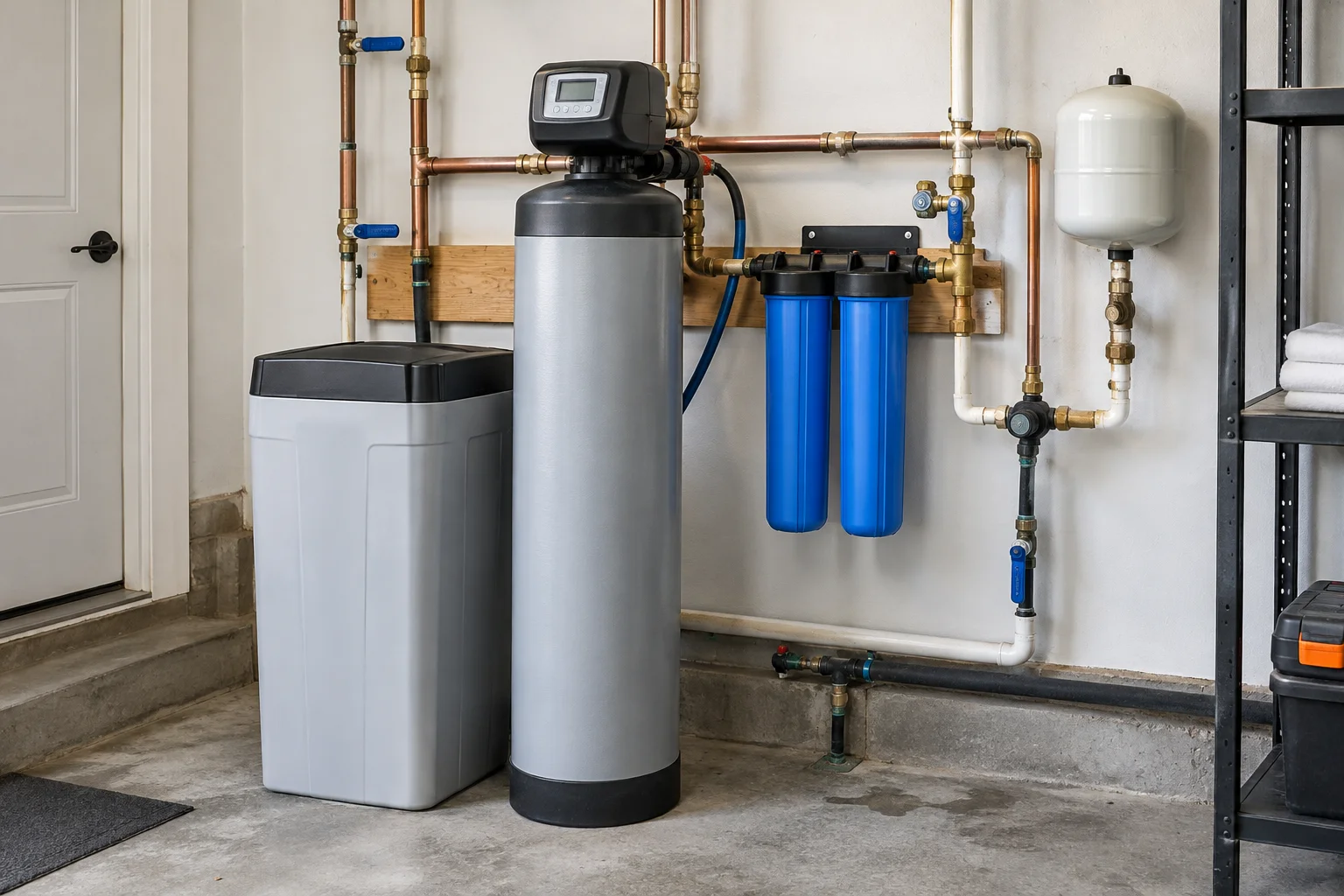
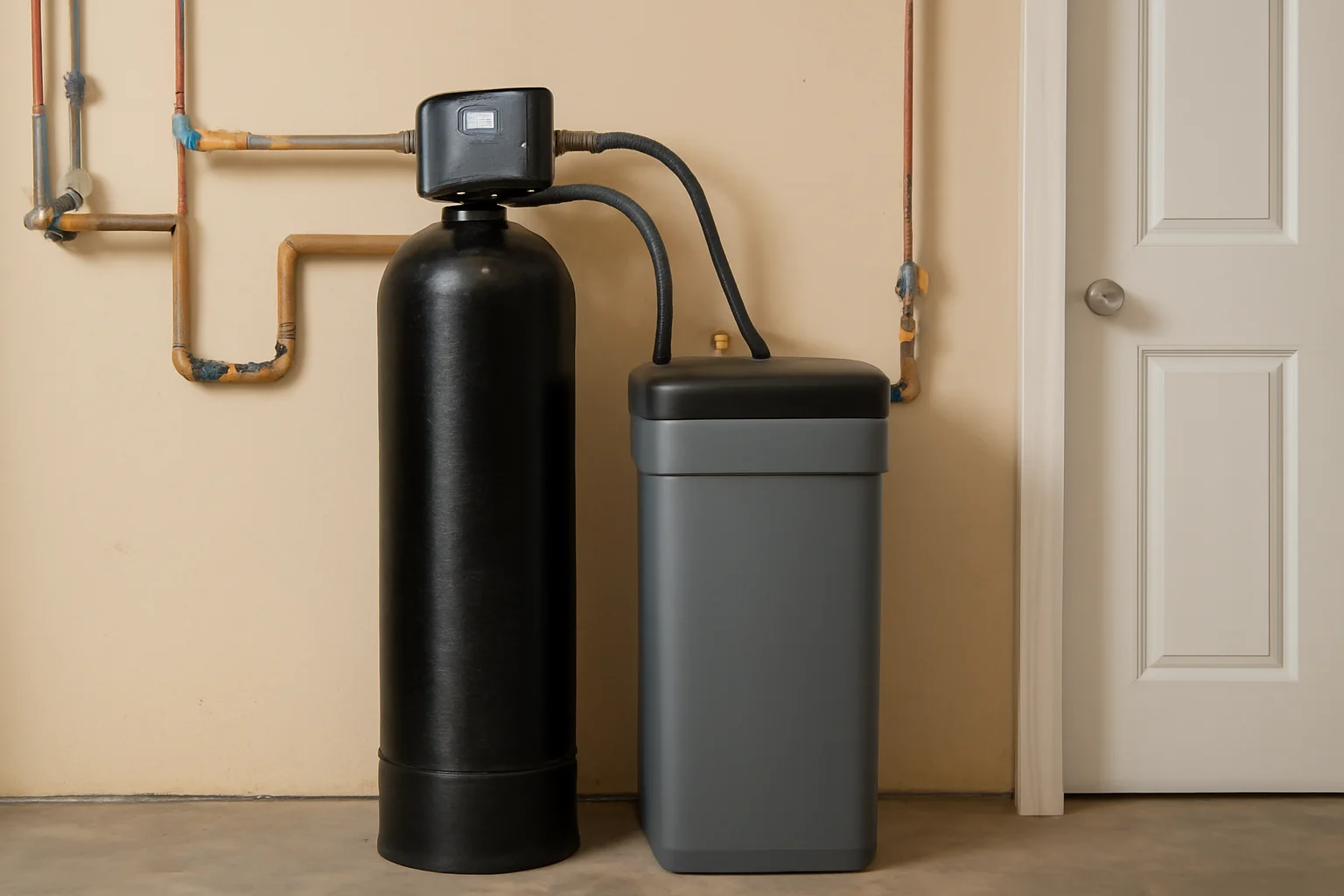
Water softening is designed to reduce hardness minerals that create scale. A properly sized water softener replaces calcium and magnesium with softer minerals that do not form the same stubborn deposits.
For homeowners asking about water softener service near me, the best results usually come from the full process: evaluating water hardness, matching equipment to household size and usage, and keeping the system maintained so it continues working as expected.
What changes when you soften water
With soft water, you typically see:
- Fewer hard water spots on glass and clearer dishware
- Less buildup and easier cleaning
- Improved soap performance and less residue on skin
- Reduced scale buildup on faucets, showerheads, and plumbing components
- Potentially longer service life for parts that would otherwise clog or wear faster
Softening does not automatically solve every water quality concern. Many Niceville homes benefit from combining softening with filtration for taste, odor, and sediment control.
Whole home water filtration and why it matters in Niceville
Water treatment is rarely one single device. Many homeowners choose a layered approach that protects plumbing and improves water quality for drinking, cooking, bathing, and laundry.
Whole home water filtration helps address particles, sediment, and other contaminants that can contribute to discoloration and odor concerns. It can also make downstream systems work better by reducing the load on fixtures and appliances.
When homeowners search for home water purification near me, they are often looking for a system that reduces the things they can see and smell, without turning every day into a cleaning project. Whole home filtration can be an important part of that goal, especially if you have noticed visible sediment or discoloration.
AO Smith water filtration in the overall system
Many Niceville families consider AO Smith water filtration because it is built for whole home performance and dependable daily operation. The right configuration depends on your water conditions, your household size, and which issues are most important to you, such as scale, taste, or sediment.
For example, some homes prioritize softening to reduce scale and protect fixtures, while others also want filtration to improve drinking water quality. A professional water treatment assessment helps you choose the right mix rather than guessing.
Reverse osmosis for drinking and cooking water
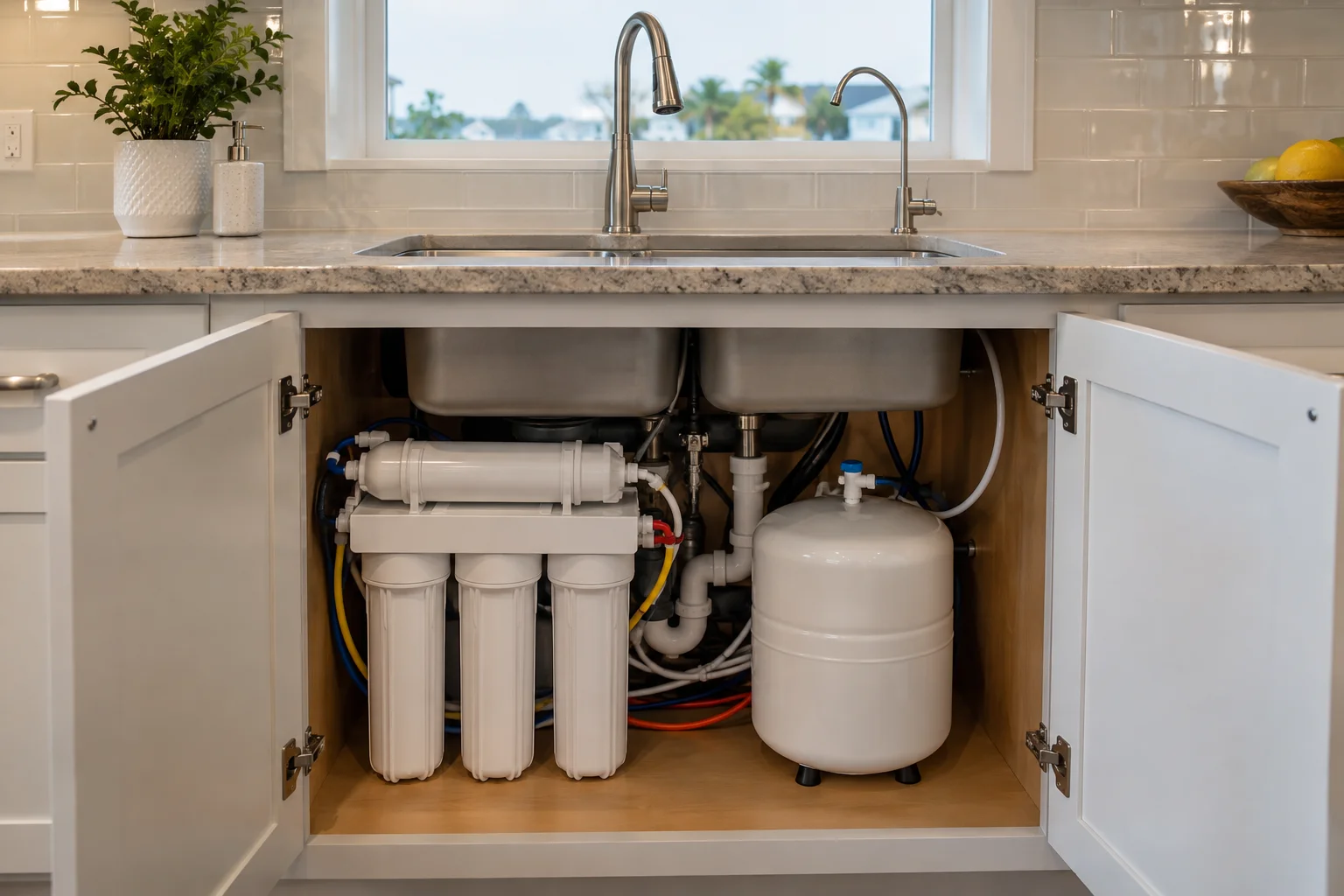
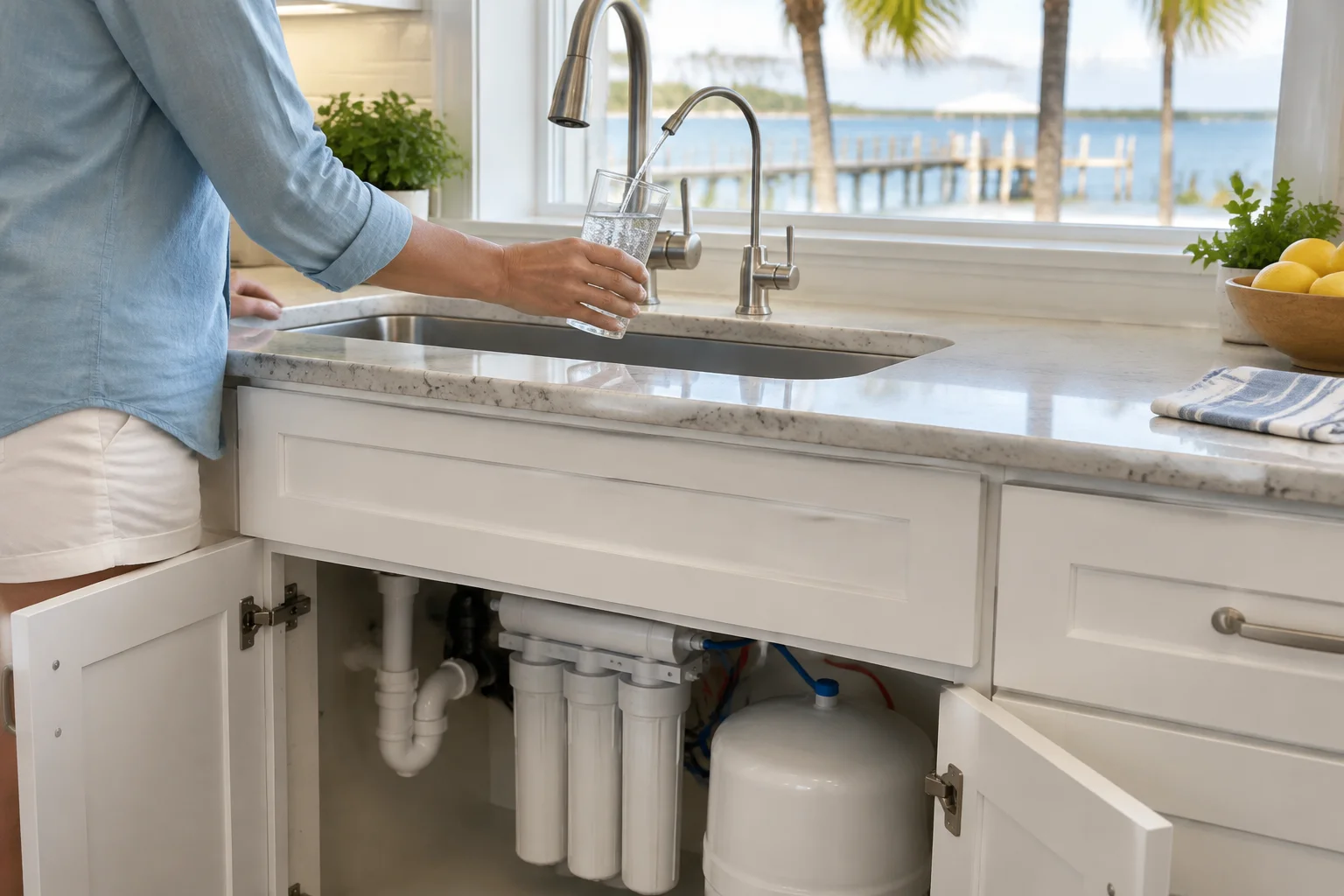
Even with softening and whole home filtration, many homeowners still prefer cleaner, better tasting water at the kitchen sink. That is where reverse osmosis (RO) can be a strong option.
RO systems are often used for:
- Better drinking water and improved drinking taste
- Cleaner cooking water for soups, rice, pasta, and sauces
- Reducing the flavor impact of chlorine taste in water or other dissolved substances
If you have noticed cloudy ice cubes, or if your coffee tastes off even when you use quality beans, RO can help create a more consistent water profile for daily kitchen use.
When searching for reverse osmosis installation near me, look for a provider who will explain how RO fits with your softener and filtration plan. Some households use RO only for drinking and cooking, while others choose a more comprehensive setup depending on their goals.
Common “fixes” that do not stop the root problem
Some homeowner habits can make scale look better temporarily, but they do not protect plumbing components long-term.
- Scrubbing scale repeatedly without addressing hardness. The deposits keep returning because the underlying mineral problem remains.
- Using harsh cleaners frequently. Some chemicals can damage finishes or accelerate wear on certain fixtures.
- Ignoring soap scum. If soap does not lather or rinse well, that is often a sign that hardness is interfering with cleaning and leaving residue on skin and laundry.
- Assuming odor is only “a smell problem”. If you also have discoloration or sediment, filtration and system maintenance may be part of the solution.
Softening and filtration reduce the cause, not just the symptom.
How to prevent fixture wear with the right maintenance habits
Even the best system needs upkeep. The goal is to keep water treatment performing day after day, especially during periods of heavier use.
Watch for performance changes
Consider a water treatment check if you notice new or worsening symptoms such as:
- Scale returning faster than usual
- Soap scum showing up again on shower walls
- Spotting on glassware that seems harder to remove
- Drips or inconsistent spray from showerheads
- Faster appliance cycling or reduced hot water performance
Keep up with water softener service
Water softener service near me is often about more than repairs. Regular maintenance helps ensure the system regenerates properly and continues reducing hardness. That is one of the best ways to protect fixtures and appliances from renewed scale buildup.
If you are already dealing with scale around faucets, showerheads, or plumbing connections, it is worth addressing water hardness promptly so the deposits do not keep accumulating.
Why local water treatment service matters in Niceville and Okaloosa County
Niceville homes can see different water behavior depending on local conditions, household plumbing layout, and how water is used throughout the year. When you invest in water softening and filtration, you want a system designed for the reality of your property, not a one-size-fits-all guess.
That is why working with a local provider is valuable. A professional assessment helps match equipment to your household needs and your water quality. If your goal is better water for drinking and cooking, you may also consider RO. If your goal is cleaner showers and less buildup, softening and whole home filtration can be the foundation.
For homeowners in Niceville, you can review service options and schedule support through A Superior Mechanical’s water softening service page. If you are comparing treatment approaches, the broader overview at water filtration and RO water softeners can help you understand how these systems work together. You can also explore more local coverage on the Niceville service area page and Okaloosa County services.
Where better water fits alongside plumbing reliability
Water treatment is not the only factor in long-term plumbing reliability, but it is a major one. Many homeowners also benefit from pairing water quality improvements with good plumbing practices. For example, mineral buildup can make repairs more frequent, and it can stress components that would otherwise last longer.
If you want to strengthen overall system reliability, these reads may help:
- How Better Plumbing Installation Helps Niceville Homes Stay Reliable Year Round
- Why a Small Water Heater Problem in Niceville Can Turn Into a Bigger Plumbing Repair
- Why Better Plumbing Replacement Pays Off in Niceville Homes
And if you are planning repairs or upgrades but need time to manage costs, you may also find this useful: Practical ways Niceville homeowners can handle plumbing financing without delaying repairs.
Choosing the right water treatment plan for your household
Homeowners typically start with the symptoms they can see: hard water spots on glass, scale buildup around faucets, and dull hair after bathing. From there, a smart plan connects the dots between water quality and fixture life.
A typical approach in Niceville might look like this:
- Water softening to reduce hardness and prevent scale buildup on showerheads, faucets, and plumbing components
- Whole home water filtration to address sediment and improve overall water cleanliness
- Reverse osmosis at the kitchen sink for better drinking water and better water for cooking and coffee
- AO Smith water filtration components selected based on your water profile and goals
When these pieces fit together, everyday life changes in small but noticeable ways. Glassware looks cleaner longer. Showers require less aggressive scrubbing. Laundry feels different. Coffee and cooking water tastes more consistent. And the plumbing and appliances you rely on can face less mineral stress over time.
If you are trying to figure out whether hard water is shortening the life of your plumbing fixtures, consider starting with a water softening assessment. That is often the quickest path from “constant cleaning” to cleaner everyday water across your kitchen and bath.
Find Water Softening in Niceville, FL
If you need Water Softening in Niceville, FL, visit our local service page or contact A Superior Mechanical today.
For a broader look at whole-home water filtration, reverse osmosis, and water softener options, visit our water filtration, RO, and water softener page.
Map of Niceville, FL
Frequently Asked Questions
Does water softening really prevent scale buildup around faucets and showerheads?
Yes. Water softening reduces hardness minerals that form scale. Many Niceville homeowners notice less scale buildup around faucets and showerheads, fewer hard water spots on glass, and easier cleaning once the system is sized and maintained correctly.
Will a water softener fix chlorine taste in water or unpleasant odors?
Not usually by itself. A softener focuses on hardness. If you are dealing with chlorine taste in water, odor concerns, or discoloration, many homes benefit from whole home water filtration and, for drinking water, reverse osmosis.
What is the difference between whole home water filtration and reverse osmosis?
Whole home water filtration treats water entering the house to help with sediment and overall cleanliness. Reverse osmosis typically provides cleaner water at the drinking and cooking point, improving taste and water quality for coffee, ice, and daily drinking.
How do I know if hard water is affecting my appliances?
Look for signs like reduced performance, more frequent maintenance, and “wear out faster” trends. Hard water scale can build up inside hot water systems and appliance components, which can reduce efficiency and shorten lifespan.
Related Articles
- How Better Plumbing Installation Helps Niceville Homes Stay Reliable Year Round
- Practical ways Niceville homeowners can handle plumbing financing without delaying repairs
- Why a Small Water Heater Problem in Niceville Can Turn Into a Bigger Plumbing Repair
- Why Better Plumbing Replacement Pays Off in Niceville Homes
Photo Gallery